The Common Mistake
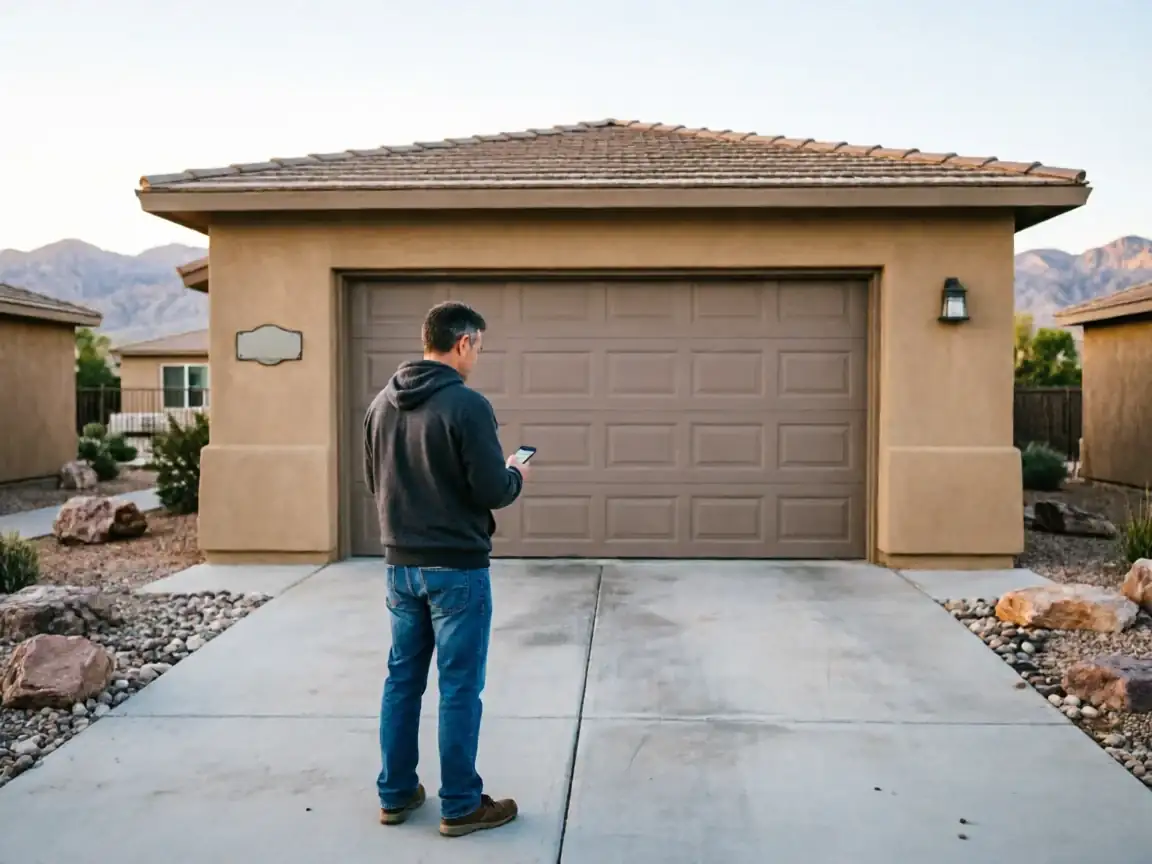
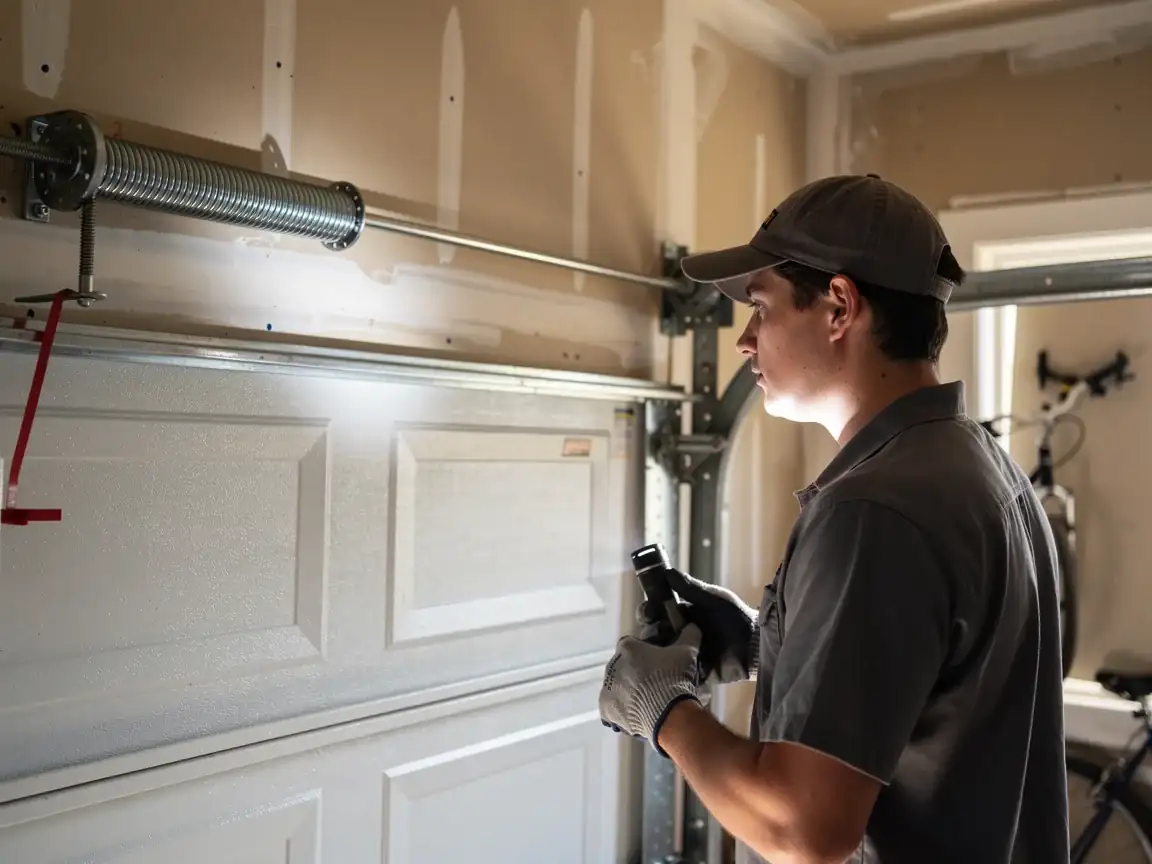
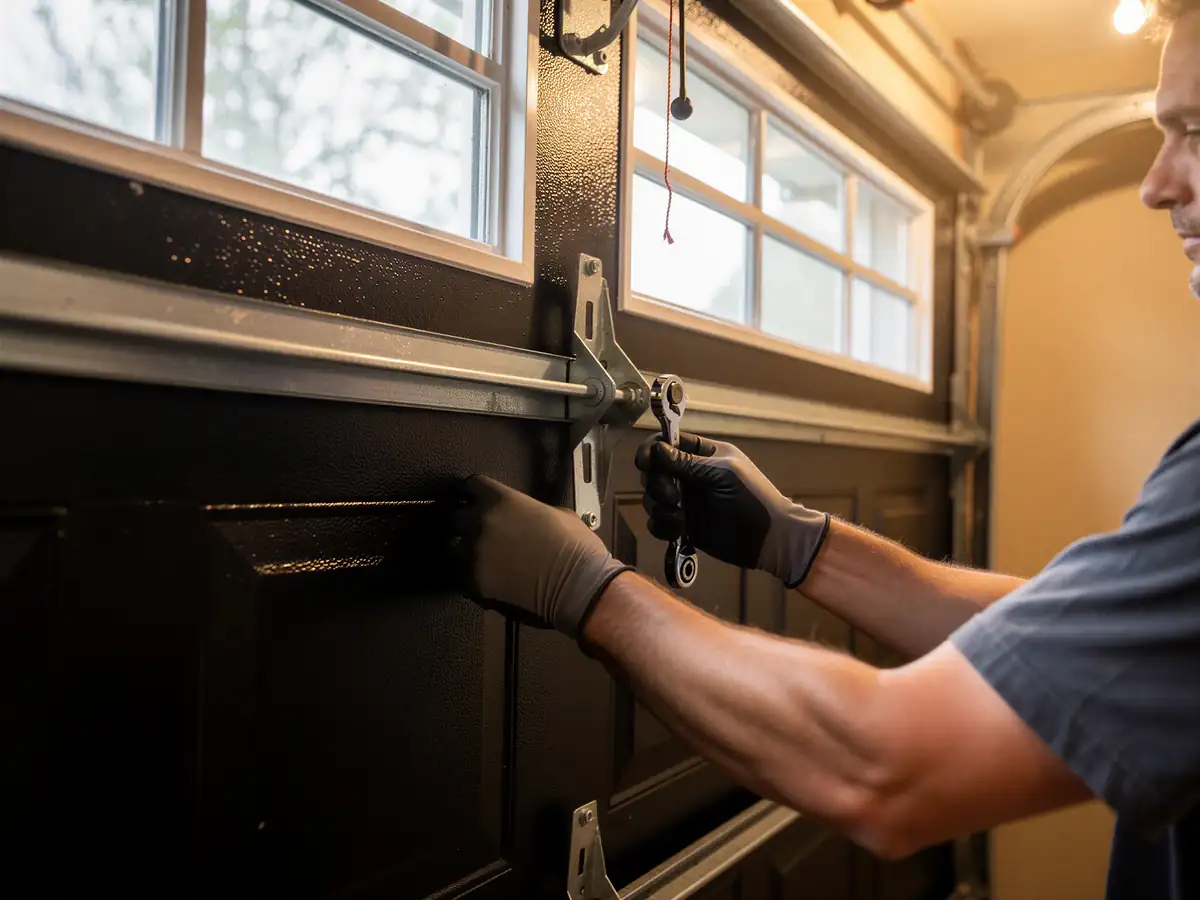
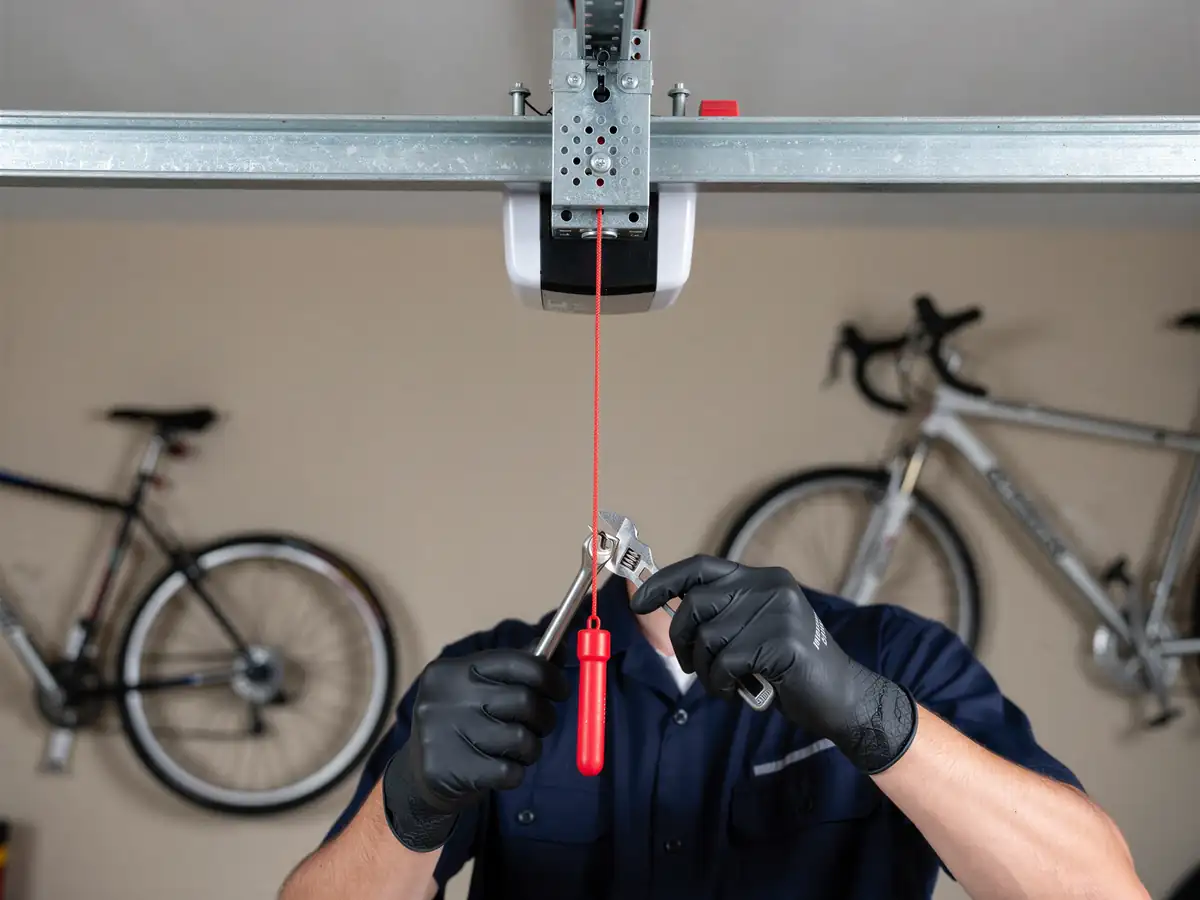
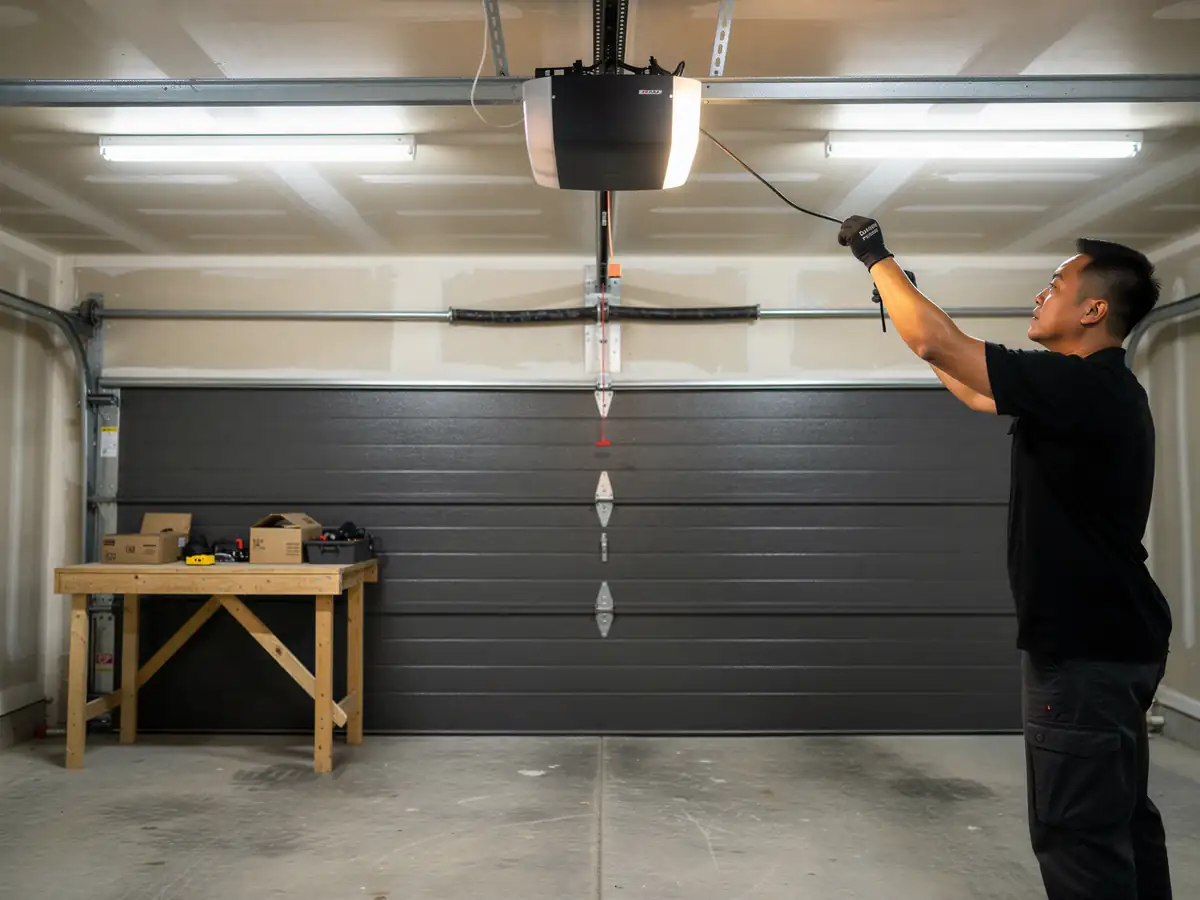
Most of the calls we get start the same way: a homeowner swaps out the opener's safety sensors or the remote battery, declares the door fixed, and walks away. In a lot of towns that'd be a reasonable fix. Here it isn't, not when the house underneath that door was built somewhere between 1980 and 2005 - the median in this area is 1989 - because the hardware doing the actual lifting is the same age as the roof. Eight named pockets of this area share that same build window, which means the mistake isn't isolated to one street or one subdivision. It's the whole service area. Swapping a sensor doesn't touch the torsion spring that's been cycling through 90-plus-degree days for three decades, and it doesn't touch the galvanized coating that's been baking and expanding every summer since the house went up. The common mistake isn't ignorance, it's assuming the visible parts are the ones that fail first. They usually aren't.
What the Weather Here Does to It
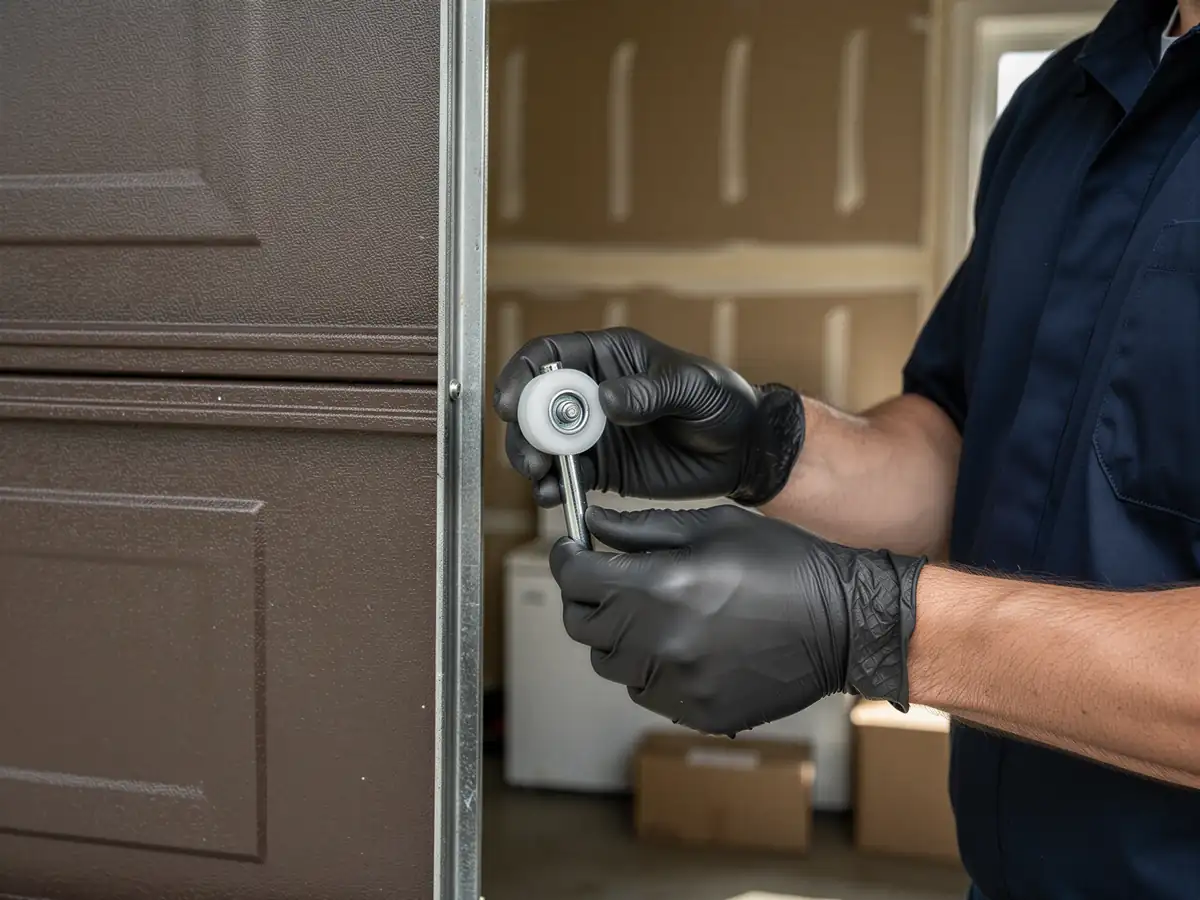
This area carries a severe heat classification, and that matters for a garage door in ways people don't expect. Steel expands under direct sun exposure and contracts again at night, and a door that does that every day for a few decades develops play in the track bolts and the hinge pivots that a milder climate wouldn't produce. Torsion springs lose temper faster under repeated heat cycling - the metal itself fatigues, not just the coating on it. Lubricant on rollers and hinges breaks down and gums up faster in sustained high heat, which is why a door that sounded fine in spring starts grinding by August. Openers suffer too: the circuit boards and capacitors inside a wall-mounted unit in a garage that regularly runs hot through summer age faster than the same part in a conditioned space. None of this is dramatic failure. It's slow wear that adds up until a spring snaps on a Tuesday afternoon for no reason anyone can point to - except that it's been heating and cooling for 30 summers.
When It Stops Being a DIY Job
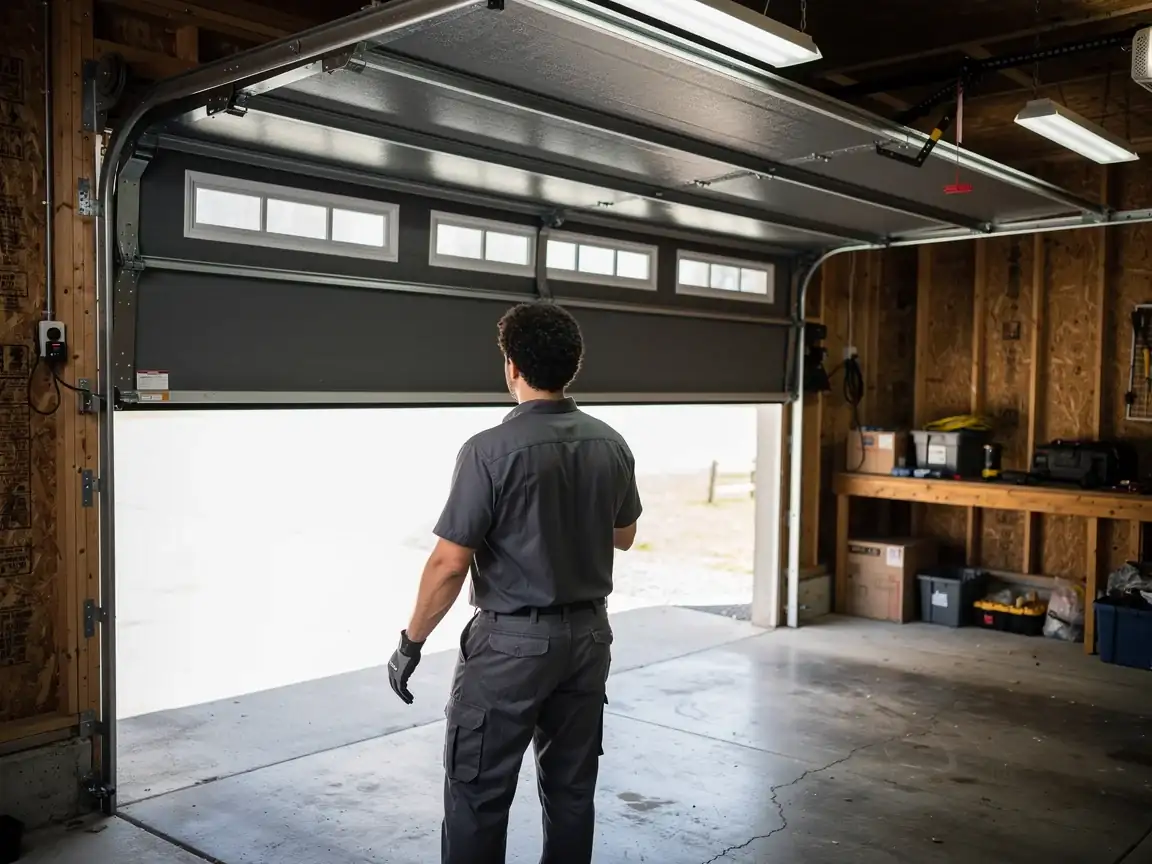
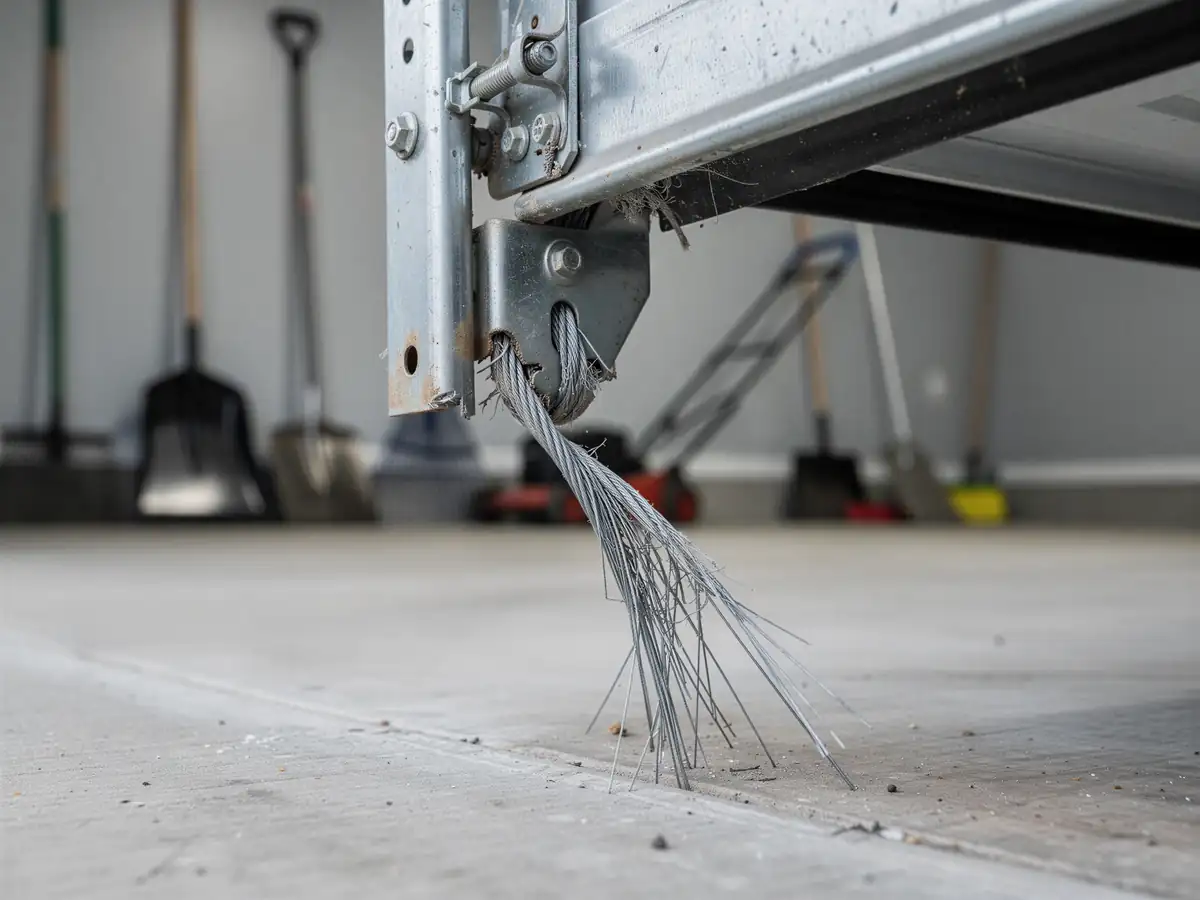
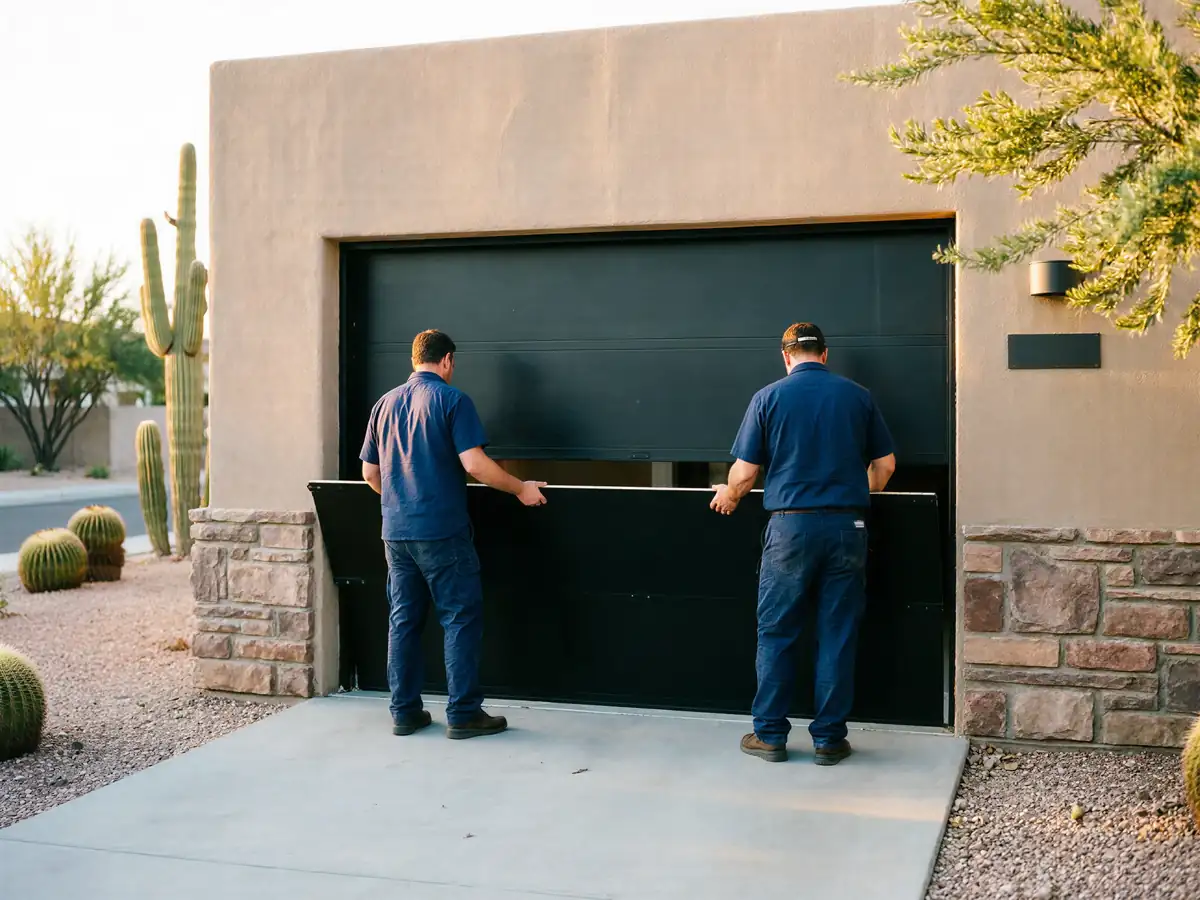
At some point a repair isn't worth it anymore, and the honest answer is usually tied to what's underneath, not just what's broken today. With median household income in this area at $70,982, most homeowners we talk to want a straight answer on whether a part is worth fixing or whether the door's reached the end of its run - we don't have a set price to quote here, that's a call we make looking at the actual door. What we can say: if the opener, the springs, and the rollers are all original to a house built in the 1980s or 90s, fixing one part often just means the next part fails in six months. Across the roughly 27,068 owner-occupied houses in this service area, that's the pattern we see most - not one catastrophic failure, but a slow stack of original parts reaching the end of their life around the same time. A cable fraying at the drum, a bent track, a spring that's lost half its coil tension - any one of those alone is a repair. All three at once on a decades-old door is a replacement conversation. We won't talk you into one you don't need, but we also won't pretend a patch job on end-of-life hardware is a long-term fix.