How It Shows Up
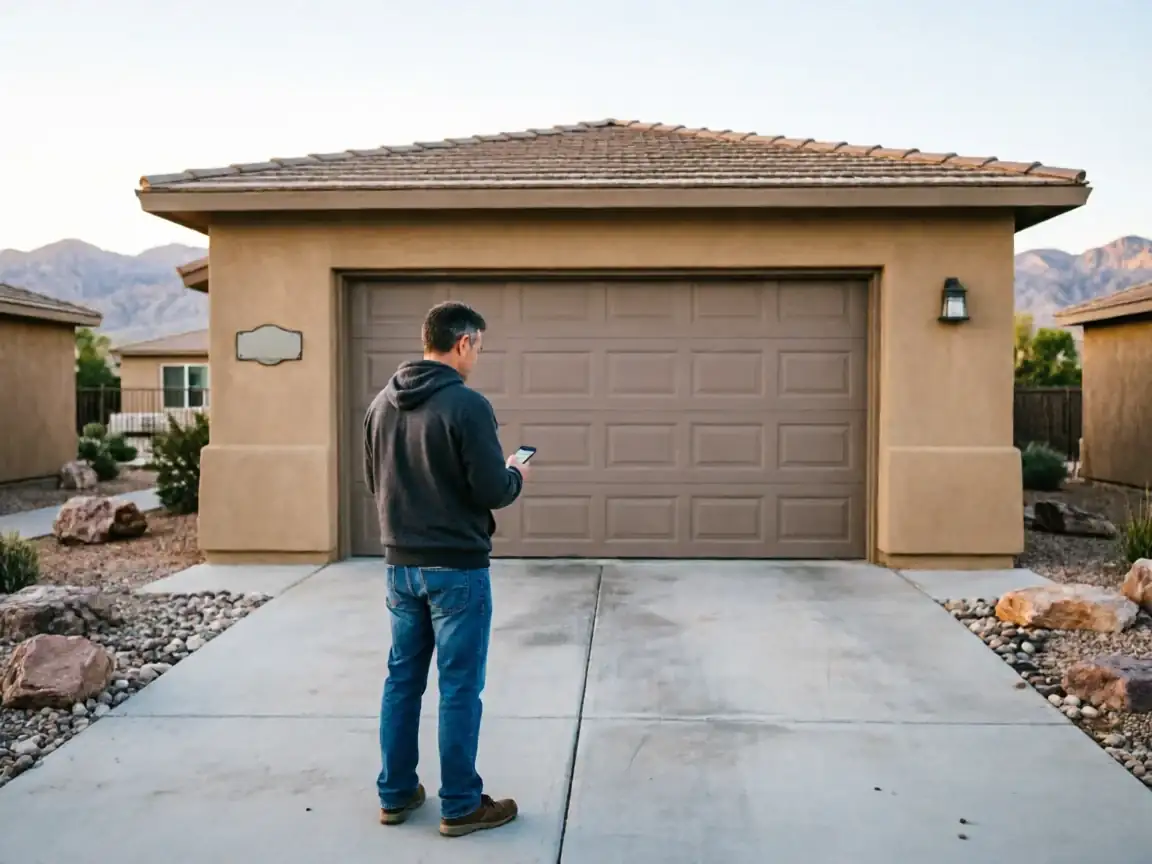
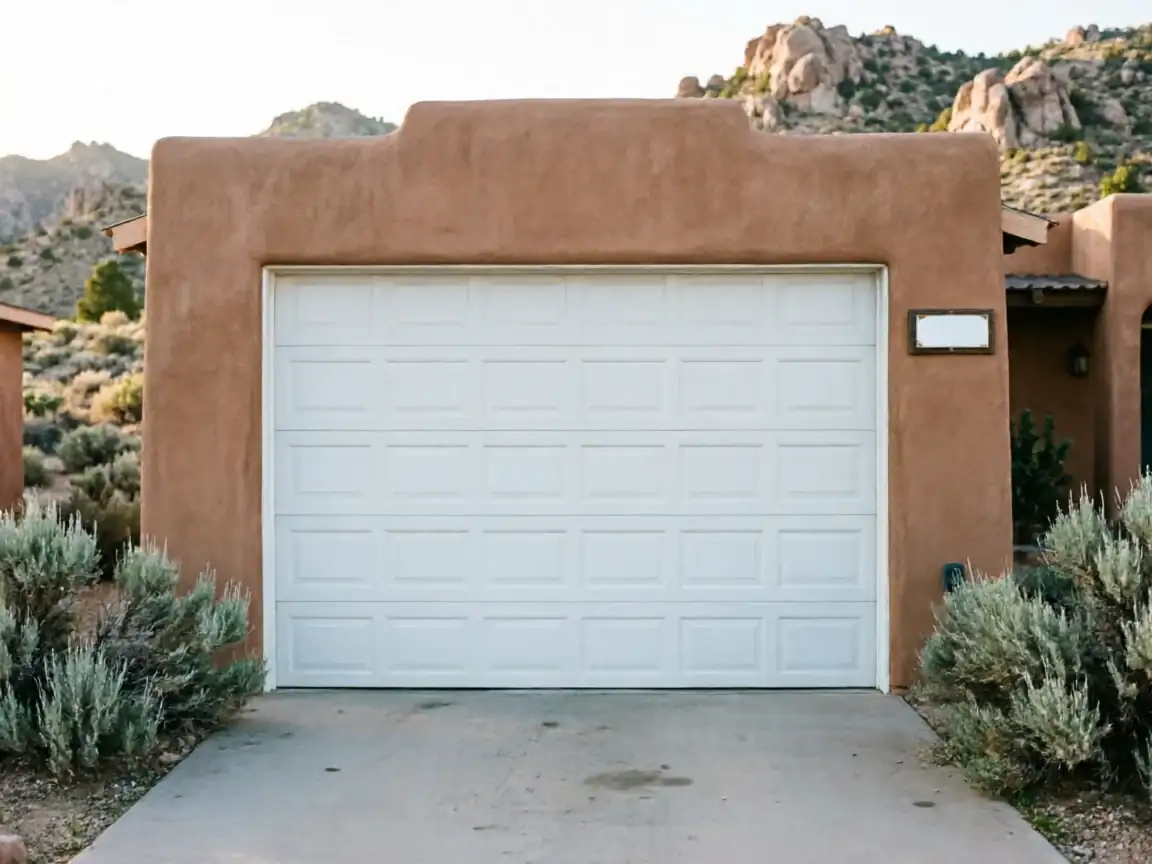
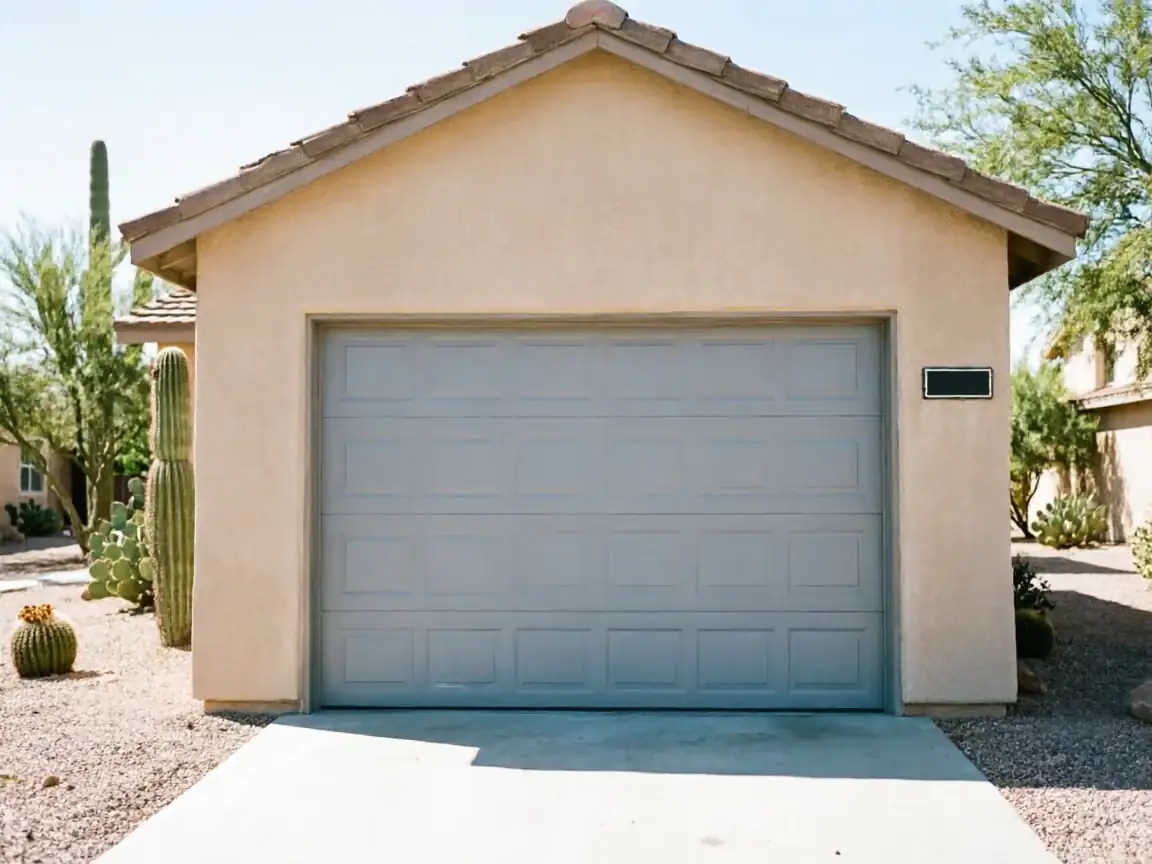
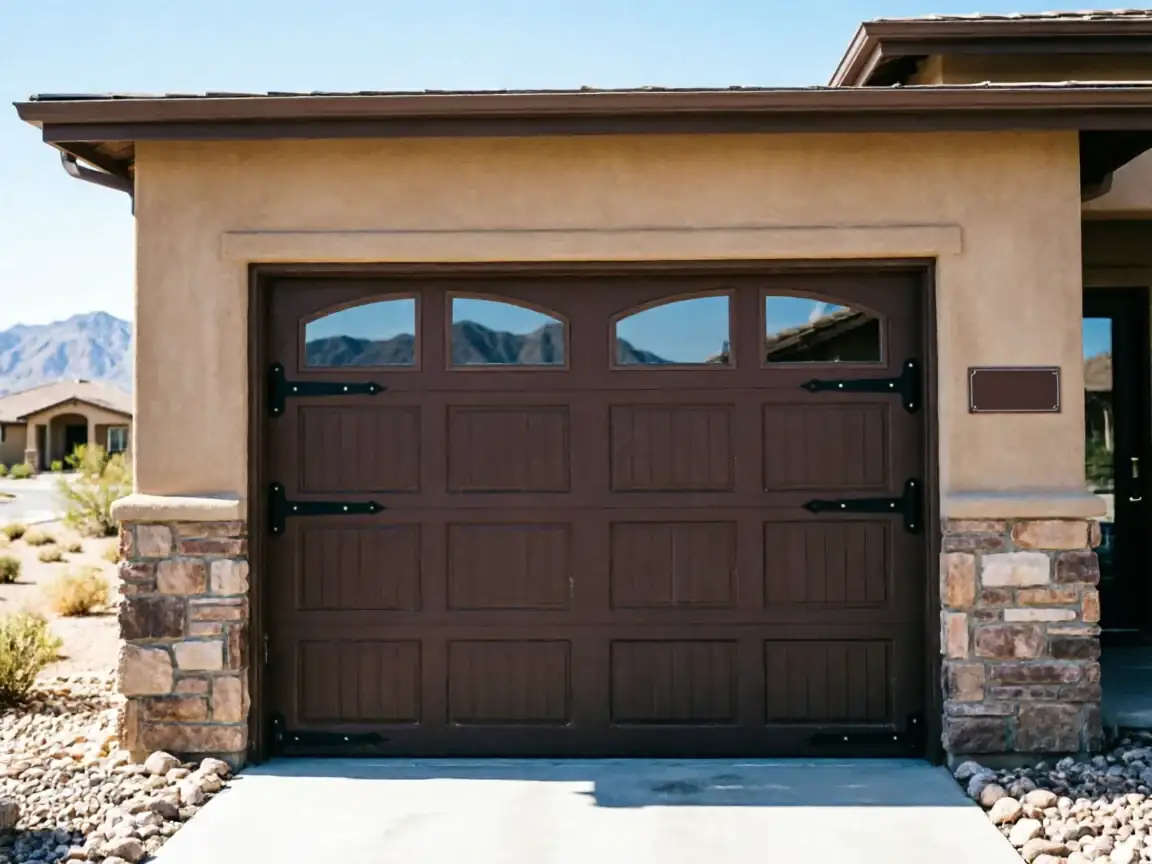
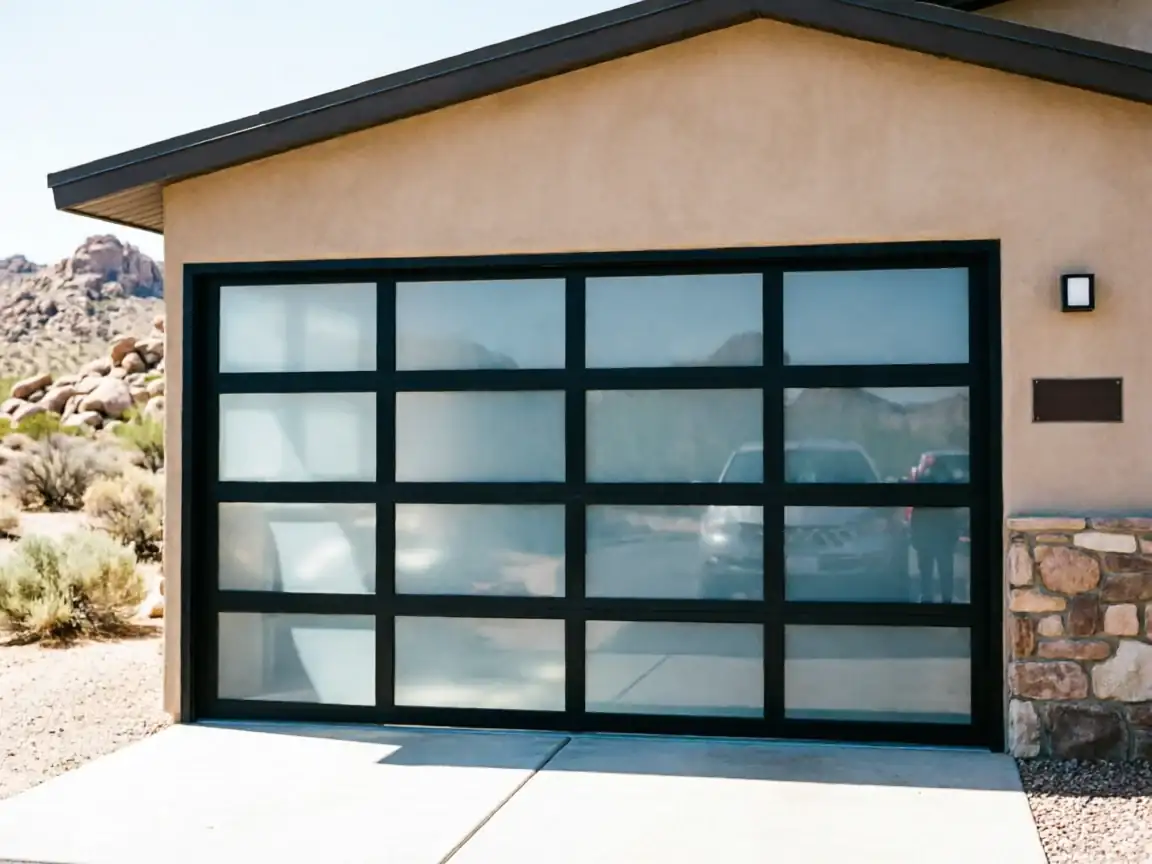
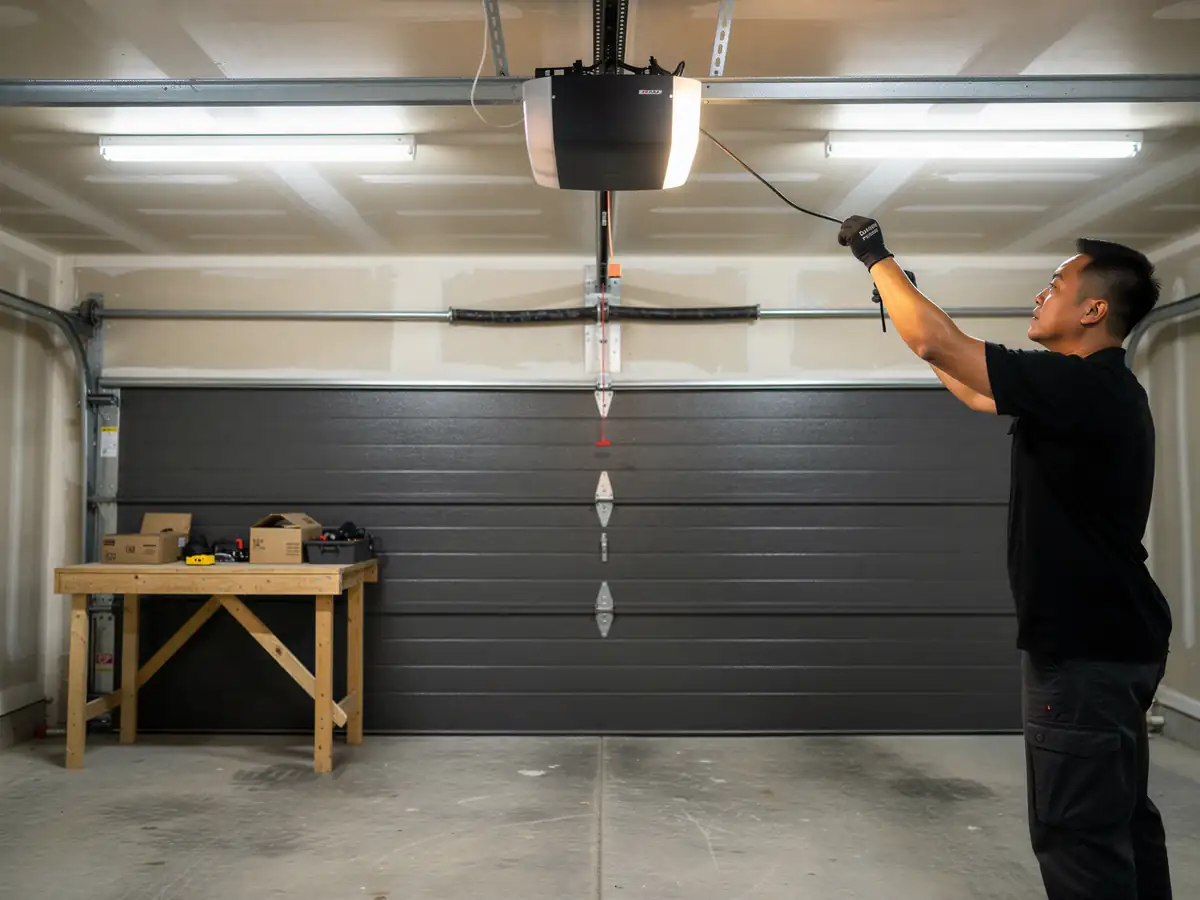
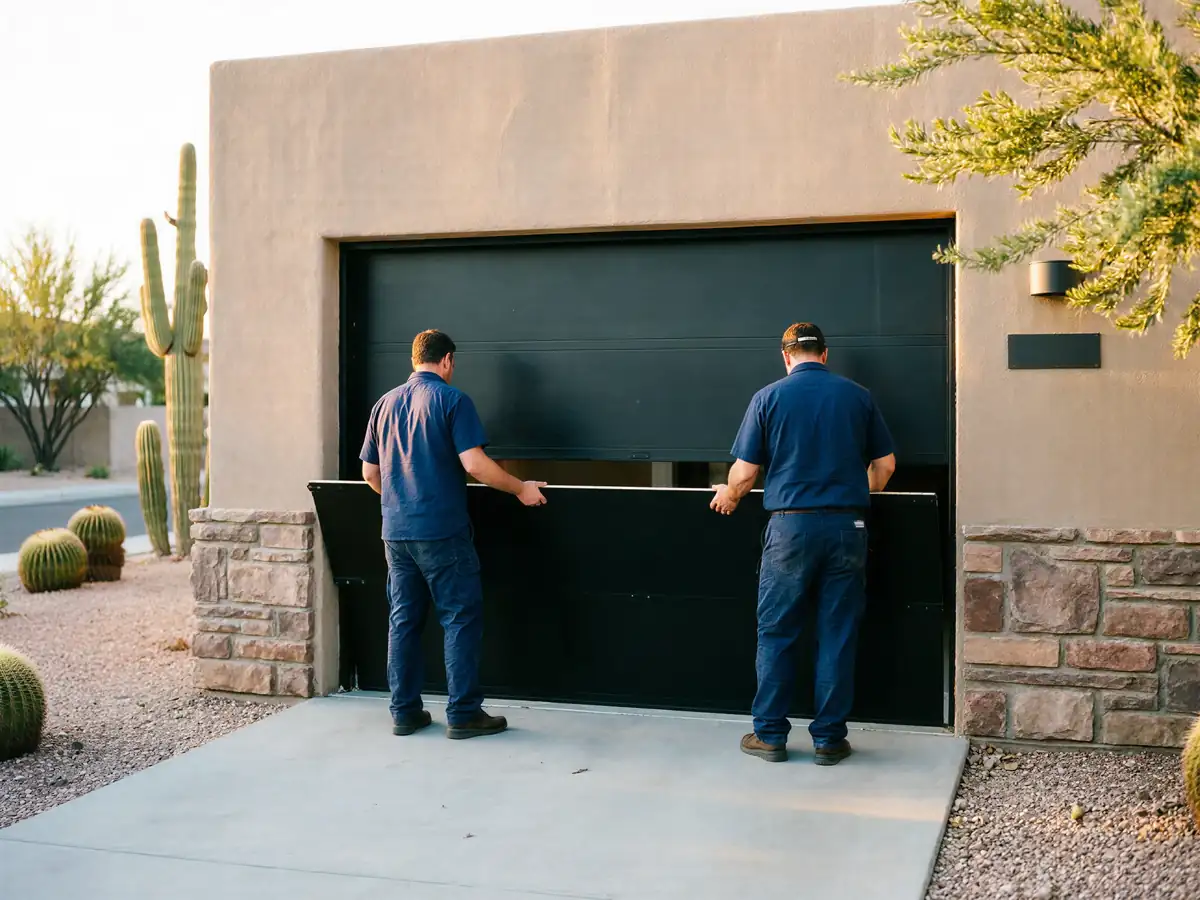
Most of the call-outs we run in Oro Valley start the same way: the door stutters halfway up, the opener motor hums but nothing moves, or a spring snaps loud enough that it brings someone out of the house. Given that the housing here mostly went up between 1980 and 2005, with a median build year around 1989, a large share of the openers and torsion springs in this service area are original or on their first replacement cycle. That's not a coincidence - it's the natural failure window for hardware that age.
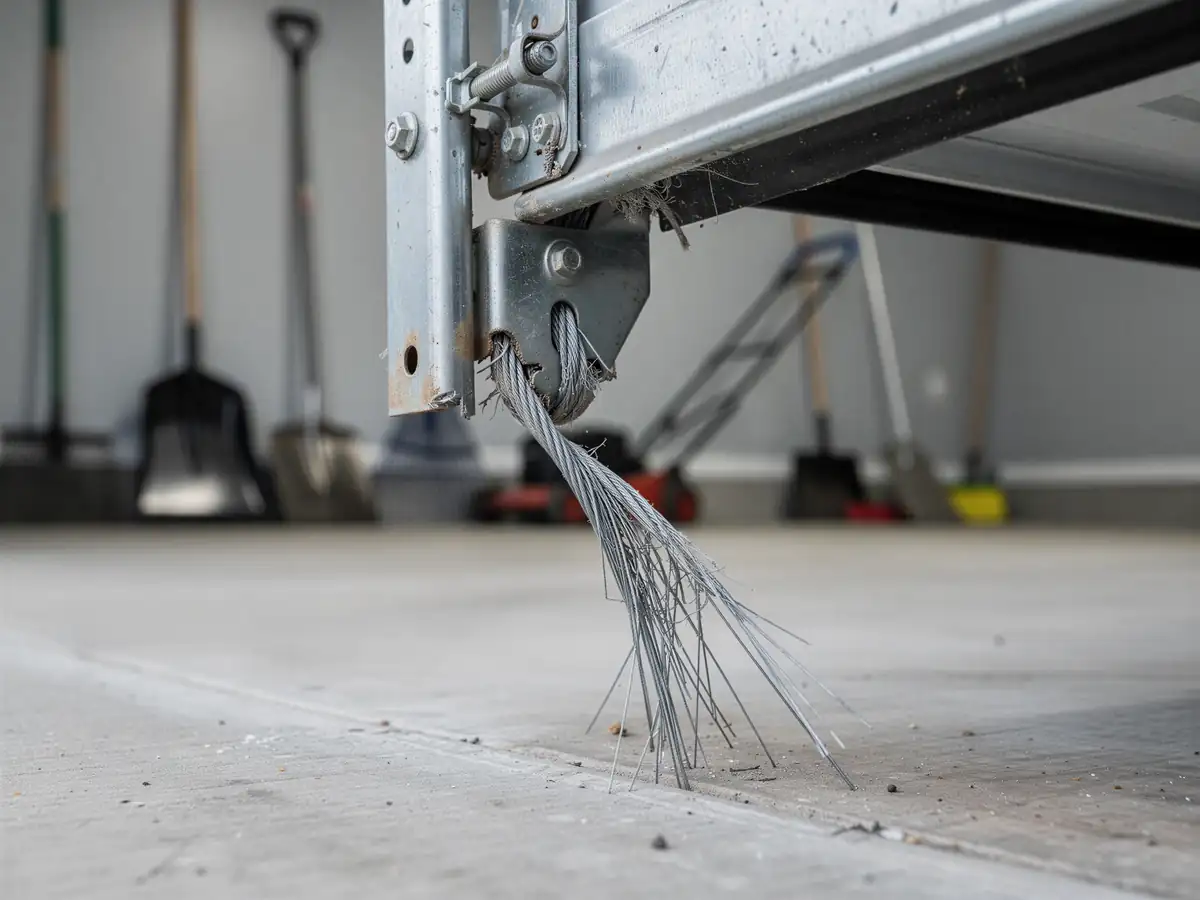
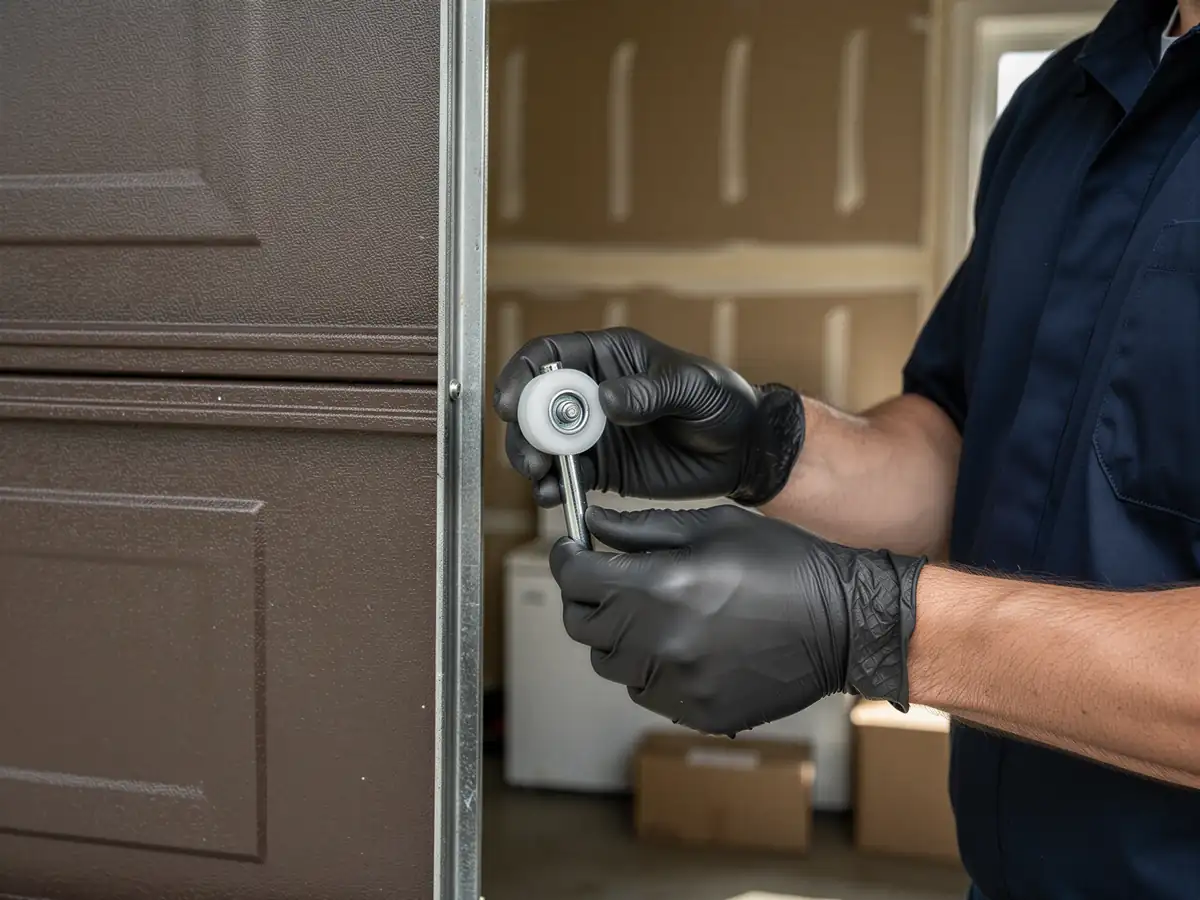
The pattern is consistent across the eight named pockets we see most, from the neighborhoods closest to us out past to the stretch toward Catalina. A door that's worked fine for fifteen summers doesn't fail gradually here - it fails on the hottest week of the year, when the steel has expanded and contracted enough times that something finally gives. Rollers bind in the track, cables fray at the drum, and nylon gears inside the opener head strip clean.
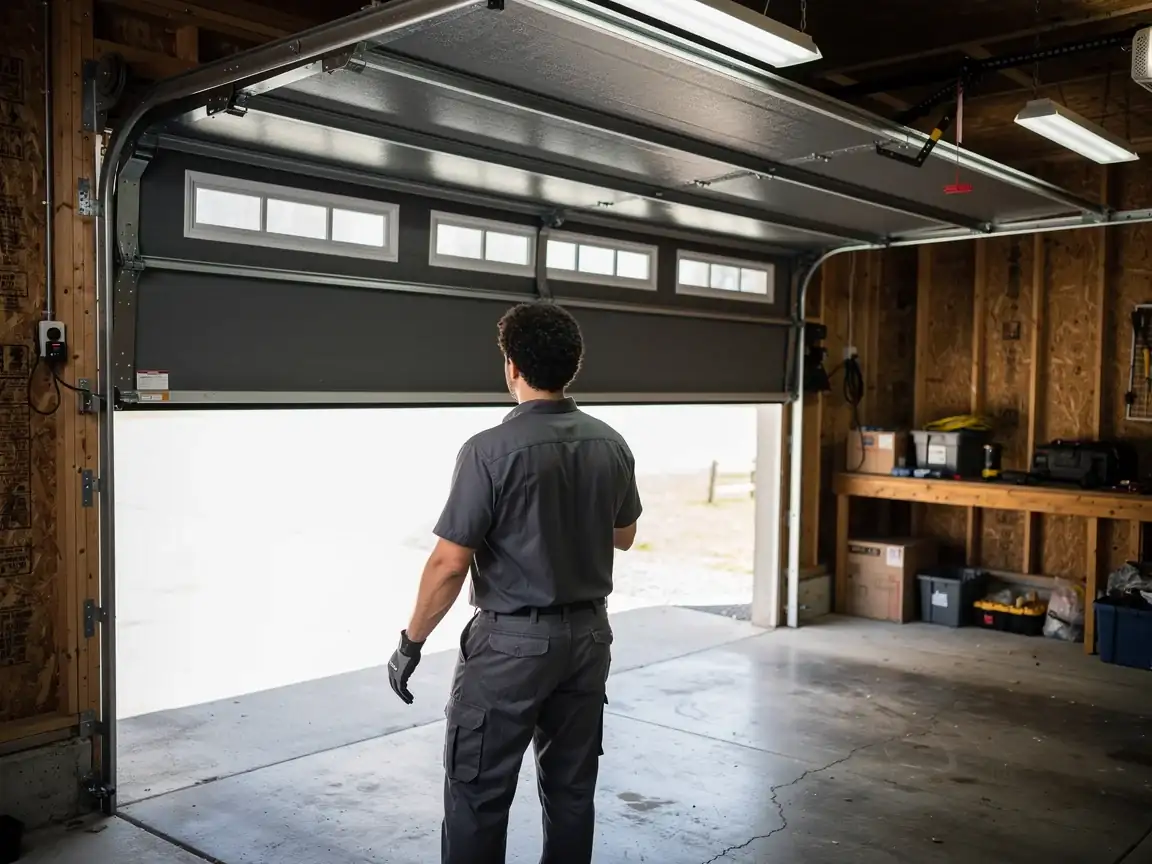
We also see a fair number of doors that were never the problem - the wall button or the photo-eye sensor, knocked out of alignment, just needs a reset. We check the cheap stuff first.
What You Pay
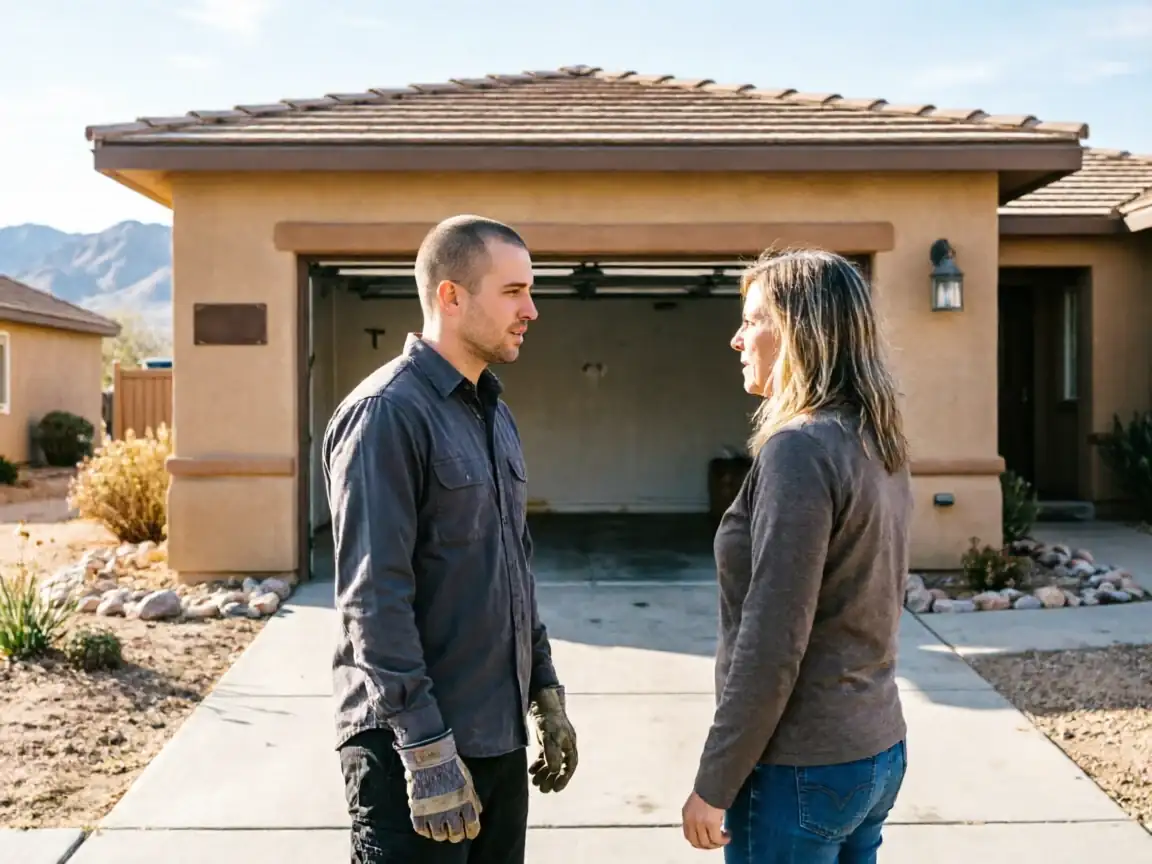
We don't publish a flat number here because what a job costs depends on what's actually broken - a single torsion spring swap is a different job than a full opener replacement or a track realignment on a door that's been limping for years. What we can tell you is how we price: we diagnose on site, tell you what's wrong and what the repair involves, and quote before we touch anything.
Income and household budgets matter to how we scope a job, too. With a median household income of $70,982 across the service area, most of the repairs we recommend are the kind that get a door back to full working order without pushing a homeowner into a full replacement they don't need yet. If a spring or a roller set is the problem, we fix the spring or the roller set - we don't upsell a new door onto a frame that's sound.
The honest limitation: some parts, especially for openers made in the late 80s and early 90s, aren't stocked anywhere nearby and have to be ordered. If your opener is from that era and the logic board is dead, we'll tell you straight whether it makes more sense to wait on a part or replace the unit.
The Complications
Heat is the variable that makes Oro Valley repairs different from a cooler climate
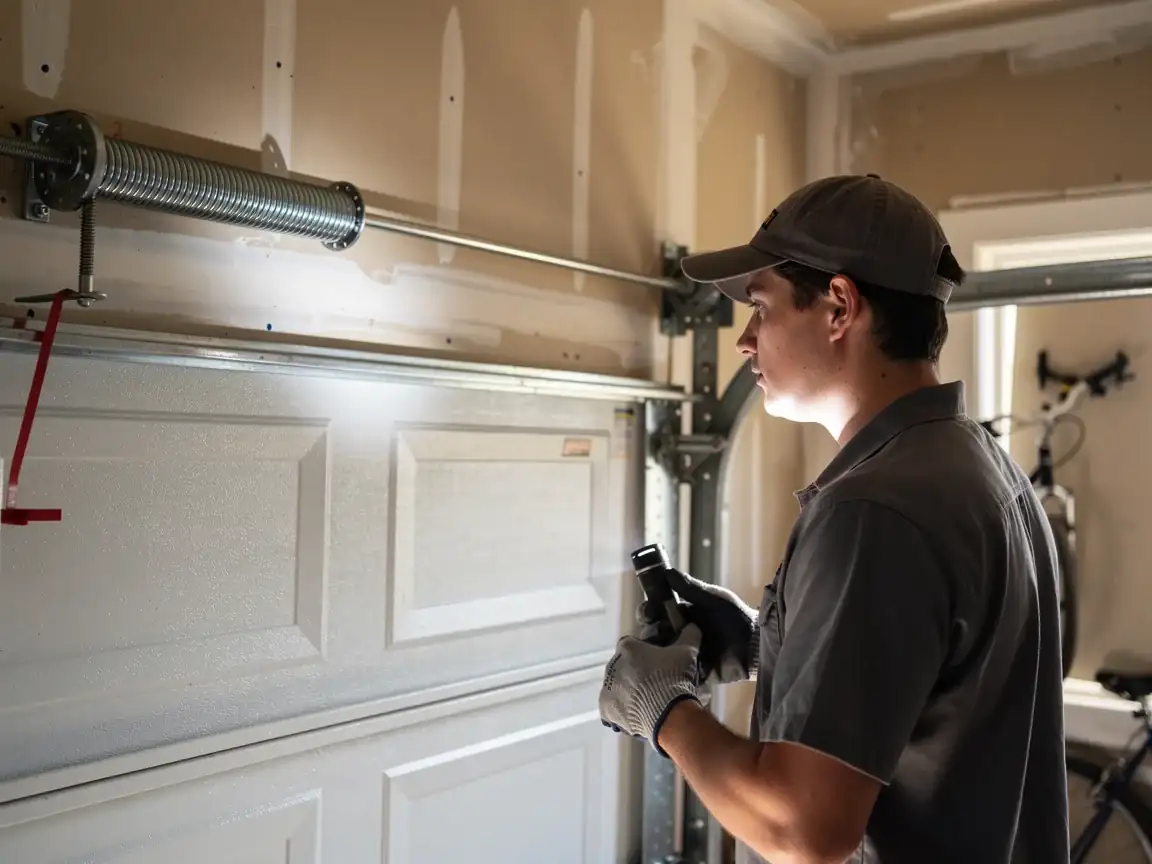
This area sits in a severe heat band, and that changes what breaks and when. Torsion springs rated for a certain cycle count wear faster here because the metal runs hotter for more months of the year - expansion and contraction fatigue the coil quicker than the rated cycle count assumes. Same with the lubricant in opener gears: formulations that hold up fine in a mild climate turn gummy or dry out faster under sustained high heat, which is why so many of the opener failures we see are gear-strip failures, not motor failures.
The other complication is the age spread
A neighborhood built in the early 80s and one built in the early 2000s both count as 'this era' in the broad sense, but a door from 1982 and a door from 2001 don't share the same hardware generation. Track widths, spring winding cones, and opener rail systems all shifted over that stretch, so a part that fits one house a few streets over won't necessarily fit yours. We measure before we order, every time.
Why This Fails Locally
Put the housing age and the climate together and you get a specific, predictable failure mode: original or first-generation torsion springs and opener gear kits, installed between 1980 and 2005, running through decades of severe summer heat cycles they weren't necessarily built to survive this long under. That's not true of a region with a mild climate and the same housing age - there, the same hardware would likely still be running.
It's also not a problem that announces itself early. A spring under heat stress doesn't creak for months before it goes; it holds right up until it doesn't. That's why we treat any door in this service area that's pushing fifteen-plus years on its original spring as a candidate for inspection, even if nothing feels wrong yet. Across roughly 27,068 owner-occupied houses in the areas we cover, that's a lot of doors sitting in the same risk window at the same time, which is exactly why heat-season call volume spikes the way it does.