How It Shows Up
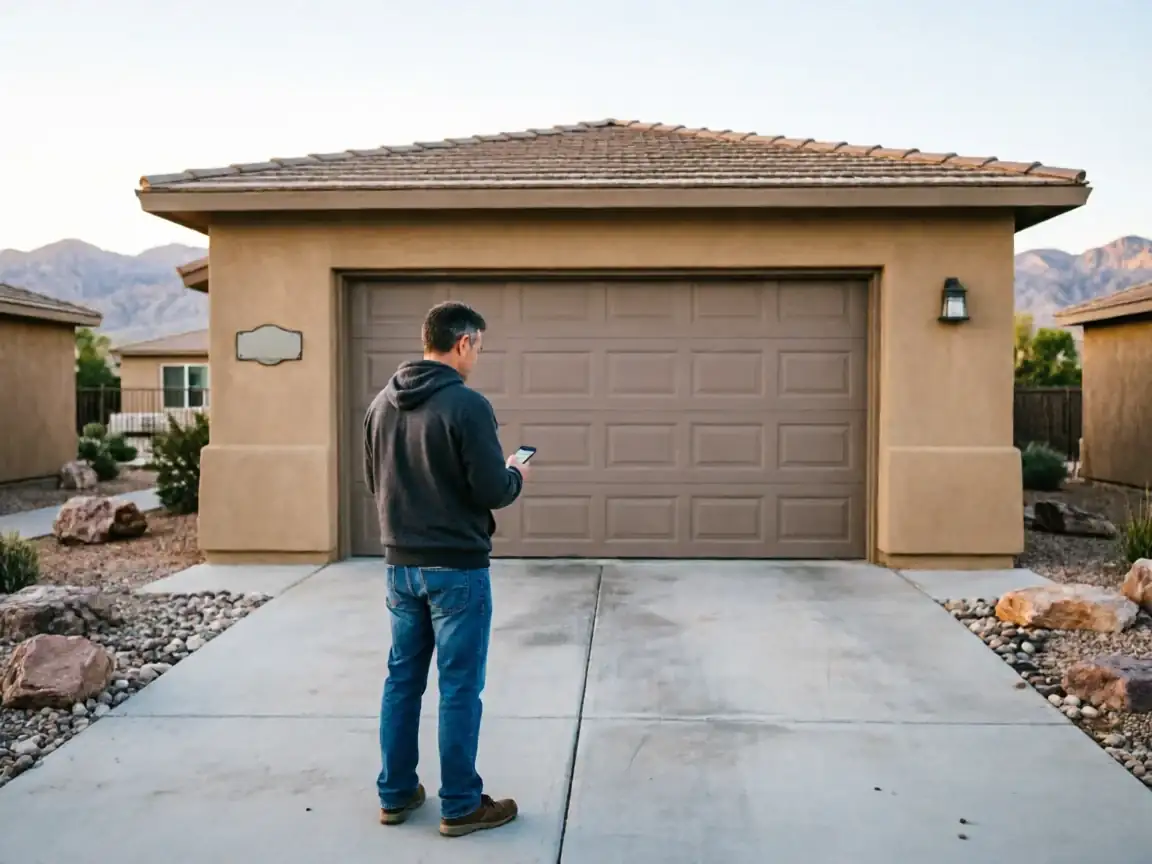
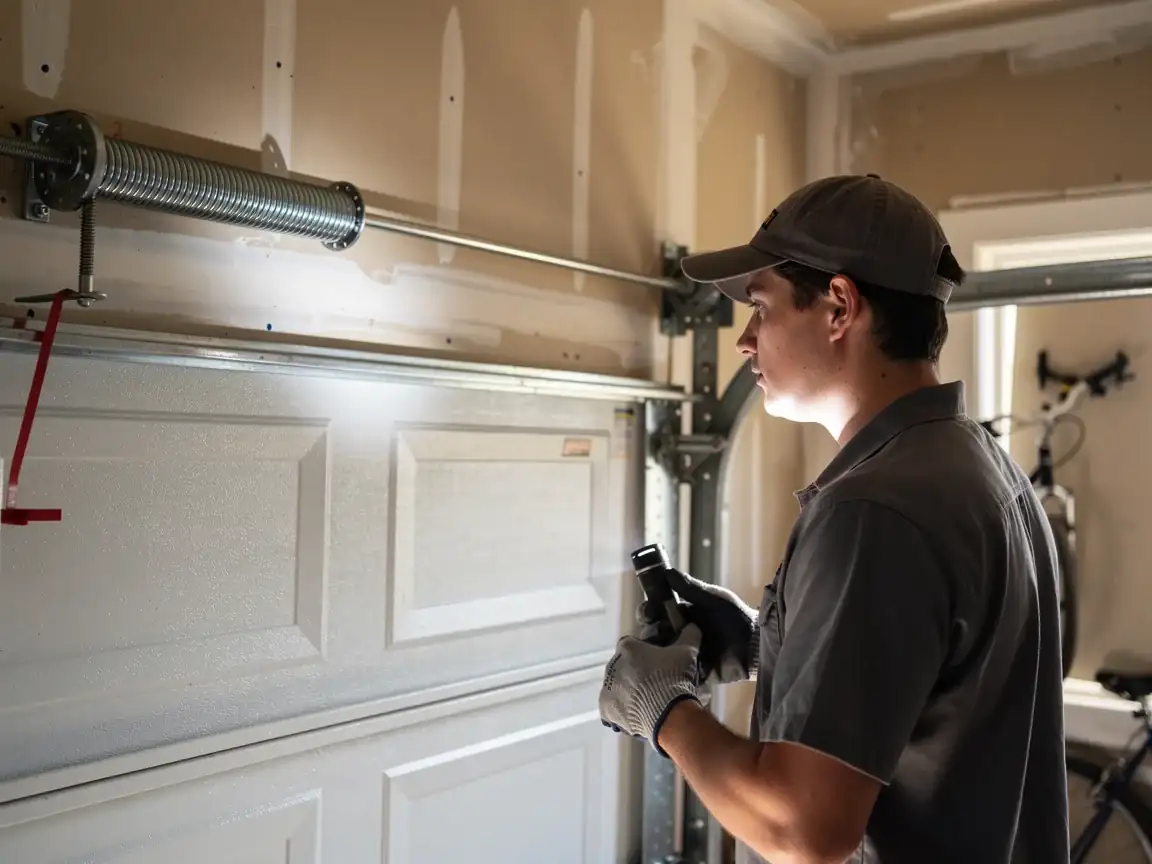
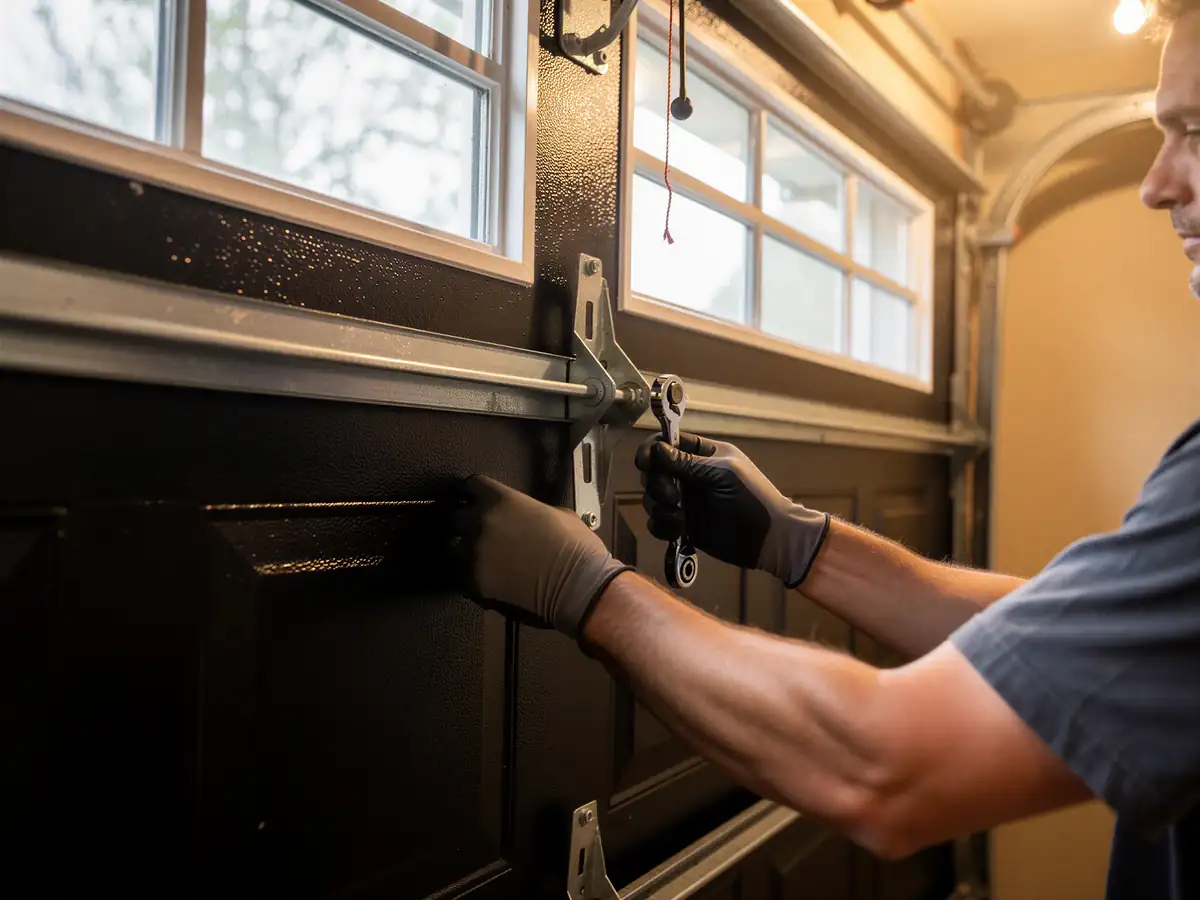
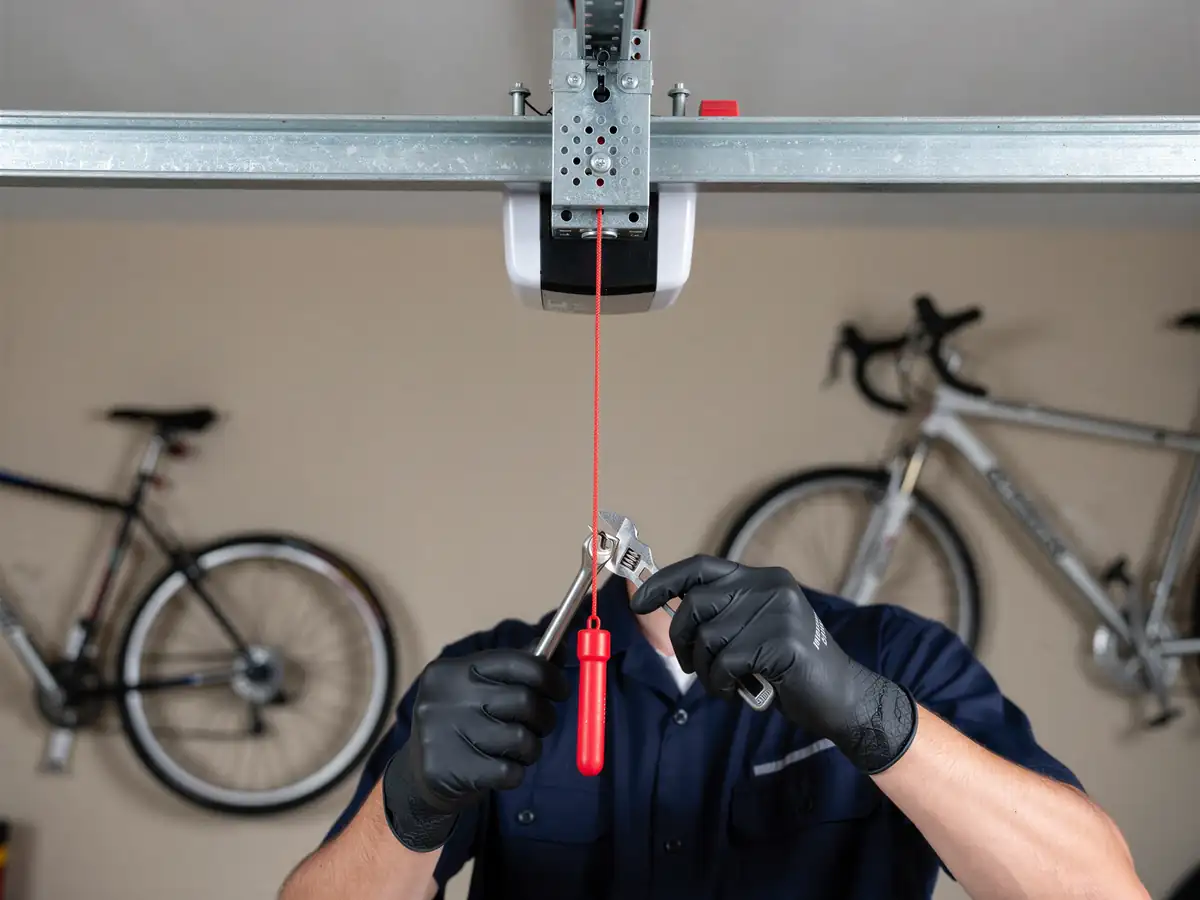
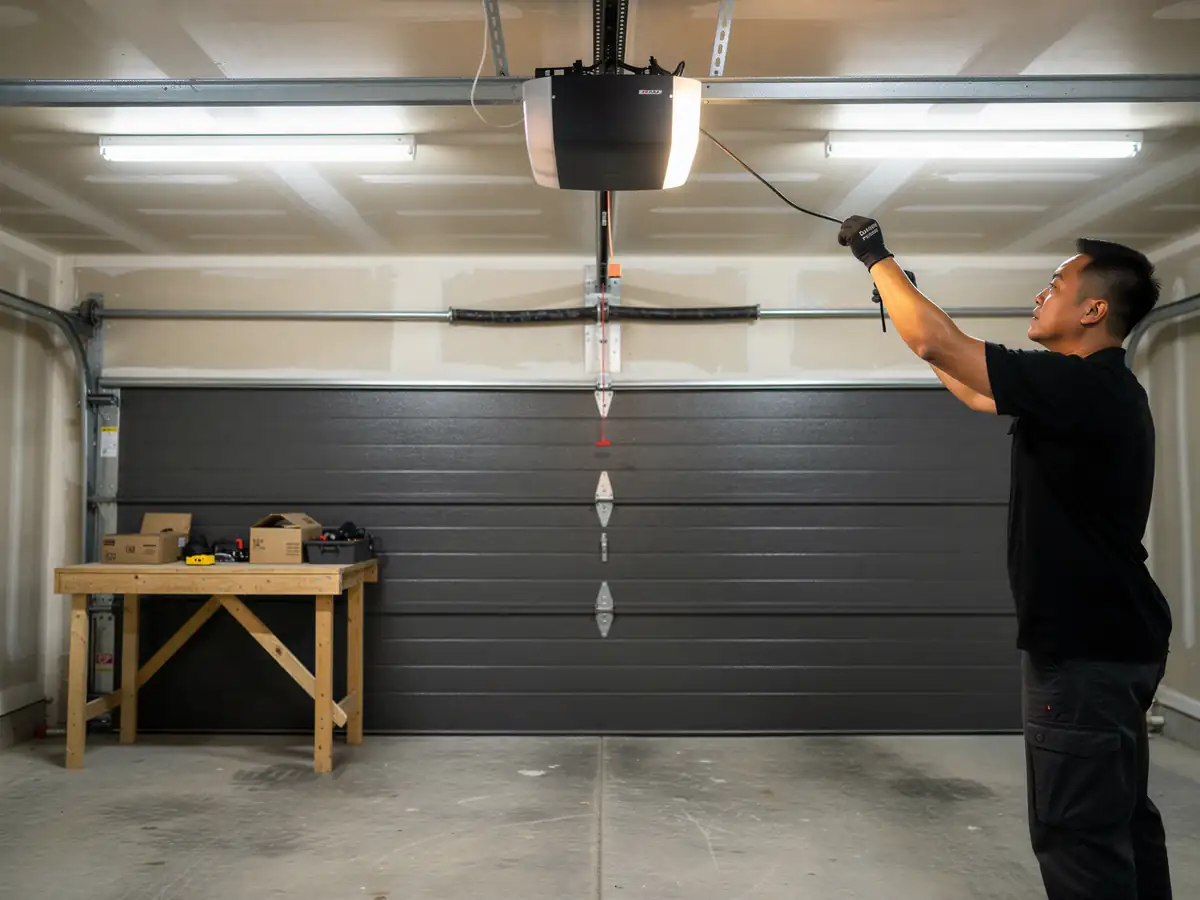
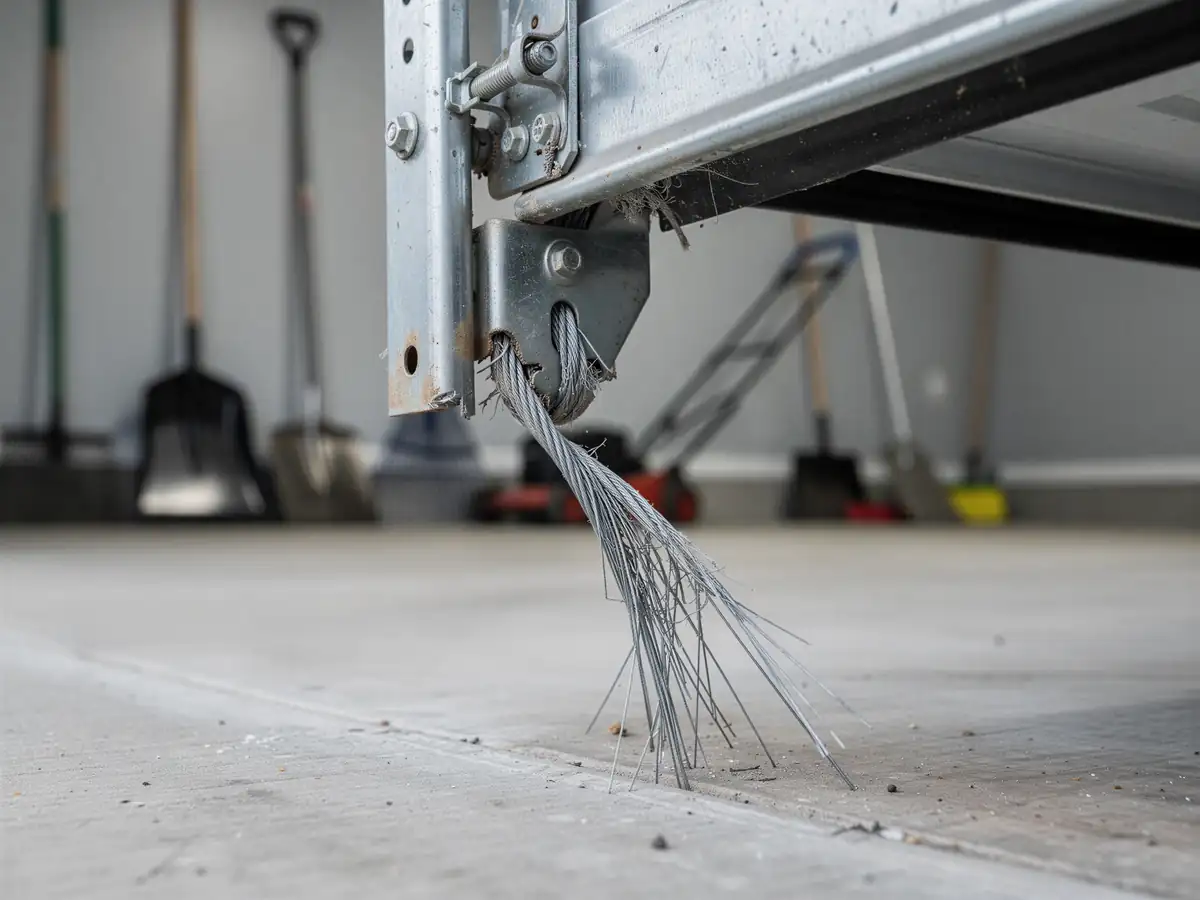
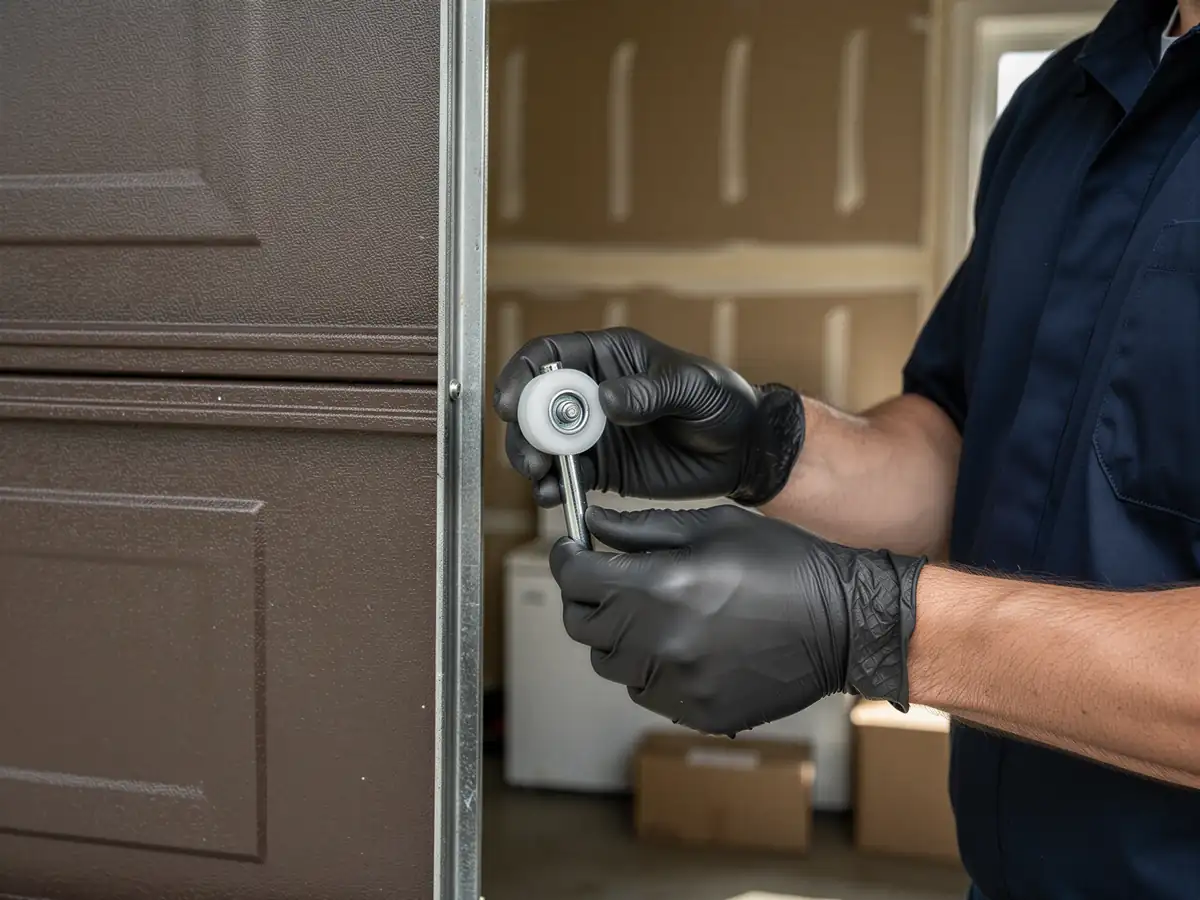
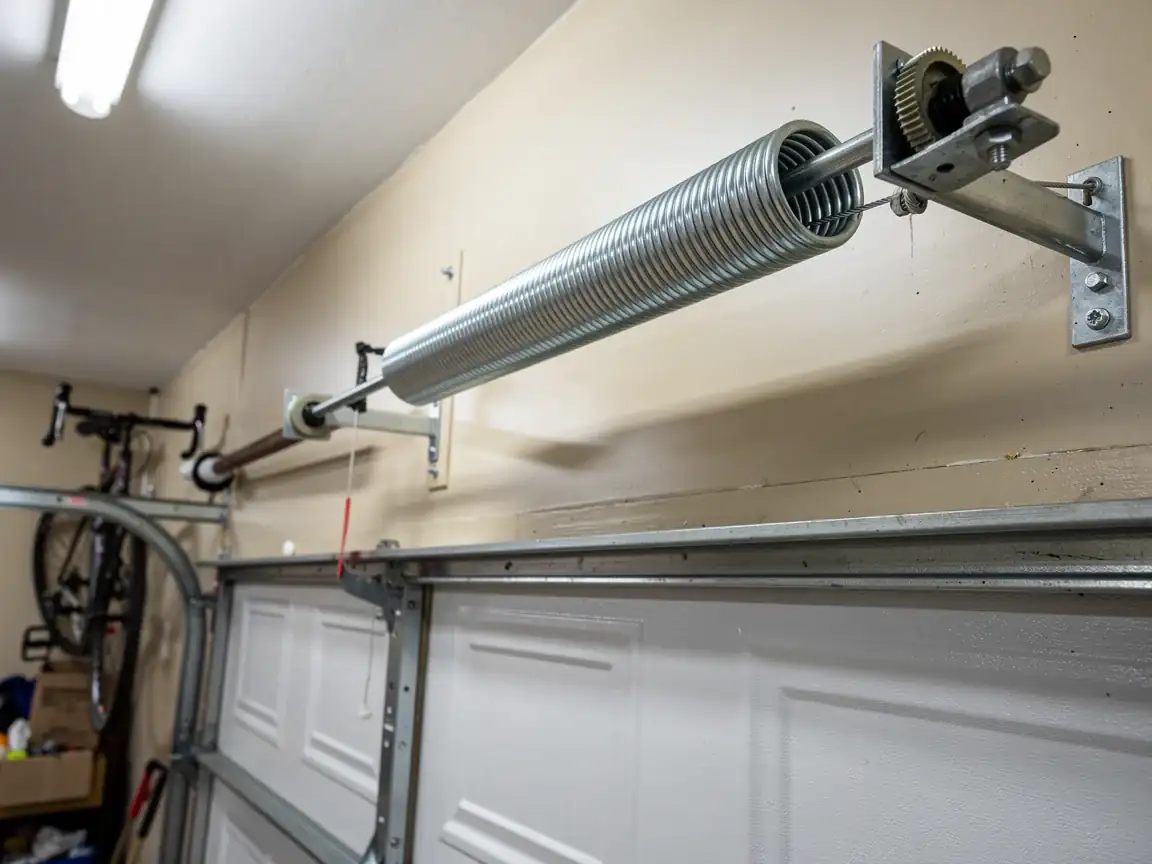
Most calls start the same way: the door hesitates, groans, or stops halfway and won't finish the cycle. Across Oro Valley, where the bulk of the housing stock went up between 1980 and 2005 with a median build year around 1989, the pattern is consistent - original torsion springs losing tension, nylon rollers gone brittle, and opener drive gears stripped from decades of use in heat that most parts weren't built to handle forever. You'll notice it first as a louder cycle, then a slower one, then a door that reverses itself before it reaches the floor. Sometimes it's the photo-eye sensors, knocked out of alignment by a bike or a stored ladder. Sometimes it's a cable starting to fray where it wraps the drum. None of these show up overnight - they're the slow result of a mechanism built for a 15-20 year service life being asked to run past it. If your door is jerky on one side only, that's usually a cable or roller problem, not the spring. If it's quiet going up but loud coming down, check the opener's drive gear before you touch anything else.
What You Pay
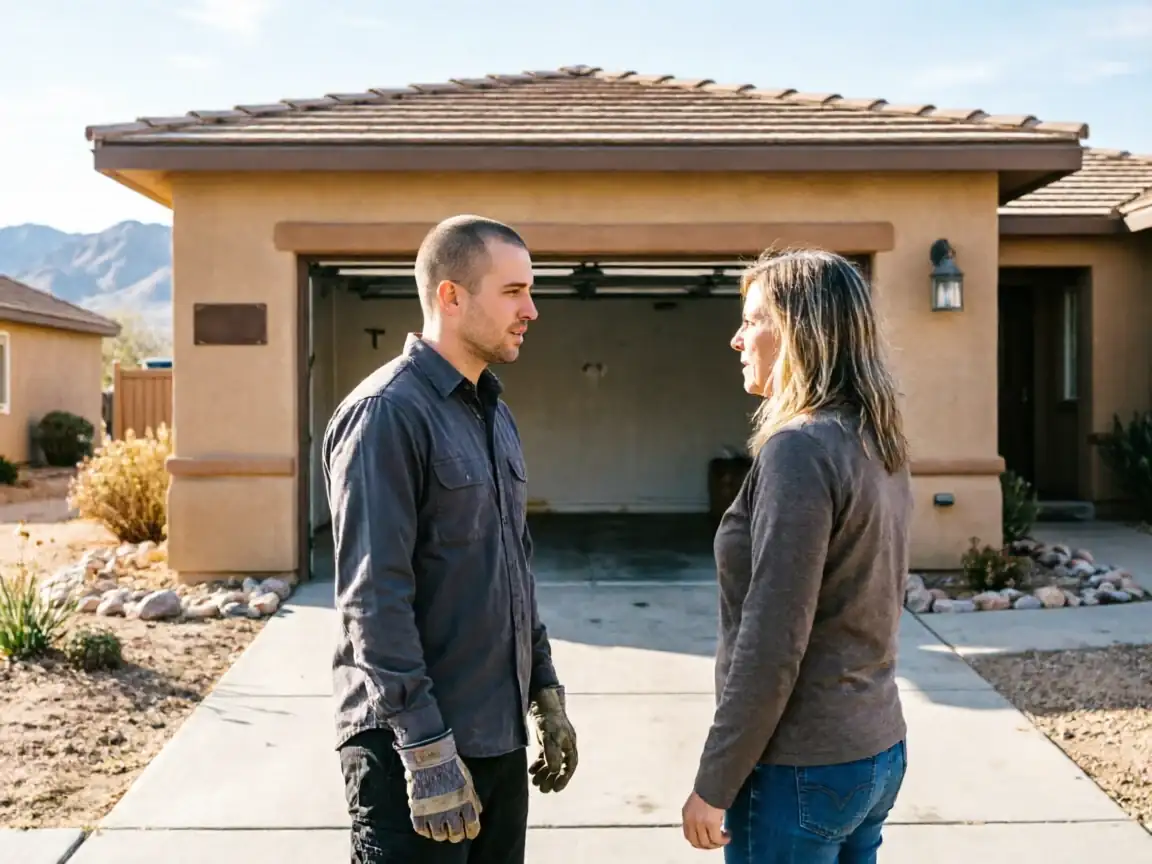
We don't publish a flat number here, because what a job costs depends on what's actually broken, the door's age, and whether parts for that specific opener or spring size are still common. A worn roller swap is a different job than a broken torsion spring on a double door, and a dead opener board is different again. What we can tell you is how we think about it: with a median household income of $70,982 across the service area, most homeowners we talk to want the repair that fixes the actual problem, not a sales pitch toward full replacement. If the torsion spring is original to a 1989-era door and the drums and bearing plates are still sound, replacing the spring is usually the right call. If the opener itself is the failure point and parts for that model are getting hard to source, we'll say so plainly instead of chasing a repair that won't hold. Honest limitation: on some older or imported opener models, the control board or logic unit isn't something we can get quickly, and that can mean a short wait or a recommendation to replace the unit rather than repair it.
Why This Fails Locally
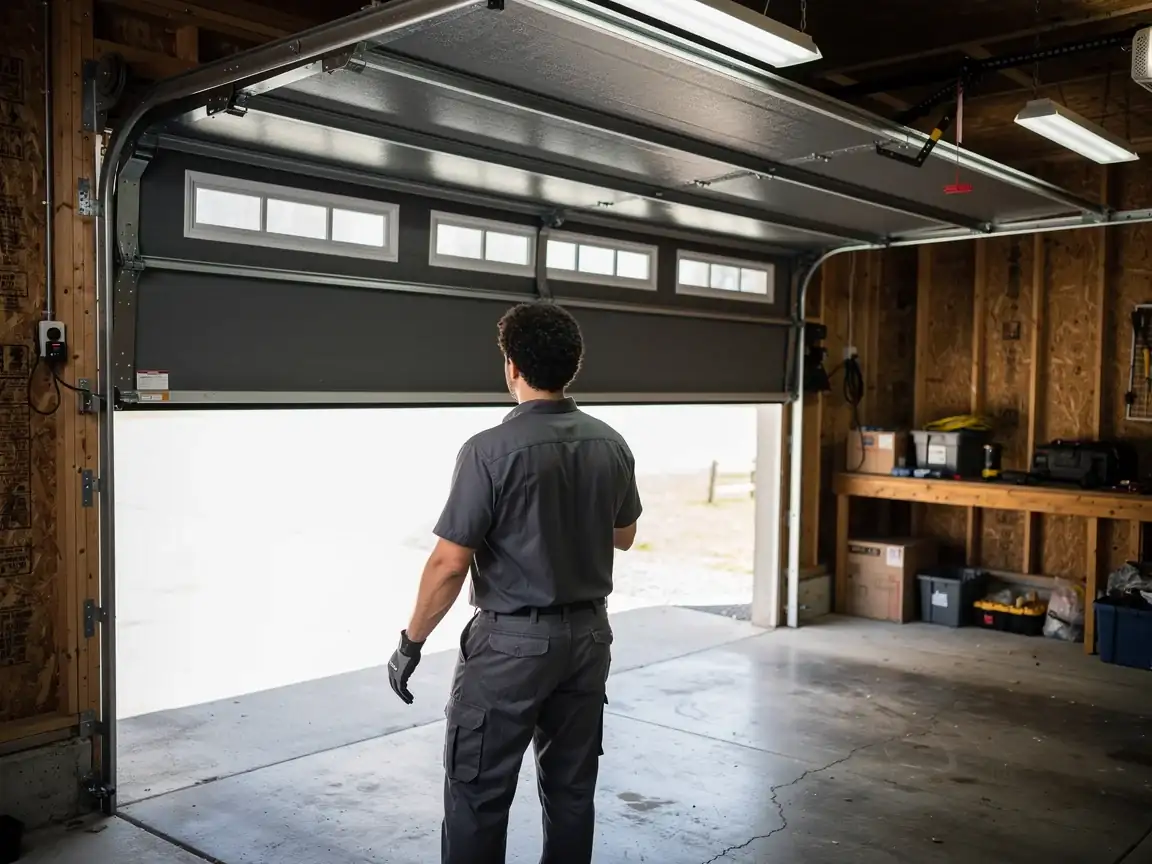
This isn't a generic wear story - it's specific to what's sitting in driveways here. The service area's housing stock is concentrated in that 1980-2005 window, mostly 1980s and 90s construction, which means a huge share of the doors we see are at or past the point where original springs and rollers are expected to fail. Pair that with a severe heat climate band, and you get accelerated wear on exactly the components - nylon, rubber, lubricant - that heat degrades fastest. A house built in the same decade in a mild coastal climate would see this same hardware last meaningfully longer. Here, it doesn't. With 27,068 owner-occupied houses among the area's 43,223 households, most of these doors are maintained (or not) by the people living behind them, not a property manager running a replacement schedule. That's why the failure mode clusters so tightly: same build era, same climate stress, same original parts, all aging out around the same time. Out toward just a few miles northeast, we see the same mid-80s to mid-90s torsion hardware repeating door after door - it's not coincidence, it's the neighborhood's construction timeline catching up at once.