How It Shows Up
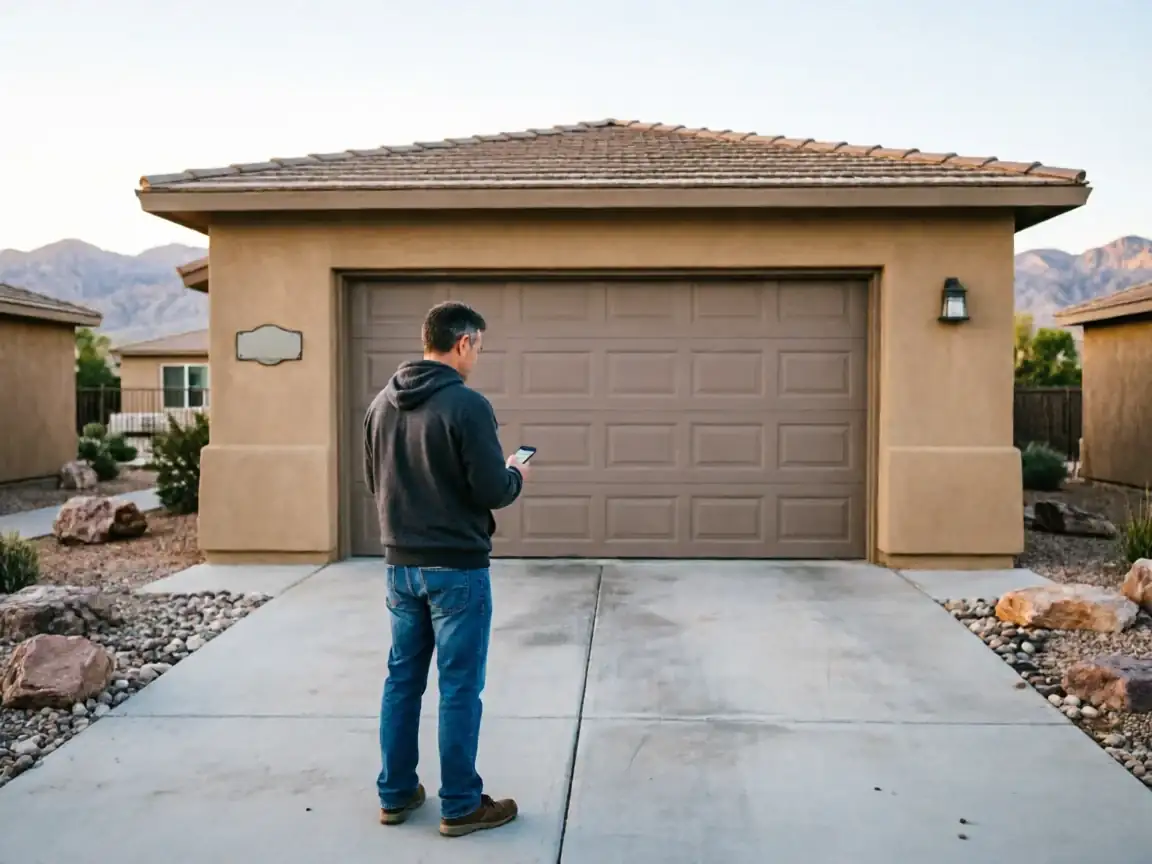
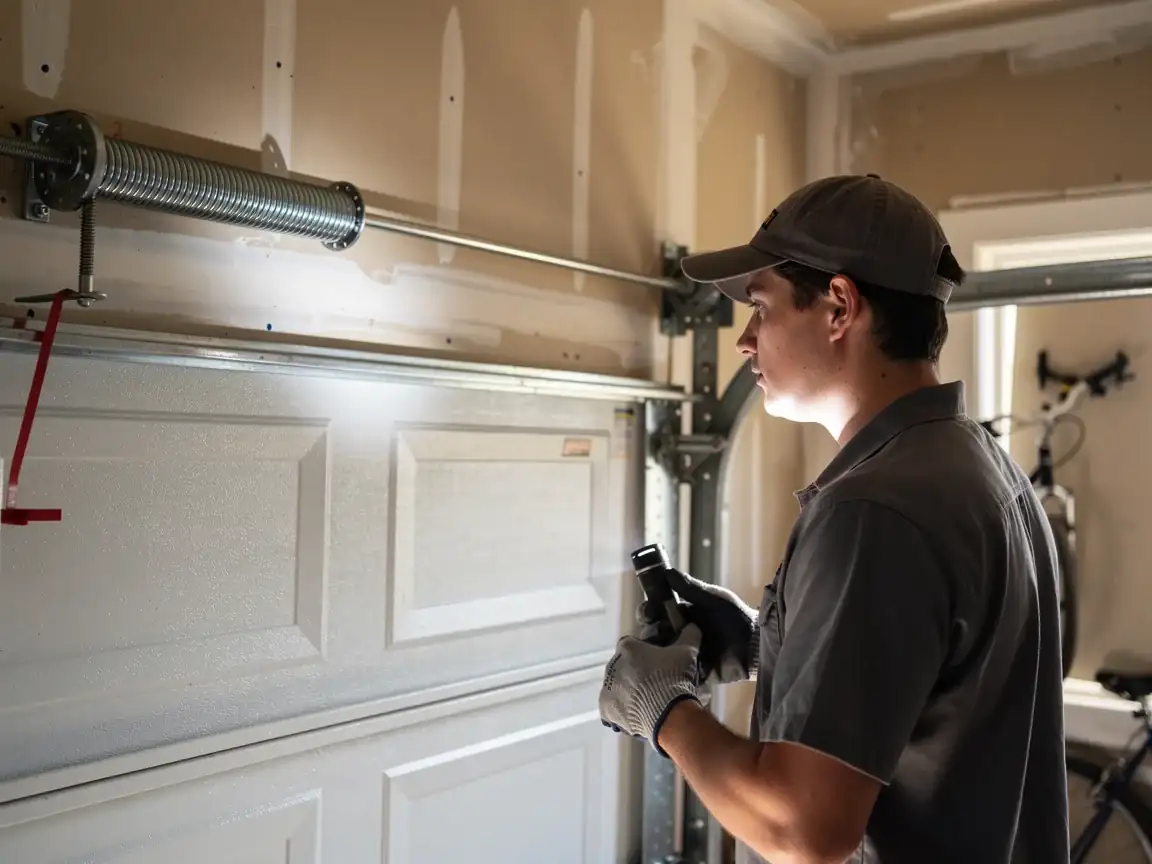
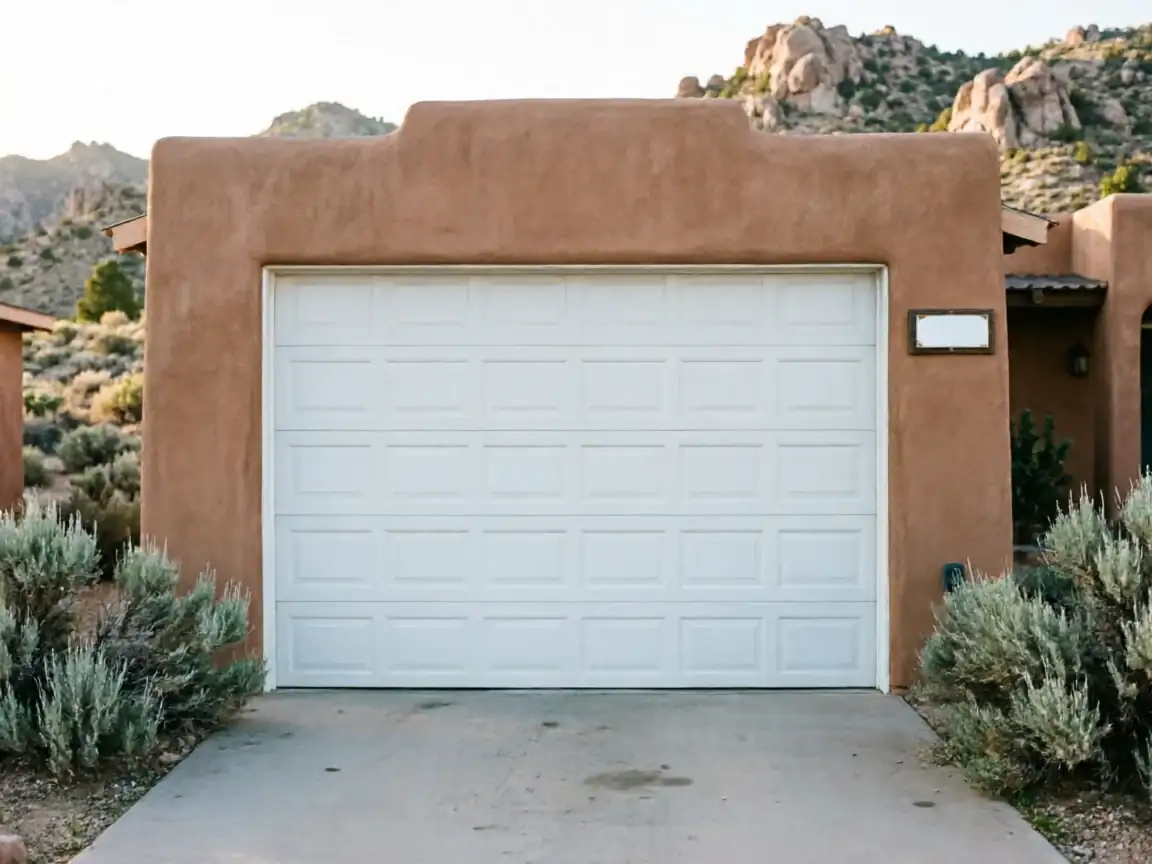
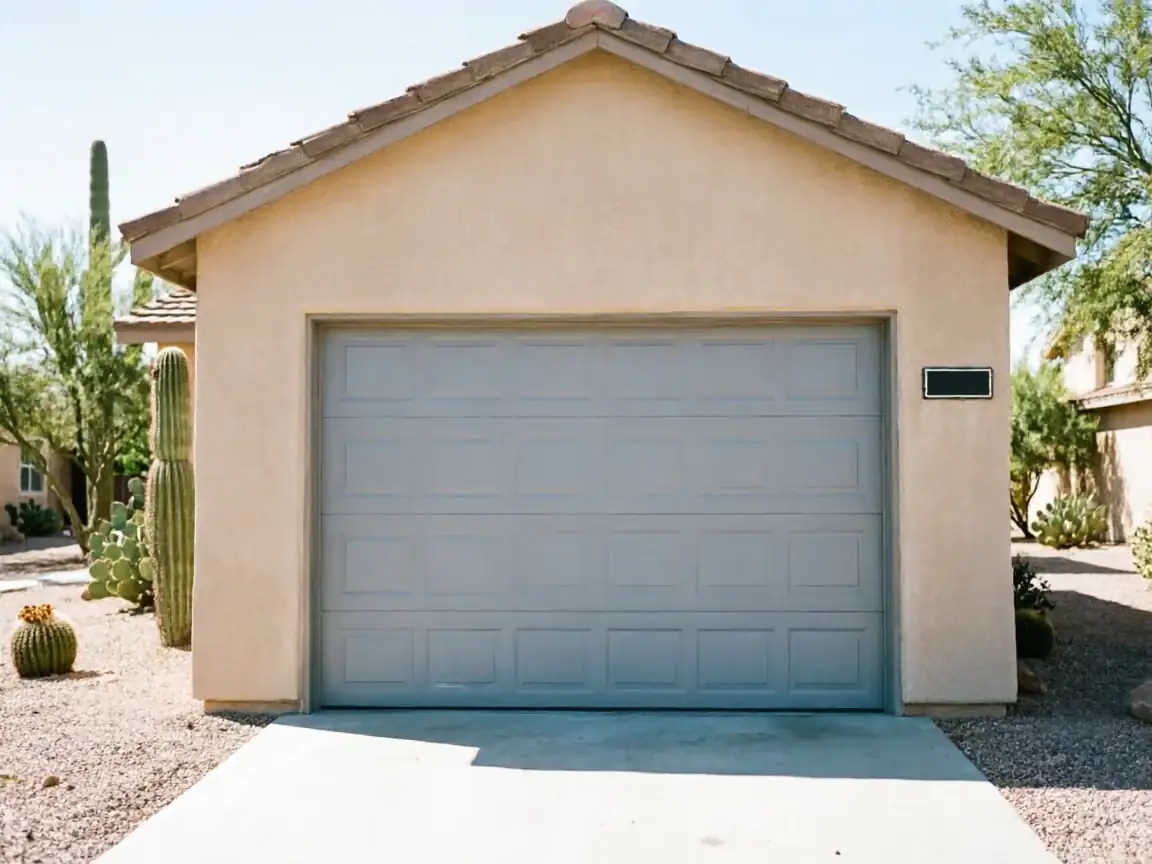
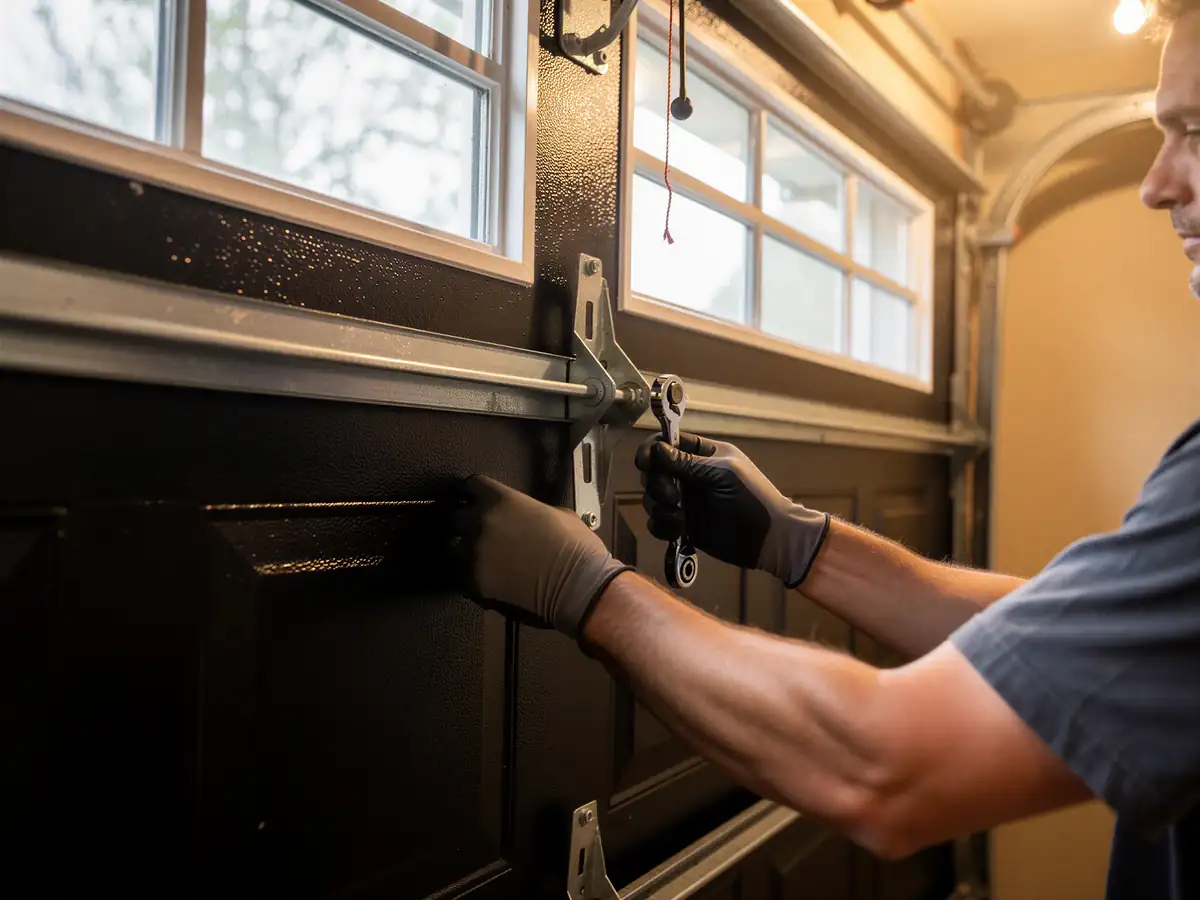
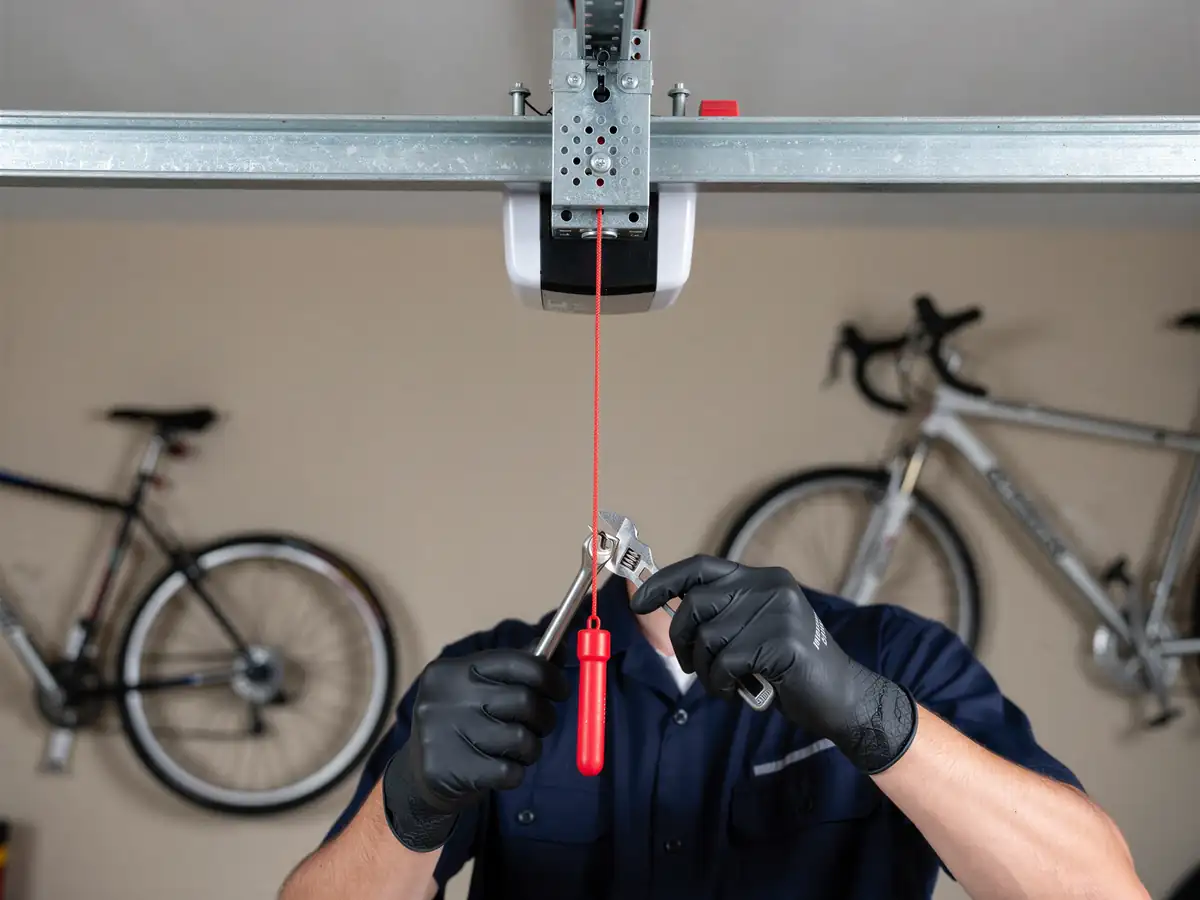
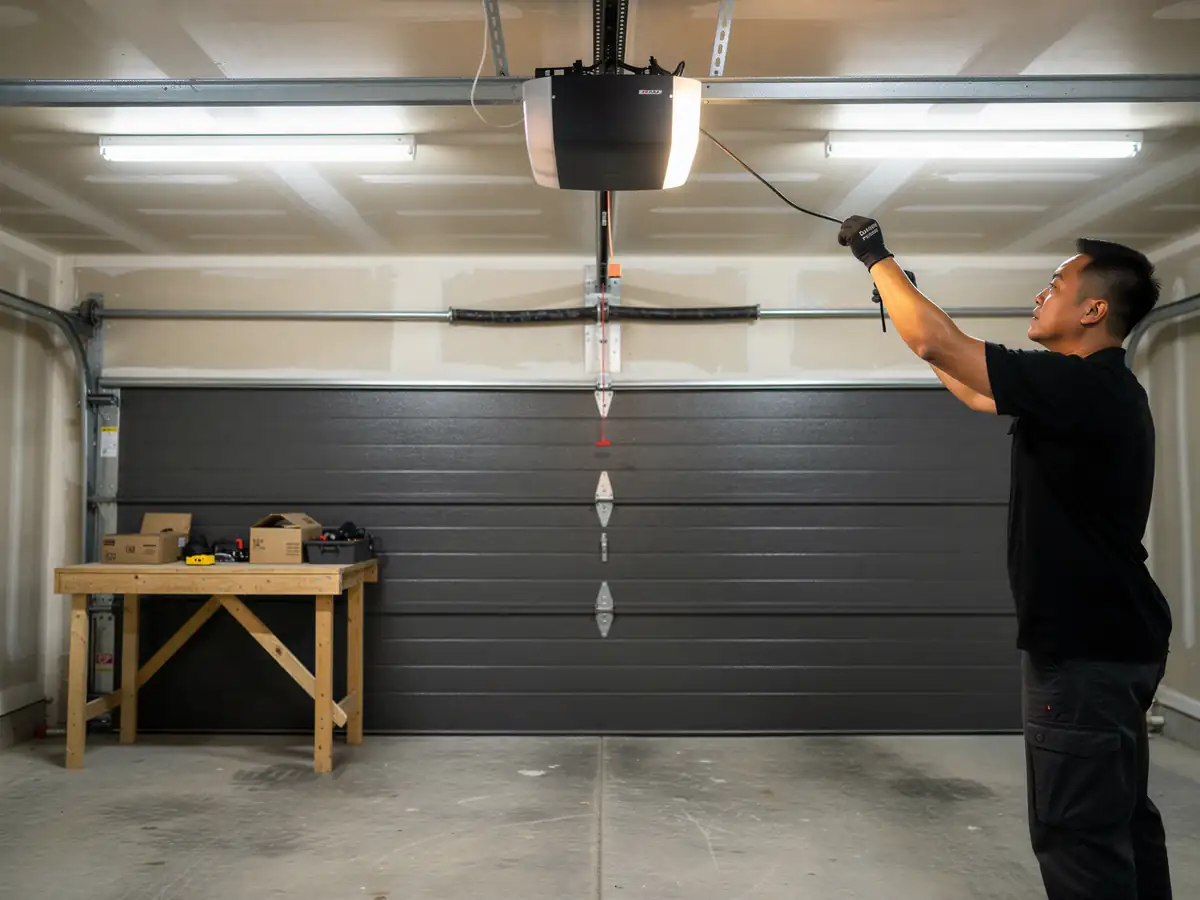
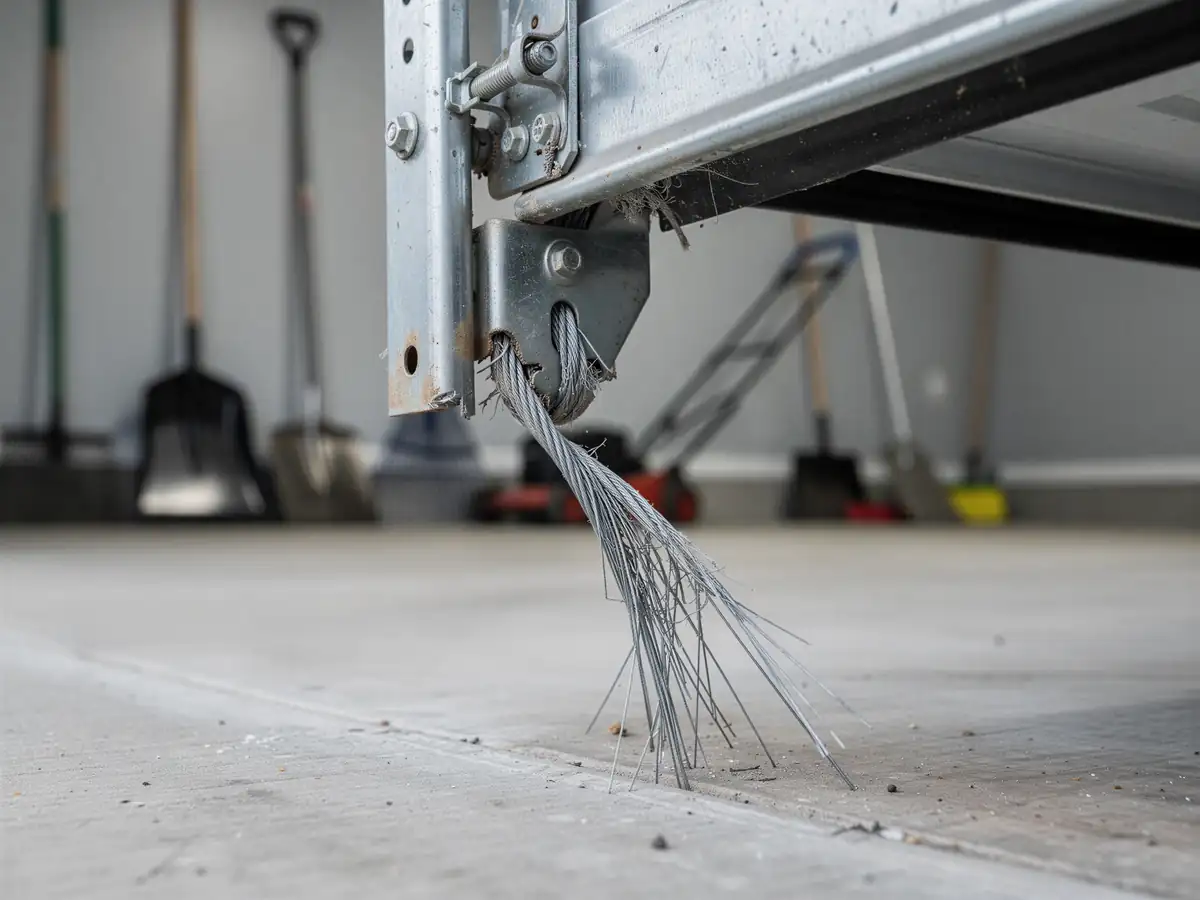
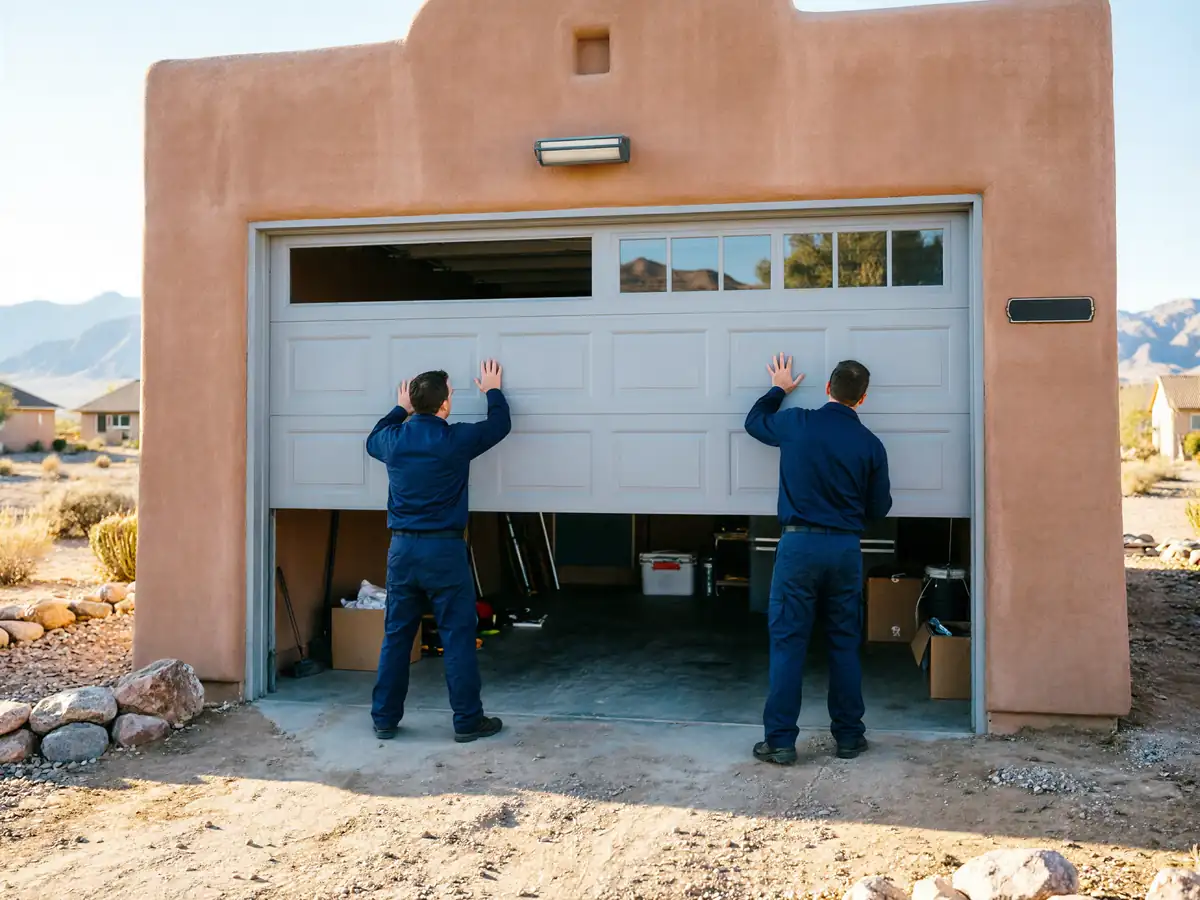
Most houses across Oro Valley's eight named subdivisions went up between 1980 and 2005, with the median build year sitting around 1989. That's a narrow window, and it means a huge share of the doors on these streets are original or one replacement removed from original. The failure pattern is consistent: openers with worn drive gears that strip in high heat, torsion springs that have gone soft from decades of summer expansion and contraction, and steel panels with bottom-section rust-through where irrigation overspray or monsoon runoff sits against the bottom seal. You see it first as a door that sags on one side when it lifts, or an opener that runs for two seconds then reverses. None of that is random - it's the predictable end of a door built for 1989 code trying to do a 2024 job in a severe-heat climate. By the time a homeowner calls, the door has usually been struggling for months, not days.
What You Pay
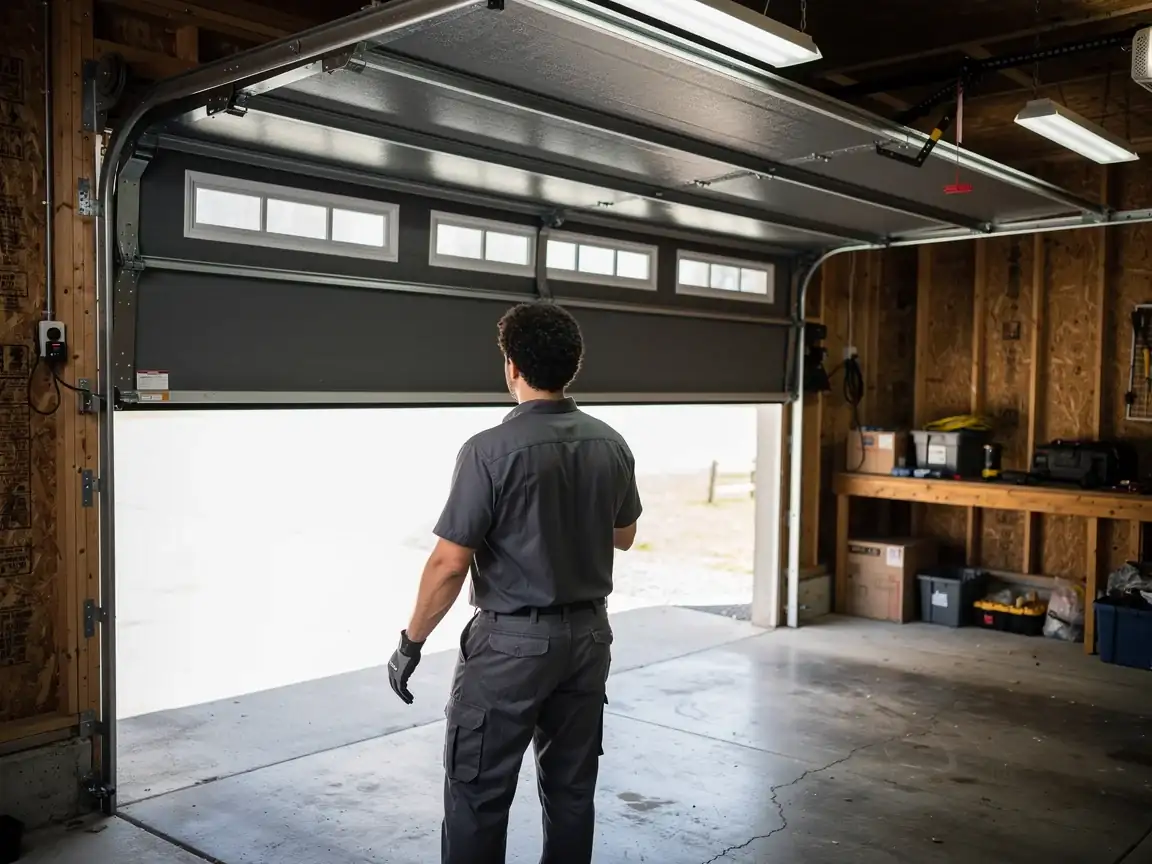
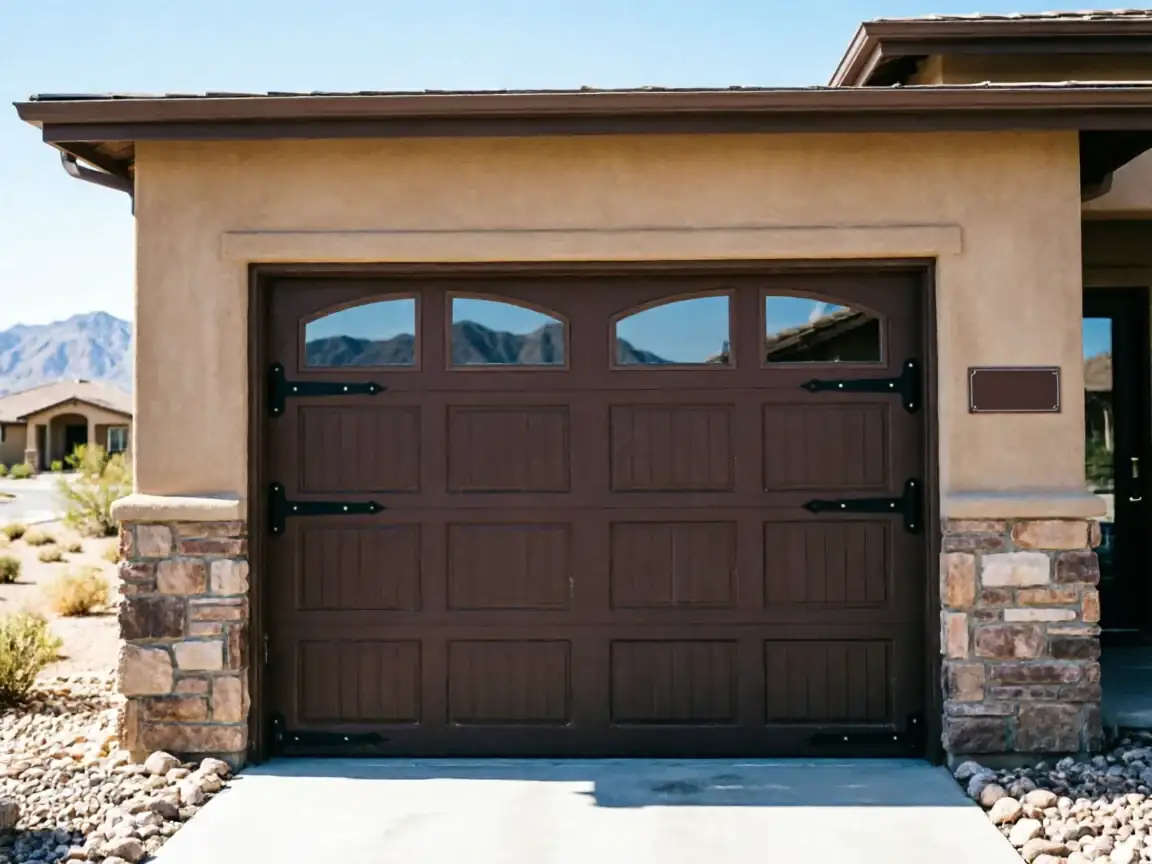
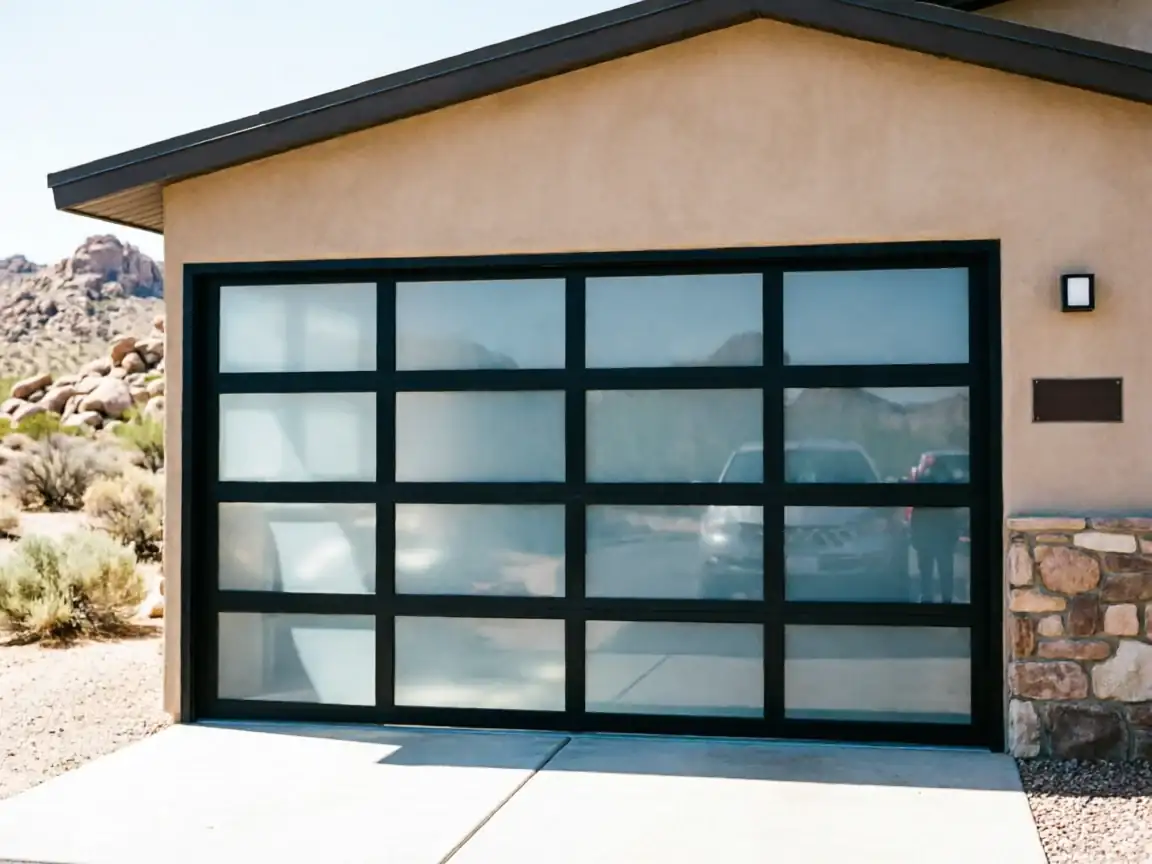
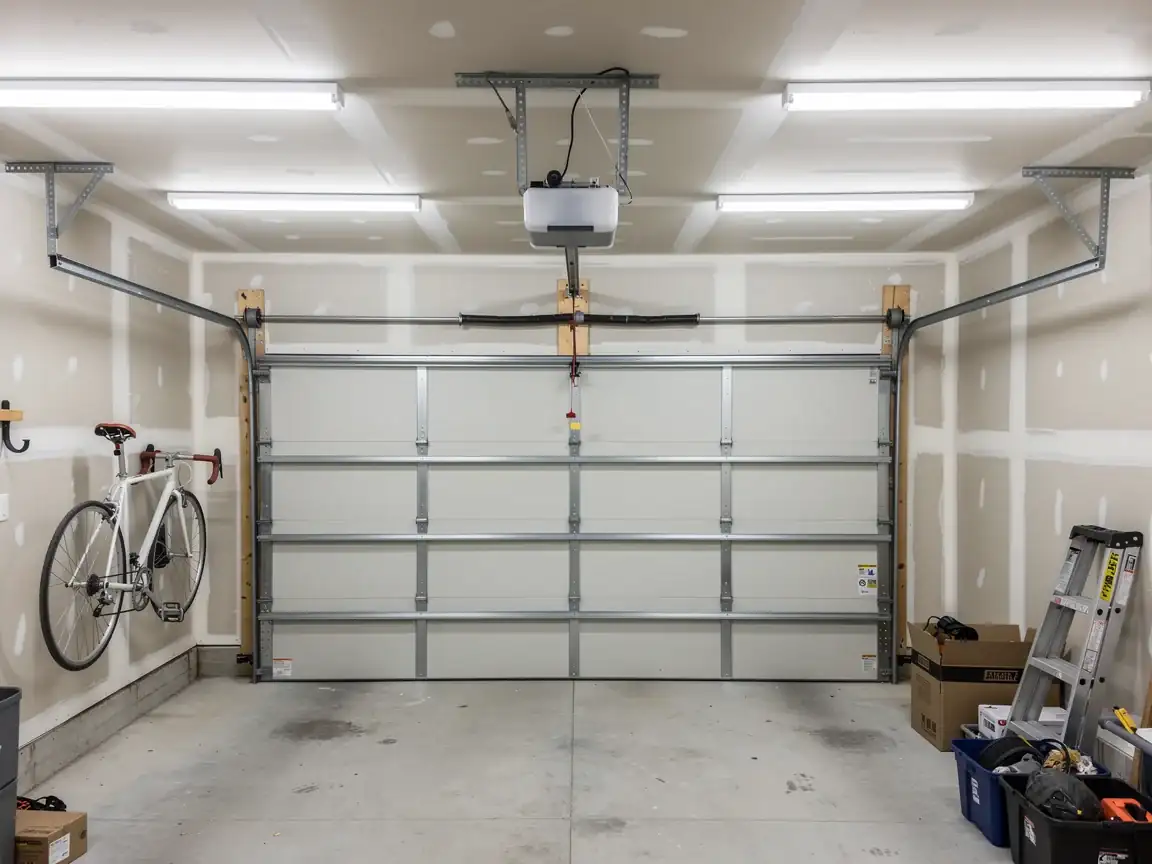
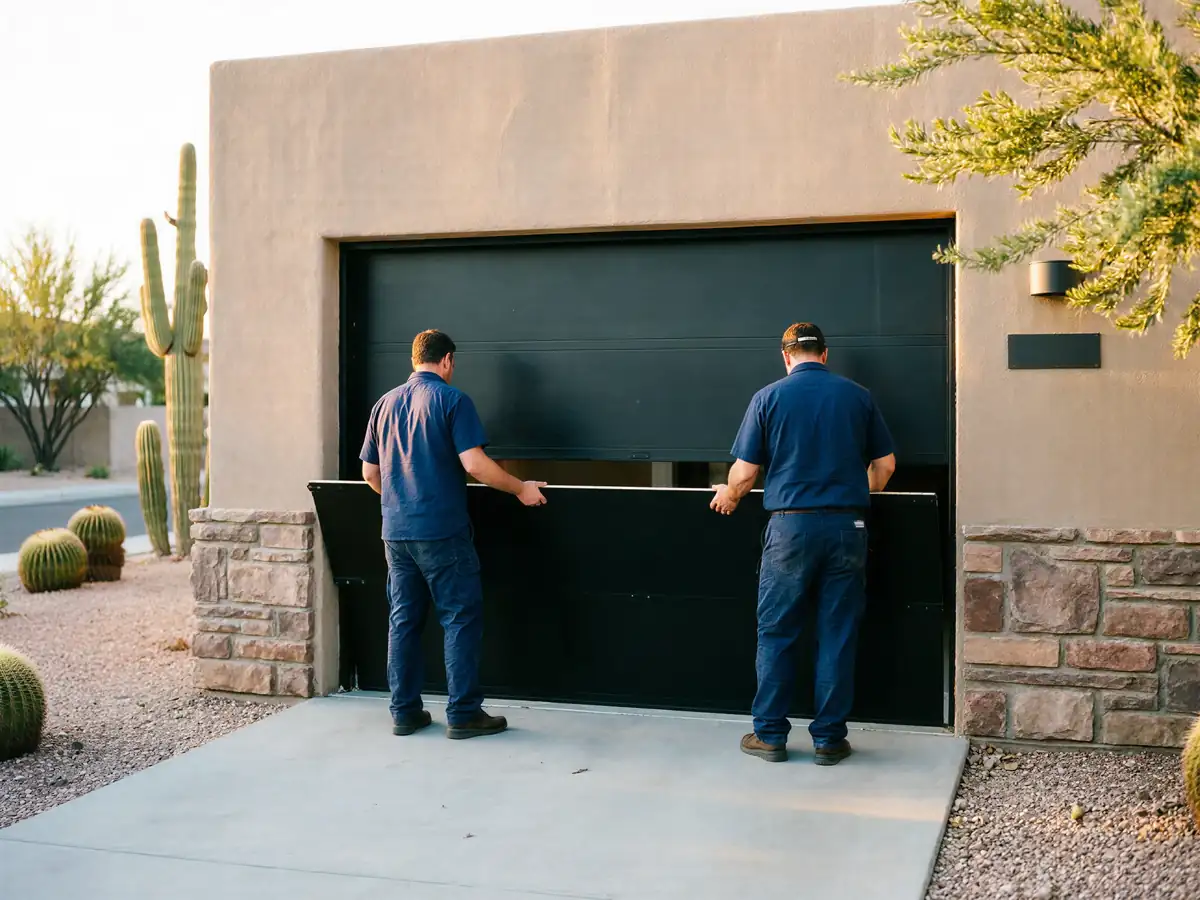
We don't publish flat prices here because the right number depends on door size, insulation package, and whether the opener and track get replaced along with the panels - and quoting a number without seeing the door is how homeowners end up paying twice. What we can tell you is what drives the cost up or down: a single 16-foot door with a basic non-insulated steel panel runs less than a matched insulated double with a modern opener, and older openers almost always need the rail and logic board swapped together rather than piecemeal. With median household income in the service area at $70,982 and most owners holding equity in houses built in that 1980-2005 window, the installs we see most are mid-grade insulated steel doors - a step up from original, not a luxury upgrade. Ask for a written quote broken into door, hardware, and labor before you sign anything.
Why This Fails Locally
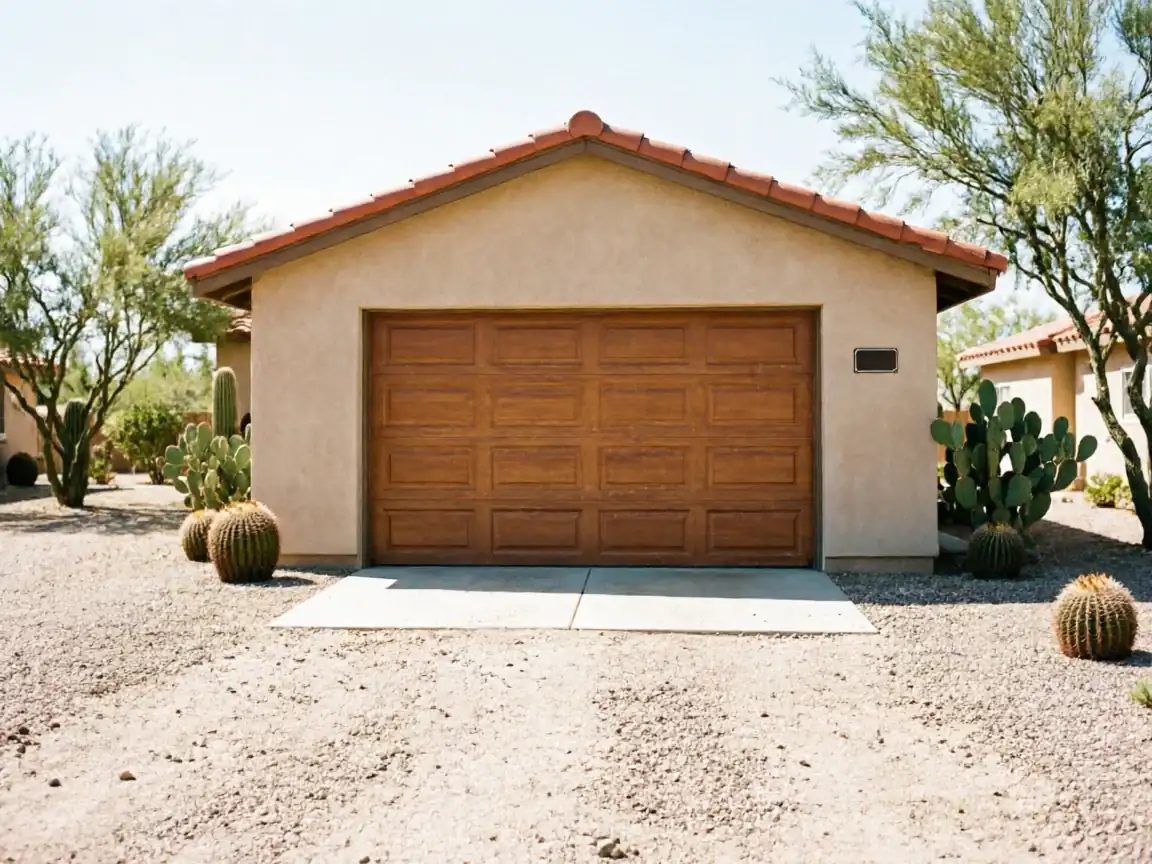
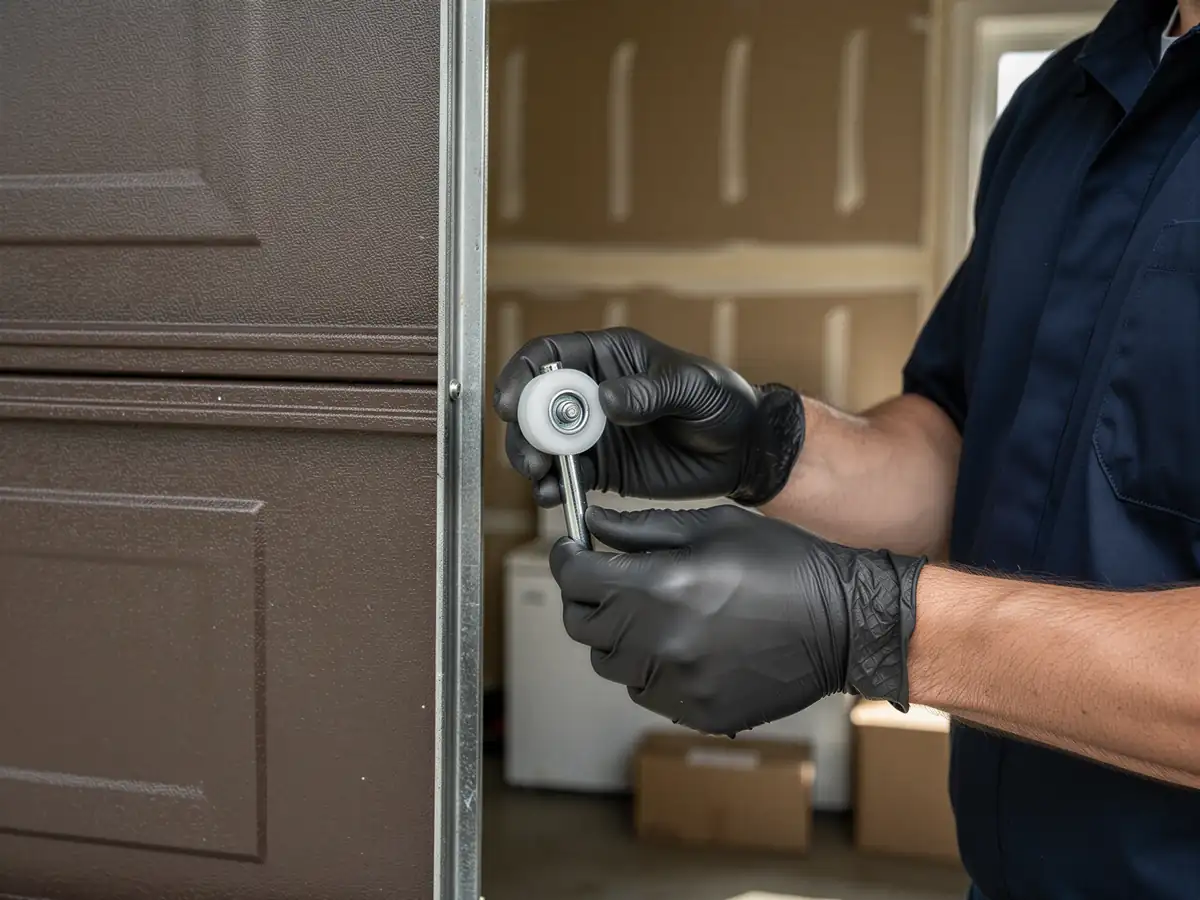
This isn't a generic wear-and-tear story. Oro Valley's housing stock clusters tightly in that 1980-2005 build era, and most of what went into garages during those two decades was built to a lower heat-tolerance standard than current code requires for a severe-heat zone. Across the roughly 27,068 owner-occupied houses in the wider service area, the doors installed when those houses were new are now 20 to 45 years into a climate that bakes steel, dries out lubricant, and stresses opener electronics every summer without fail. A door of the same age in a milder climate would show less of this. Here, the heat is doing the damage on a schedule, not an accident - which is why installation, not repeated spring or roller repair, is usually the point where it stops making sense to keep patching.