How It Shows Up
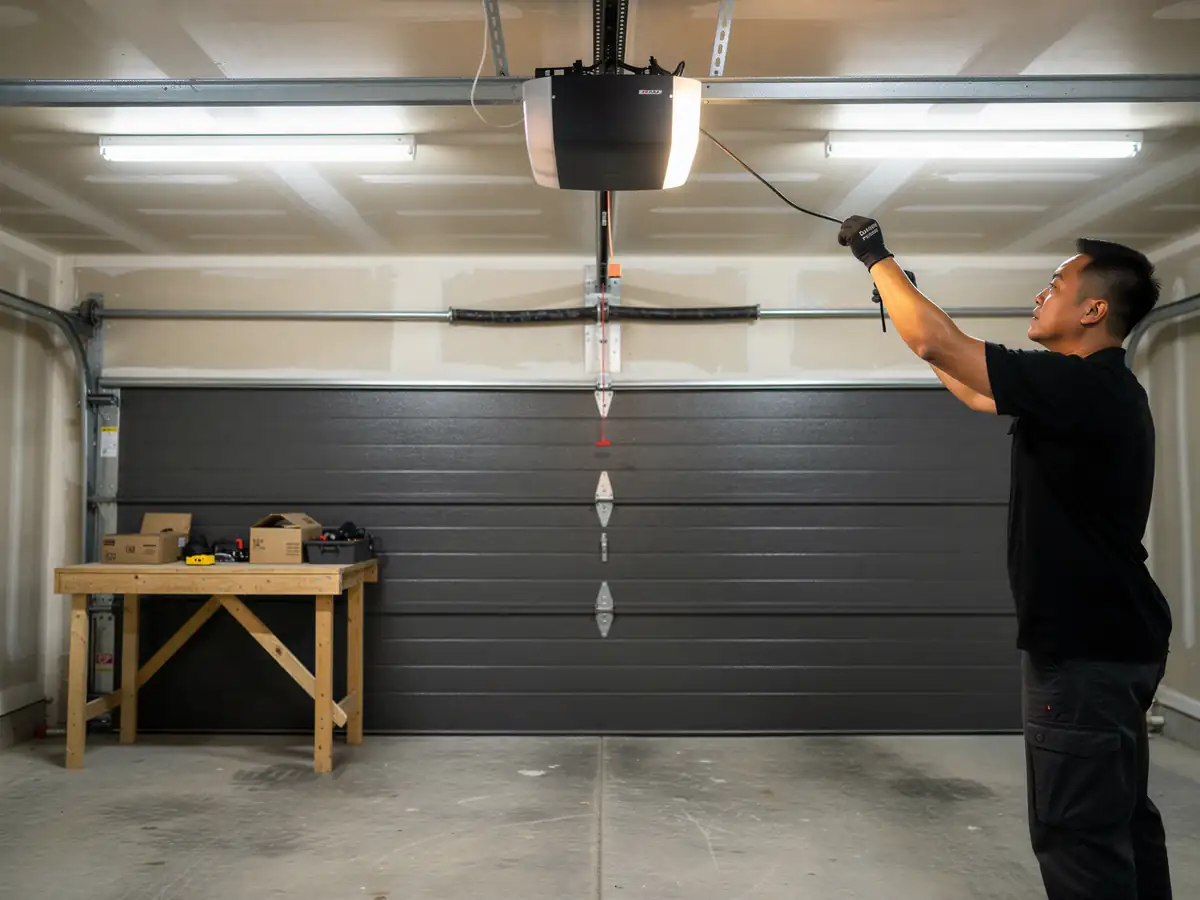
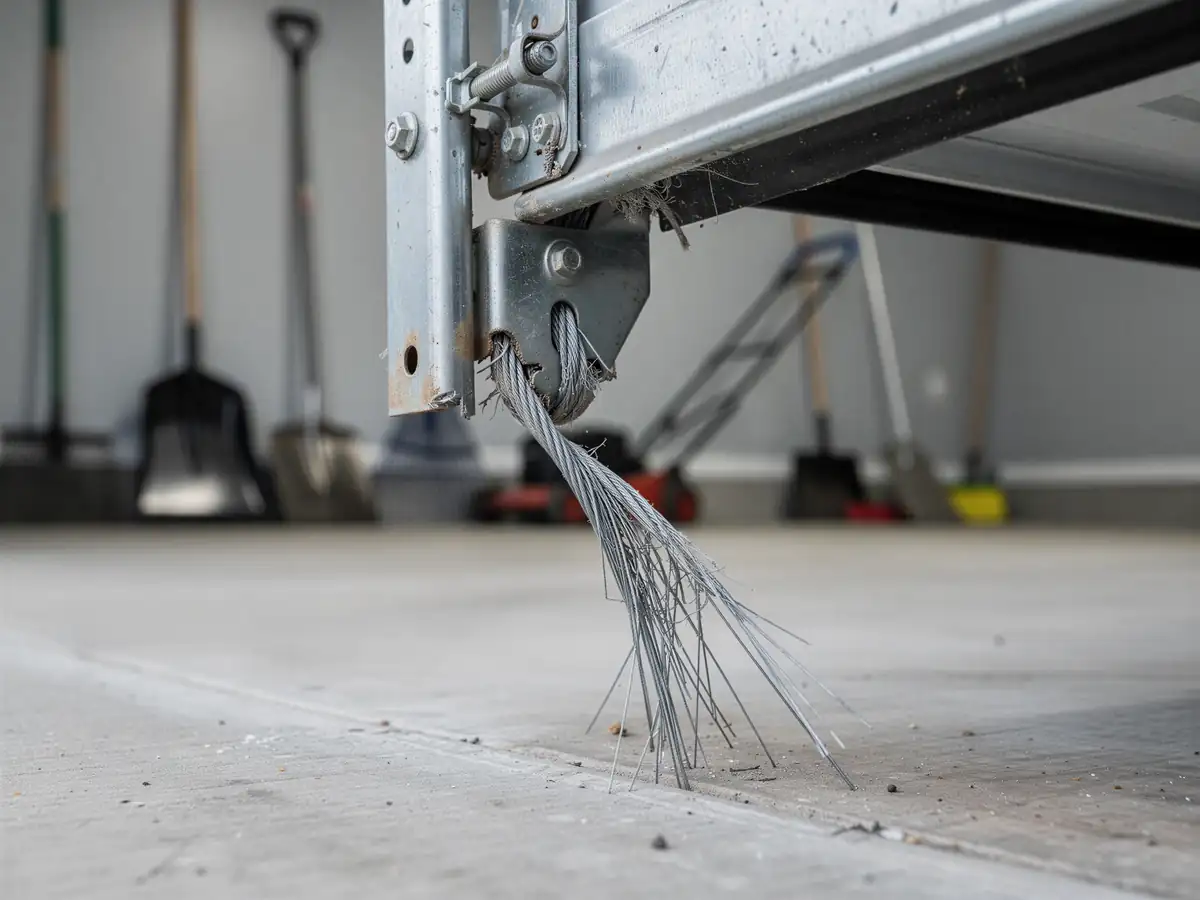
A snapped cable rarely happens out of nowhere. You'll usually notice one side of the door hanging lower than the other, or the door tilting hard to one side as it opens, with the roller binding in the track. Sometimes it's a loud bang from the garage followed by the door refusing to move at all - that's often a cable that's come off the drum or frayed through completely under tension.
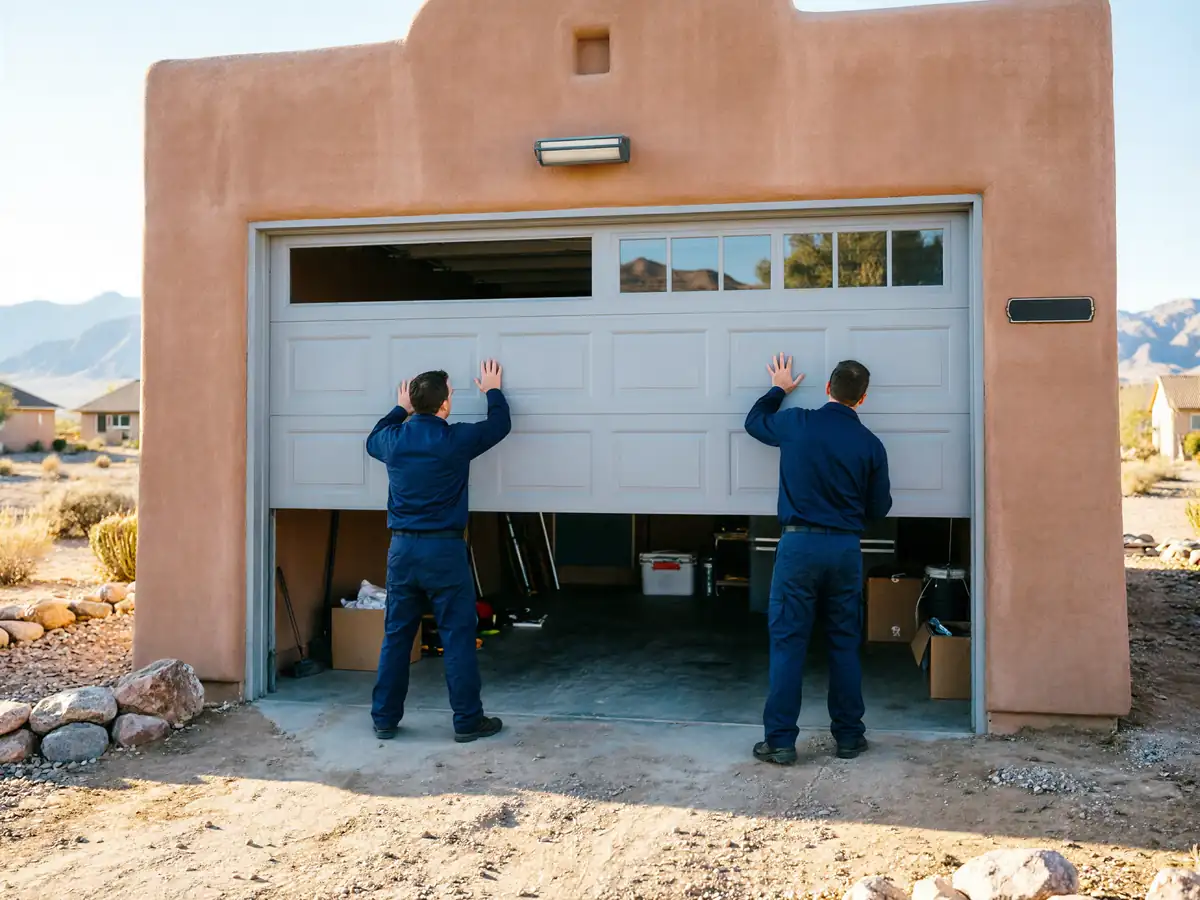
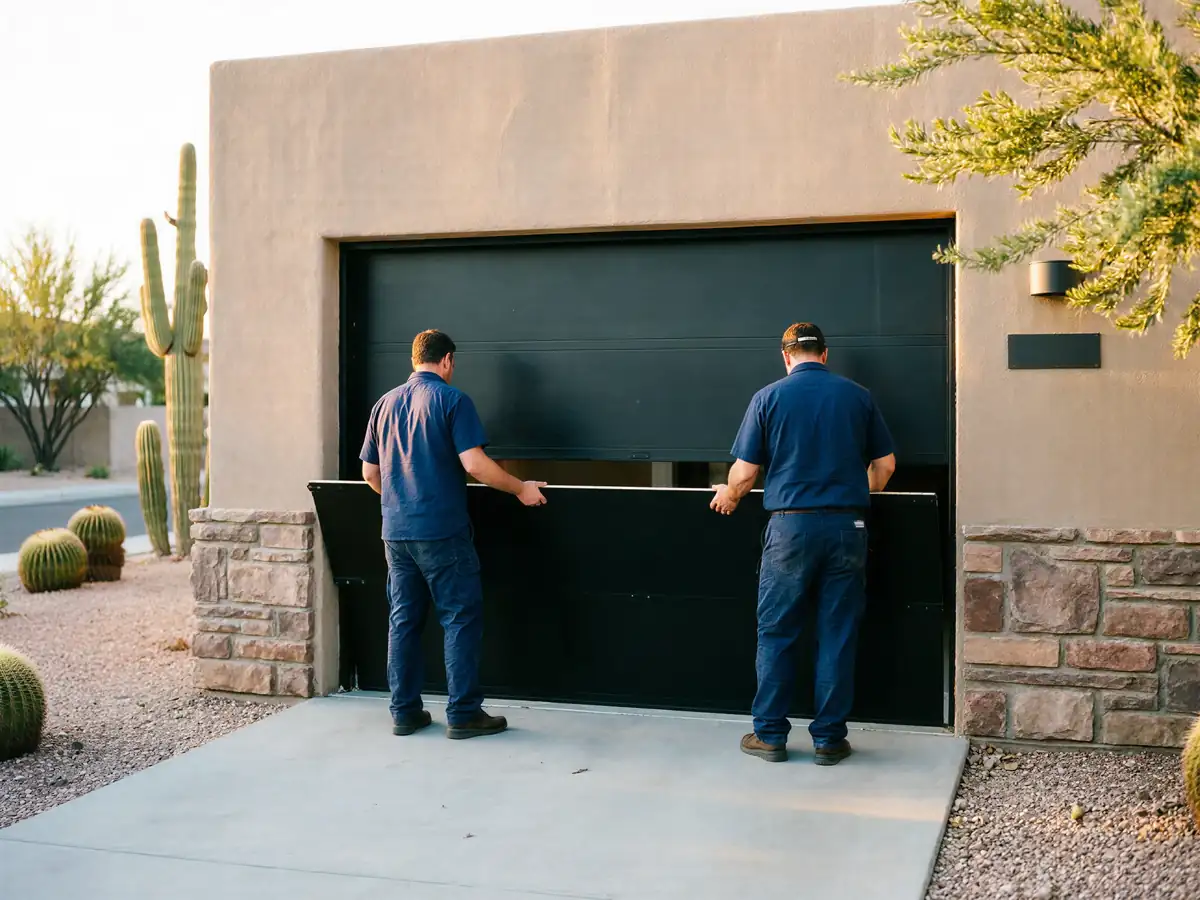
Across Oro Valley's service area, most houses were built between 1980 and 2005, with a median build year of 1989. That means a large share of the doors we get called on still carry original galvanized cables that have never been swapped out. Cable wire doesn't fail cleanly - it frays strand by strand near the bottom bracket or the drum, and by the time you see visible fraying, the cable is close to done. Don't try to force the door open or closed once you notice uneven hang. A cable under load that finally lets go can whip hard enough to hurt someone standing nearby, and it often takes a cracked panel or bent track with it.
What You Pay
We don't publish a flat number here because cable jobs vary more than people expect - a single frayed cable on a light door is a different job than replacing both cables plus drums on a heavy insulated door that's been riding unevenly for months and has already chewed up a roller or bent a bottom bracket. What drives the cost is whether both cables need replacing (if one went, the other is usually close behind and worth doing at the same time), whether the drums or bottom brackets took damage, and whether the door needs to be rebalanced afterward.
We'll tell you on site, before any work starts, what we're replacing and why. If a cable snap has also bent the track or cracked a panel, that's a separate conversation, because at that point you're often better off putting money toward a new section rather than chasing repairs.
The Complications
Cable repair gets complicated fast when the spring system is already under load
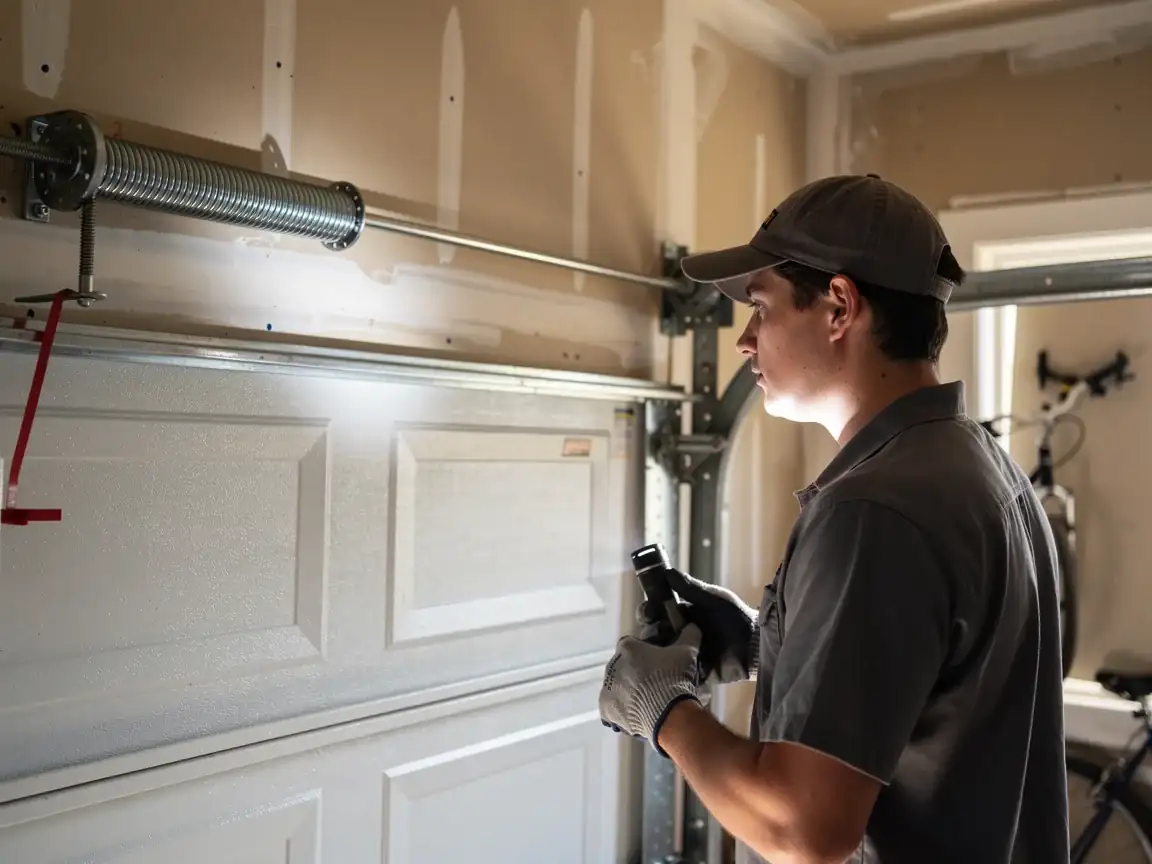
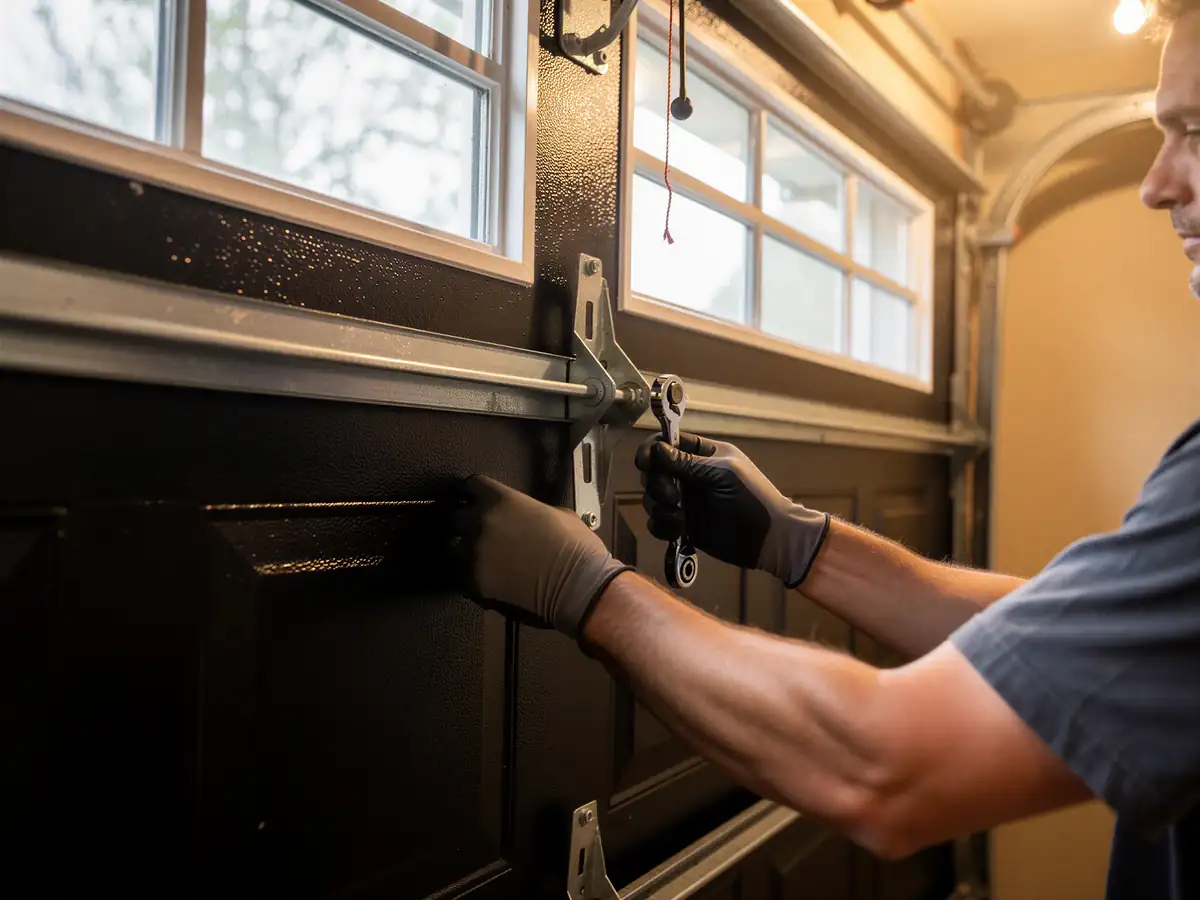
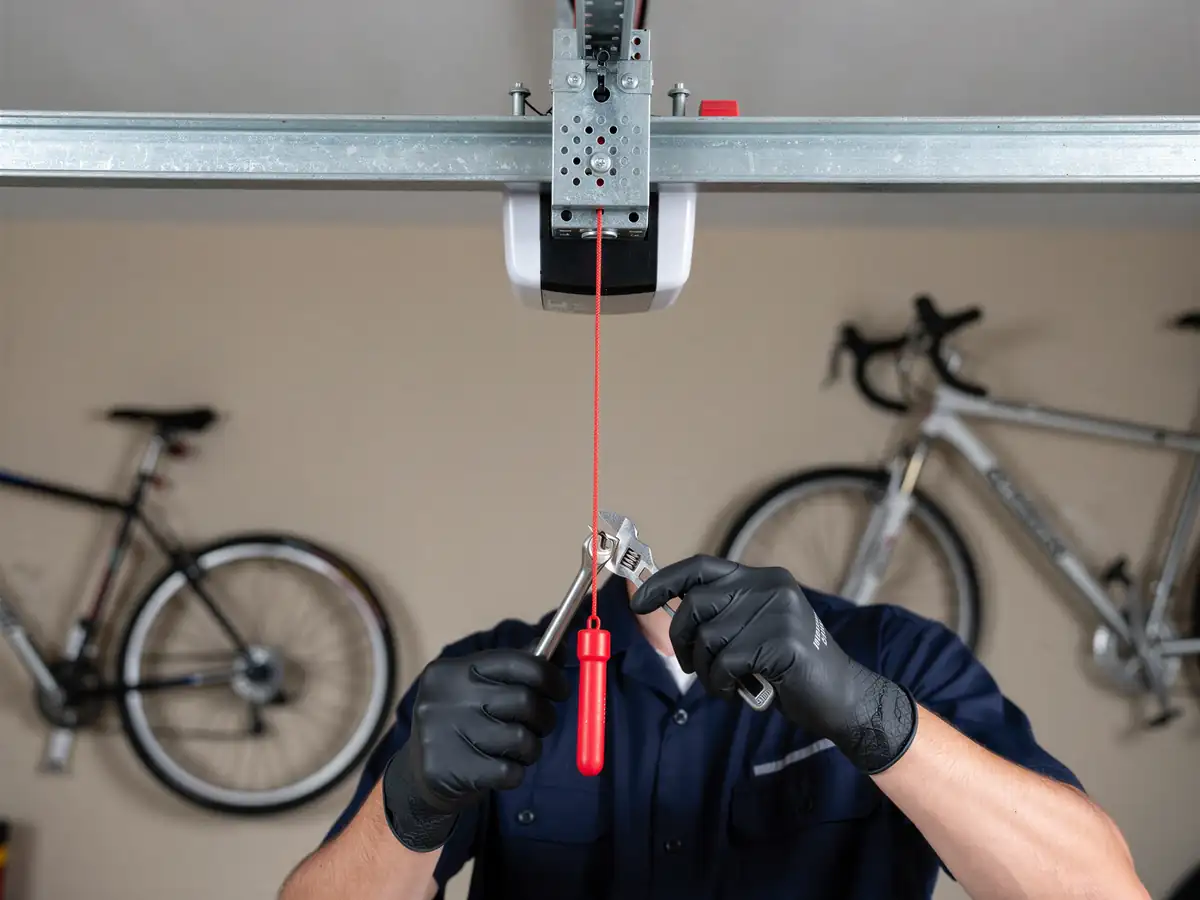
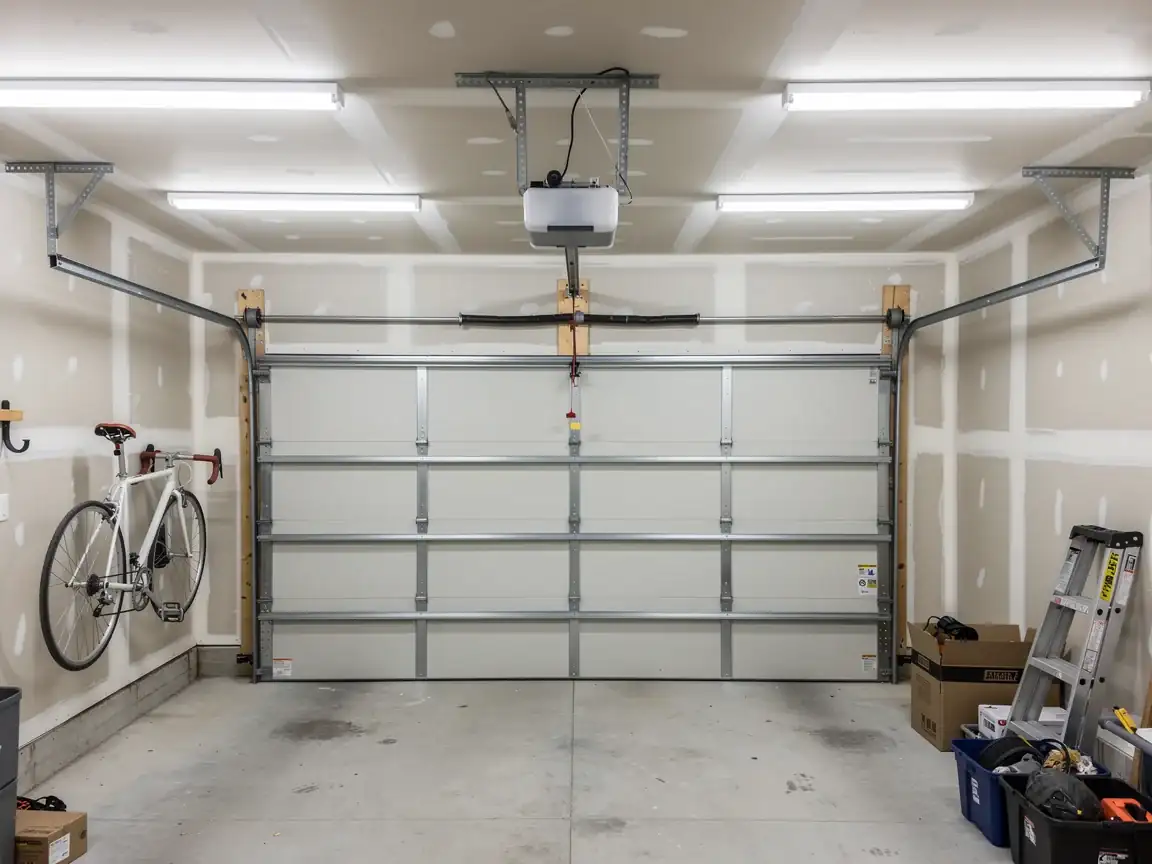
Which it always is on a closed door. You can't just pull a bad cable off - the drums have to be locked, the spring tension controlled, and the new cable wound correctly or the door will run crooked and wear through a fresh cable just as fast. This is not a job to stage with vise grips and hope.
The other complication is what the cable failure already did on its way out
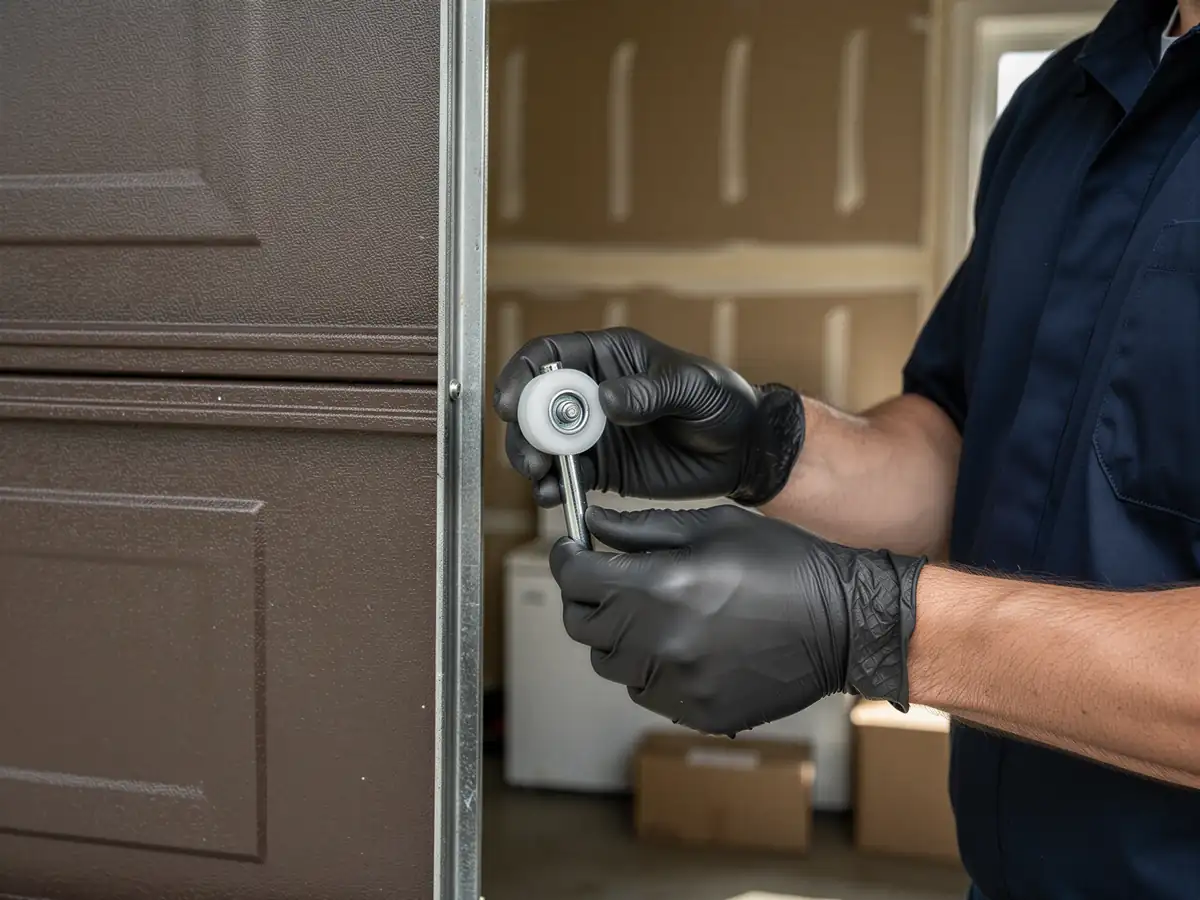
In Oro Valley's older stock, we regularly find bottom brackets that have worked loose over the decades, track that's slightly out of plumb from a prior installation, or a second cable on the far side that's already down to a handful of good strands. Replacing one cable and leaving the other is a callback waiting to happen. We check both sides, the drums, and the bottom brackets before we call the job finished, not just the cable that broke.
Why This Fails Locally
Heat is the quiet driver here. Oro Valley sits in a severe heat climate band, and a garage that routinely climbs well past the temperature outside puts constant thermal cycling on cable wire and the galvanized coating protecting it. That coating is what keeps the wire from corroding and the strands from cutting into each other under tension - once heat cycling breaks it down, the wire underneath starts to fray years before it would in a milder climate.
Combine that with the age of the housing stock - most homes across the eight areas we see regularly went up in the 1980s and 90s, putting a lot of original cable hardware well past its expected service life at the same time. With roughly 27,068 owner-occupied houses across this service area, that's a large number of doors running cables that were installed before anyone thought to size them for Arizona summers. It's not a defect in any one house - it's hardware of a certain era meeting a climate it wasn't built to outlast.