The Common Mistake
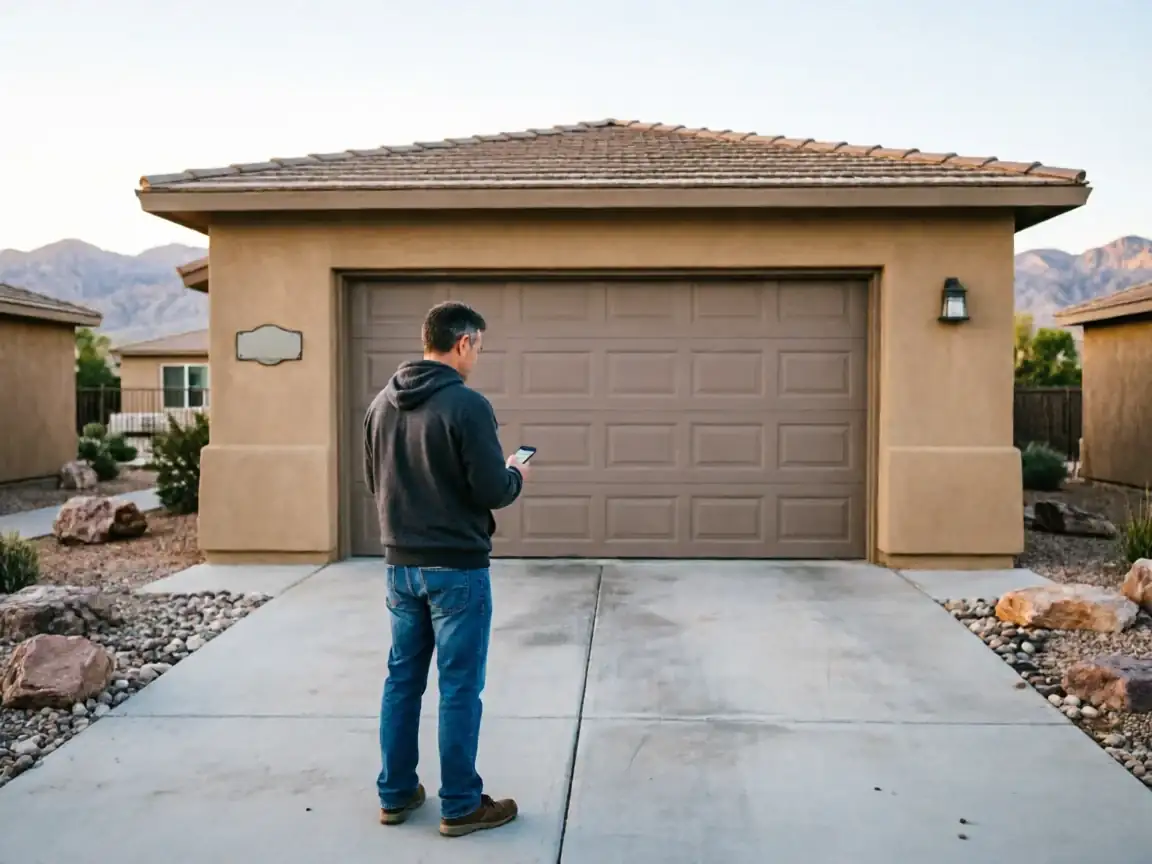
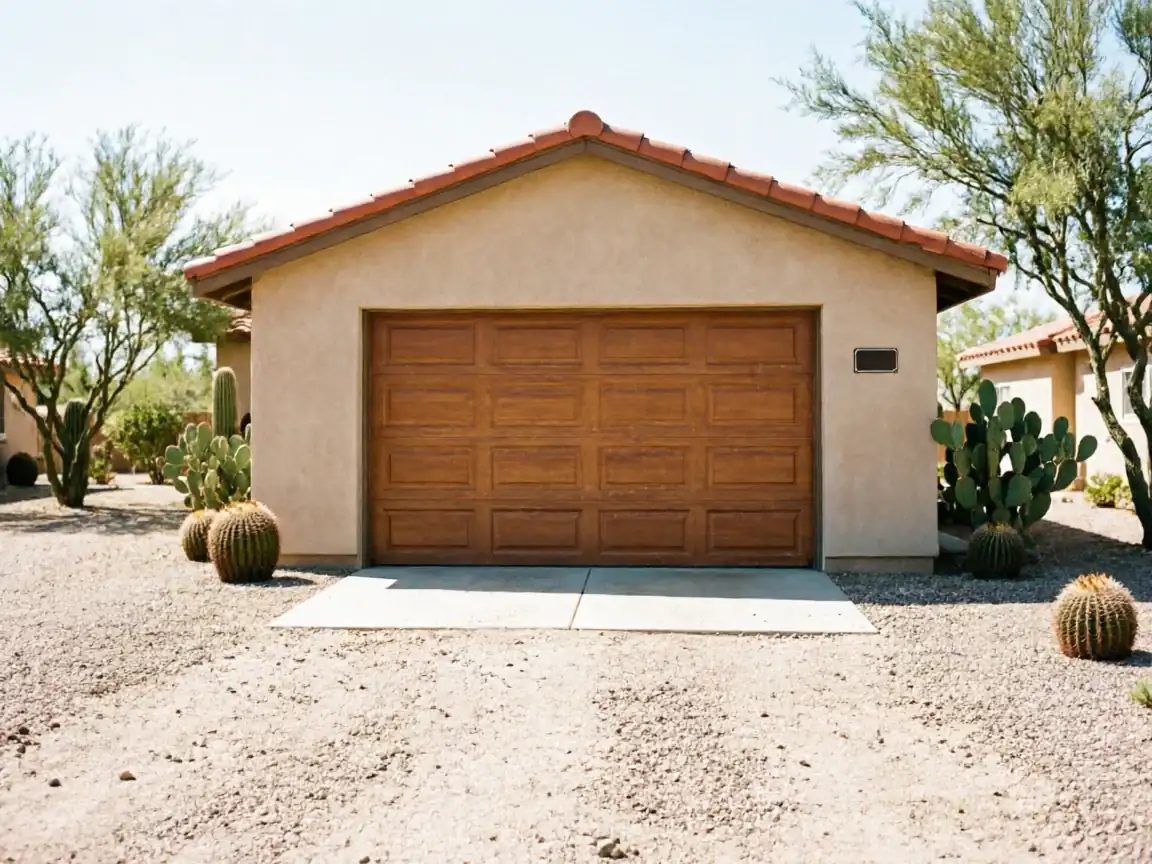
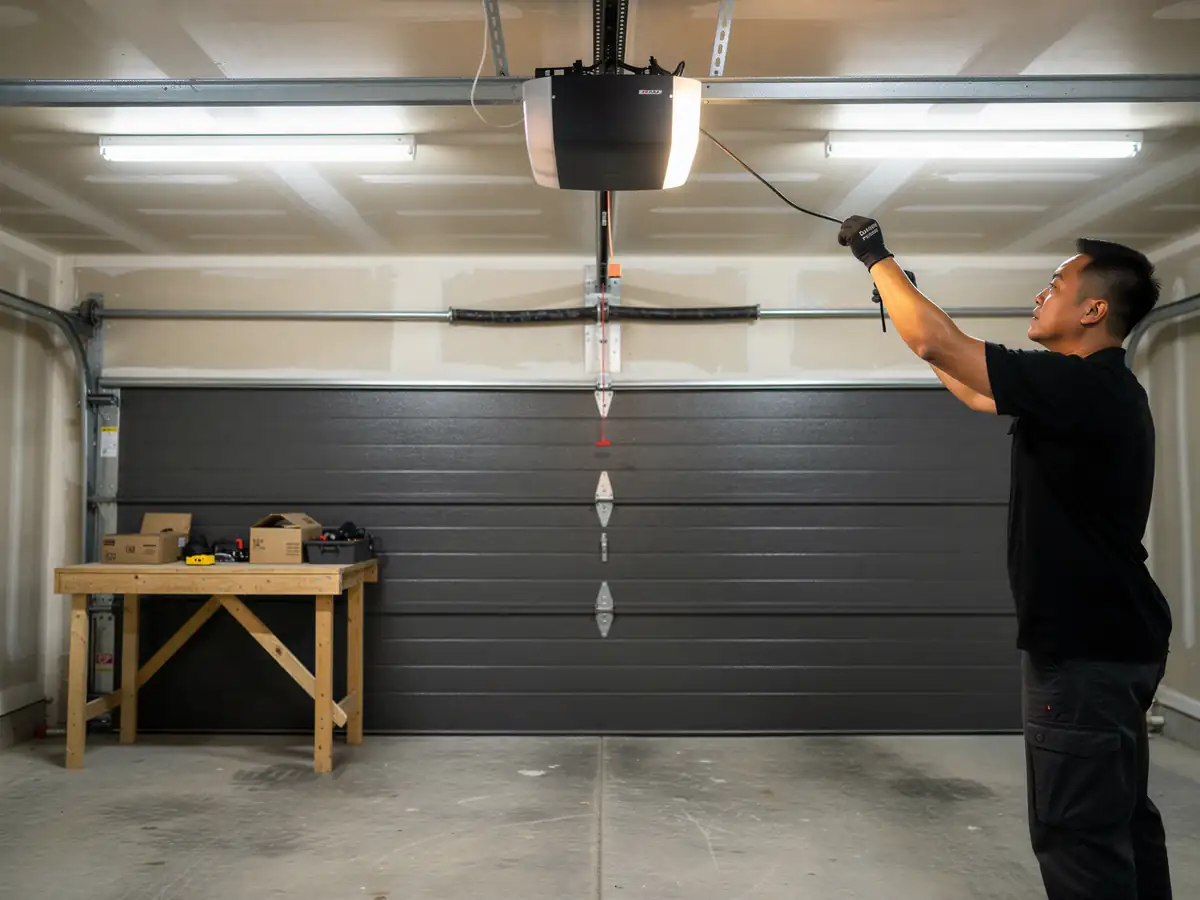
The mistake we see most in Oro Valley is treating every noisy or sagging door the same way, whether the house went up in 1982 or 2003. Most of the housing stock here was built between 1980 and 2005, with a median build year around 1989, and that matters because a door, opener, and track system from the late 80s is a different animal from one installed in the early 2000s. Owners call wanting a quote to "fix the door" without knowing whether they've got a steel panel door on an opener that's aged out, or a newer setup with one bad part. We'd rather look at the actual door than guess from a phone description. A torsion spring job on a 1989-era door and a sensor realignment on a 2002 door cost nothing alike, and lumping them together is how people end up either overpaying for a patch or replacing a door that had years left in it. Across the eight named pockets of this area, the age spread is tight enough that we can usually tell from the permit era alone what we're probably dealing with before we even open the panel.
What the Weather Here Does to It
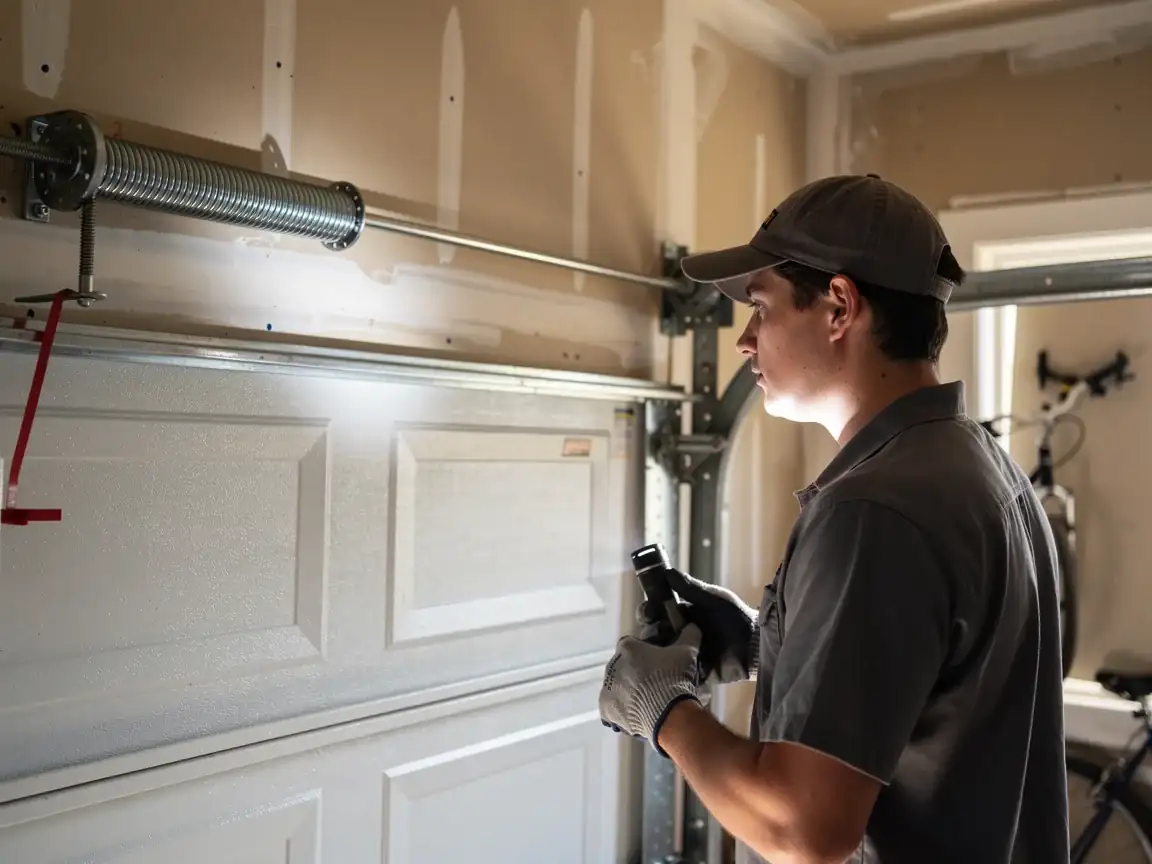
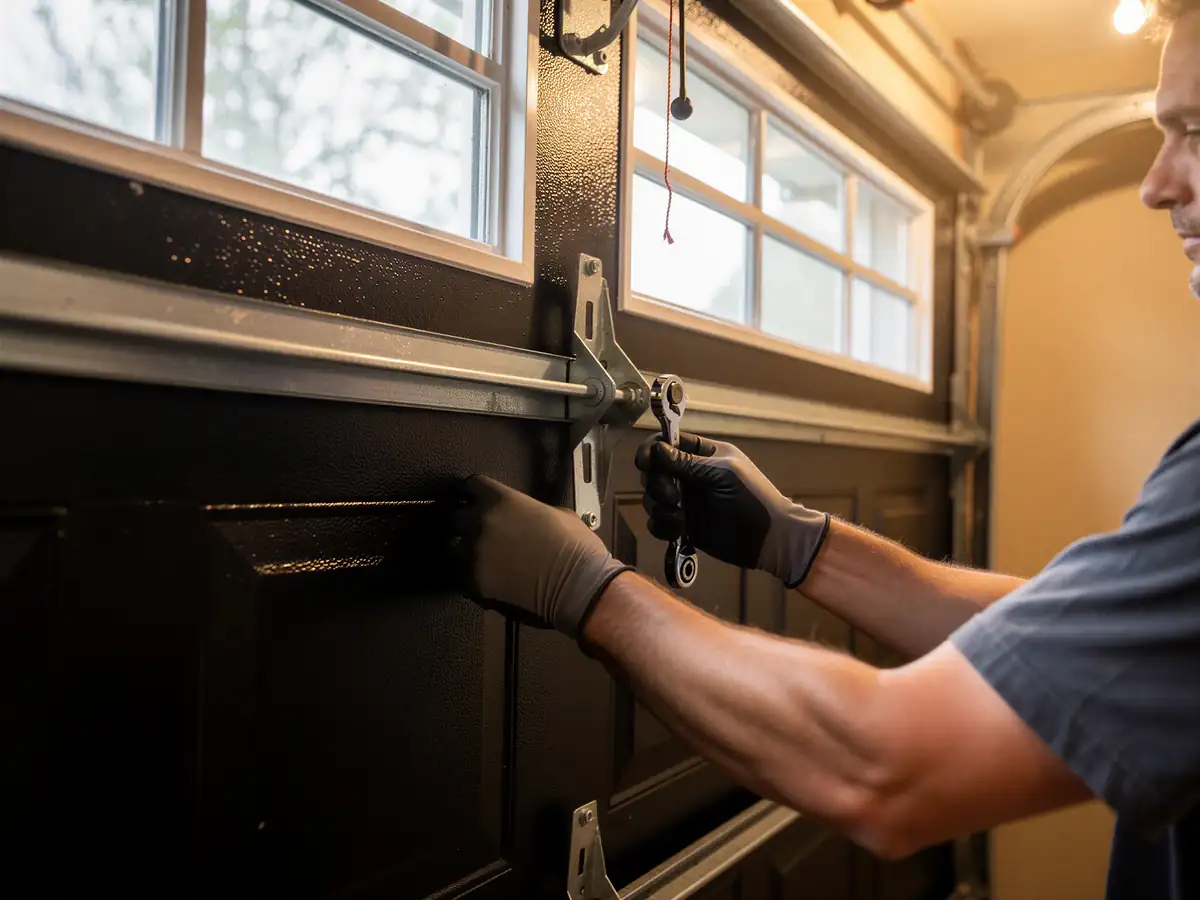
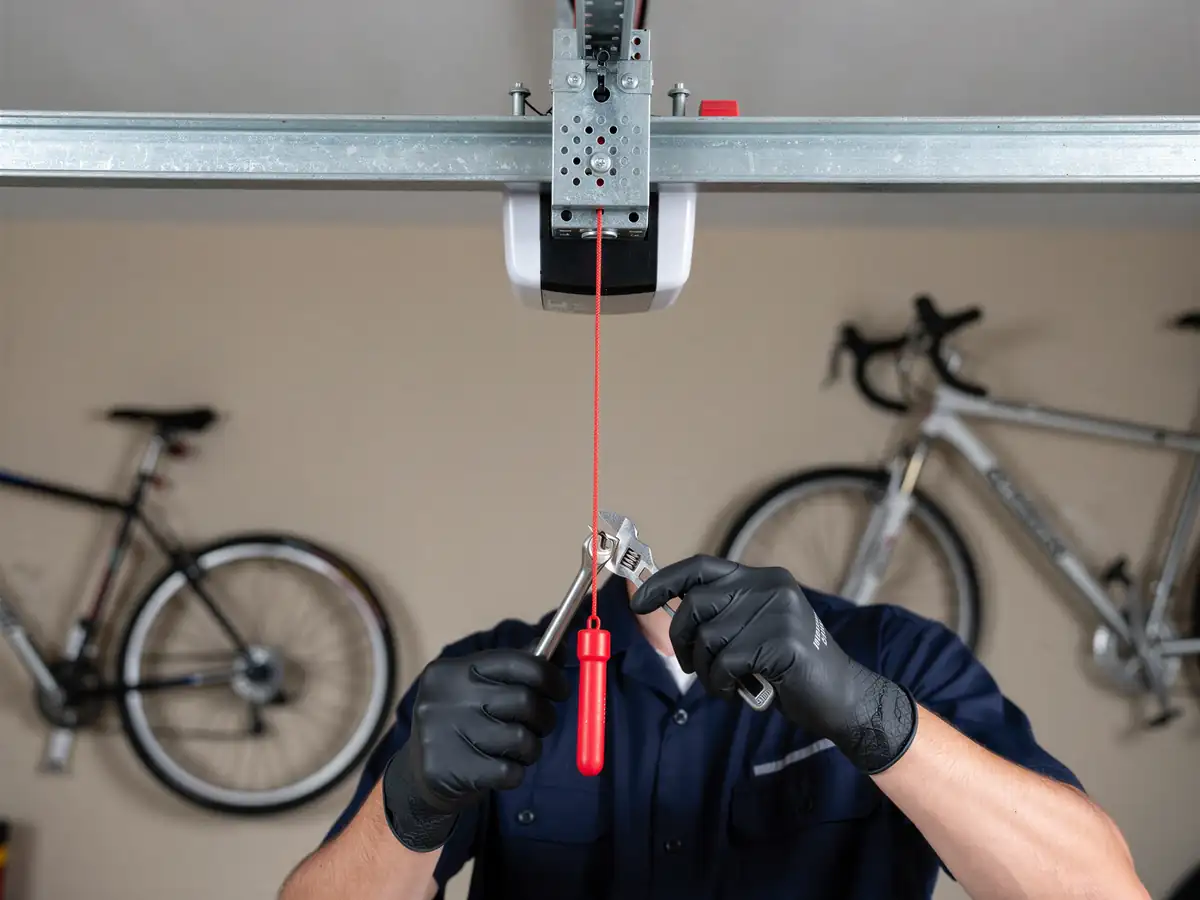
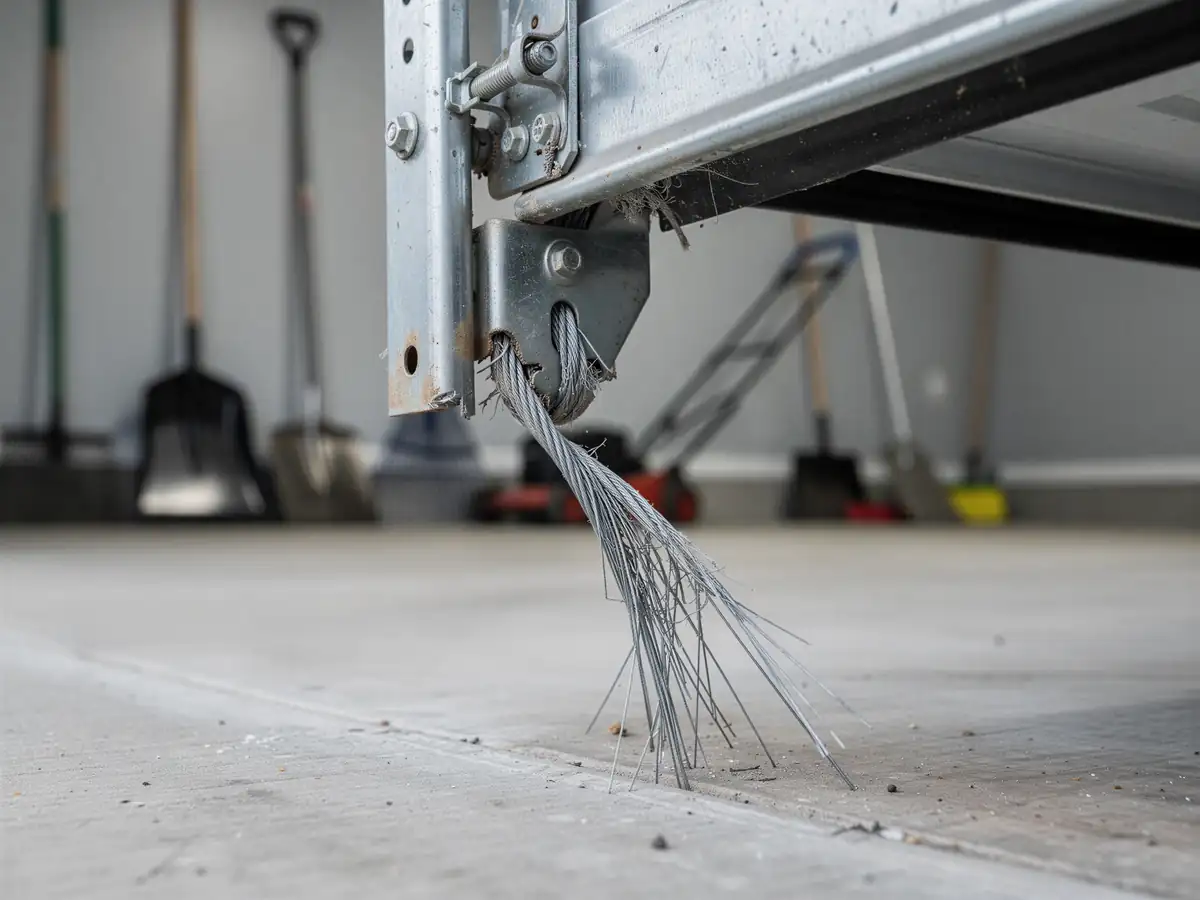
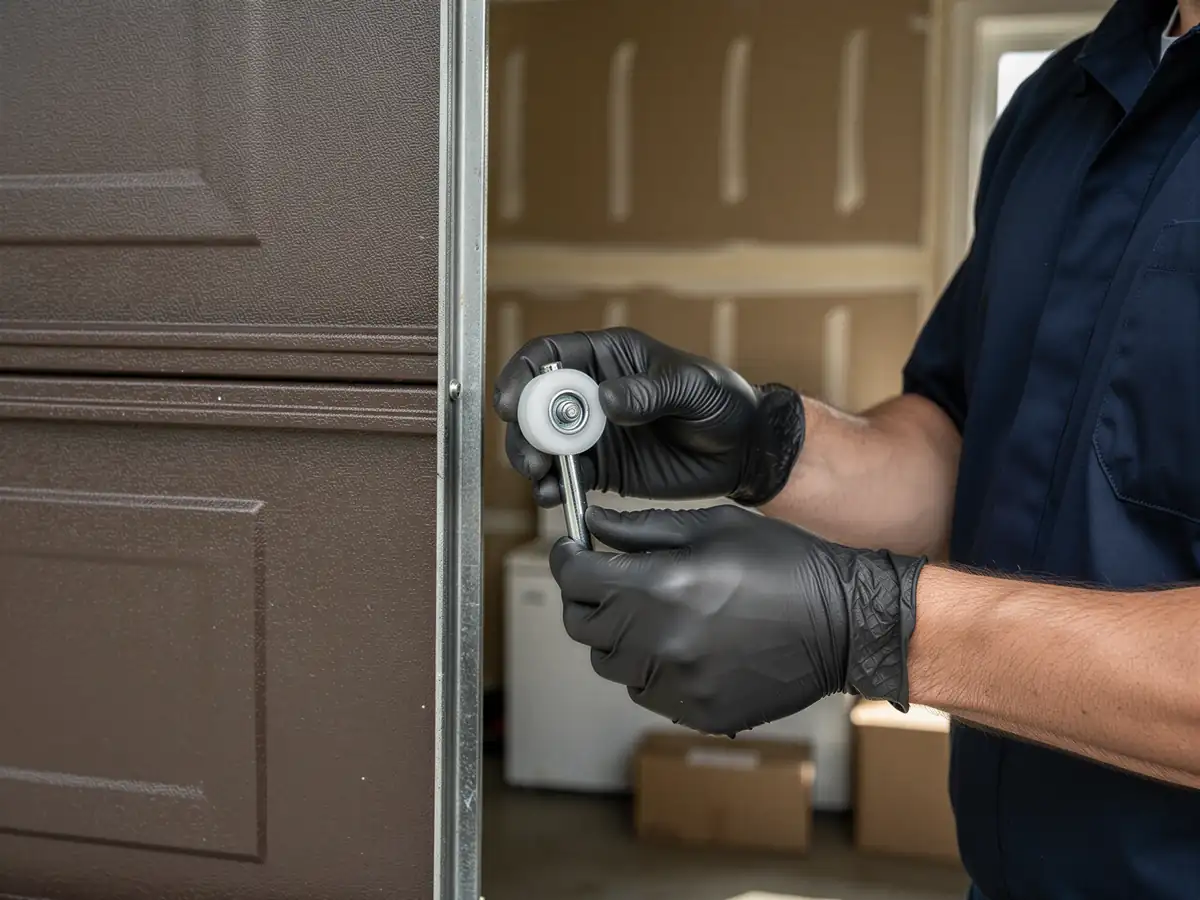
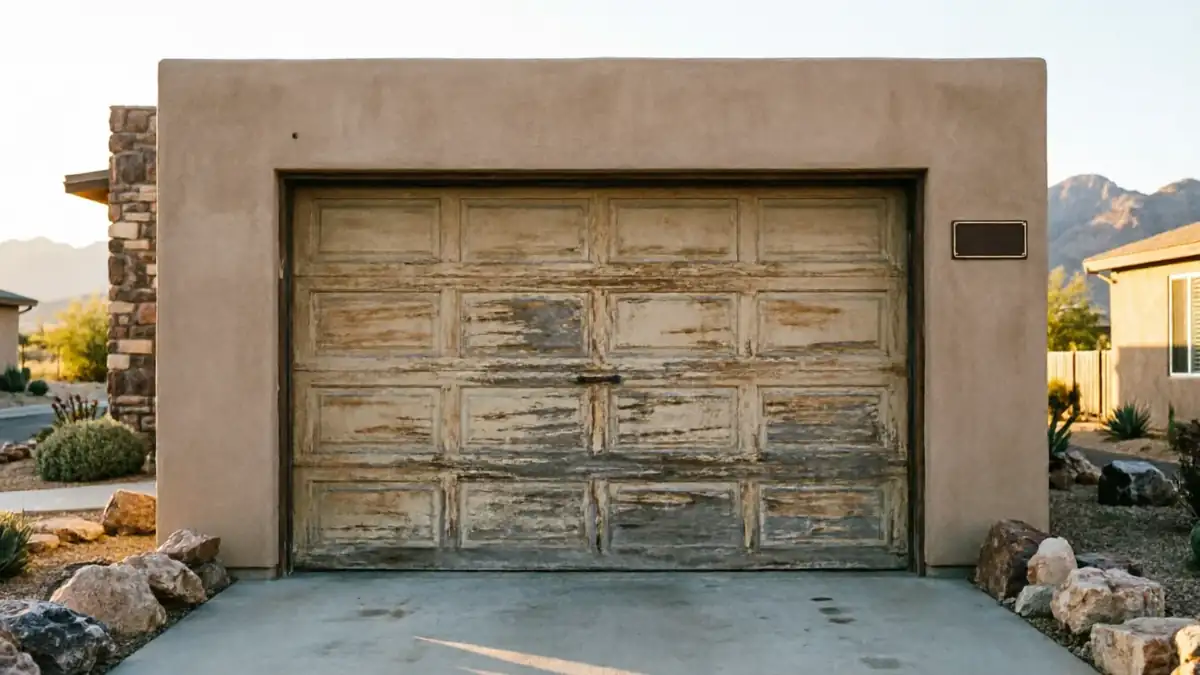
Oro Valley sits in a severe heat band, and that's the real reason doors here fail differently than doors in milder climates. Steel panels expand and contract through big daily swings, which works bolts loose at the hinge points and dries out lubrication on rollers and tracks faster than the manuals assume. Nylon rollers get brittle. Opener logic boards sitting in a hot garage or attached garage wall cook harder than the opener's duty cycle was designed for. On a house built in the 1989 median range, you're looking at original or first-replacement hardware that's been through a few decades of that heat cycling, and it shows up as hairline cracks in panels, galvanic corrosion on cable ends, and springs that have lost tension well before their rated cycle count. None of this is a defect in the door. It's what severe heat does to steel and nylon over time, and it's worth knowing before you decide a creak means the whole unit is done.
When It Stops Being a DIY Job
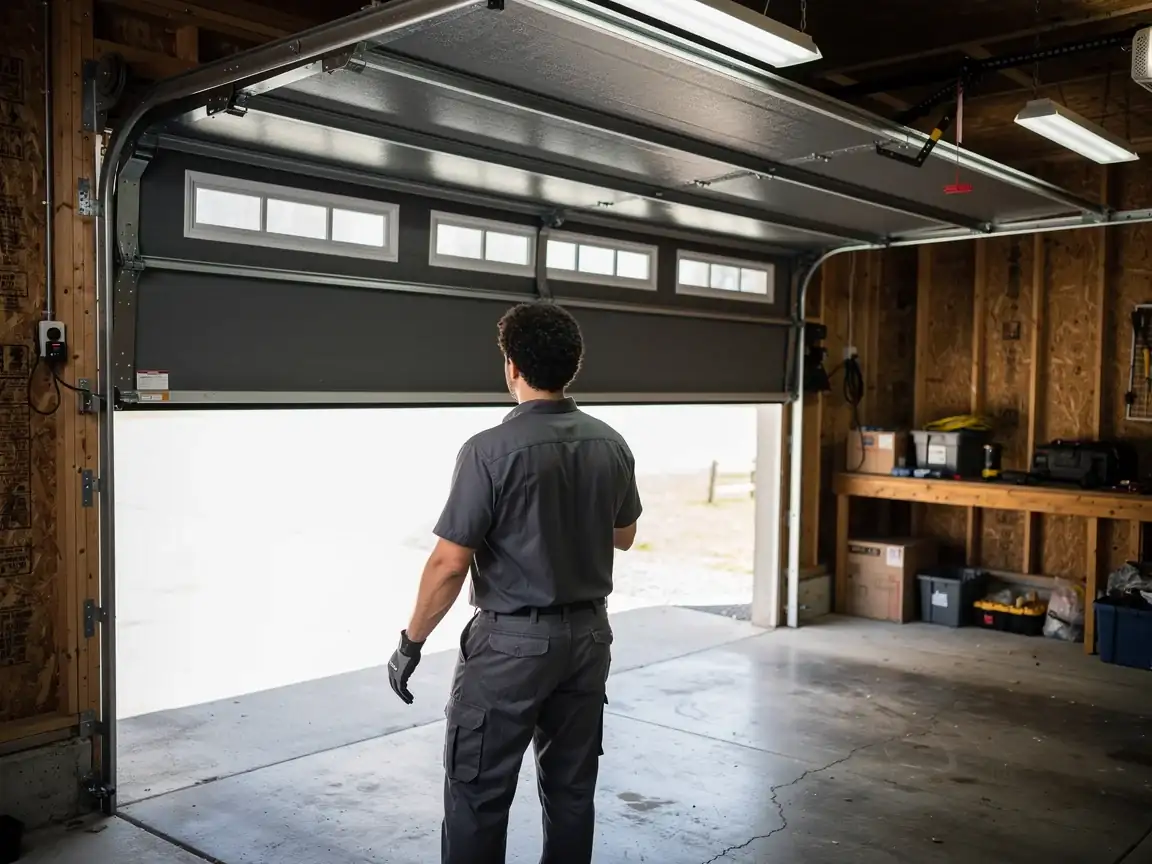
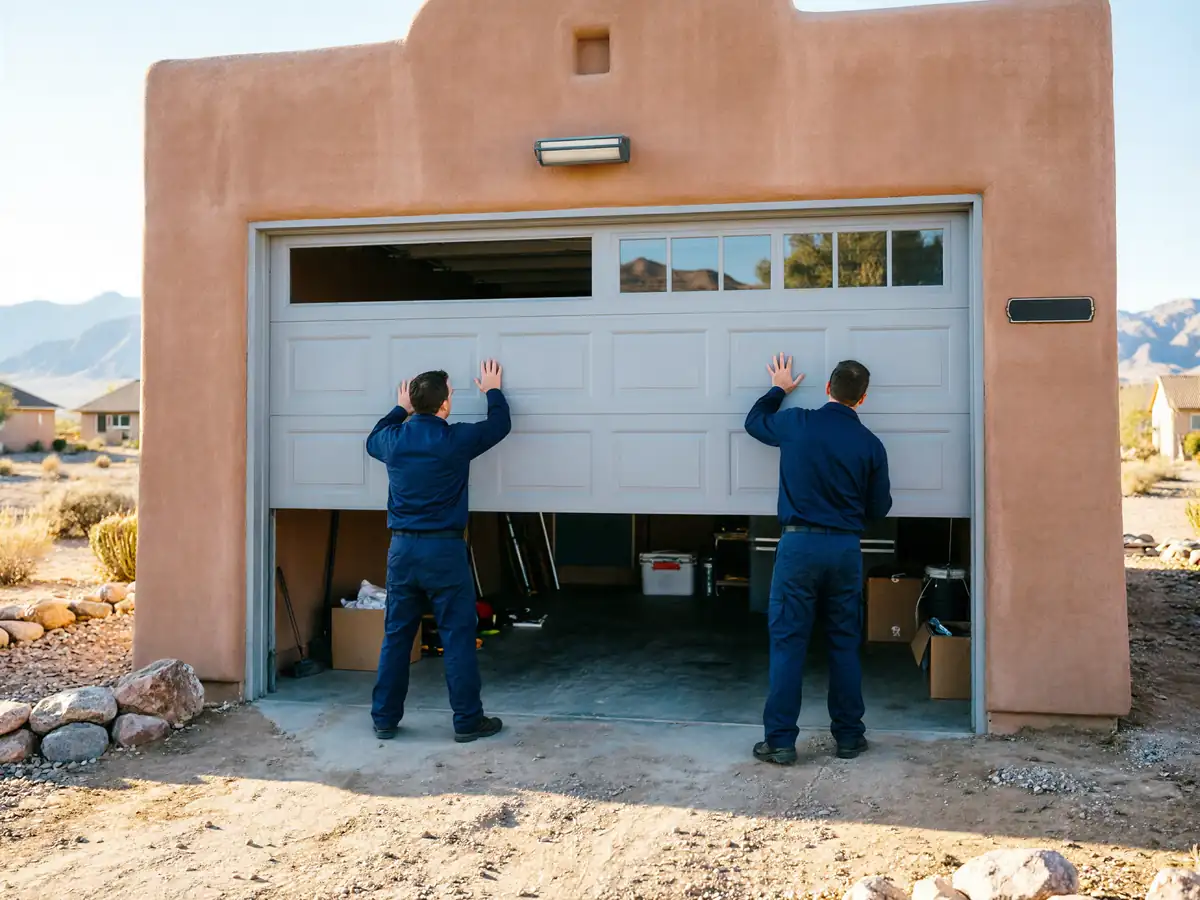
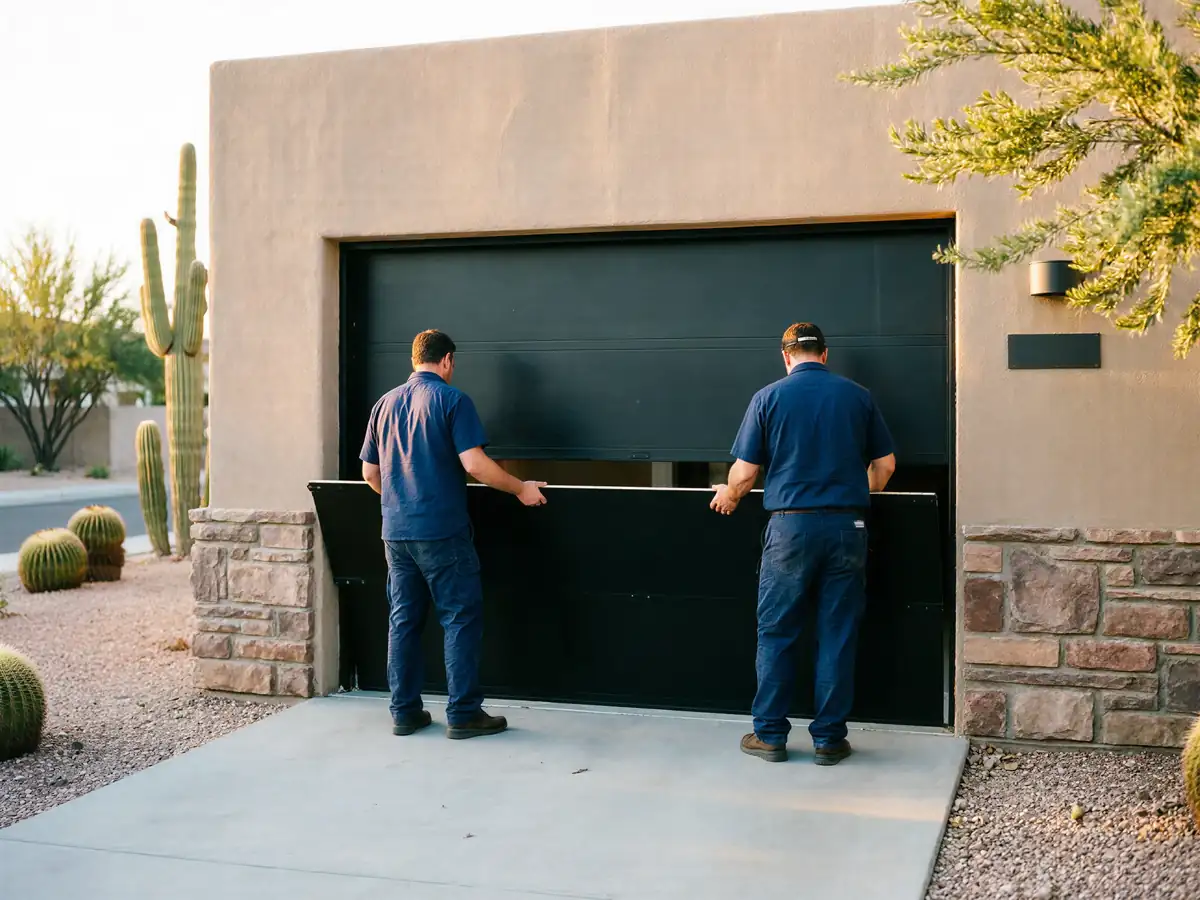
Spring tension and anything involving the torsion bar is not a DIY repair on a door this old, full stop - the stored energy in a 30-plus-year-old spring doesn't care that you watched a video first. Panel replacement on an older door is also tricky because doors built in the 1980s and 90s often don't match current panel sizing, so sourcing a matching replacement panel can take longer than people expect, and sometimes it isn't available at all. That's the honest limit: if your door is from that early end of the 1980-2005 range and a panel is cracked, we may tell you the whole door needs replacing simply because we can't get the matching part, not because the rest of the door is bad. Anything short of that - loose hardware, a misaligned track, a dying opener - is worth a service call before you assume replacement is the only option.