The Common Mistake
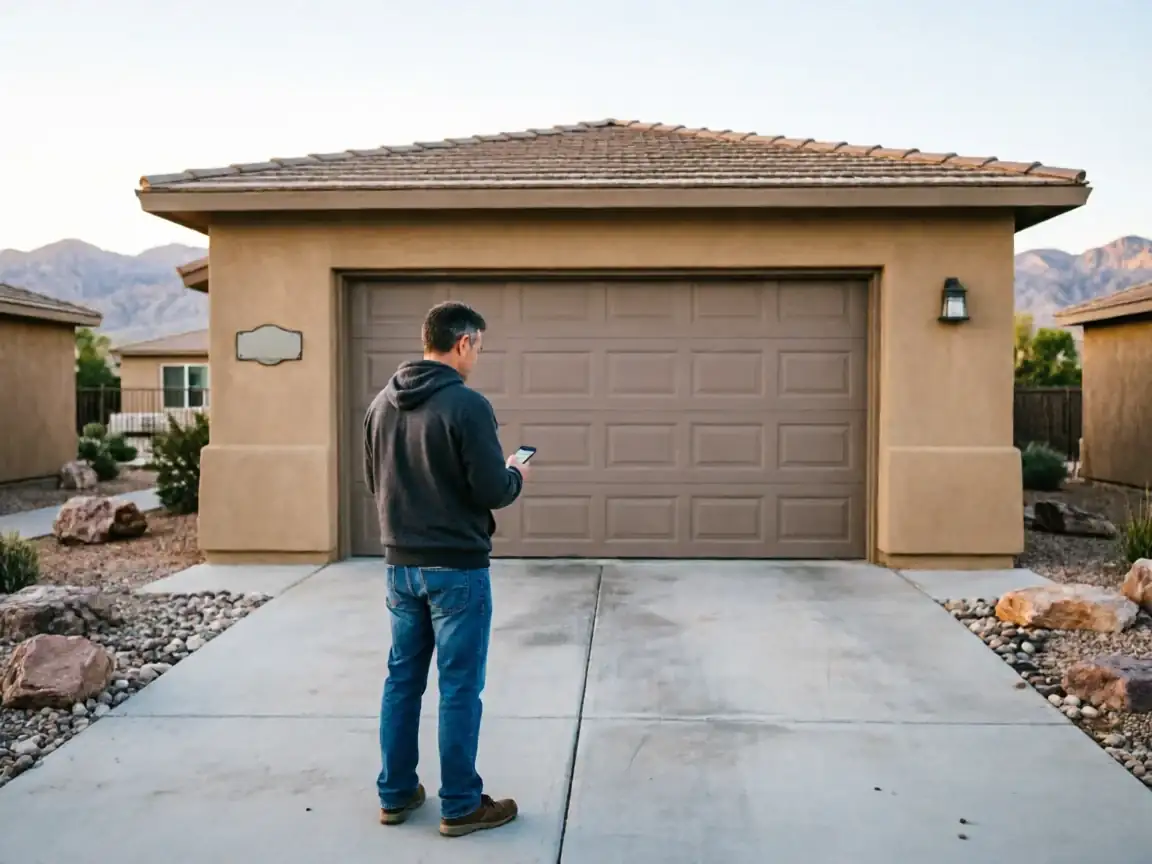
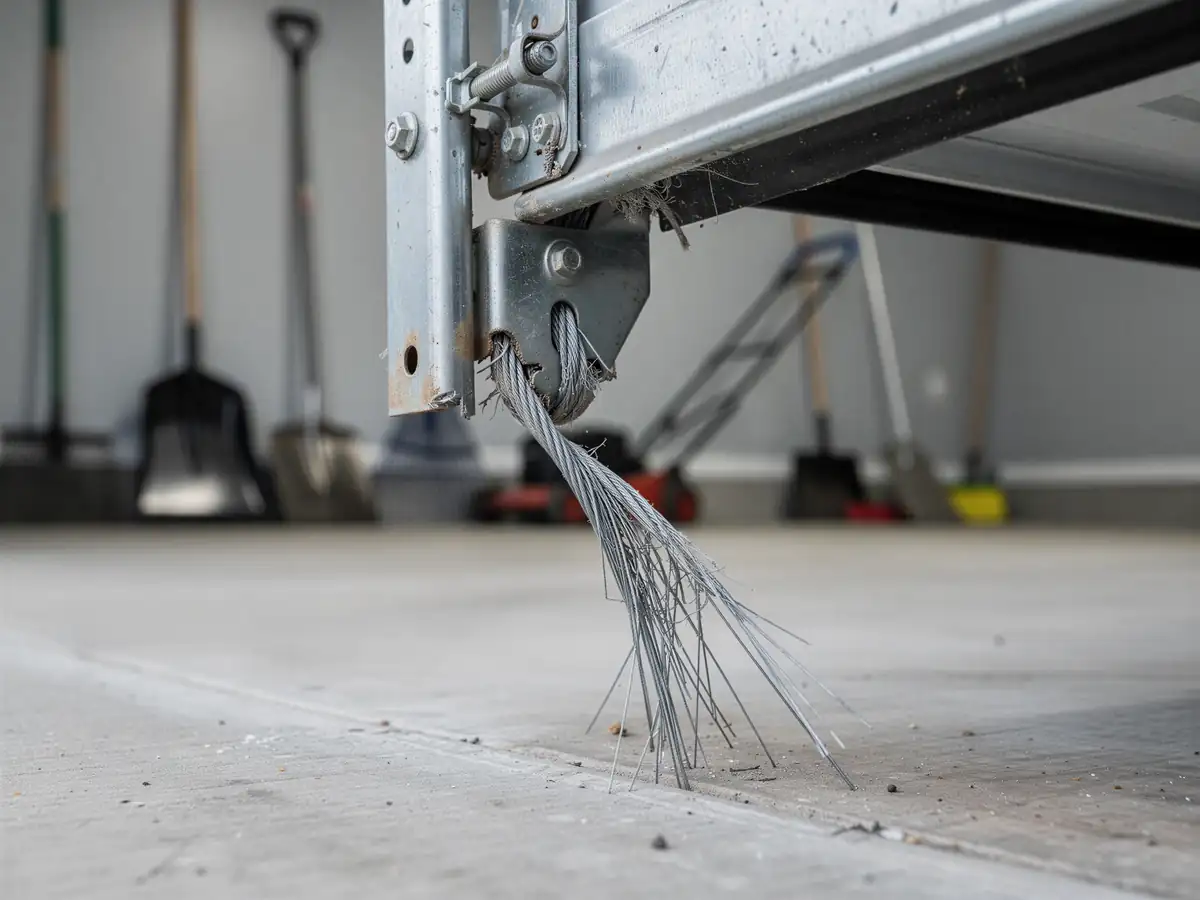
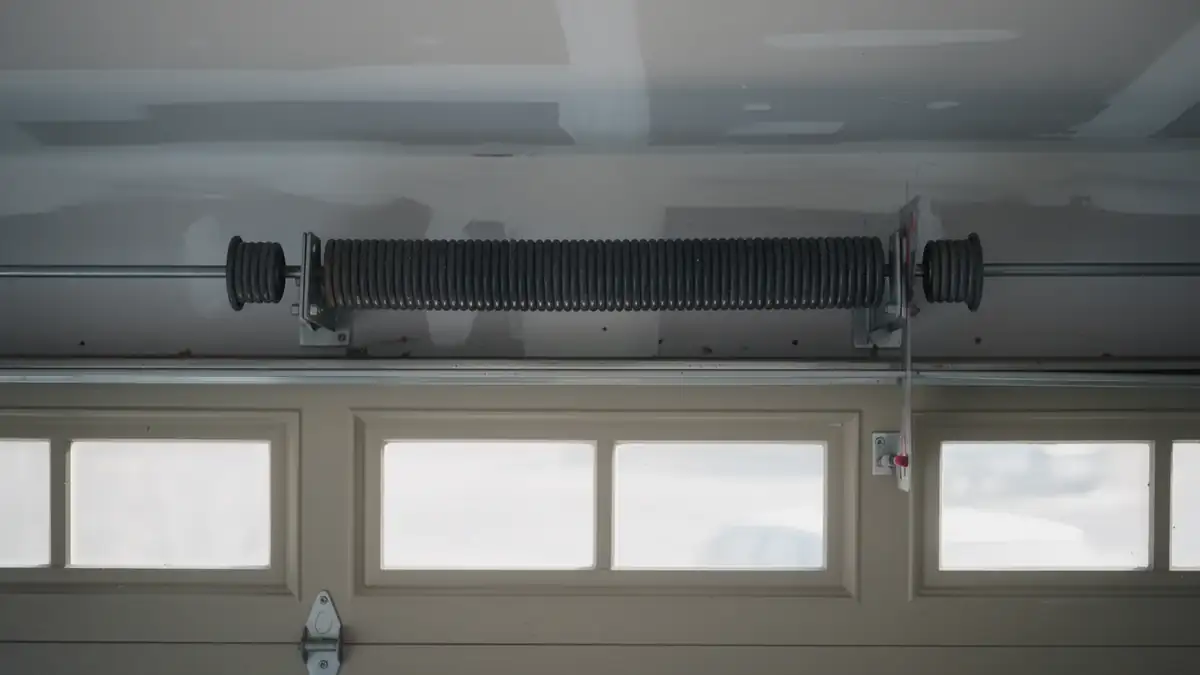
The mistake we see most is treating a garage door like it doesn't age just because the house doesn't look old. Most houses in Oro Valley went up between 1980 and 2005, with the median build year sitting around 1989, so the tracks and springs on a lot of these doors are the same age as the house itself. Owners assume a quiet door is a healthy door. It isn't. A torsion spring loses tension slowly, a roller wears down slowly, and neither announces itself until the day the cable snaps or the door won't lift past knee height.
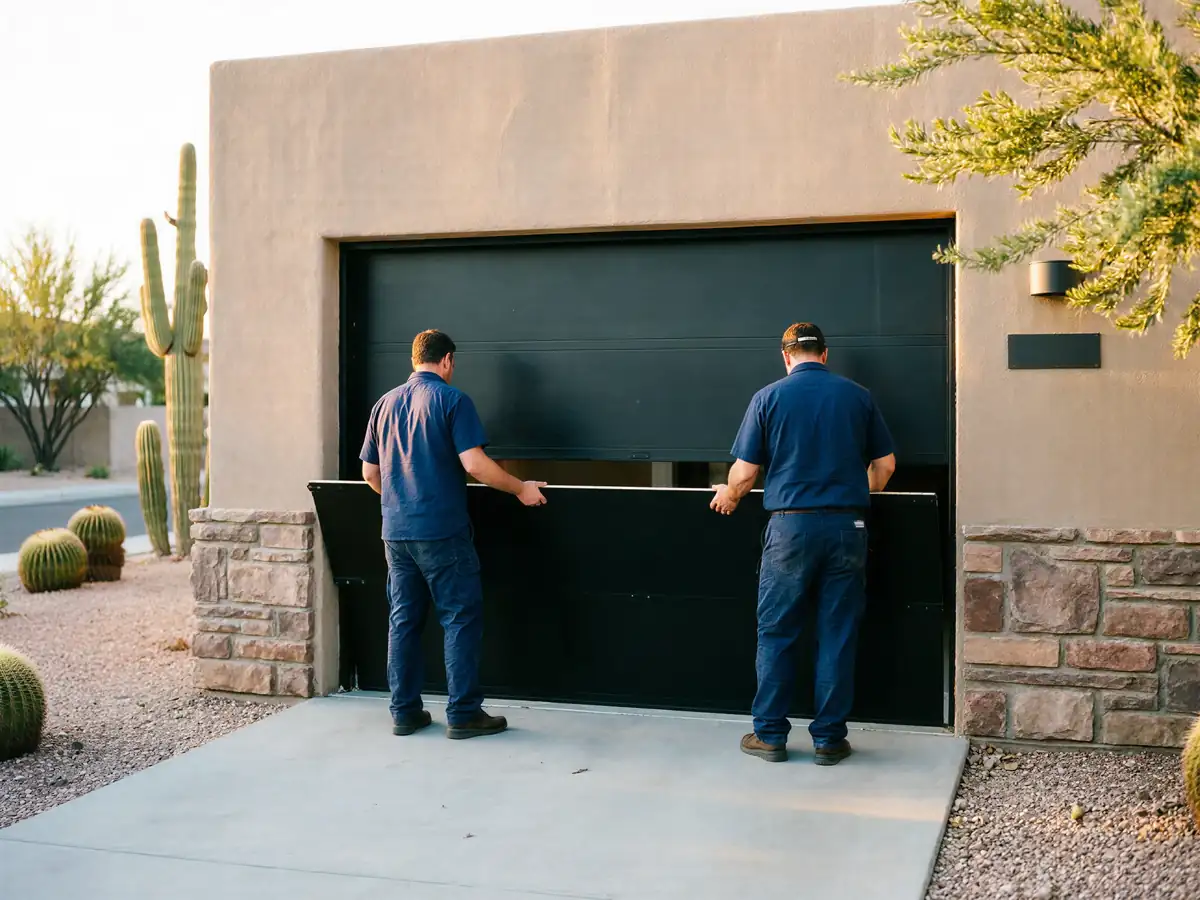
The second mistake is lubricating once and calling it done. In this heat, lithium grease breaks down faster than the can tells you, and a track that looked fine in March can be dry and squealing by July. Across the roughly 43,223 households we cover, about 27,068 are owner-occupied houses with an attached garage, and the ones that go years without anyone touching the hardware are the ones that call us with a door stuck halfway open on the hottest day of the week.
We'd rather you catch this at the five-minute-inspection stage than the stuck-door stage.
What the Weather Here Does to It
This area sits in a severe heat band, and that doesn't just mean an uncomfortable garage in August. Steel expands. The track bolted to a masonry wall expands at a different rate than the wall does, and over a few summers that mismatch works screws loose and throws the track slightly out of plumb. You get a roller that binds in one spot and rattles through the rest of the run.
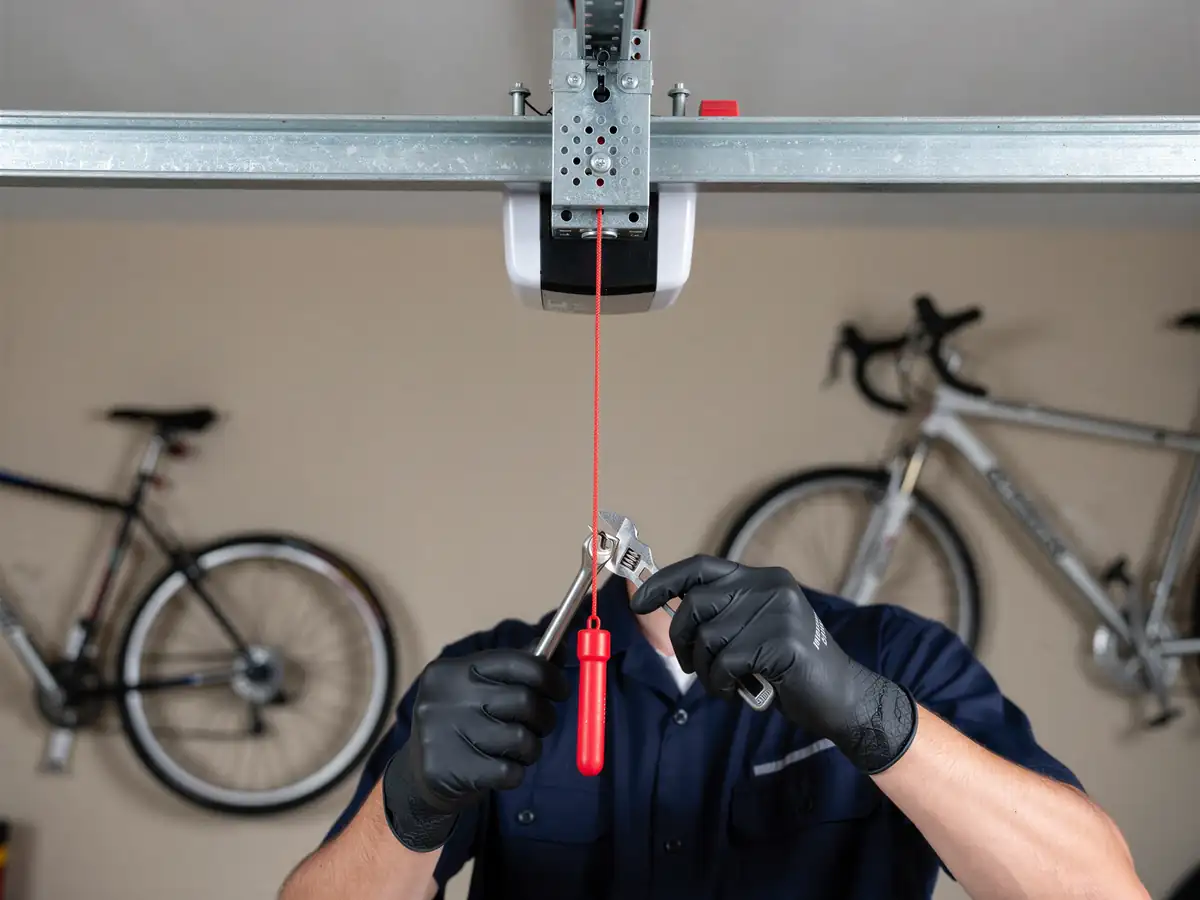
Heat also goes after the spring coating and the opener's logic board. A torsion spring rated for normal use loses wind tension faster when it's cycling at garage temperatures that regularly climb past what the hardware was rated for when a lot of this housing stock went in during the late 1980s and 1990s. Openers fail differently: the circuit board in the headunit sits in the same hot air as everything else, and heat-stressed solder joints are a common reason a door suddenly won't respond to the remote at all.
We don't have failure-rate data broken out by month for this area, so we won't pretend to quote you a number. What we can tell you is that the complaints change character from spring to late summer - less noise, more dead stops.
What Is Going On
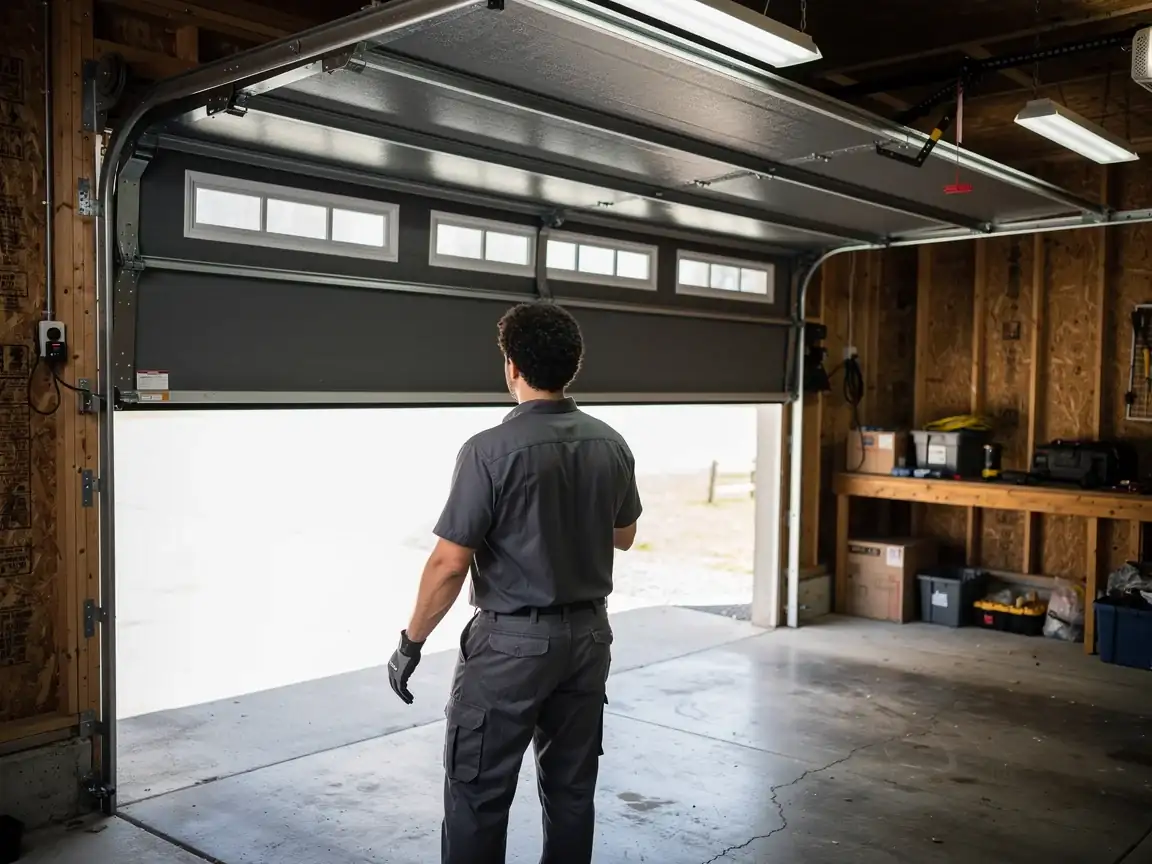
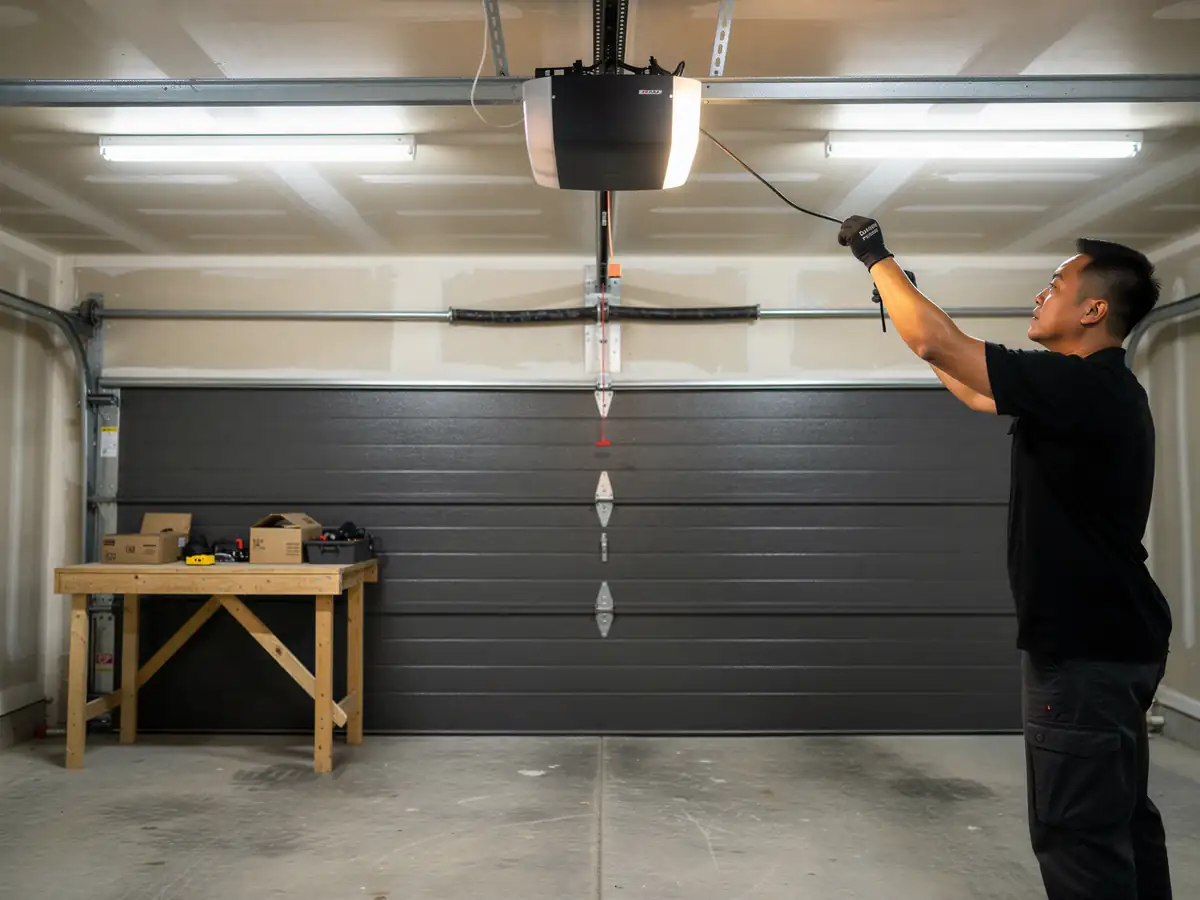
When a door starts dragging, binding, or reversing on its own, it's almost always one of three things on homes from this build era
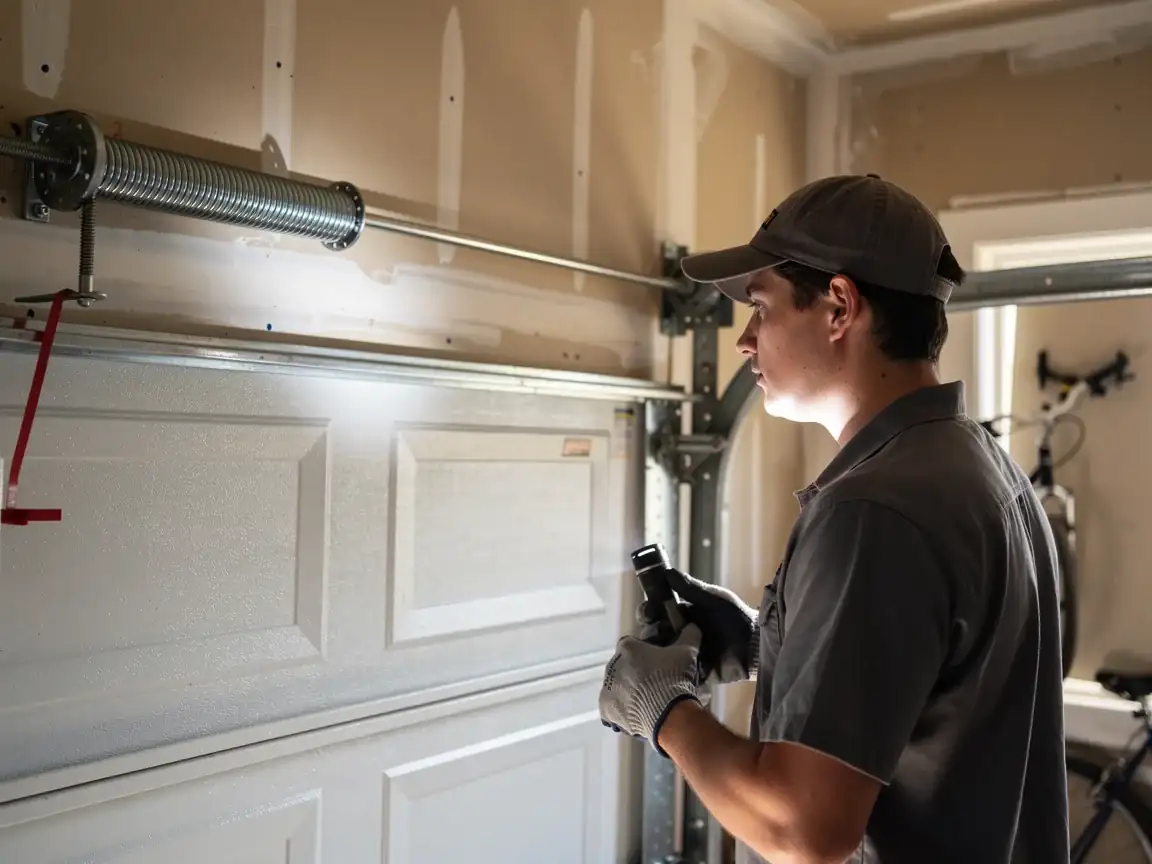
A spring that's lost wind tension, a track that's walked out of alignment from thermal movement, or sensor wiring brittle enough that it's cracked at a bend point. None of these show up on a casual walk-by. You have to watch the door move.
A spring that's weakening looks like a door that slams the last foot on the way down instead of settling
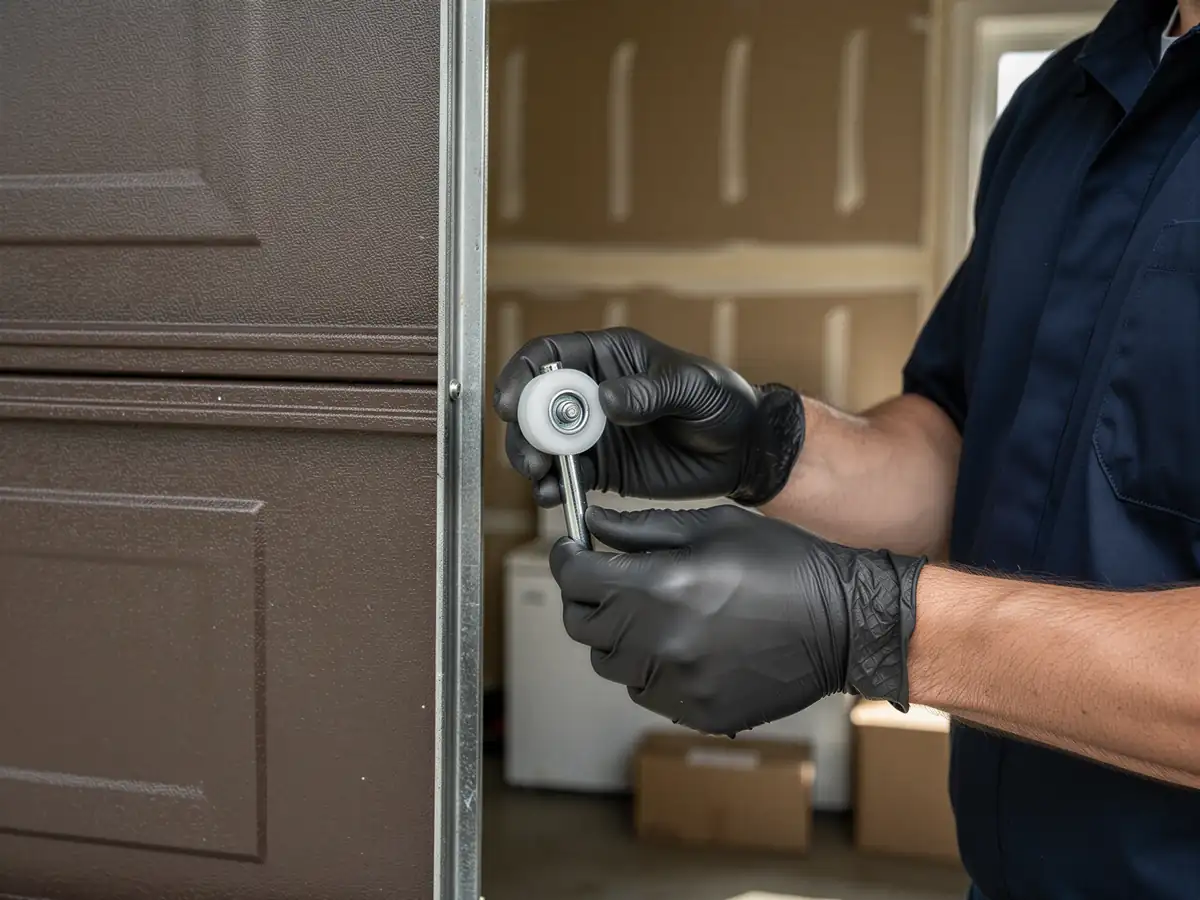
A track out of alignment looks like a roller that chatters at the same spot every single cycle. Brittle sensor wiring looks like an opener that reverses for no visible reason, usually worse on the hottest part of the afternoon.
The practical issue for owners in the eight named 1980s-90s subdivisions across this service area is that a lot of original hardware is still in place
Original doesn't mean original condition. A 30-plus-year-old torsion spring has absorbed thousands of heat cycles it was never engineered against, and that's wear you can't see from the garage floor.
When It Stops Being a DIY Job
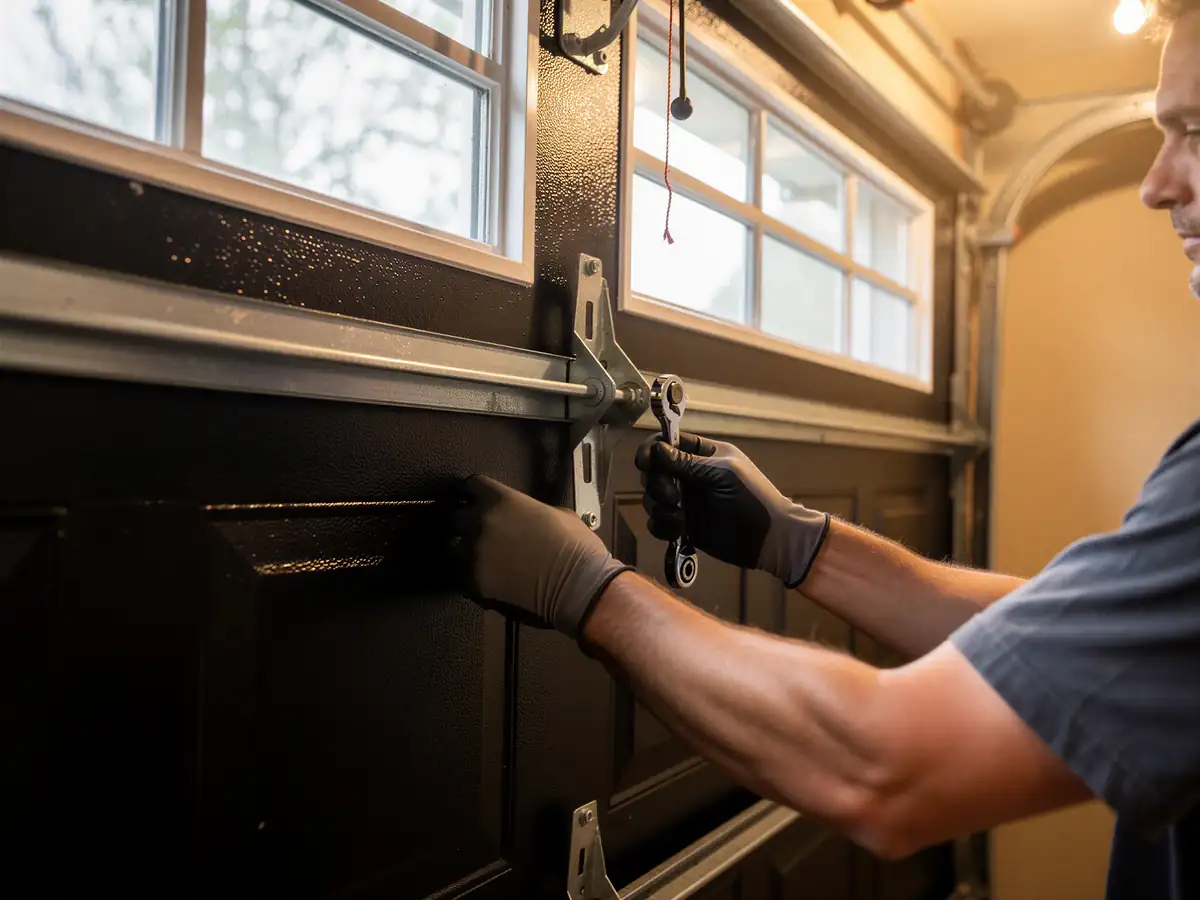
Lubricating hinges and tightening a loose bracket is reasonable DIY work. A torsion spring is not. It's under enough stored tension to break a bone or worse, and we won't pretend otherwise - that's the one job on this list we tell every caller to leave alone, full stop.
Beyond the spring, there's a judgment call between repair and replacement that depends on the door's age against this area's build years. A door original to a house built in the late 1980s has usually outlived its hardware's reasonable service life, and patching one more roller on it is money toward a door that's going to need the next part in six months anyway. With a median household income of $70,982 in this area, most owners here replace a door once rather than twice, so getting that repair-versus-replace call right the first time actually matters to the budget.
If you're closer to three miles northeast, or out toward Saddlebrooke, eleven miles out, the same housing stock and heat exposure apply, and the same signs - slow drag, late-day sensor faults, a spring that's lost its bounce - mean the same thing.