The Common Mistake
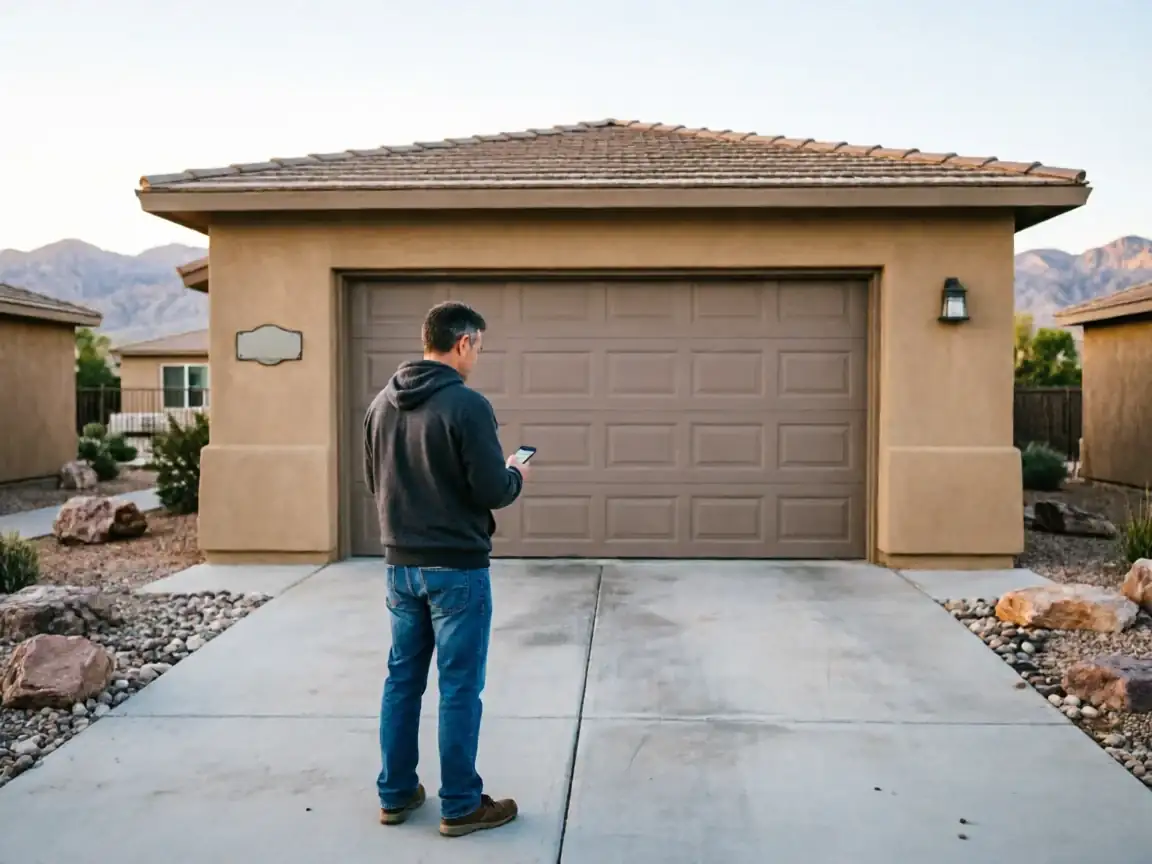
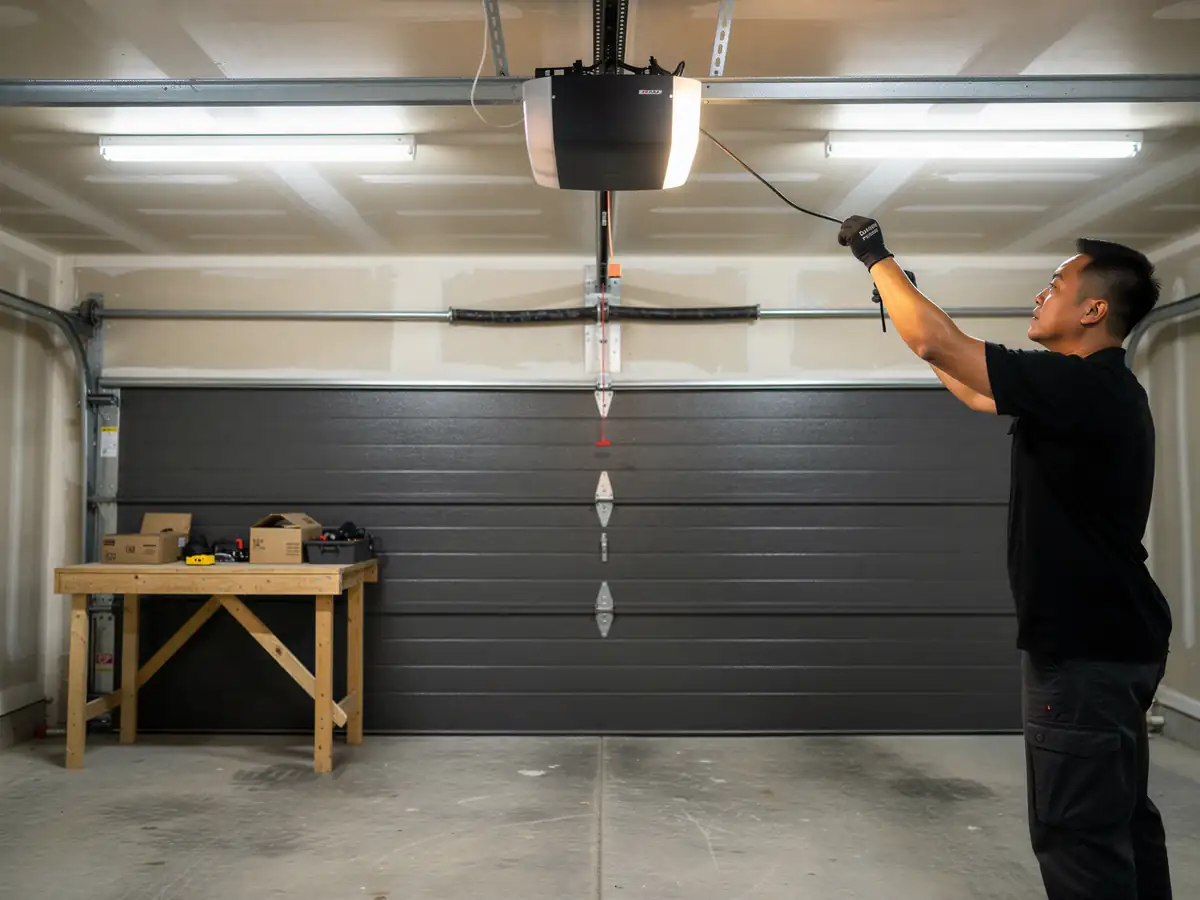
The usual assumption is that a dead opener means a dead opener - swap the logic board or buy a new unit and move on. That's not always what's happening. In a lot of Oro Valley garages, the unit on the ceiling is the same one the house came with, since most of this housing stock went up between 1980 and 2005, median year 1989. That means you're often dealing with an opener pushing 30-plus years, run on hardware that was never built with today's standby or surge protection in mind.
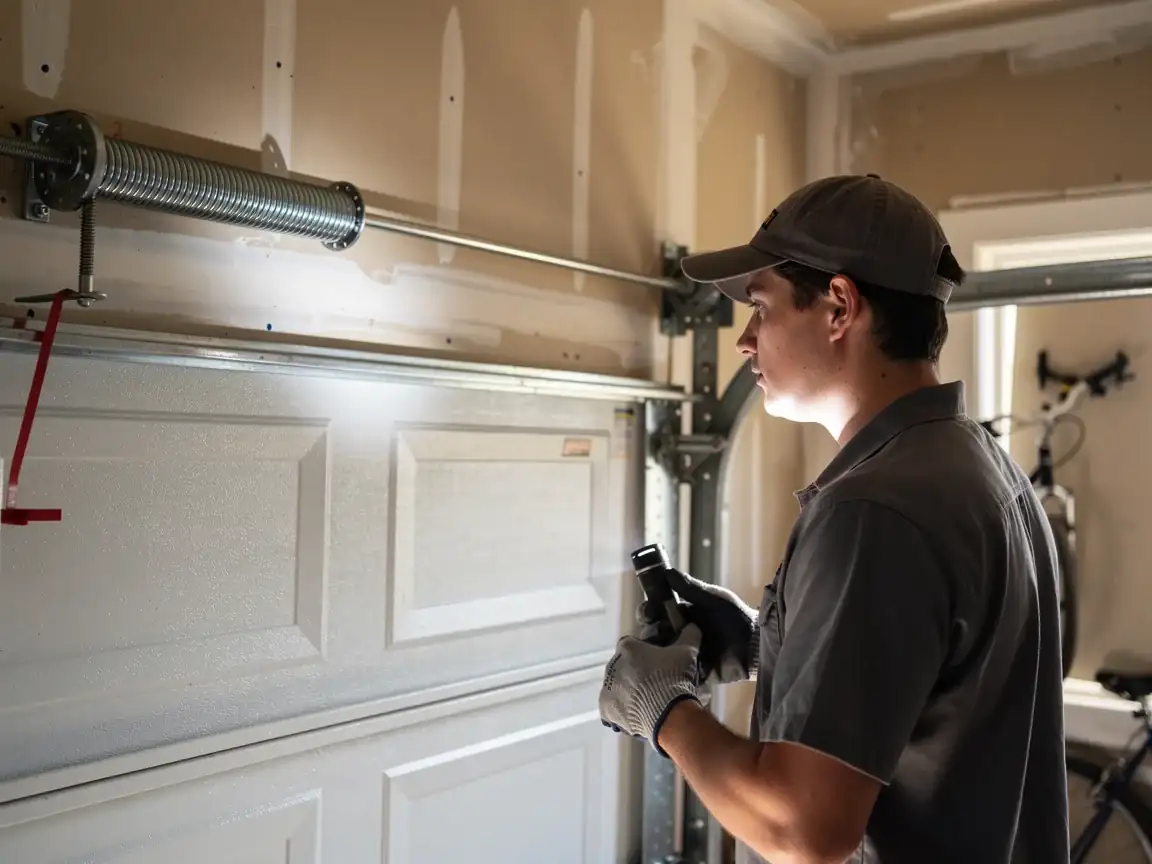
The mistake is treating the opener like the whole story. Homeowners replace the motor head, the door still won't open reliably, and they assume the new unit is defective. More often the real problem is upstream - worn gearing from decades of heat cycling, a wall switch wired to original code, or a battery backup that was never installed because the house predates that being standard. Fixing the box on the ceiling without looking at what's feeding it, and what it's bolted to, just means doing the job twice.
What the Weather Here Does to It
Oro Valley sits in a severe heat band, and that matters more for openers than most people think. The motor housing, the capacitors, and the logic board inside a garage door opener all sit a few feet below a roofline that can push garage interior temps well past what the manufacturer rated the unit for, especially on an attached garage with no insulation - common in homes from this 1980s-90s build era.
Heat doesn't kill an opener in one afternoon. It degrades it in slow motion. Capacitors dry out faster, solder joints get brittle from repeated expansion and contraction, and gears packed with old grease run hotter and wear faster. An opener that would last 20 years in a mild climate often doesn't make it that far here. If your opener is struggling more in July and August than it does the rest of the year - slow to respond, intermittent reversing, a motor that hums before it catches - that's heat stress talking, not a one-off glitch.
What Is Going On
Put the housing age and the climate together and you get a specific failure pattern
A chain-drive or screw-drive opener installed when the house was built, now running 20 to 40 years past its install date, with internal components that have spent every summer baking in an uninsulated garage. That's the setup across a lot of the roughly 27,068 owner-occupied houses in this service area out of 43,223 total households.
- 40 years
- 27,068 owner-occupied
Add power cuts to that picture and the failure shows up at the worst possible moment
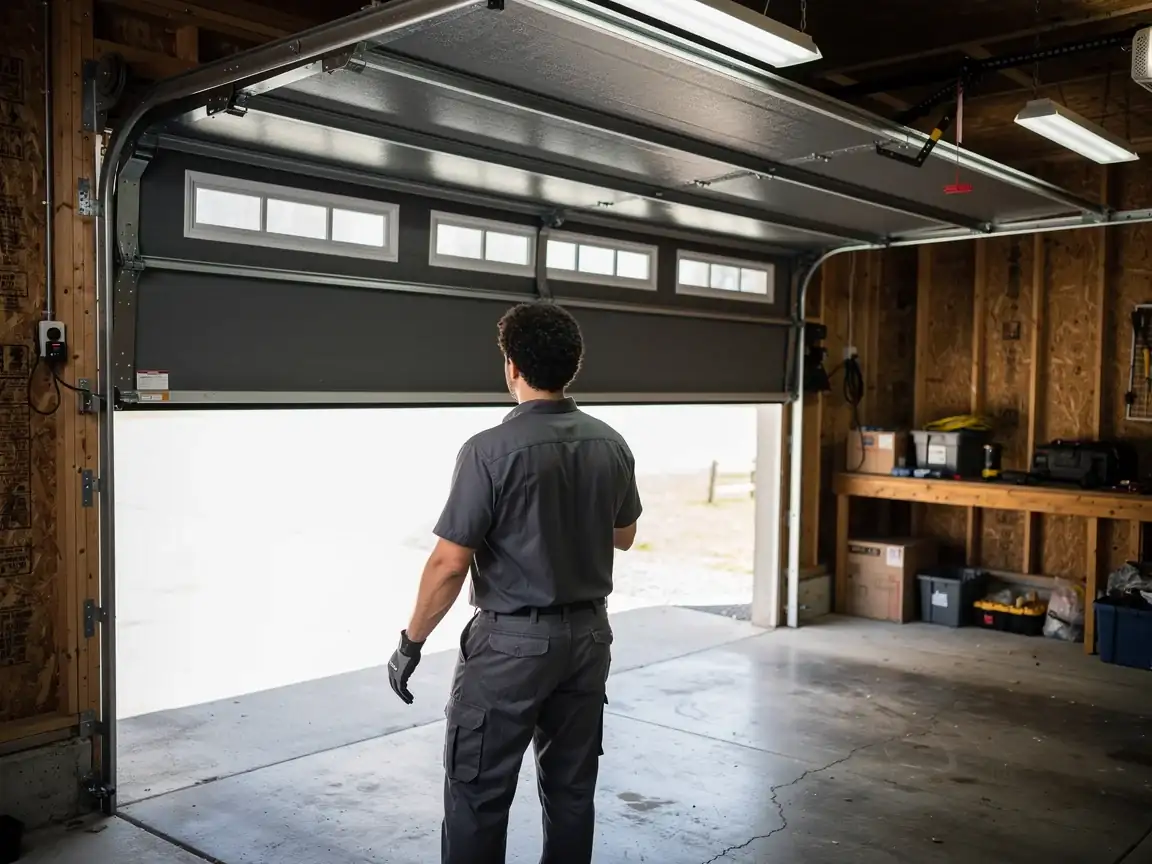
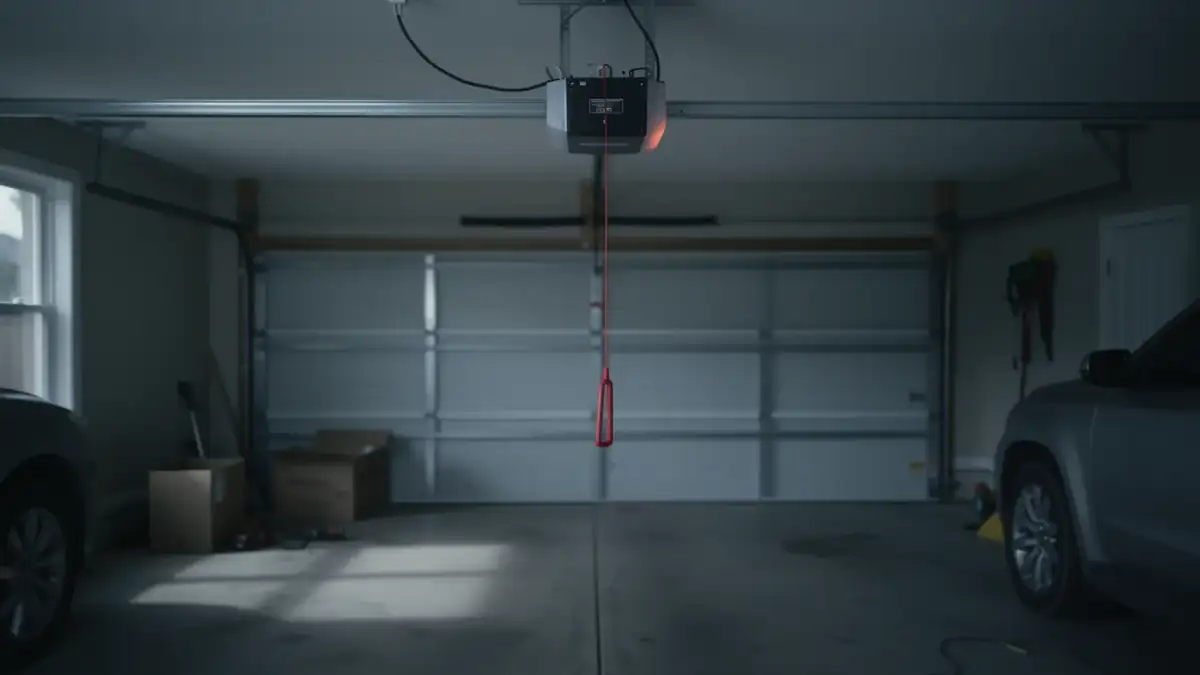
Severe heat drives up grid demand for air conditioning, and brief outages or voltage dips during peak-load afternoons are part of living here. An opener without battery backup - which describes most units installed when these homes were new - just stops. No backup, no manual override programmed in anyone's memory, and a door that won't budge until power's back or someone pulls the emergency release cord by hand. The opener itself may be fine. It's the combination of its age, the heat it's lived through, and an outage at the wrong time that takes it down.
When It Stops Being a DIY Job
Resetting the opener, reprogramming a remote, checking the wall switch - fair to try yourself. Past that, a few signs mean it's time to call someone. If the opener trips a surge or outage and won't power back on at all, the logic board may be fried, and testing that safely isn't a guess-and-check job. If the motor runs but the gear inside has stripped - a grinding or clicking sound with no door movement - that's a teardown, not an adjustment.
Here's the honest limit: we don't carry every control board for every opener brand and age on the truck. Older units, especially ones original to a house built in the late '80s, sometimes take a few days to source the right part. If your opener's original to the house and showing its age, replacement with a heat-rated unit and proper battery backup is often the better call than chasing parts for something three decades old. We'll tell you straight which side of that line your situation falls on before any work starts.