How It Shows Up
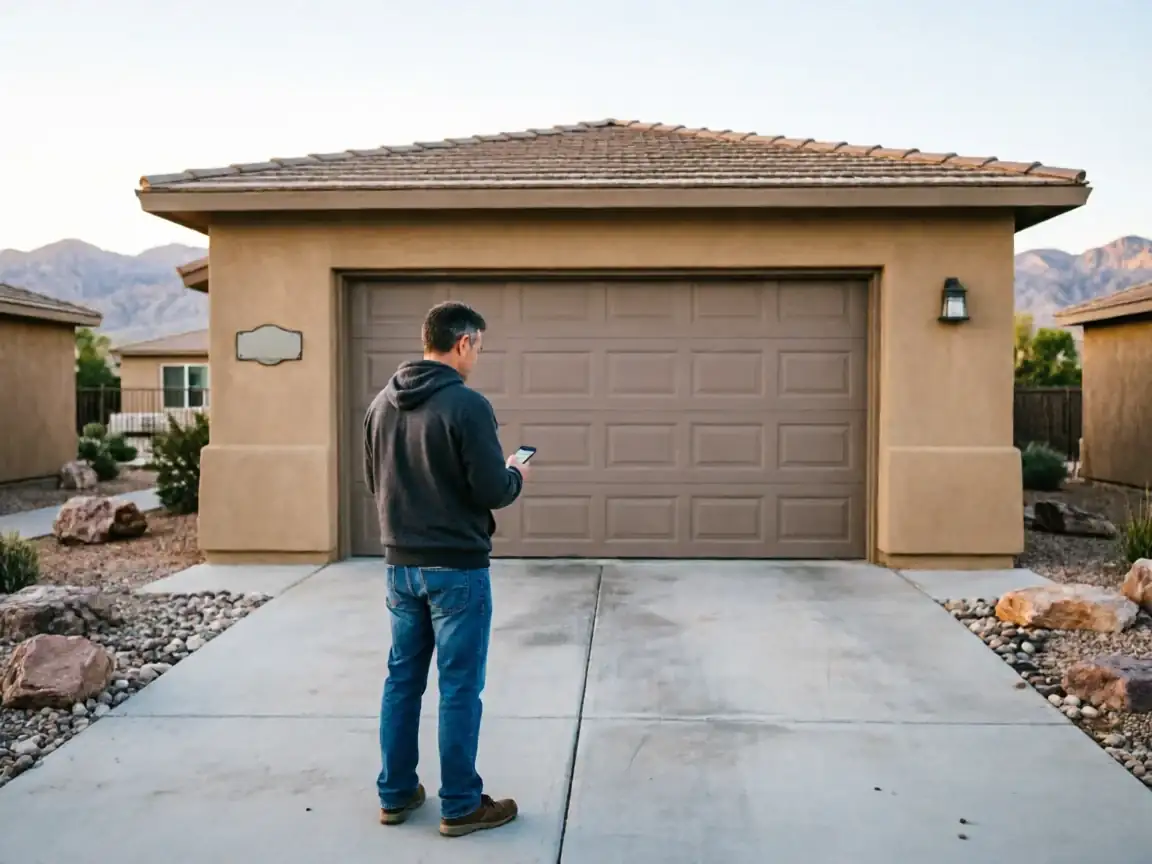
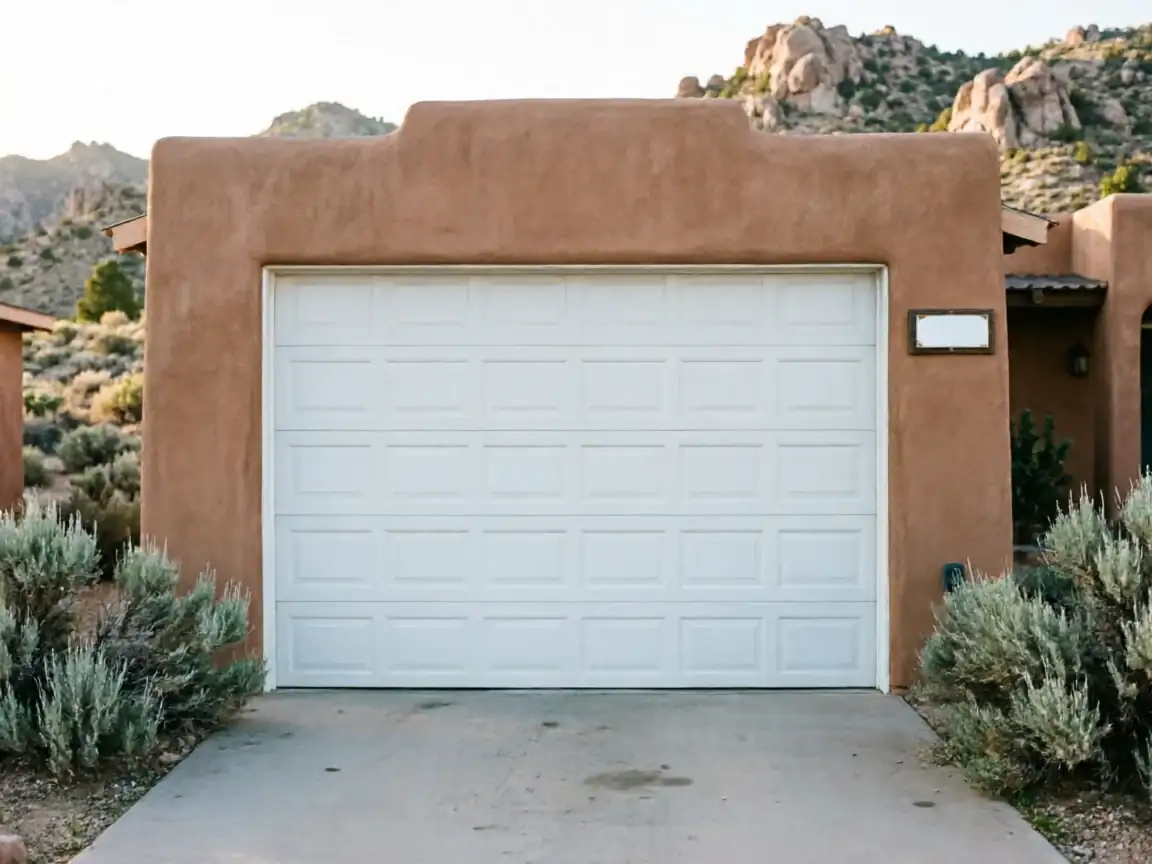
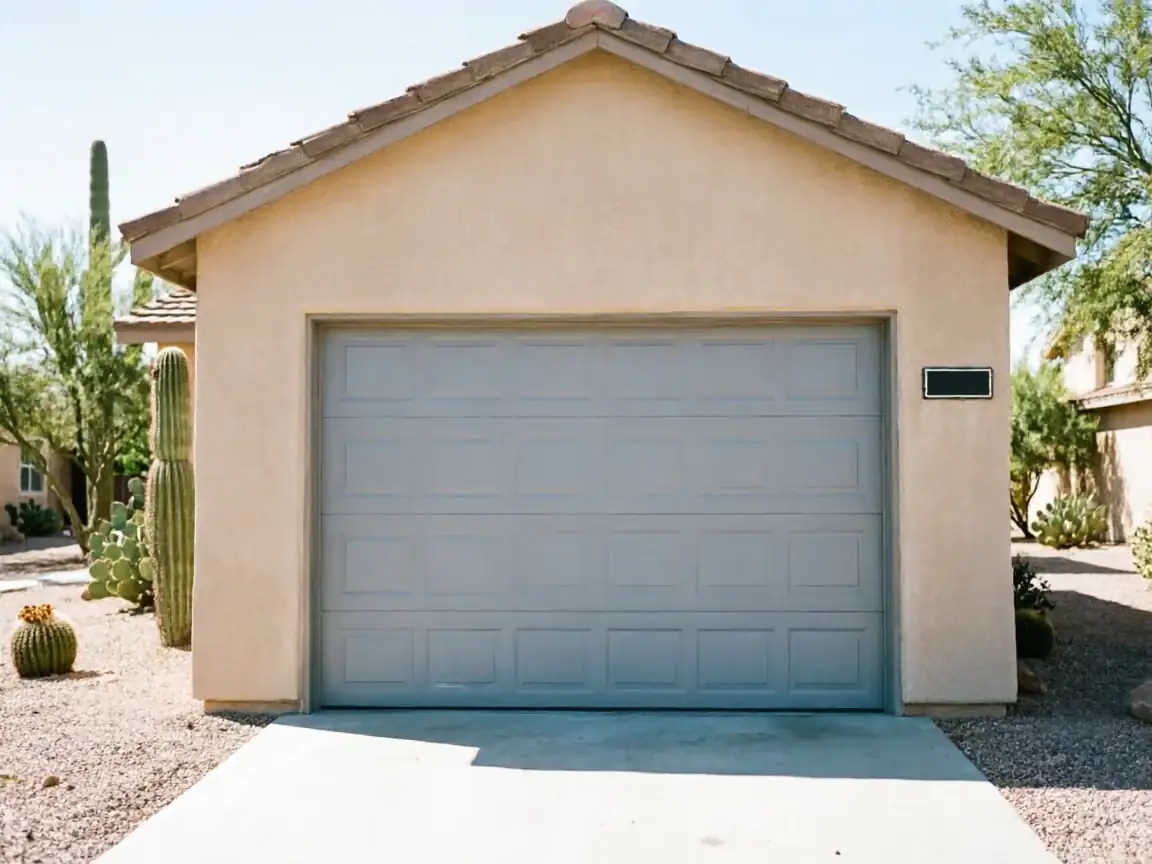
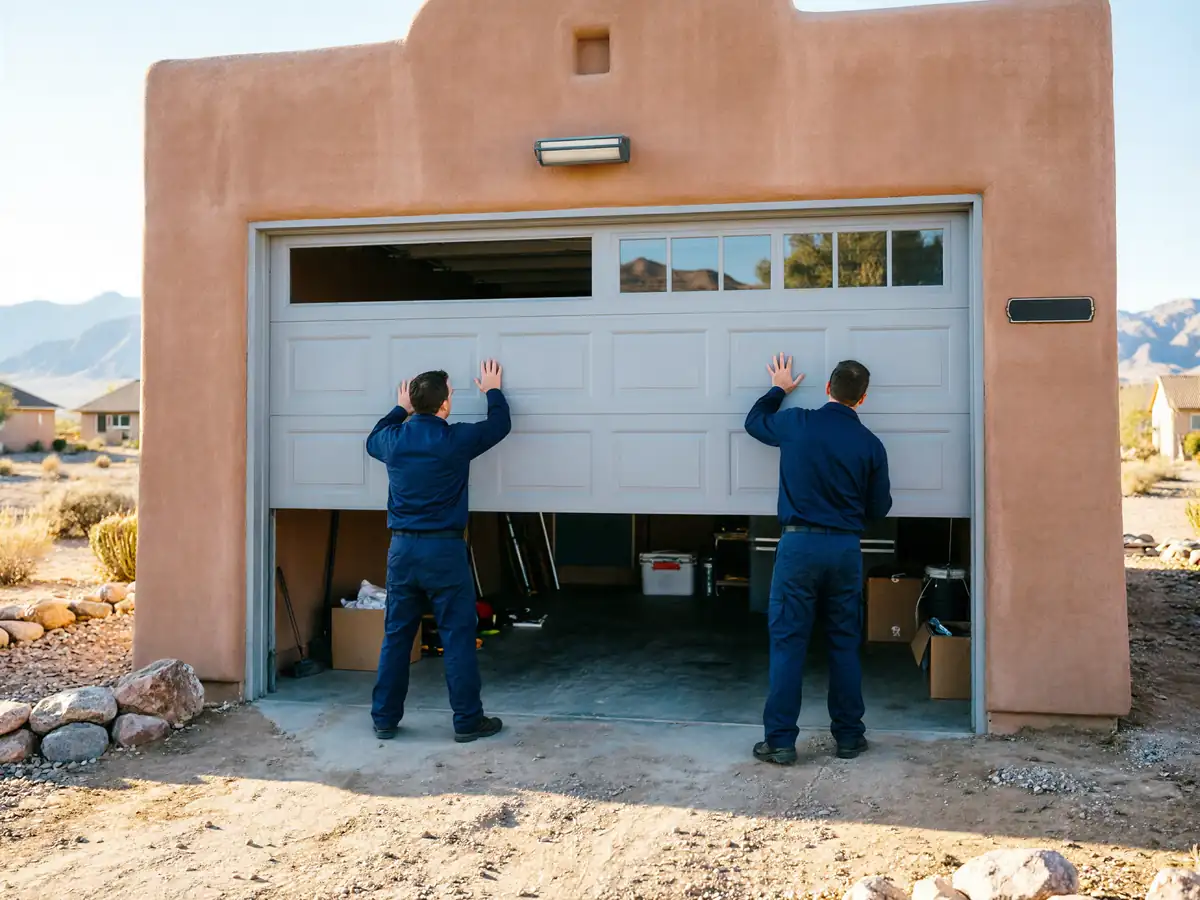
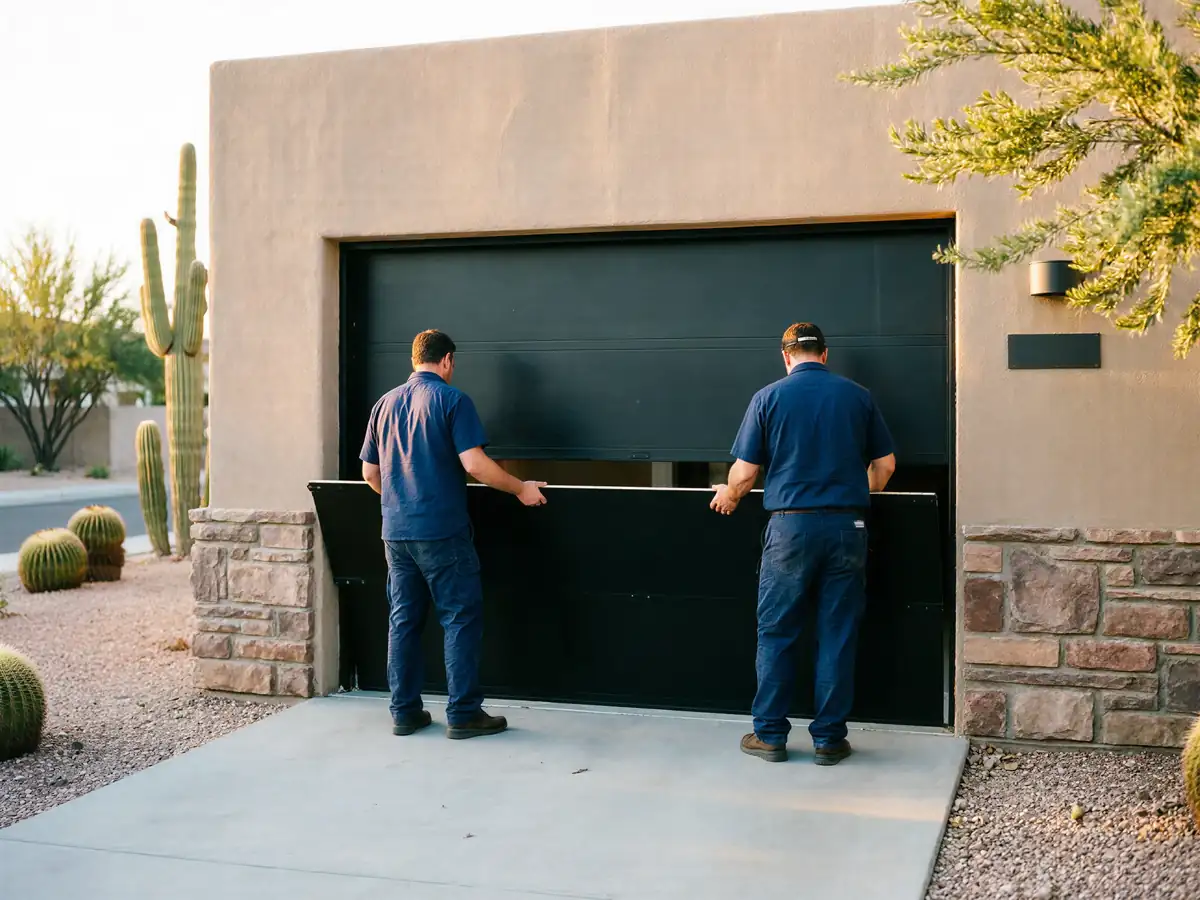
Most of the panel calls we get start the same way: one section of the door looks fine from the street but won't sit flush anymore. You see daylight at a seam, or the bottom panel has a crack running along a roller stile. On a lot of Oro Valley houses, built mostly in that 1980s-to-2005 run, the original panels are steel-skinned with a foam core bonded to the inside. That bond is what fails first. Years of surface heat soak into the skin, the foam expands and contracts underneath it, and eventually the lamination separates. You get a panel that looks dented but is actually delaminated - pressing on it leaves a soft spot that doesn't pop back.
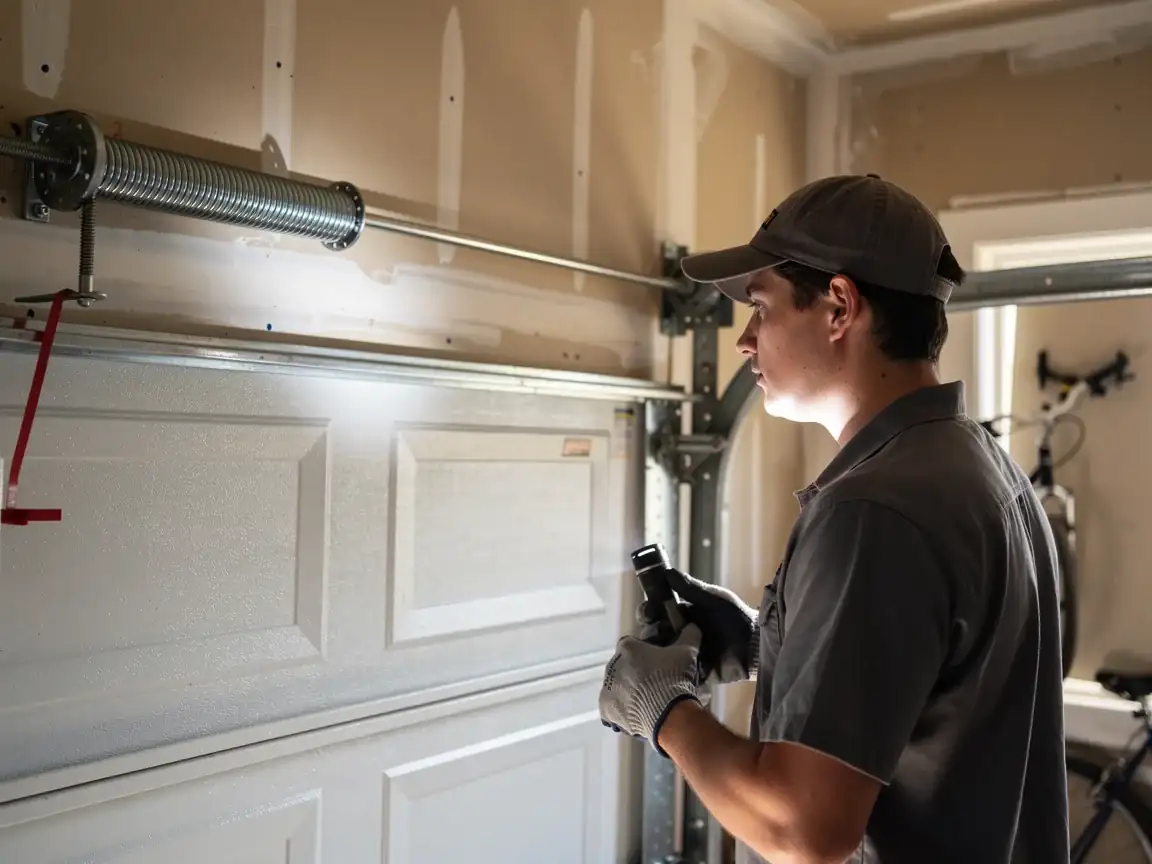
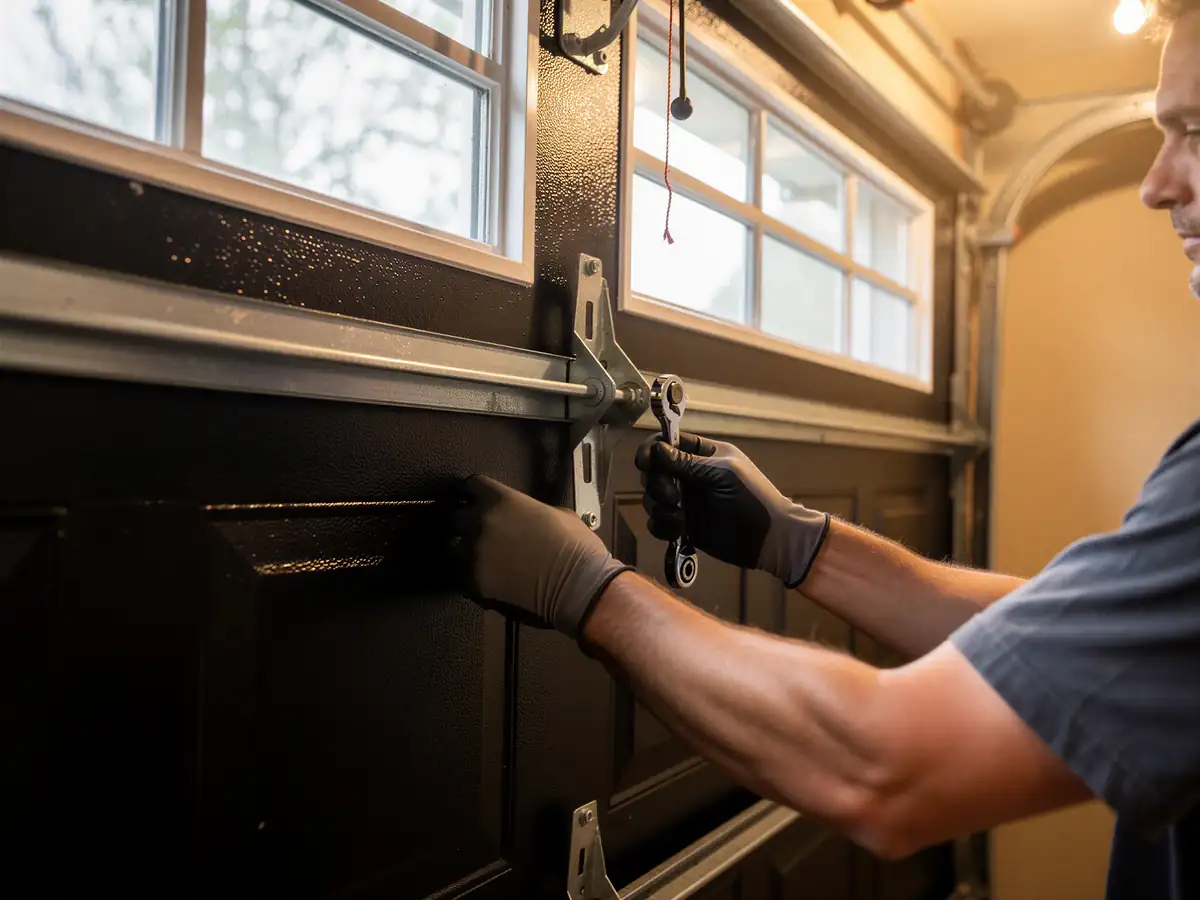
Sometimes it's simpler: a car bumper or a trailer hitch catches the bottom panel and bends the track flange with it. That's a mechanical fix, not a heat fix, and it usually needs just the one section plus a hinge or roller check. The tell is whether the damage is isolated to impact height or spread across the whole face of the door - spread damage points to the foam-core failure that's common in this housing stock, not a one-time hit.
What You Pay
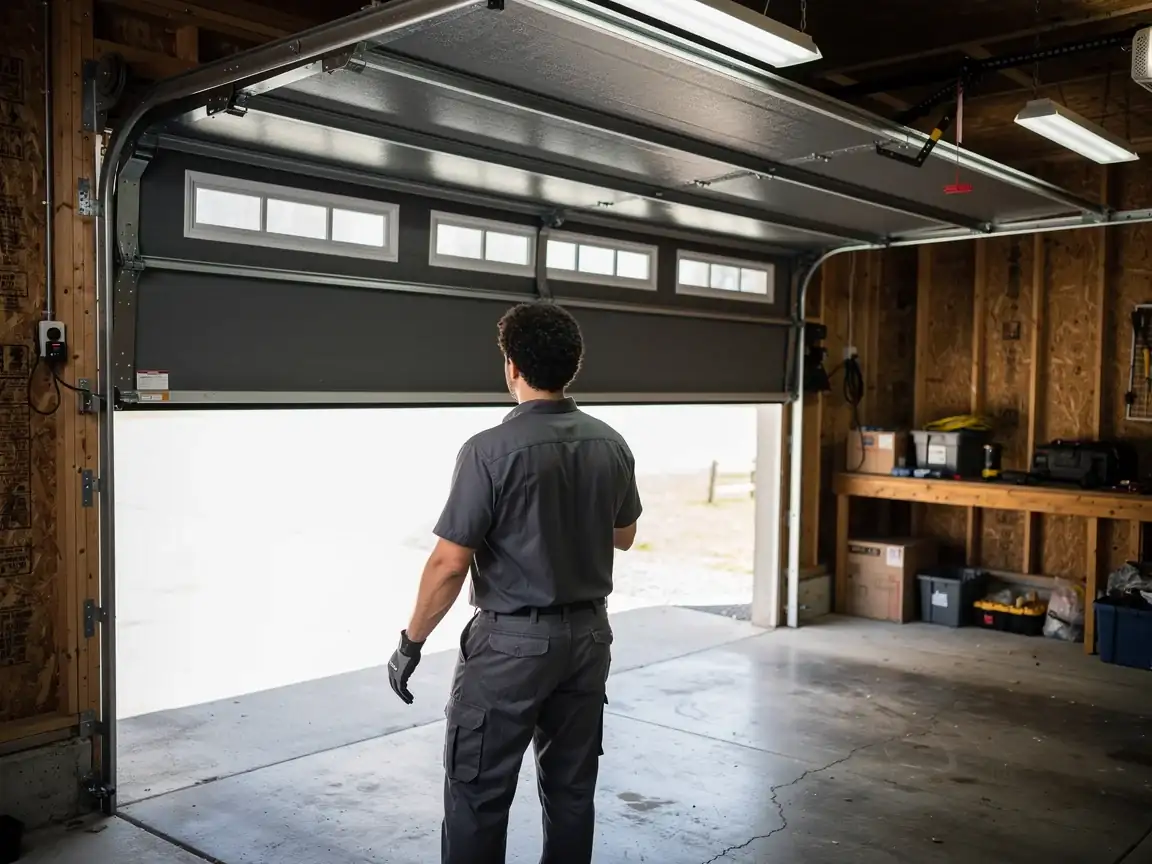
We price panel replacement by what's actually wrong, not off a flat rate, because the range is wide. A single bottom section on a standard double door is a different job than matching a discontinued color or profile on a door that's been through twenty summers of UV. If your door is from the 1989-era median build common across this area, the manufacturer may no longer stock that exact panel profile, and that changes the job from a swap to a full door replacement - which costs more and takes more of your time to decide on, not less.
We'll always tell you flat out if a single panel isn't worth chasing. On a door that's otherwise solid, matching one section is usually the right call. On a door where two or three panels show the same delamination, you're better off replacing the whole door once instead of paying for repairs every other summer. We quote it on-site after we look at the whole door, not just the damaged section, because the panel you can see is rarely the only story.
The Complications
Panel matching gets harder the older the door gets
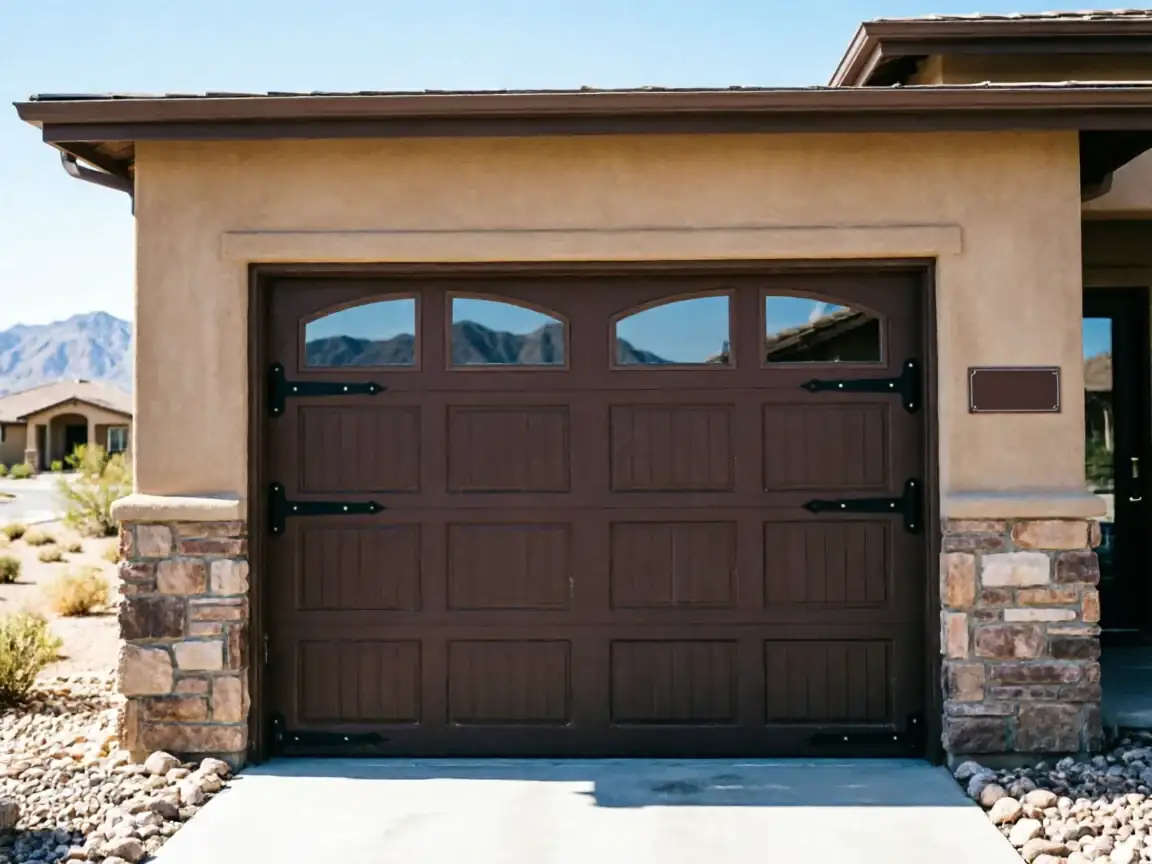
A lot of Oro Valley garages carry doors from the 1980s-90s stock across the service area, and manufacturers phase out colors, ribbing patterns, and panel heights over time. If your door was installed in the late 80s or early 90s, there's a real chance the exact match isn't sold anymore, even if the brand still exists. We can usually get close on color and profile, but 'close' on a single panel next to three faded originals can look worse than people expect once it's up.
Heat adds its own complication
In a climate with the kind of sustained severe heat this area sees, foam-core panels that spent decades absorbing surface temperatures don't hold screws and hinge hardware the way a newer panel does - the material around the fastener points gets brittle. That means a straightforward panel swap sometimes needs reinforced hardware or a slightly different mounting approach than the original install used, which adds labor even when the part itself is simple to source.
Why This Fails Locally
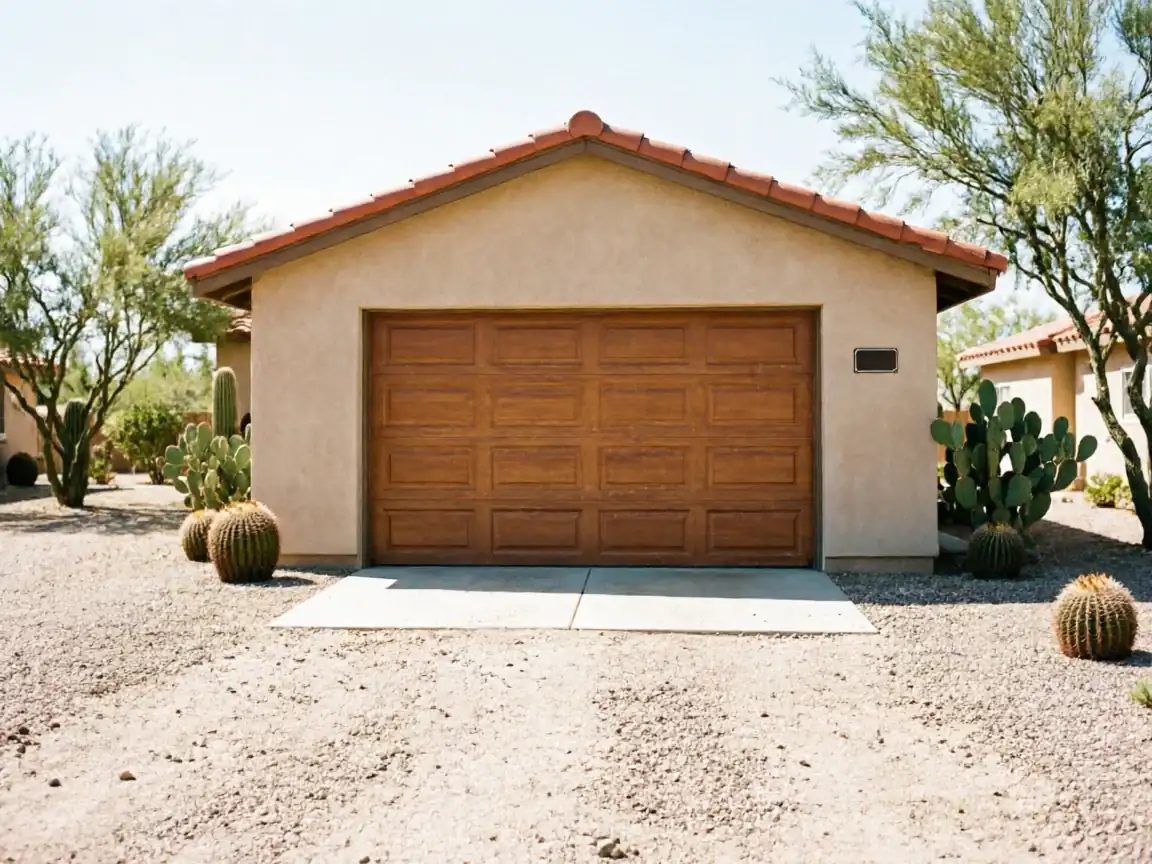
This isn't a generic wear-and-tear story - it's specific to what's on the ground here. The service area's housing stock is concentrated in that 1980-2005 window, with most of it clustering in the 80s and 90s across the eight areas we work, which means thousands of doors are hitting the age where foam-core lamination lets go at roughly the same time. Combine that with a severe heat band that bakes steel panels on the sun-facing side of a garage for months at a stretch, and you get a predictable failure pattern: delamination, warping, and seam gaps concentrated on doors of a certain age rather than scattered randomly across newer and older homes alike.
We see this across the wider service area - from just a few miles out to Catalina, and Saddlebrooke further afield - because the building boom that put up this housing stock happened on roughly the same timeline across the region. The fix isn't different house to house; it's the same panel-and-foam problem showing up on a thirty-to-forty-year cycle.