What the Repair Takes
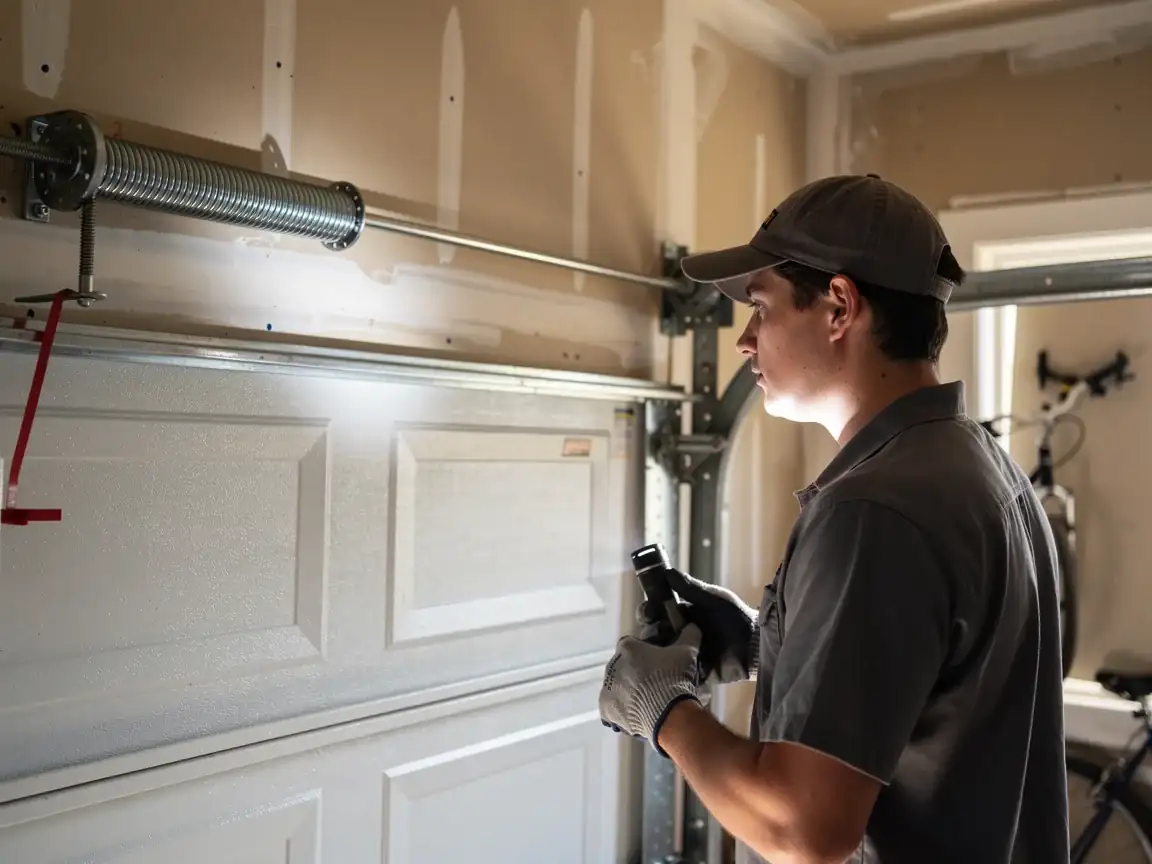
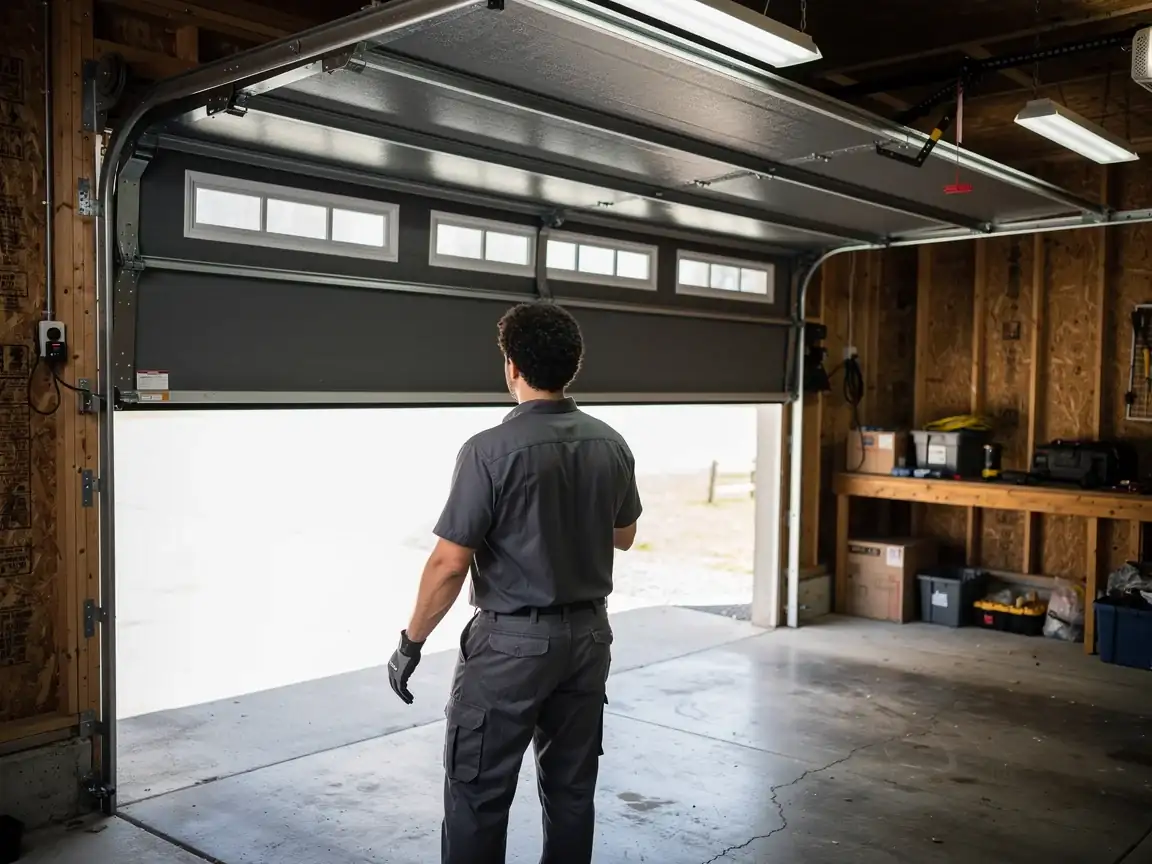
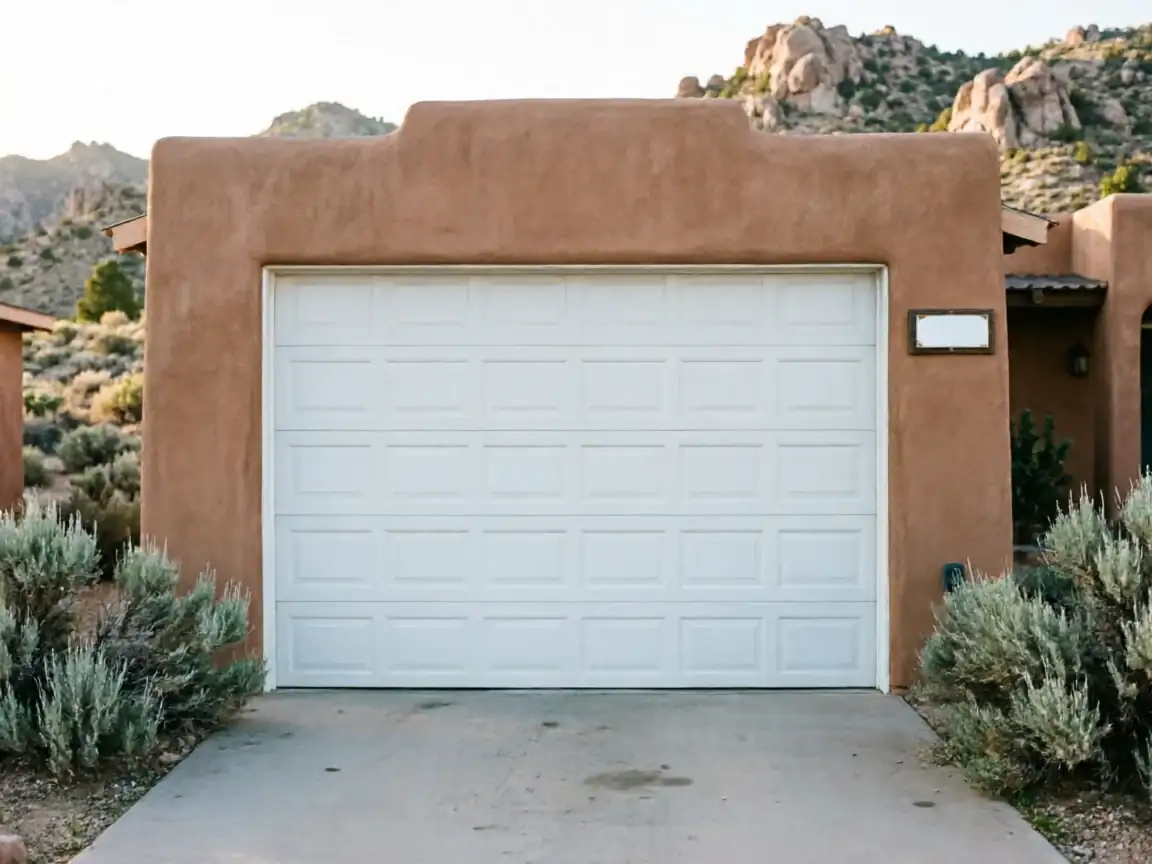
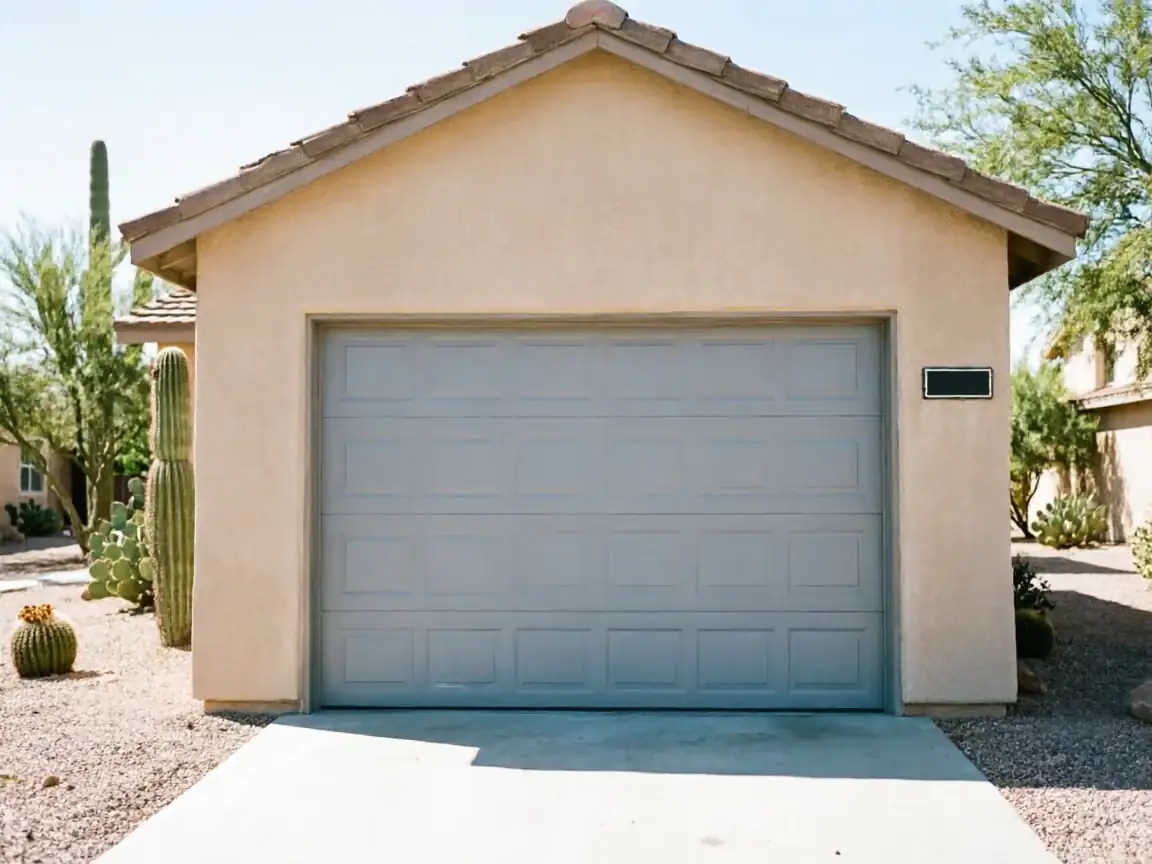
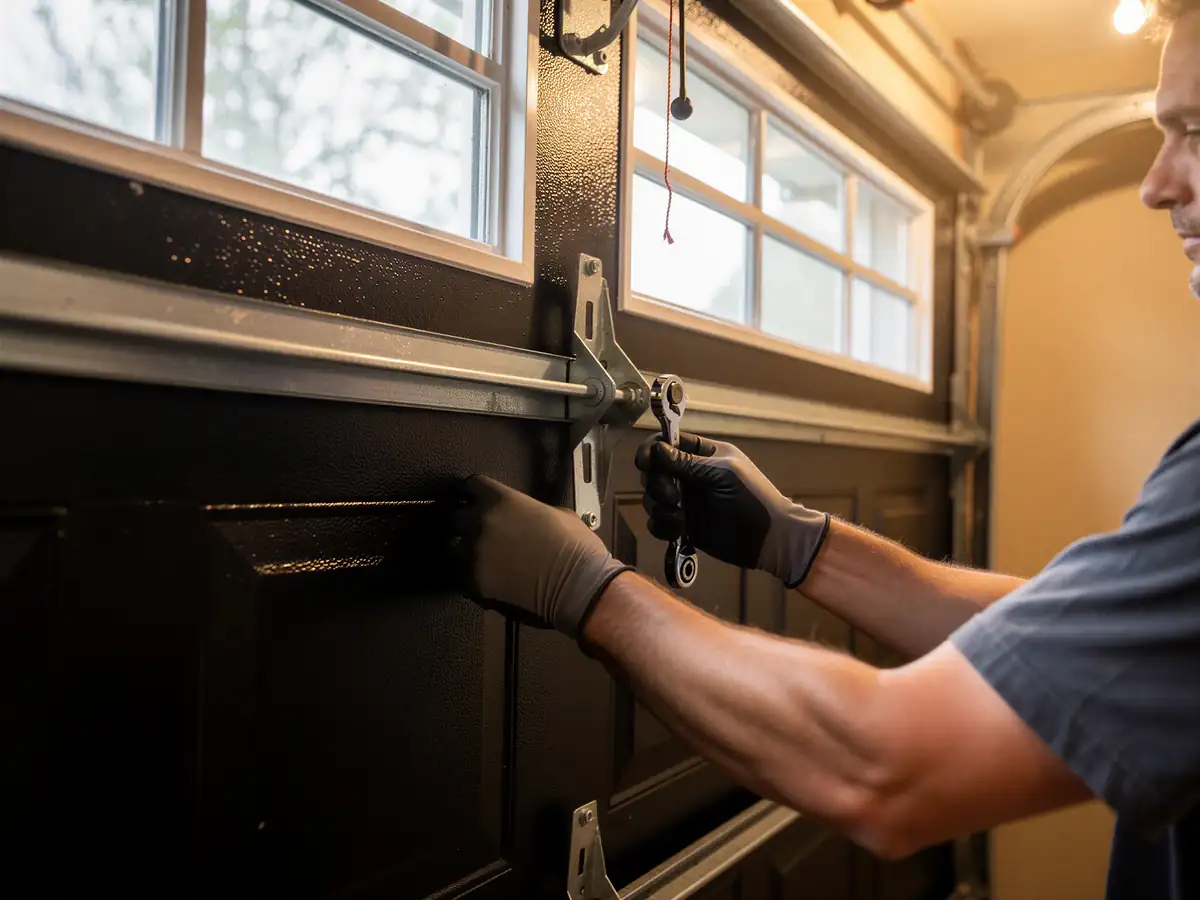
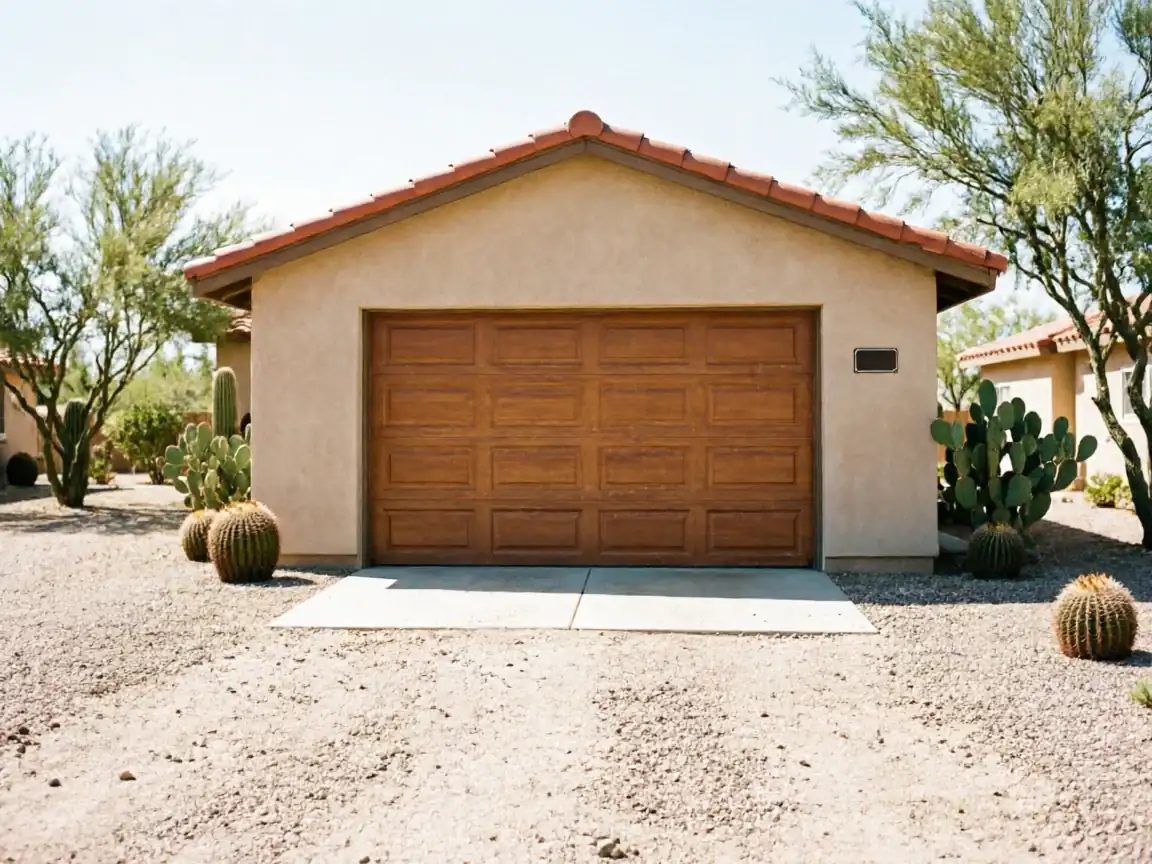
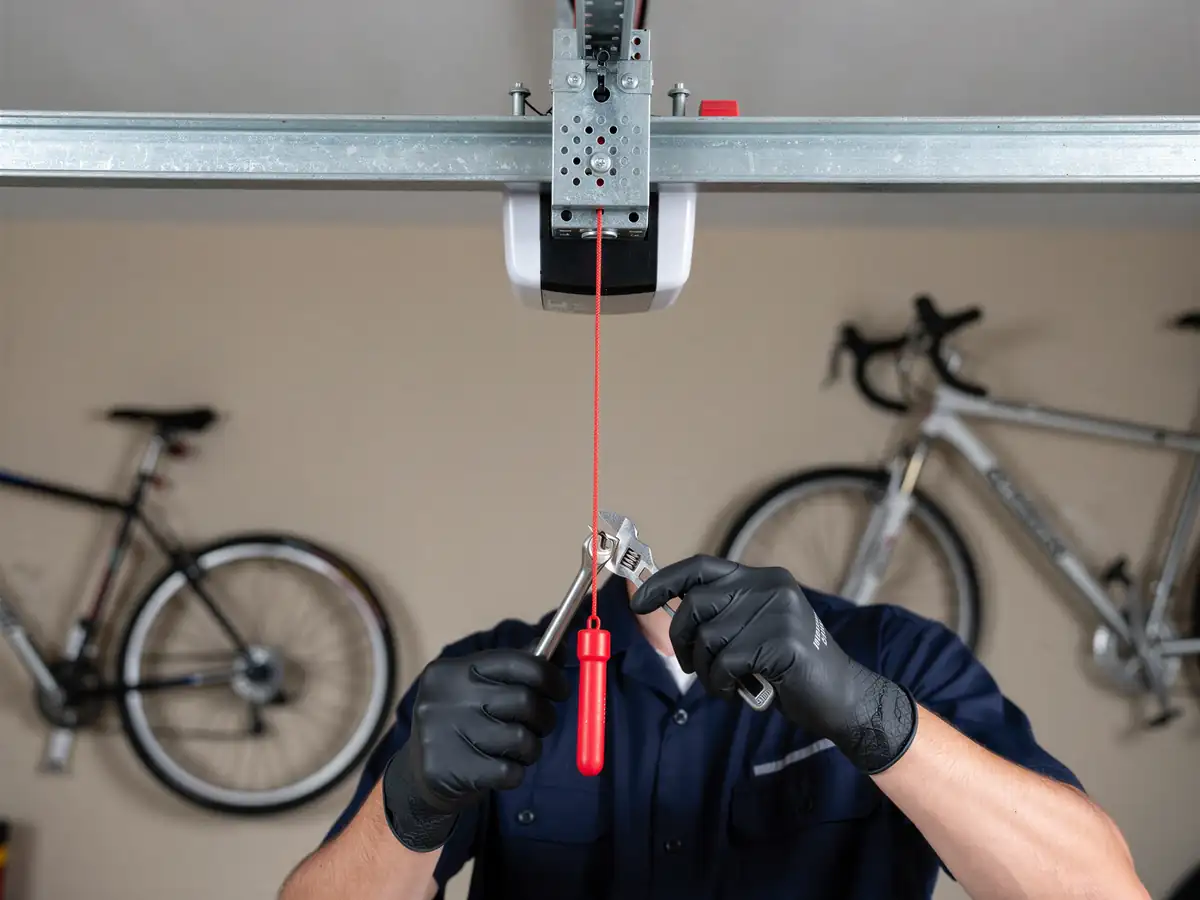
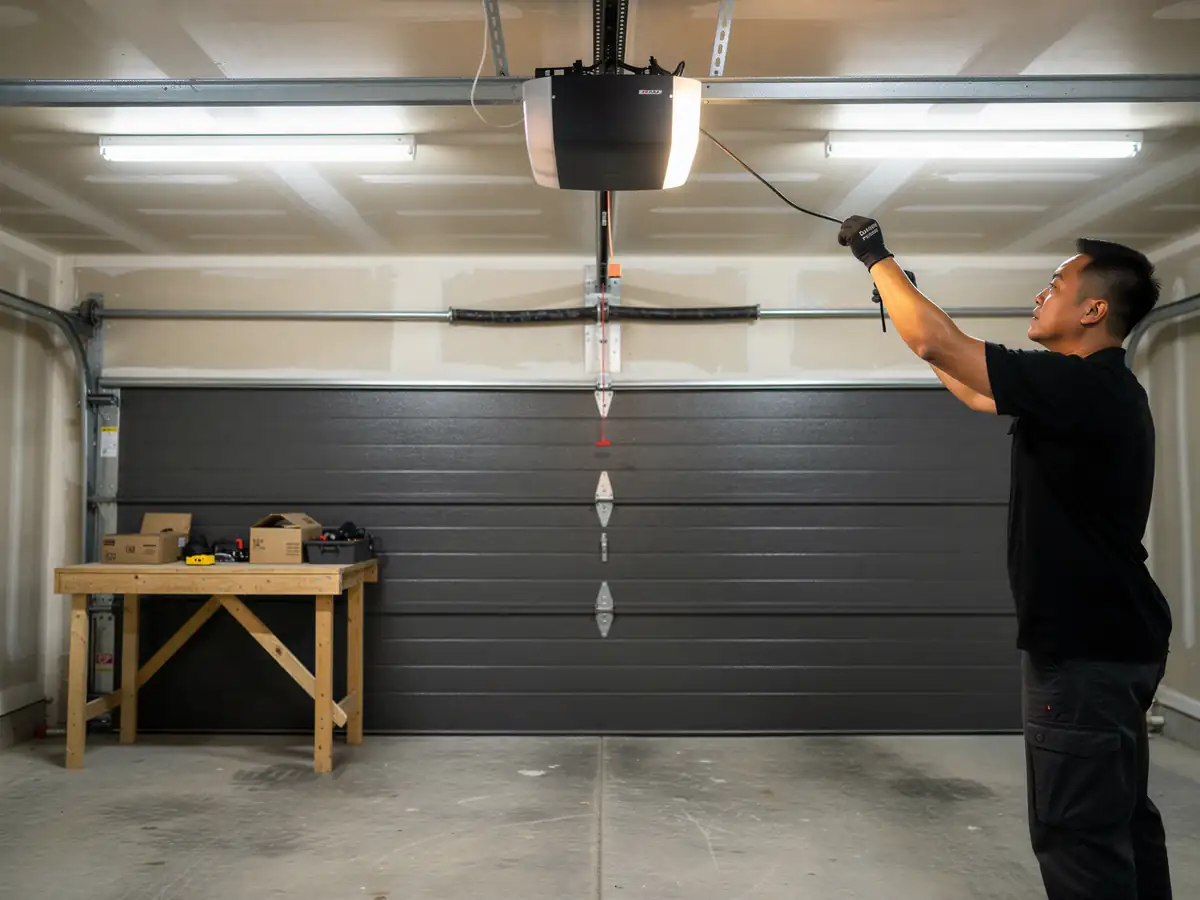
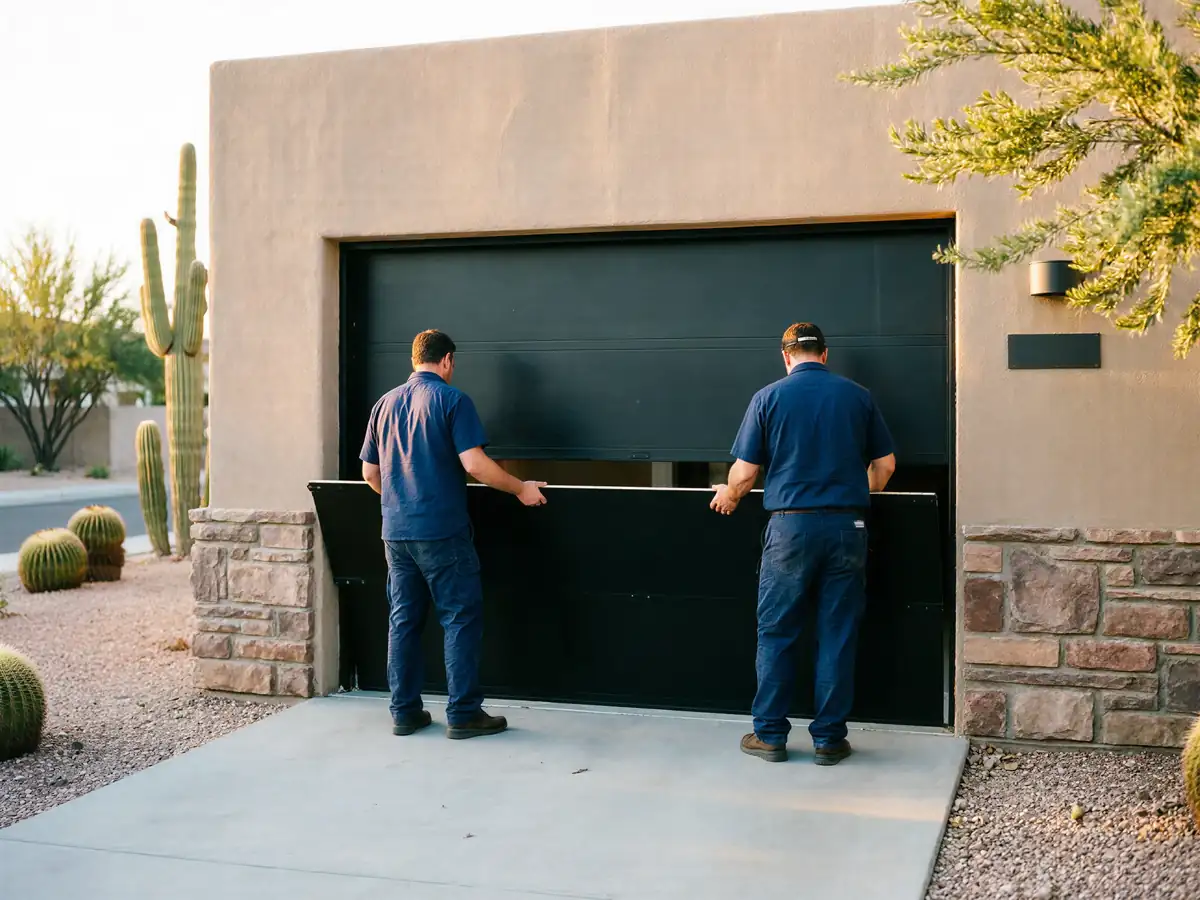
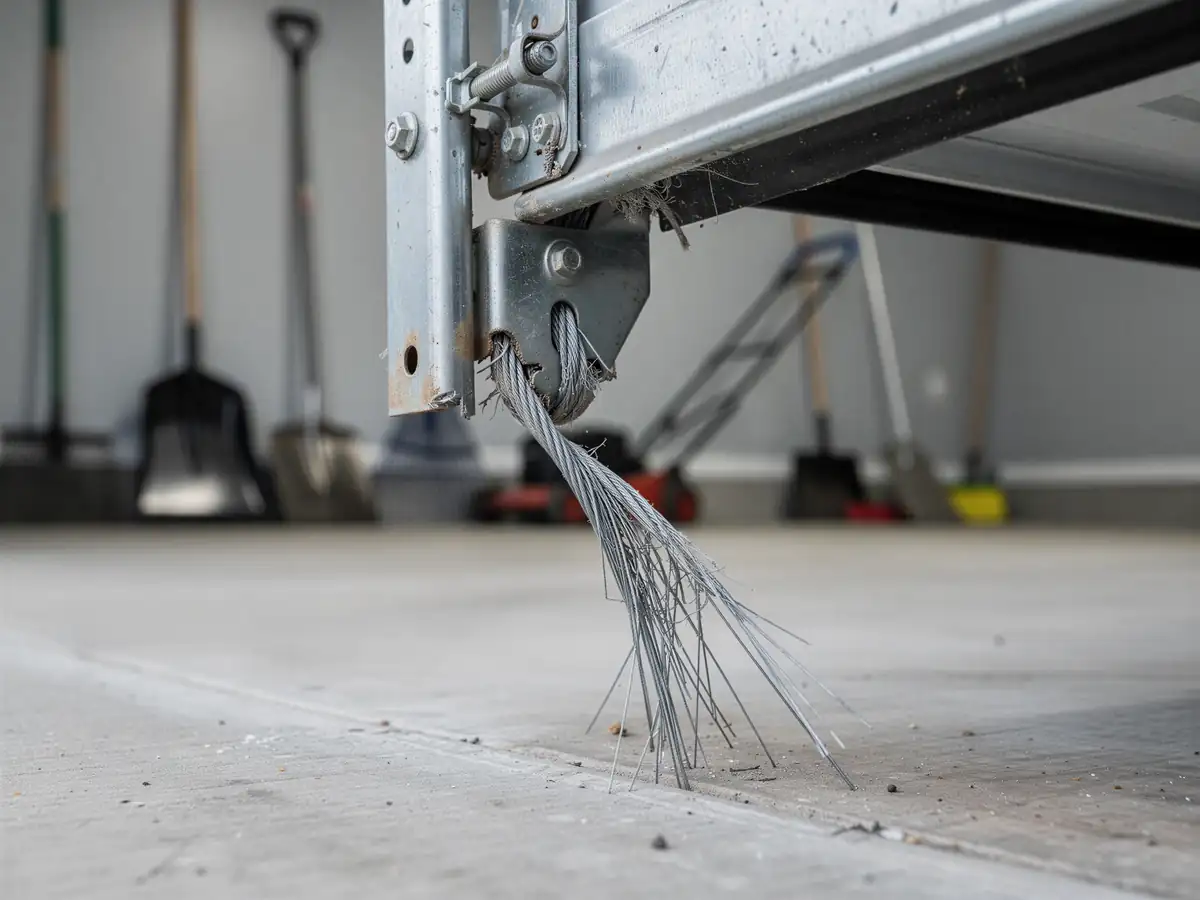
Most garage doors in Picture Rocks went up in the early-to-mid 1990s, part of the broader 1980-2005 wave of construction across this side of the valley. That means you're almost always looking at a steel sectional door, 16x7 for a two-car garage, running on galvanized lift cables through a drum and pulley system rather than anything older or custom. A snapped or frayed cable on a door this age is a straight swap: cut the old cable off the drum, measure and fit a replacement to match the drum groove, re-tension, and check the door tracks true on both sides. The work itself is routine. What makes it worth doing right is the heat this hardware sits in - cables here don't usually snap from one bad pull, they give out slowly from UV and thermal cycling on an exposed track, and they often fray unevenly on one side before the other, which throws the door off-square well before the final break.
If your door is original to a 1994-built house, the odds are decent this is its first cable replacement. Galvanized cable holds up, but not forever under severe heat exposure, and a door that's run thirty summers on the same cable is due.
The Complications
Severe heat is the complication that doesn't show up until the cable is already in your hand. A cable that's been baking on a south or west-facing garage wall for three decades doesn't just wear - it work-hardens and loses flexibility, so it can look fine coiled on the drum and still be one cold morning away from snapping. We check the matching cable on the other side every time, because if one side failed from heat fatigue, the other side is usually close behind, even if it hasn't let go yet.
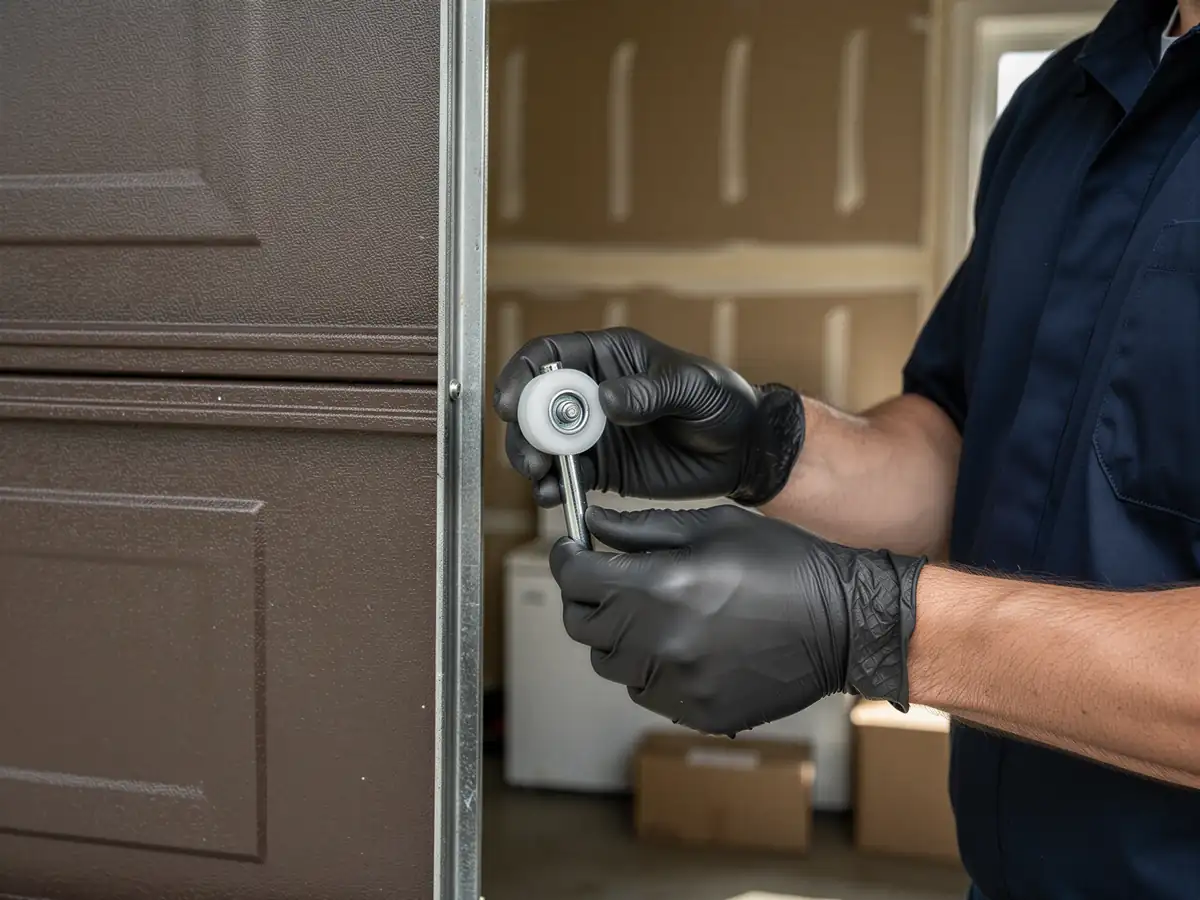
The other complication is the drum itself. On a lot of 1990s doors, the drum and bottom bracket haven't been touched since installation, and galvanized steel exposed to this climate band's heat can pit or seize at the set screw. That turns a twenty-minute cable swap into a longer job if the drum has to come off and get freed up or replaced. We won't know which one you've got until we're looking at the door in person - it's not something we can quote blind over the phone.
One limitation worth saying plainly: if both cables are original and one has already failed from age, we'll usually recommend replacing both rather than just the broken one. Doing one side only on a door this old means a second call out here before long.
Getting It Booked In
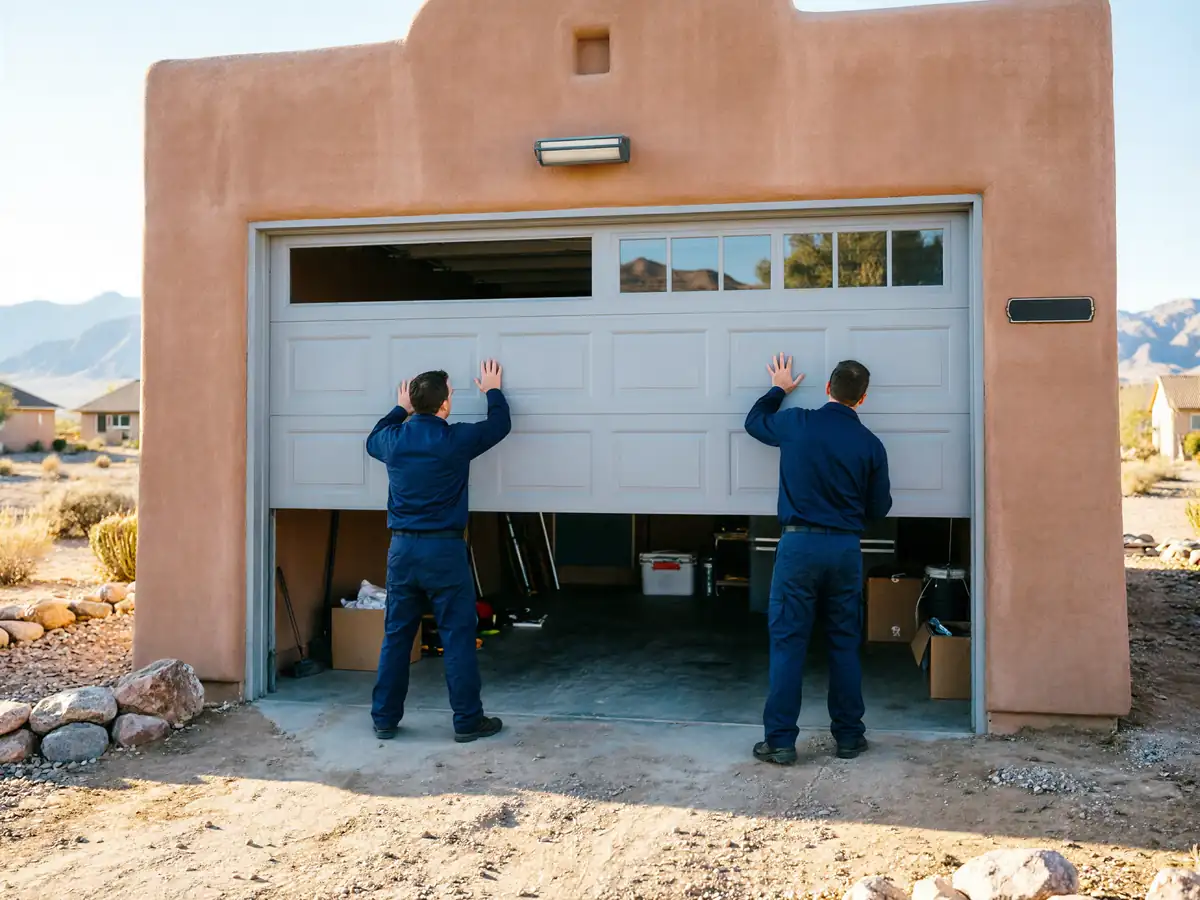
We run out of Oro Valley, about 18 miles from Picture Rocks
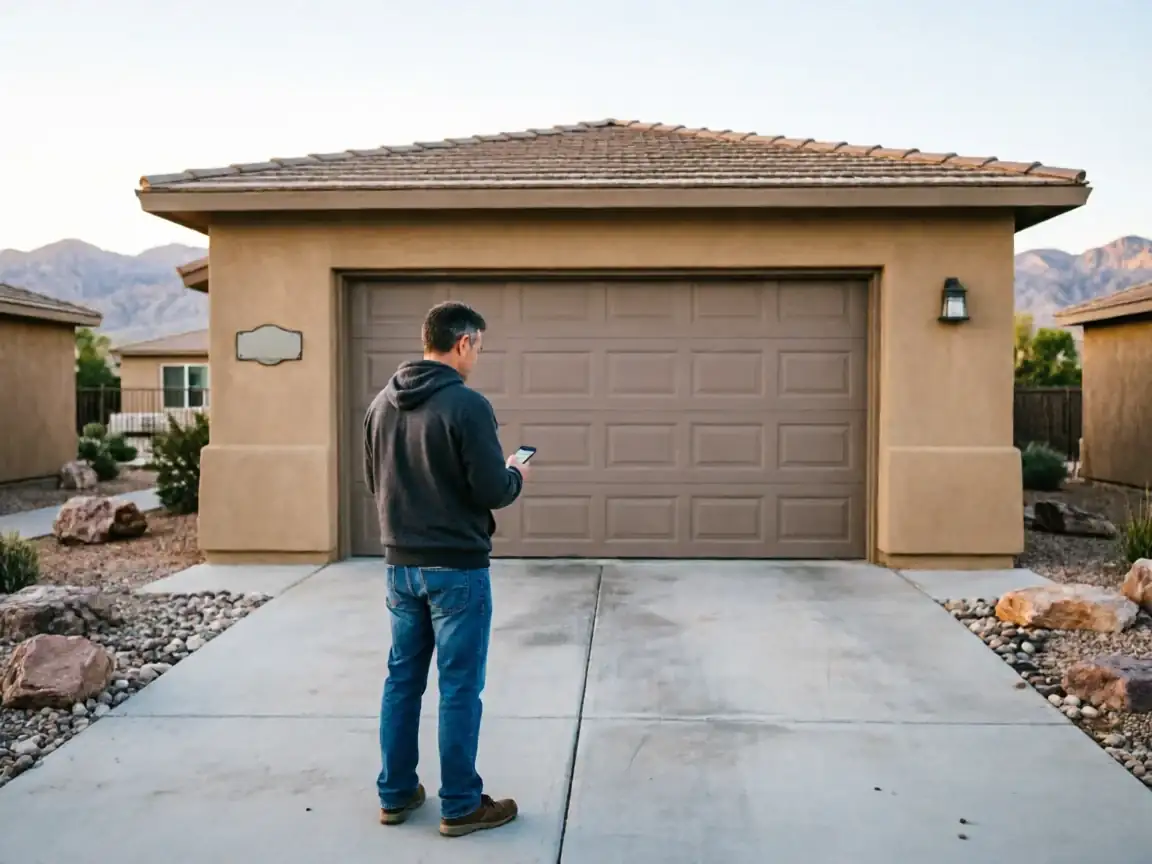
So we book the run rather than dropping in on short notice. Once a cable goes, the door is either stuck shut or stuck half-open with the opener straining against an unbalanced load - don't keep hitting the button, since that's how a cable failure turns into a bent track or a cracked panel. Leave the door where it is and give us a call so we can get the trip scheduled.
- 18 miles
Because this is a drive out rather than a local stop, we ask for the door's rough age
Whether it's a one-cable or two-cable failure, and whether the opener still runs, so the truck comes loaded with the right drum and cable stock for a 1990s-era sectional door instead of guessing on site.
What You Pay
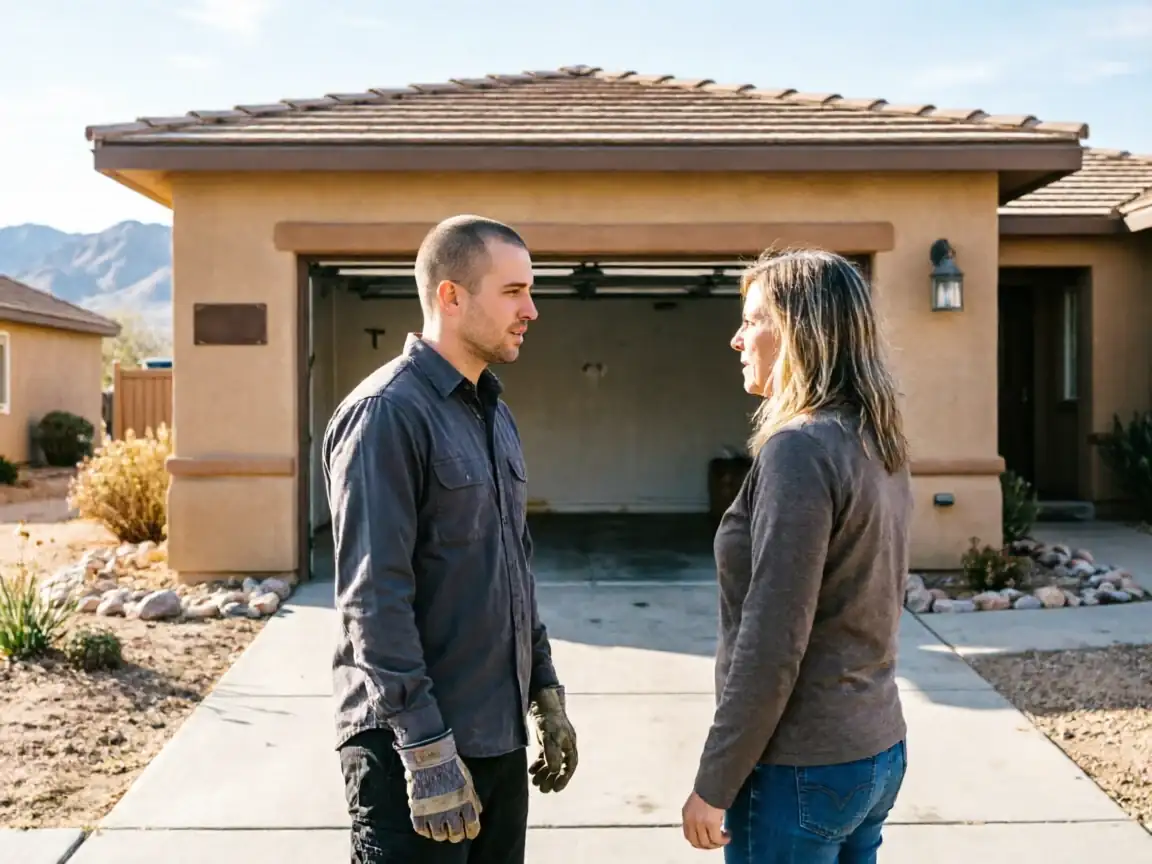
We don't have a flat number to post here, because cable jobs vary with whether it's one side or both, and whether the drum or bottom bracket needs attention beyond the cable itself. What we can tell you is the factor that actually drives the cost on a Picture Rocks house: age and heat exposure. A single clean cable swap on a door that's otherwise sound is the cheaper end of this job. A door where both cables are heat-fatigued, or the drum has pitted after years in this climate, costs more because there's more hardware changing hands. We'll give you the real number once we've looked at your specific door, not before.