What the Repair Takes
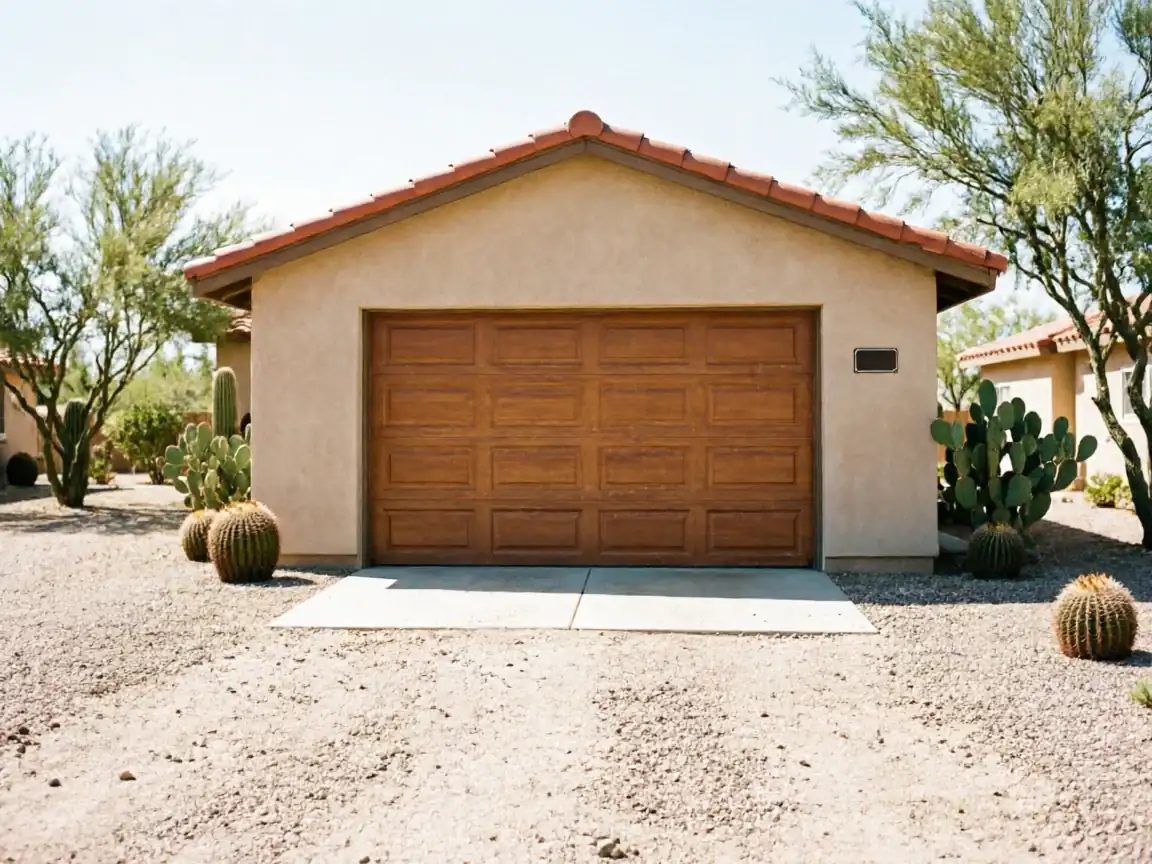
Picture Rocks is a smaller pocket of the service area - about 3,750 households, compared to the tens of thousands spread across the wider territory. That size matters for panel work: it's not a town with its own depot or distribution yard nearby, so when a section gets replaced here, the truck is coming 18 miles from Oro Valley with the panel already loaded, not sourcing it on the fly from a local supplier.
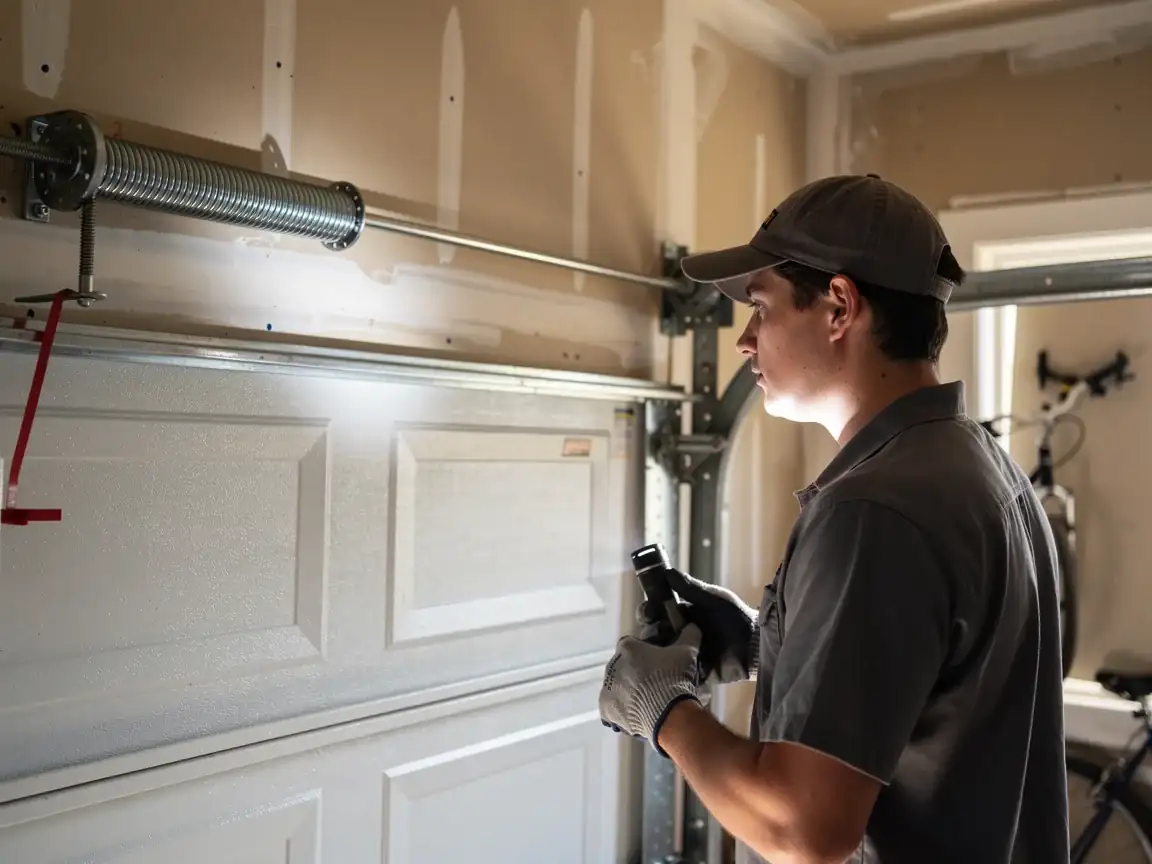
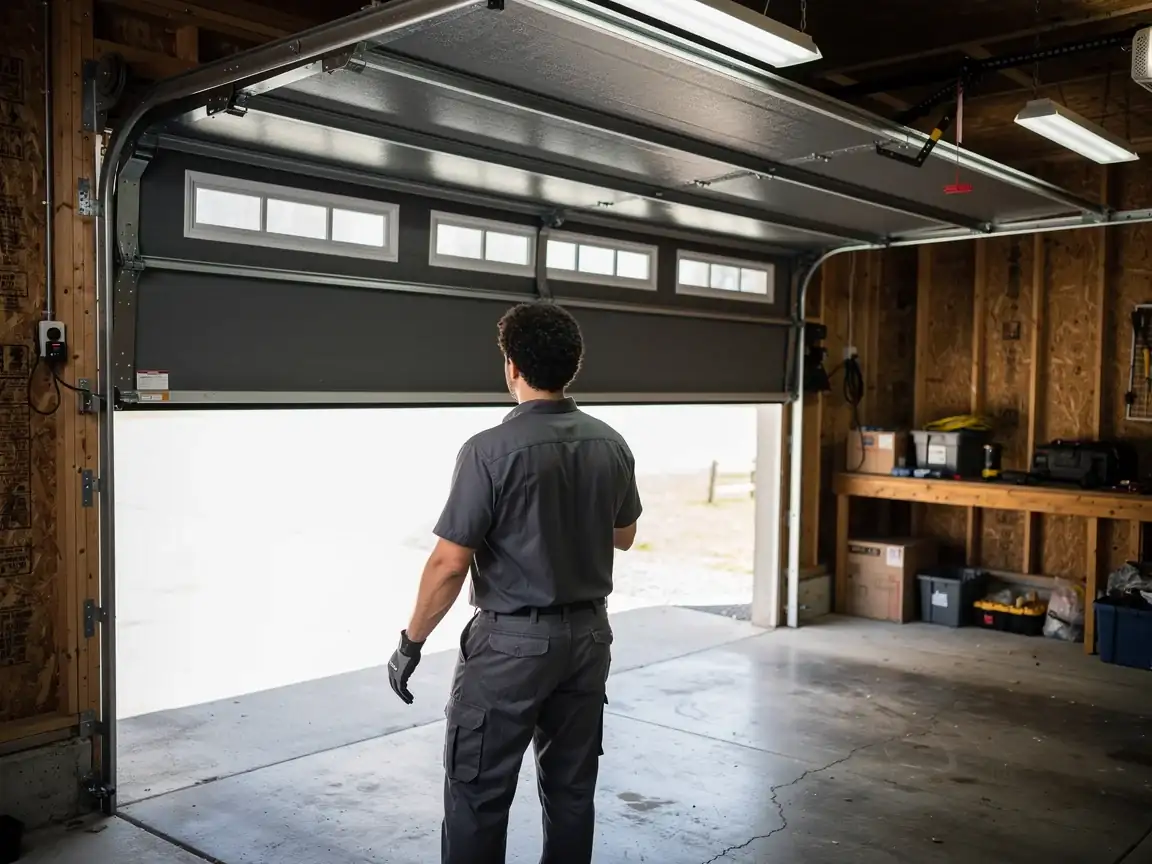
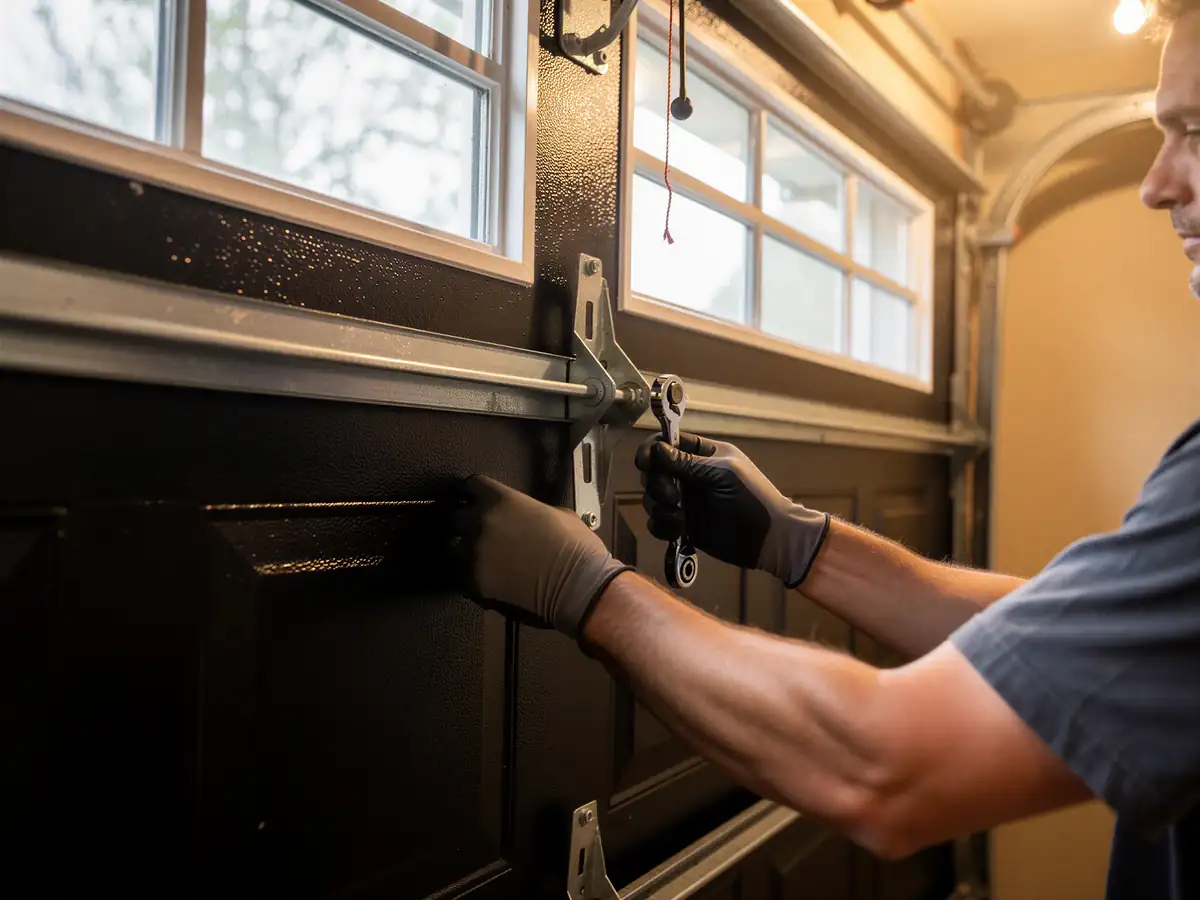
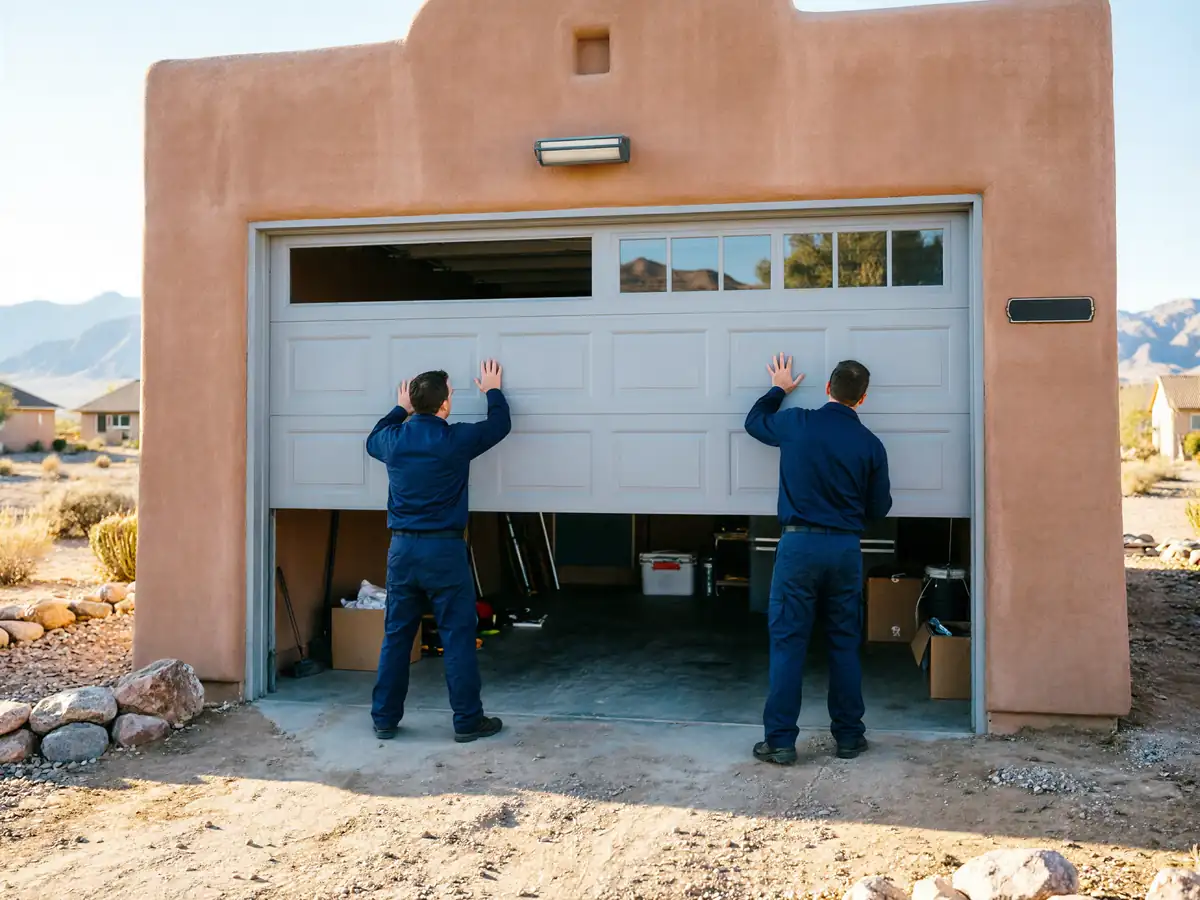
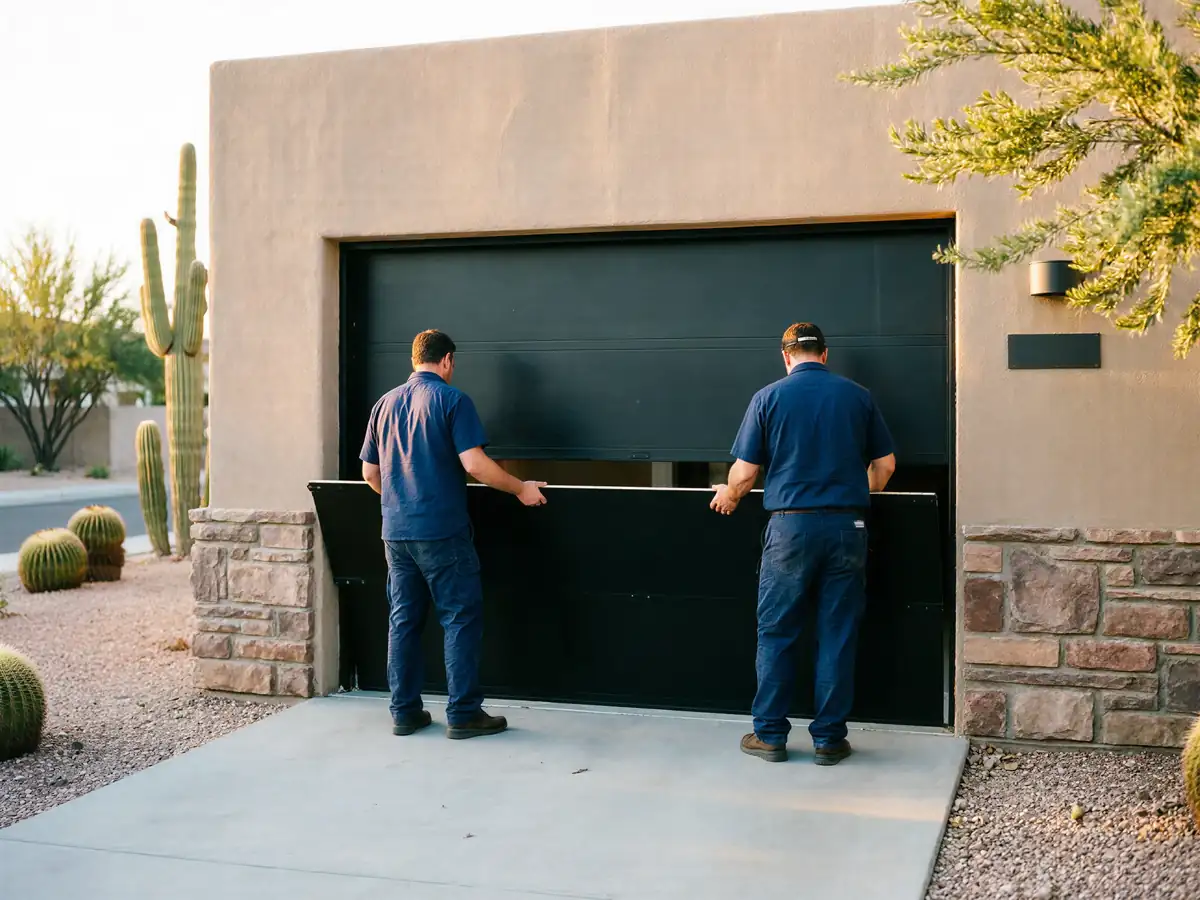
Most of the housing stock in Picture Rocks went up around 1994, which puts it squarely in the era of steel sectional doors with thinner gauge skins than what you see in newer builds. After three decades of Arizona sun, those panels don't usually fail from an impact - they fail from the inside out. The foam core delaminates from the steel face, and you get a door that looks fine from the driveway but flexes and pops when the opener pulls on it. Swapping one section means matching panel height, the number of sections in the stack, and whether the track hardware is still drilled for the original profile or has been modified over the years.
A single damaged panel can usually be replaced without redoing the whole door, as long as the model is still available. Where it's been discontinued, replacing one section means the color or texture won't match the rest, and the honest call is a full door instead of a visible patch.
The Complications
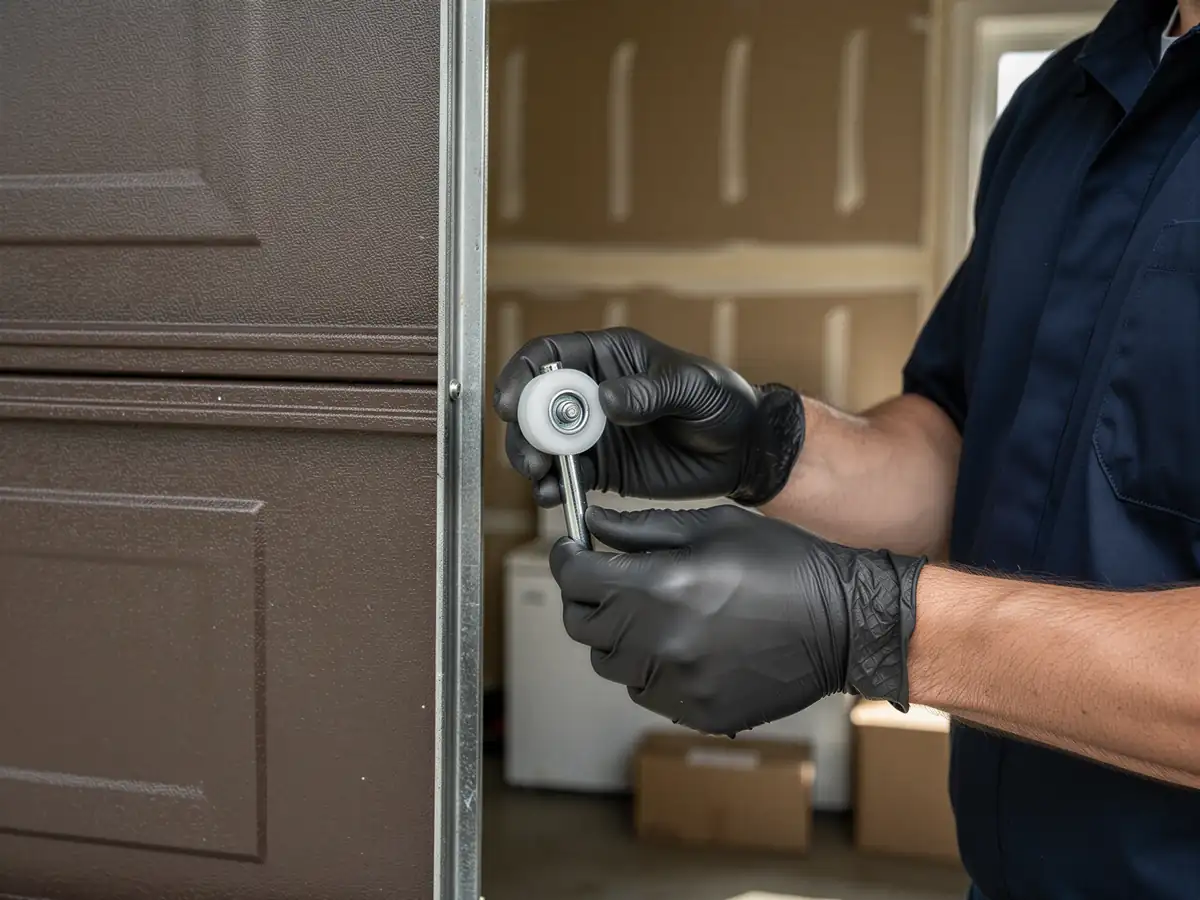
Heat is the recurring complication on panel jobs out this way. The climate here runs in the severe end of the heat band, and galvanized steel panels that sit in direct sun for years develop surface rust at the seams and around roller stems well before the rest of the door shows wear. That rust often hides the real problem: the fasteners holding the hinge to the panel have corroded and backed out slightly, so the new section won't sit flush until those get replaced too.
Another complication specific to a 1994-era door is hardware mismatch. Builders in that period used a mix of panel brands depending on the development, and over 30 years some doors have had one or two sections swapped already with whatever was on hand at the time. That means a new panel sometimes needs trimming or re-drilling to line up with neighboring sections that were never an exact match in the first place.
We don't stock every discontinued panel profile on the truck - if your door is an older model no longer made, there's a lead time to source a compatible section, and we'll tell you that up front rather than promise a same-visit fix we can't deliver.
Getting It Booked In
Because every job in Picture Rocks is routed from Oro Valley
The panel gets identified and ordered before the truck heads out - not guessed at on arrival. That means a photo of the damaged section and the door's brand or model number (usually on a sticker near the bottom corner of the door jamb) saves a second trip.
Given the 18-mile run, we batch Picture Rocks panel jobs with other calls in the area where the schedule allows
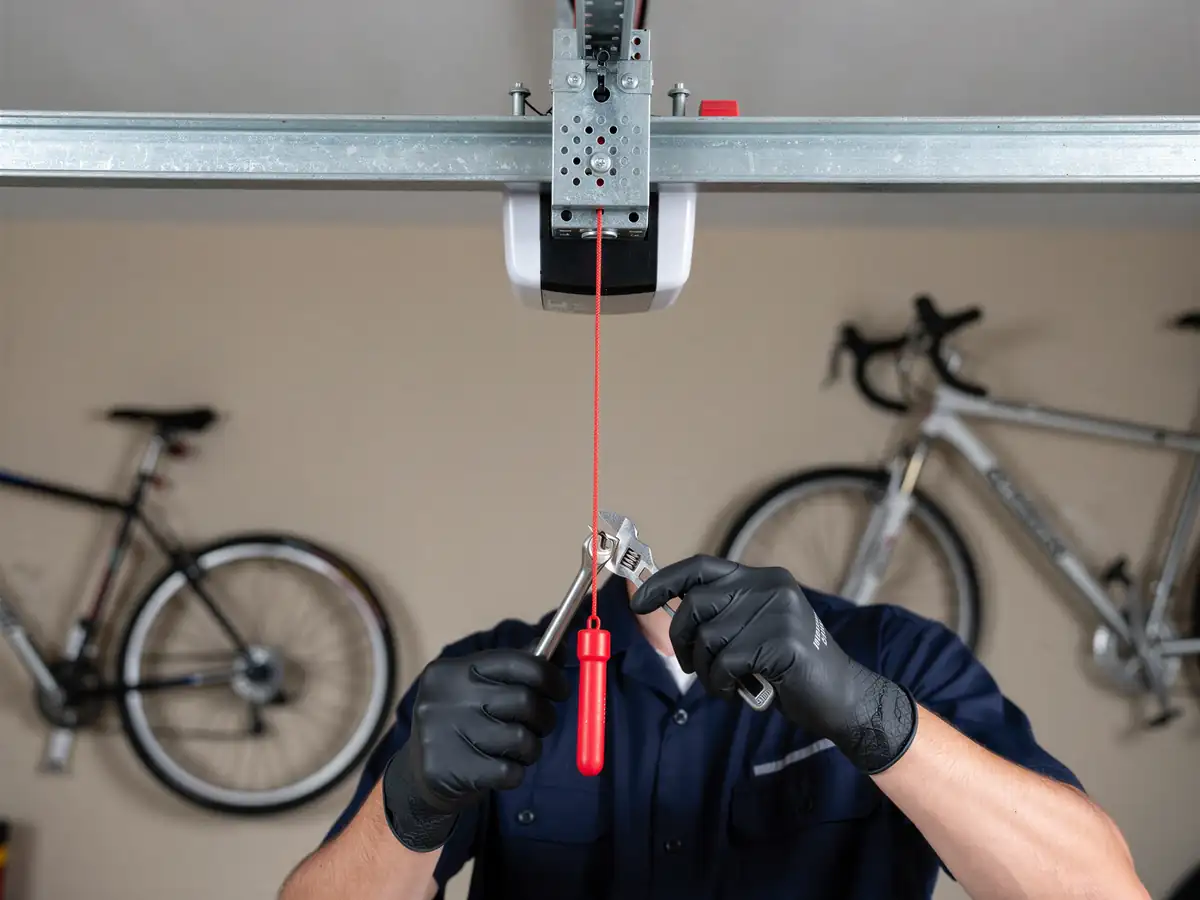
Which keeps the visit efficient without padding the quote with extra windshield time you're paying for. If the damage is affecting how the door operates - binding, uneven travel, the opener straining - tell us that when you call, since a bent panel pulling the track out of alignment is a different repair than a cosmetic dent that can wait.
What You Pay
Panel pricing depends on the door's age, the section size, and whether the model is still in production or needs to be sourced. A 1994-built home in Picture Rocks is old enough that some panel profiles are no longer made new, which pushes the job toward either a compatible aftermarket match or, if the color and texture won't line up, a conversation about full door replacement instead.
Median household income in Picture Rocks runs lower than some of the newer-built areas in the wider service territory, and that's part of why we'll always quote the single-panel repair first if the door is structurally sound - replacing the whole door is rarely the cheaper fix even when it would be the easier one for us. We'll give you the real number for your panel and your door, not a range pulled from a different neighborhood's housing stock.