Getting It Booked In
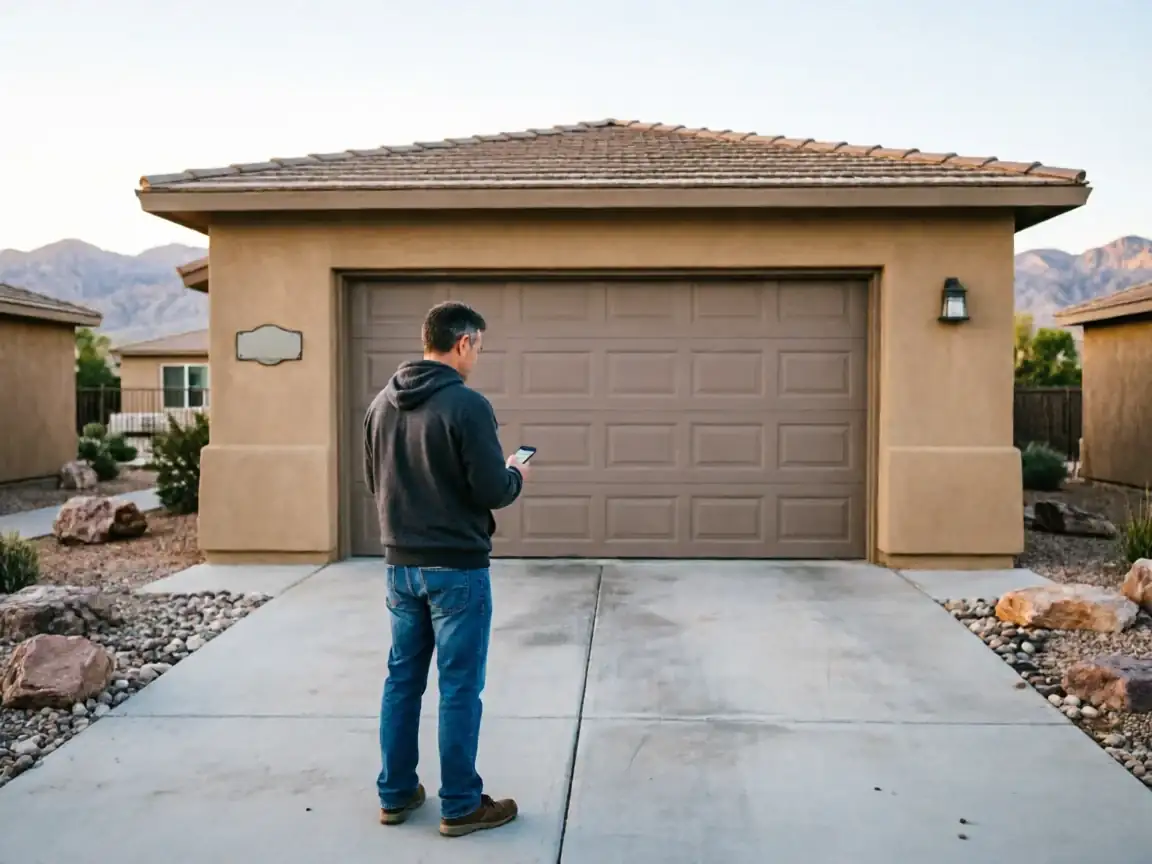
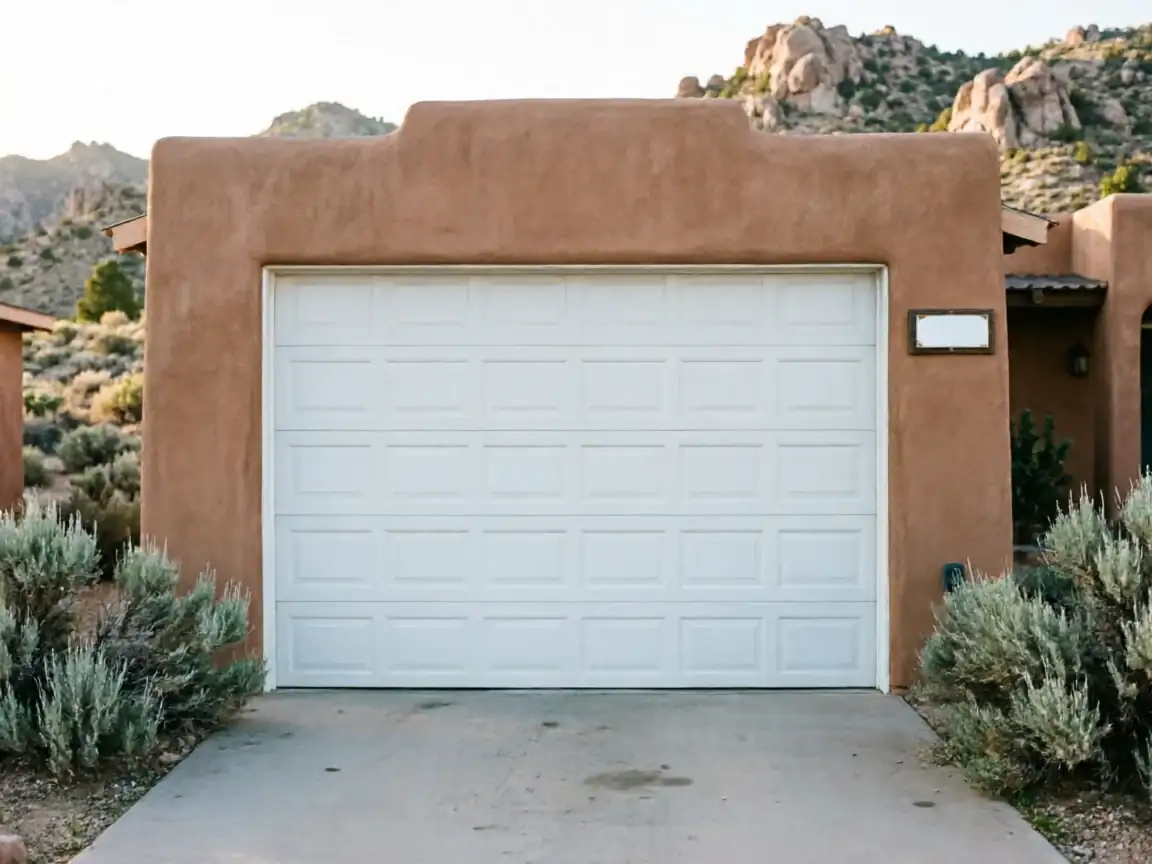
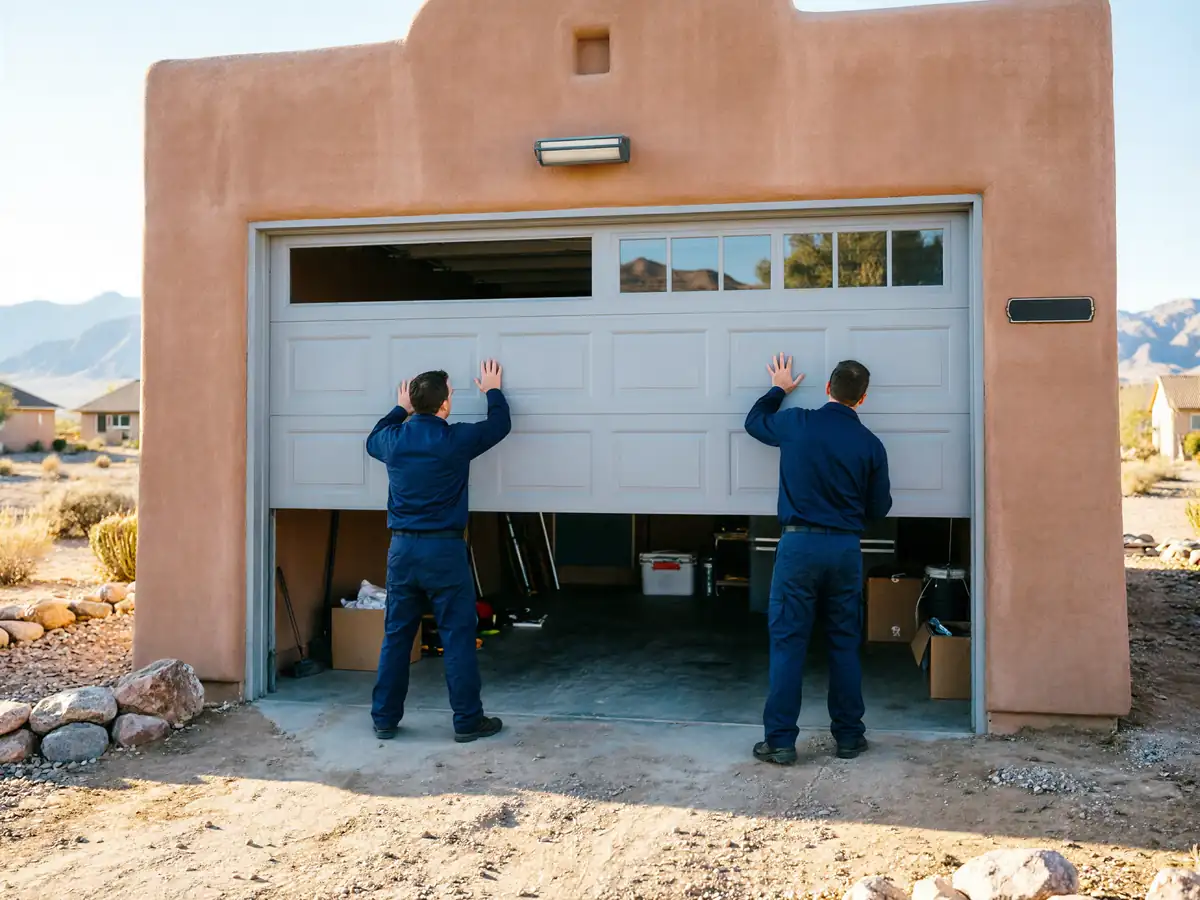
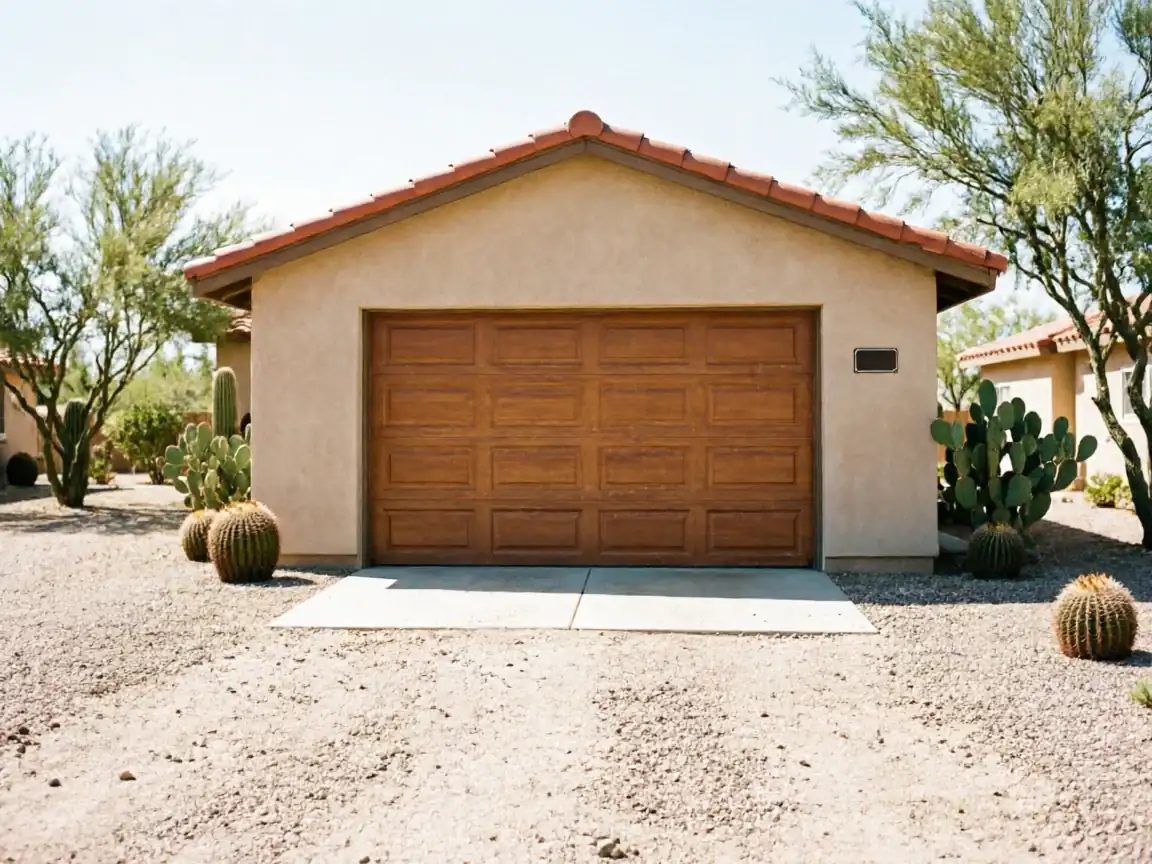
Tanque Verde sits about 17 miles out from our Oro Valley base, and that drive matters more here than it does closer in - we're not swinging by on the way to another job, we're coming out specifically for yours. Worth knowing before you call: the typical house out this way went up around 1984, five years earlier than the 1989 median across the rest of our service area. That gap sounds small until you're standing in front of the door. Mid-80s installs often carry different drum and cable spool combinations than the late-80s and 90s doors we see closer to Oro Valley, and if your door hasn't been touched since it went in, the cable itself may be original. When you call, tell us roughly how old the house is if you know it, and whether the door has ever been serviced. That tells us which cable diameter and drum style to load before we leave the shop, instead of guessing and making a second trip. We book by the job, not by the neighborhood, so there's no local dispatch sitting idle waiting for Tanque Verde calls - we schedule the drive in.
What Is on the Truck
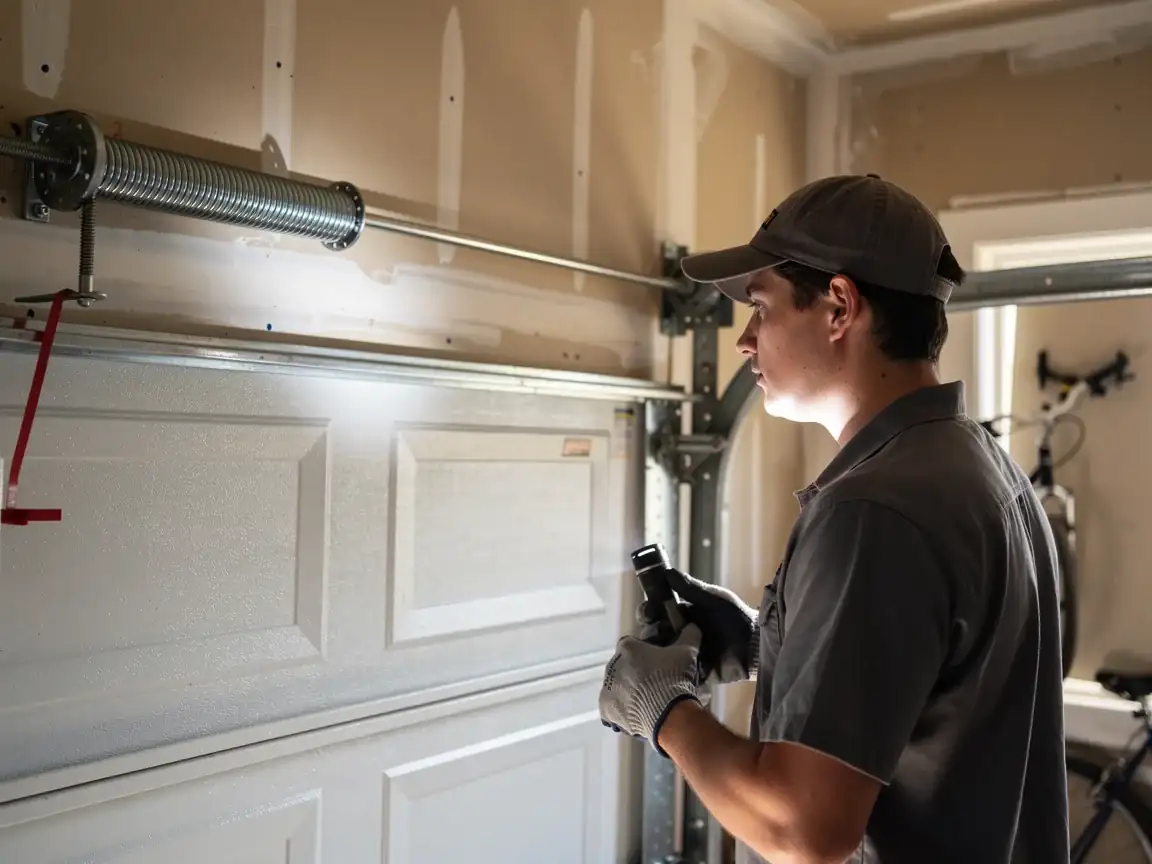
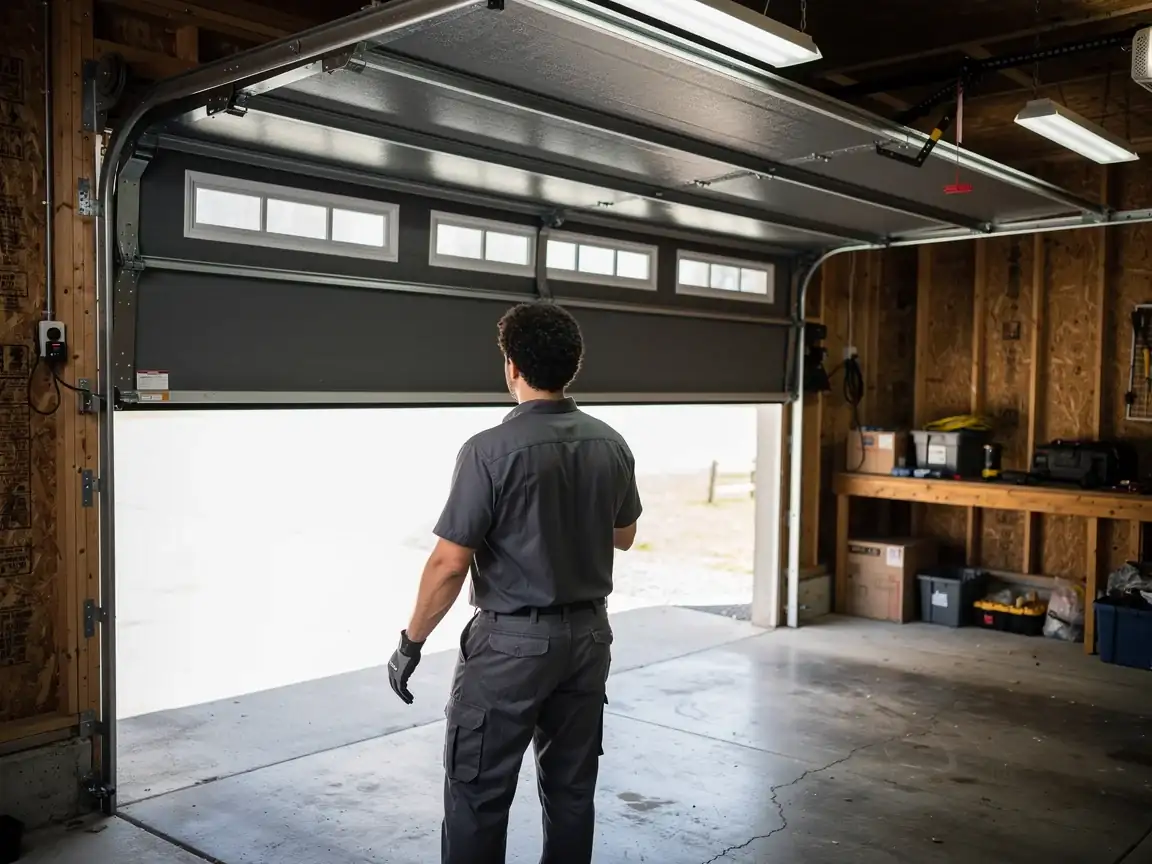
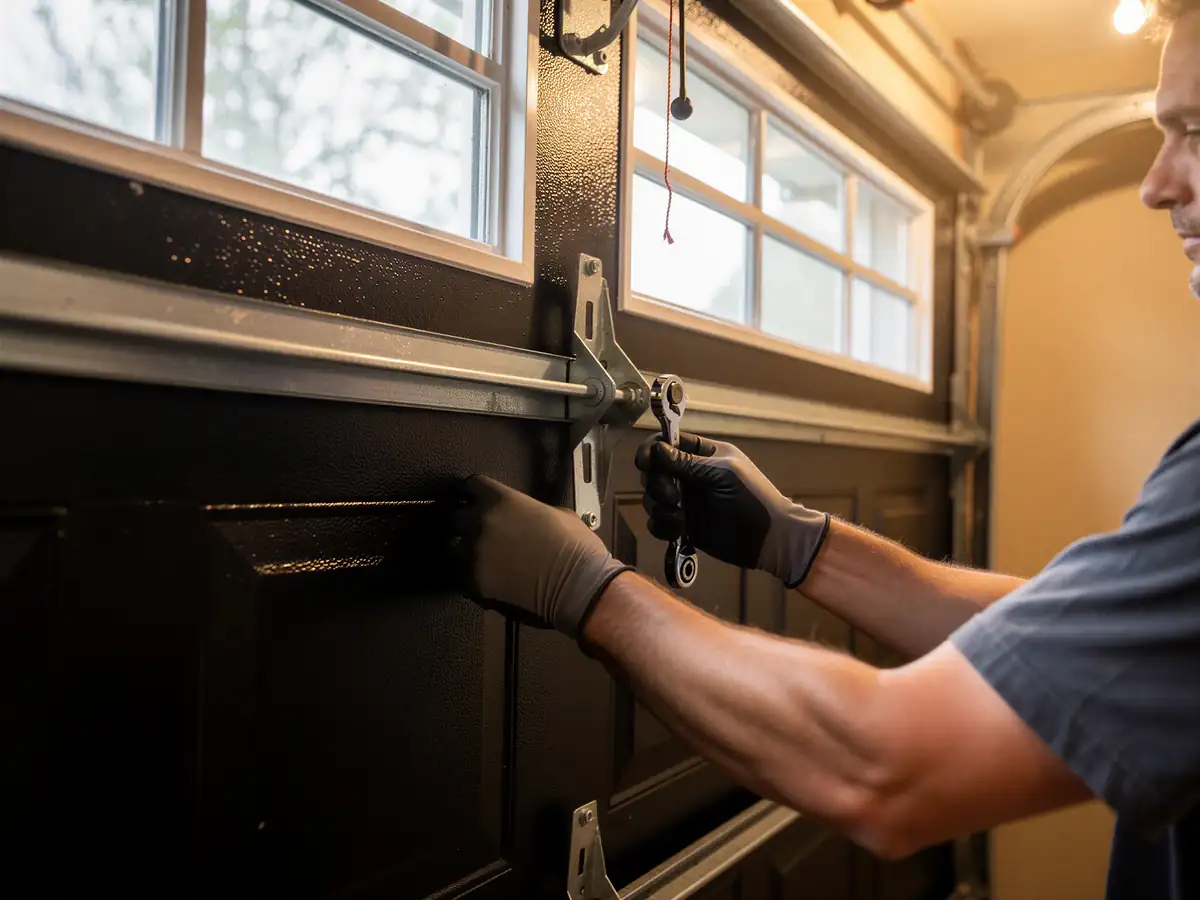
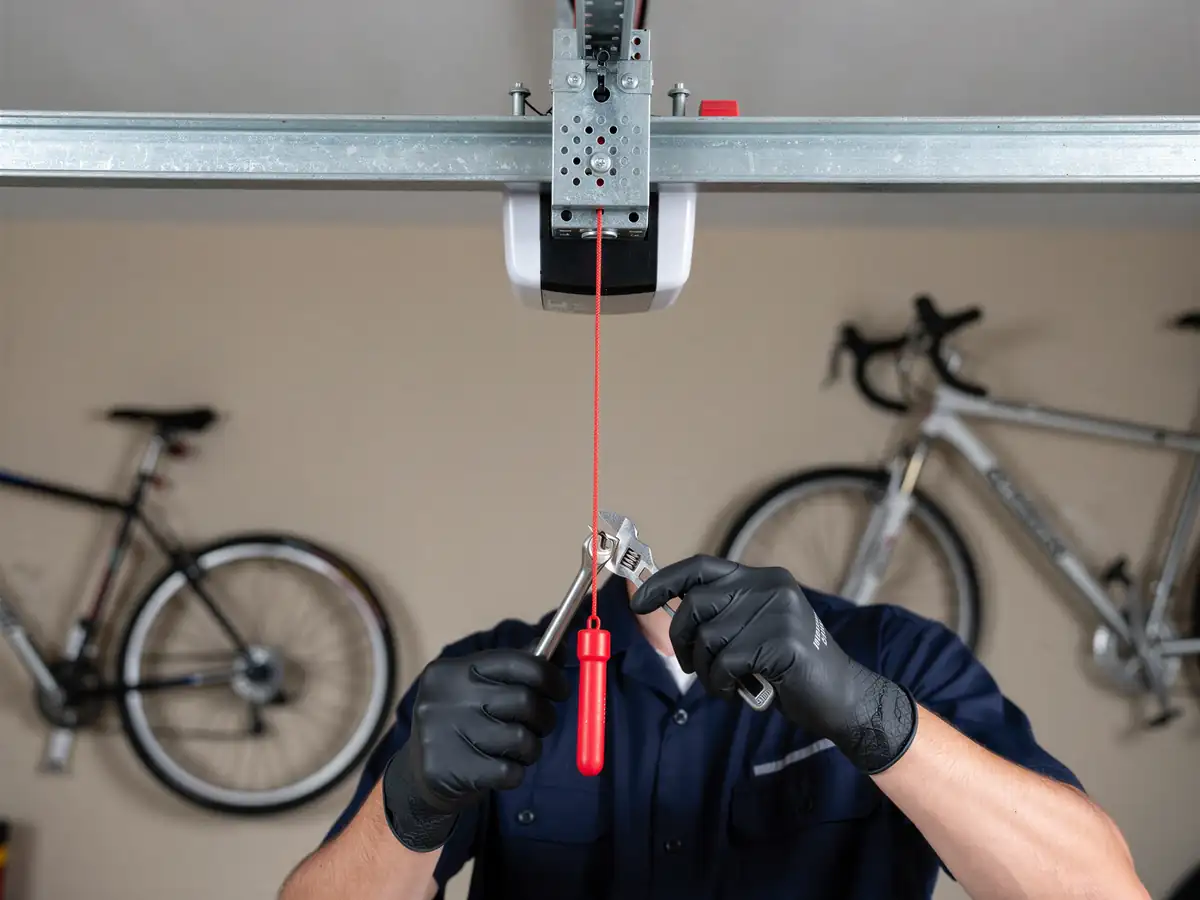
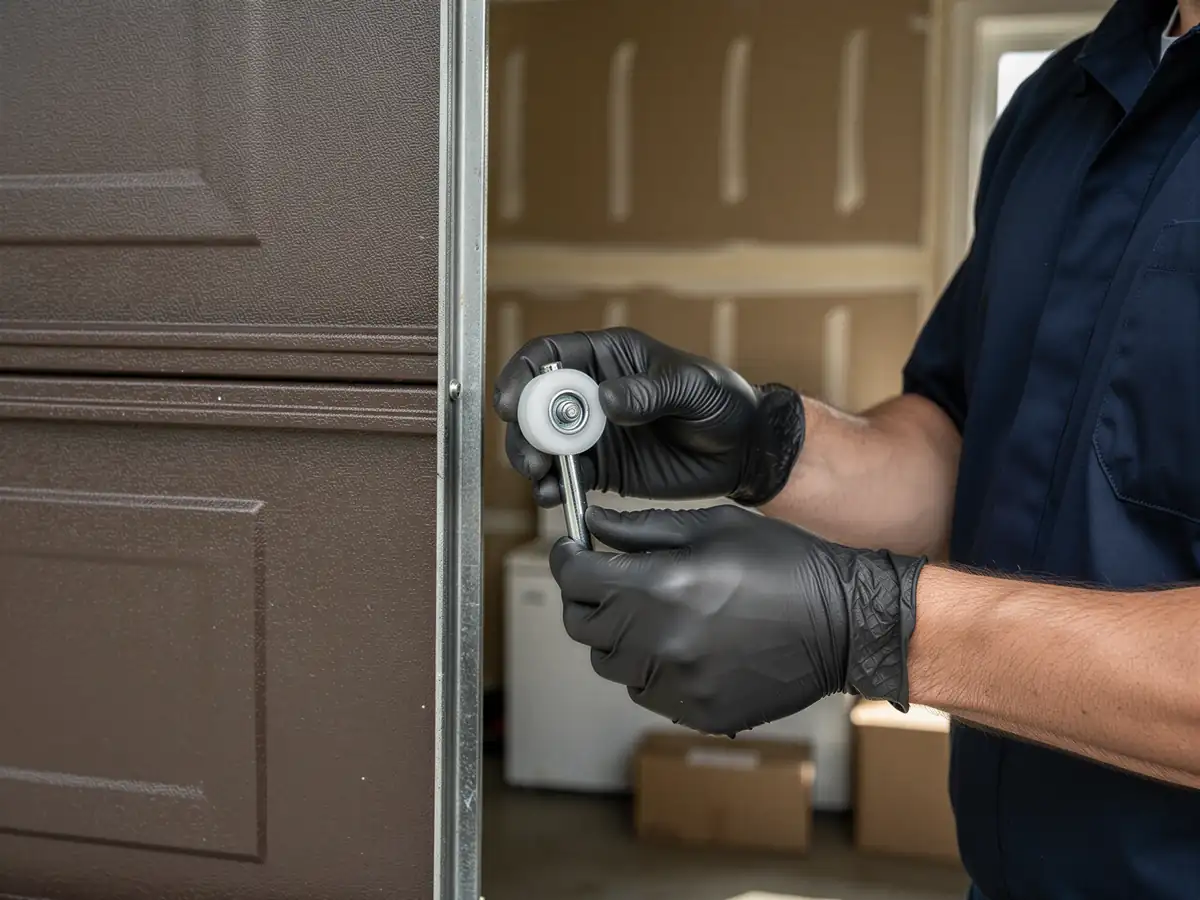
For a cable job on a door from this era we bring standard lift cables in the common aircraft-cable gauges used on torsion and extension systems from the 1980s, plus drums and end fittings sized for both. Doors built around 1984 sometimes used extension spring systems on single doors rather than torsion, which changes which cable and pulley we reach for first. We carry both setups because we won't know for certain which one's on your door until we're standing in front of it, and we'd rather have the part on the truck than tell you to wait for it. What we don't carry is every obsolete drum casting from that period - some of the oldest hardware out this way was made by manufacturers who don't exist anymore, and if your drum is one of those, we may need to order a compatible replacement rather than hand you something off the shelf that day. That's a real limitation, not a sales pitch, and it's the one honest gap in an otherwise same-visit repair.
Why This Fails Locally
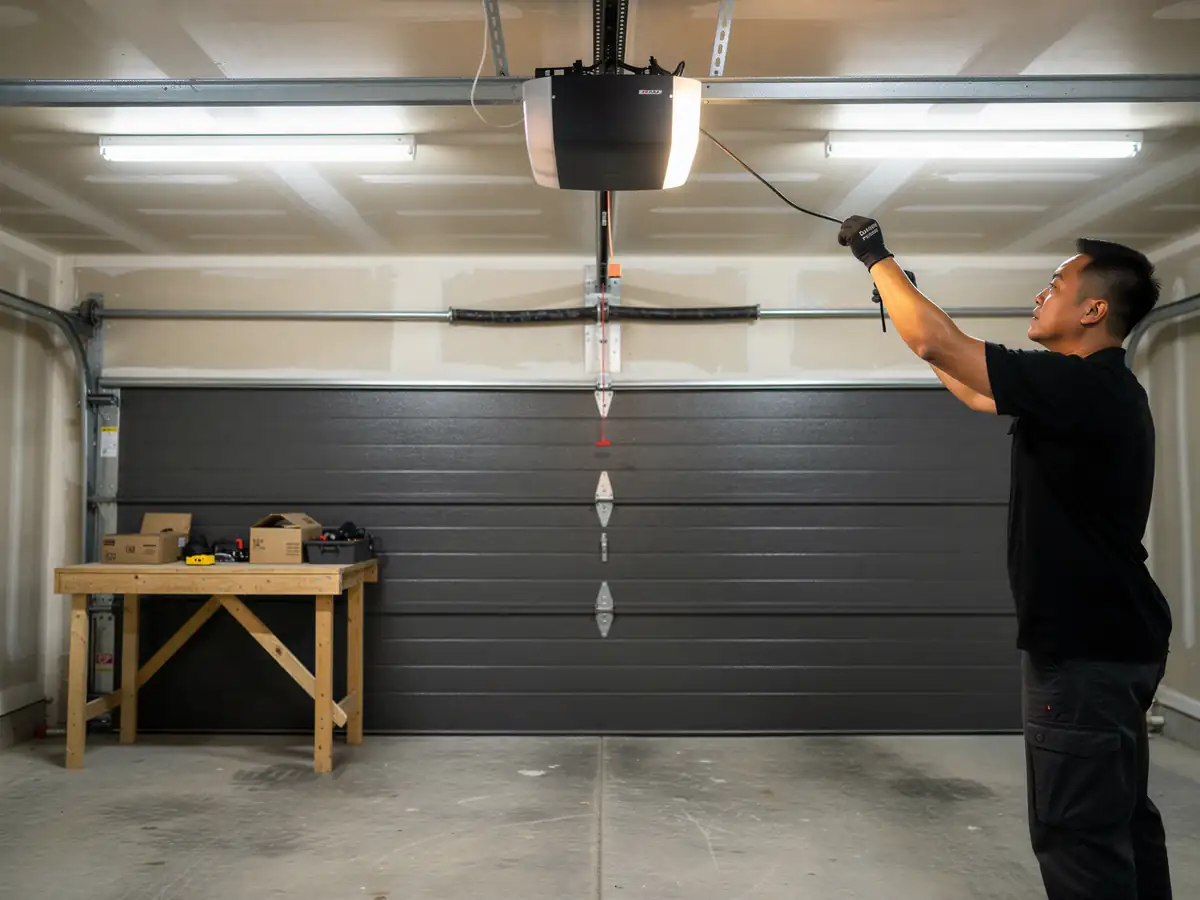
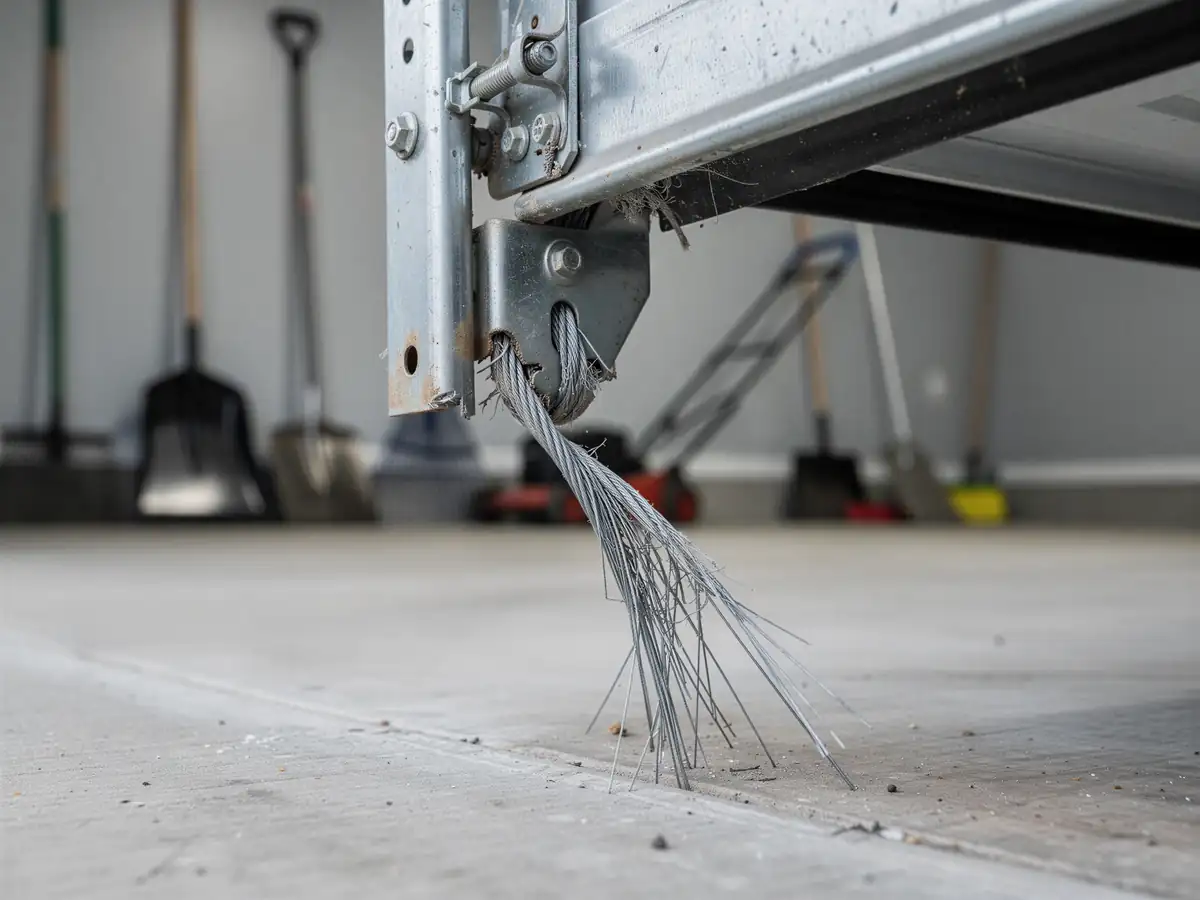
The failure pattern in Tanque Verde isn't identical to what we see on the newer end of our territory. A door built in 1989 or later is more likely to have a torsion system with a factory-matched cable and drum pair still largely intact. A 1984 door has had five extra years of cycling, five extra summers of heat-baked lubricant, and a better chance of having been serviced at least once by someone who didn't match the original cable gauge exactly. That mismatch is often invisible until the cable frays unevenly or the door starts pulling to one side as it closes. With roughly 6,442 households in this area, we're not dealing with a handful of outlier homes - a meaningful share of the doors out here are old enough that the cable, drum, and spring were never designed as a matched set to begin with, which is exactly the kind of job that needs a look at the whole lift system, not just the broken strand.