Getting It Booked In
Tanque Verde sits about seventeen miles from our Oro Valley base, and we don't keep a branch out here. That changes how we schedule, not whether we come. A roller job gets bundled with the rest of the route rather than dispatched the moment you call, so we ask what else the door is doing - grinding, hanging, slow to close - before we load the truck, because a seventeen-mile round trip for the wrong parts wastes your afternoon and ours. With roughly 6,442 households spread across Tanque Verde, we're rarely doing two jobs on the same street in one day, so each stop gets packed as if it's the only one. If your rollers are the kind that come off an original 1984 door, tell us the roller count and whether the track is steel or aluminum when you call - it saves a second trip more often than not.
What Is on the Truck
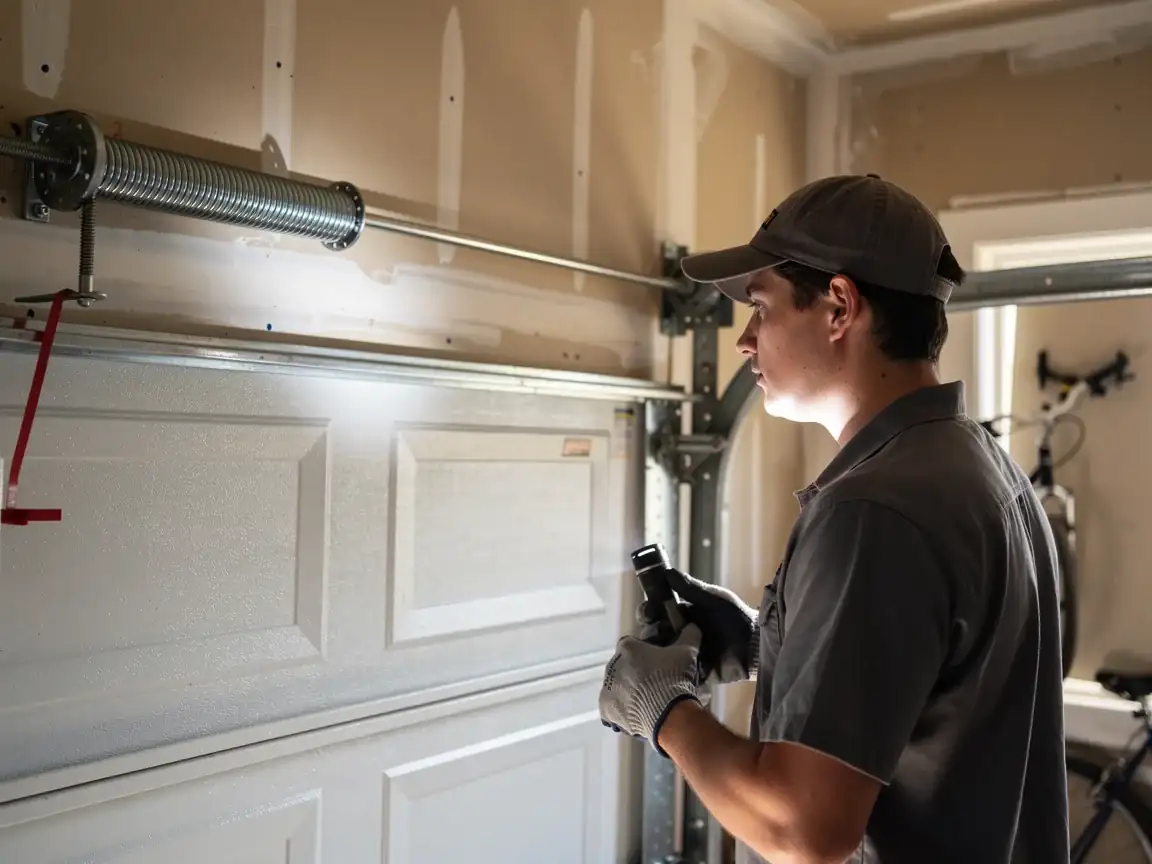
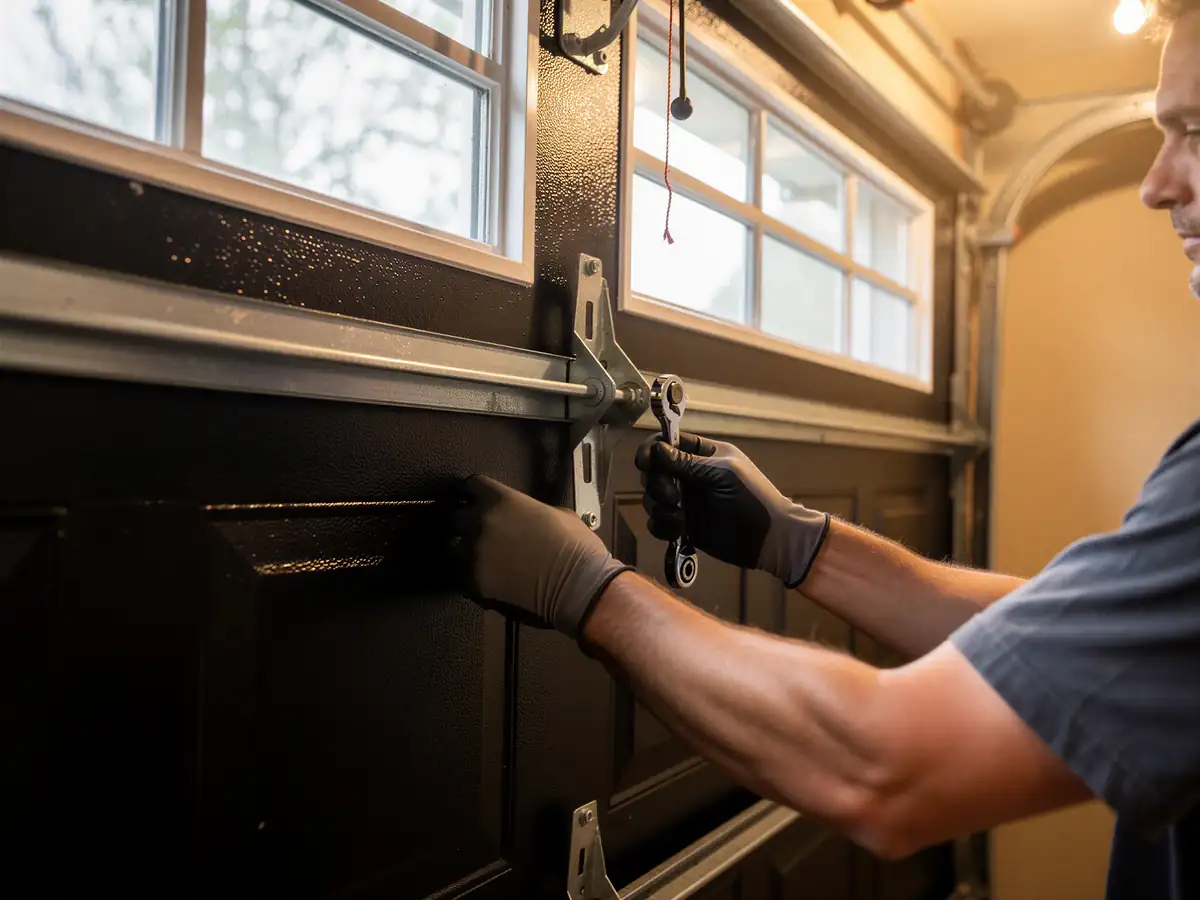
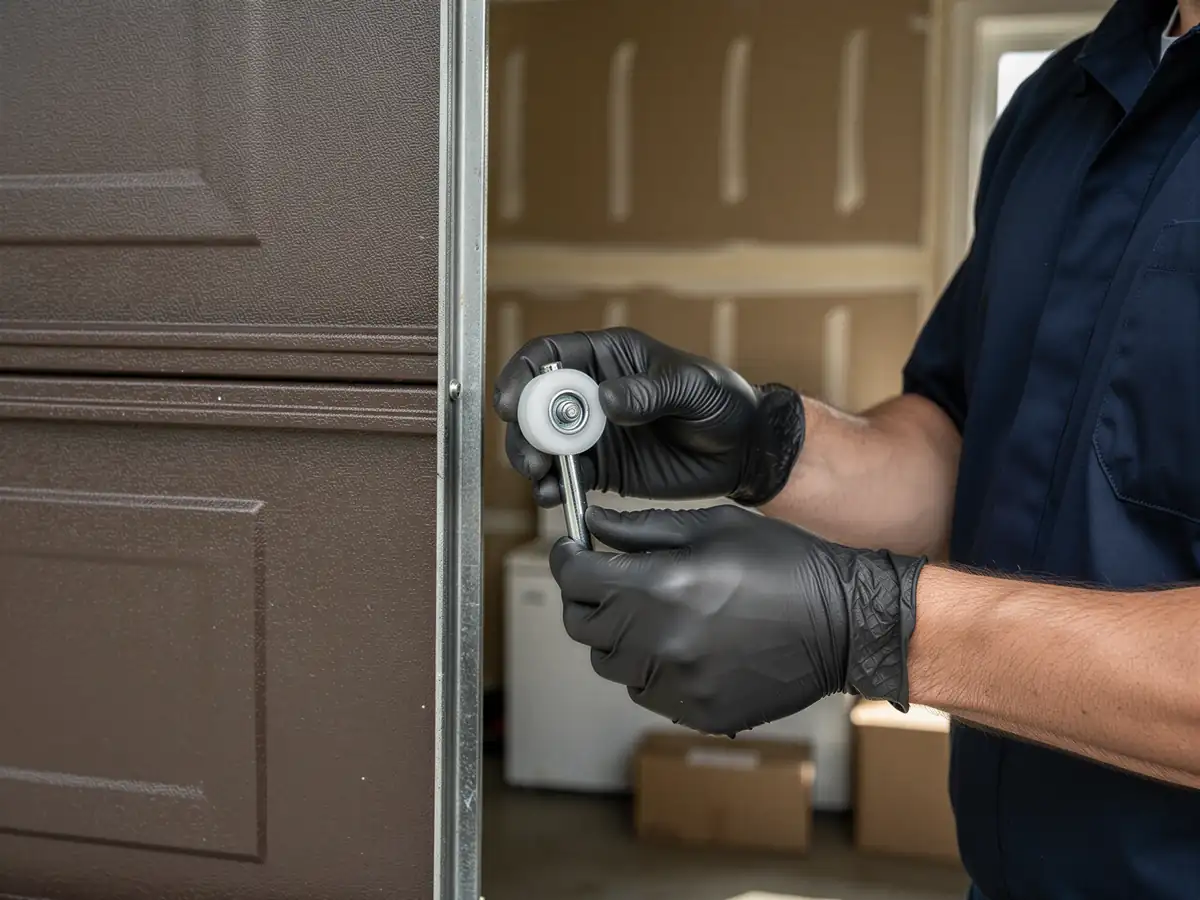
Most doors going up in Tanque Verde around 1984 left the factory with 2-inch steel rollers on 7-inch stems, riding on open ball bearings with no seal and no grease zerk. That's what we stock heaviest for this area - standard stem length, standard wheel diameter, built to match hardware nobody has updated since the house was framed. We also carry sealed-bearing nylon rollers, quieter and slower to wear, which is what most owners choose once they hear the steel set grinding on the original track. At a median household income of $119,212, Tanque Verde homeowners more often ask for the nylon upgrade outright instead of the cheapest steel replacement - it costs more per roller but it's a decision we can make on the spot without ordering anything in. What we don't carry is odd-stem or oversized commercial roller stock; if a door's been retrofitted with something non-standard, that's a special order, not a same-visit fix.
Why This Fails Locally
Severe summer heat is hard on nylon rollers specifically - the wheel face dries out and hairlines crack years before the bearing inside gives out, and that failure mode shows up faster here than it would in a milder climate. Steel rollers don't crack the same way, but they corrode at the bearing race once the factory grease has baked out, which is exactly what happens to hardware installed when these Tanque Verde homes were built. A generic roller catalog pulled from a cooler region assumes a wear pattern that doesn't match what we actually see on a door that's spent thirty-plus summers out here. That's why the stock on the truck is picked for this stretch of hardware and this climate, not for a roller problem in the abstract - a door built in 1984 and run through Tanque Verde heat since wears out in a specific, predictable way, and the fix has to match that, not a national parts list.