Getting It Booked In
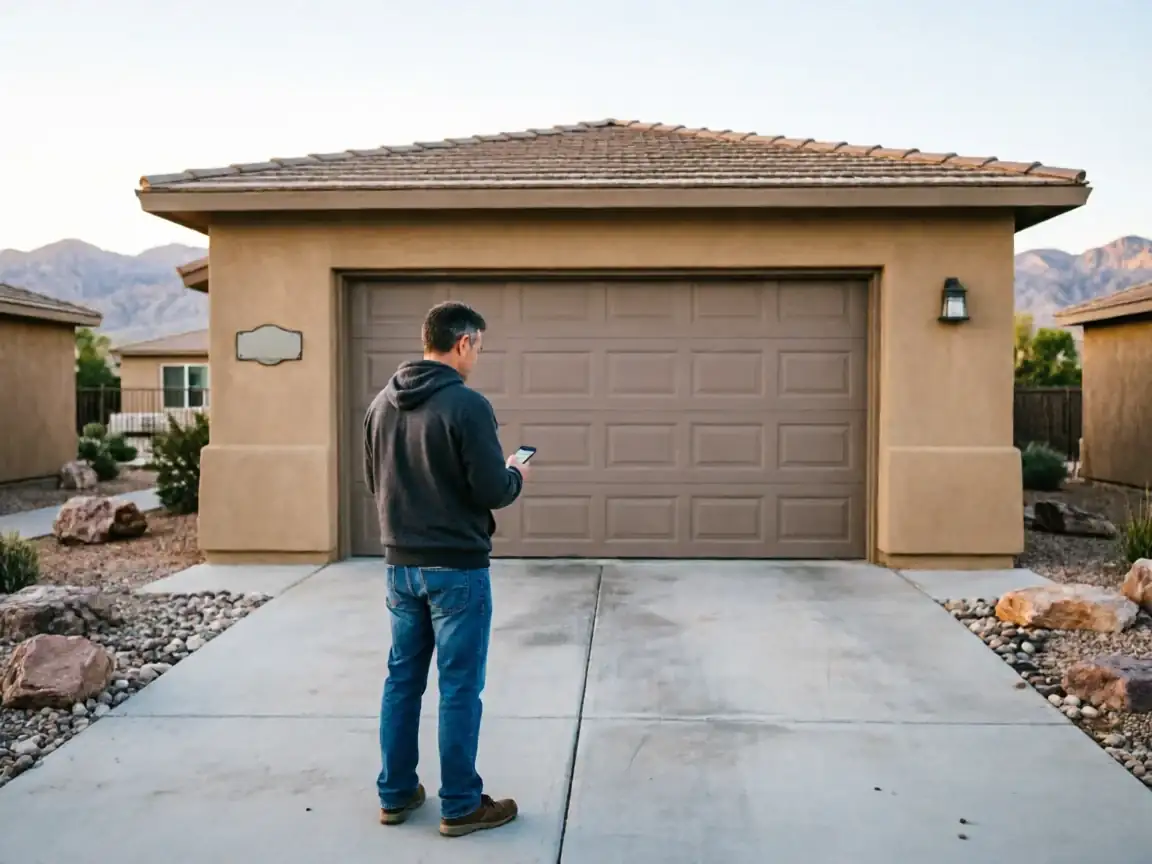
Tanque Verde sits about 17 miles southeast of our Oro Valley shop, so a panel job here goes on the schedule as a dedicated trip, not a drive-by add-on. That means we ask more up front: door brand if you can read it off the end stile, the rough opening width, and a phone photo of the damaged panel in daylight. With roughly 6,442 households spread across this part of the valley and no branch of ours out this way, getting the sizing and color right before the truck leaves Oro Valley saves a second trip for you and for us. If the job is a single cracked panel rather than a full section, we'll say so on the phone and save you the wait.</p>
Median household income here runs around $119,212, noticeably higher than much of the rest of our service area, and that shows up in the calls we get: more owners asking about matching an existing high-end door rather than replacing it outright with a builder-grade steel section. We take that request seriously, but we're honest when a match isn't realistic - more on that below.
What Is on the Truck
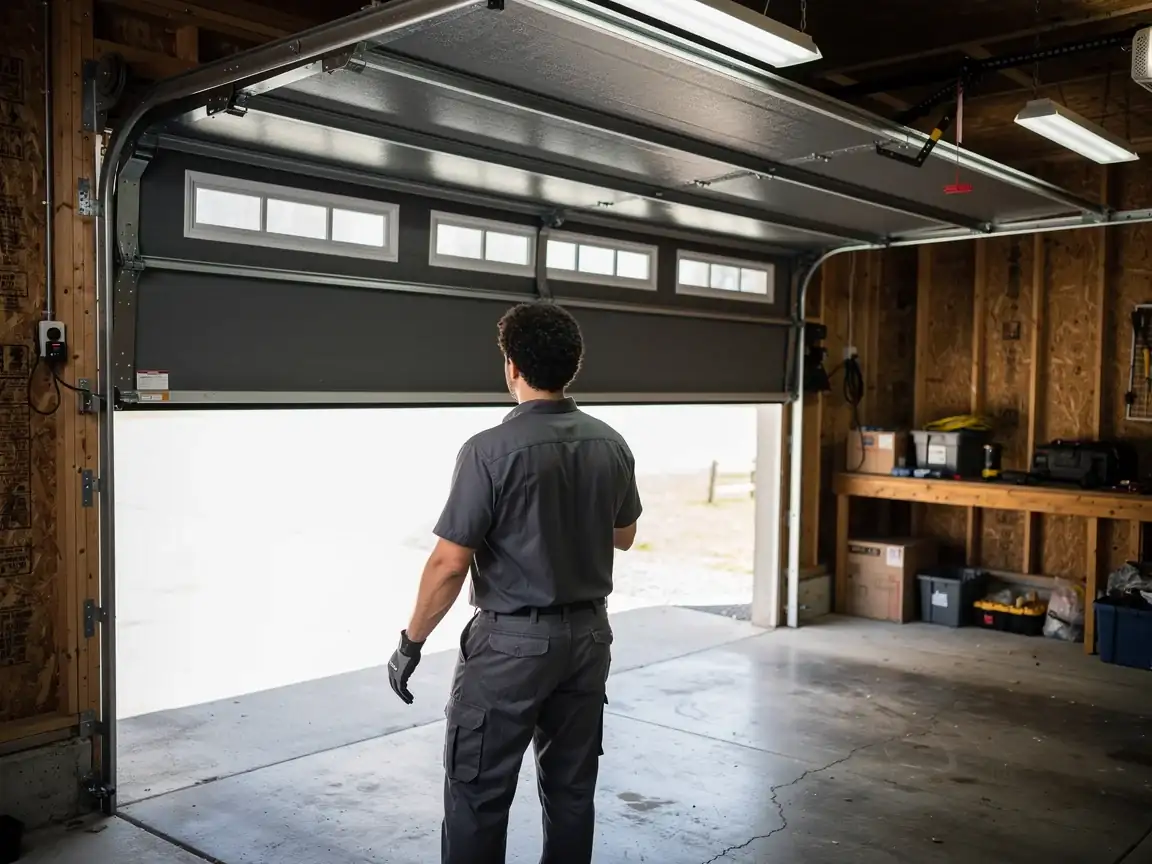
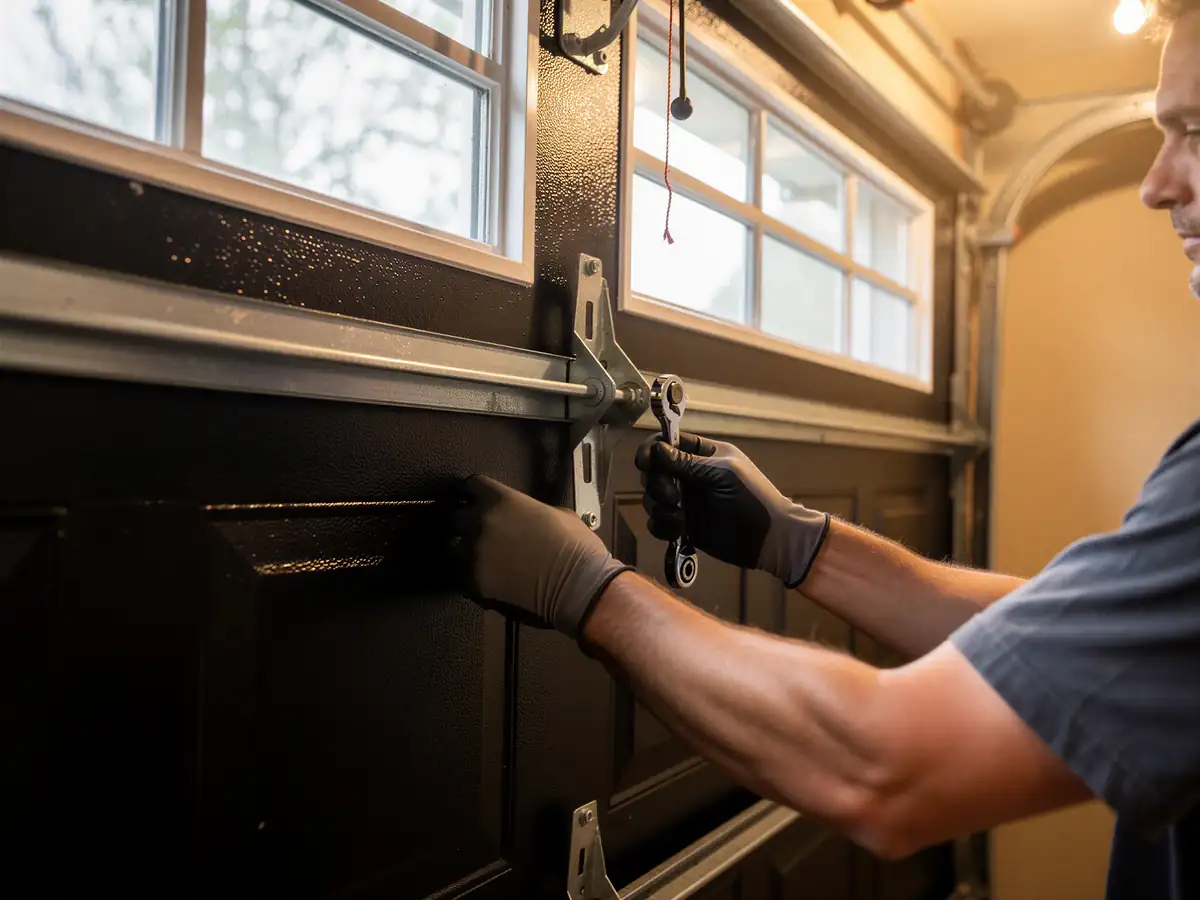
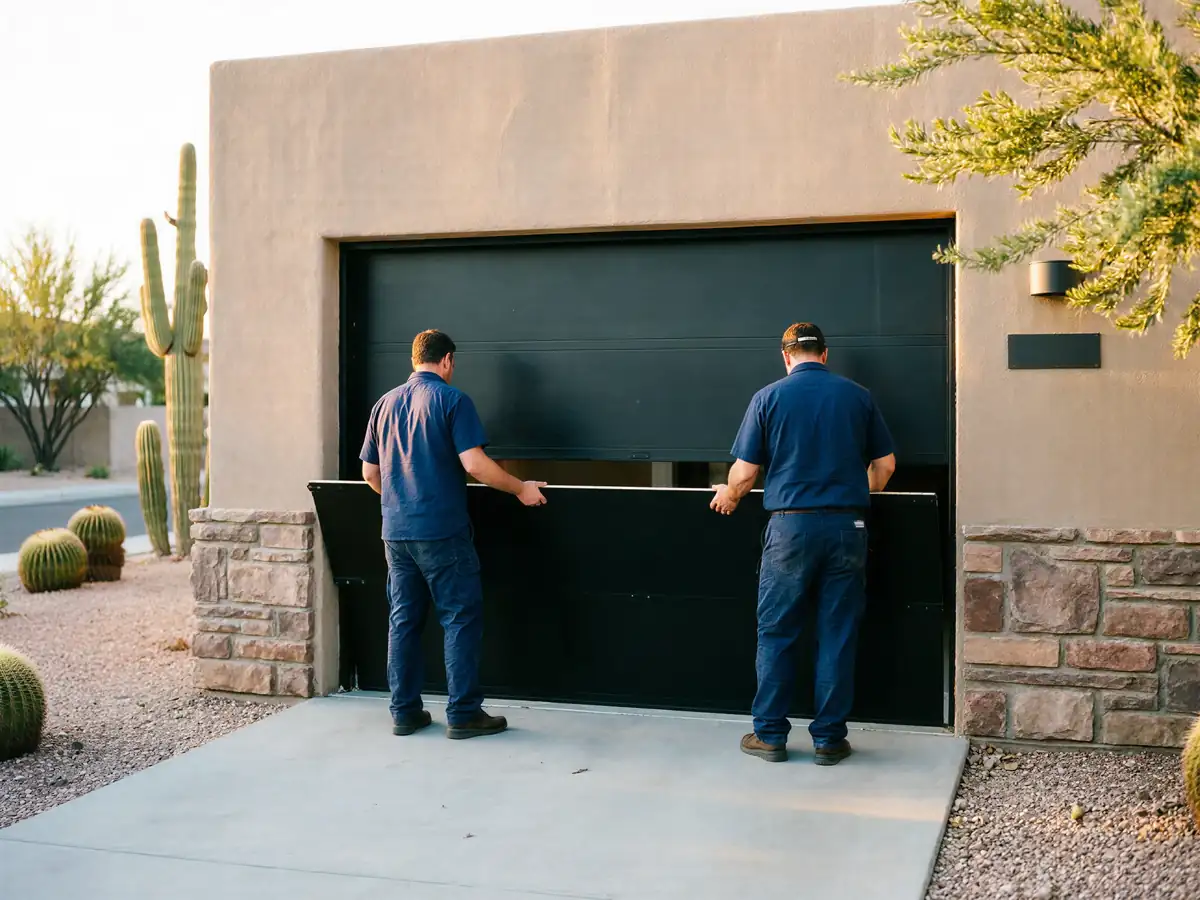
Houses in this part of the valley were mostly built around 1984, which put a steel raised-panel door with a baked enamel finish on most garages out here - usually a 16x7 double or a 9x7 single, non-insulated or single-layer insulated depending on the builder. We carry stock steel panels in the common widths that fit that era's track and hinge spacing, along with matching end stiles and the shorter hinges those doors use.
What we don't carry on the truck is a match for a custom or imported door - the kind more common on the larger lots and higher-end builds out here given the income level in this area. For those we order the panel from the manufacturer, which means a lead time measured in days, not hours, and we tell you that number before we quote the job, not after.
The Complications
A door built in 1984 is now 40 years old, and steel panel profiles get discontinued
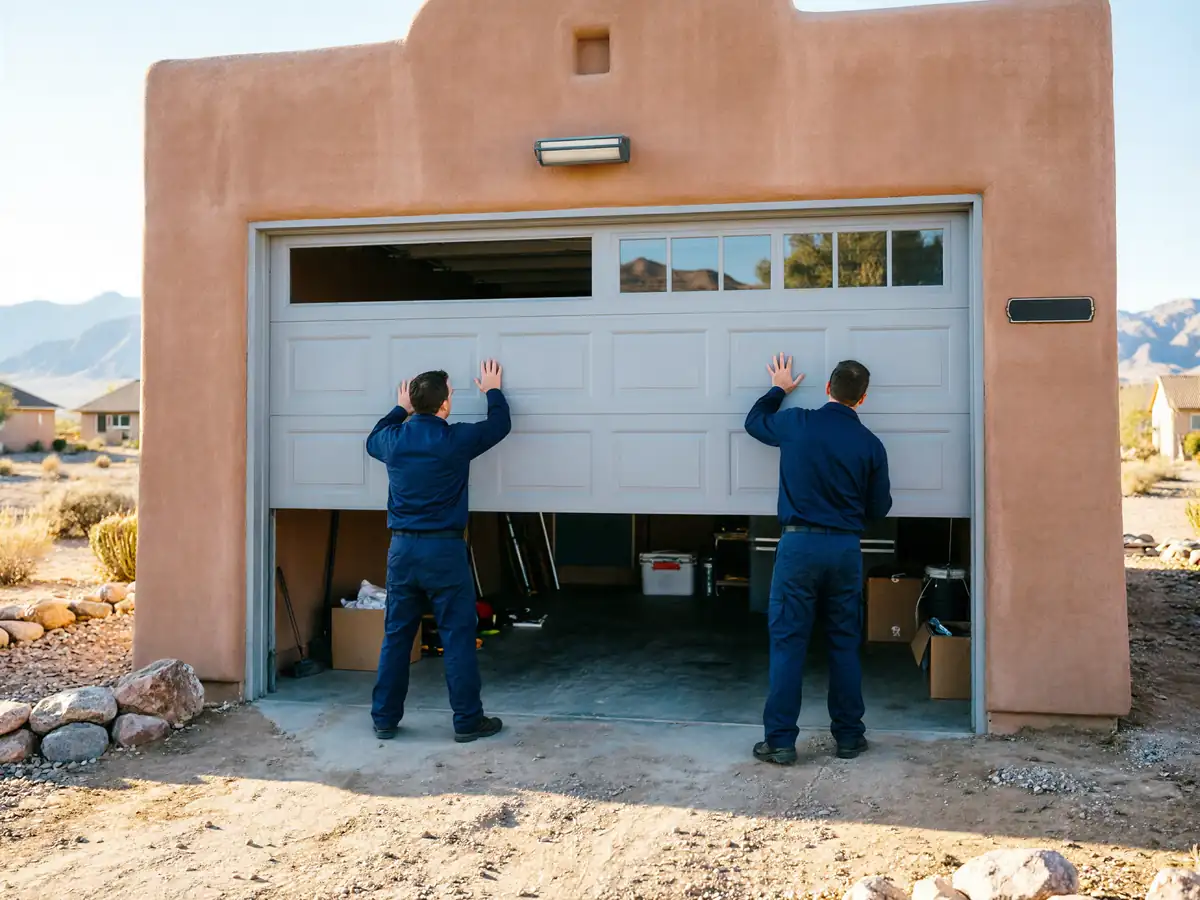
The biggest complication on a Tanque Verde call isn't the break itself - it's finding a panel that fits a door nobody has made in two decades. Sometimes the fix is a close color match on a compatible profile; sometimes it's telling you the section is gone and a full door is the only real option.
- 40 years
The area's severe heat band adds its own wear pattern on top of the age
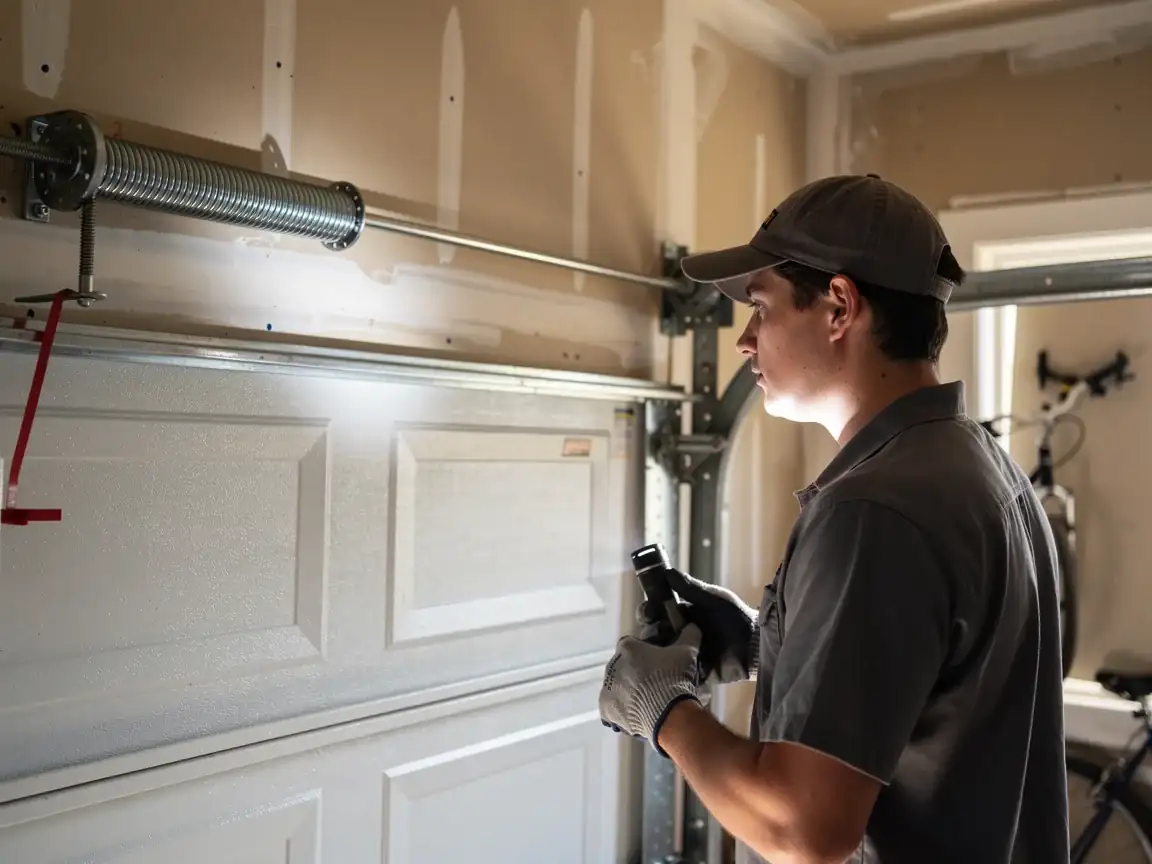
Steel panels from the 1980s and 90s, especially non-insulated ones, take four decades of summer heat on an unshaded south or west-facing garage wall - the paint chalks, the steel can bow slightly at the seams, and foam-backed panels from that era start delaminating at the edges. That bowing is why a panel that looks fine from the driveway sometimes won't seat flush once we pull the damaged one.
Why This Fails Locally
Put the three numbers together and you get the actual failure pattern out here: a door built around 1984, baked by a severe heat climate for forty summers, on a household that - at a median income of $119,212 - is more likely than most in our area to have upgraded to an insulated or custom door somewhere along the way. That mix means two very different jobs can come from the same street: a straightforward steel panel swap off the truck, or a special-order match for a door that was never standard stock to begin with.
We won't pretend a part we don't carry is sitting on the truck, and we won't push a full replacement if a panel swap genuinely solves it. What we will do is tell you which one you've actually got before we start charging for either.