Doing It Yourself
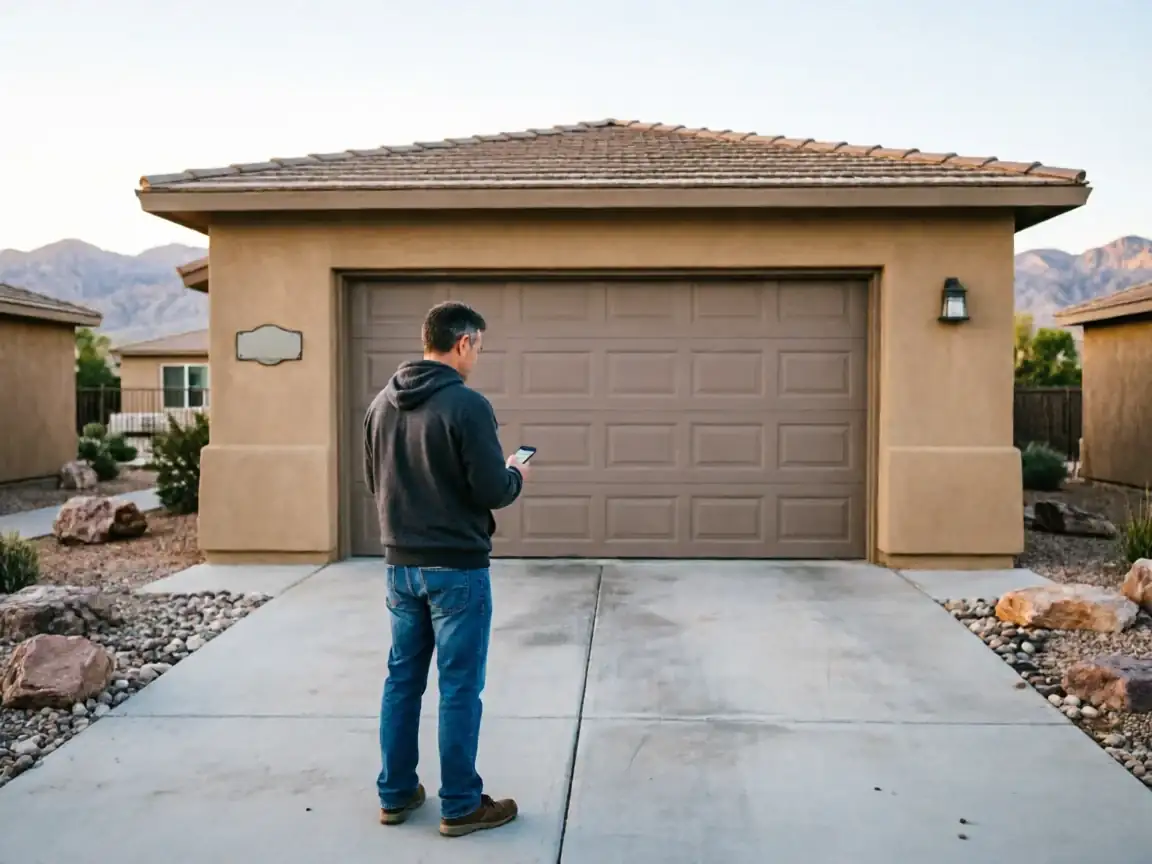
Most houses in Drexel Heights went up around 1986, which puts the garage door hardware squarely in that era of steel rollers, standard-wind torsion springs, and openers with a single safety sensor if they have one at all. A lot of that gear is original or close to it. That's long enough that grease has gone gummy, spring coatings have worn thin, and plastic idler bearings have gone brittle in the sun.
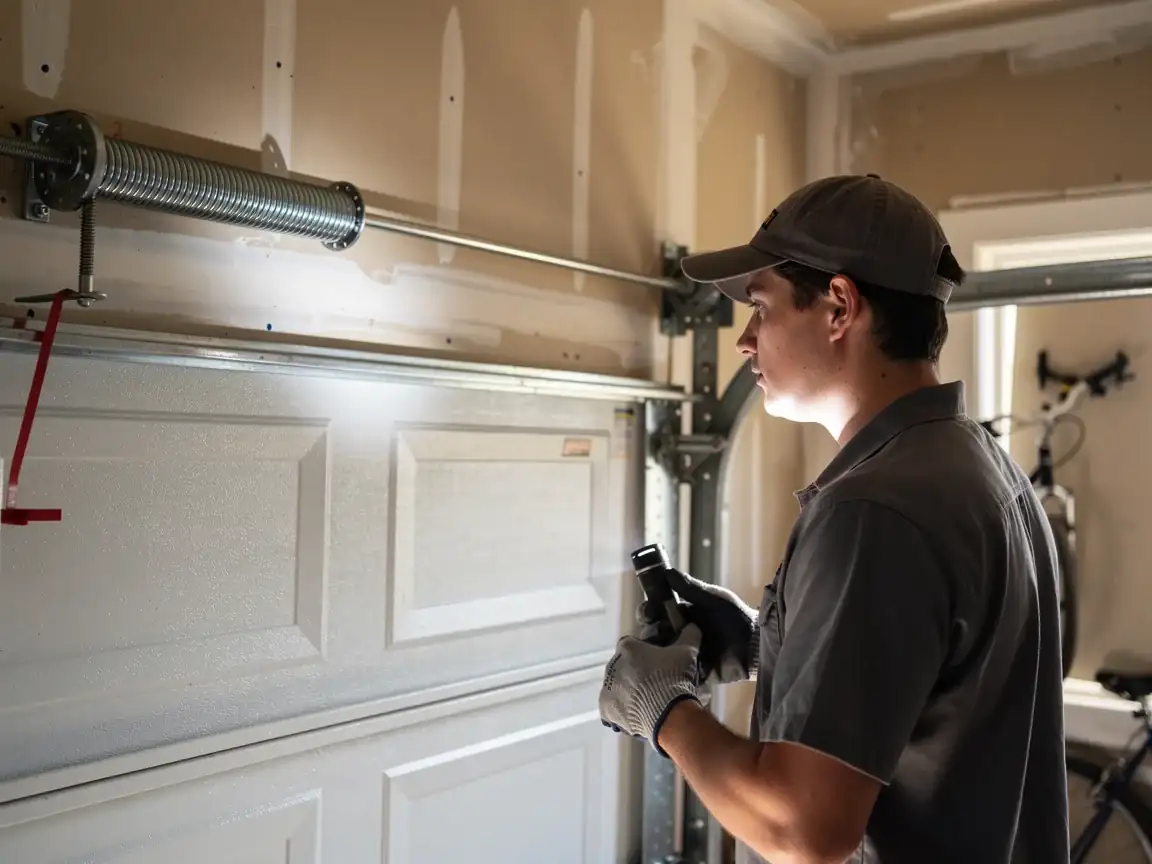
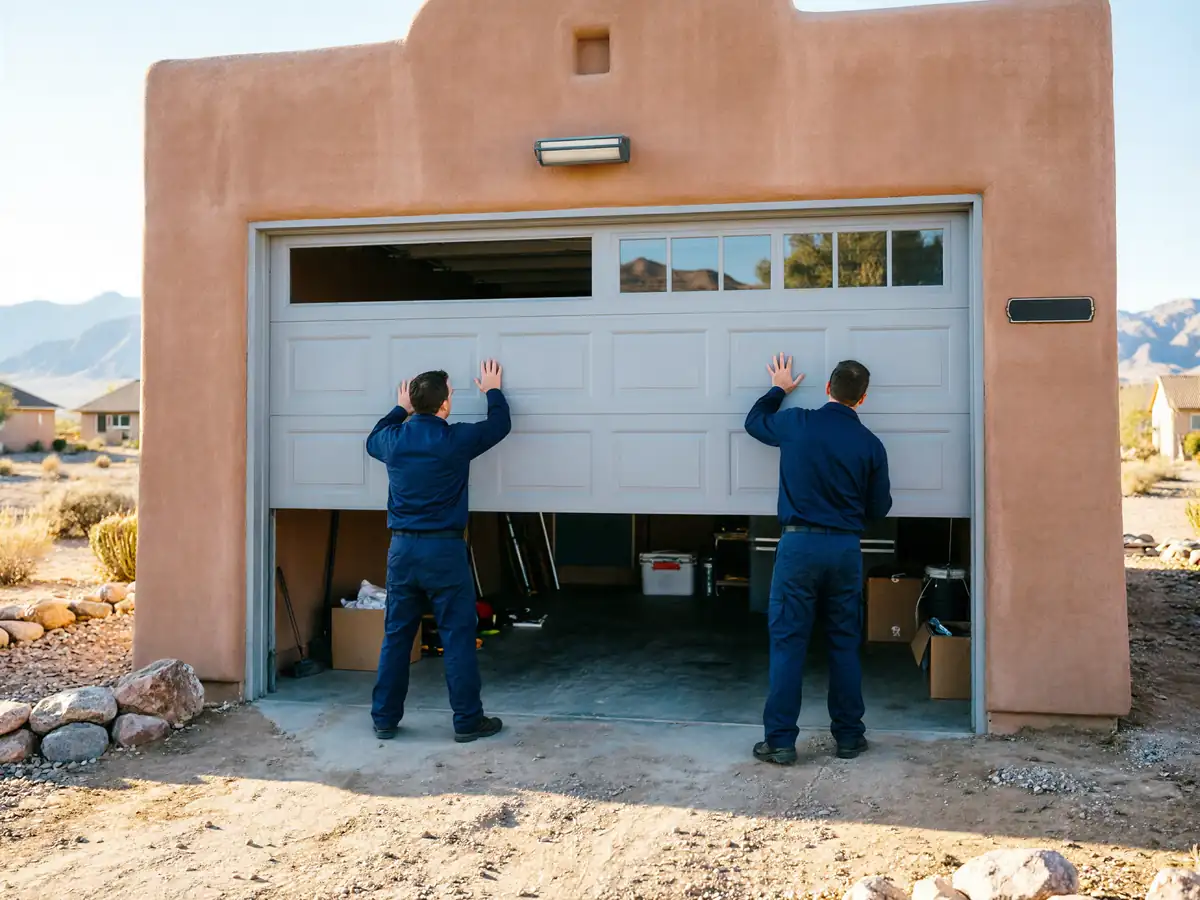
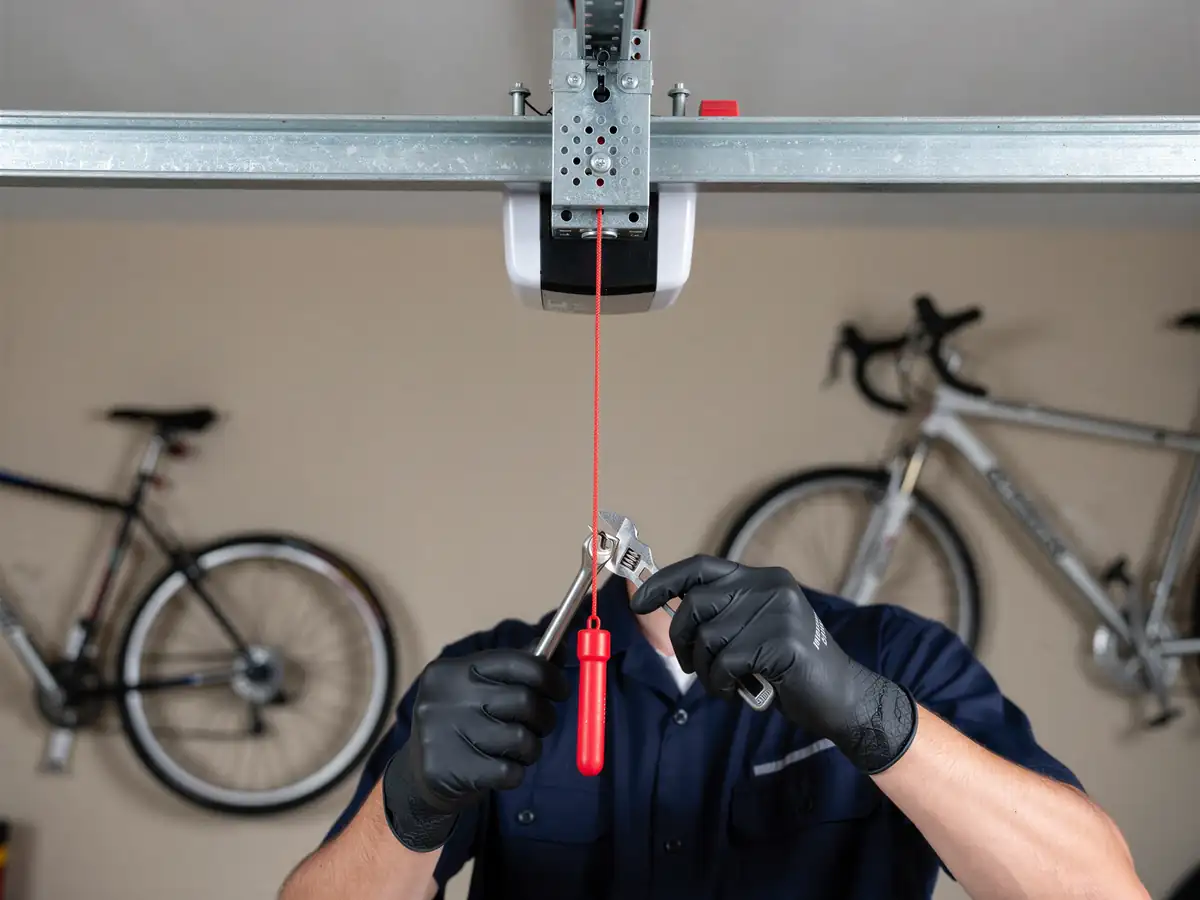
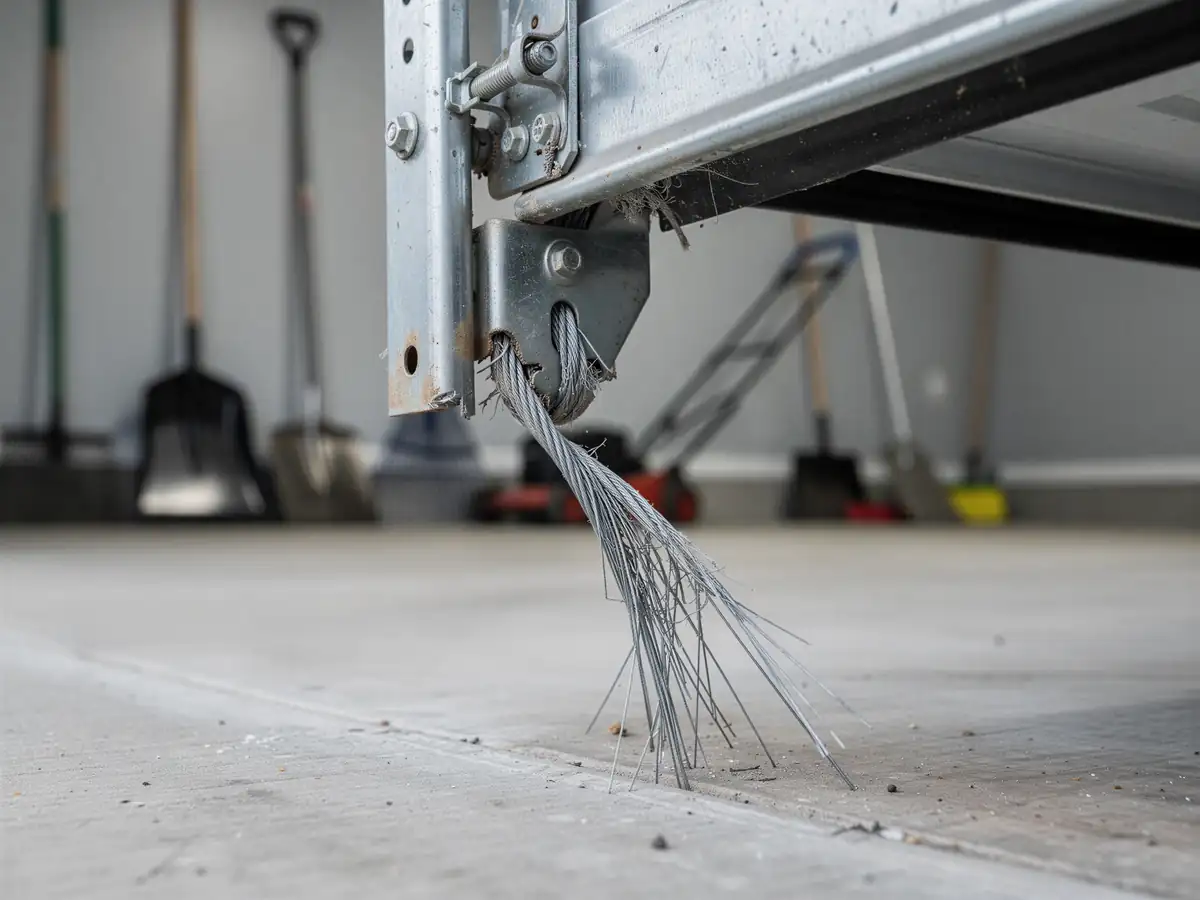
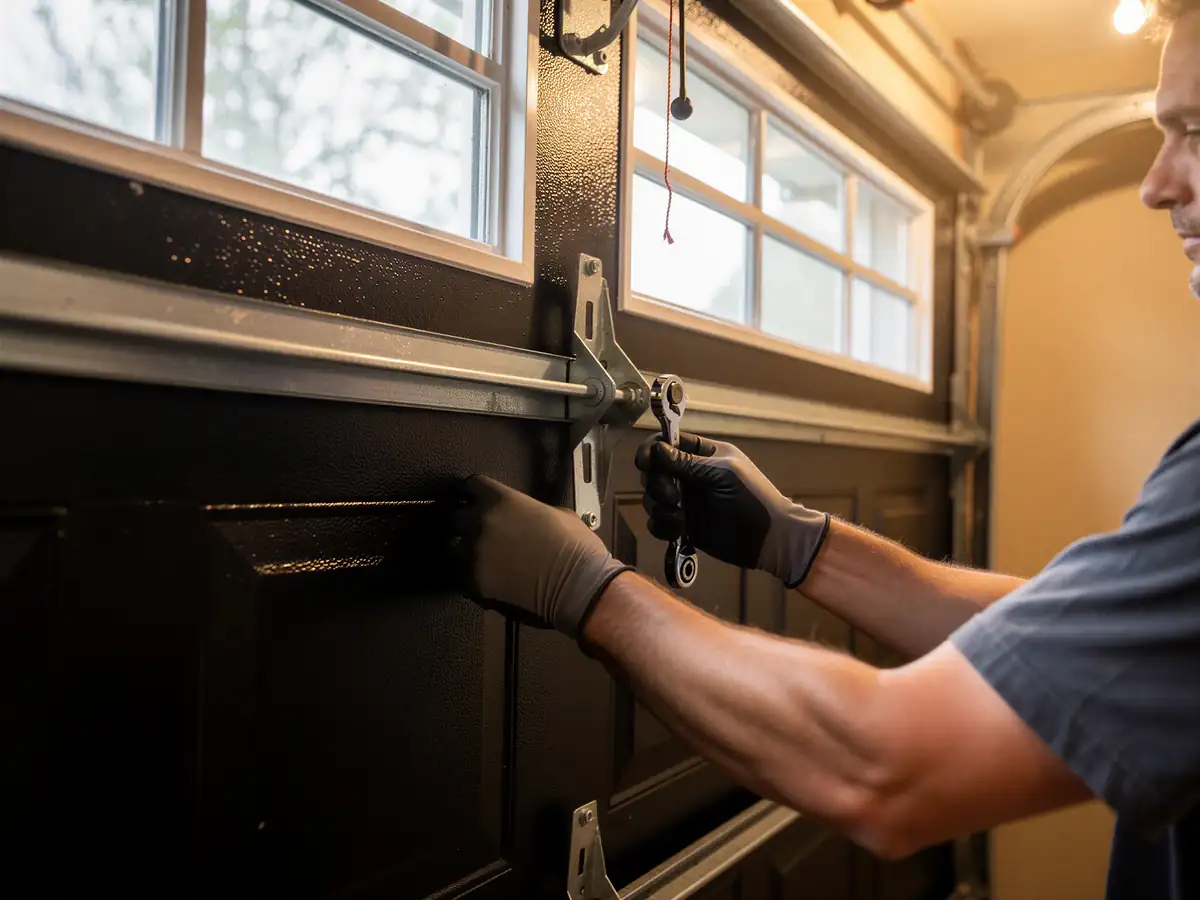
There's real DIY territory here: tightening loose hinges, clearing a track of caked dust, replacing a worn weatherstrip. What isn't DIY territory is the torsion spring itself. A spring that's been under tension since 1986 doesn't fail politely, and the bar and cones that hold it can let go hard enough to break a hand or worse. If your door won't lift, or lifts crooked, or the spring looks stretched or gapped, that's a call, not a project.
One honest limit: we can't always get a matching replacement part the same day for openers or track hardware this old. Some of it's been out of production for years, and we'll tell you straight if we're waiting on a part rather than guessing at a timeline.
What Is on the Truck
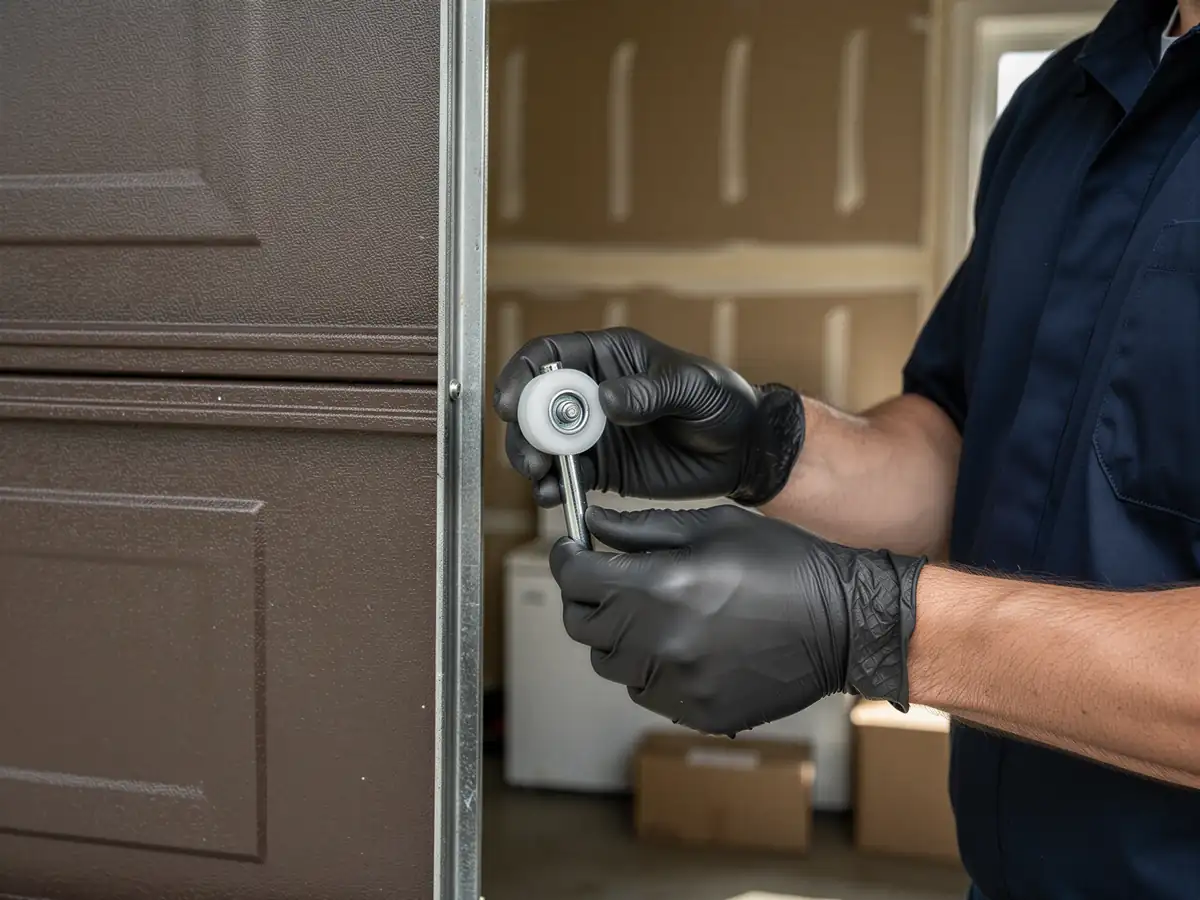
For a service area where the housing stock mostly dates to the 1980s and 90s, the truck carries what that era actually needs: torsion springs in the common residential sizes, steel and nylon rollers, standard-lift cable, and the fasteners and brackets that fit older galvanized track rather than today's thinner profiles. We also carry sensor kits, since a lot of these original openers predate the photo-eye safety requirement and owners are often retrofitting rather than replacing the whole unit.
What we don't stock on the truck is anything proprietary to a single opener brand's discontinued remote system, or specialty extension-spring hardware for the rare non-torsion setup. If your door falls into either category, we'll scope it on site and tell you honestly whether it's a next-visit part or a straightforward swap. We'd rather say that up front than charge for a guess.
How It Shows Up
Drexel Heights sits in a severe-heat climate band
And that shows up in specific ways on doors built in the mid-80s. Nylon rollers that have spent decades expanding and contracting in triple-digit heat crack and flat-spot, which you hear as a thump on every rotation rather than a smooth roll. Lubricant on the springs and track bakes out faster here than it would in a milder climate, so coils that look fine can still be dry and starting to bind.
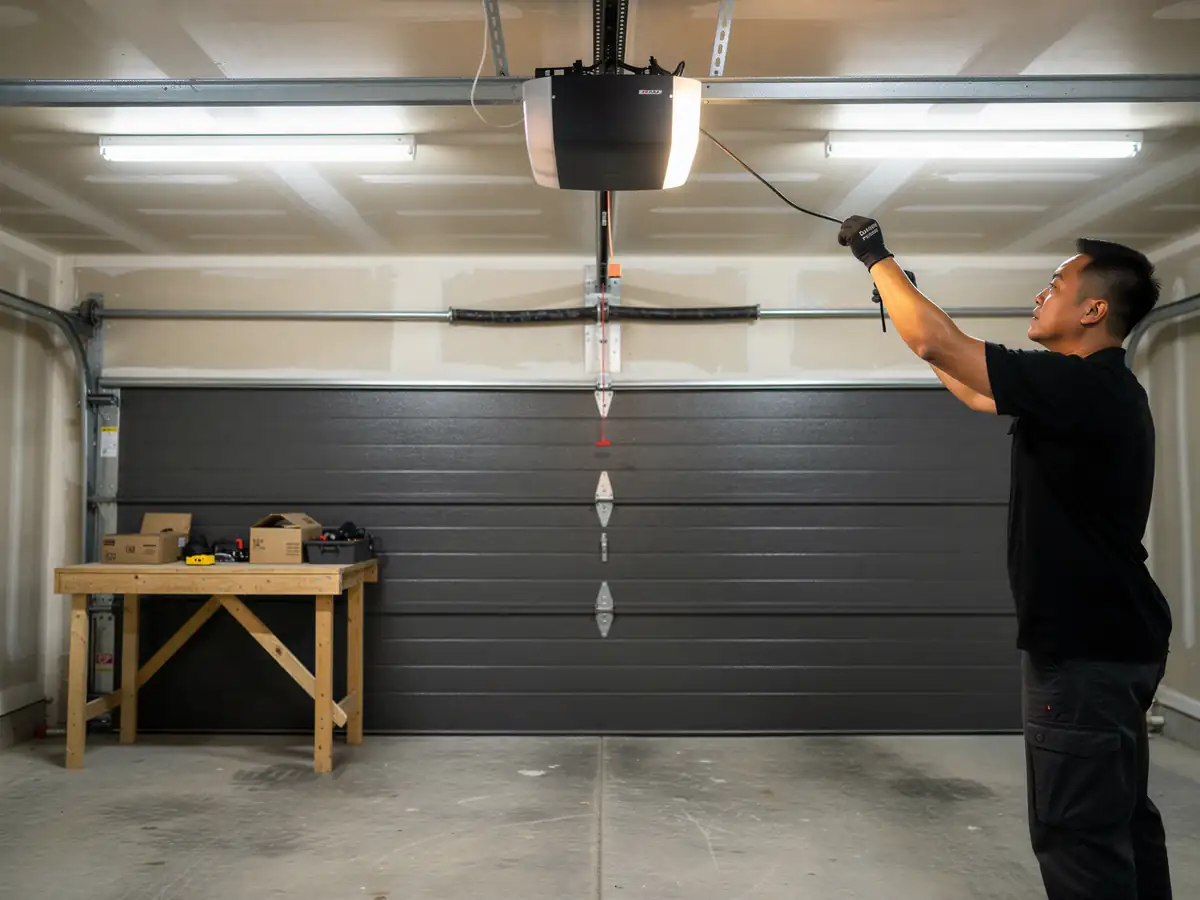
Opener logic boards and sensors mounted low near a hot concrete slab also take more heat stress over the years than units in a shaded or interior garage would
And we see more sensor misalignment and board resets in homes of this vintage than in newer construction. None of this means the door is failing today, but it does mean the symptoms here tend to be heat-driven wear rather than sudden breakage, and worth catching before a 100-plus-degree week turns a dry spring into a snapped one.
How Long It Takes
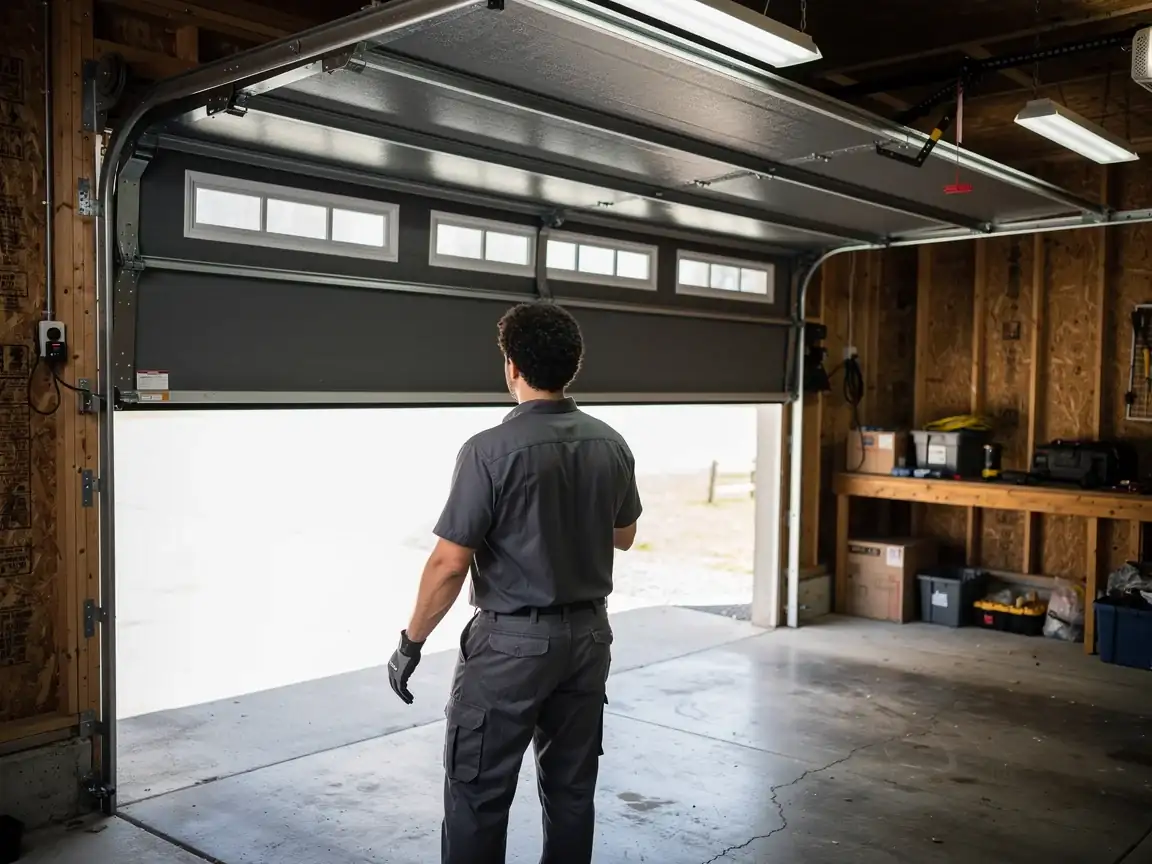
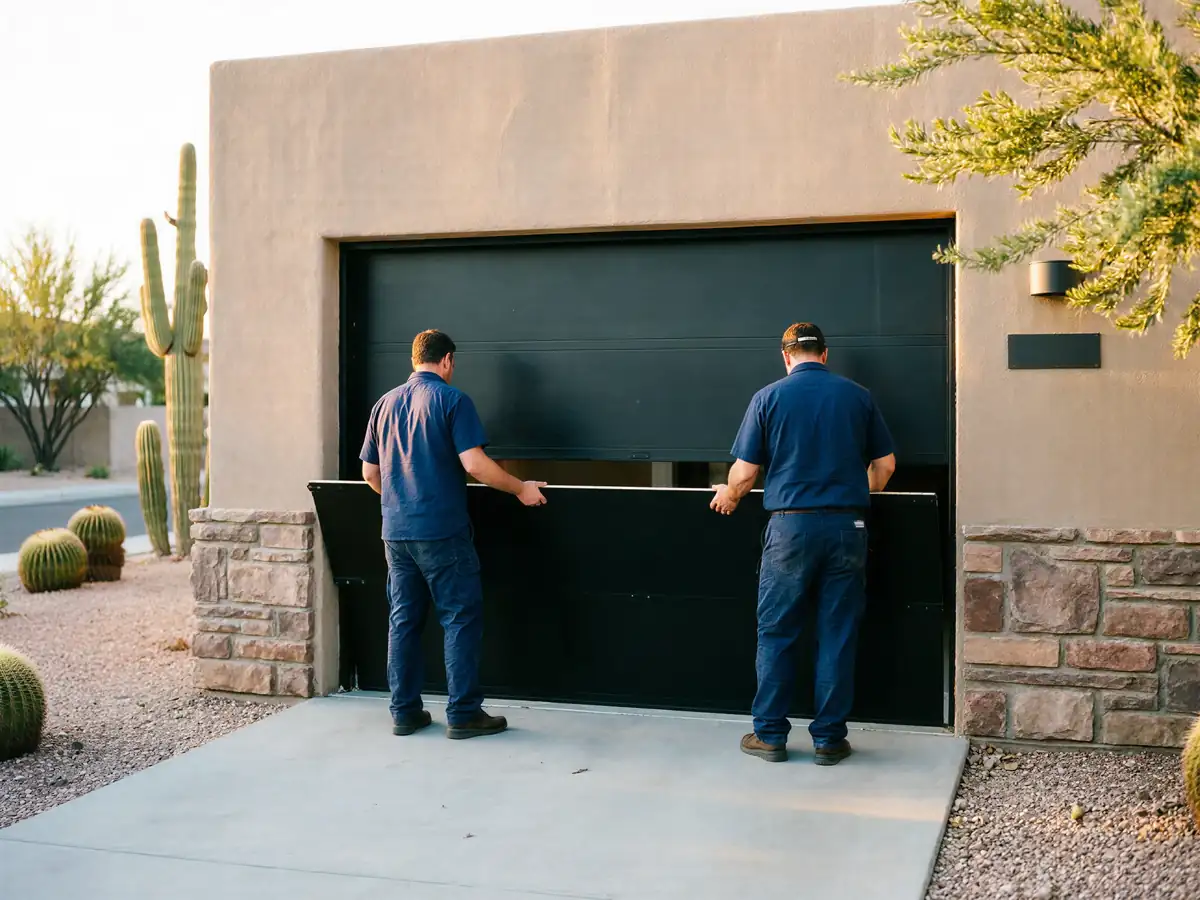
We run this call from Oro Valley, about 20 miles out, so the drive is part of the schedule, not an afterthought. Once we're on site, work on a typical 1986-era door, a spring replacement, roller set, or sensor repair, is usually a same-visit job because the parts for this housing stock are the ones already on the truck.
What extends the timeline isn't the repair itself, it's sourcing anything specific to an opener model that's no longer made. We'll flag that at diagnosis, not after we've already made the trip twice.
What You Pay
We don't post a flat price list because the job varies with what's actually on your door, a single torsion spring swap on a standard double door isn't priced the same as a full roller and cable set on hardware that's been flexing since 1986. What we can tell you is that we price the job after we've looked at it, not before, and the quote accounts for the drive from Oro Valley as part of doing business here, not as a surprise line item.
If a repair would cost more than putting that money toward a new door, especially on hardware this old where parts are getting harder to match, we'll say so. Replacing a door isn't always the upsell; sometimes it's the honest answer for a 1986 setup that's been patched twice already.