Doing It Yourself
Most houses in Drexel Heights went up around 1986, and a lot of them are still running the panel set that came with the house. That's close to forty years on steel that was never meant to last that long in this heat. If one section is dented or sun-cracked, you can sometimes find a close match online, but matching a 1986 panel profile to whatever a supplier stocks today is a gamble - the rib spacing and seam width on older doors often don't line up with current production runs.
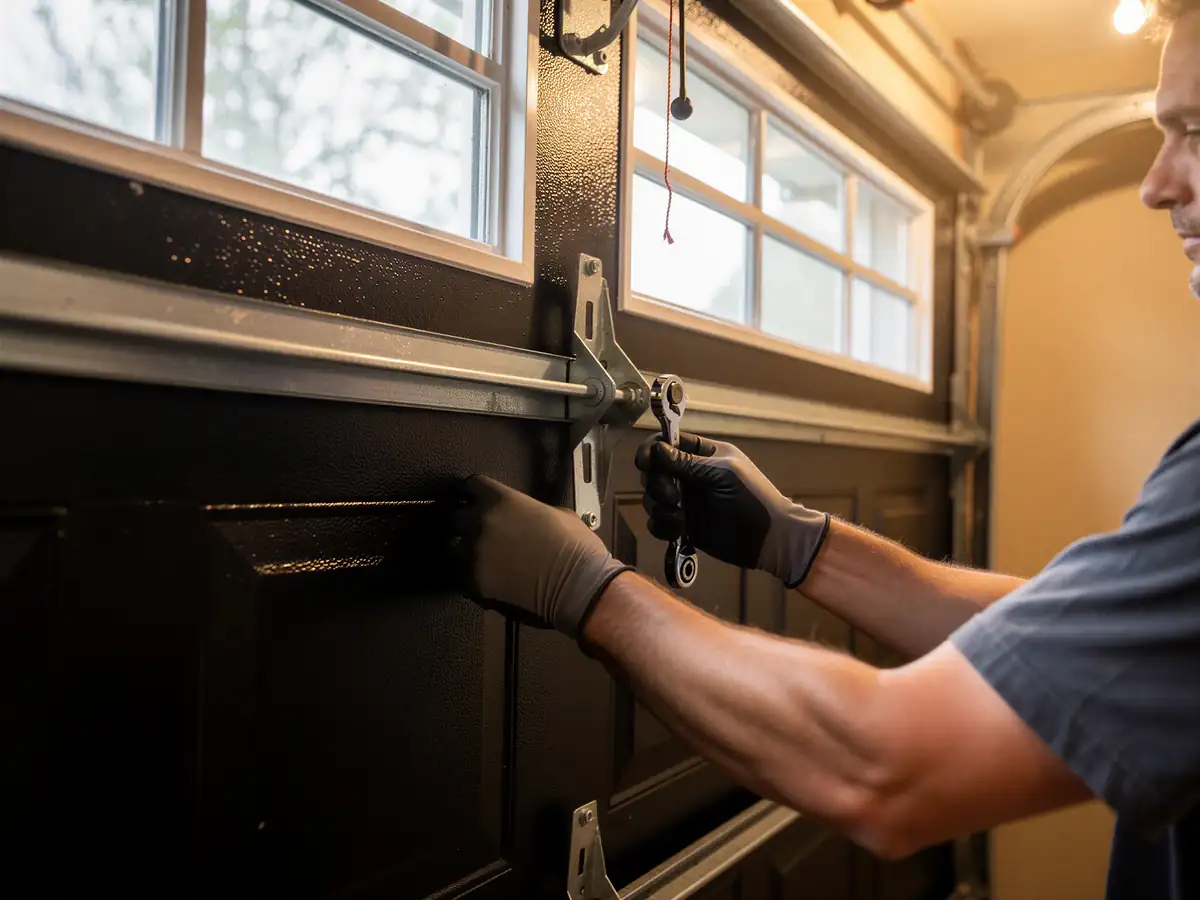
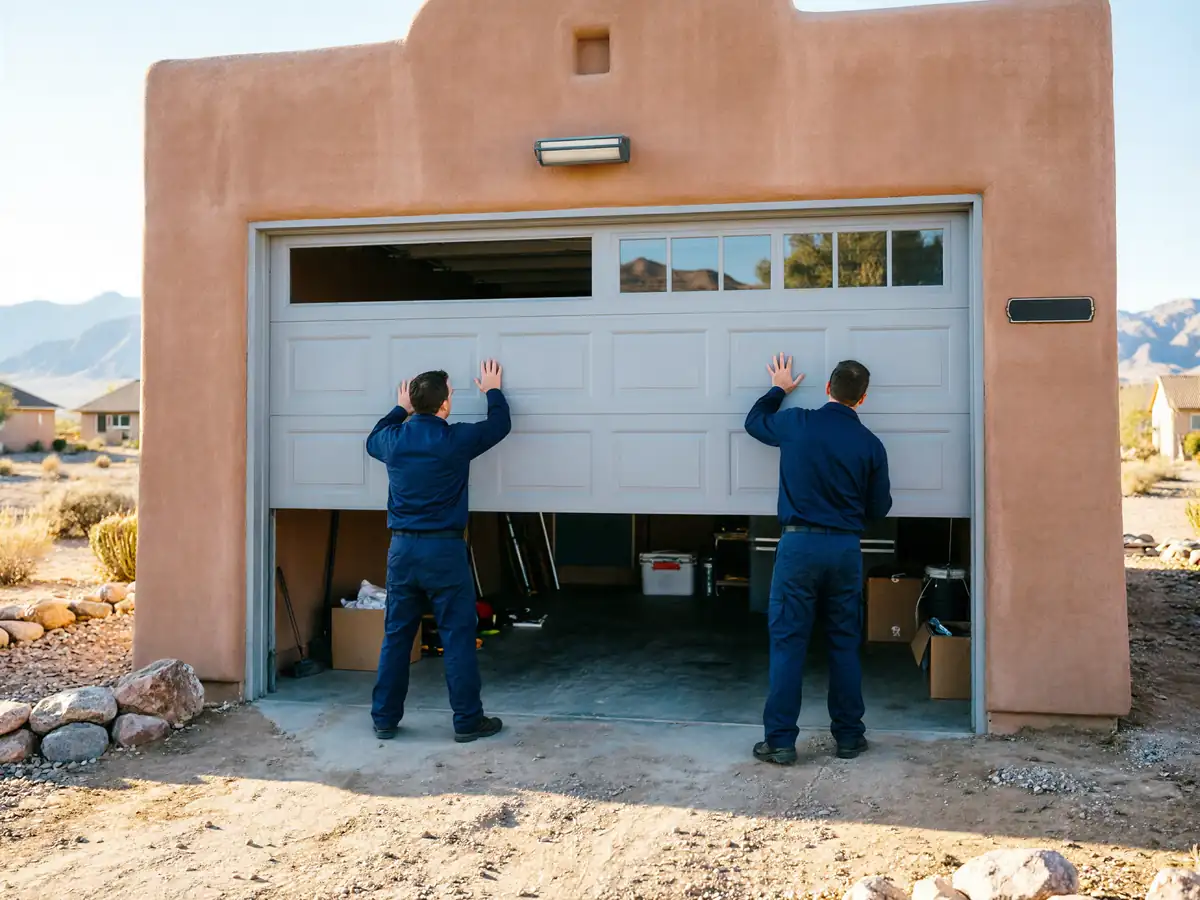
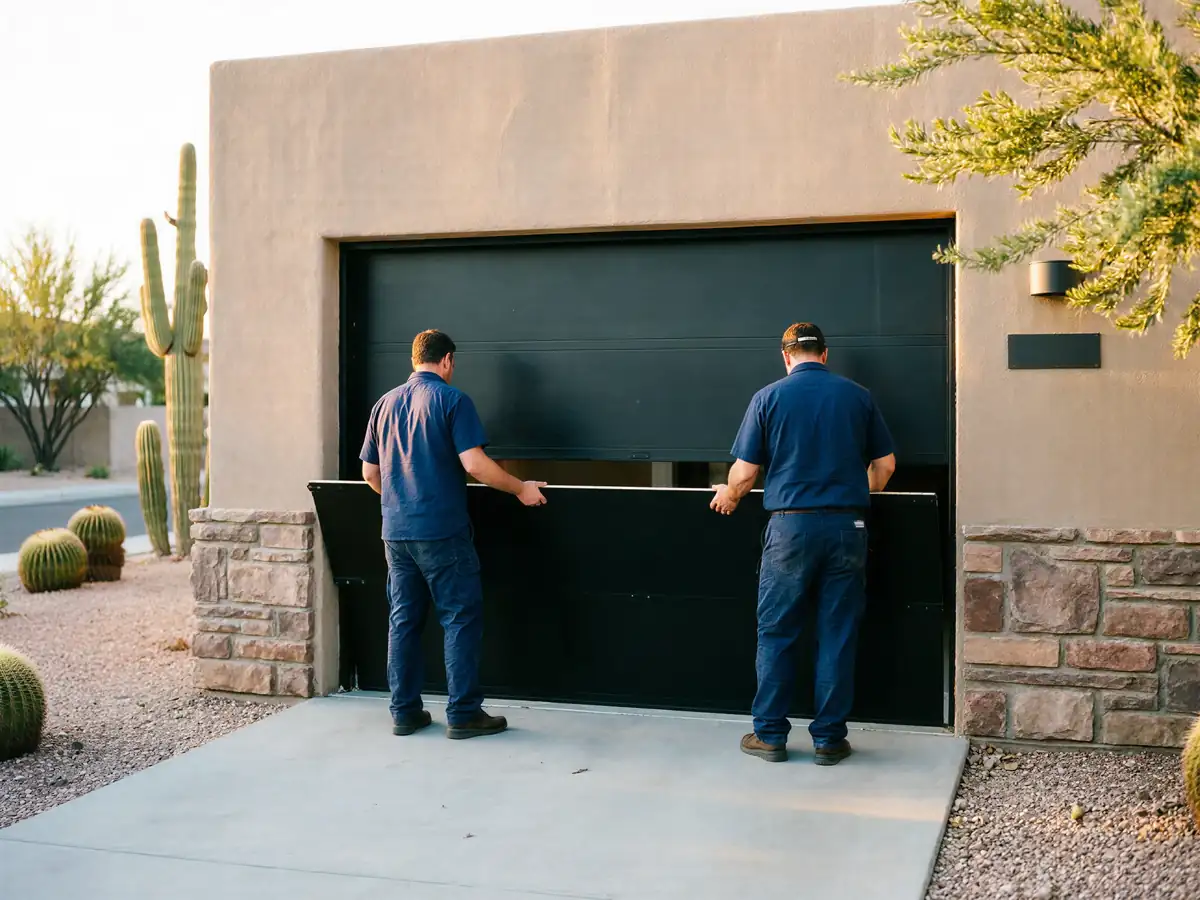
Swapping a single panel yourself is possible if the door is a basic raised-panel steel model and you can find the right match, but garage doors from this era are frequently out of production, which means the whole section has to be custom-ordered rather than pulled off a shelf. If the hinges or end stiles are also original - and on a door this age they usually are - pulling one panel can reveal that the fasteners have corroded into the track hardware, turning a one-panel swap into a full-day project. We're honest that this isn't always a DIY-friendly repair once you're past the first panel.
We don't push full door replacement if one panel will do the job - but when the rest of the hardware is original 1986 stock, patching one section while the rest ages out around it rarely saves money over a few years.
What Is on the Truck
Because the trip out to Drexel Heights runs about 20 miles from our Oro Valley base, we load for the job before we leave rather than guessing on site. That means bringing panel stock in the common widths and colors used across the area's 1980s and 90s construction, along with the hinges, end caps, and fasteners that tend to need replacing alongside an old panel - not just the panel itself.
What we can't do is stock an exact match for every discontinued profile on the truck. If your door is a less common brand or a custom color from the 1986 build run, we may need to order the section and come back, rather than finish in one visit. We'd rather tell you that up front than show up without the right part.
Given the severe summer heat this area sees, we also carry UV-stabilized panel stock rather than standard steel, since a mismatched panel that fades or warps faster than the rest of the door just creates a second repair down the line.
How It Shows Up
The fault pattern in Drexel Heights tends to follow the age of the stock, not a single cause
On a 1986 door, a bowed or buckled bottom panel is usually the first thing that fails - years of summer heat expanding and contracting the steel eventually warps the section nearest the slab, where afternoon sun hits hardest. Upper panels crack more often from impact than heat, but on original hardware the fasteners holding them are often the real problem once you pull the section.
With roughly a third of a century on the same door
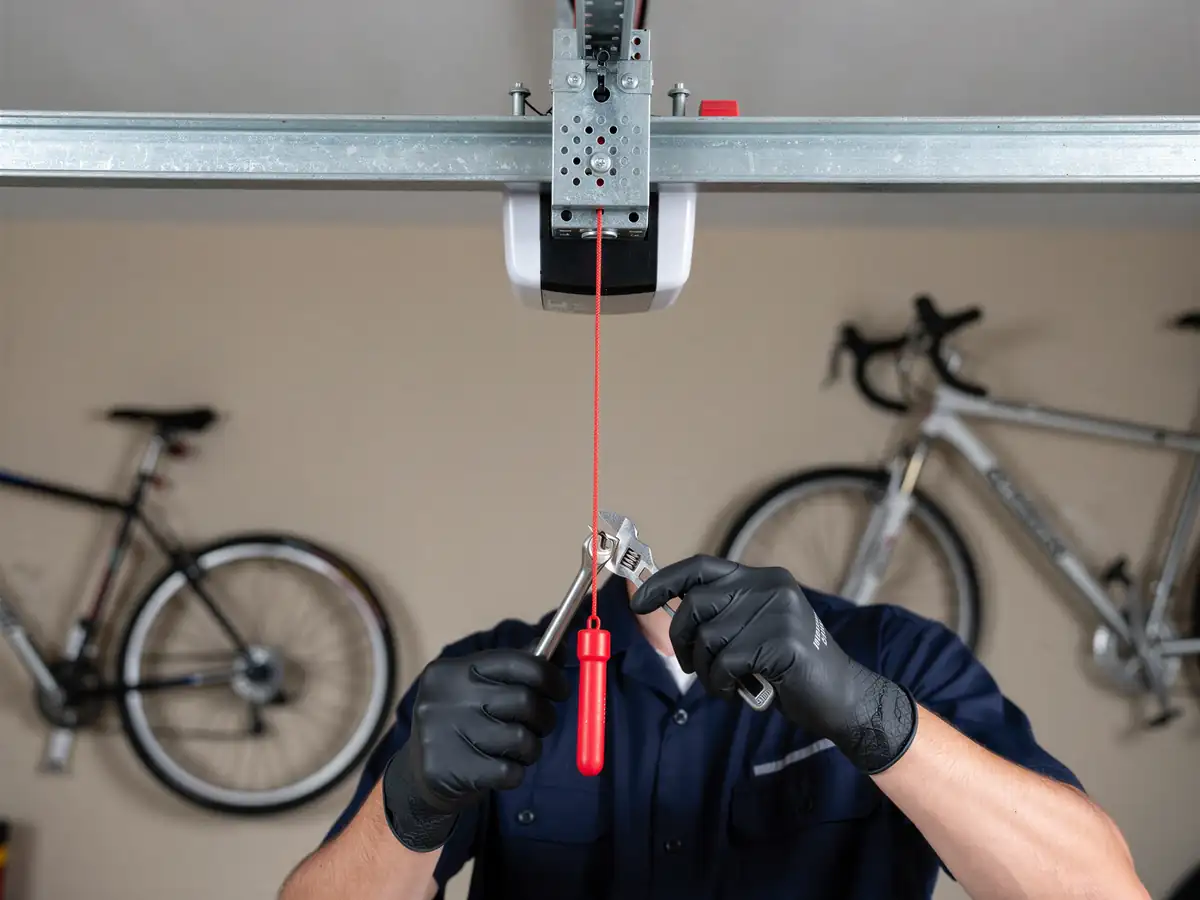
It's common to find that the panel itself isn't the only thing original - the rollers, hinges, and sometimes the springs are too. Replacing a panel on a door where everything else is also at the end of its life is still a legitimate repair, but it's worth knowing you may be back for the rest of the hardware within a year or two.
How Long It Takes
A standard single-panel swap, where we're carrying the right stock on the truck, usually runs about the same regardless of which part of the service area we're in - the work itself doesn't change with the address. What does change is the lead time if the panel has to be special-ordered, which is more likely on a 1986 door than a newer one, since manufacturers rotate profiles and colors out of production over decades.
We won't quote a turnaround for a part that isn't confirmed in stock. If your panel matches something we carry, the job finishes same visit. If it doesn't, we'll tell you honestly that it's an order-in part before we start, not after.
What You Pay
We don't have a published price list for panel work here, since the cost depends heavily on whether the section is in stock or has to be special-ordered for an older profile - which, given the area's 1986-era housing, happens more often than in newer subdivisions. What we can tell you is that the trip itself doesn't change the quote; the 20-mile run from Oro Valley is built into how we schedule the area, not added as a separate line.
Household incomes here run a bit higher than some of the other areas we cover, but that doesn't change what we charge - the price follows the part and the labor, not the zip code. If you want a number before we're on site, send a photo of the door and we can usually narrow it down.