Doing It Yourself
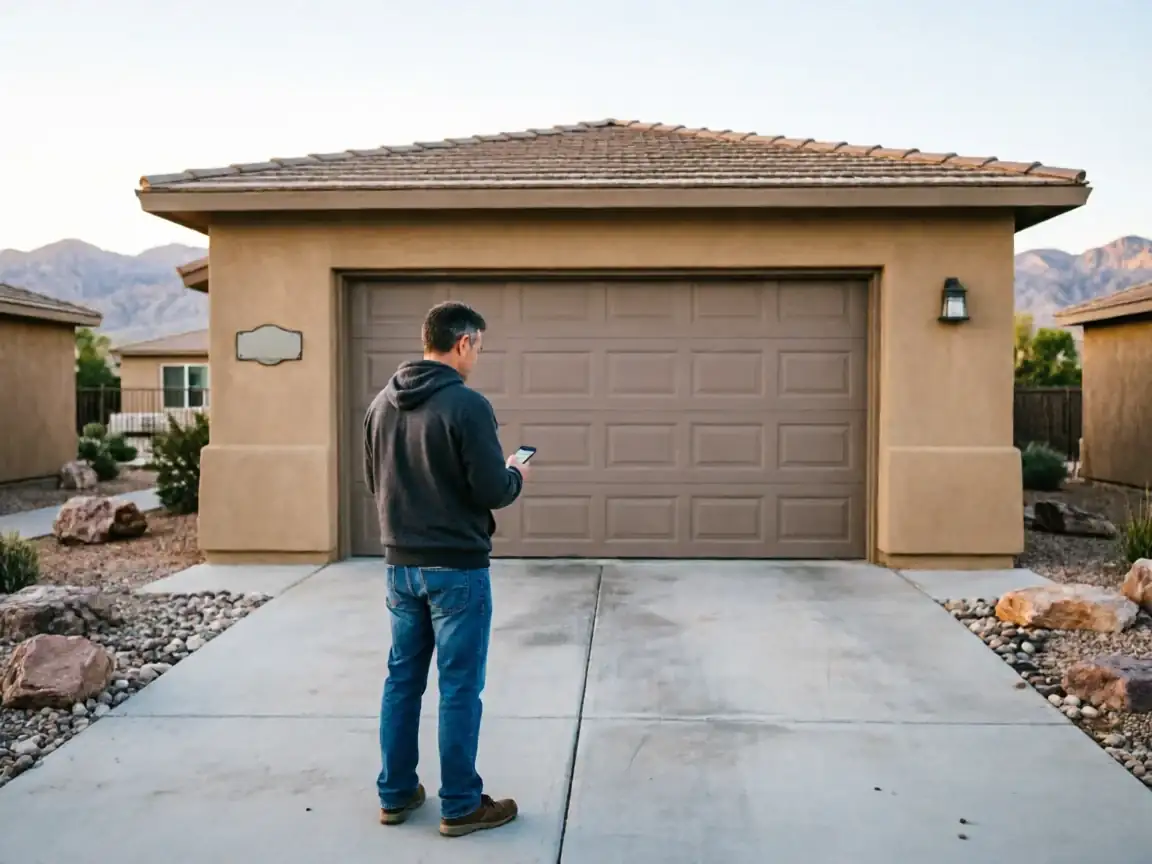
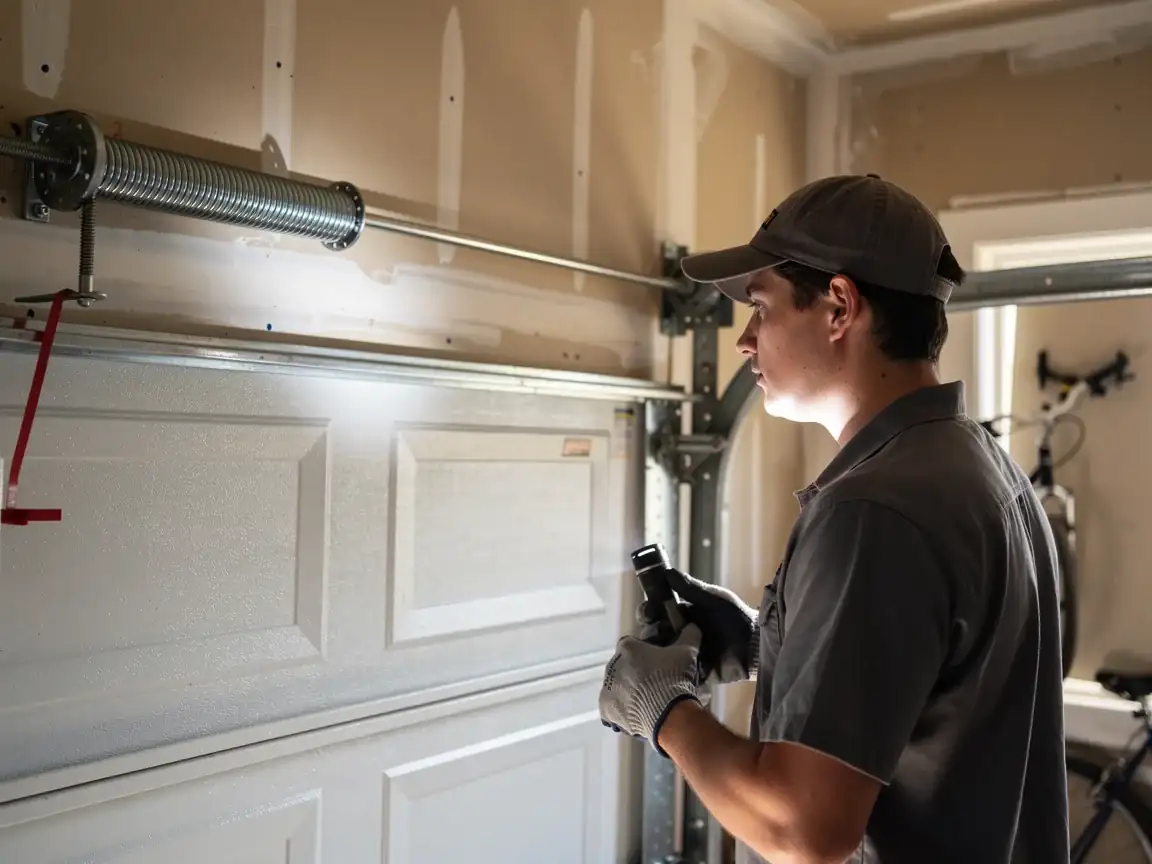
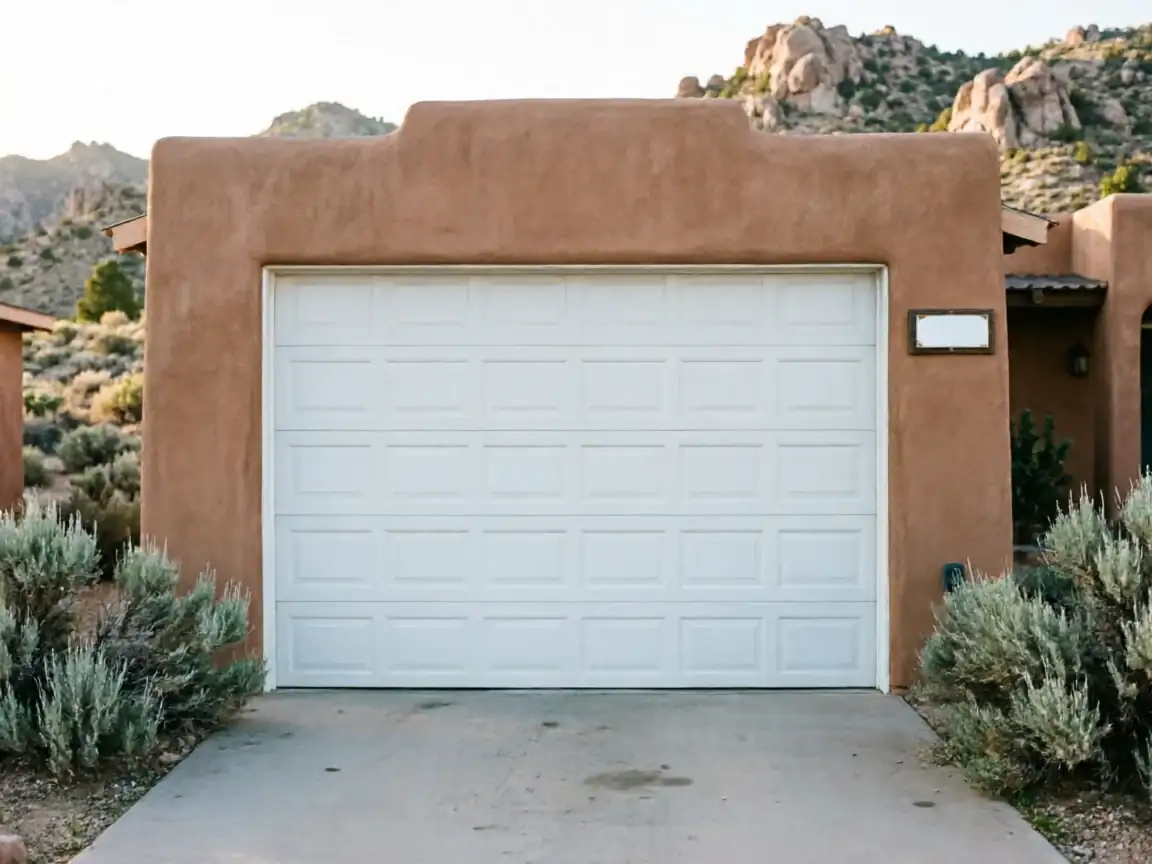
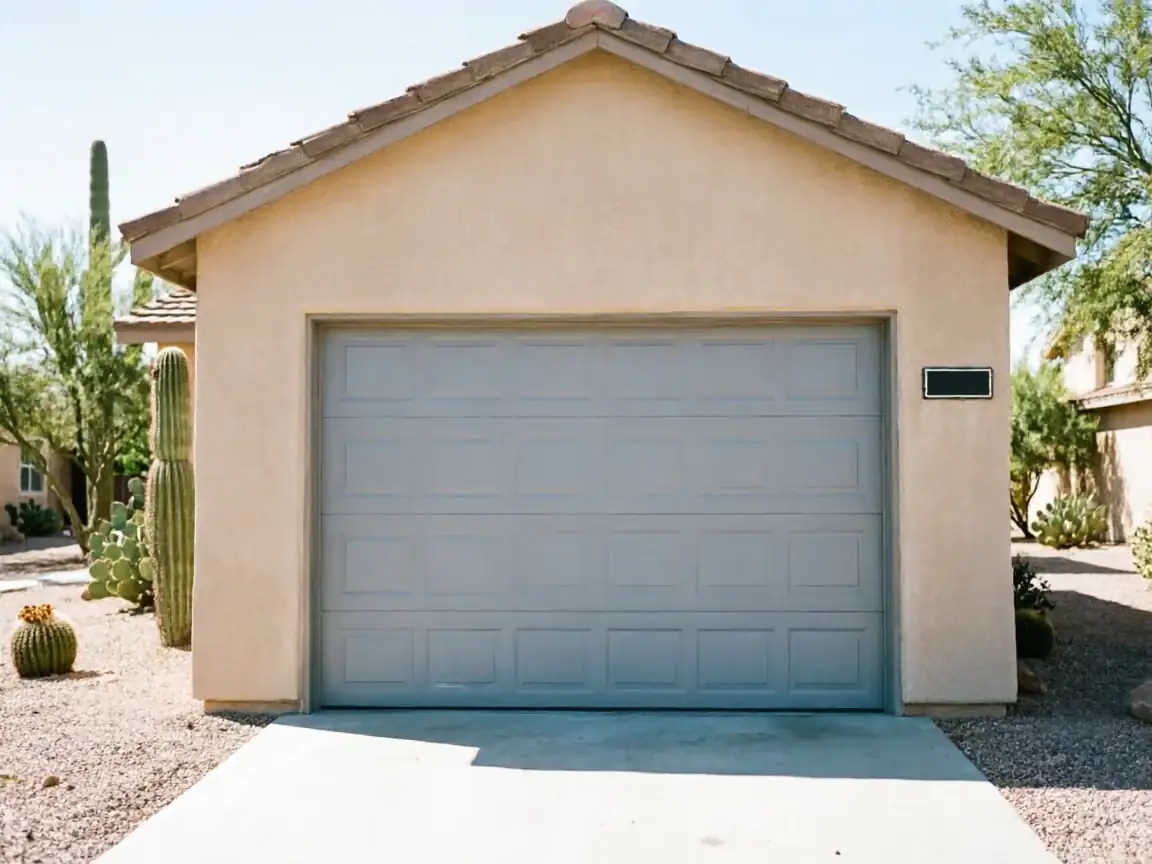
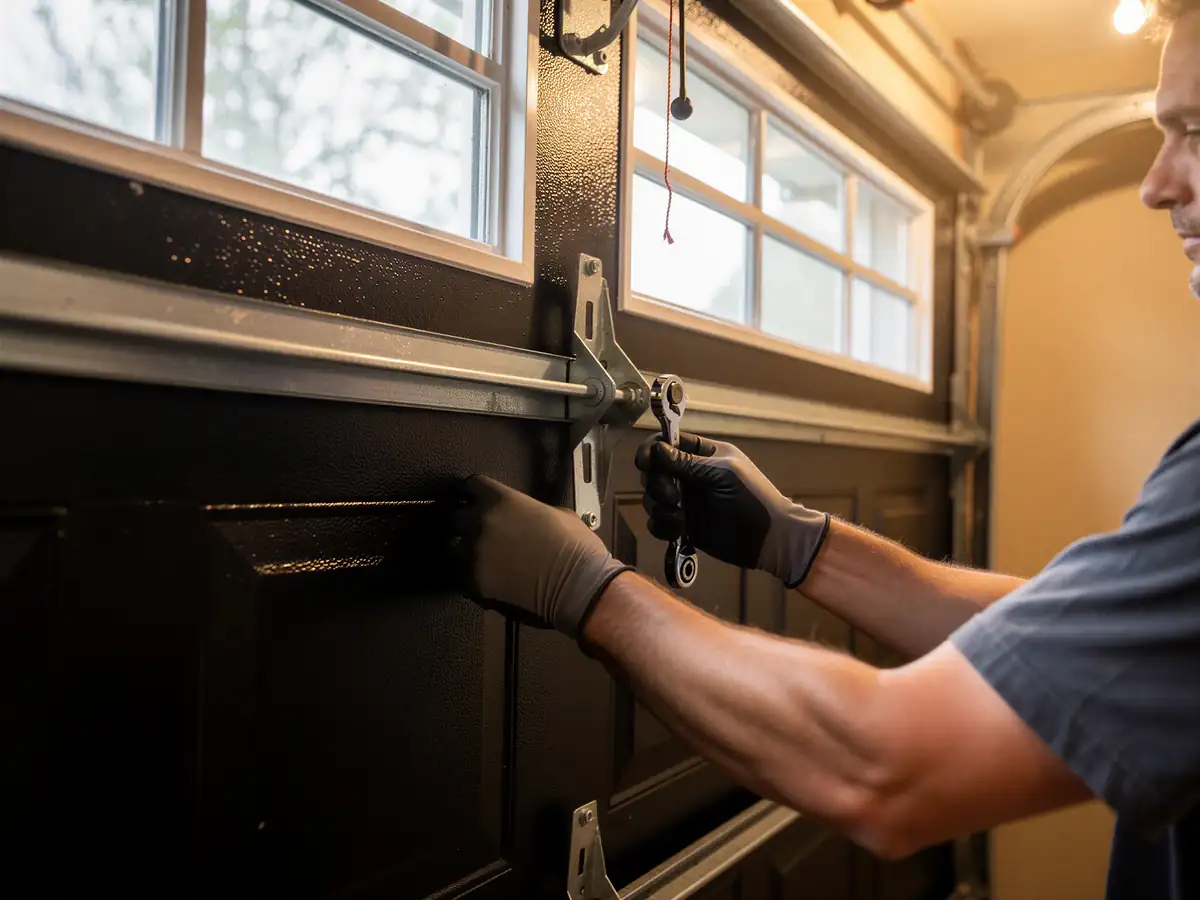
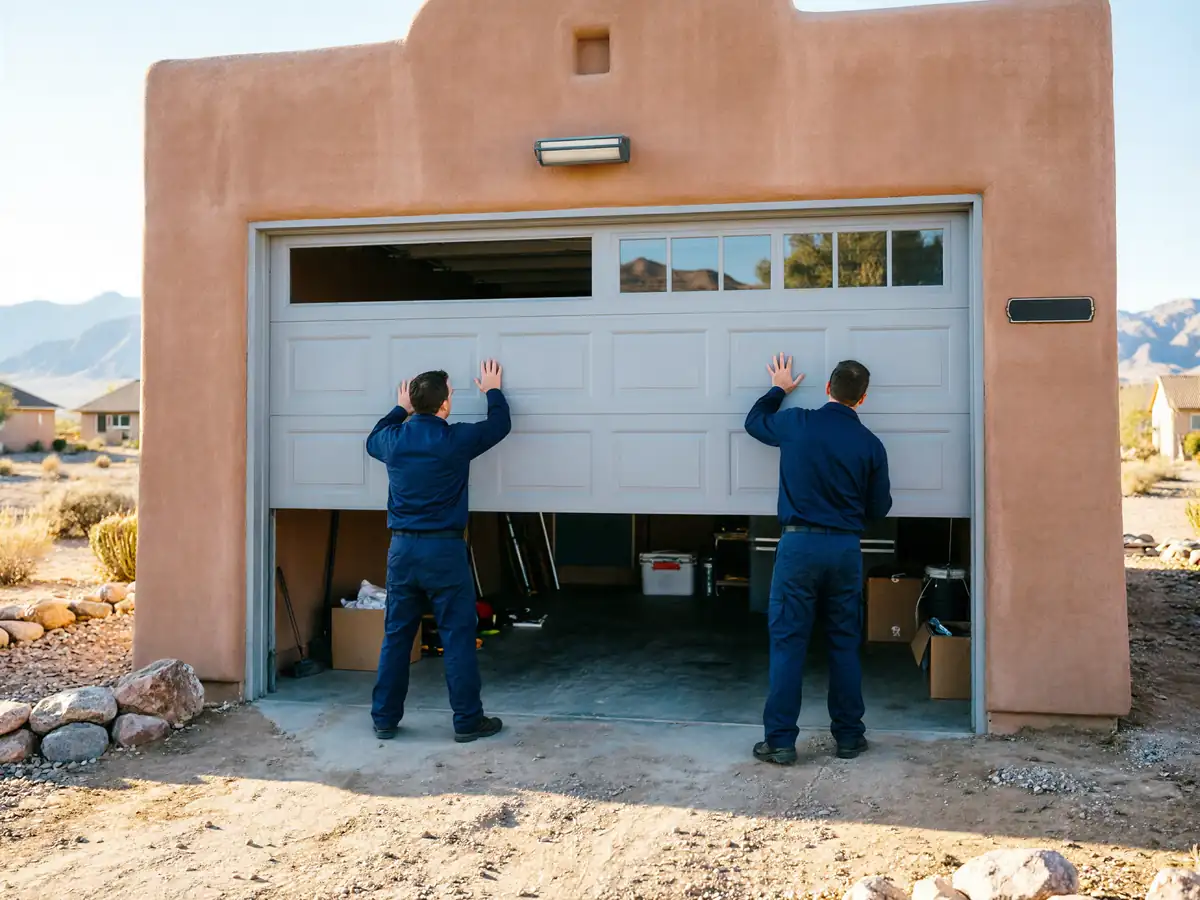
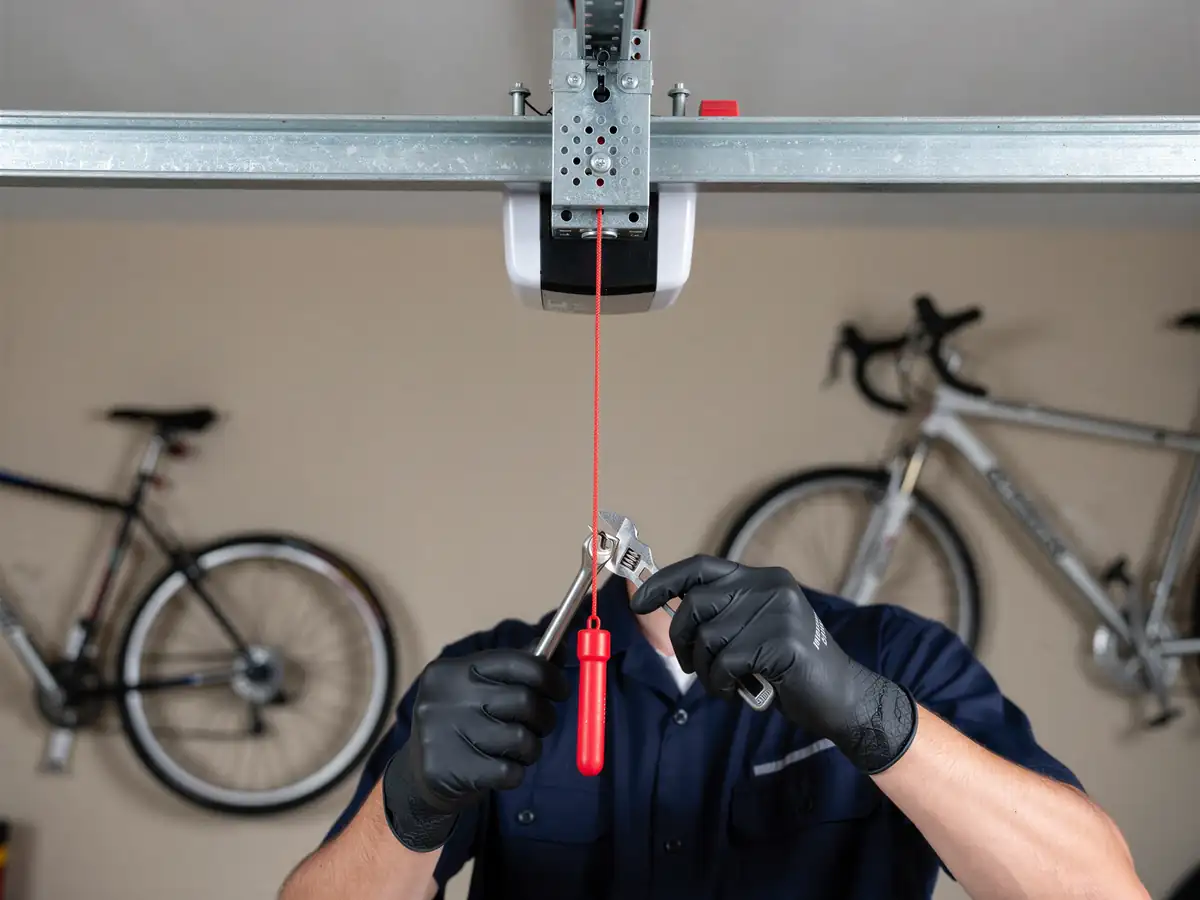
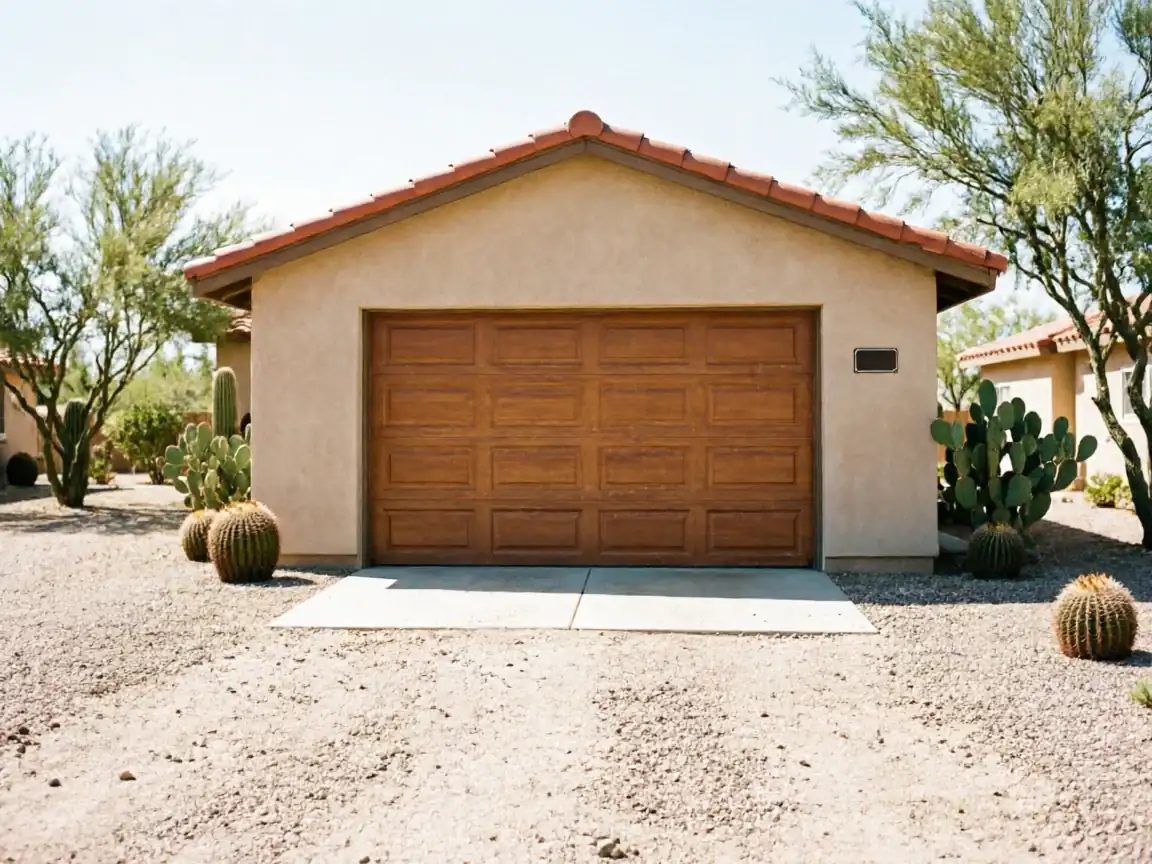
Drexel Heights sits about 20 miles from our shop in Oro Valley, which matters more than it sounds like. That drive means a tech isn't swinging by on a whim to eyeball a squeak - if we're coming out, we're bringing a full stock of torsion springs, rollers, and cable sized for what's actually common on this side of the valley. Before you call, there's a short list of things worth checking yourself: is the opener plugged in, is the wall switch tripped, are the photo-eye sensors at the bottom of the track lined up and clean. Houses here mostly date to the mid-1980s, and after close to forty years a lot of that original hardware is tired rather than broken - a sticky track that just needs lubricant, a loose bracket you can snug with a wrench. What you should not do yourself is touch a torsion spring. Those doors were built with high-tension springs that can break a hand or worse, and on a door this old the spring is usually original and well past its rated cycle count. If the door won't budge, or it slams down instead of lowering, that's a call, not a weekend project.
What Is on the Truck
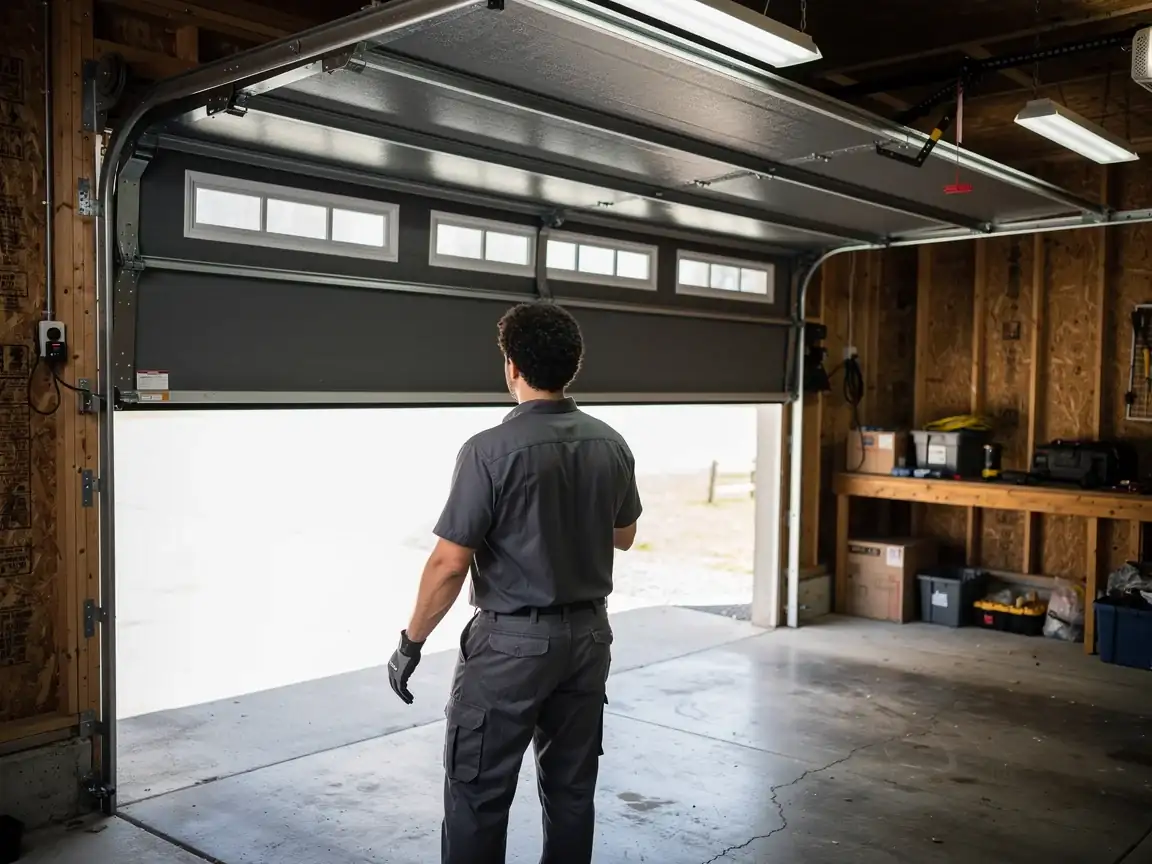
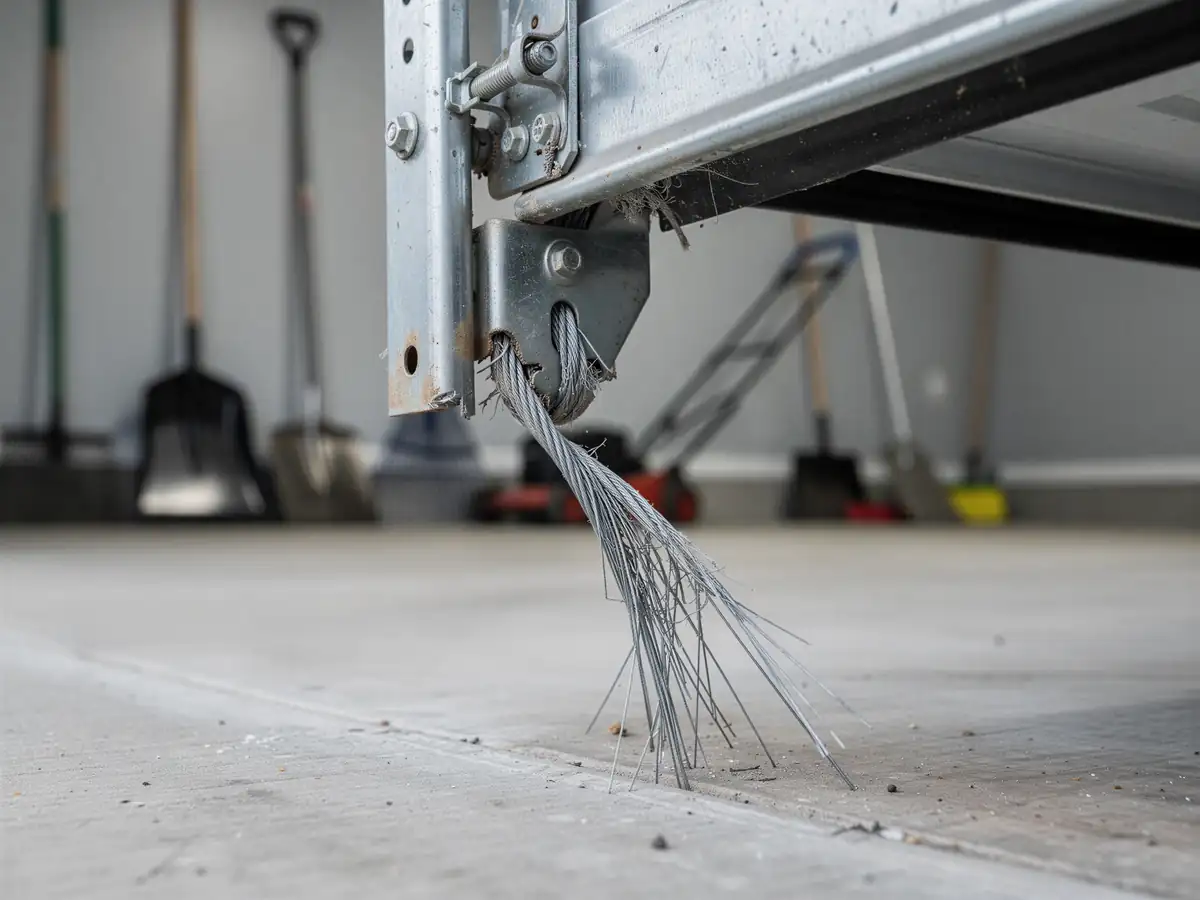
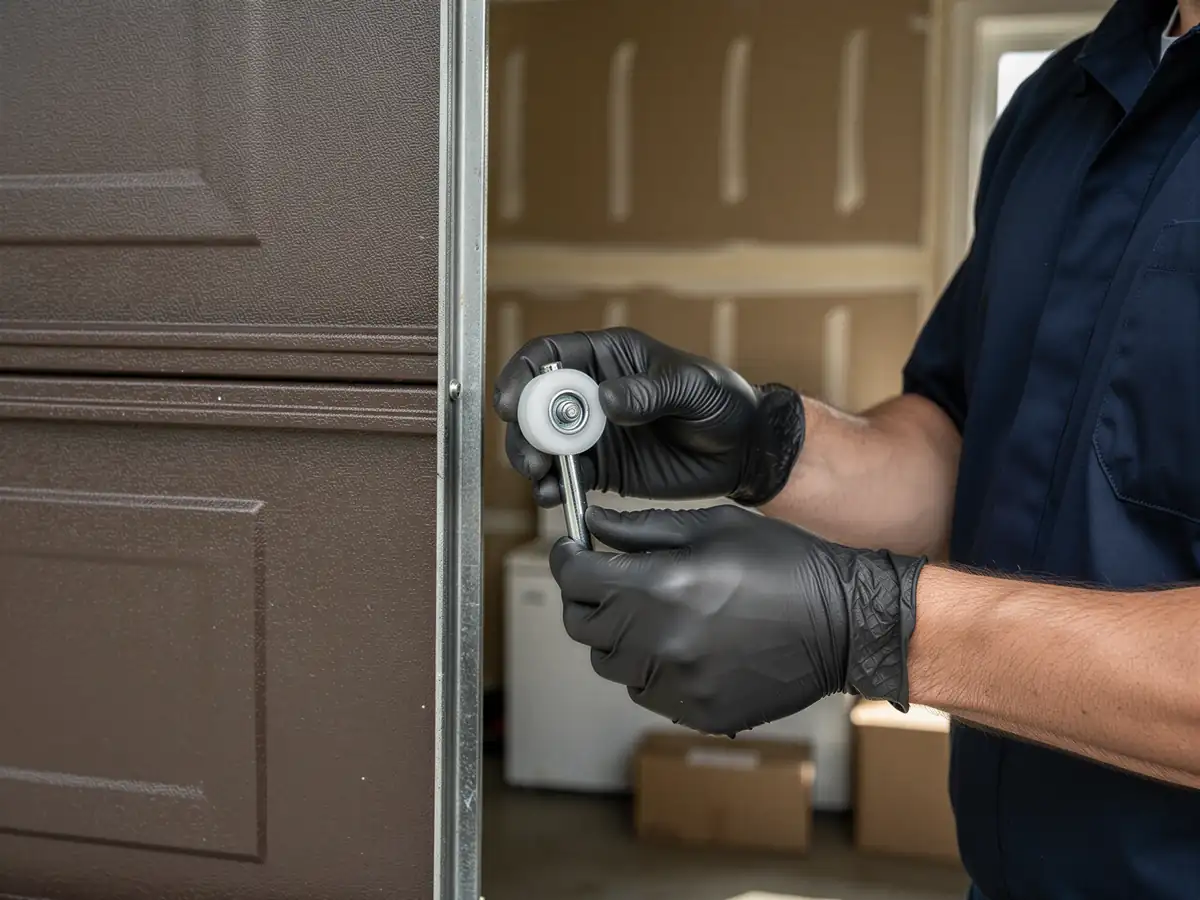
For a Drexel Heights call we load for 1980s-era hardware specifically, since that's what's behind most of these doors - steel sectional panels, torsion springs sized for the heavier doors common to that build period, and the drums and cable that go with them. Summers here run hot enough that nylon rollers and lubricant rated for high heat matter more than they would somewhere milder; a grease that's fine at 70 degrees can gum up and swell at 115. We also carry extension-spring hardware, since some homes from that era were built with extension systems along the horizontal track instead of torsion - different parts, different failure pattern. Given the distance from Oro Valley, we stock a wider spread of spring sizes and bearing plates on the truck for this run than we would for a job five minutes from the shop, because a second trip out here costs real time. What we don't carry is anything custom-ordered - a specialty wood door or an odd foreign-made opener still needs a parts order, same as it would anywhere, and that's the one limit the truck doesn't solve.
How Long It Takes
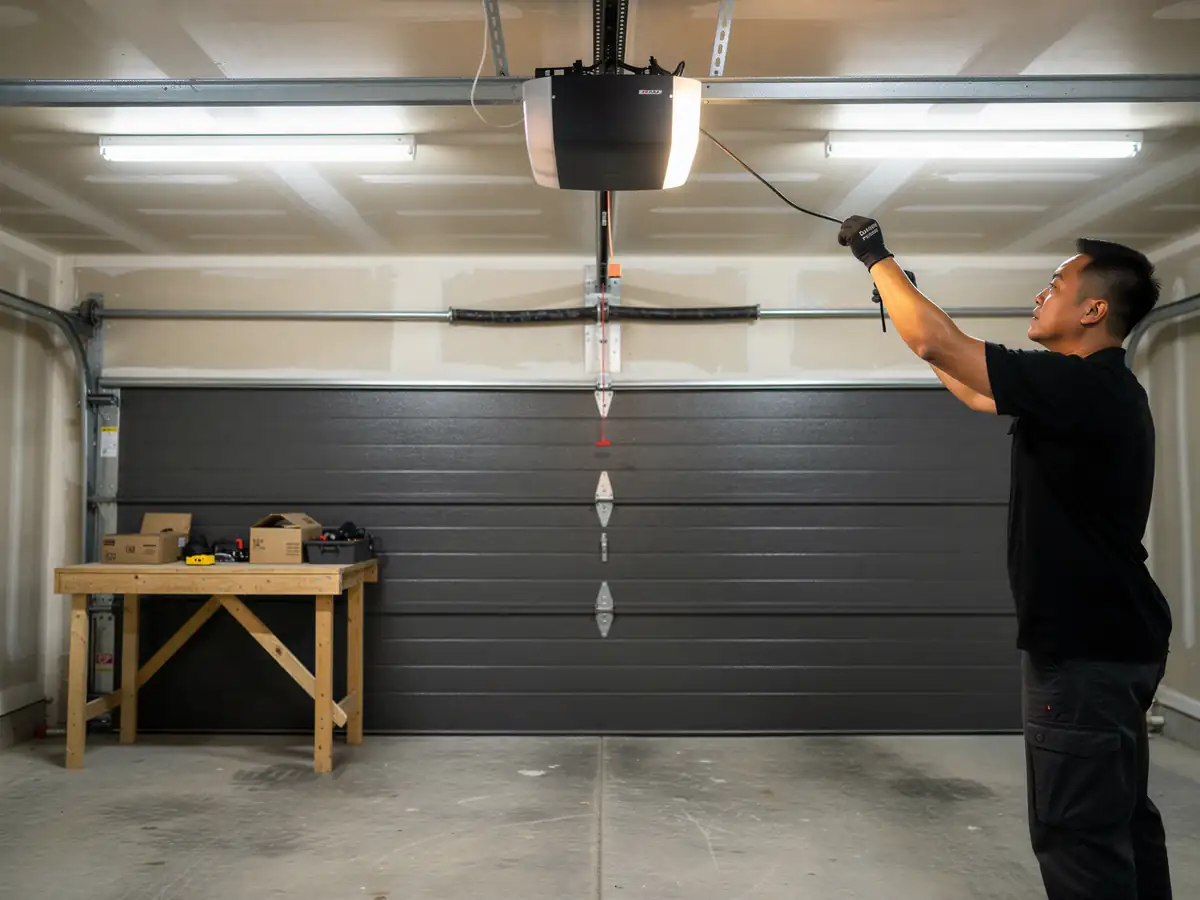
Because Drexel Heights is roughly 20 miles out from Oro Valley, the drive itself is part of how the job is scheduled - we batch calls out this way when we can, rather than sending a truck back and forth for single jobs on the same day. Once on site, a spring replacement or cable job on a standard double door usually wraps in under two hours; a full opener swap on an older chain-drive system takes longer because the wiring and wall controls from the 1980s don't always match up cleanly with current units. What takes the most time on this side of our service area isn't the repair - it's parts availability if something unusual turns up, like an extension-spring setup instead of torsion. We carry common sizes on the truck, but a mismatched or discontinued part can mean a second trip. That's the honest trade-off of the distance: we plan for it, but we can't make a 40-mile round trip disappear.
What You Pay
We don't have a published price list specific to Drexel Heights, and we're not going to invent one here - what a job costs depends on the door, the spring size, and whether the opener needs replacing alongside it. What we can say is that household income in this part of the service area runs a bit higher than the broader Oro Valley area average, and we price the same job the same way regardless of which side of the service area it's on; the drive doesn't change the rate, it changes the scheduling. If you want a number before we're on site, call and describe the door - size, age, what it's doing or not doing - and we'll give you a straight estimate over the phone rather than a guess that changes once the truck shows up.