Doing It Yourself
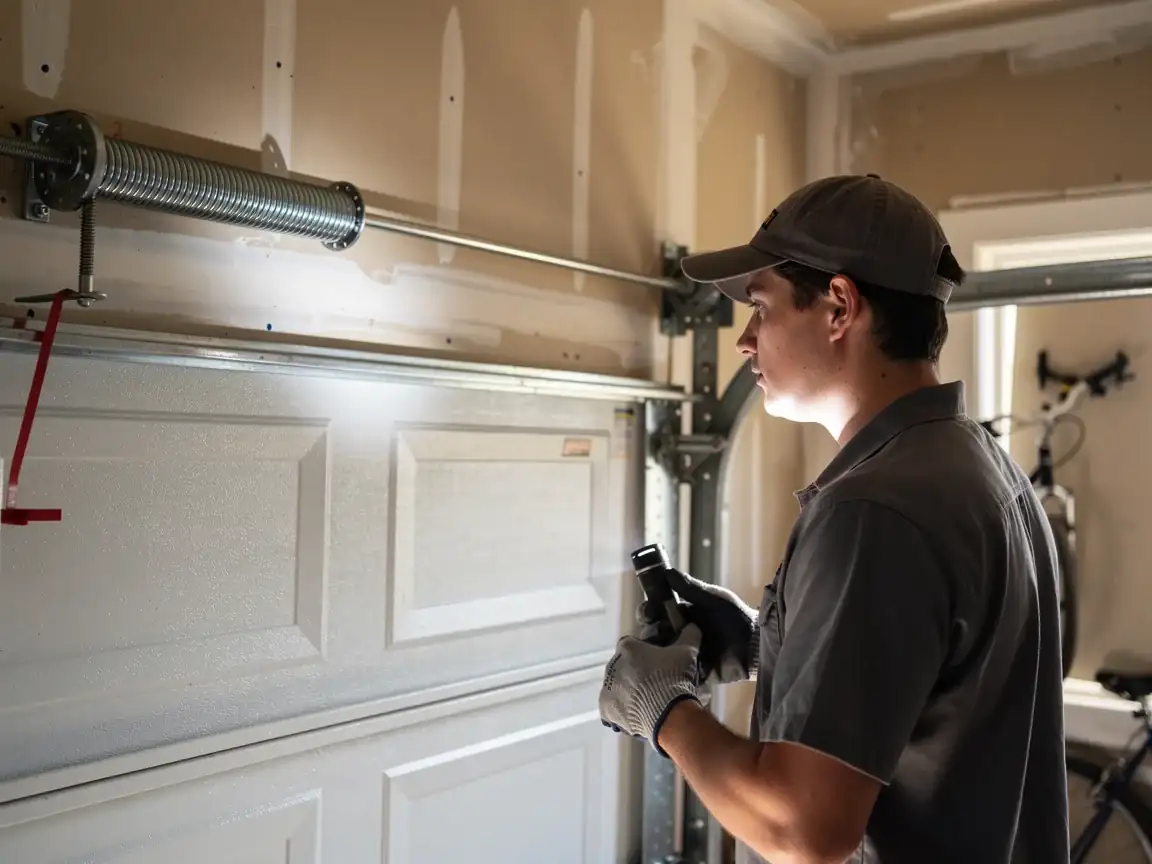
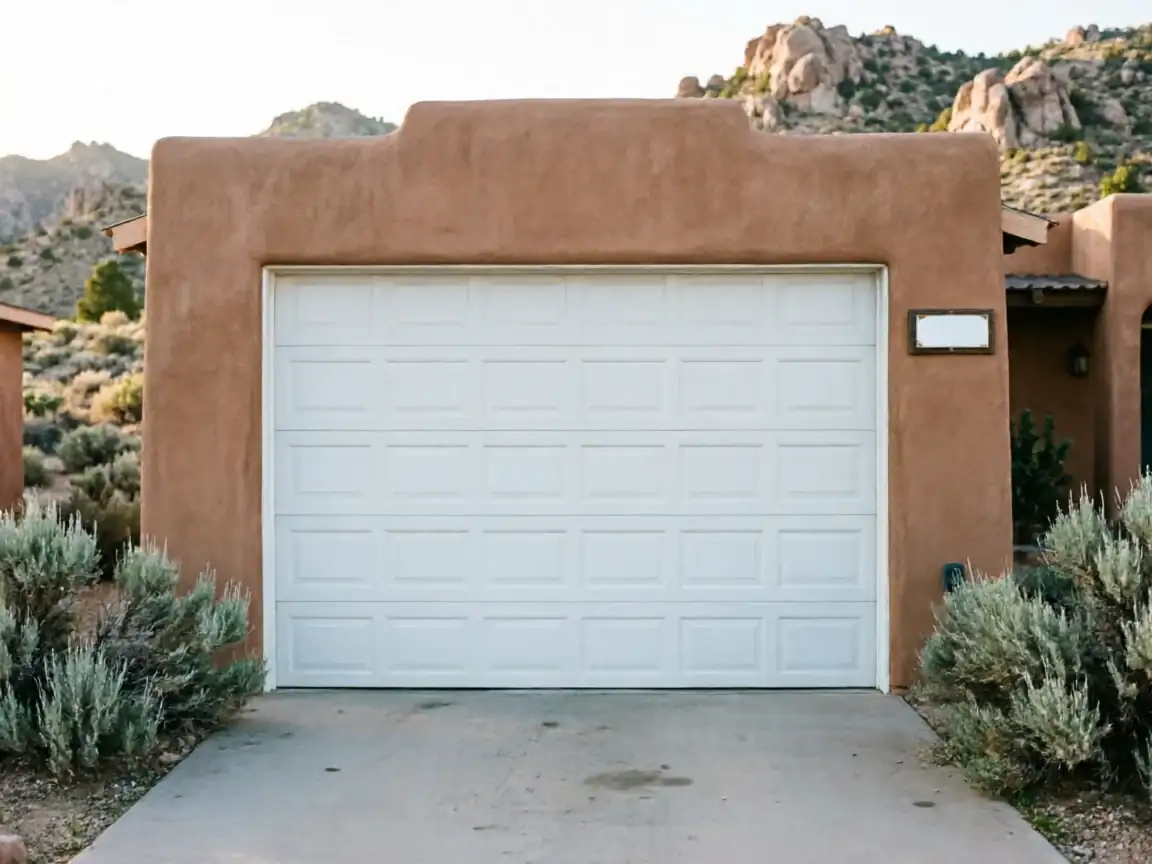
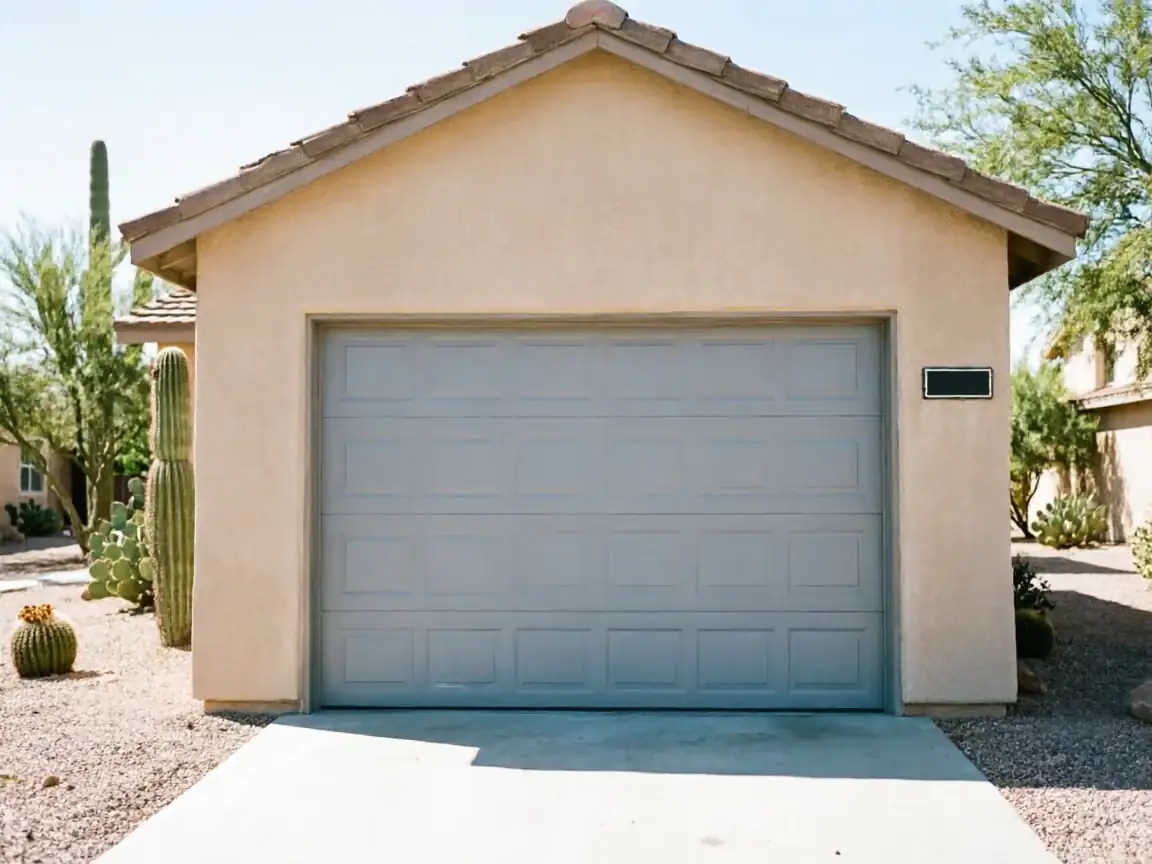
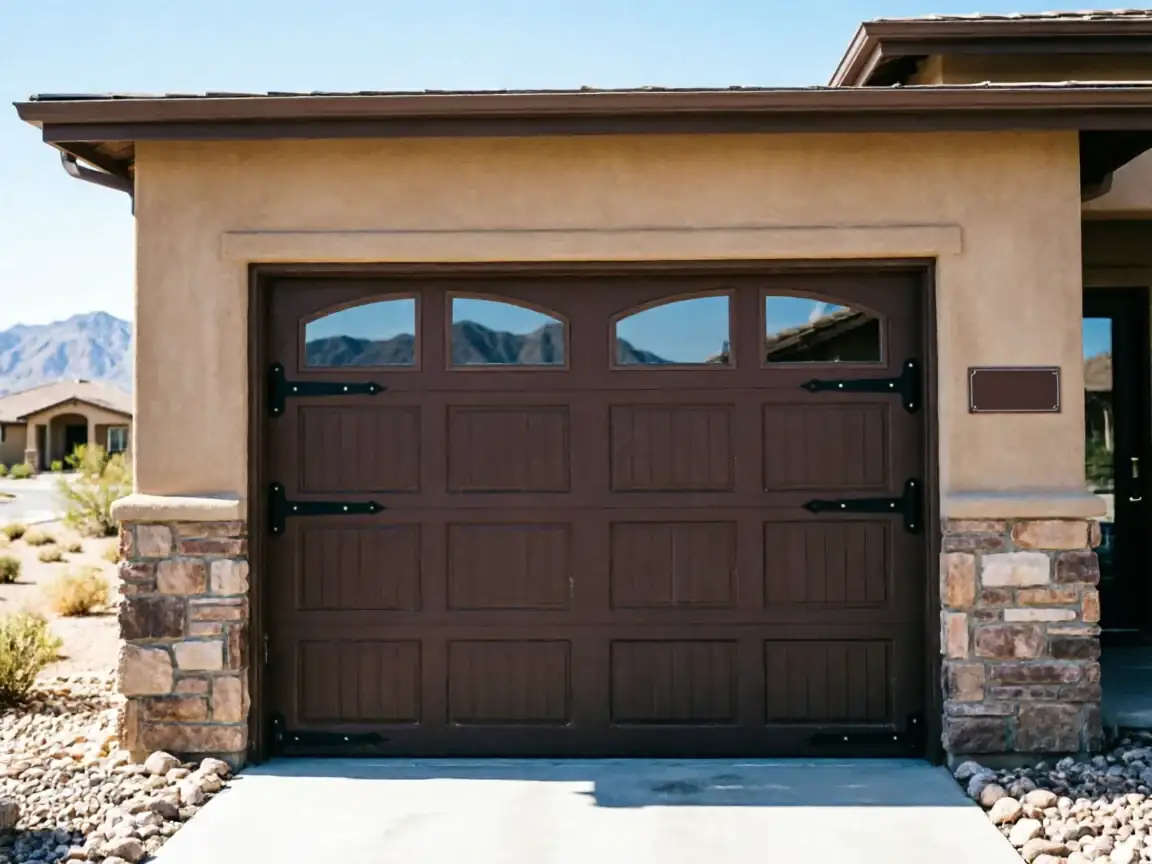
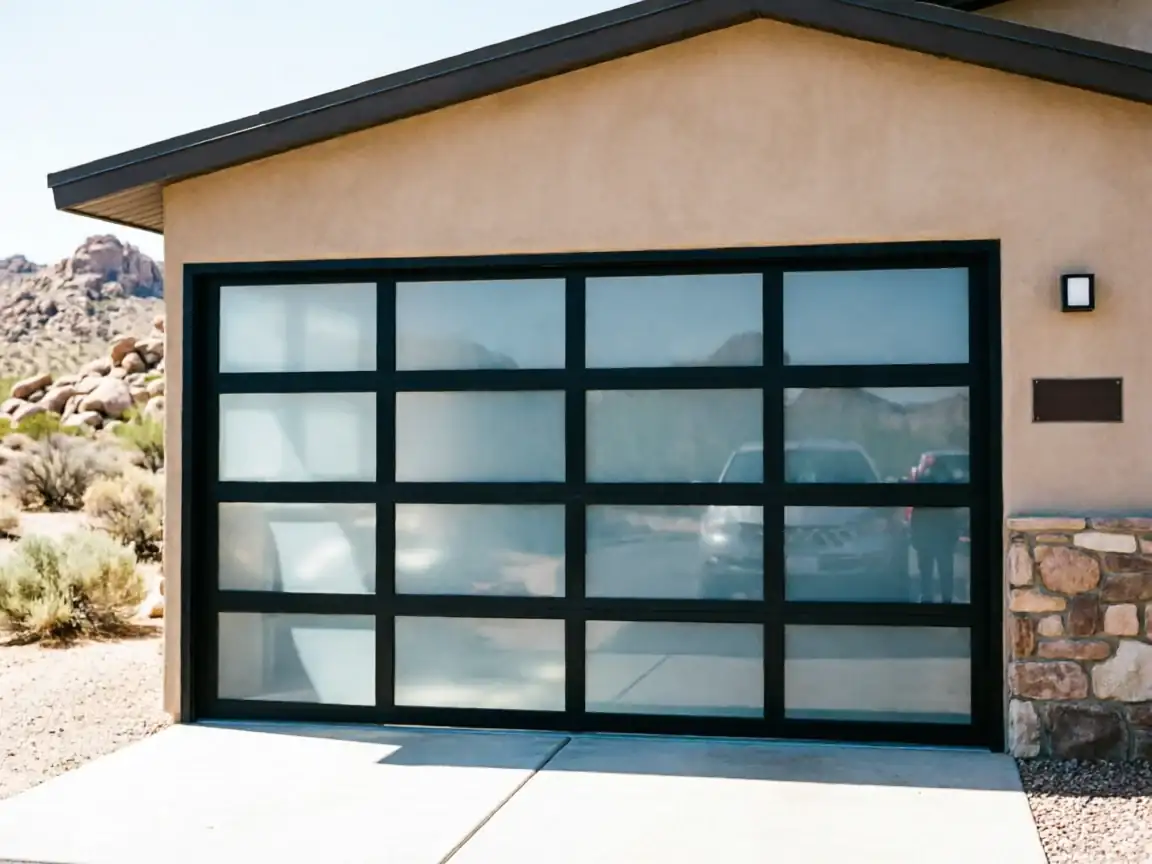
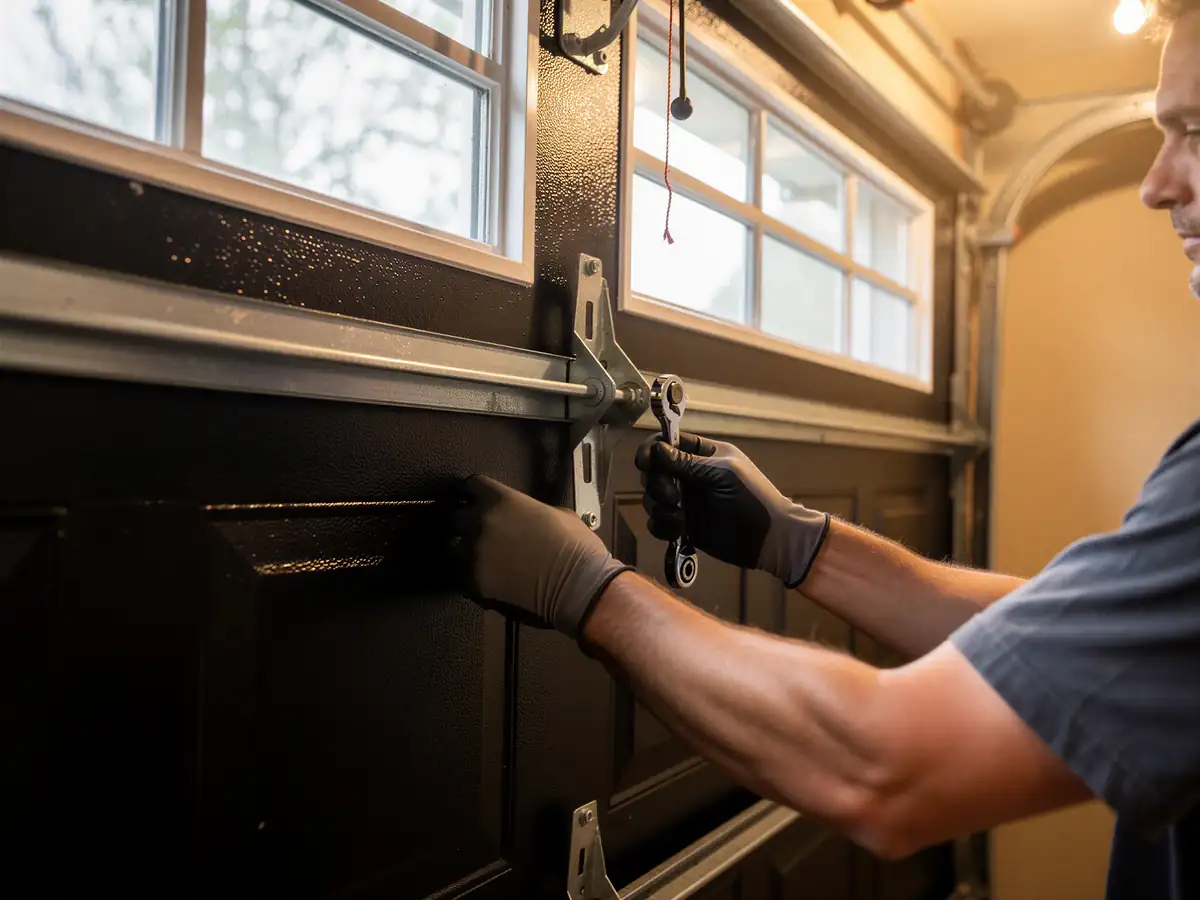
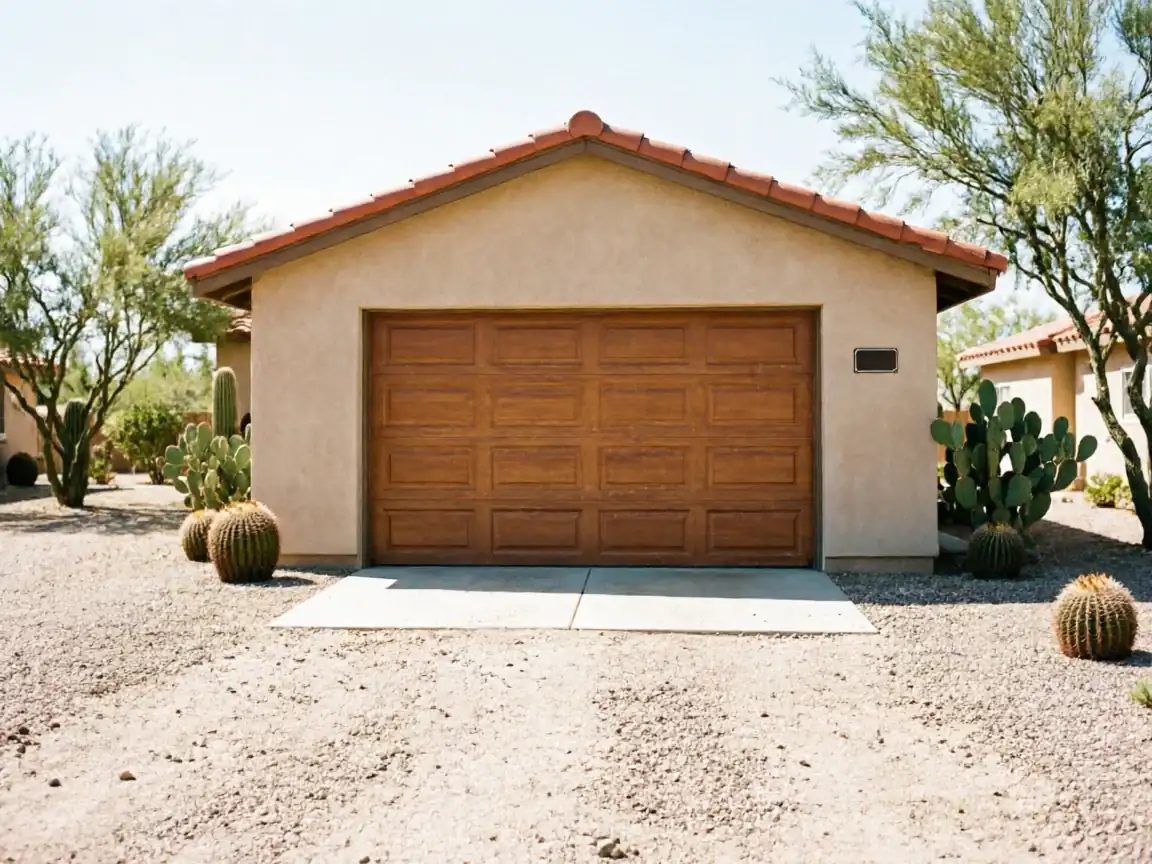
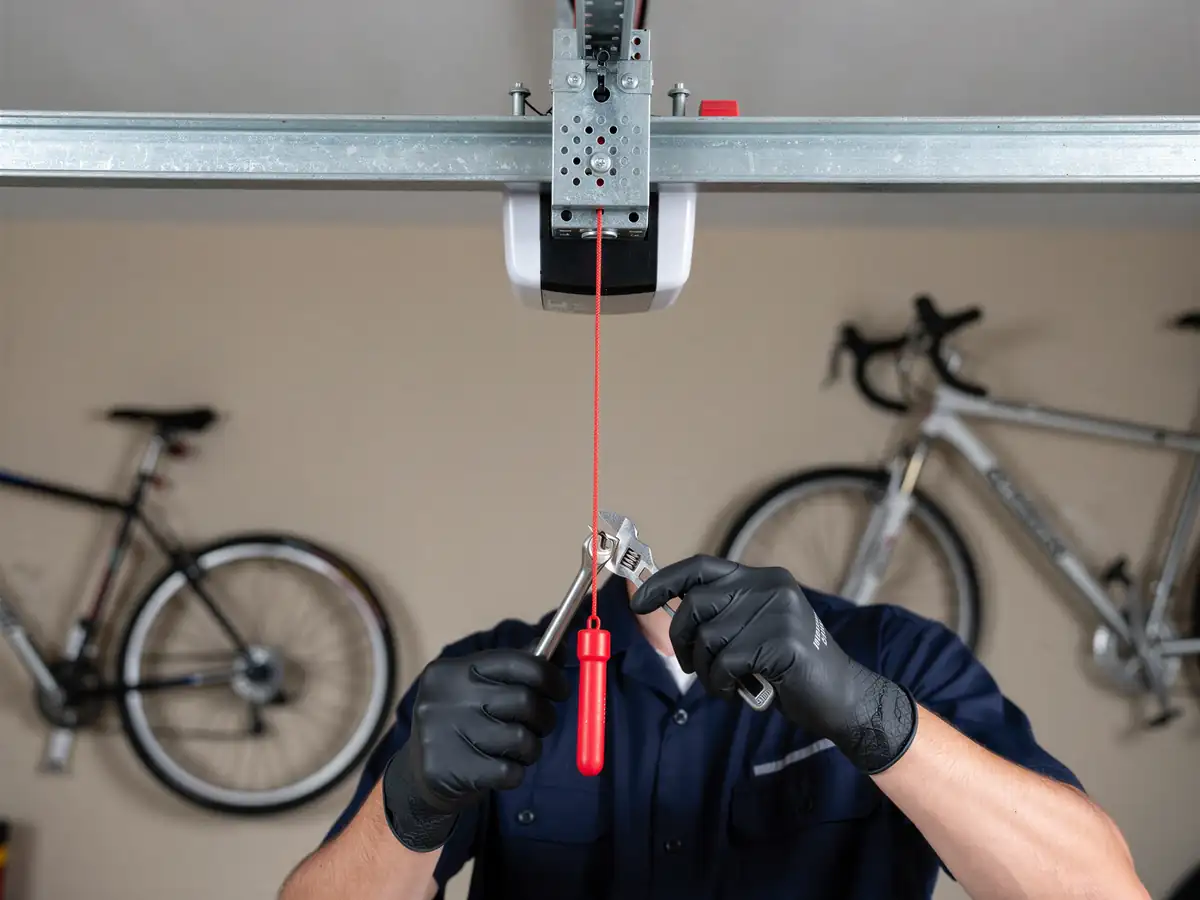
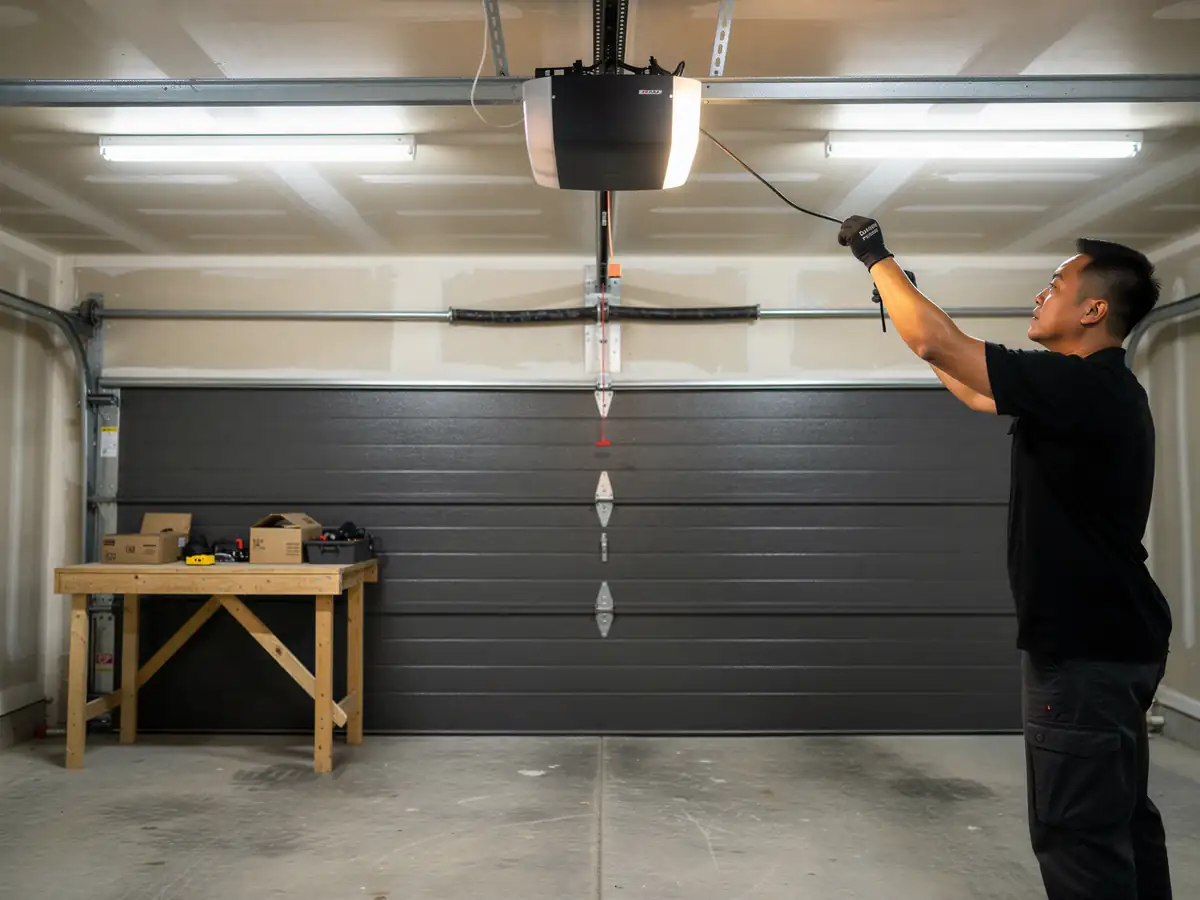
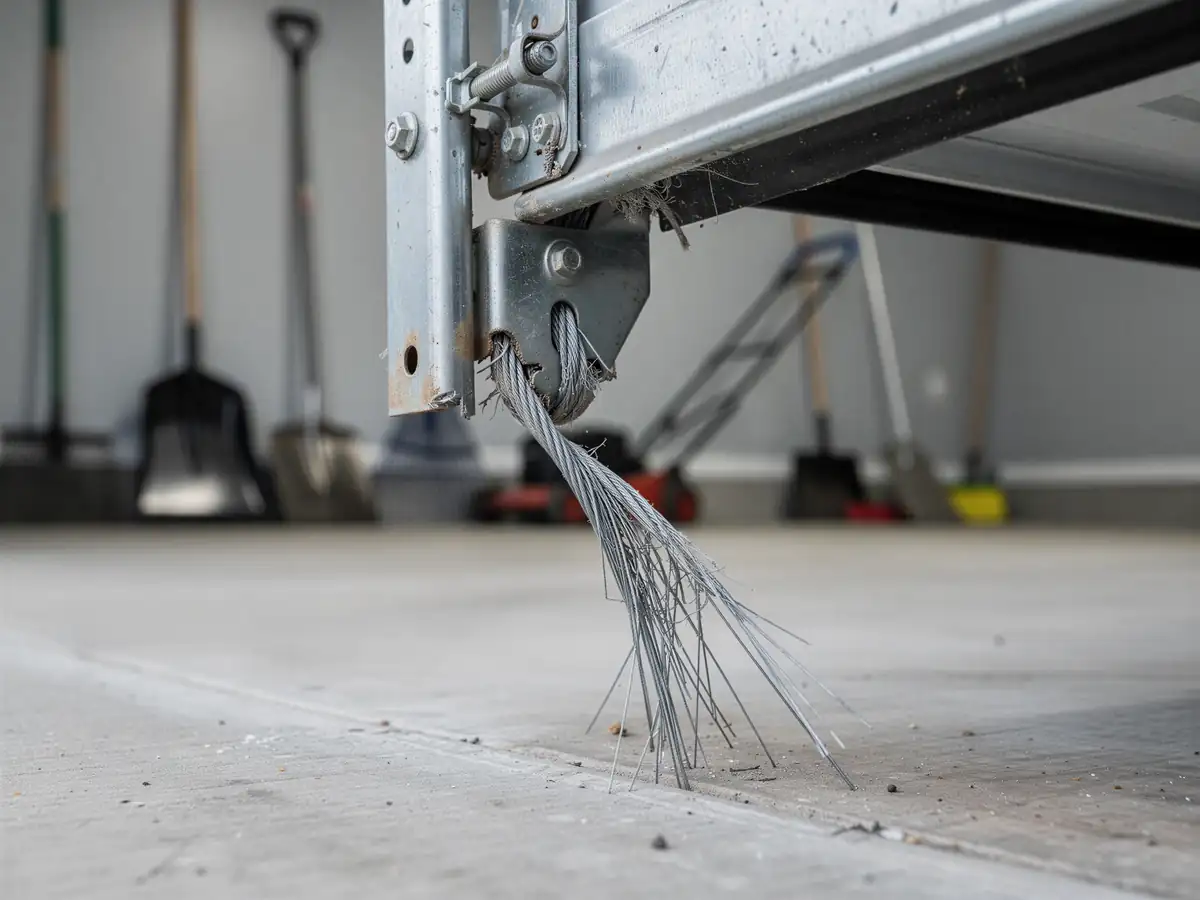
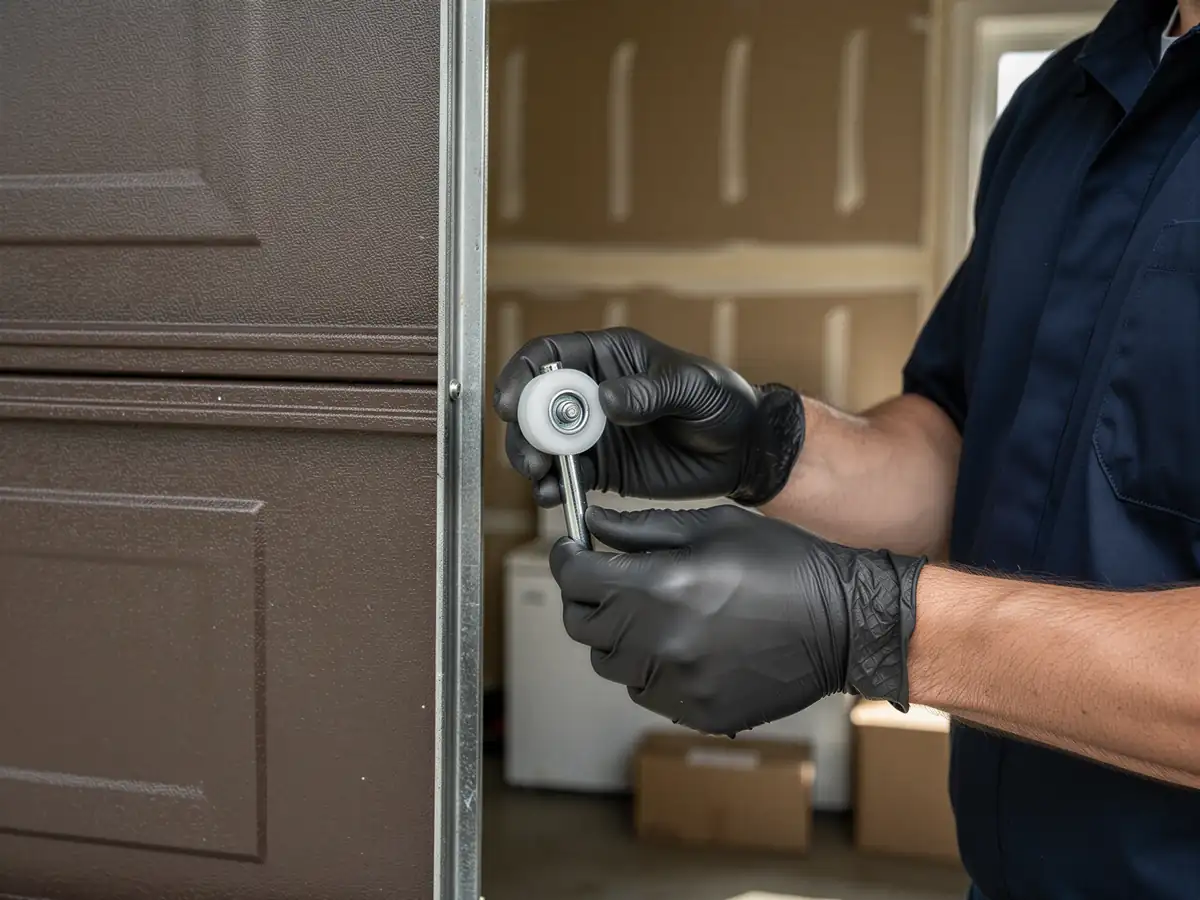
Most garage doors in Drexel Heights went up around 1986, and that era of door is almost always a steel sectional panel on steel rollers riding in a steel track - no nylon, no sealed bearing, just metal on metal. Pulling the old rollers and dropping in new ones on a single panel is work plenty of owners can do with a ladder, a nut driver, and patience, as long as the door is disconnected from the opener and the bottom panel's cables are slack. Where it stops being a weekend job is the bottom corner rollers on a door that's sagging or binding - those often mean the track itself has walked out of alignment, and forcing a new roller into a bent track just breaks the next one faster. We also won't talk anyone through pulling rollers near a wound torsion spring; that part of the job isn't worth the trip to the ER. If the door's original stock from the mid-80s, swapping all ten rollers at once, rather than one at a time as they fail, usually saves a second ladder trip.
What Is on the Truck
For a door built in the mid-1980s we're usually matching a standard 2-inch stem on a 7-inch track radius, and we carry both 10-ball steel rollers and sealed-bearing nylon in that size, since a lot of these original setups never got upgraded past the builder-grade steel that shipped with the house. Drexel Heights sits about 20 miles out from the Oro Valley shop, so the truck is stocked for a full ten-roller swap plus the hinges and center bracket hardware that usually need replacing alongside rollers this old - we don't make a second trip for a part we should have carried the first time. We also carry both single and double-door track sections, because a roller that's been grinding against a worn track for years has usually taken the track lip with it.
How Long It Takes
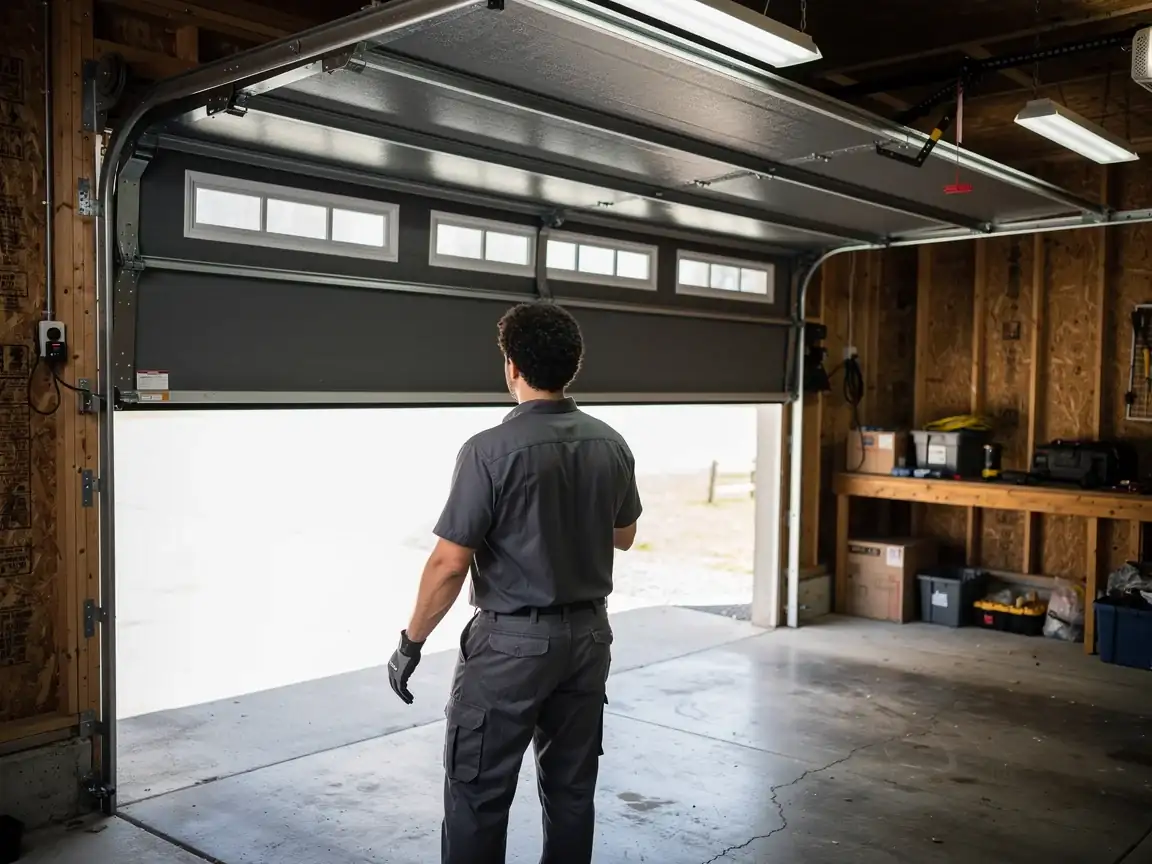
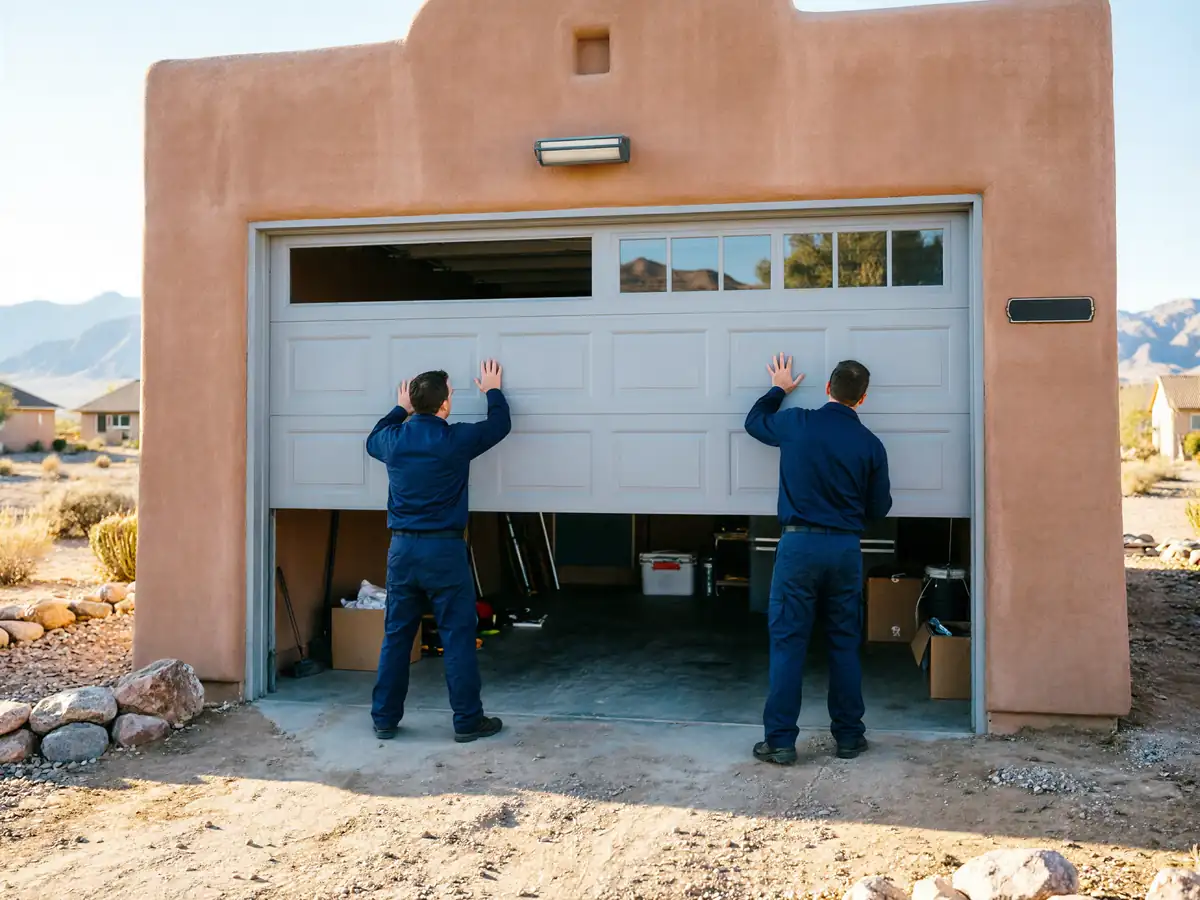
A straightforward ten-roller swap on a single door, once we're on site with the right stem size loaded, is a same-visit job - no waiting on parts for a standard steel or nylon roller in the sizes these mid-80s doors use. If the track's been grooved by years of dry steel rollers grinding against it, that adds time, since we're pulling and resetting track sections rather than just swapping rollers. We don't quote a drive-time window for Drexel Heights specifically since every visit here comes out of the Oro Valley shop roughly 20 miles away, but once the truck's in the driveway the roller work itself doesn't drag.
What You Pay
We don't have a published price list to quote here, and roller jobs vary too much by roller count, roller type, and whether the track needs attention to post one honestly. What we can say is that Drexel Heights households run a median income somewhat above the Oro Valley service area's $70,982 overall, and most owners here are maintaining a house built around 1986 - old enough that the original rollers are long past their service life but not so old that parts are hard to source. Nylon sealed-bearing rollers cost more upfront than steel but run quieter and outlast steel by years, which matters more in a severe-heat climate where grease dries out fast. Ask the tech on-site for a breakdown before the work starts, not after.