The Complications
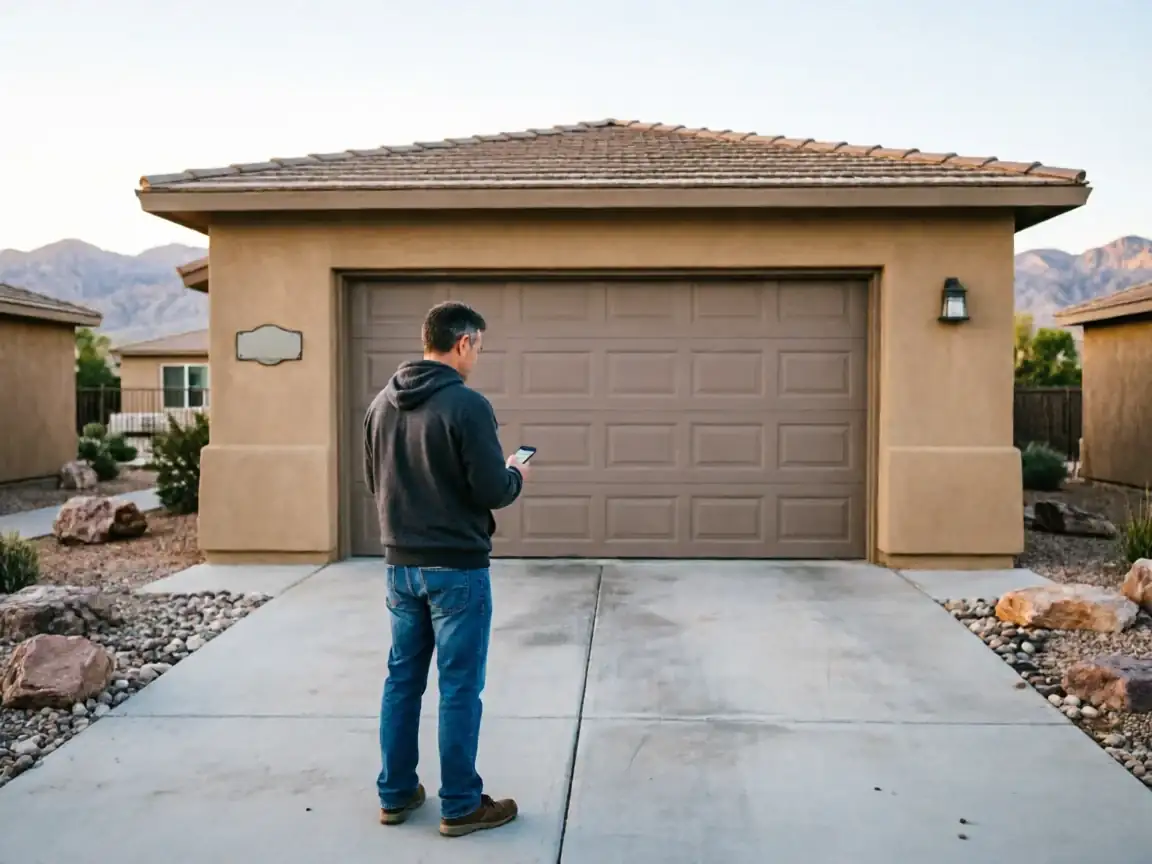
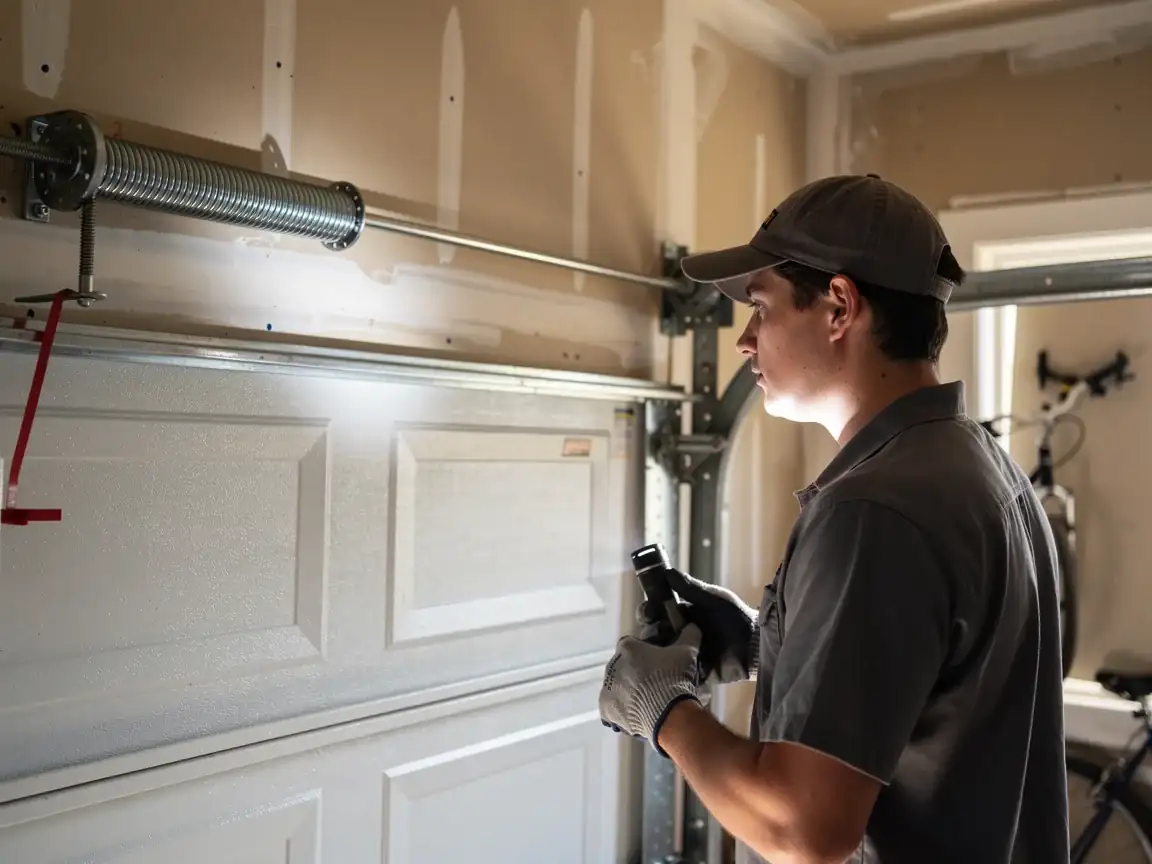
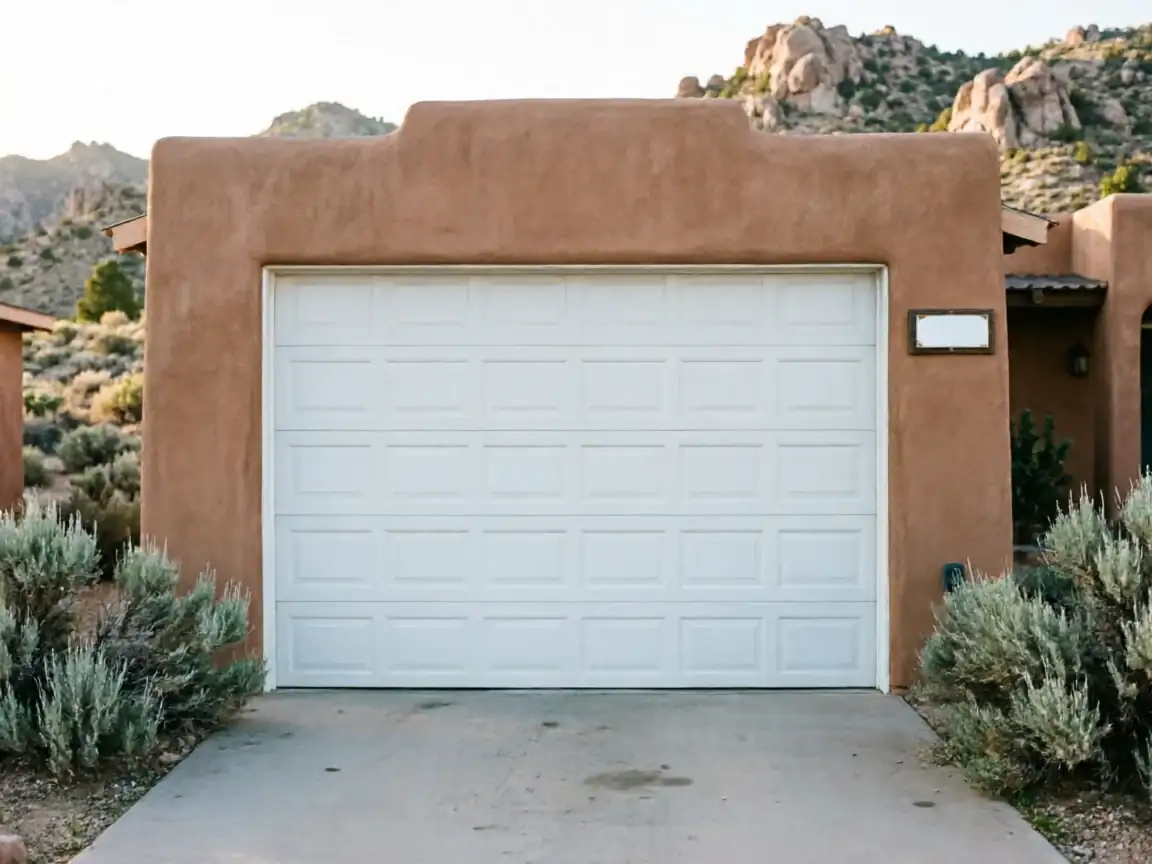
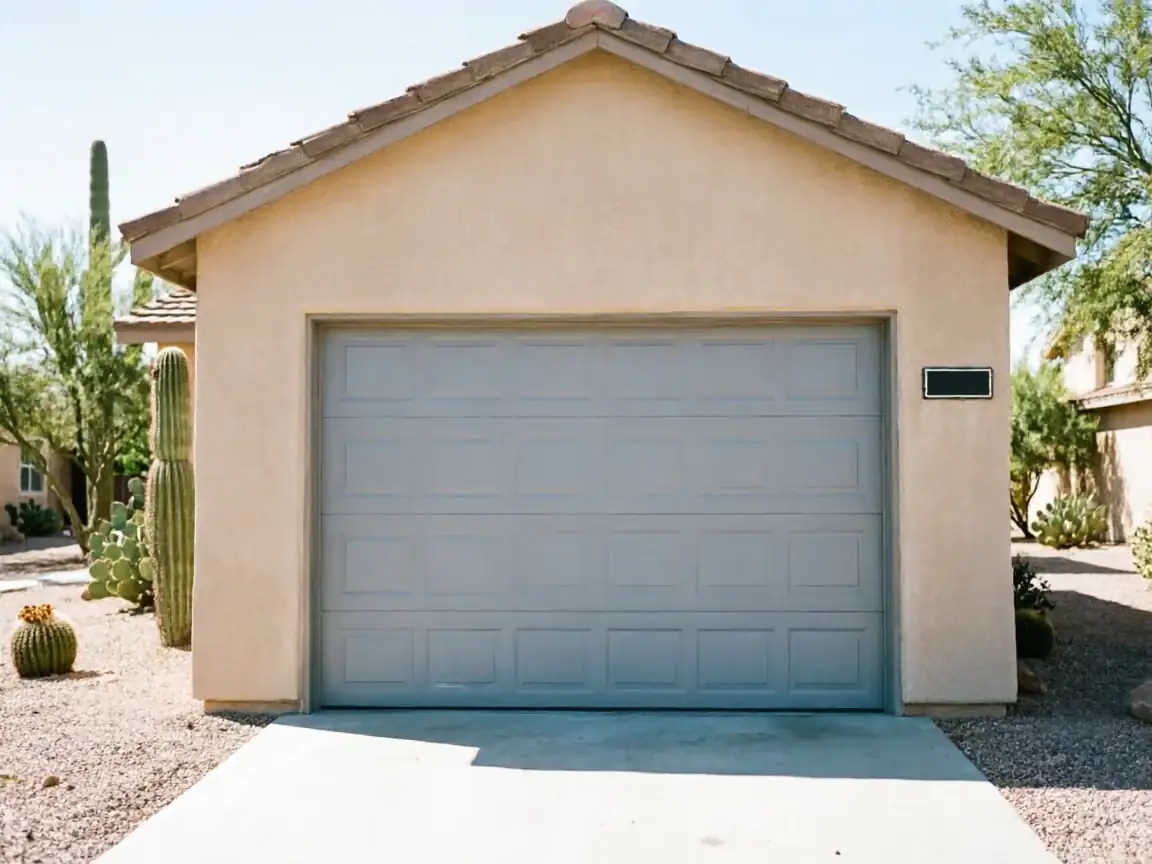
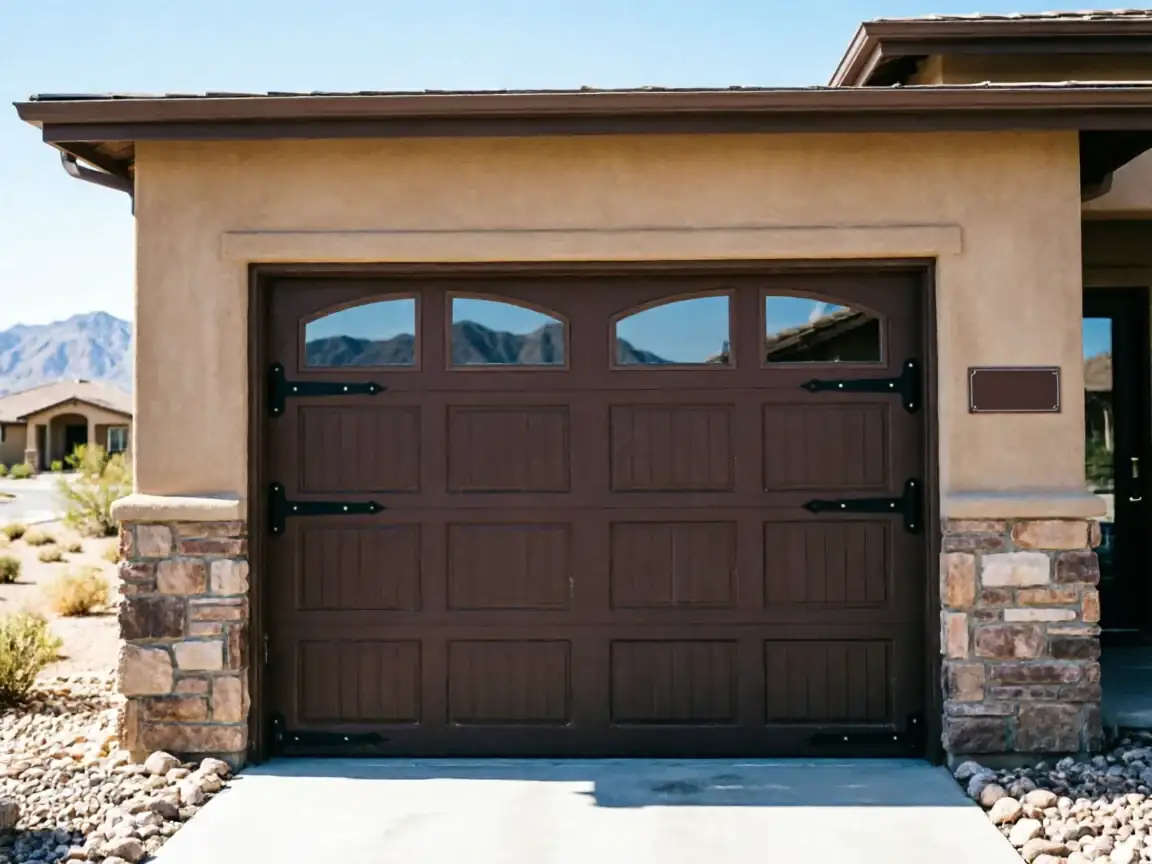
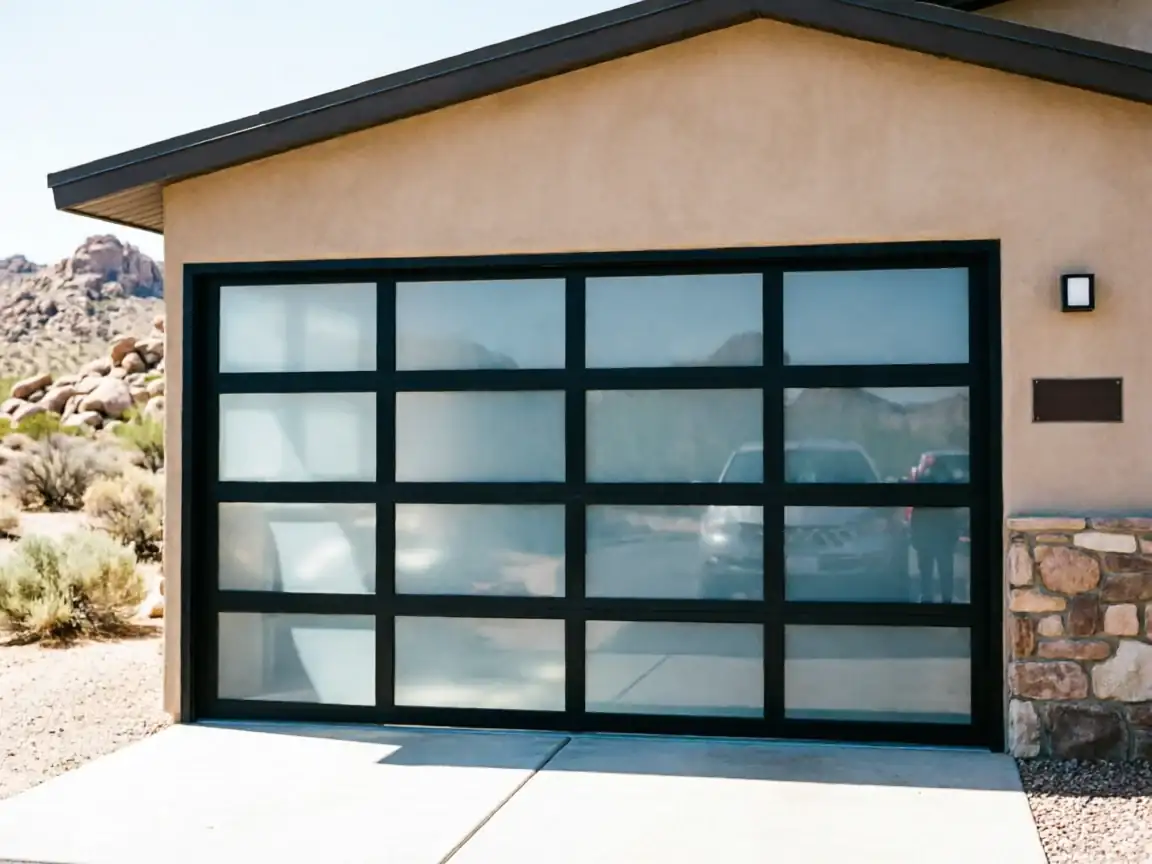
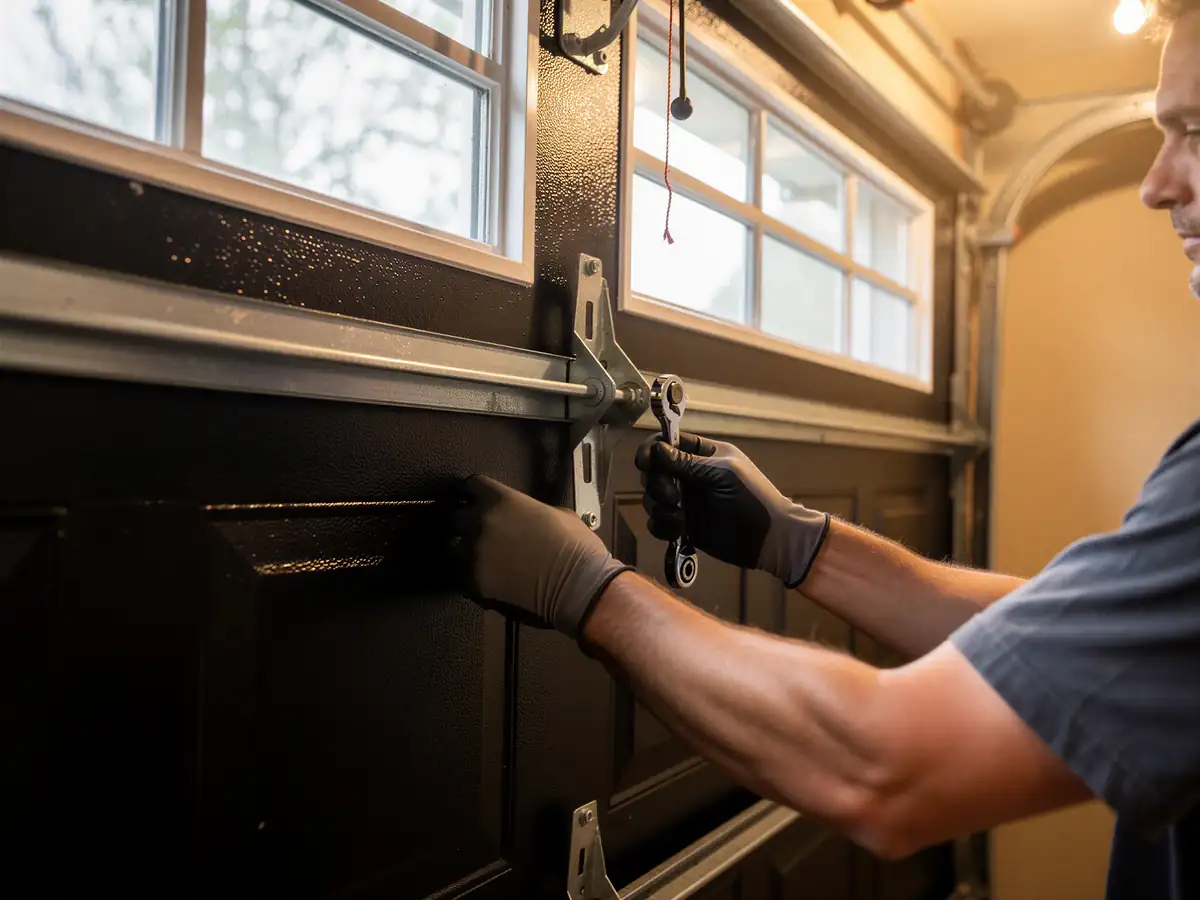
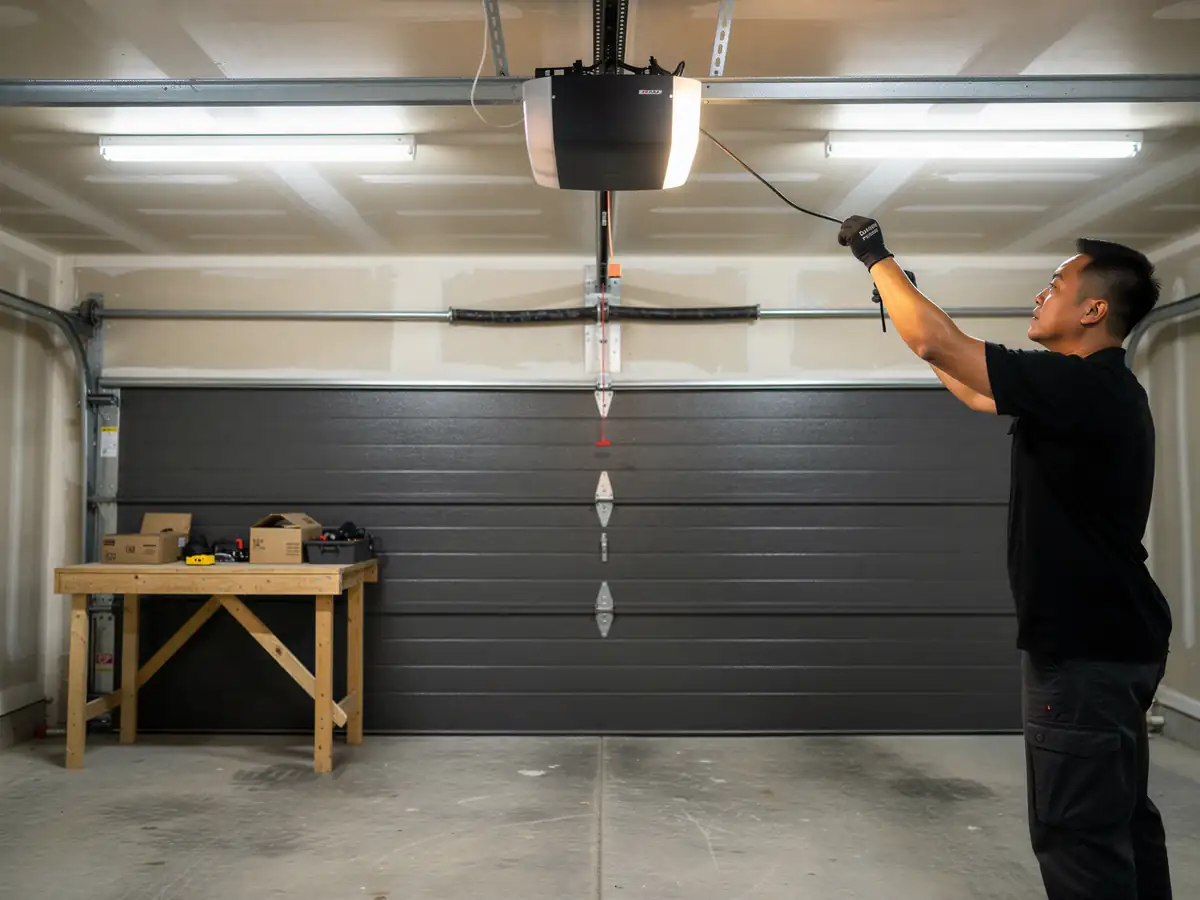
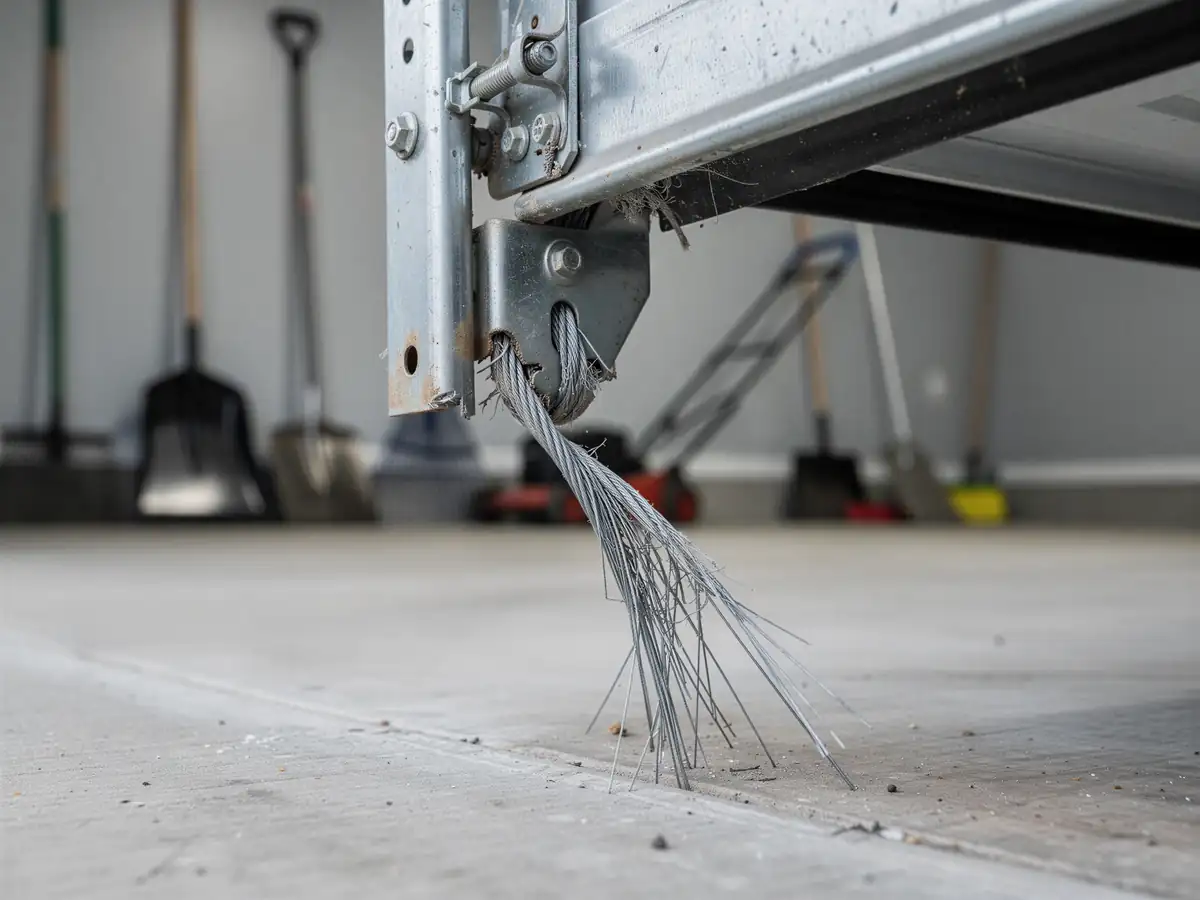
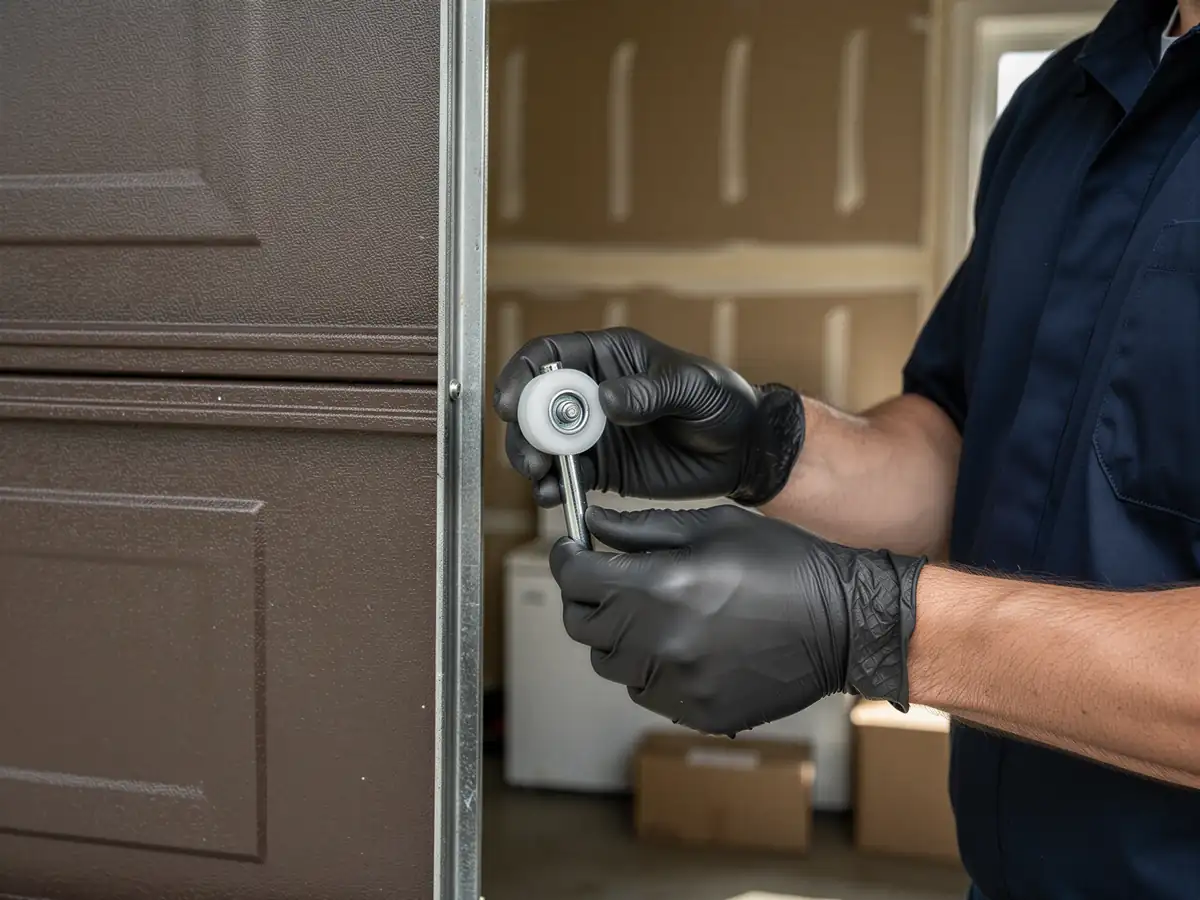
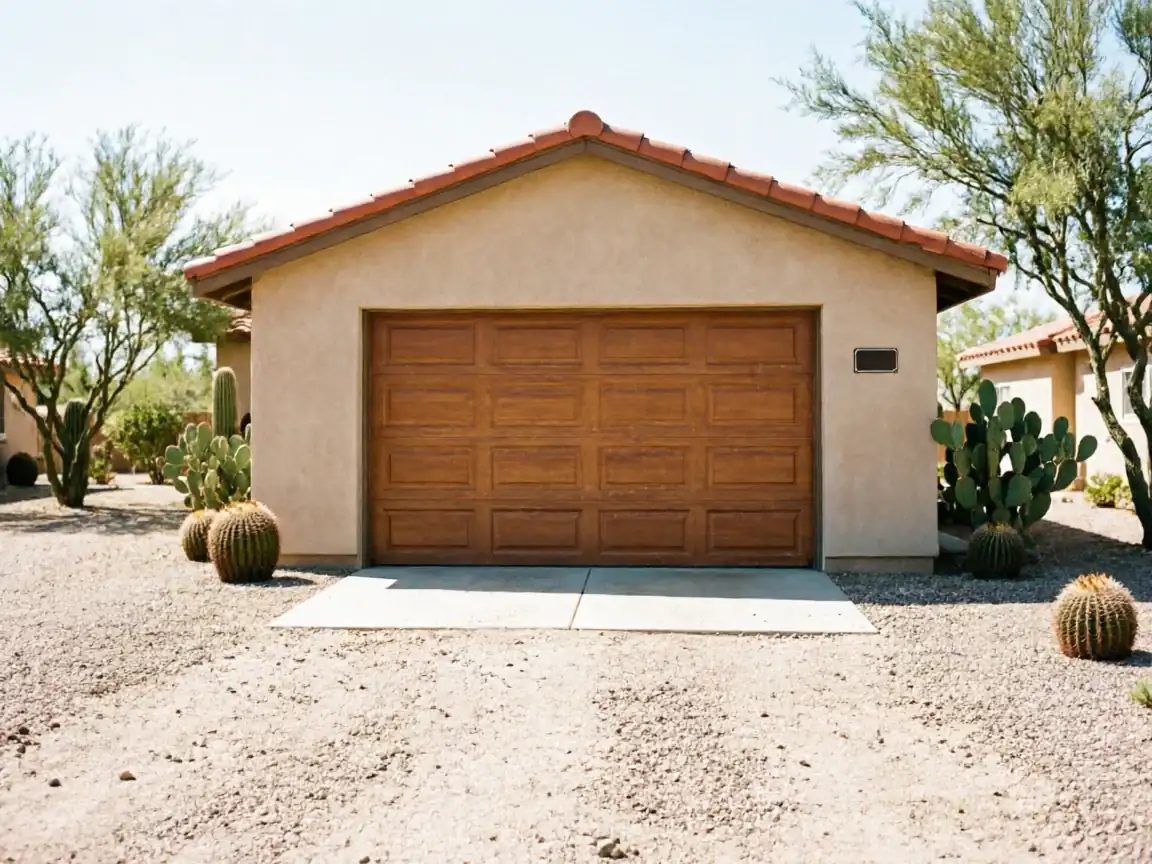
Most of the garage doors we see in Oracle went up around 1983, which puts them square in the era of plain steel panel doors on torsion springs sized for a 16x7 opening, with galvanized track bolted straight to the framing and not much else. No foam core, no vinyl backing, just sheet steel over an air gap. That construction wasn't a mistake at the time; it's just what a door was in 1983. The trouble shows up now, forty-plus years in, with a climate here that the federal data puts in the severe heat band. Repeated expansion and contraction on bare steel panels loosens hinge screws and warps panel seams over the years, and the torsion springs that were correct for the door's weight in 1983 have usually cycled past the point where they'd fail safely. We also see track misalignment where the slab has shifted slightly under decades of heat, which throws rollers off and chews up the track edge. None of this is unusual for a door this old in this climate - it's just the specific combination Oracle gets that a newer subdivision somewhere else wouldn't.
How Long It Takes
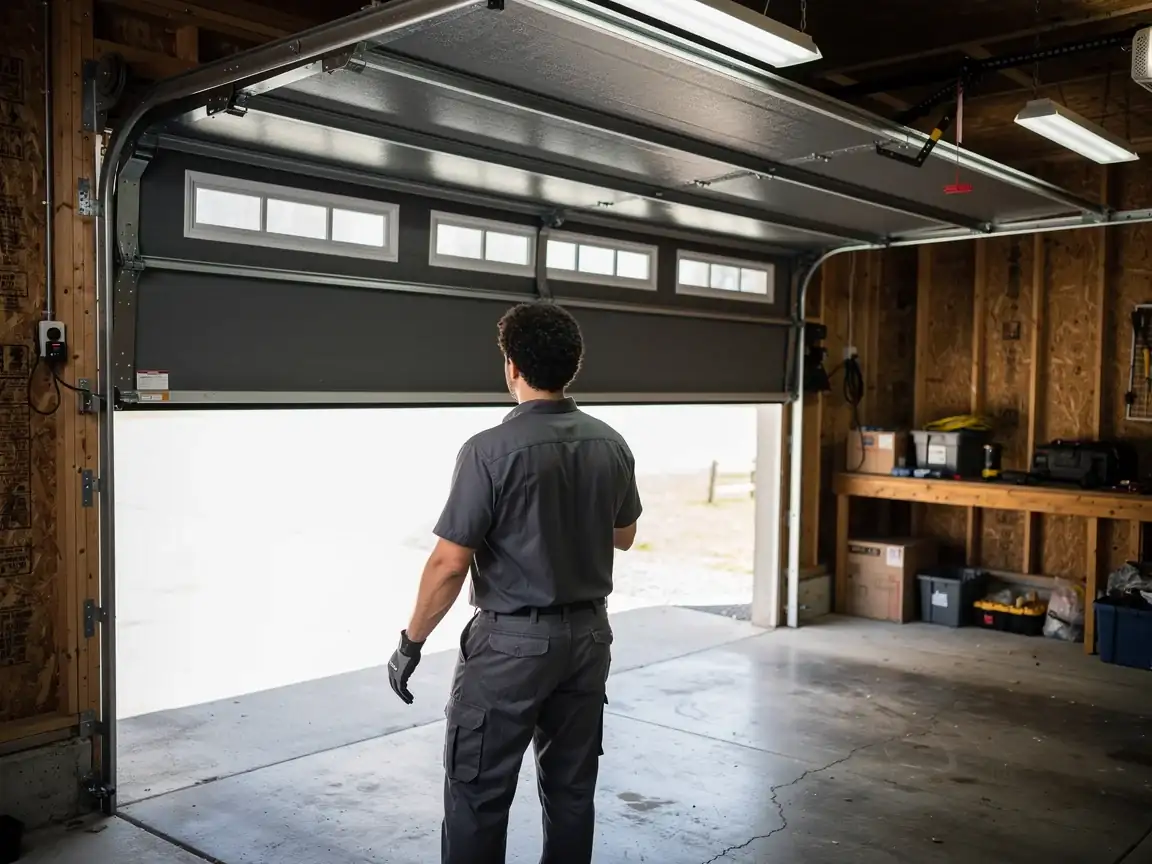
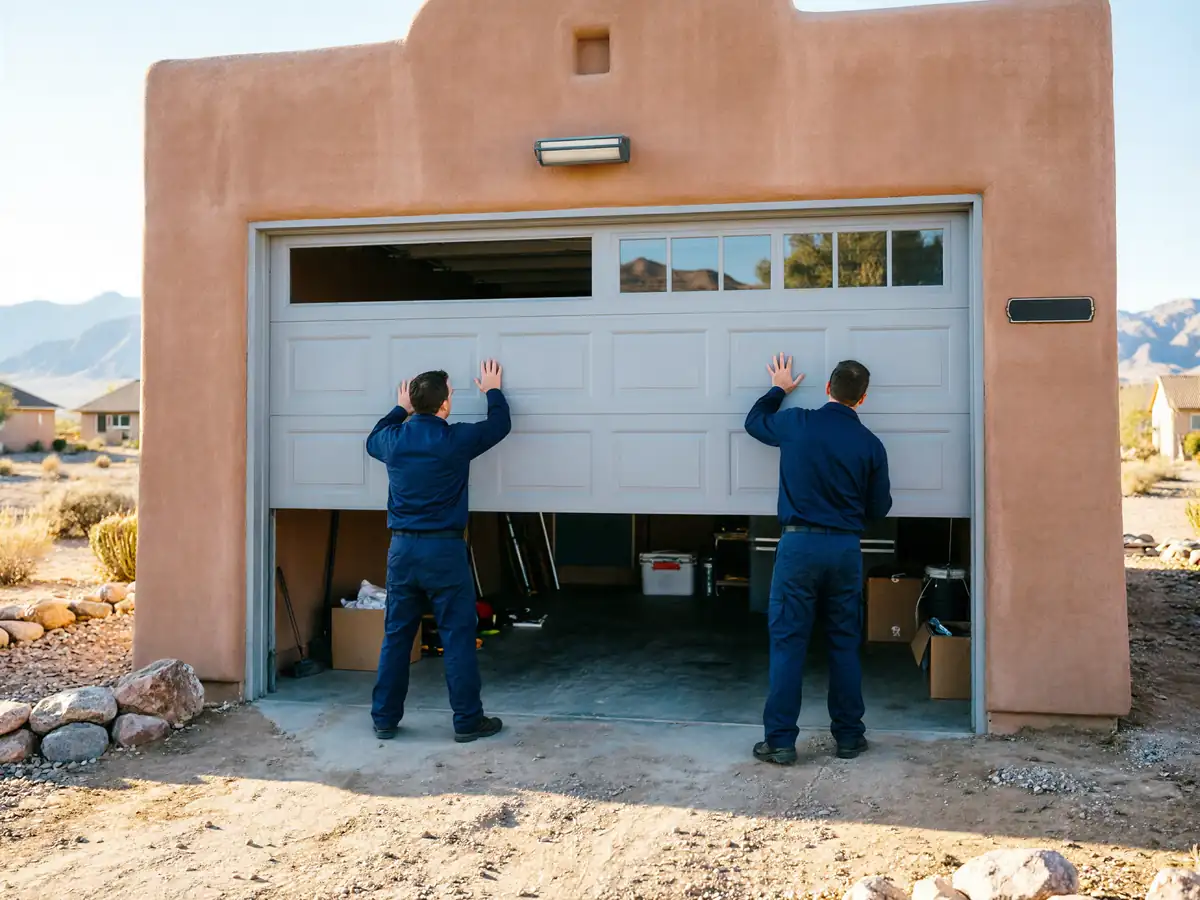
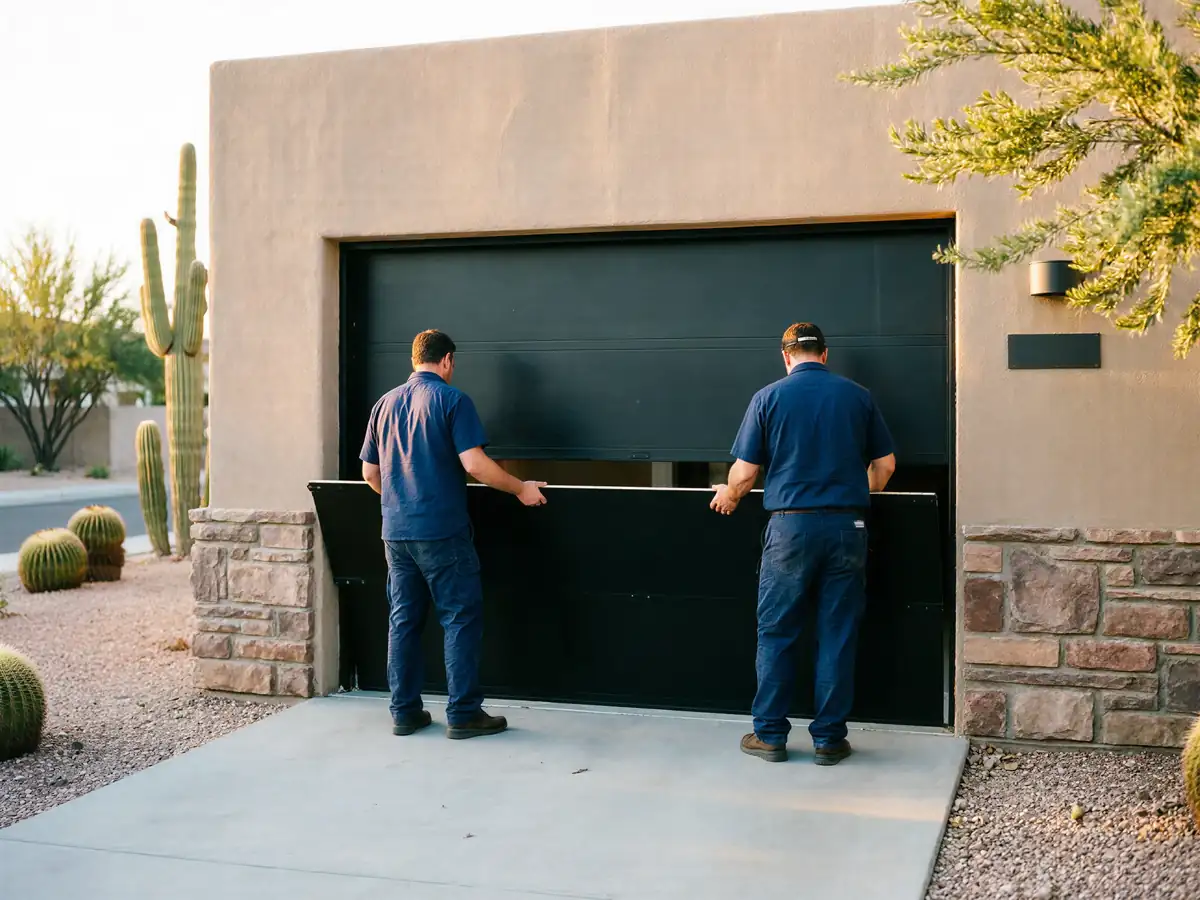
Oracle sits about 17 miles out from our shop in Oro Valley, so a same-day call usually means we're rolling a truck with the parts we think the job needs based on what you describe on the phone - not swinging back twice. For a torsion spring or a roller and track job on a door this age, that's usually enough. Where it slows down is anything that needs a part specific to an original 1983 door: an odd-width track bracket, a discontinued hinge pattern, or hardware for a panel size nobody's made in twenty years. With roughly 1,520 households in Oracle, there isn't enough local call volume for anyone to stock that kind of thing on a shelf out here, so a specialty part can mean a second trip once it's ordered in. We'll tell you up front if that's the situation rather than guess and make you wait on-site.
Doing It Yourself
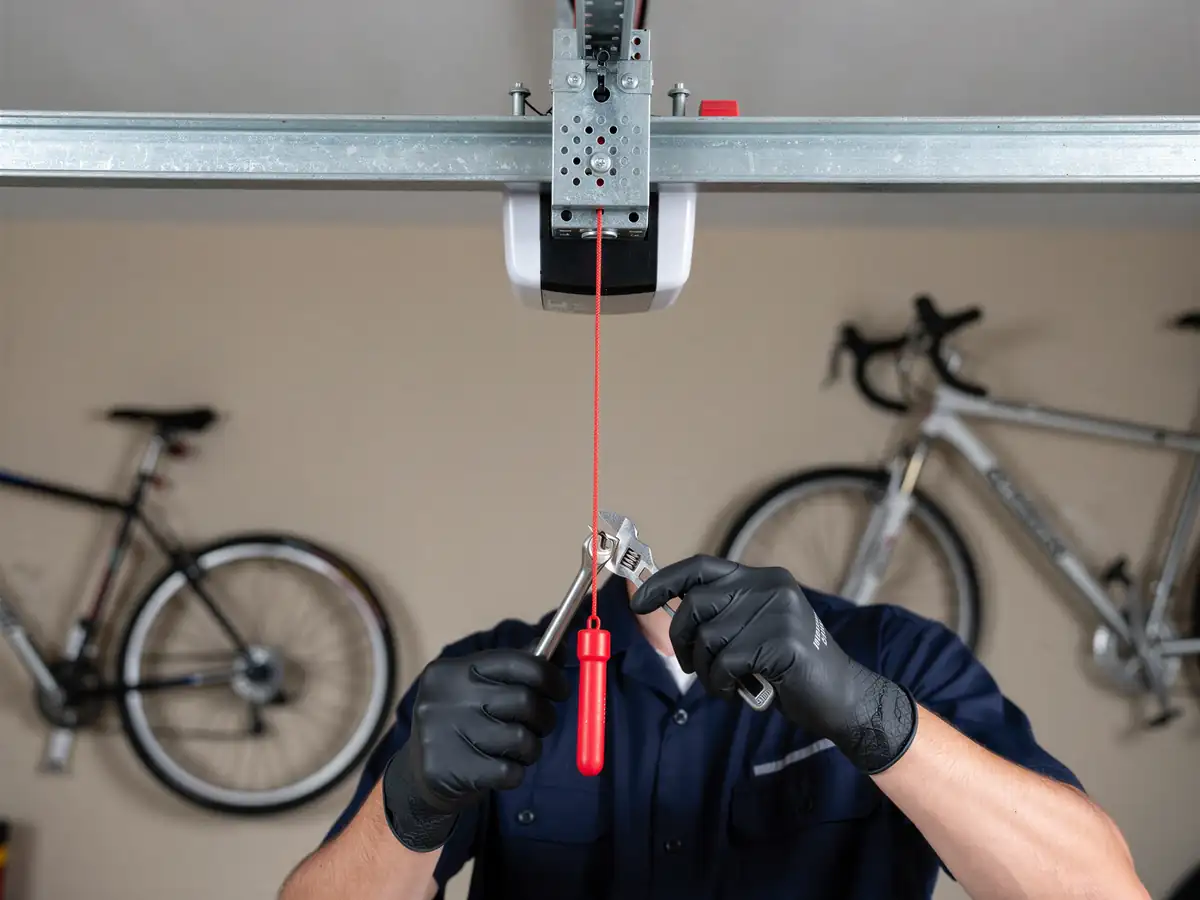
A loose hinge screw, a dirty track, or a sagging weatherstrip - fine, do those yourself, they're not dangerous and they're not expensive to get wrong. A torsion spring is a different thing entirely. On a door built in 1983 the spring has been under load for four decades of severe heat cycling, and heat-brittled steel doesn't always fail the way a newer spring does - it can let go without much warning. We won't talk anyone out of basic maintenance, but spring replacement and anything involving the torsion bar on an old door like this isn't a weekend project, and we'd say that about any door this age regardless of who's doing the work.