The Complications
Oracle's median household income runs $66,729, a good bit under the $70,982 median across the wider area we cover out of Oro Valley. That gap matters more than it sounds like it should, because it's the number that decides whether a dead opener gets fixed or replaced. On a $70,982 income, swapping a logic board and calling it done is an easy yes. At $66,729, with 1,520 households in Oracle total, a lot of owners want the repair bill to stay a repair bill, not creep toward the cost of a new unit.
The second complication is the housing stock itself. Oracle's median year built is 1983, a few years ahead of the broader area's 1989 median. That earlier build date means more openers out here are second or third replacements on original wiring, sometimes on circuit boards that predate the photo-eye safety sensor requirement that became standard after 1993. If your opener has no visible sensor eyes at the bottom of the track, that's not a style choice - it's an age tell, and it's a reason a repair call sometimes turns into a safety conversation first.
Third: heat. This area sits in a severe-heat climate band, and opener logic boards, capacitor-driven motors, and plastic drive gears all take that heat on the chin, usually in July and August, usually without warning.
How Long It Takes
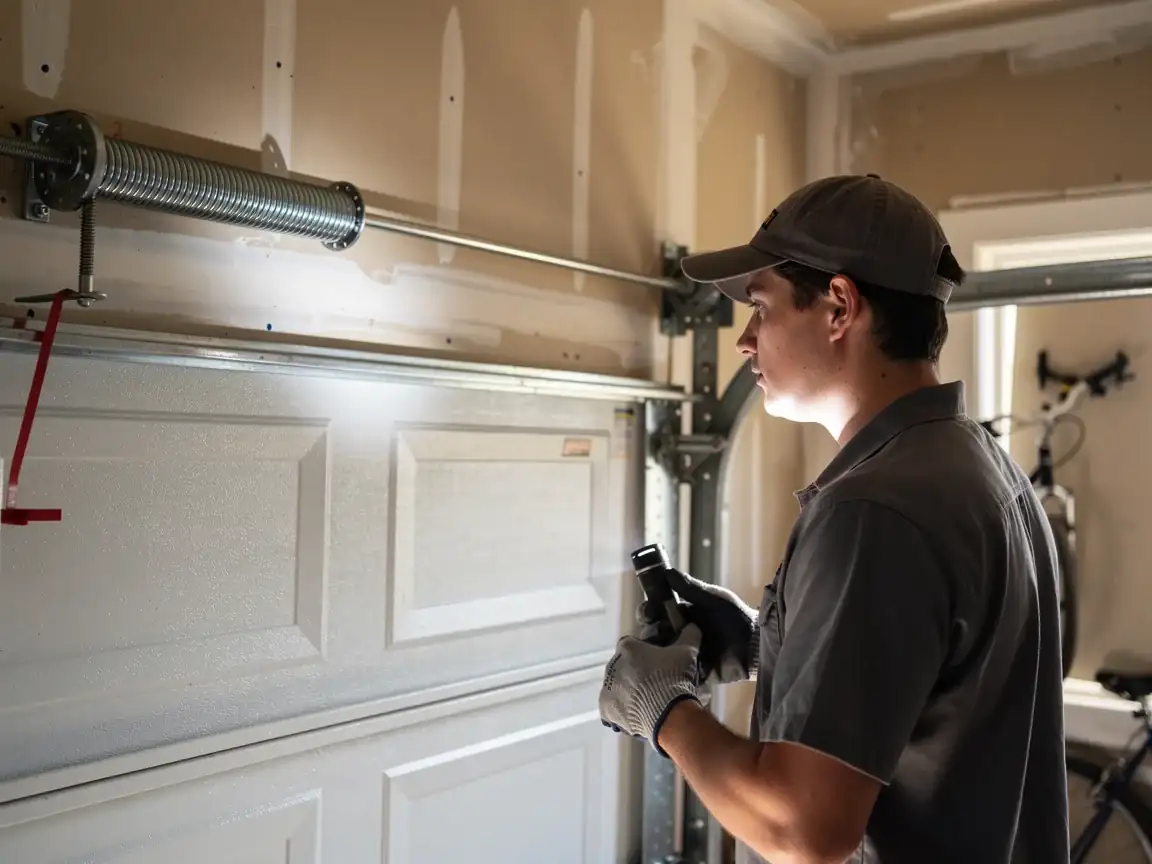
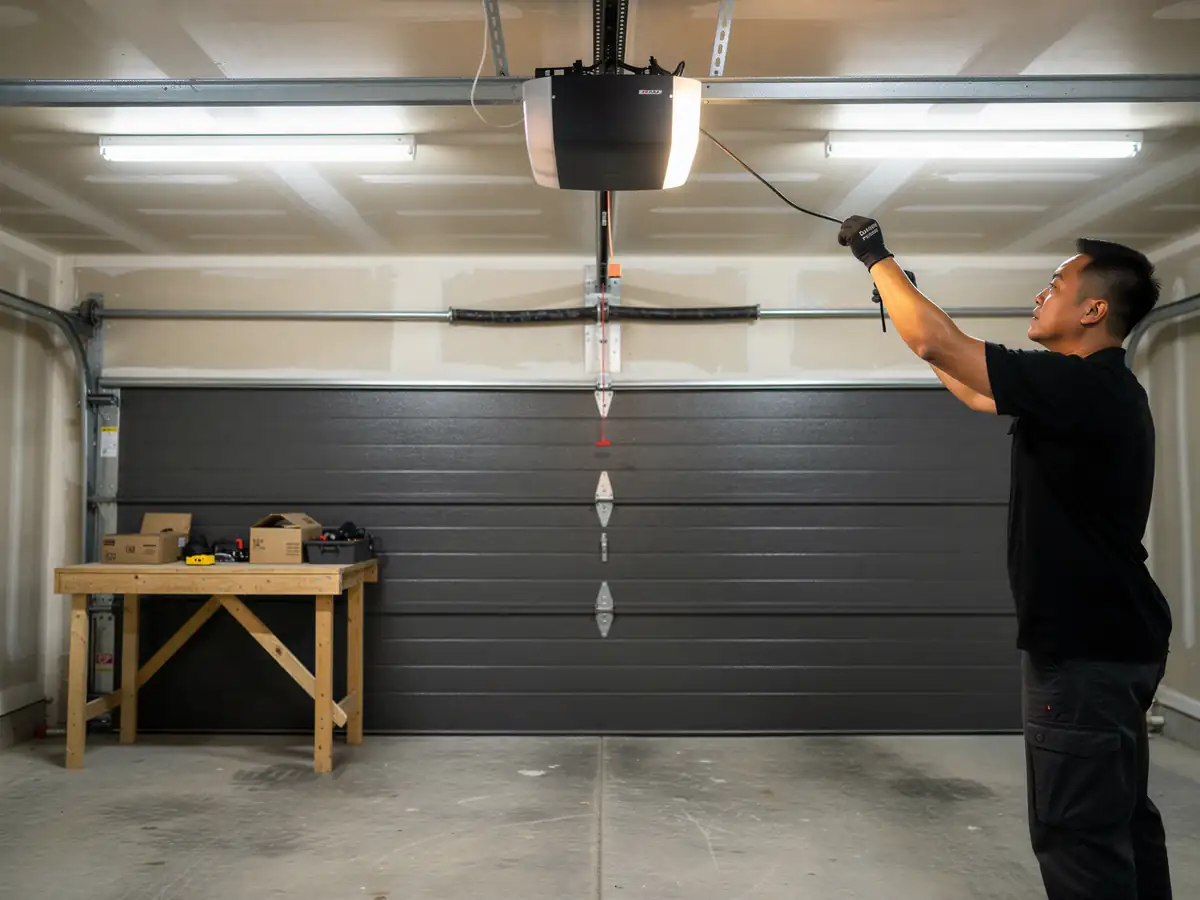
We run this call from Oro Valley, and Oracle sits about 17 miles out, so figure that drive into any estimate of when we can get there - we don't carry a local branch or a standing crew in Oracle, and we're not going to pretend otherwise. Once a tech is on site, most opener repairs - a dead logic board, a burnt-out motor capacitor, a stripped drive gear - run under two hours. Diagnosis is usually the fast part; it's parts availability that can stretch a job, especially on a chain-drive unit old enough to have outlived its original manufacturer's support line.
If the opener predates photo-eye sensors, as some of the older Oracle units built around that 1983 median do, the repair isn't just swapping a part - it includes bringing the whole unit up to a safety standard it was never built to meet. That adds time and, often, a second part to the order. We'd rather tell you that up front than have you find out mid-job.
What You Pay
We don't have a flat number to hand you here
And we're not going to invent one - but the decision framework is simple. At $66,729 median household income, the math on repair versus replace tends to favor repair up to a point: a new logic board or motor assembly is almost always cheaper than a full unit swap, and most Oracle openers built around 1983 still have working drive rail and track hardware worth keeping.
Where that flips is when the motor housing itself has cooked from years of severe summer heat and the belt or chain drive has stretched past adjustment range
At that point you're not fixing one part, you're fixing three, and a new opener with a sealed, heat-rated motor housing starts looking like the better spend for the same household budget. We'll tell you straight which side of that line your unit falls on before we quote anything.
Doing It Yourself
Swapping a remote battery or resetting a rolling code is fine to do yourself, and most owners already have. Where we'd stop you: anything involving the logic board, the motor capacitor, or a opener built before photo-eye sensors were standard. That last one isn't a DIY skill issue, it's a liability issue - a unit without working safety sensors can close on something in its path without stopping, and that's not a repair you want to improvise on a ladder in August heat.
If your opener is original to a house built around 1983, as a fair share of Oracle's stock is, and it's never had the board replaced, that's worth a professional look even if it's still running. Original boards from that era weren't built for 40 years of severe-heat cycling, and when they fail, they tend to fail all at once rather than giving warning.