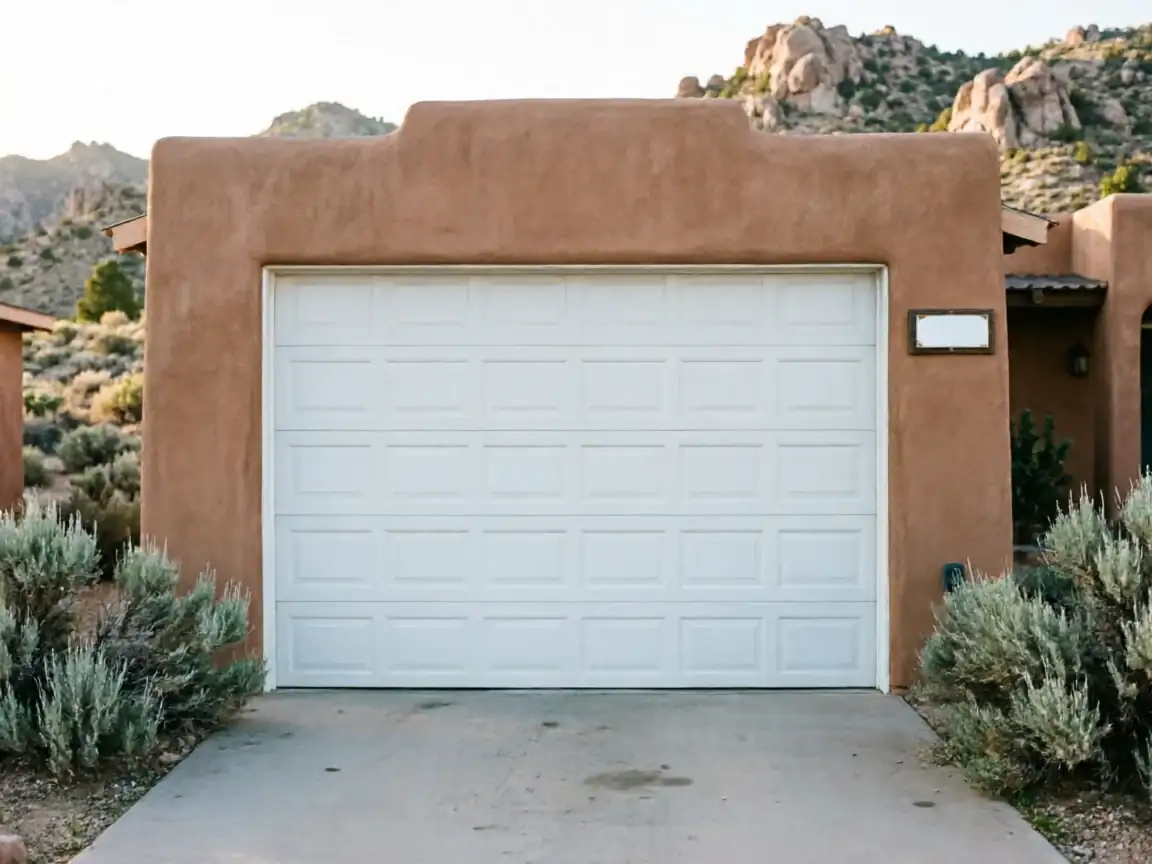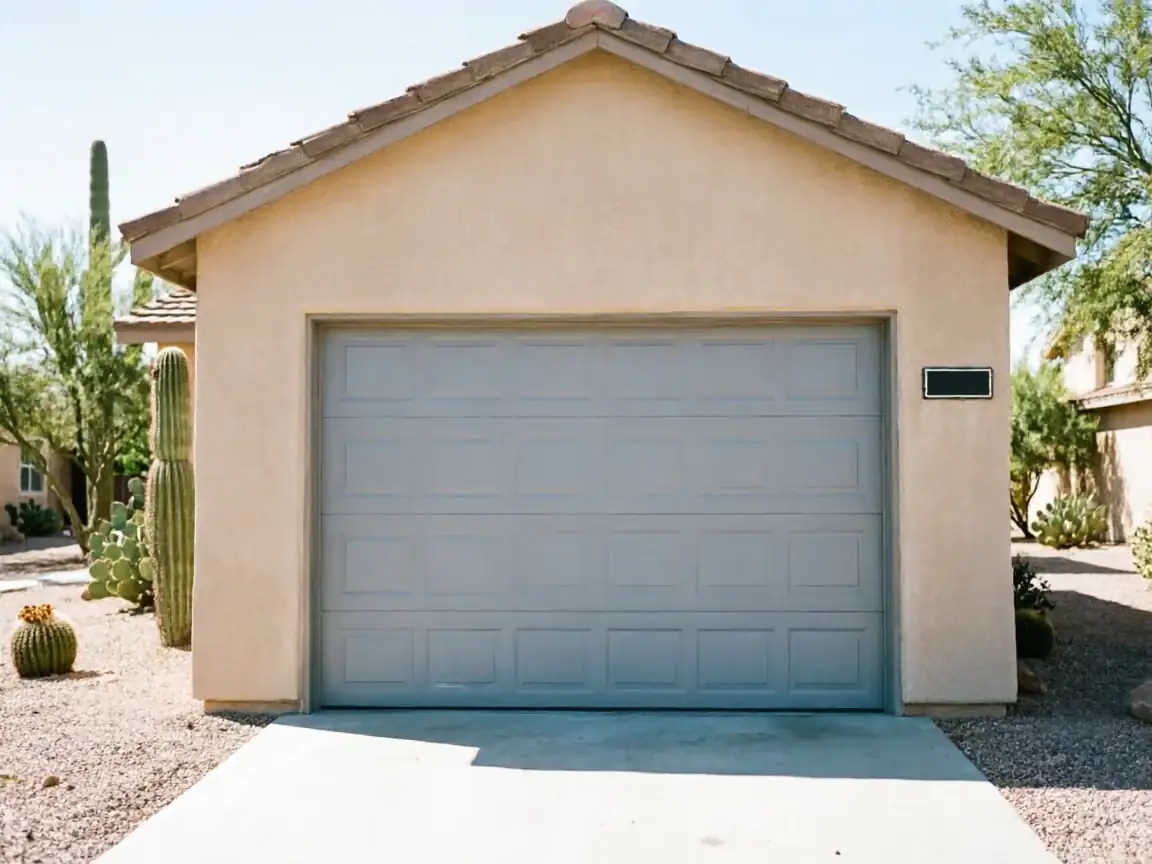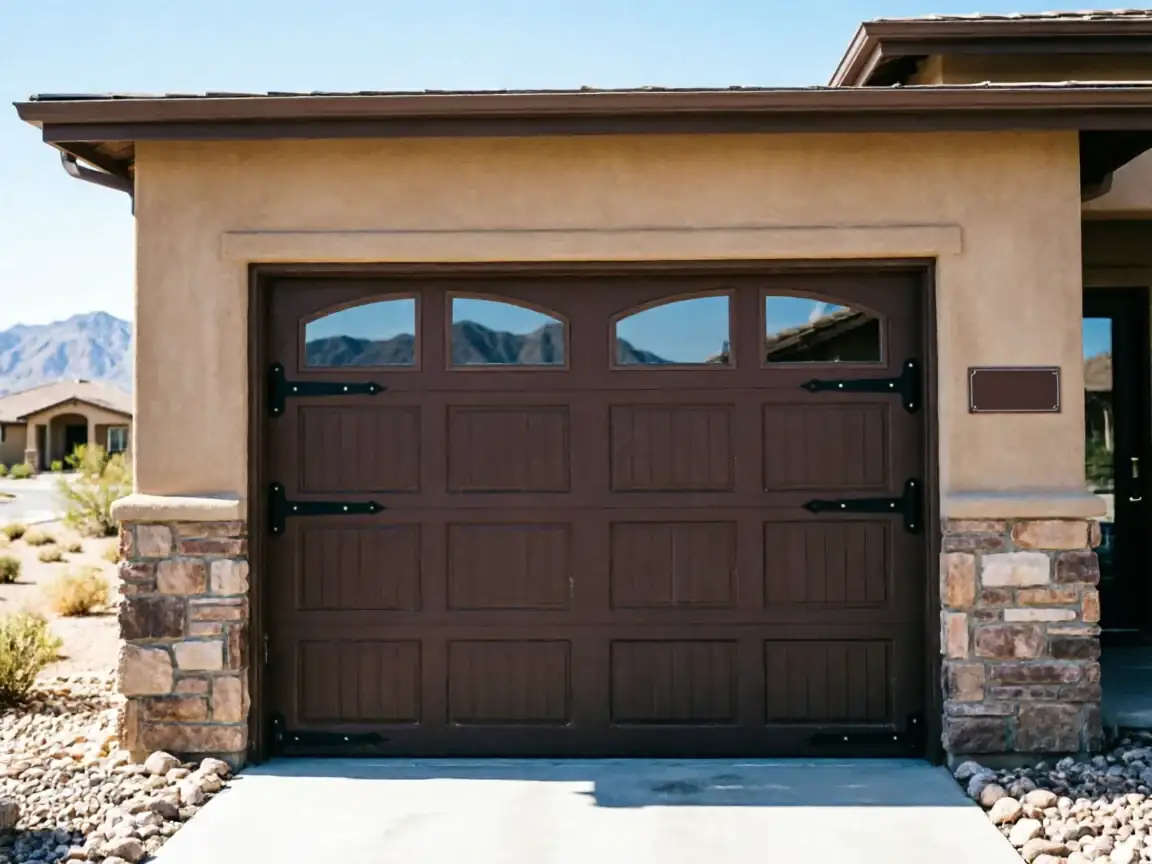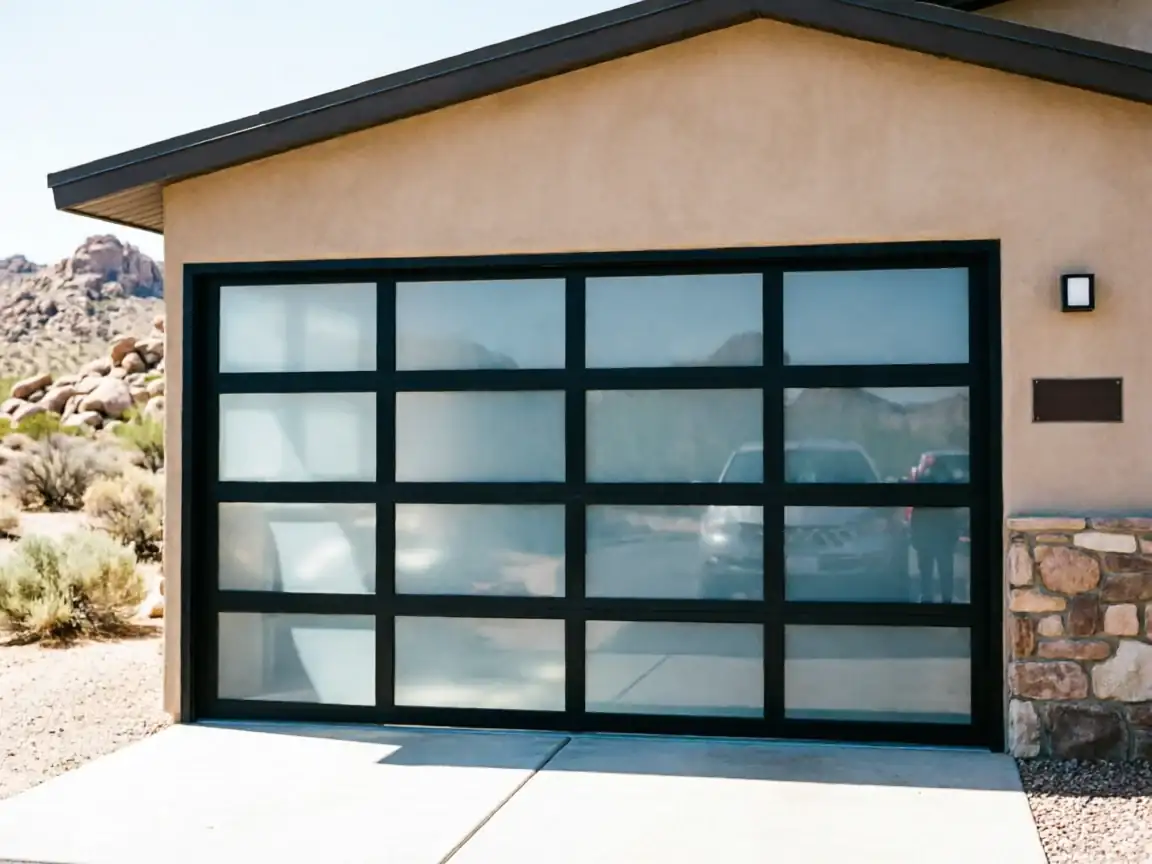
The Complications
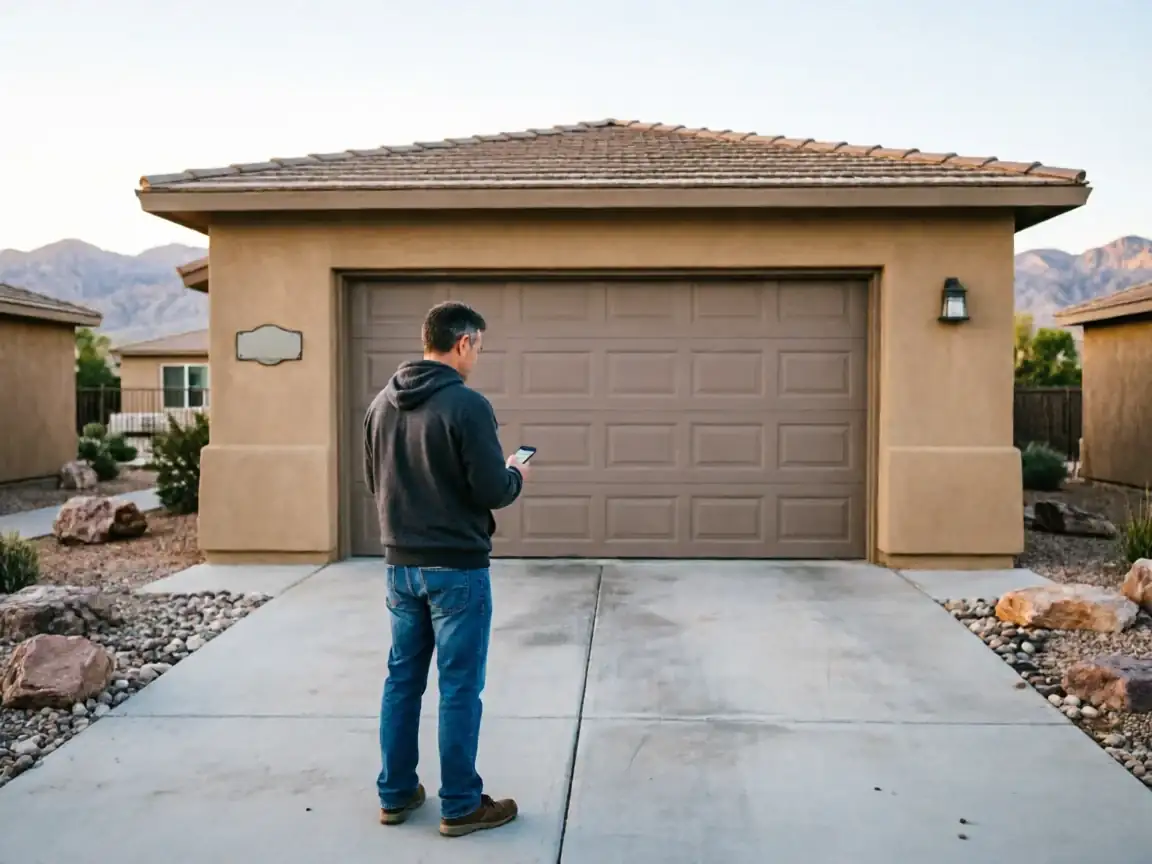
Oracle is a small place - about 1,520 households, nowhere near the volume of a bigger suburb - and most of its garage doors sit on openers that went in when the house was built, around 1983. That matters for one specific reason: federal law didn't require photo-eye safety sensors on garage door openers until 1993. A lot of original Oracle units predate that rule entirely, which means no auto-reverse beam, just a mechanical pressure switch that's a decade or two past reliable. When we install a new opener here, the first job is almost always bringing the safety hardware up to current code, not just swapping a motor.
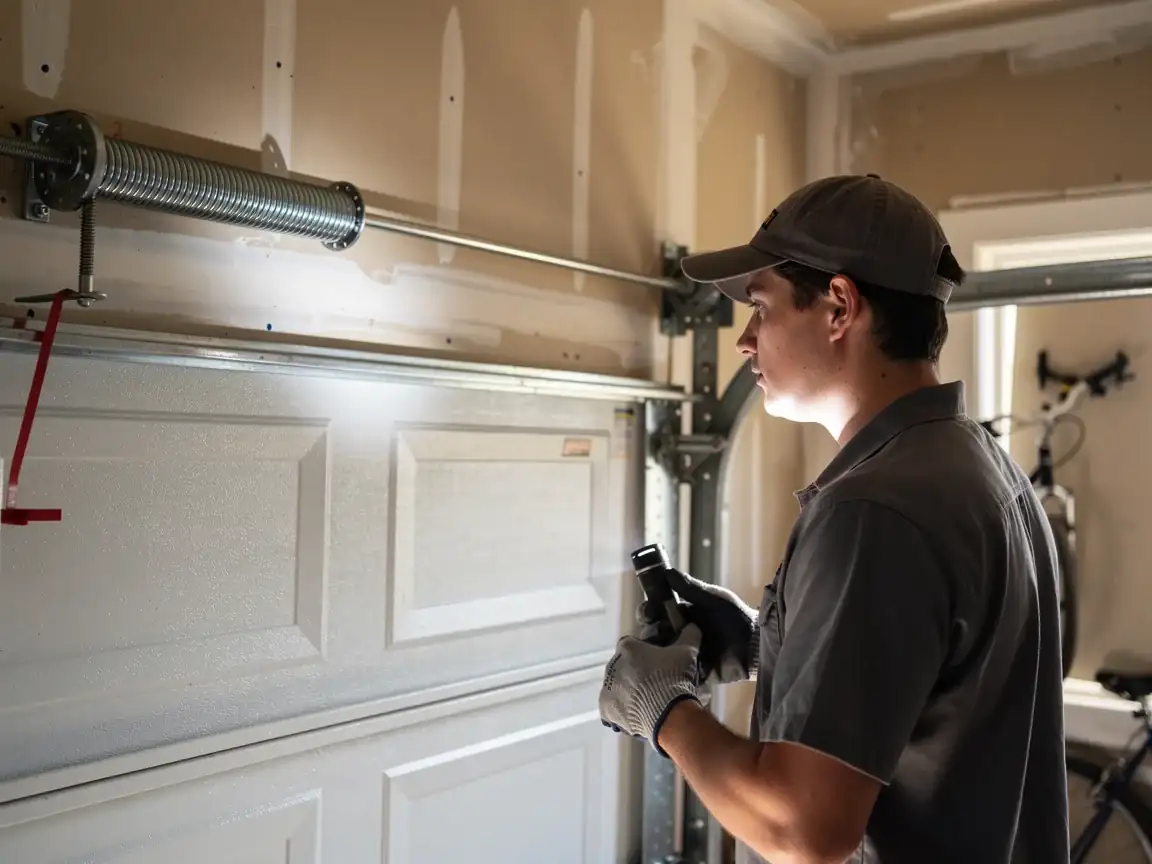
The other recurring issue is heat. This area sits in a severe-heat climate band, and a garage that bakes all afternoon cooks the opener's circuit board and the grease in its gears right along with it. On a house with an original 1983 chain-drive unit, we typically find stripped nylon gears, a motor that runs hot and slow, and a logic board that's been fried and replaced once already by whoever lived there before. None of that is unique to one house - it's what 40 years of Arizona sun does to an opener that was never designed to last that long.
We don't carry an Oracle inventory the way we might closer to home - every job here is scheduled from our Oro Valley base, about 17 miles away, so we plan the visit around having the right opener and hardware on the truck before we leave.
How Long It Takes
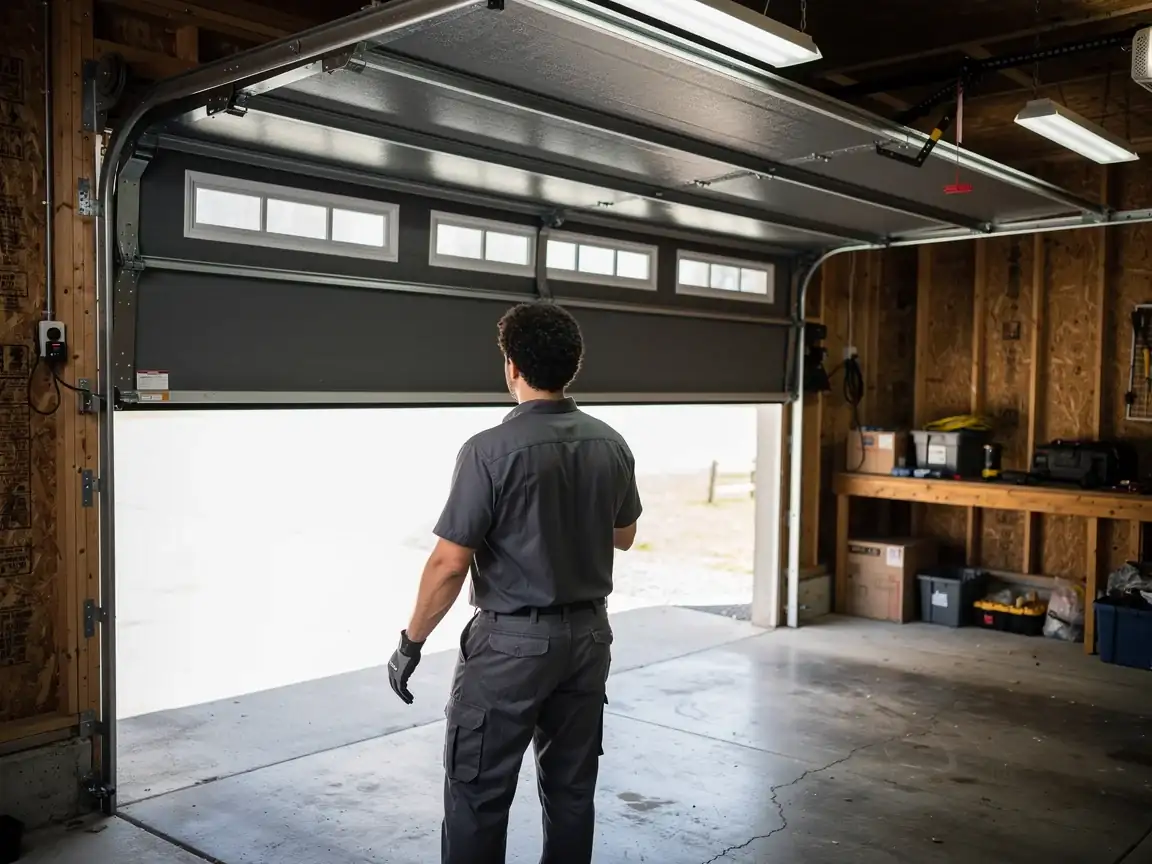
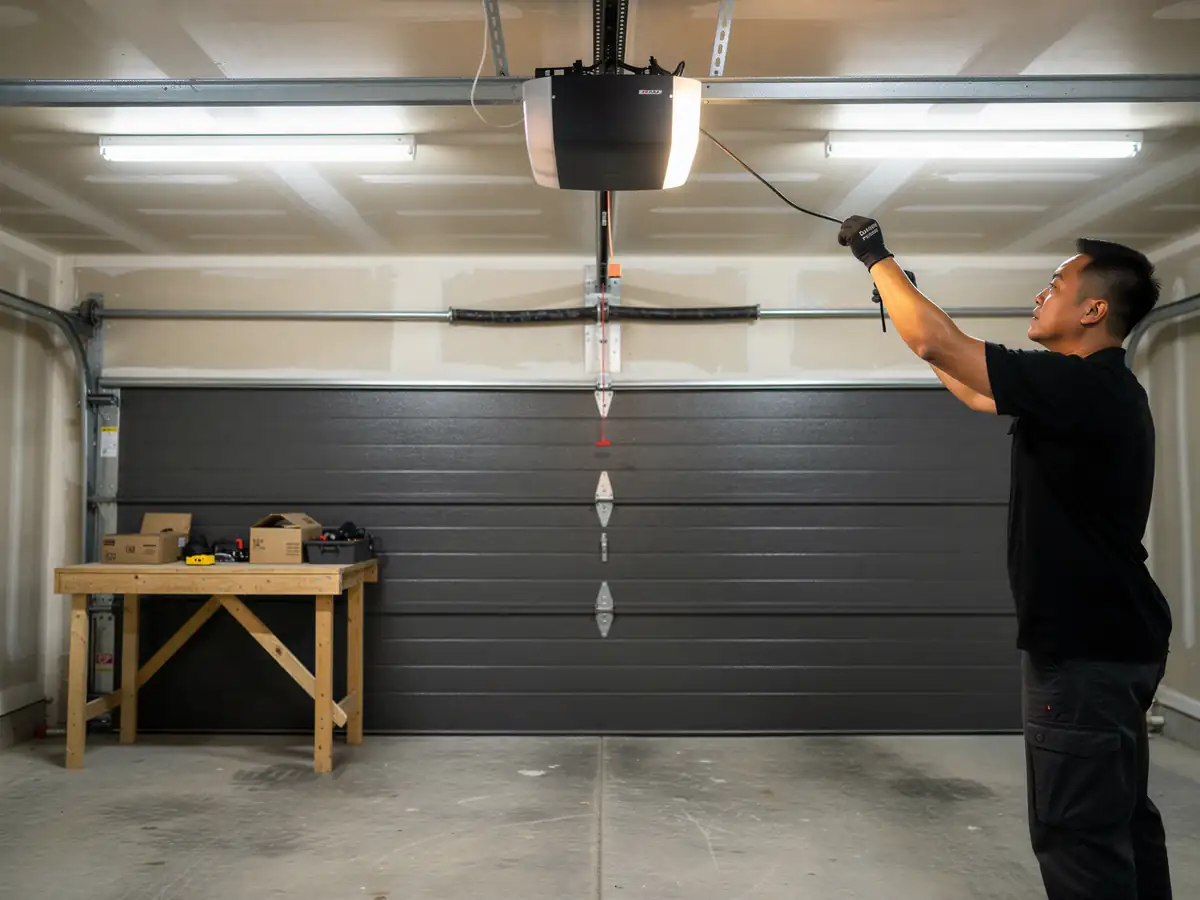
A straight opener swap - same mounting rail, same door, new motor head and logic board - usually runs a few hours once we're on site. Oracle doesn't change that part of the job. What it does change is scheduling: because we're coming from Oro Valley, 17 miles out, we book Oracle visits as a dedicated trip rather than a drop-in between closer jobs, so we ask for a bit more lead time to line up the date.
If the opener is original to a 1983-era house, expect the visit to run longer than a straight swap. We're often re-routing wiring for photo-eye sensors that were never there, rebuilding the trolley rail mount, or dealing with a header board that's warped from decades of heat. We'd rather tell you that up front than show up and discover it costs you an extra hour you didn't plan for.
We don't offer a guaranteed same-day response for Oracle specifically - that's not a number we have, and we're not going to invent one. What we can tell you is that once the appointment is set, the install itself is a known quantity: motor, rail, safety sensors, and testing the force settings against your door's actual weight, not a generic default.
What You Pay
We don't have a published price list for Oracle installs
And pricing an opener job without seeing the door - its weight, its spring setup, whether the old sensors exist at all - isn't something we'll guess at here. What we can say is that the cost picture in Oracle looks different from a newer part of the service area: homes from 1983 more often need the extra work of adding photo-eye sensors and sometimes a new header bracket, which is additional labor beyond the opener itself.
Median household income in Oracle runs around $66,729
Lower than the roughly $70,982 median across the wider service area. We mention that only because it's part of why we don't push a single opener model on everyone - a basic chain-drive unit with battery backup does the job for most of these houses, and there's no reason to sell a belt-drive with smart-home features onto a door that's never going to need it.
If you want a number before we commit a truck to the drive
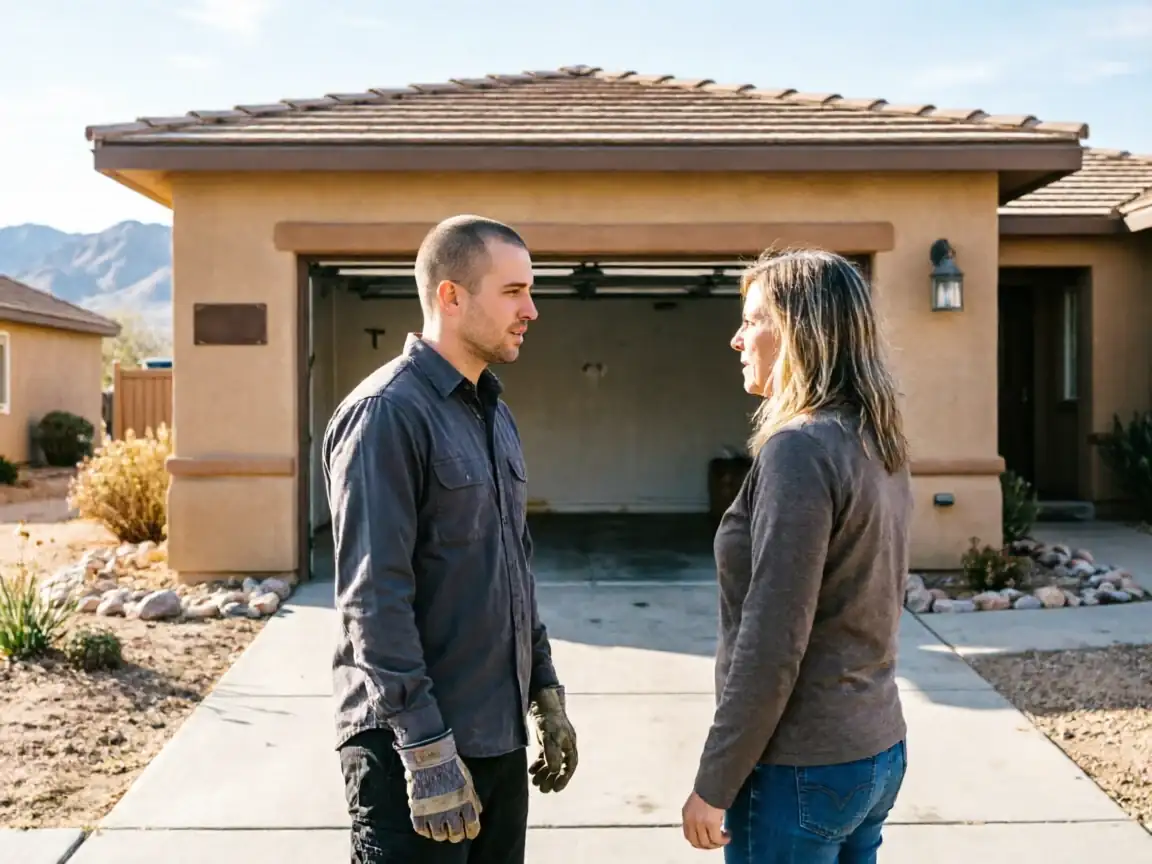
Tell us the age of your door and opener and whether it has working sensors now - that's usually enough for us to give you a realistic range over the phone.
Doing It Yourself
Swapping an opener yourself is doable if the door itself is sound - tracks straight, cables intact, springs not the problem. Where Oracle's older stock makes DIY riskier is the photo-eye retrofit: wiring a safety sensor into a system that never had one means running new low-voltage wire along the track, which is easy to get wrong in a way that isn't obvious until the door closes on something it should have stopped for.
Honest limitation: we don't stock every opener model on the truck for every visit, especially for a house that needs non-standard bracketry from an original 1983 install. If your garage has an odd header height or the rail doesn't match anything current, we may need a second trip once we've confirmed the part. We'd rather say that now than promise a one-visit job and miss it.
If your opener is newer, the motor runs fine, and you just want more lifting power or a battery backup for monsoon outages, that's a reasonable DIY project for someone comfortable on a ladder. If the unit is original to the house and has no sensors, we'd call that a job worth having someone look at in person before you order parts.