The Complications
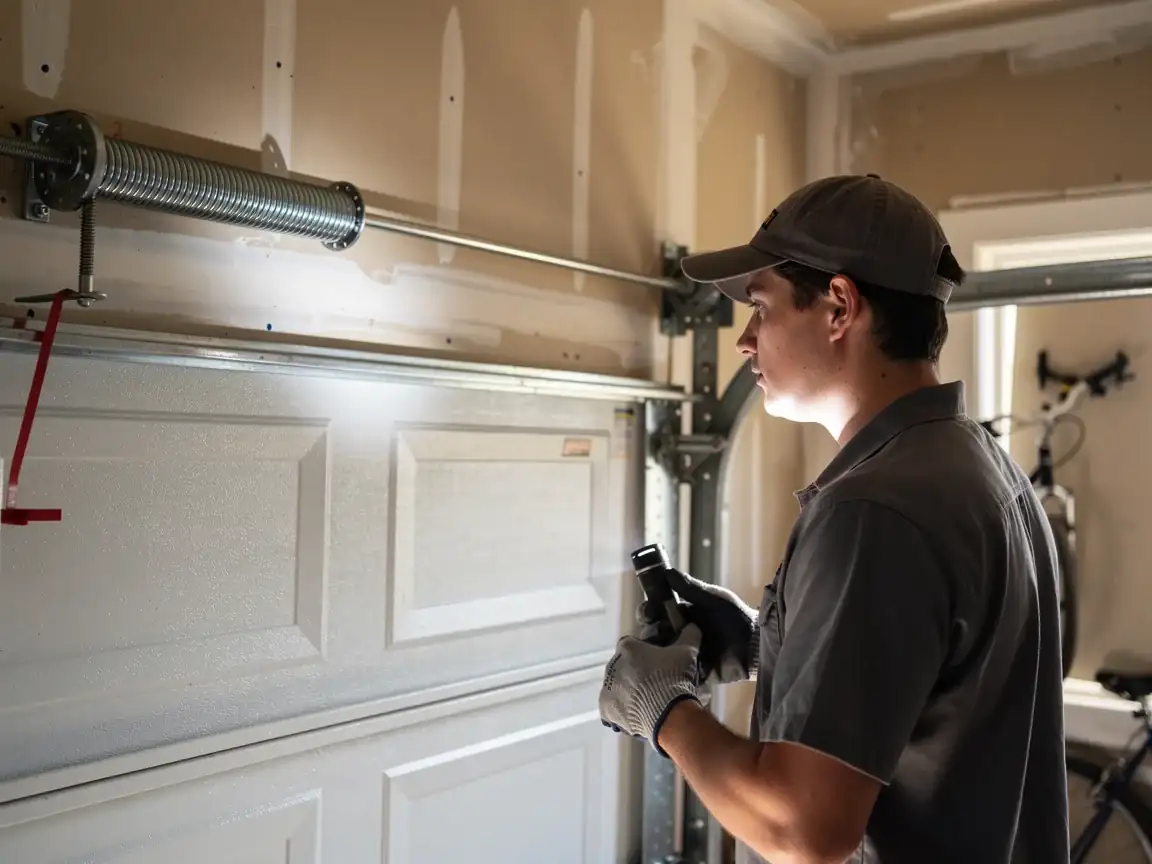
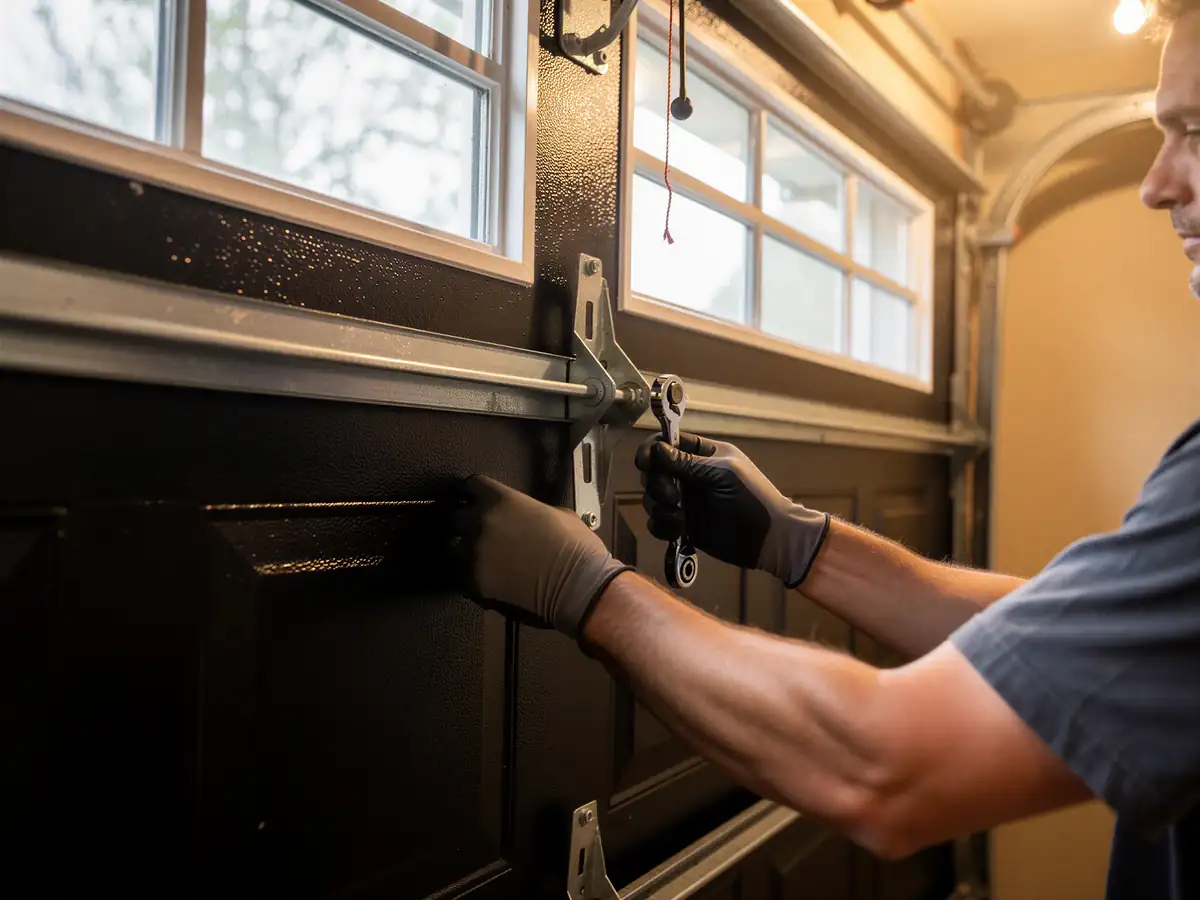
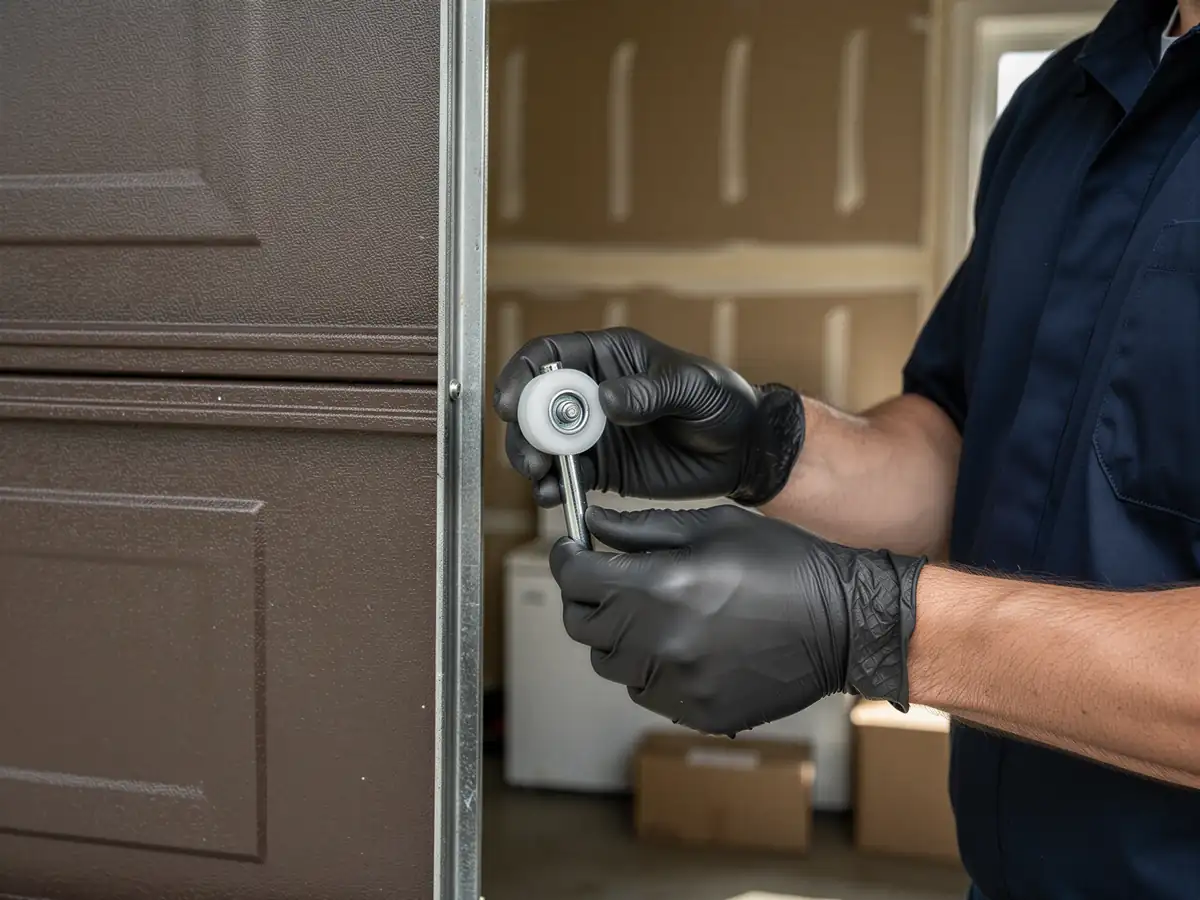
The fault we see most in Oracle isn't a broken spring or a dead opener - it's rollers. Pull into a driveway out here and more often than not the door is still riding on the steel wheels it came with, grinding in a track that's never been swapped. That grinding gets worse, not better, and eventually a roller cracks its stem or jumps the track entirely, usually when the door is halfway up.
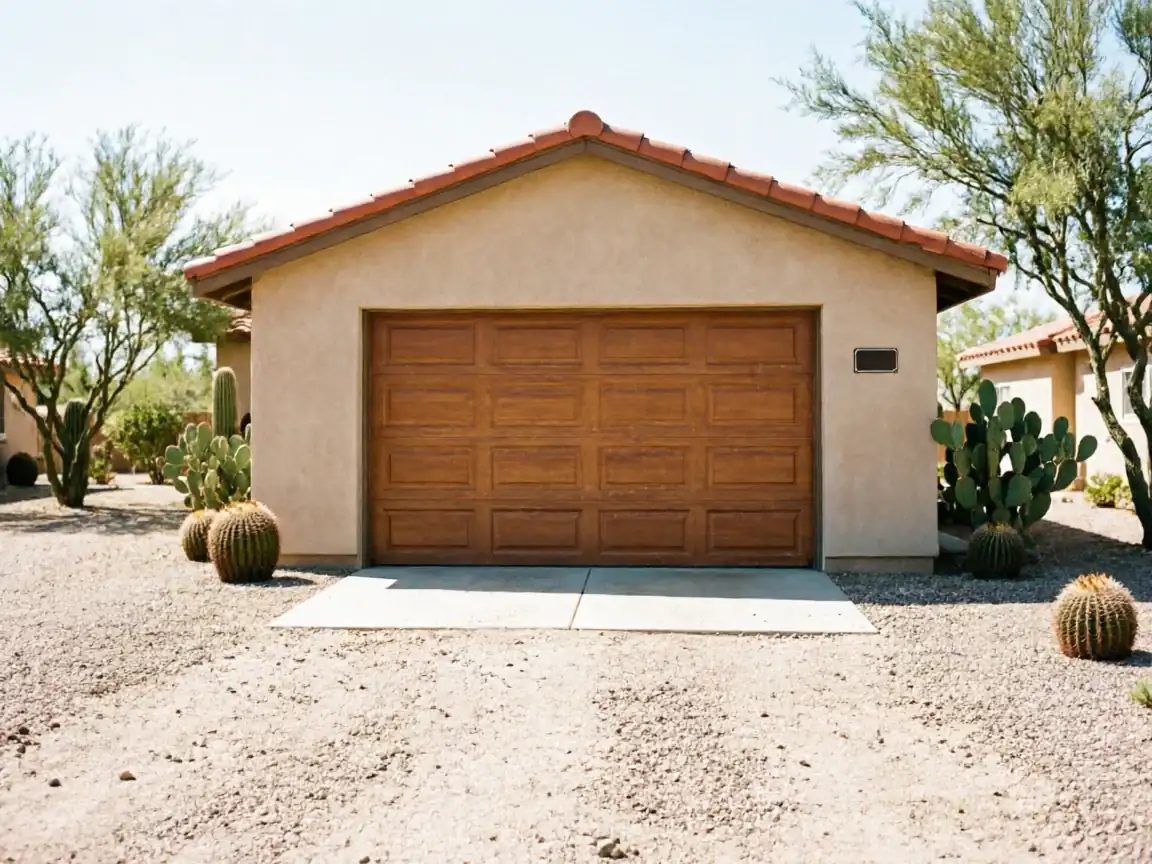
Oracle's housing stock centers on 1983, which matters more than people think. A door built then almost always shipped with plain steel rollers on steel track, no nylon, no sealed bearing. Thirty-plus years of opening and closing wears a groove into that steel wheel until it's no longer round - you can hear it before you see it, a rhythmic thump every time the door travels. Add the severe summer heat this part of the service area sits under, and the grease in those old bearings cooks out faster than it would somewhere cooler, so the wear accelerates.
The other complication is availability. Original steel rollers from doors this old aren't something we carry pre-matched to every stem length, so a tech coming out from Oro Valley needs to confirm stem size and track width before the truck leaves, not after.
How Long It Takes
A straight roller swap - all ten wheels, no track replacement - runs under two hours once the tech is on site, and that's true whether the door is a single or a double. What changes the clock in Oracle specifically is the track itself. On a lot of these 1983-built doors the track has worn right alongside the rollers, so the tech often has to true up or replace a section of track at the same time, which adds time to the job rather than the roller swap itself.
Because this is a 17-mile run from Oro Valley, we build drive time into the appointment window rather than promising a same-hour arrival. We're not a branch sitting in Oracle - every job here starts with that drive, and we plan the stop accordingly instead of pretending otherwise.
What You Pay
We don't have a posted price for roller replacement here and won't invent one
What we can tell you is what drives the number: whether you want steel or nylon rollers, whether the track needs truing or full replacement alongside the rollers, and whether it's a single or double door. Nylon rollers run quieter and don't wear the track the way steel does, which matters in a town where most doors are already on original 1983-era hardware and the track has had decades to wear unevenly.
With median household income in this area at $66,729
We try to scope the job so you're not paying for a full track replacement when a tune and roller swap gets the door running quiet again. If the track's gone, we'll say so before we start, not after.
Doing It Yourself
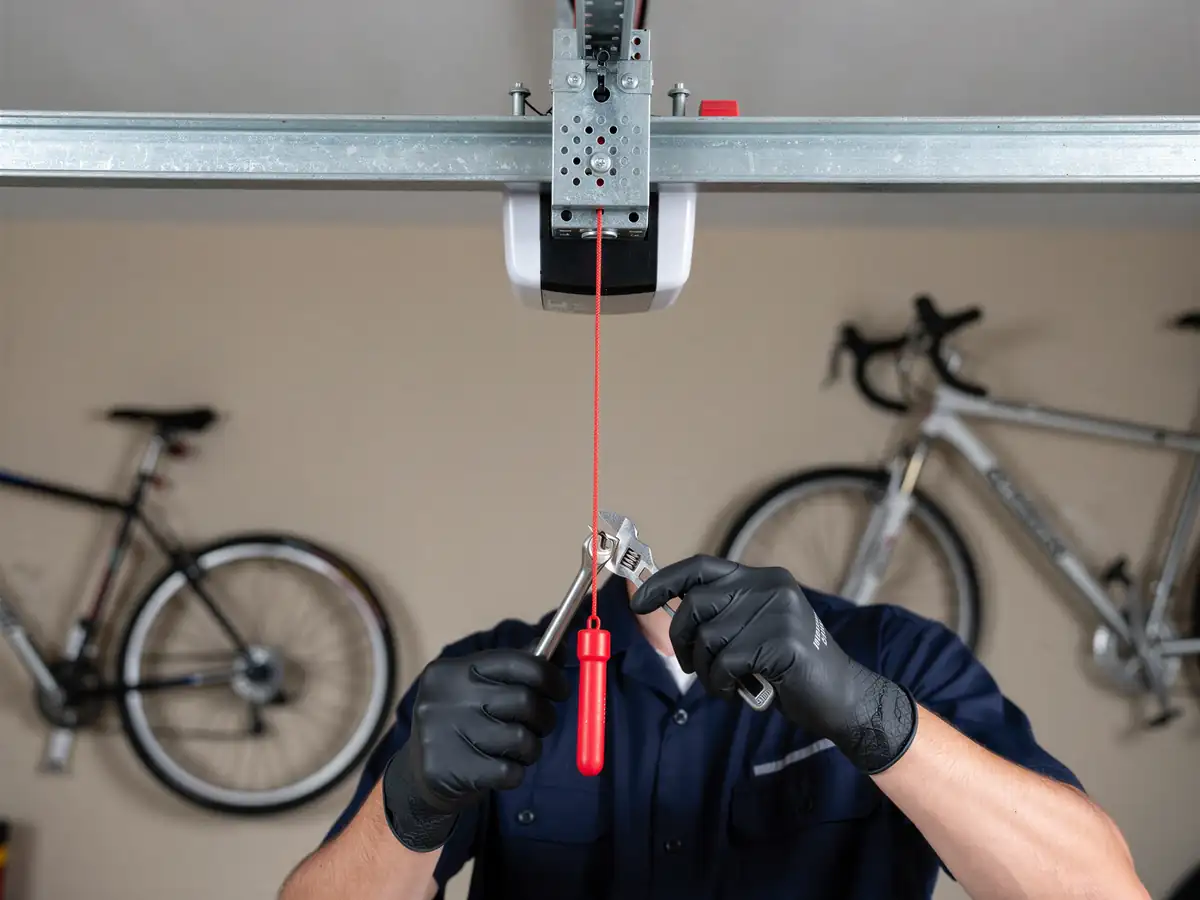
Swapping a roller or two isn't out of reach for someone comfortable with a drill and a ladder, provided the door is disconnected from the opener and the springs are left alone - rollers are not a spring job, and nobody should touch a torsion spring without the right bars. Where DIY gets risky on these older Oracle doors is the track itself. If the track is worn into an oval instead of round, a new roller will ride rough no matter how carefully you install it, and a full track replacement is not a job to learn on a ladder.
One honest limit: we don't do emergency same-day rollers calls out here. Because every job is a drive from Oro Valley, a stuck door at 7 p.m. on a Tuesday in Oracle isn't going to get same-evening service the way it might closer to our base. If the door is jammed open or shut and unsafe, support it and call - we'll get you on the schedule, just not instantly.