What You Pay
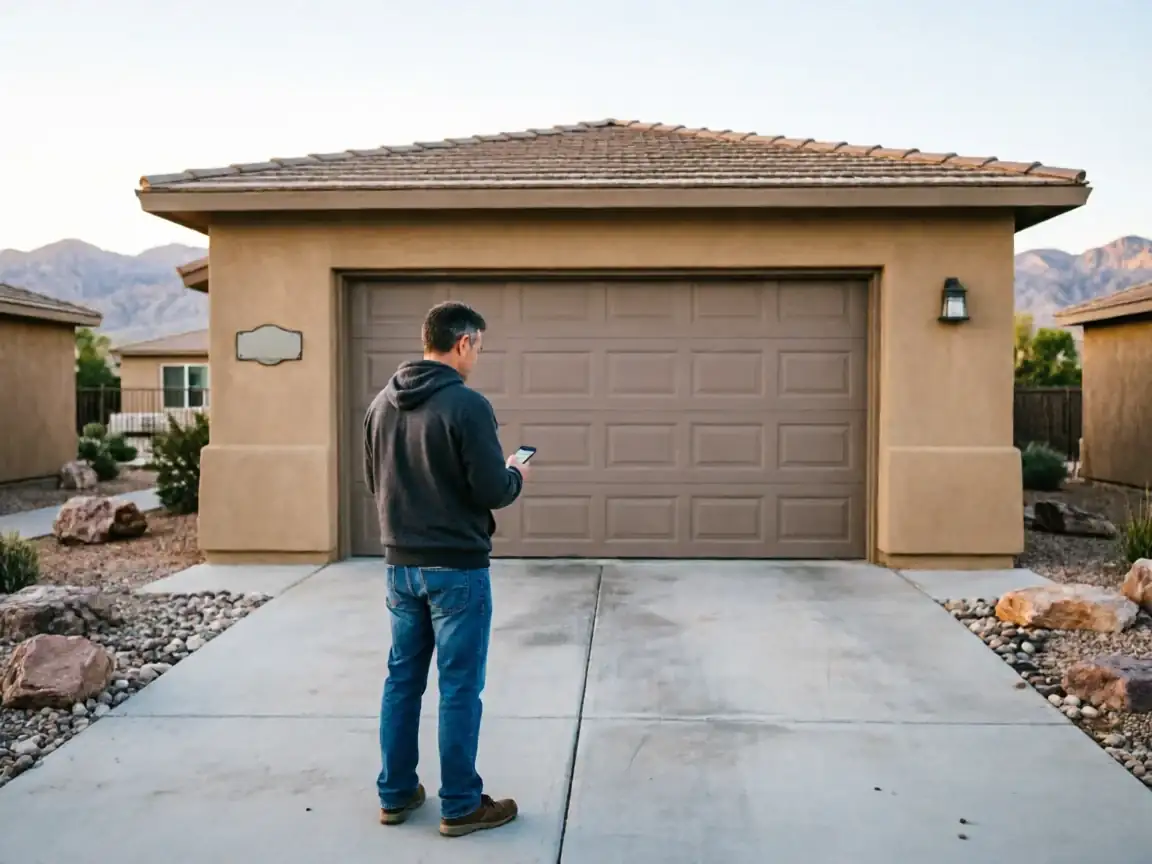
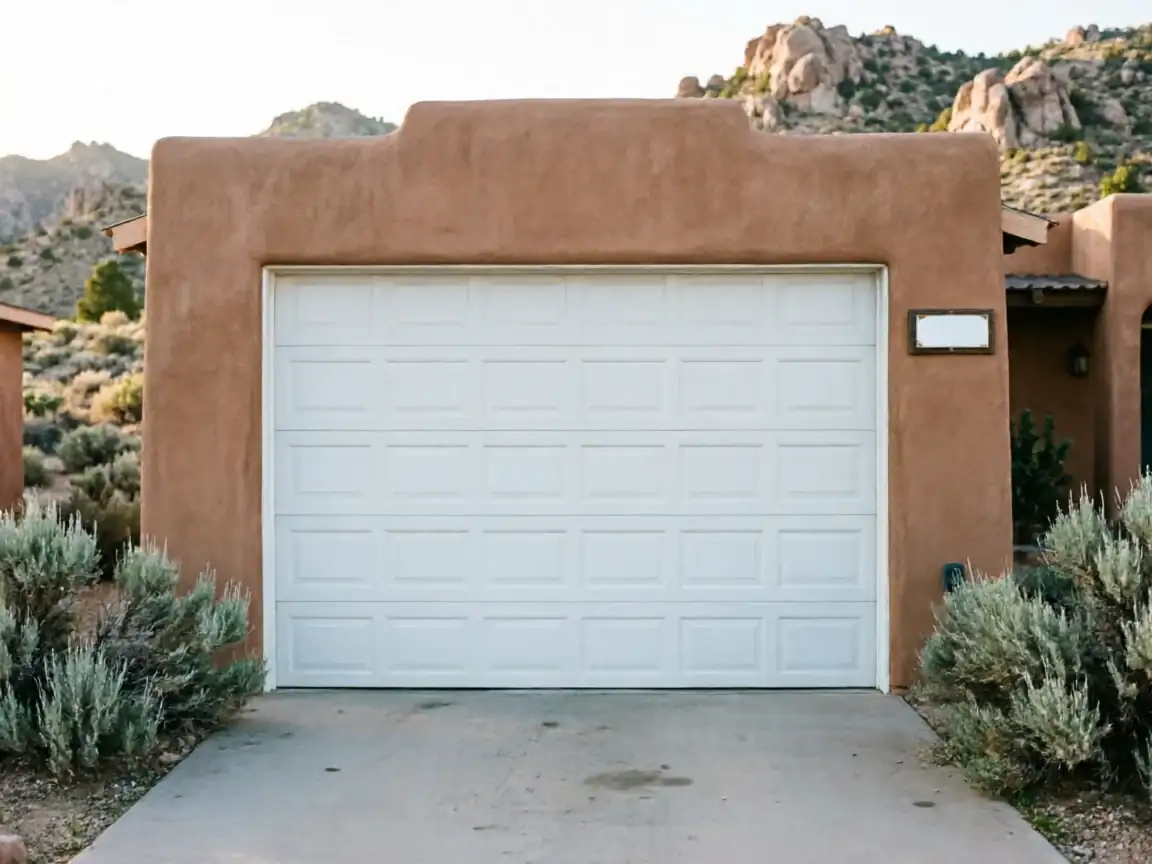
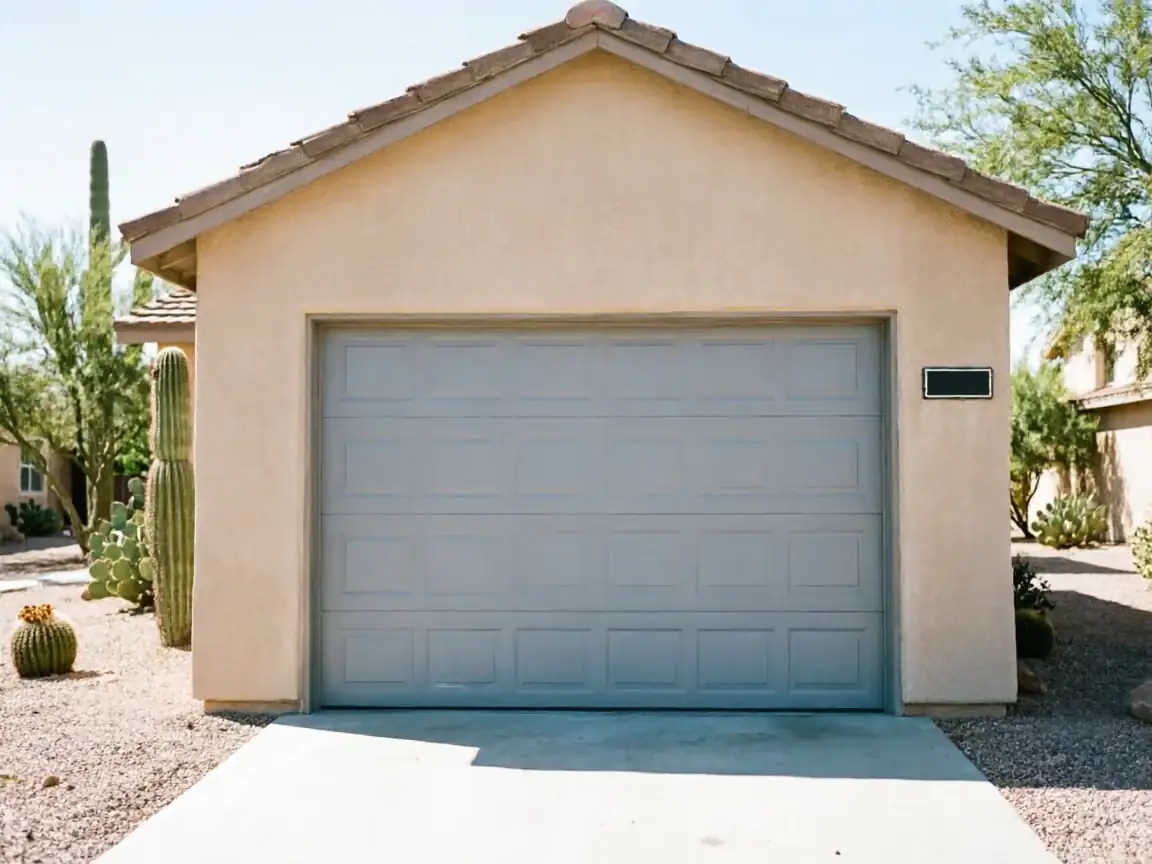
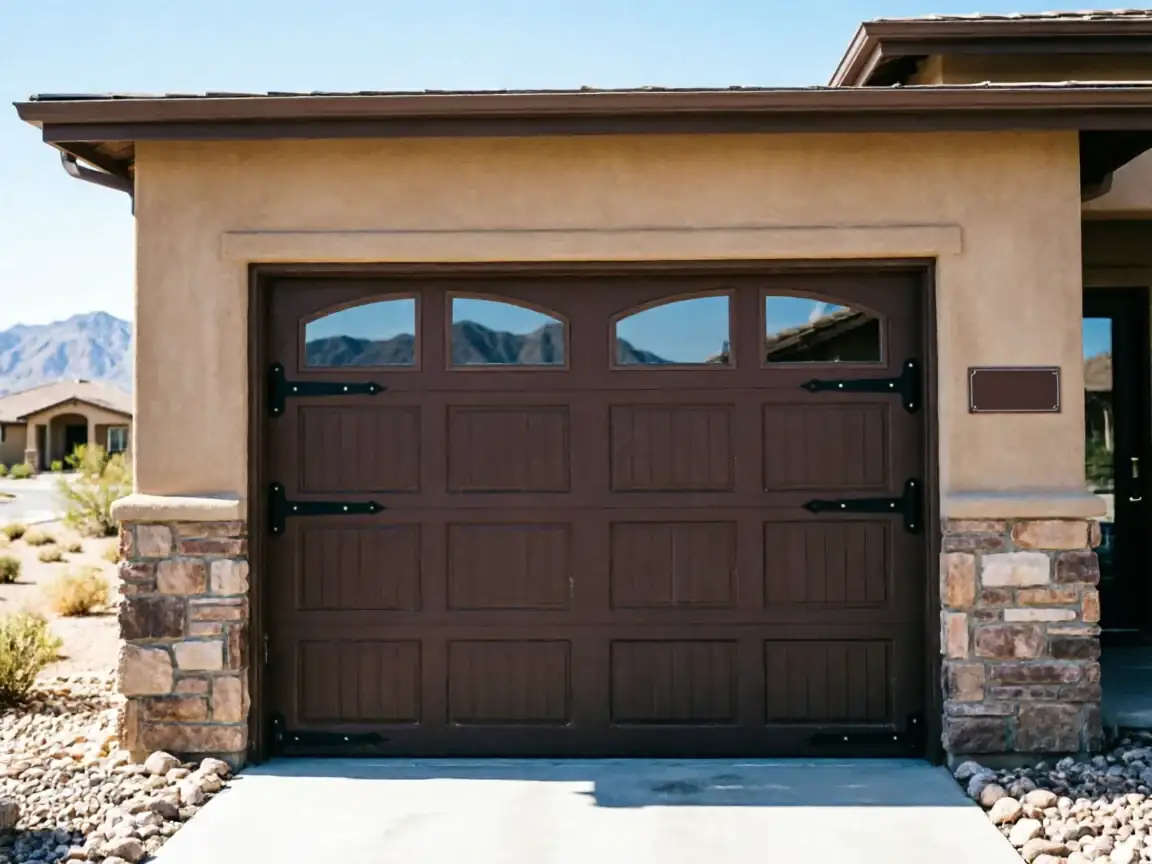
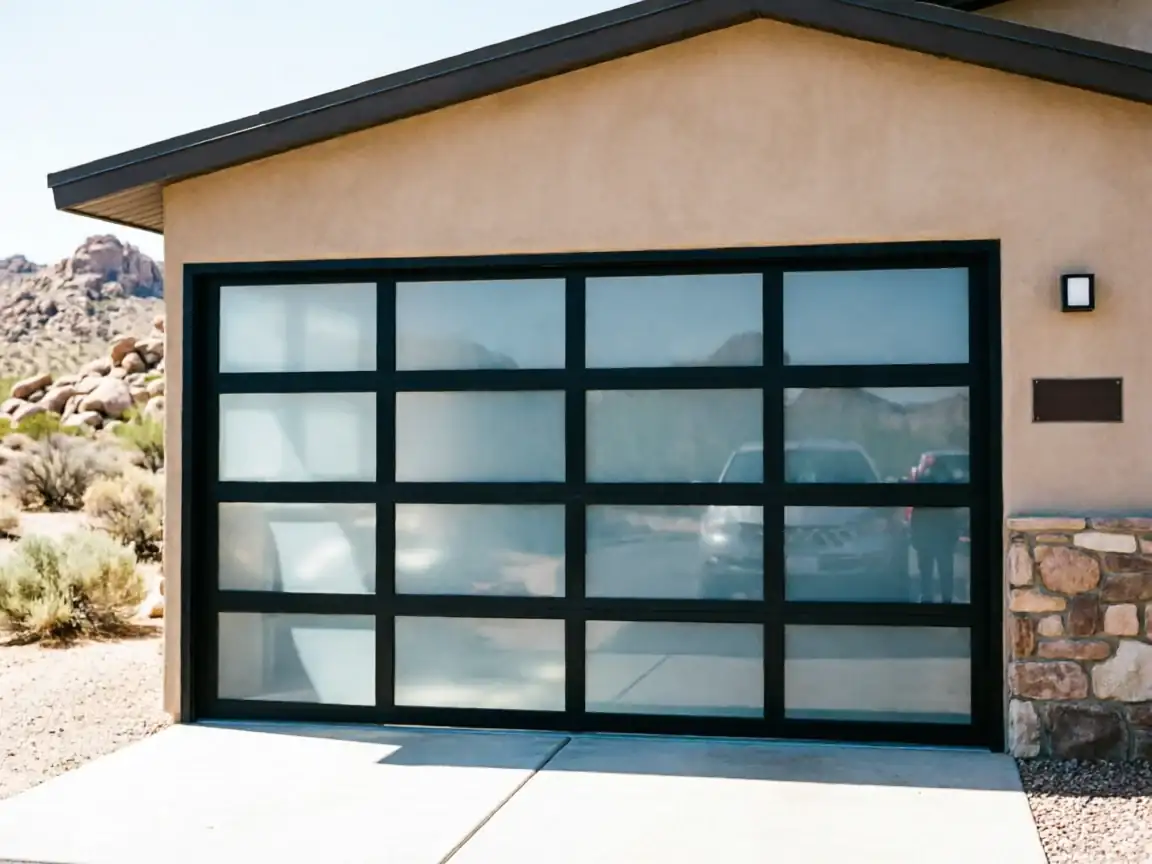
We don't post a flat number for Catalina because the door itself drives the cost more than anything else. A single 9x7 steel door and a double 16x7 are different jobs with different spring sizing, and a lot of the houses out here were built with the thinner, non-insulated steel doors that were standard builder stock around 1995. Swapping one of those for a heavier insulated panel means a heavier torsion spring too, not just a new skin bolted to the old track.
What we can tell you is what moves the estimate: door size, insulation level, whether the existing track and jambs are square enough to reuse, and whether the opener gets replaced at the same time. Catalina's median household income runs around $79,092, noticeably above the $70,982 median across the broader service area we cover from Oro Valley, and we see more owners here opt for the insulated, heavier-gauge door up front rather than the builder-grade replacement. That's a choice, not a requirement - the cheaper door still holds up, it just works harder in summer.
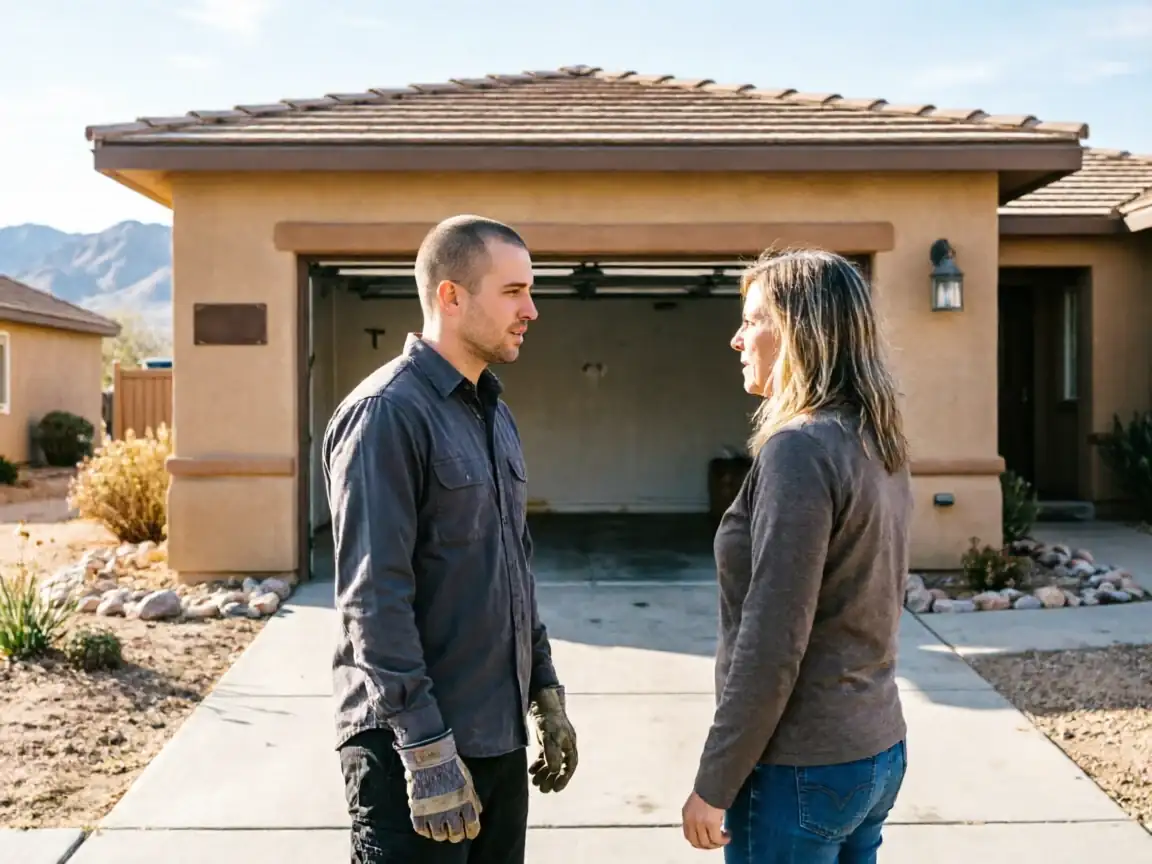
We quote on-site, after we've actually measured the opening and looked at what's there now. Over the phone we're guessing, and a guess on spring size is how you end up with a door that slams down.
Why This Fails Locally
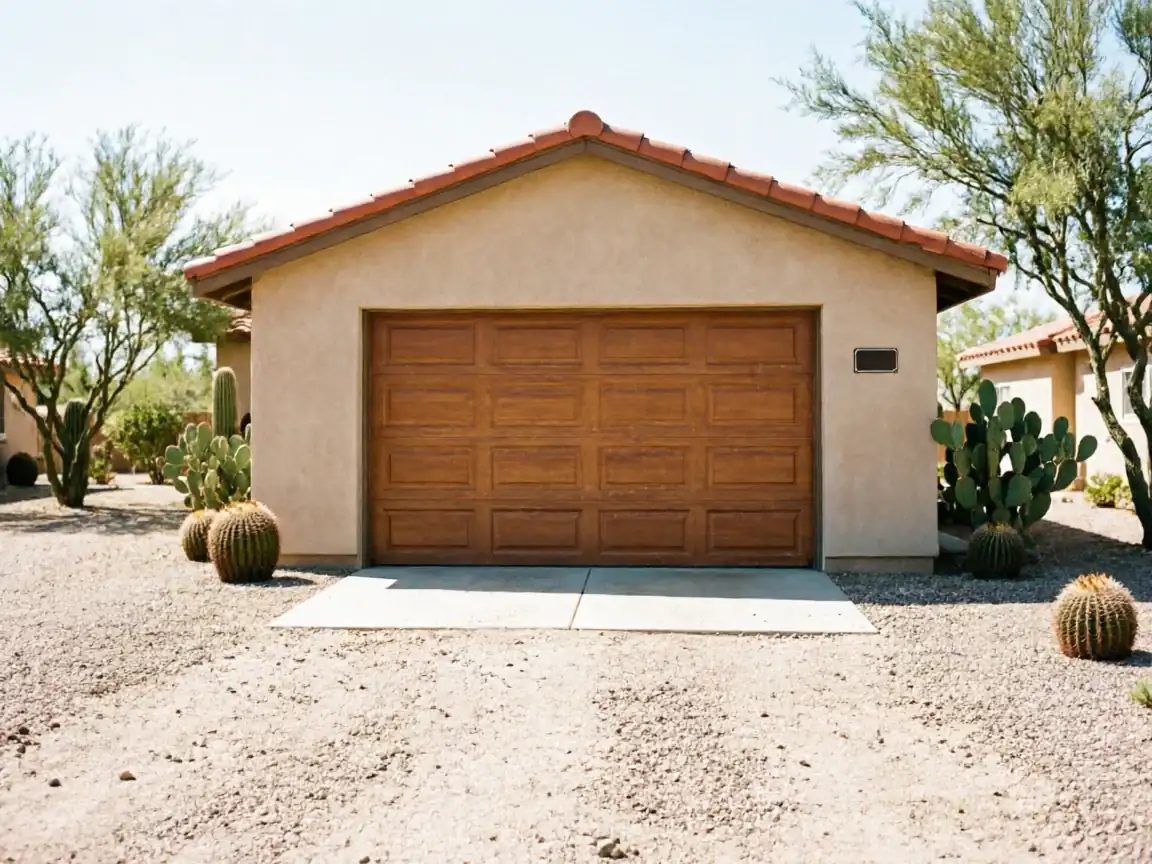
Most of Catalina's roughly 2,971 households are living behind a door that's close to thirty years old now, going up in the mid-1990s building push that put this area a few years ahead of the 1989 median build year for the wider service territory. That matters because the doors from that era were built light - thin steel skins, minimal insulation, springs sized for a door that weighed less than what often replaces it.
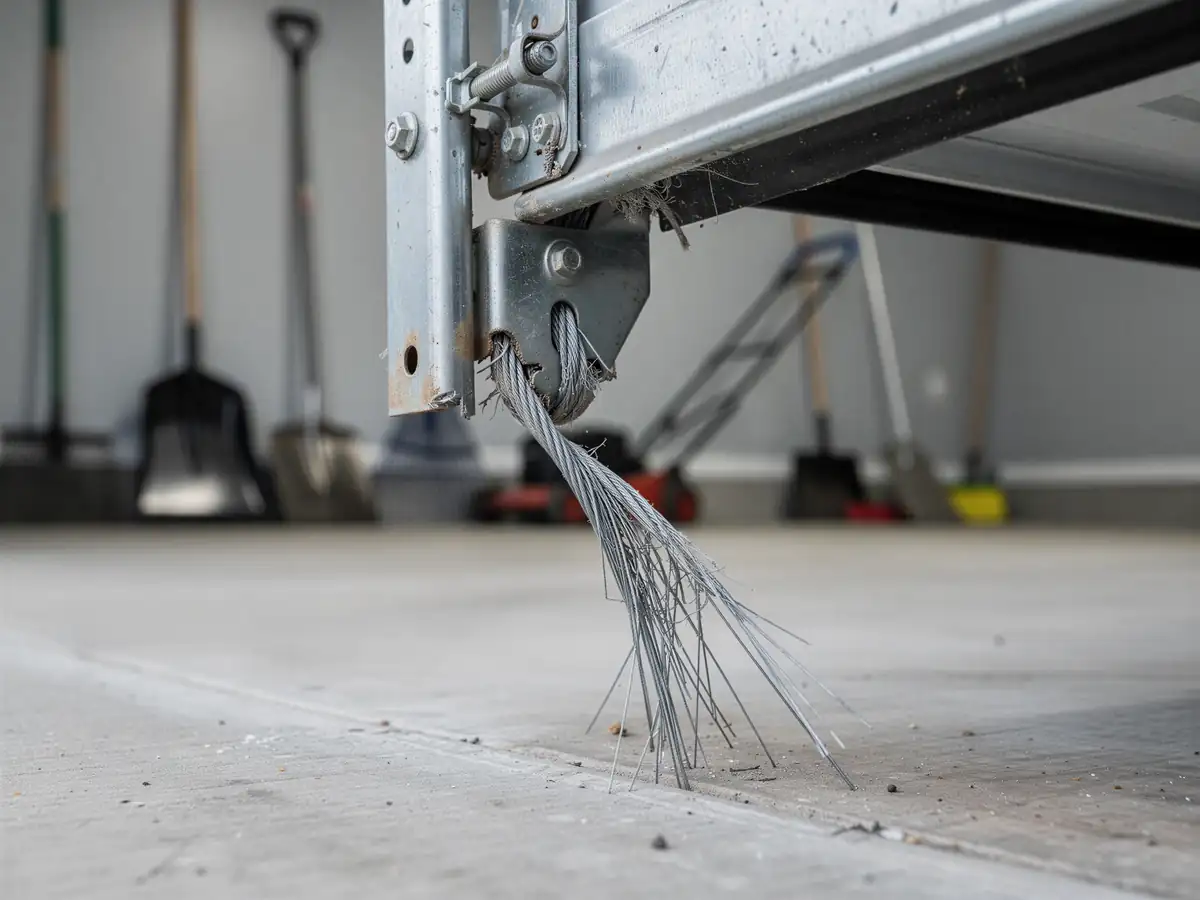
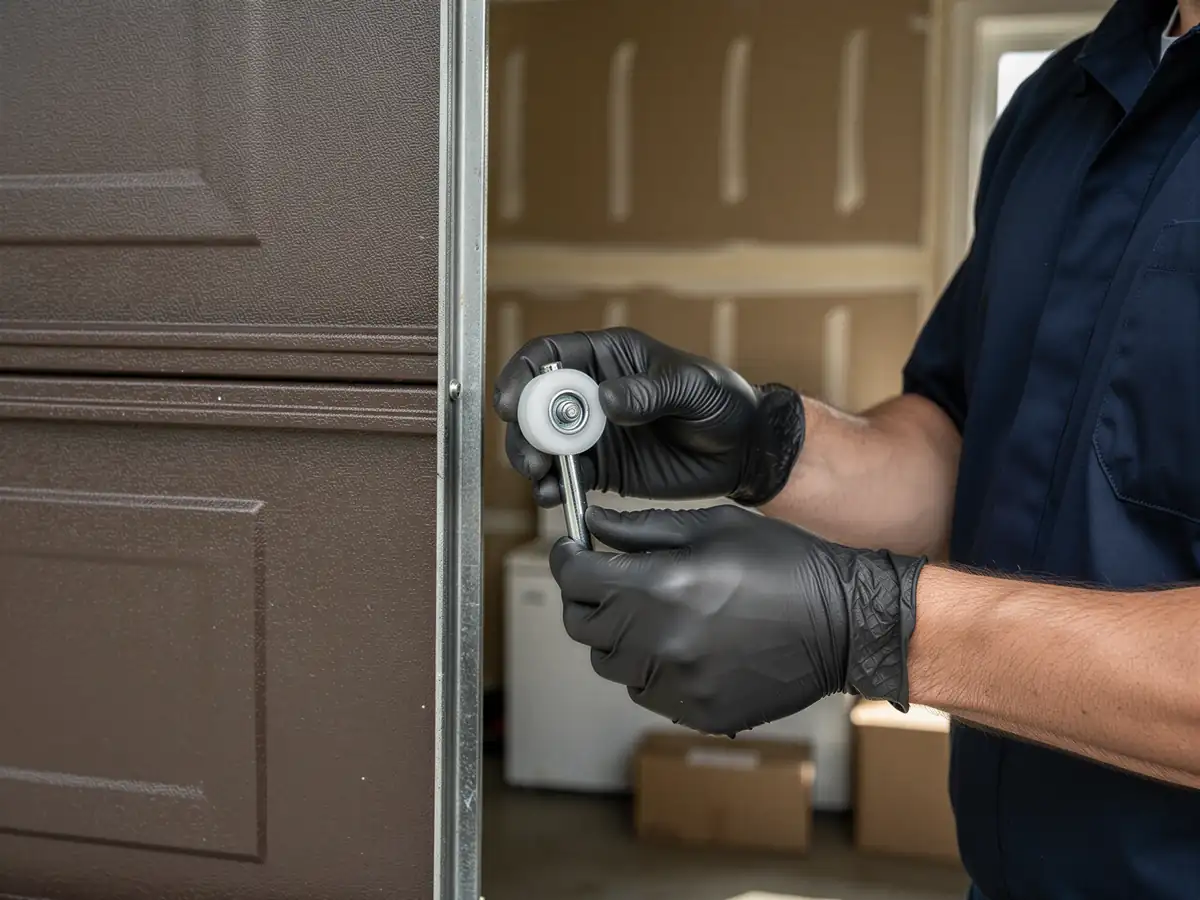
Add severe summer heat to a thirty-year-old steel door and you get predictable failure points: the factory lubricant in the spring coils dries out and the spring fatigues faster than its rated cycle count, nylon rollers go brittle and crack in their stems, and PVC weatherstripping along the bottom seal hardens and splits rather than compresses. None of that is unique to one house - it's what happens to this generation of door in this climate, across the subdivisions that make up this stretch north of Oro Valley.
A new install isn't just a cosmetic swap. It's a chance to put heat-appropriate hardware - a spring rated for the actual door weight, rollers that won't go brittle as fast - behind a door that's finally sized for how it's used today.
What the Repair Takes
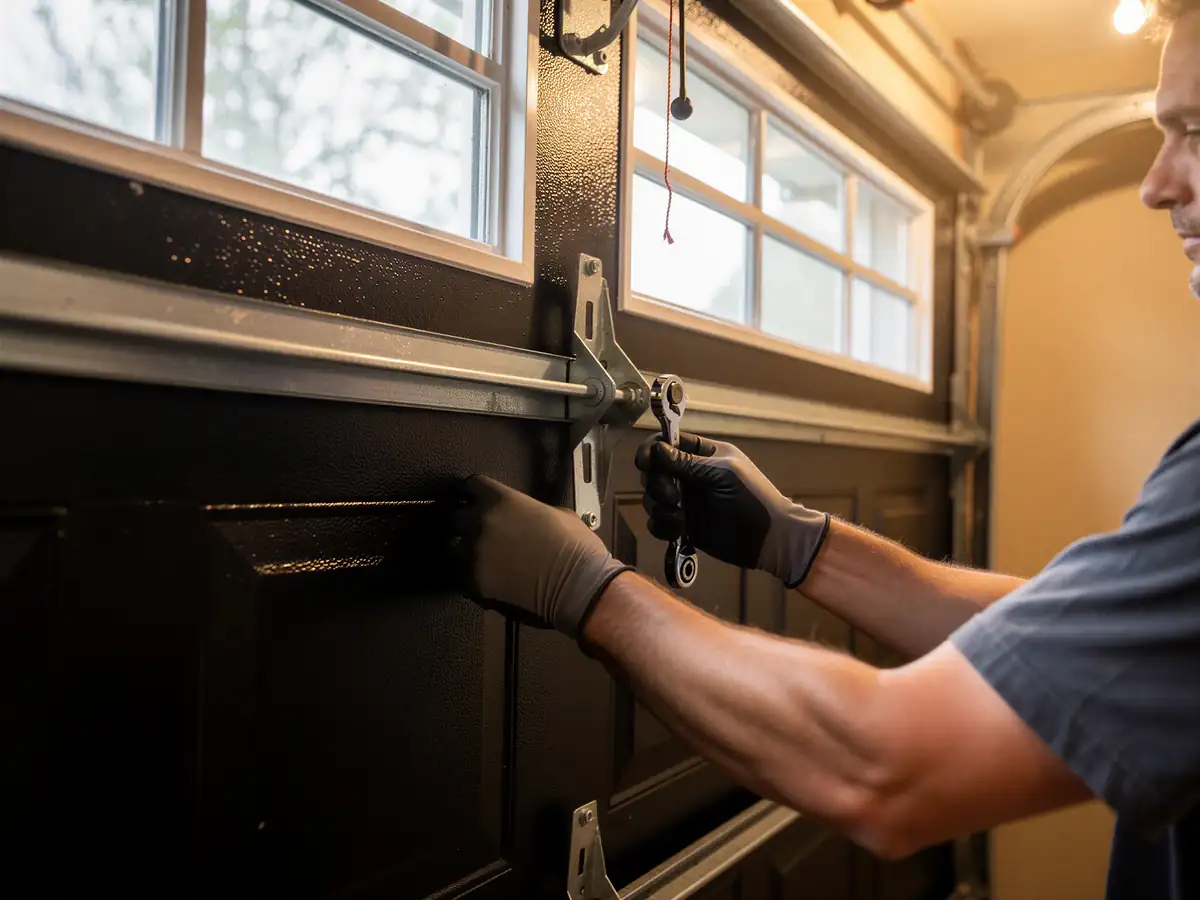
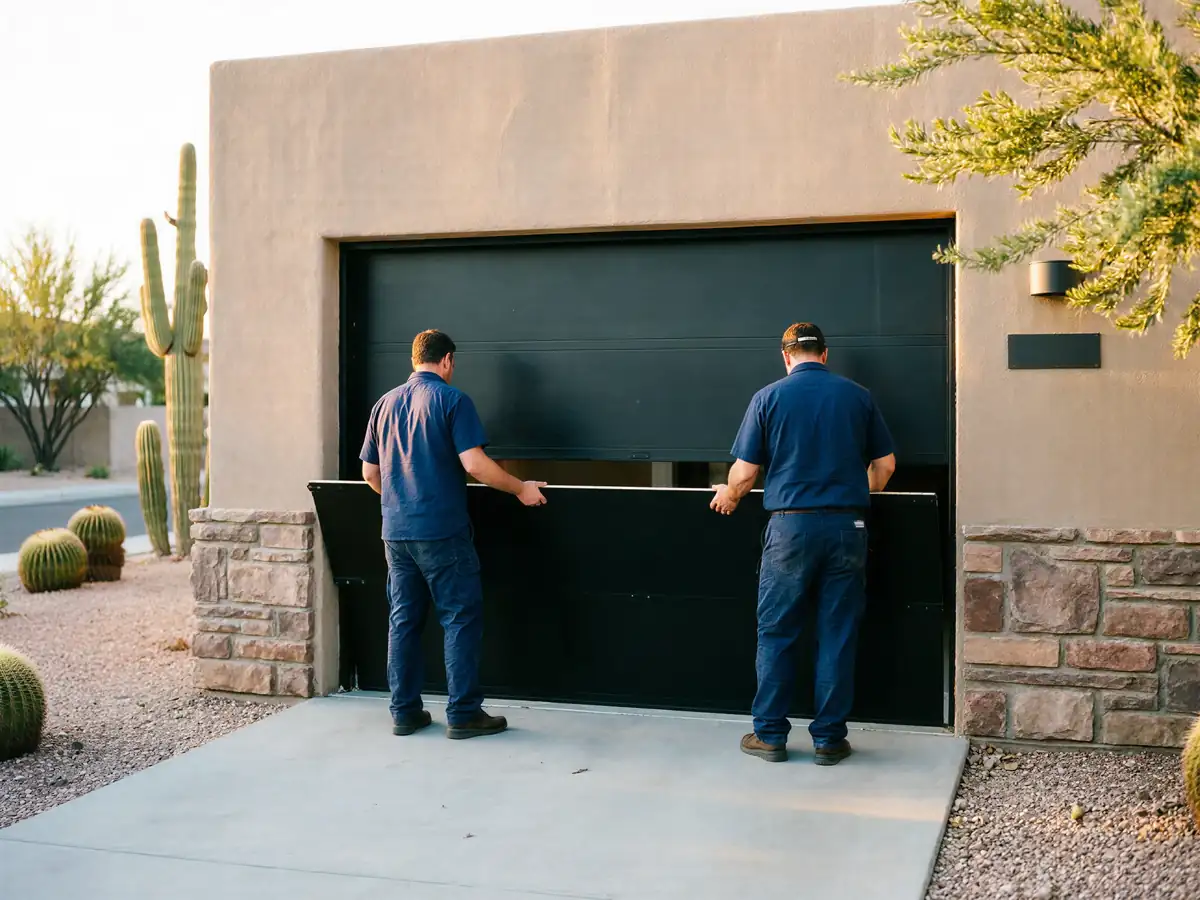
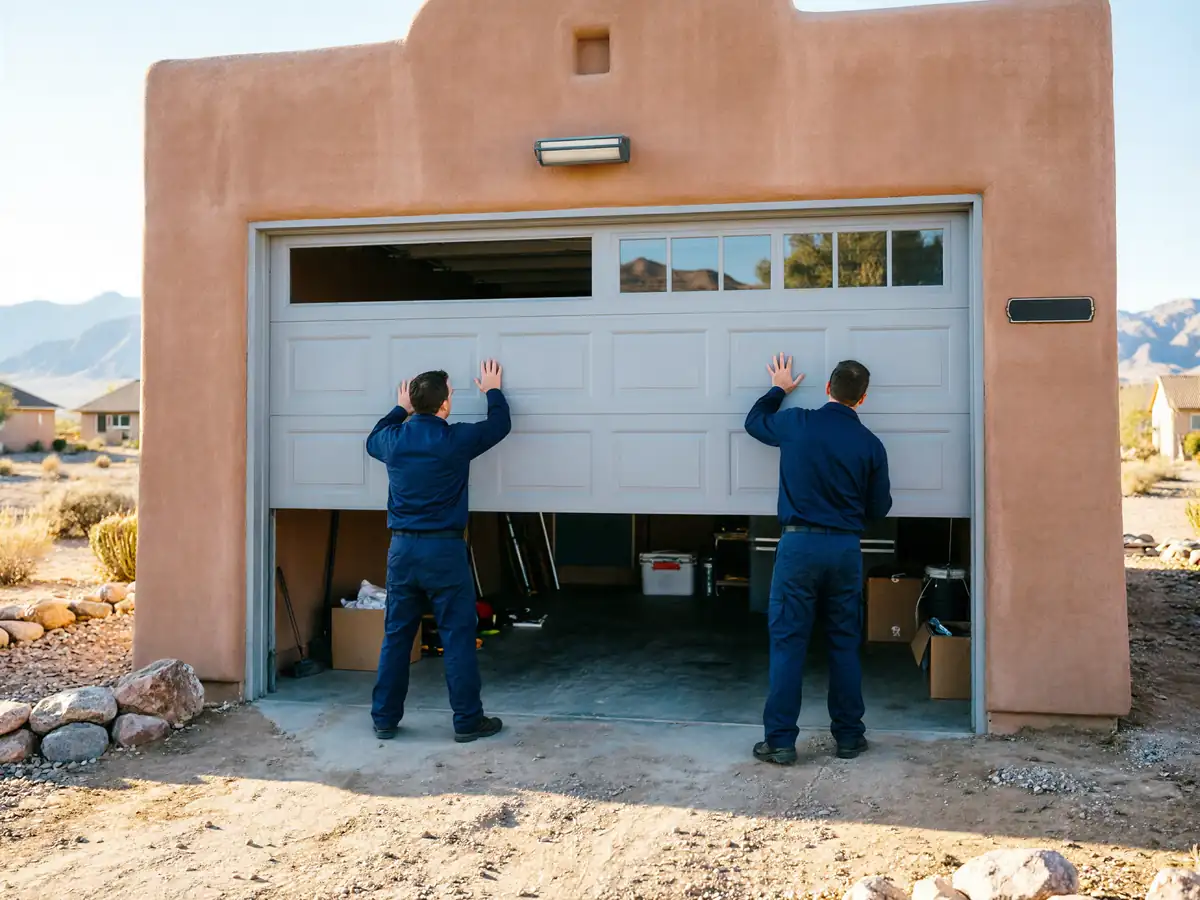
For a new install, the first hour is mostly measuring and removing
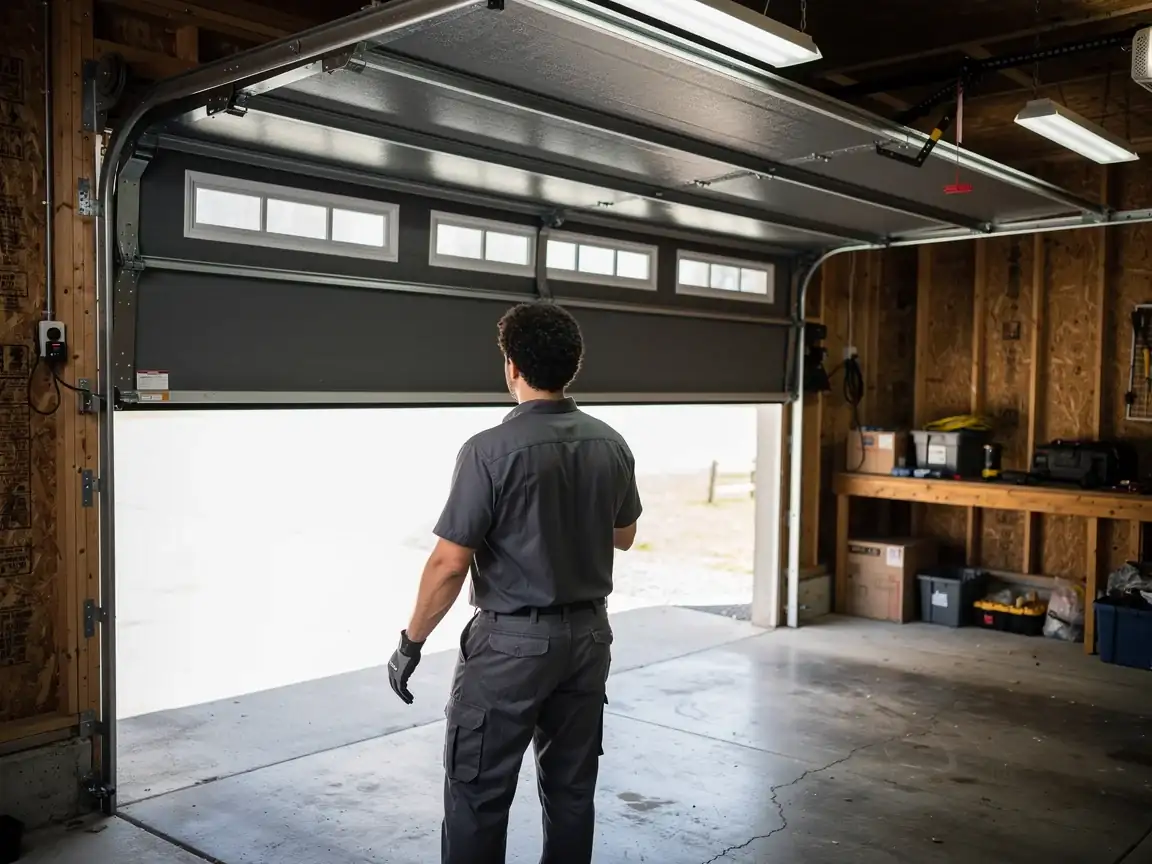
Taking down the old door, checking the opening for square, and inspecting the jambs and header for rot or movement that the old door was hiding. On a lot of Catalina's 1990s houses the framing is still sound, so this part goes fast.
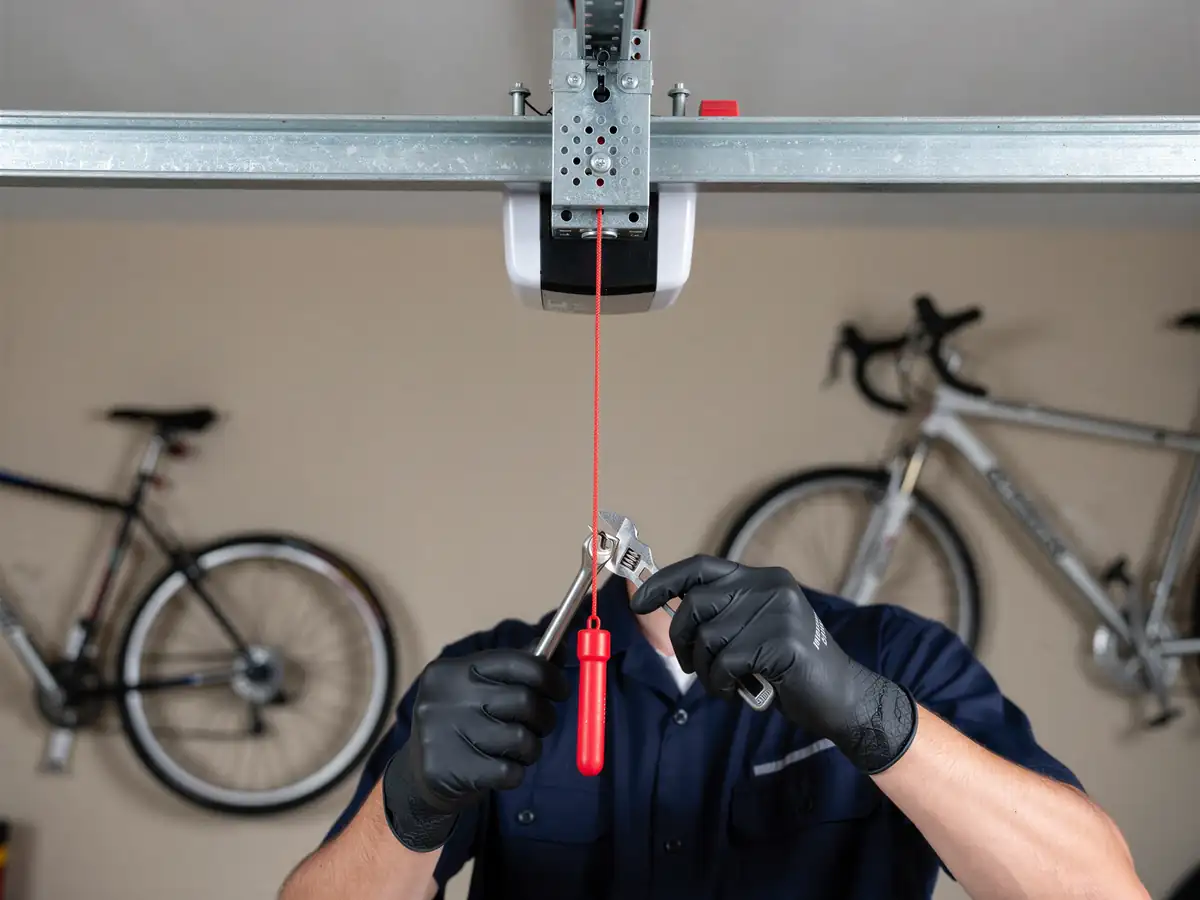
The track and spring system usually gets replaced as a set rather than reused
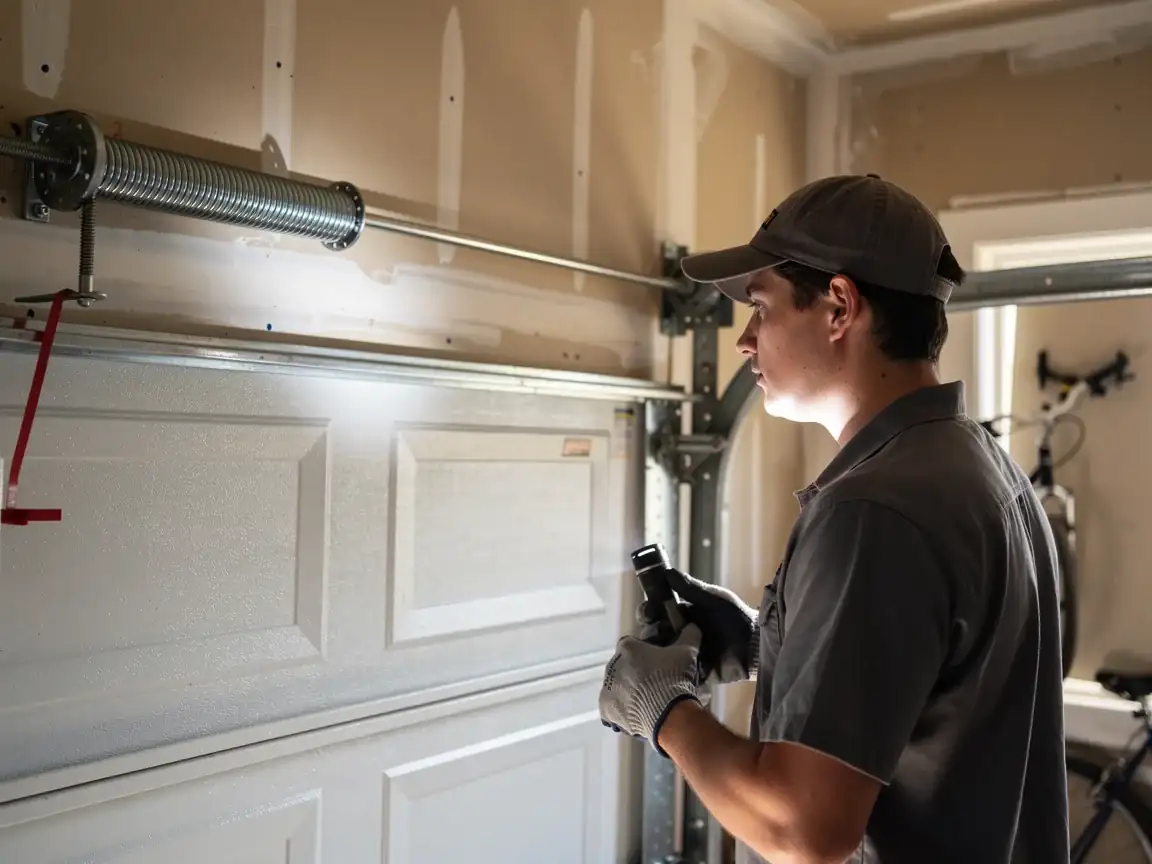
Because reusing a thirty-year-old torsion spring on a new, often heavier door is how you get an early failure a few months later. We size the new spring to the actual installed weight of the new door, not the weight of the one that came off the wall.
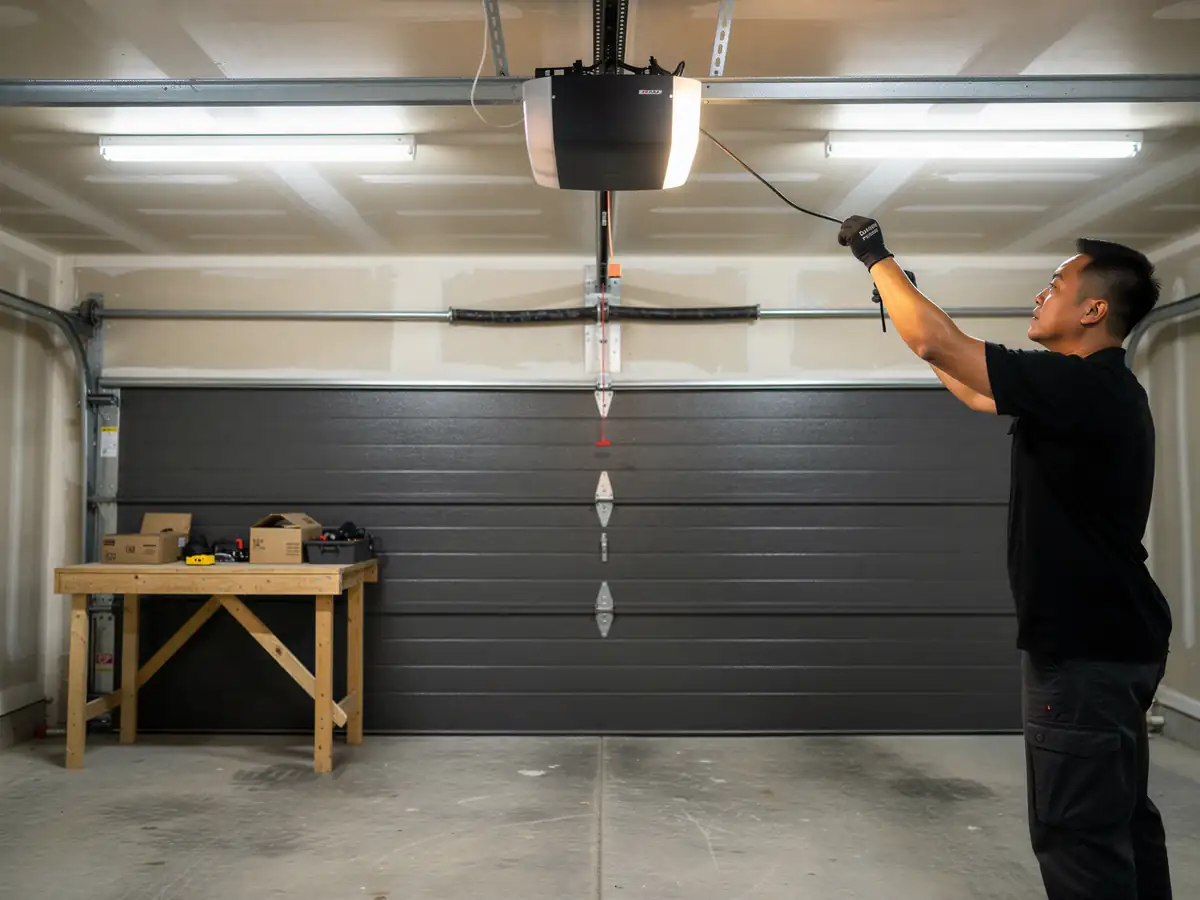
Opener compatibility is the other piece
If the existing opener is original to the house, it often predates current safety-reversal standards, and we'll flag that during the walkthrough rather than bolt a new door to an opener that doesn't meet current code. A full install, door plus new spring set plus hardware, typically runs a half-day; adding opener replacement extends that. We don't rush the balancing and travel adjustment at the end - a door that isn't balanced right will fight the opener motor from day one.
The Complications
Stucco return jambs are common on Catalina's mid-90s stock, and they're less forgiving than wood framing if the opening is even slightly out of square - something we won't know for certain until we're standing in front of it. That can add shimming work that a phone quote never accounts for.
Heat is a scheduling factor more than a technical one. On the hottest days we try to get install work done earlier rather than midafternoon, both for the crew and because adhesives and sealants used around the jamb cure differently above certain temperatures.
Here's the honest limit: we don't stock every insulated door profile on the truck, since Catalina sits about six miles out from where we're based in Oro Valley and travel time plus truck space means we carry common sizes, not every custom option. If you want a less common insulated panel or a specific finish, expect a short lead time on ordering it rather than a same-visit swap. We'll tell you that up front rather than promise a door we don't have on hand.