What You Pay
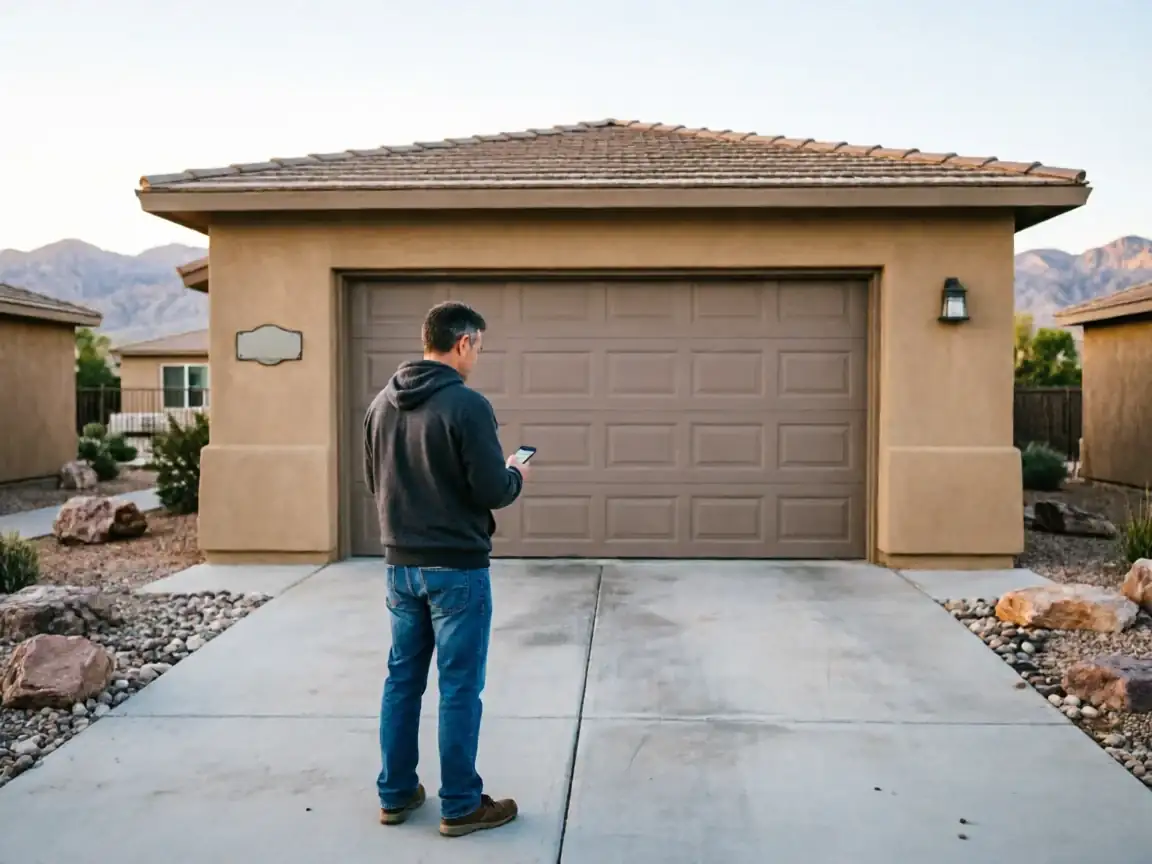
We don't post a flat number for opener installs in Catalina because what you're replacing changes the job. A house built around 1995 - which is the median age of this area's housing stock - usually still has its original chain-drive unit, and swapping that for a new opener is a different job than pulling a dead circuit board out of a unit installed ten years ago. We quote after we look at your rail, your door weight, and whether your wiring and wall control are worth keeping.
What we can tell you is that Catalina's household income runs higher than the wider Oro Valley service area average, and in this price range that tends to mean homeowners asking for belt-drive units with battery backup rather than the cheapest chain-drive option. That's a reasonable upgrade given how often summer heat here knocks out power for a few minutes at a time. We'll give you both options and the real cost difference on site, not a number pulled from a brochure.
One limitation worth naming up front: we travel from Oro Valley, about six miles, to reach Catalina. That doesn't change what the job costs, but it does mean we schedule the visit rather than showing up same-hour for a walk-in look.
Why This Fails Locally
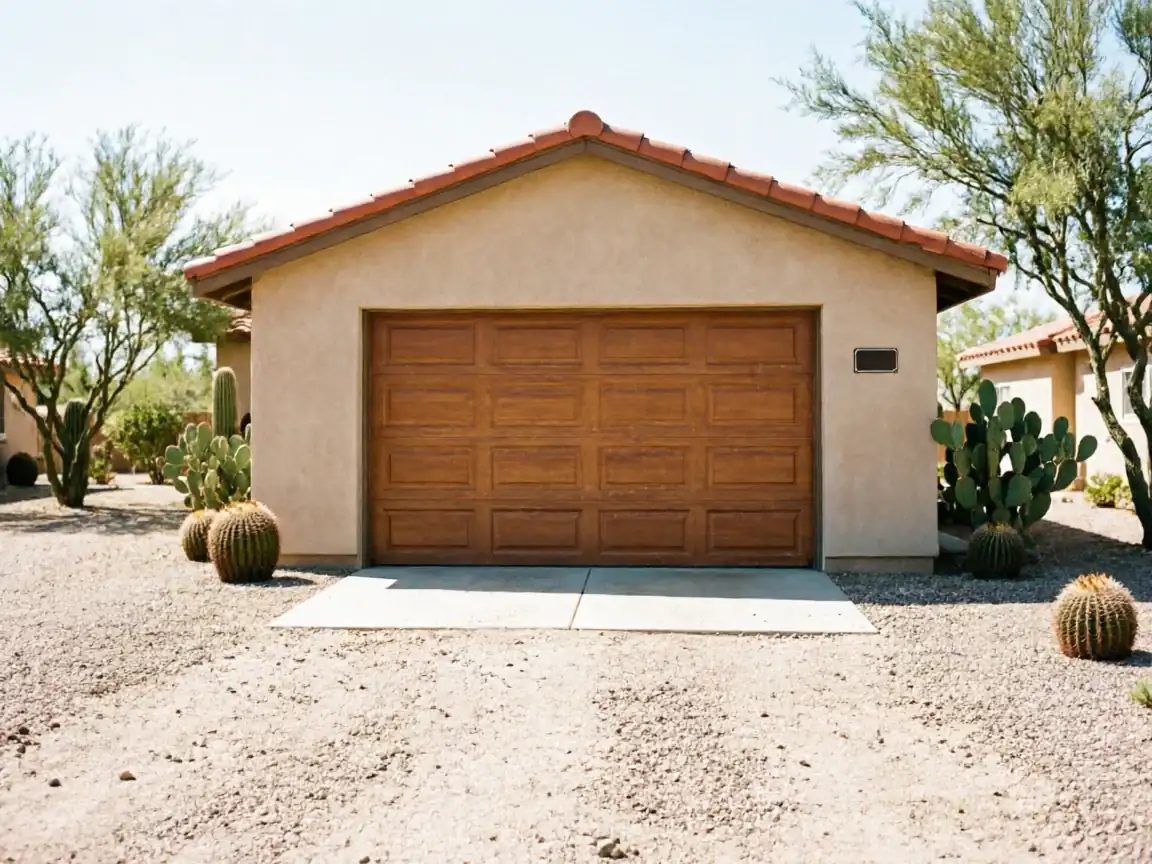
Most Catalina houses went up in the mid-1990s, which puts a lot of original openers at close to thirty years old. Those units were built for a door and a climate that didn't push the motor as hard as this one does. Severe summer heat cooks the lubricant in the drive gear and stresses the capacitor on the logic board faster than a mild climate would - that's not a general garage door problem, it's what happens to a motor sitting in an un-vented garage that regularly tops 110 degrees inside.
The second failure pattern is the wall control and safety sensors. Plastic housings on units from that era go brittle in UV and heat over two to three decades, and the photo-eye brackets that were fine when the house was new now sit slightly out of alignment from thermal expansion in the door track. You get an opener that reverses for no visible reason, or won't close at all - not a dead unit, just a sensor that's drifted a quarter inch.
We see this pattern across the 1980s-2005 housing stock that makes up most of the wider service area, but Catalina's concentration right around 1995 means a large share of openers here are hitting this failure point at close to the same time.
What the Repair Takes
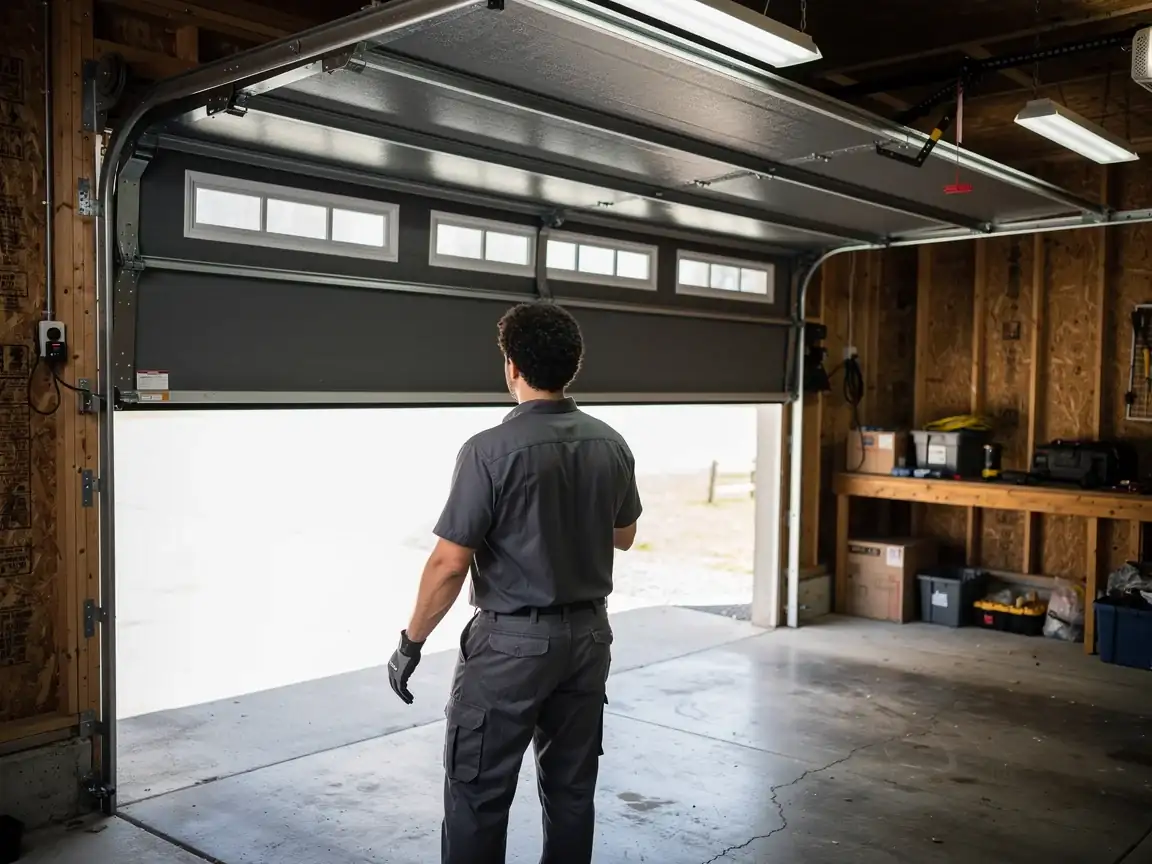
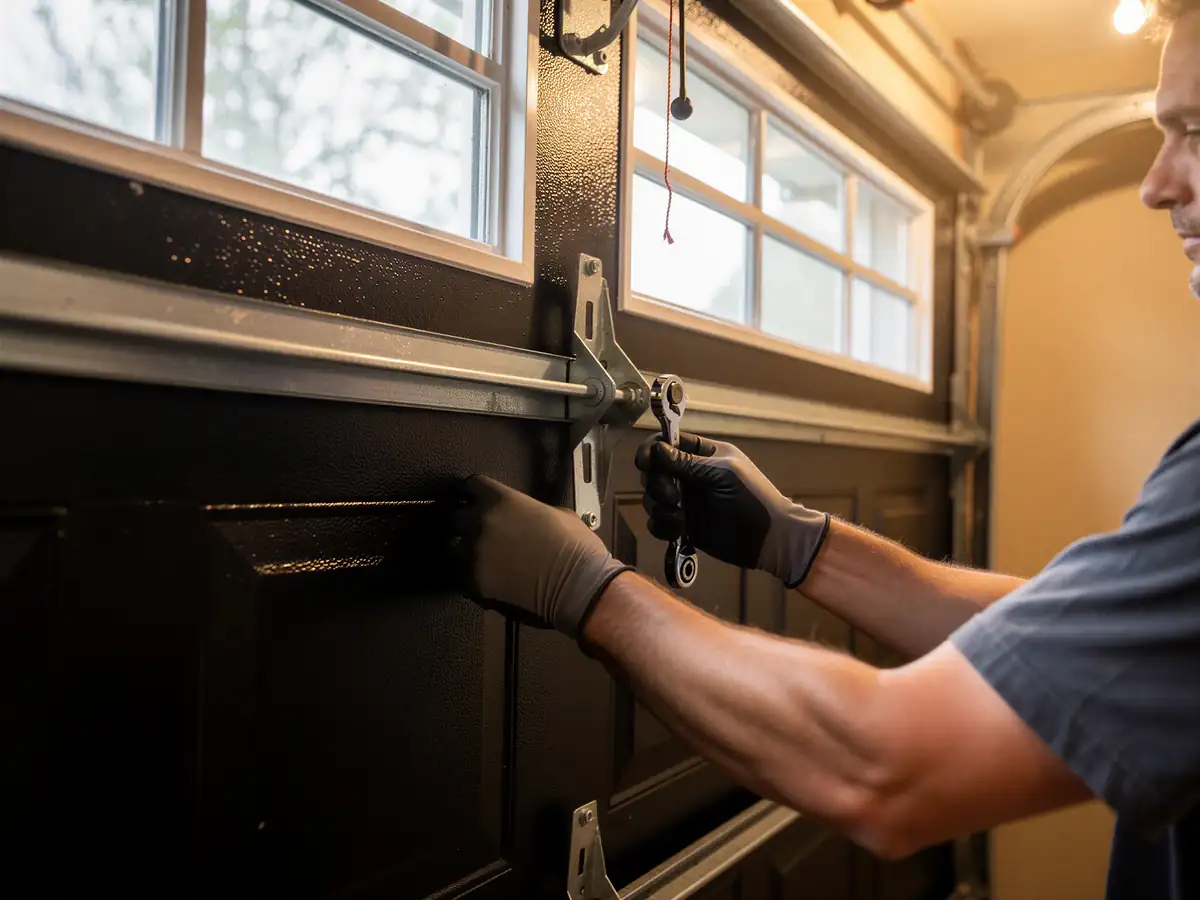
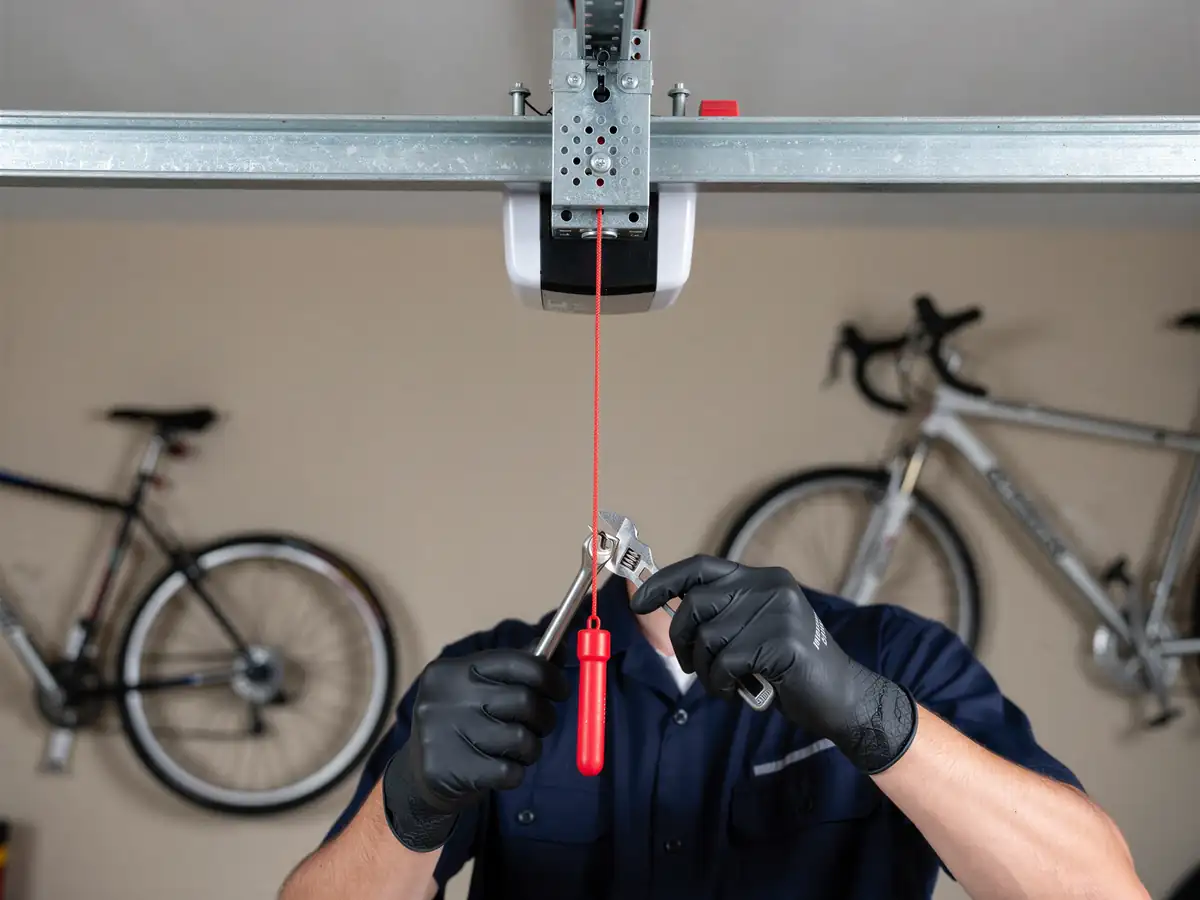
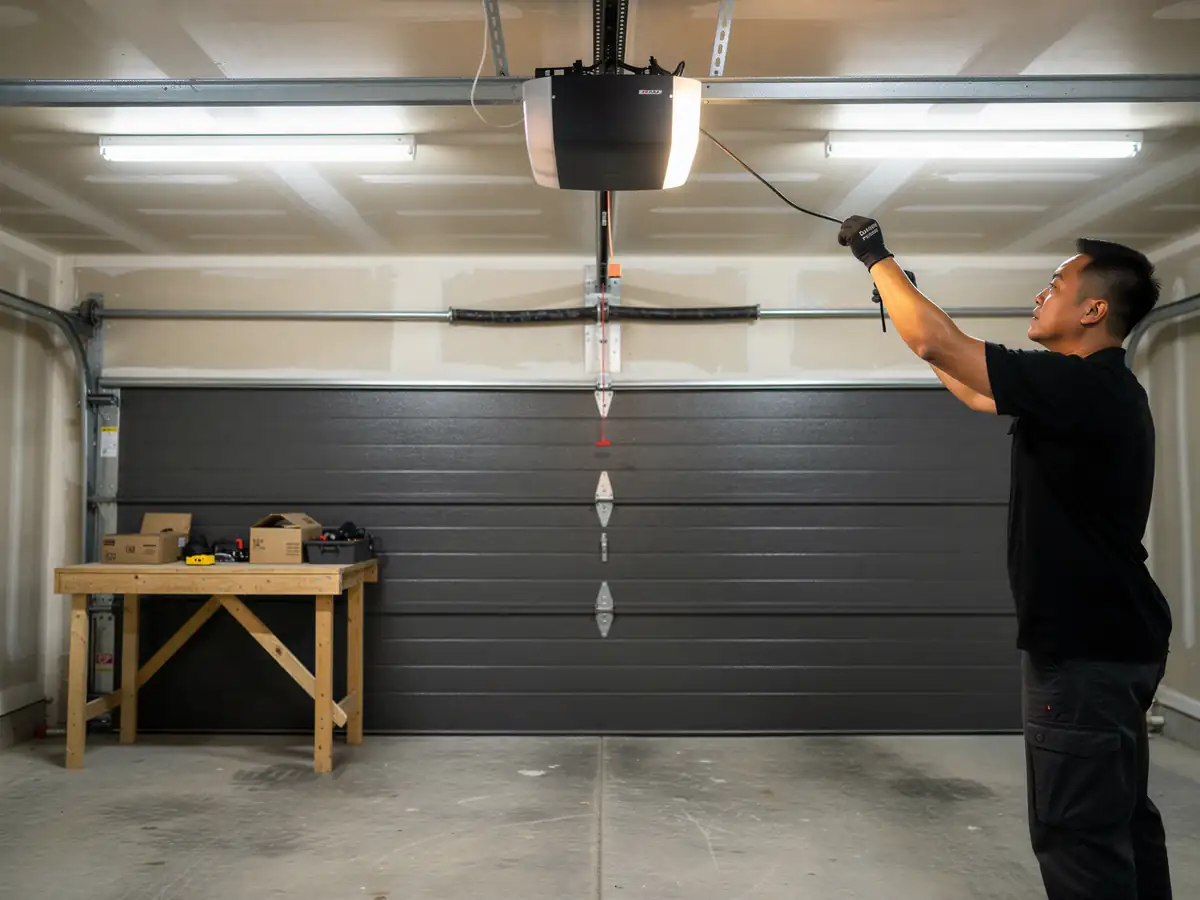
Installing a new opener on a house this age usually means more than bolting up a new head unit
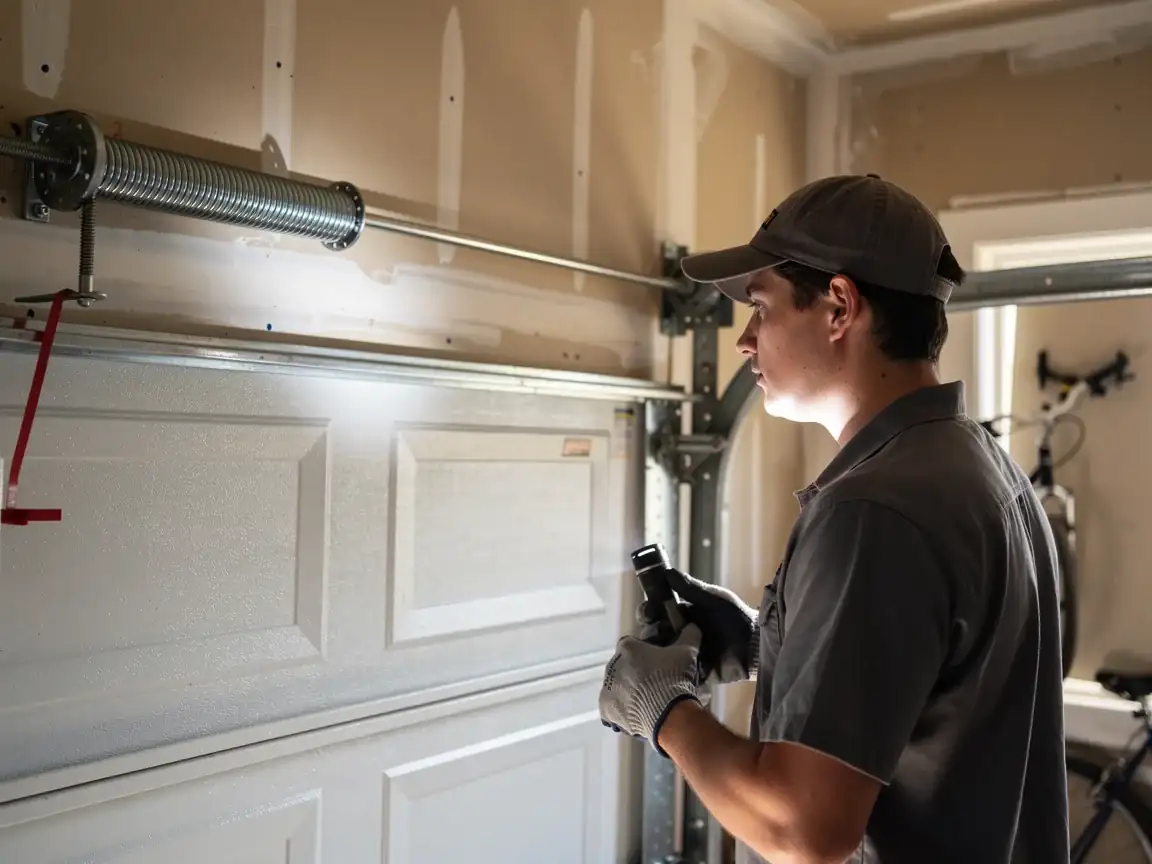
We check the rail length against your door height, confirm the existing bracket and header are still sound after decades in the heat, and rewire the wall control rather than splice into cracked original wiring. If the garage isn't insulated - common in houses from this build era that weren't finished with climate control in mind - we'll say so, because it affects how long the new motor lasts, not just how it runs today.
Most installs run in a single visit once we're on site
Start to finish including setup and test cycles on the safety reversal. What can stretch the timeline is parts: a non-standard rail length or a smart opener with a specific hub isn't something we carry on the truck for every job, since Catalina isn't a daily stop for us the way closer parts of the service area are. If your unit needs a part we don't have in the truck that day, we'll tell you the lead time rather than guess.
We don't install openers on doors with damaged panels or worn rollers
Fixing the opener first on a door that's falling apart elsewhere just means a second call later.
The Complications
The biggest complication specific to this area is heat load on the motor and electronics, which is why we push battery backup and heat-rated logic boards here rather than the base-model unit. A severe-heat climate band isn't a one-season problem - it's every summer, every year, and it shortens the working life of anything with a circuit board sitting in an attached garage.
The second complication is reach. Because the shop runs out of Oro Valley and Catalina sits roughly six miles out, we batch service calls out this way rather than treat every Catalina job as a drop-in. That's not a quality issue, it's a scheduling one - if your opener dies on a Friday afternoon, we'll tell you honestly whether we can get out that day or whether Monday is the real answer.
Third: older homes in this build era sometimes have 110v outlets in the garage that aren't on a dedicated circuit, which some smart openers need. If that's the case, that's an electrician's job before it's ours, and we'll flag it rather than force an install that trips the breaker every time the door cycles.