What You Pay
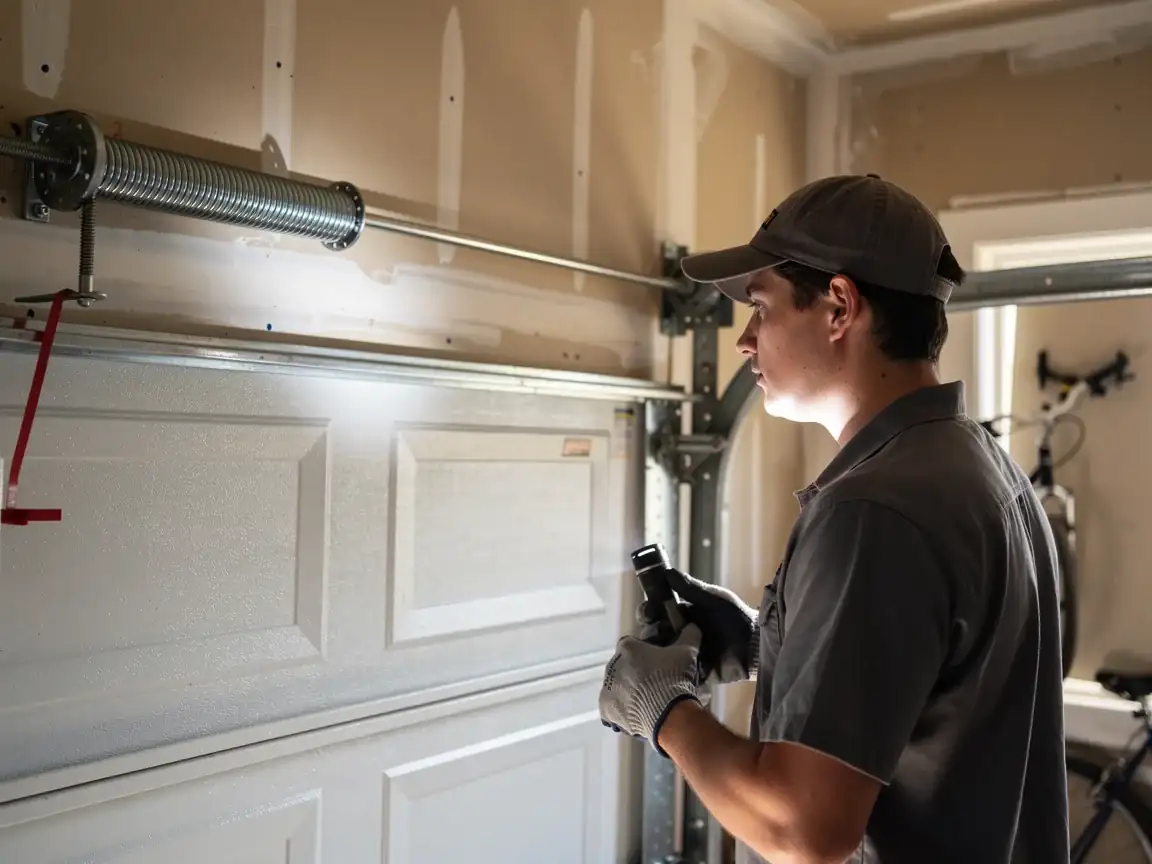
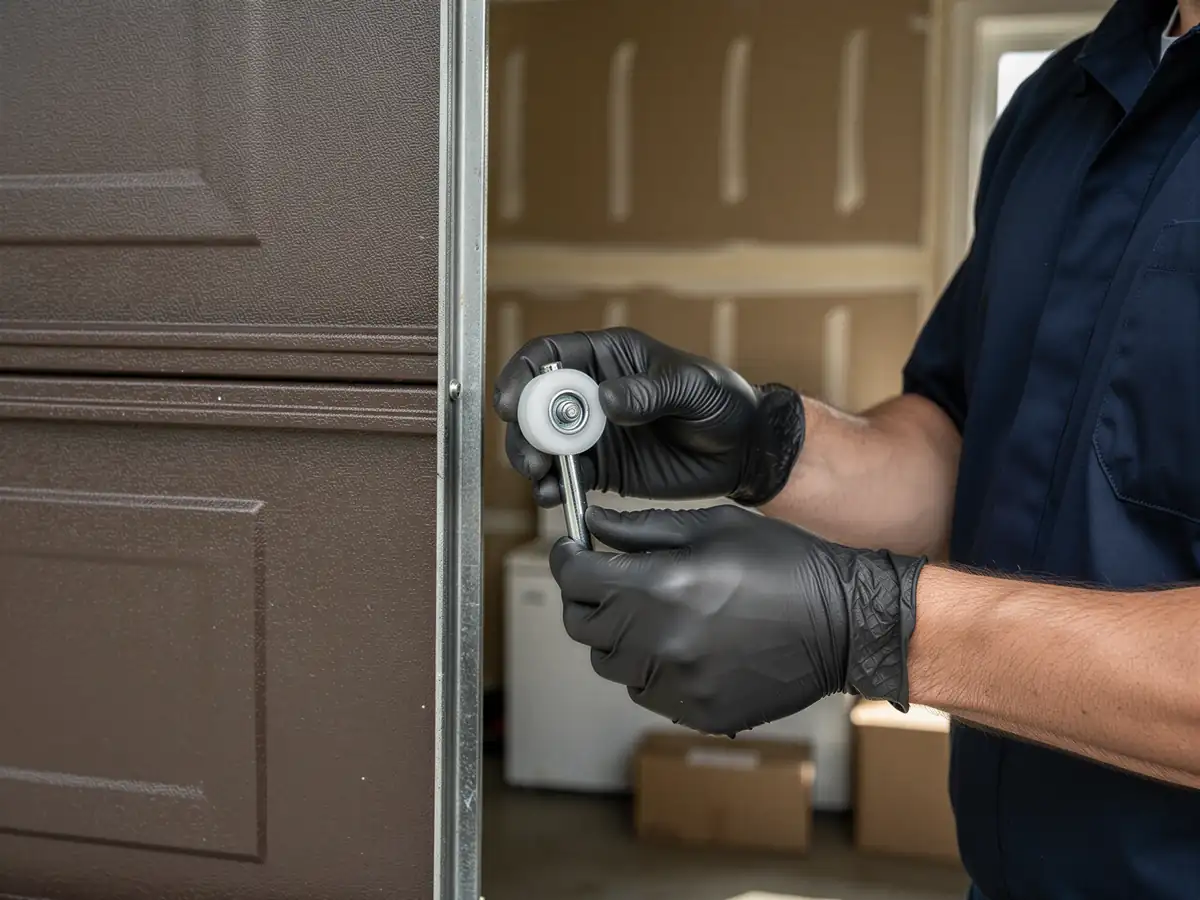
We don't post a flat number here because the roller job in Catalina isn't the same job it is in the older parts of the service area. Houses in this pocket cluster around a 1995 build year, six years newer than the 1989 median across the wider area we cover. That later build date usually means the original door came with steel ball-bearing rollers on a factory nylon sleeve, not the plain galvanized rollers you find on 1980s builds. Steel-stem rollers cost more per unit than the economy nylon kind, and if your door still has the factory set, swapping all ten (or twelve on a wider double) runs higher than a budget nylon replacement would. What we price on-site is roller count, bearing type, and whether the track itself has worn a step where the old rollers rode. We won't quote a number sight unseen, because a seven-roller fix and a full twelve-roller swap with track cleanup are not the same invoice, and guessing low on the phone just means an argument in your driveway later.
Why This Fails Locally
This area sits in a severe heat band, and that's the real driver behind early roller failure here, not age alone. Nylon rollers are plastic, and plastic that spends a Catalina summer baking against a sun-facing garage door loses its flex. The sleeve goes brittle, the wheel flat-spots where it sits overnight, and you start hearing the thump-thump-thump on the way up before anything visibly breaks. On the newer stock common here, the factory steel rollers hold up longer against heat than nylon does, but the grease packed into their bearings cooks out faster in this climate than a manufacturer spec sheet written for a milder region accounts for. Either way, the failure mode is heat-driven wear, not the slow sag you'd expect from an old spring or a loose bracket. If your rollers are original to a 1995-era door, they've likely gone through close to thirty summers of that cycle, and that's enough even for steel.
The Complications
At six miles out, Catalina is one of the closer stops on our route from Oro Valley, which keeps the trip itself simple. The complication is the mixed stock. Even within an area centered on a 1995 median build year, you'll find older outliers with the galvanized rollers and steel track hardware typical of the broader 1980s-to-2005 window across the service area, and newer infill with different factory parts entirely. That means we don't assume roller type before we're standing in front of the door. With 2,971 households in this area and a median income around $79,092, a notch above the roughly $70,982 median across the wider service area, we see more upgraded doors here with better-sealed bearings than in some older sections, but better-sealed doesn't mean heat-proof. The other complication is simple math: if your opener, springs, and rollers are all original and all tired, roller replacement alone may not be the job worth doing.