What the Repair Takes
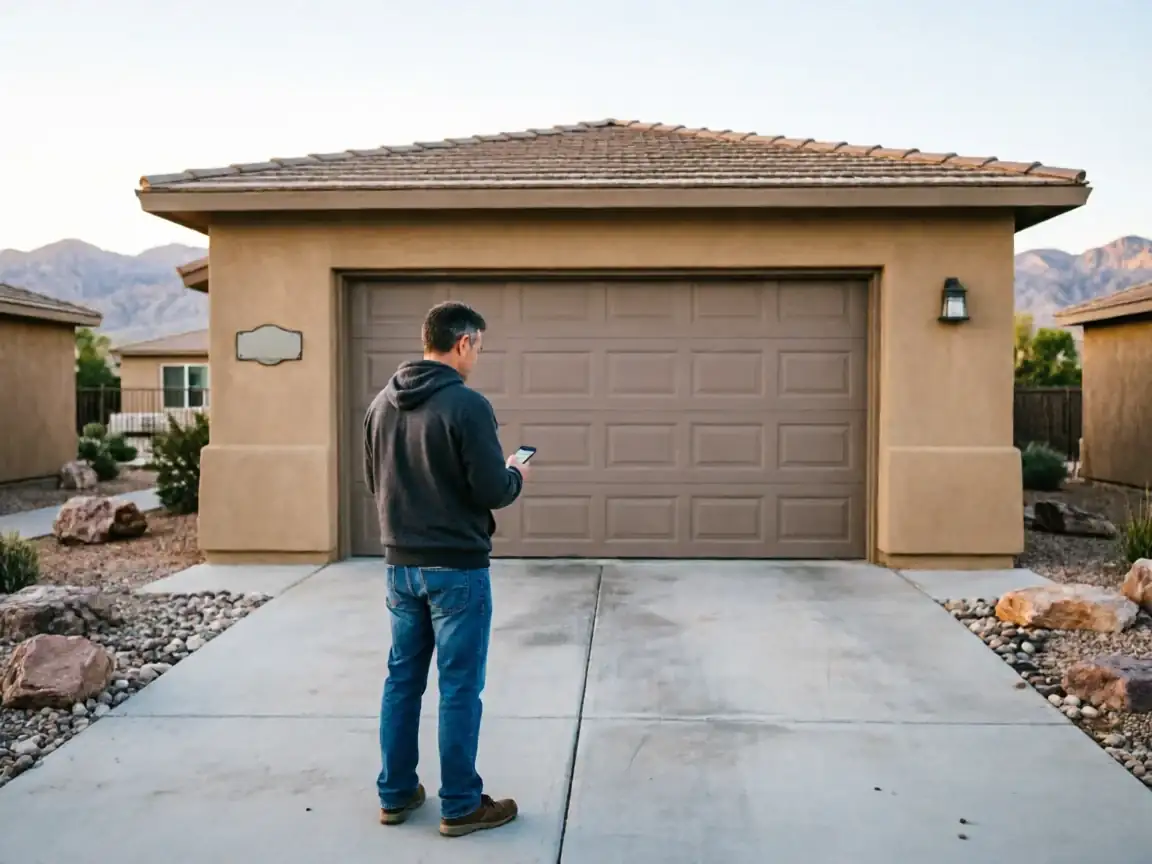
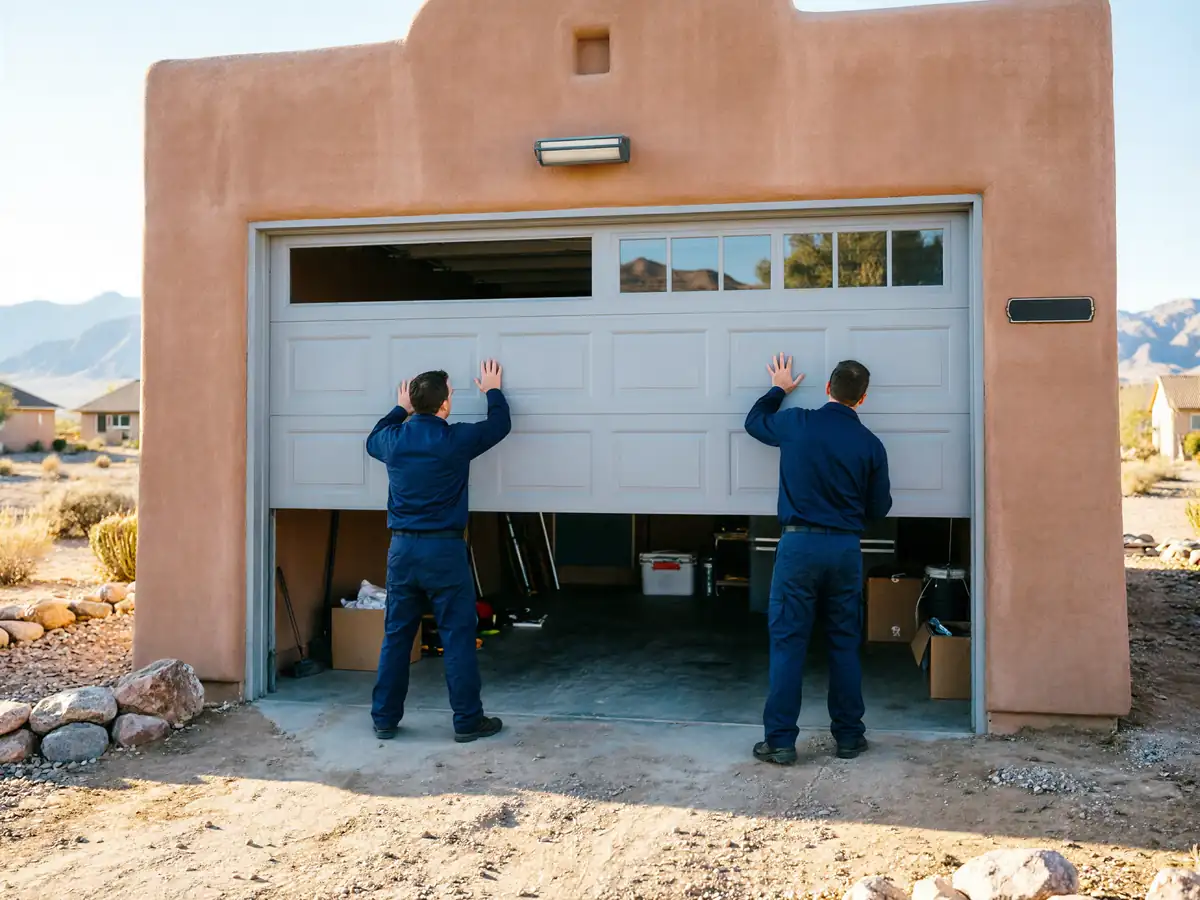
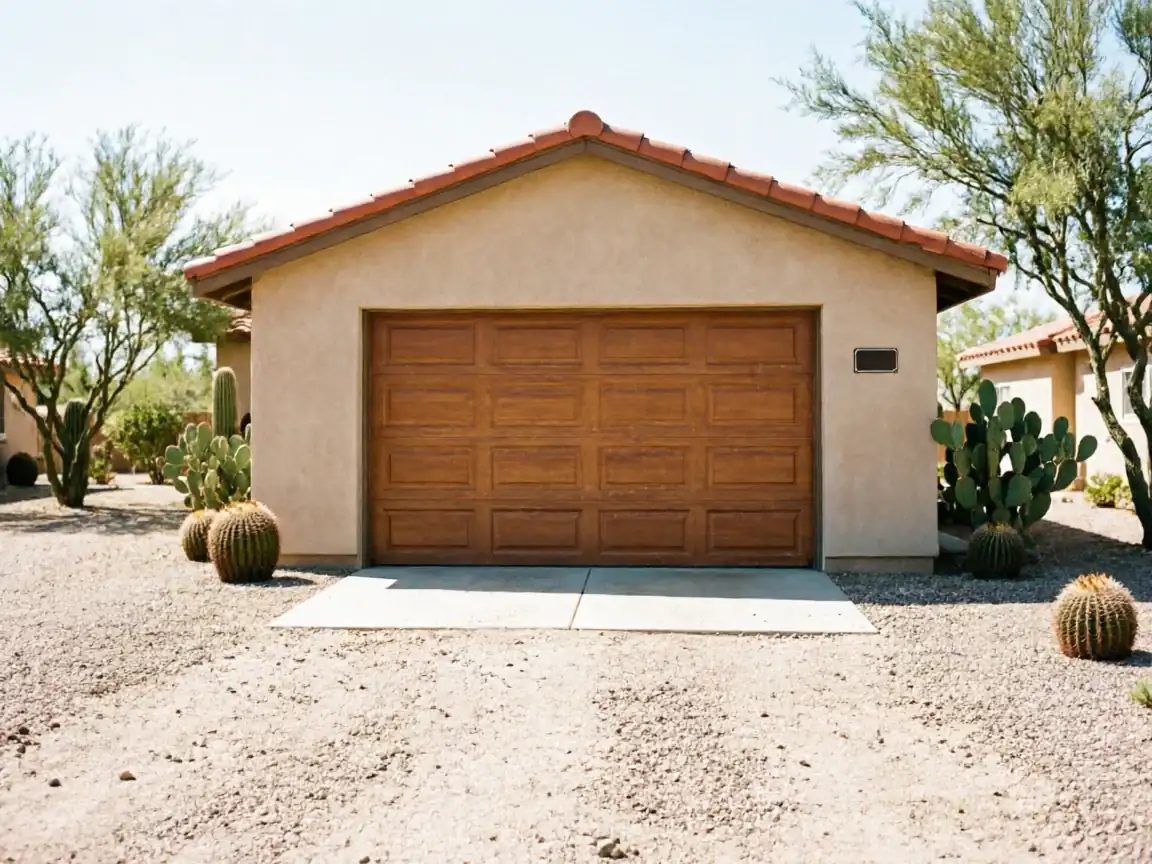
Most houses out in Saddlebrooke went up around 2005, which puts them a good 15 to 20 years newer than the typical stock across the rest of our service area. That matters for cable work because builders in that era moved to wider double-car garages with heavier insulated steel doors, almost always run on torsion spring systems rather than the older extension springs you'd find on a 1980s single door. Torsion setups use two cables, one on each side, wound under tension off the drum - when one frays or jumps its drum groove, the door doesn't just stop, it racks sideways and binds in the track.
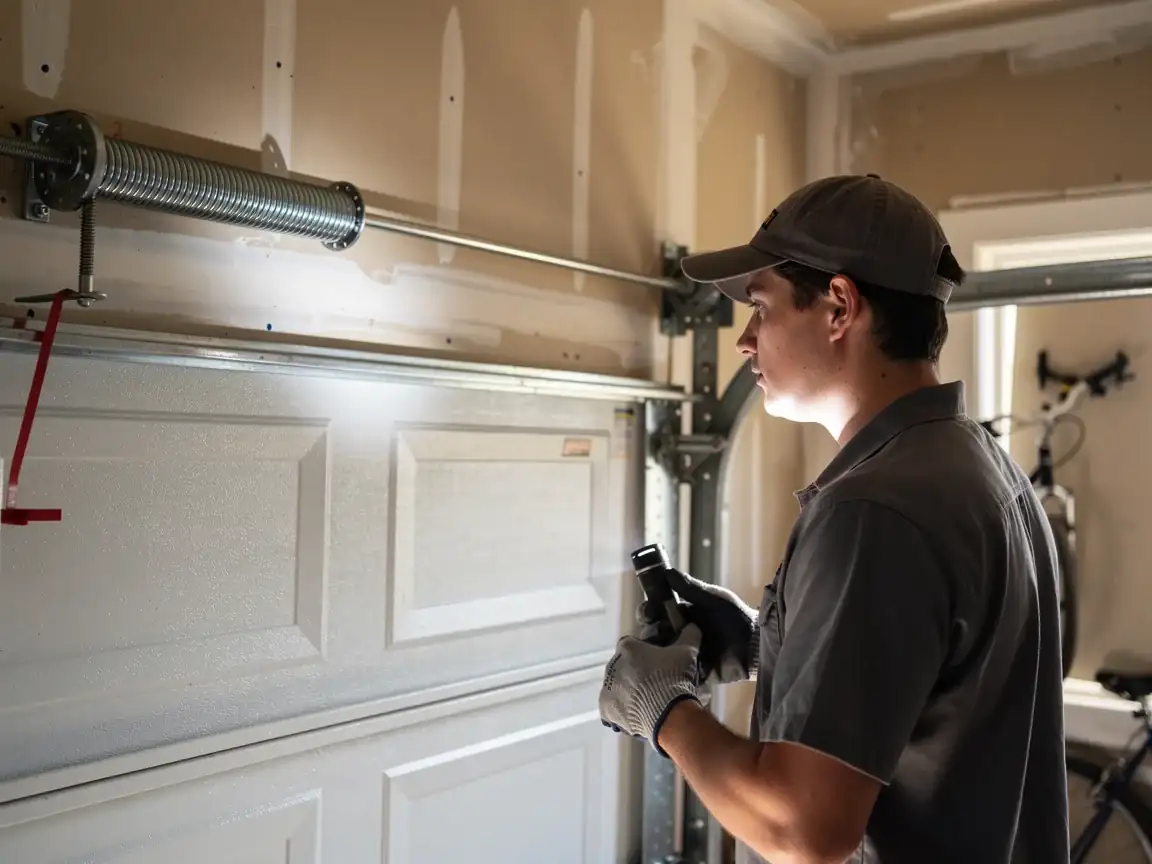
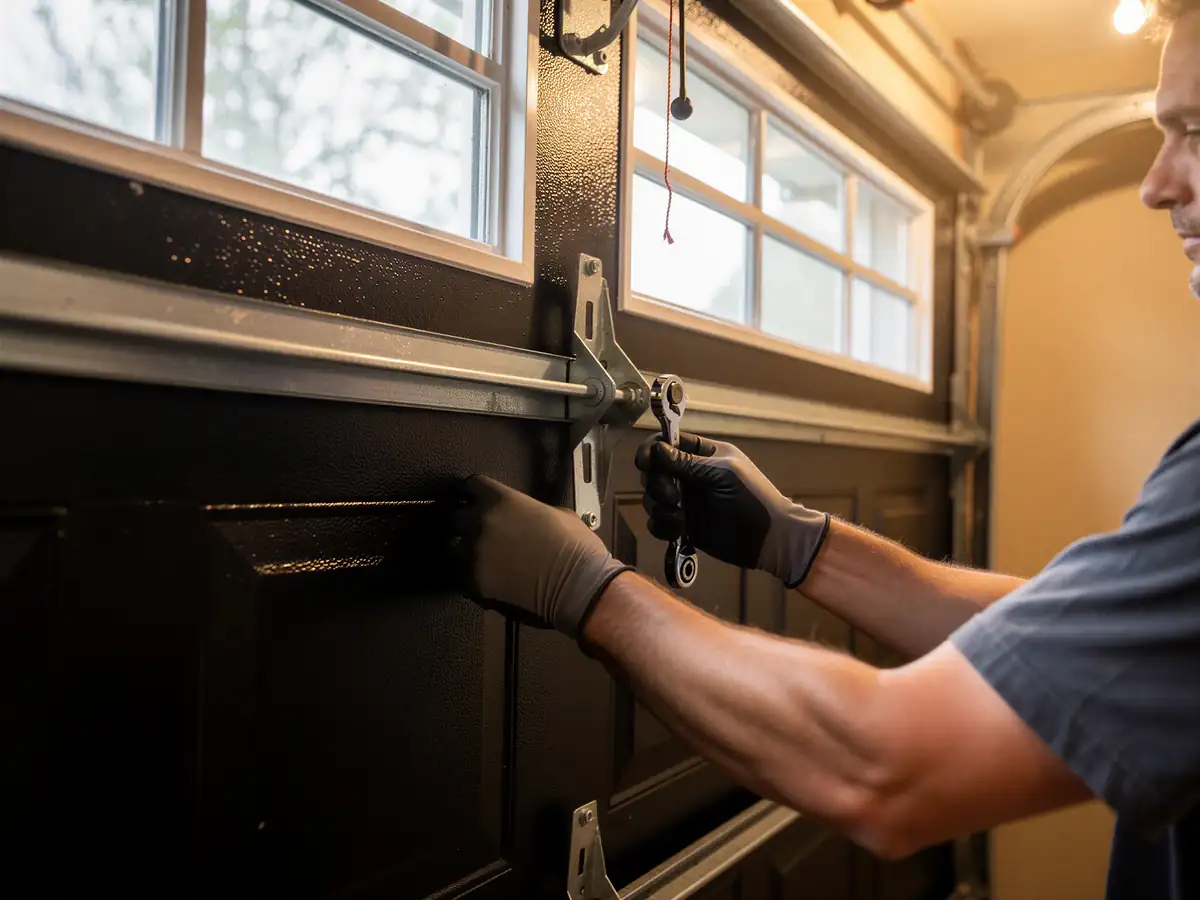
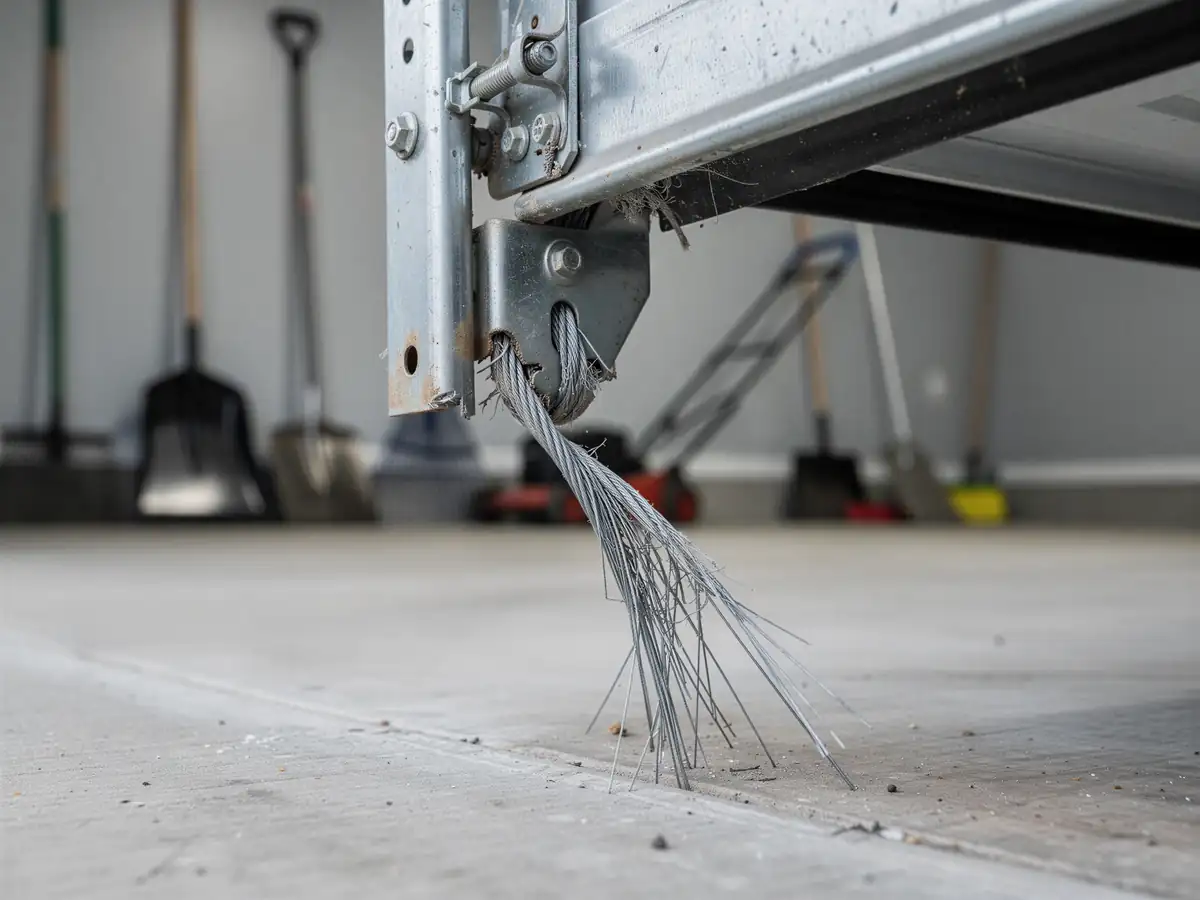
The repair itself is straightforward on paper: unwind the spring tension safely, pull the old cable off the drum and the bottom bracket, run new galvanized cable of the right gauge, and re-tension. Where it gets slower is the bottom fixture. On a heavier 2000s-era steel door, the cable anchors to a bracket that's often rusted or bent from the door dropping when the cable first let go, and that bracket sometimes has to come off and get reset before the new cable will seat right. We check both cables when one fails, since they're usually the same age and under the same load.
We don't patch a frayed cable with a splice or a shortened loop - that's a comeback call waiting to happen, and on a double door that size it's also a safety problem for whoever's standing under it.
How Long It Takes
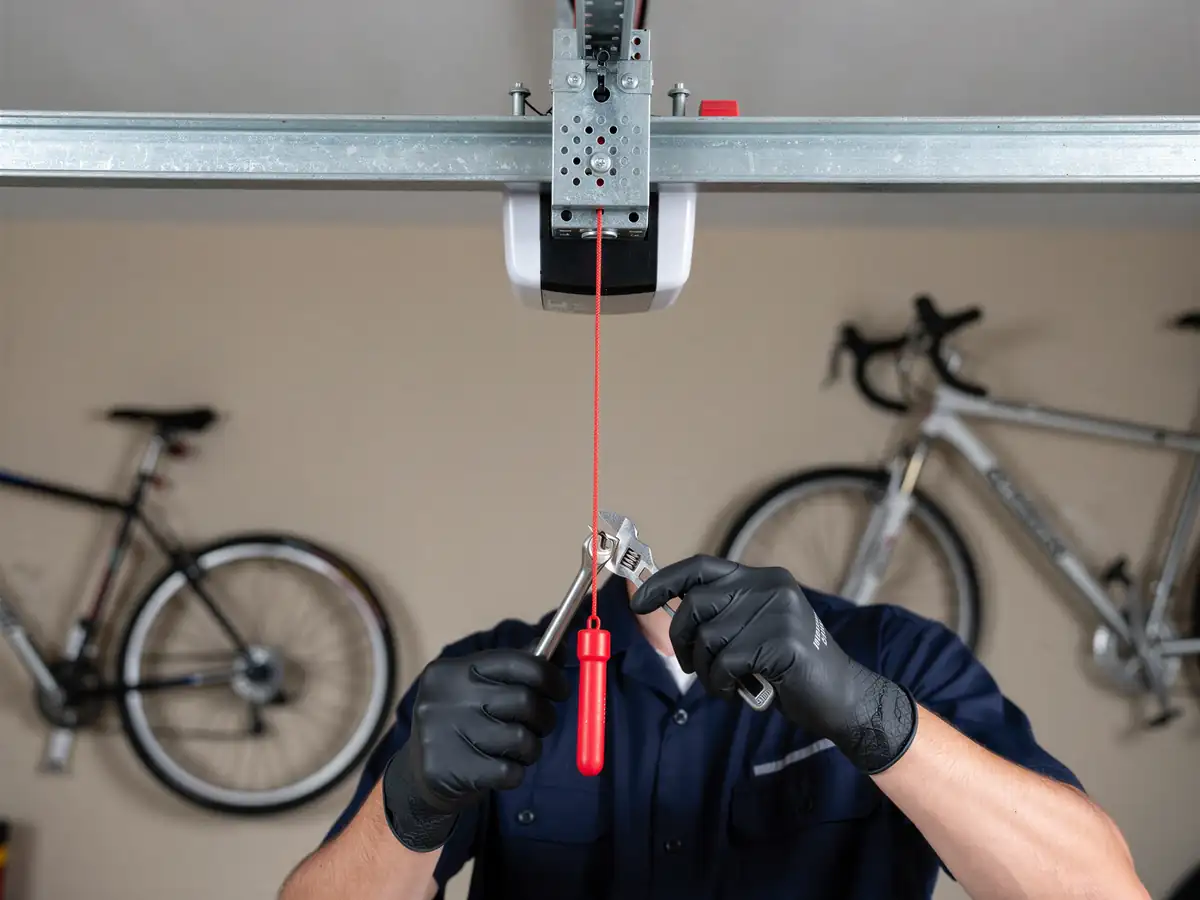
A straightforward double-cable swap on a torsion door, once we're on site and the parts match, runs well under two hours. What stretches the job is getting the drum and spring assembly apart cleanly if it's never been serviced - on homes built in the mid-2000s, that's often the first time anyone's had a wrench on the hardware, so bolts can be tight and pulleys can be dry.
The bigger time factor for Saddlebrooke specifically is that we're coming out of Oro Valley, about 11 miles away. That's not a same-day guarantee changer, but it does mean the drive is part of scheduling the call, not something we can shave down with a second local crew - there isn't one. We tell people that up front rather than promise a window we can't hold.
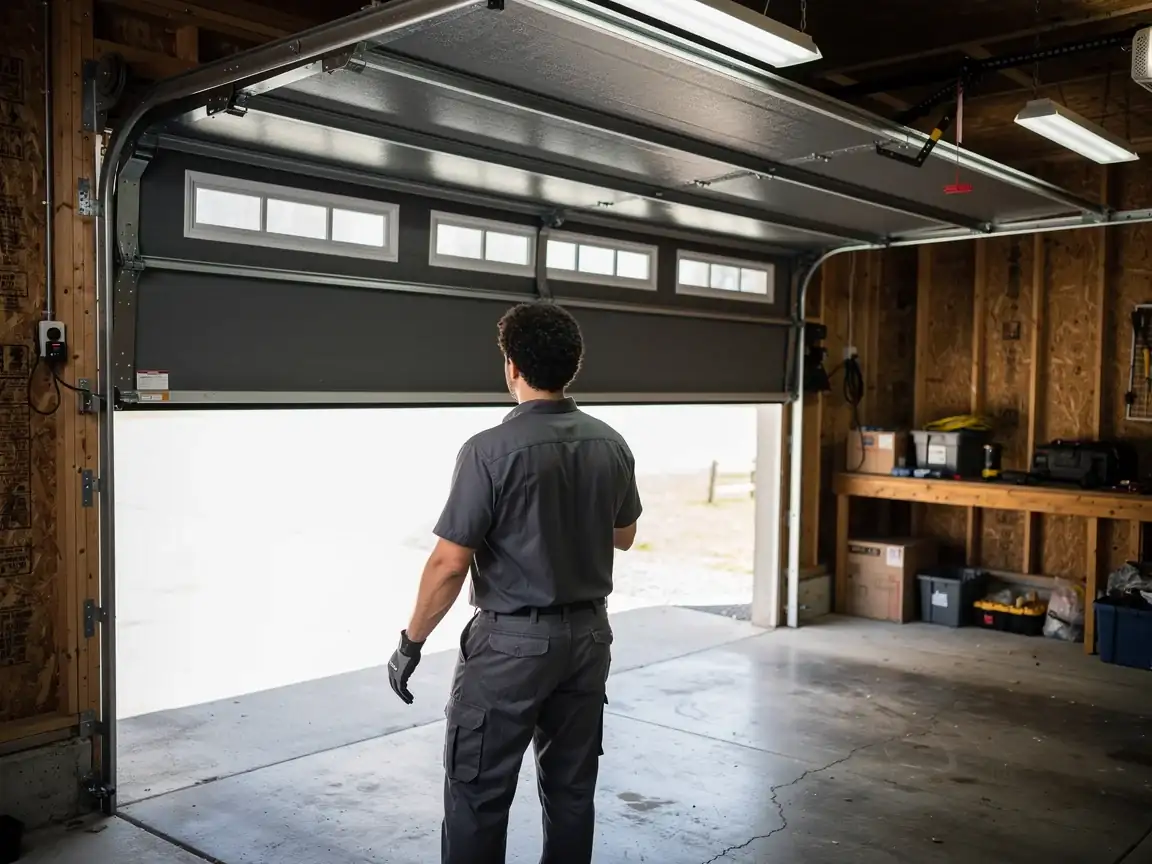
If the cable broke and the door's sitting on the floor of the garage, that's the one situation where we move the call up, because a door stuck down blocks a vehicle in, and a door stuck half-up is a hazard to anyone walking under it.
What You Pay
We price cable repair by the job
The cable set, the hardware it touches, and the labor to re-tension and test the door - not by a flat number that ignores what's actually wrong. Saddlebrooke's median household income runs noticeably higher than the $70,982 median across the wider area we cover, and the homes here tend to be larger double-car garages rather than the single-car doors common on older 1980s houses elsewhere in the territory. Bigger door, heavier cable, more weight on the drum - that's reflected in the parts cost, not in a different rate for the town.
We won't sell a full spring-and-cable rebuild on a door that only needs the cable
If the springs are original and still cycling fine, we replace what broke and leave the rest. The honest limitation here: if the bottom bracket or the drum itself is cracked rather than just worn, that's a part we may not have on the truck, and the job can carry over to a second trip while we source it.
How It Shows Up
Southern Arizona's summer heat is hard on cable in a specific way - the metal expands and contracts through big daily swings, and the grease in the drum groove and pulley dries out faster than it would in a milder climate. On a double door that's already carrying more weight across two cables instead of one, that dried-out friction point is usually where the fray starts. You'll often hear it before you see it: a grinding or popping sound as the door travels, a slight lean to one side as it opens, or a door that stops a foot off the floor and won't go further.
The failure point itself is rarely dramatic. Most calls we get are for a cable that's frayed down to a few strands and finally let go on an ordinary open or close, not some sudden event. If your opener strains, reverses, or the door looks crooked in the frame, that's worth a look before the cable snaps outright and drops the door the rest of the way - which is the call nobody wants, especially on a garage sized for two vehicles.