What the Repair Takes
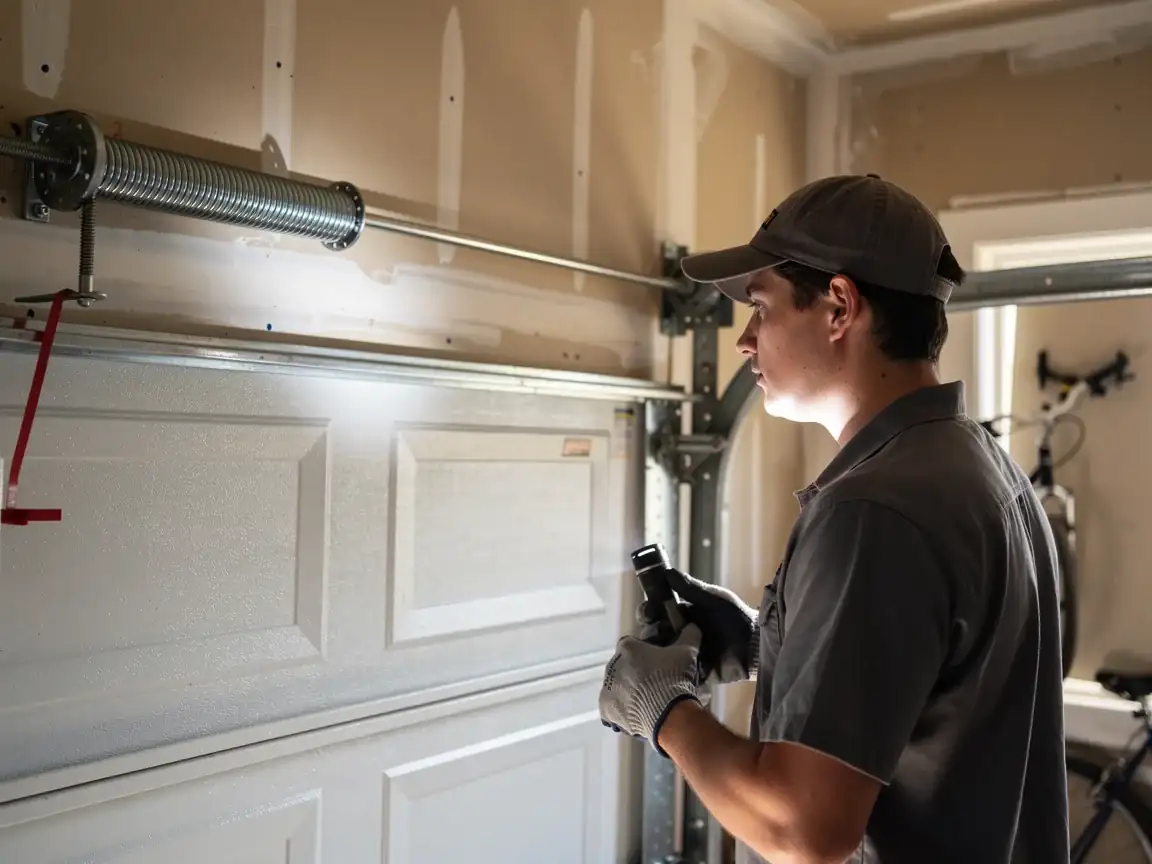
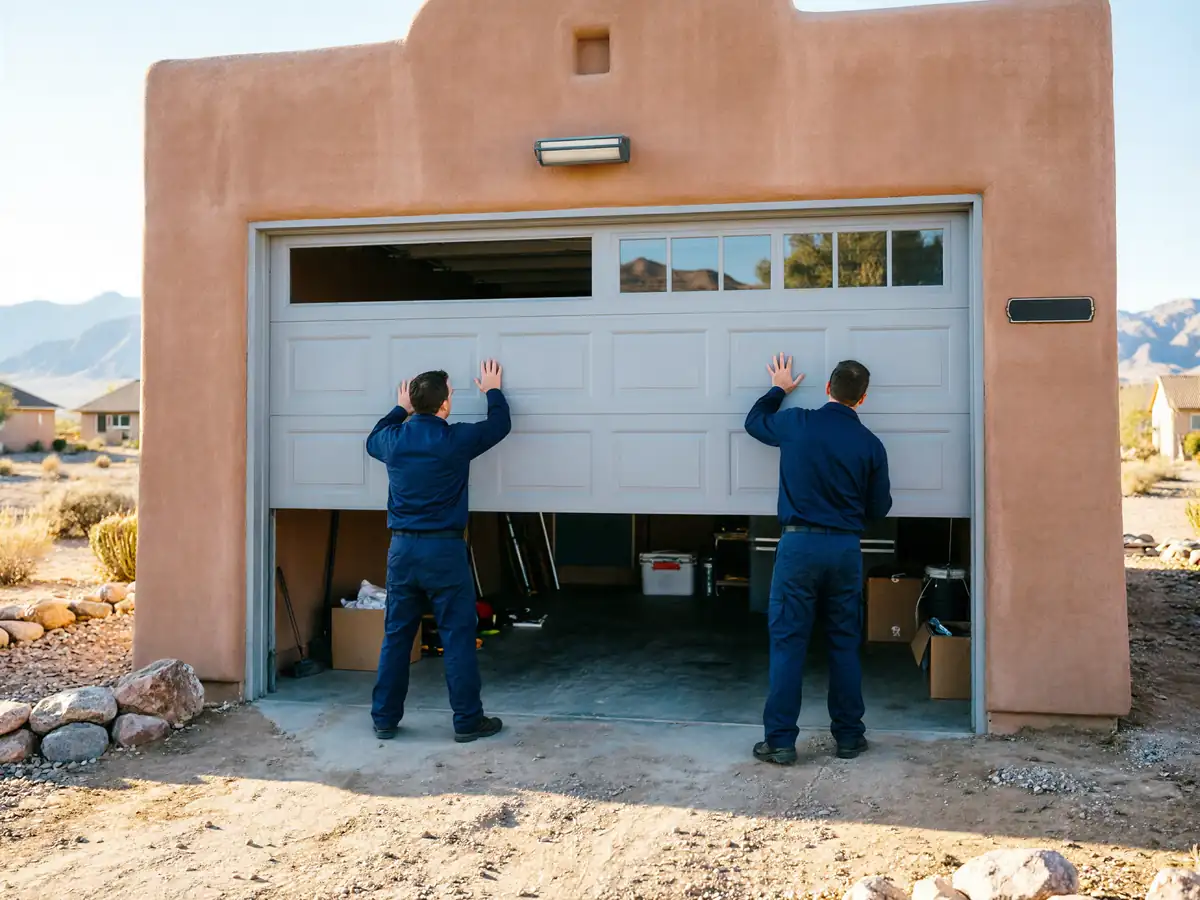
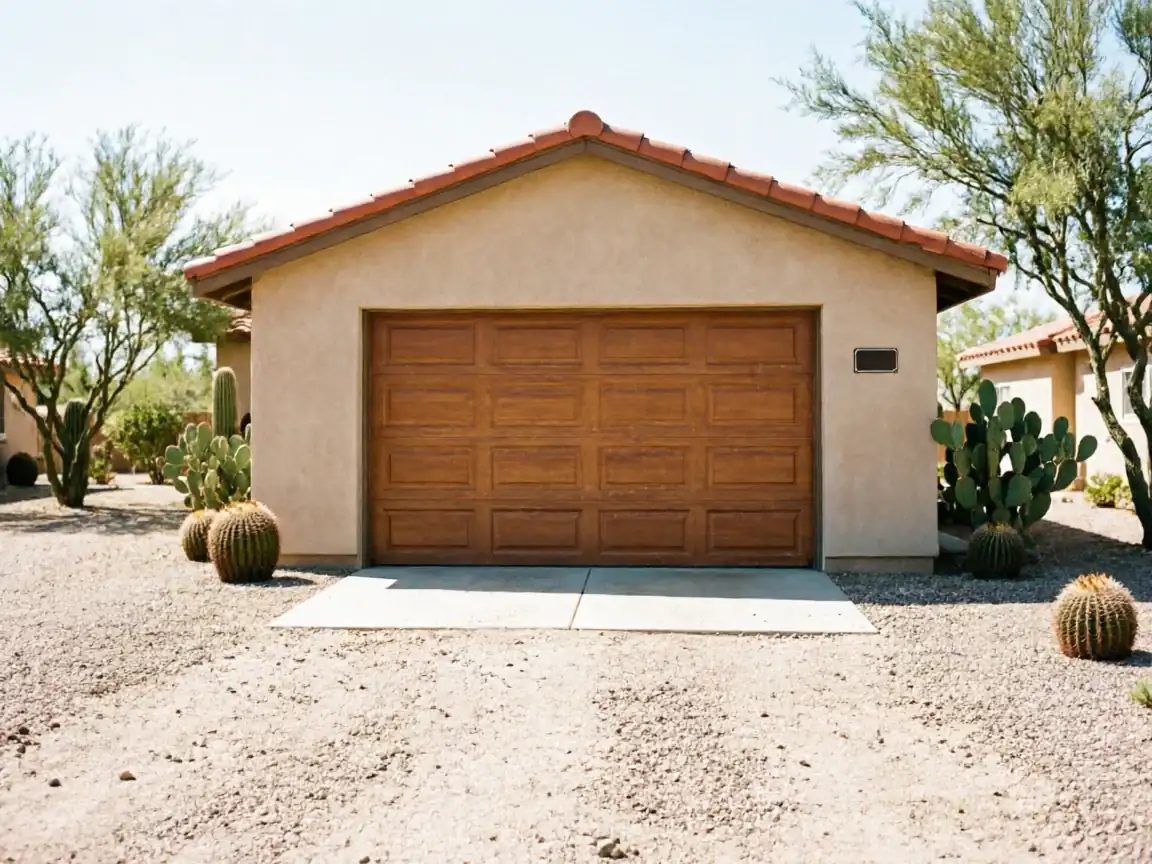
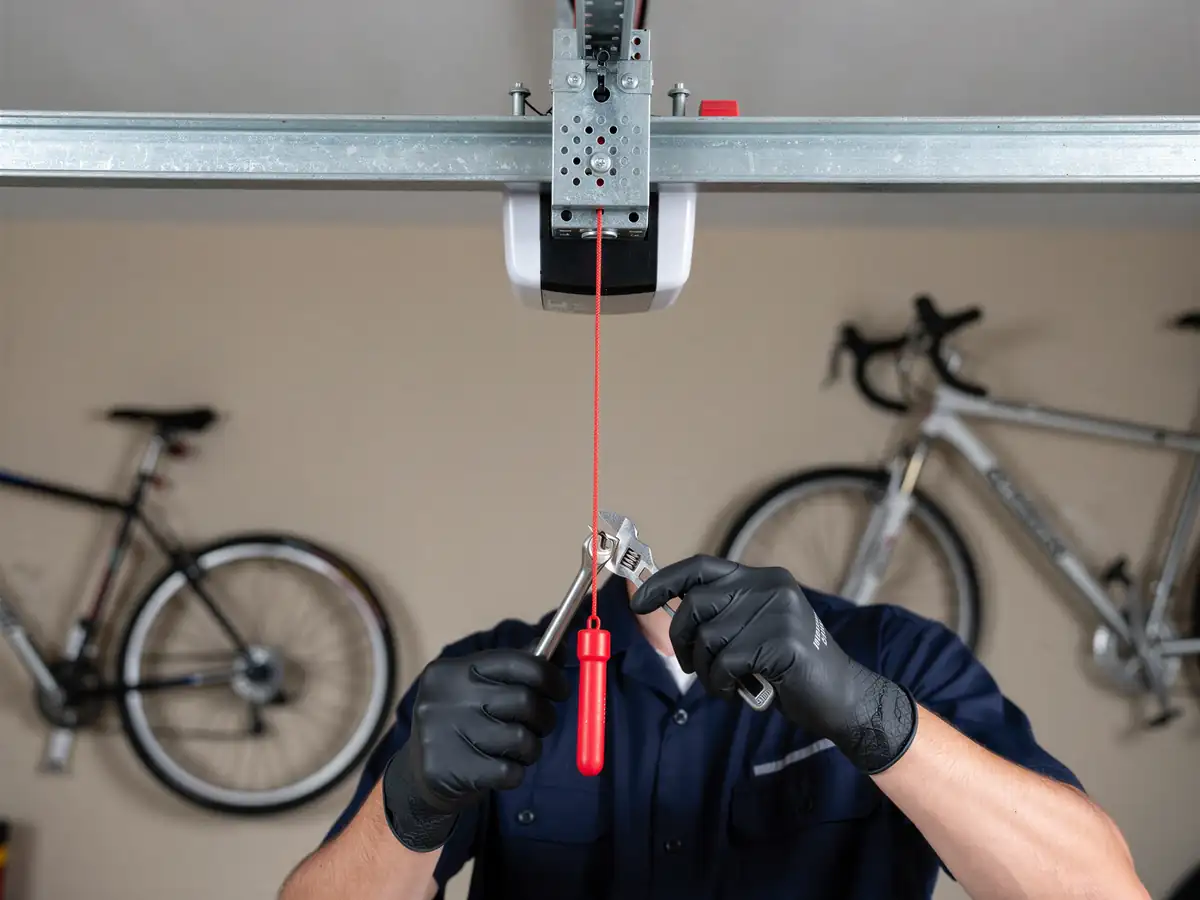
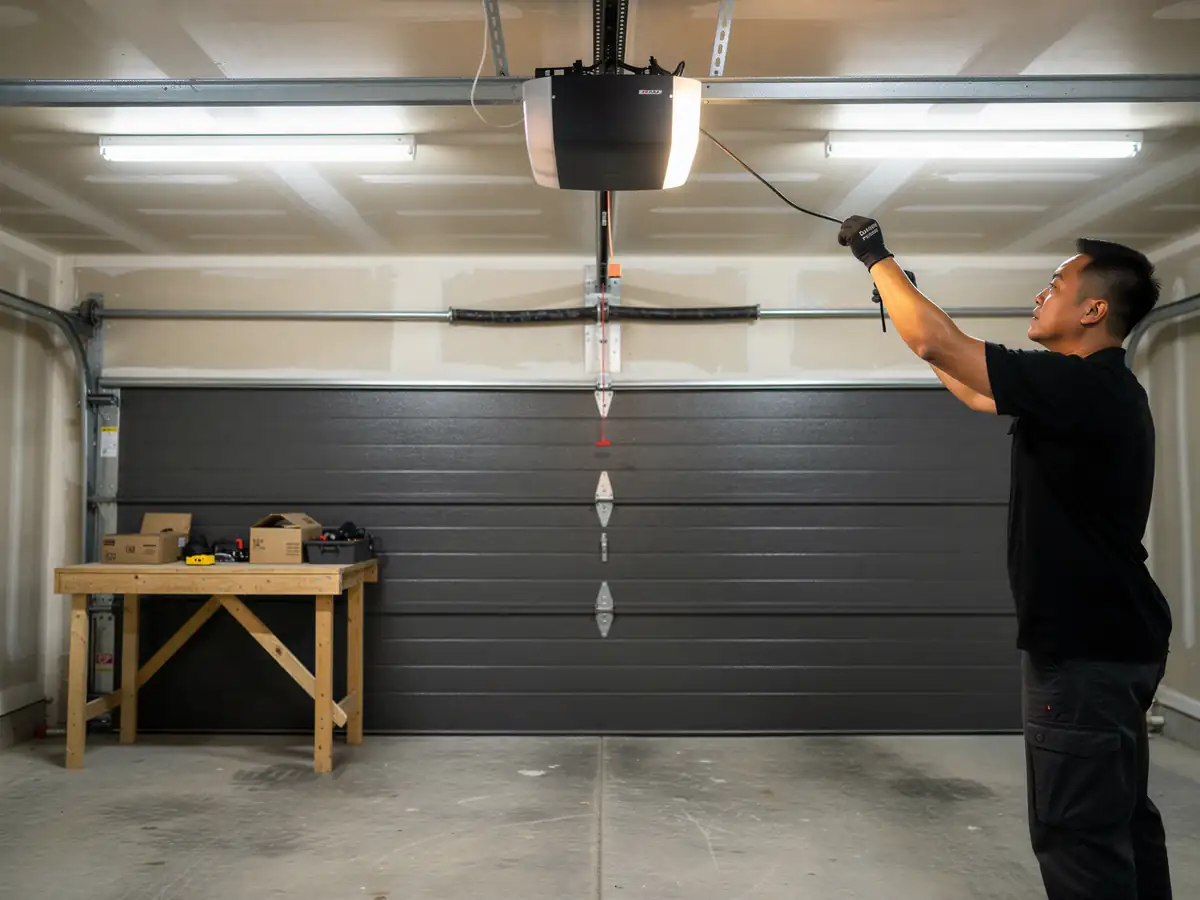
Saddlebrooke's median build year sits around 2005, noticeably newer than the broader Oro Valley area, where the housing stock centers closer to 1989. That gap matters on a service call. A door and opener installed in the early 2000s is usually a steel sectional panel on a lighter-gauge torsion spring system, paired with a chain or belt-drive opener from that generation rather than the heavier, older direct-drive units common on 1980s-era houses elsewhere in the service area. The failure points are different too: circuit boards and logic units start to give out on openers from this window before the springs do, where on an older door the spring usually goes first. We check the opener's control board and sensor wiring before we assume a spring problem, because on a 2000s-era door that's often the actual cause of a door that won't close. One thing we don't do is rebuild a door to match old drawings or specs we don't have on file for a specific house - we work from what we find on site, not from guesses about the original install.
How Long It Takes
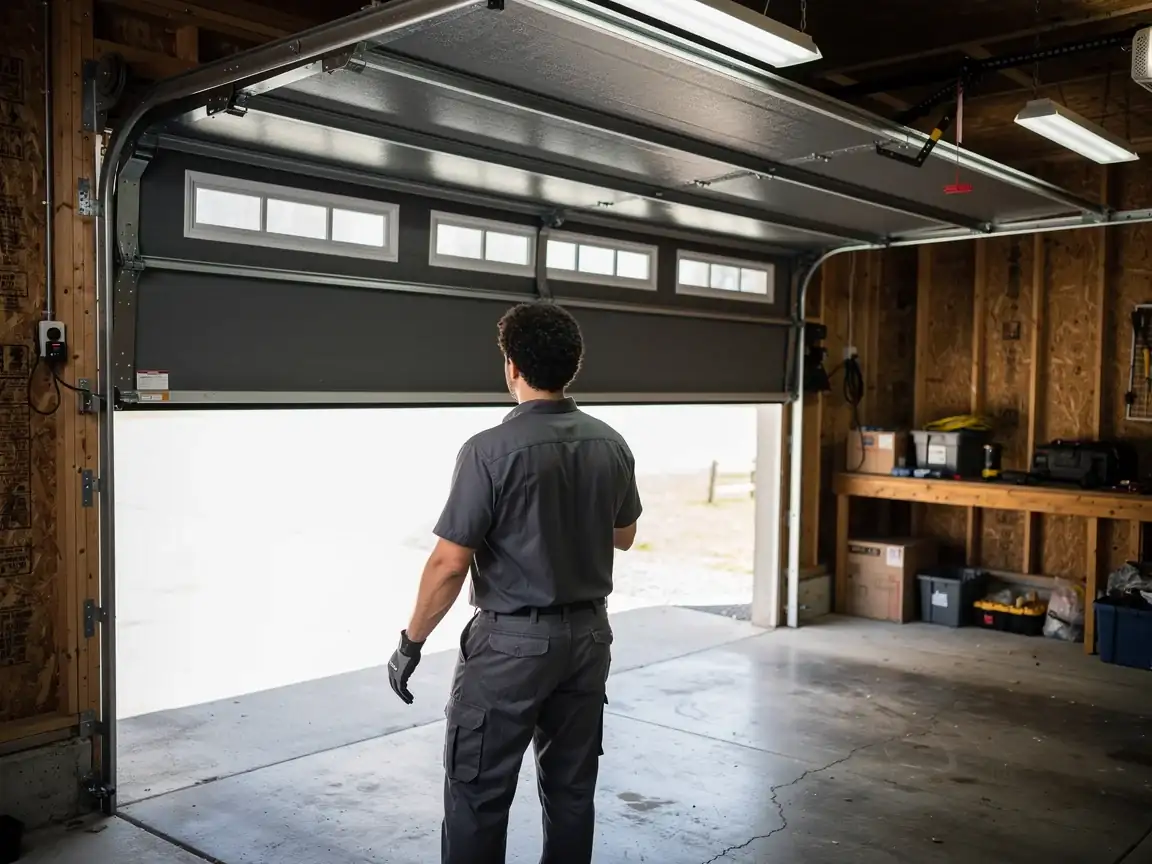
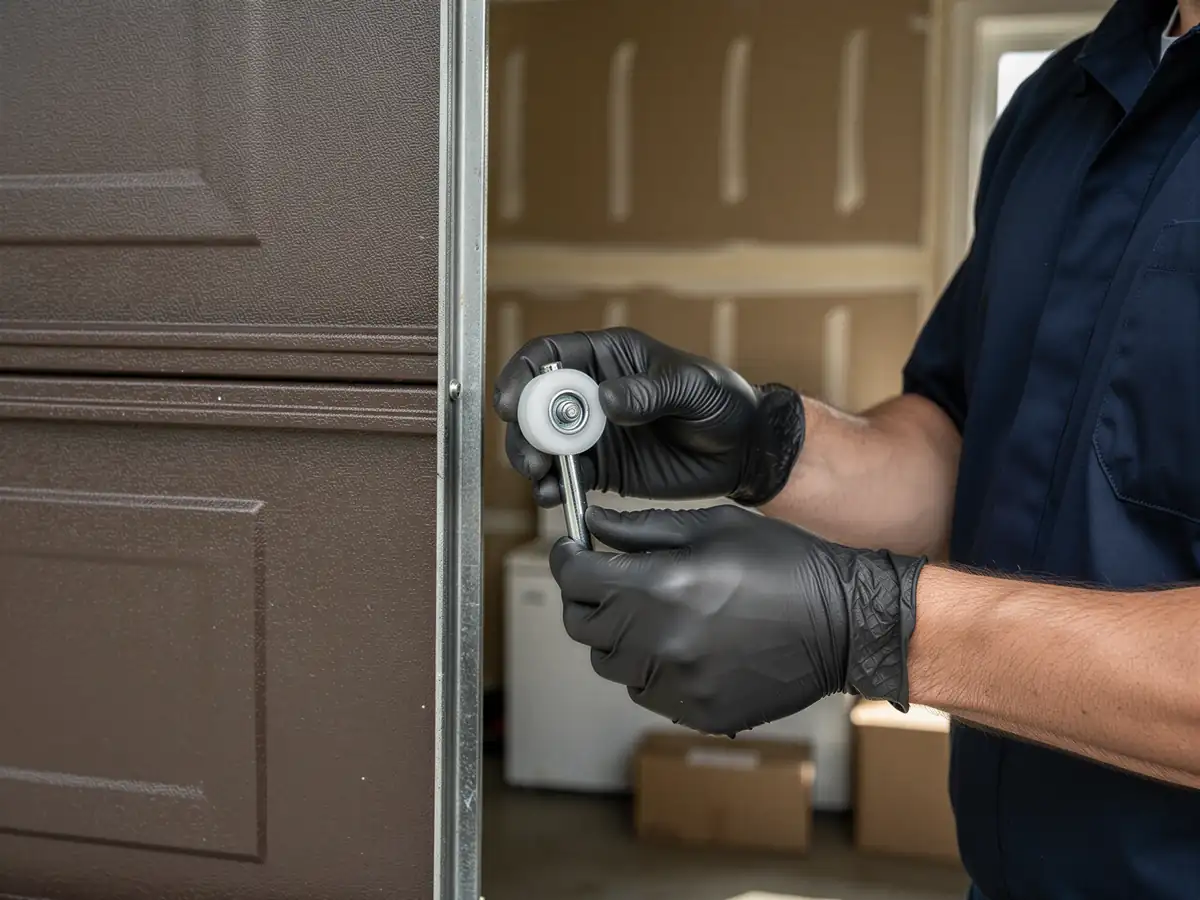
We come out from Oro Valley, about 11 miles away, so the drive is part of the job, not an afterthought. Saddlebrooke's climate load is the same severe-heat band as the rest of the service area, and that heat is harder on nylon rollers, plastic idler bearings, and opener drive belts than it is on steel springs - that's often where the noise or binding starts on a door this age. Because the housing here is newer, we're less likely to be sourcing an obsolete torsion spring size, which can add time to a repair on an older property. That said, we don't carry every part on the truck for every opener model, and a specific control board or belt-drive kit can mean a second trip if it has to be ordered in.
How It Shows Up
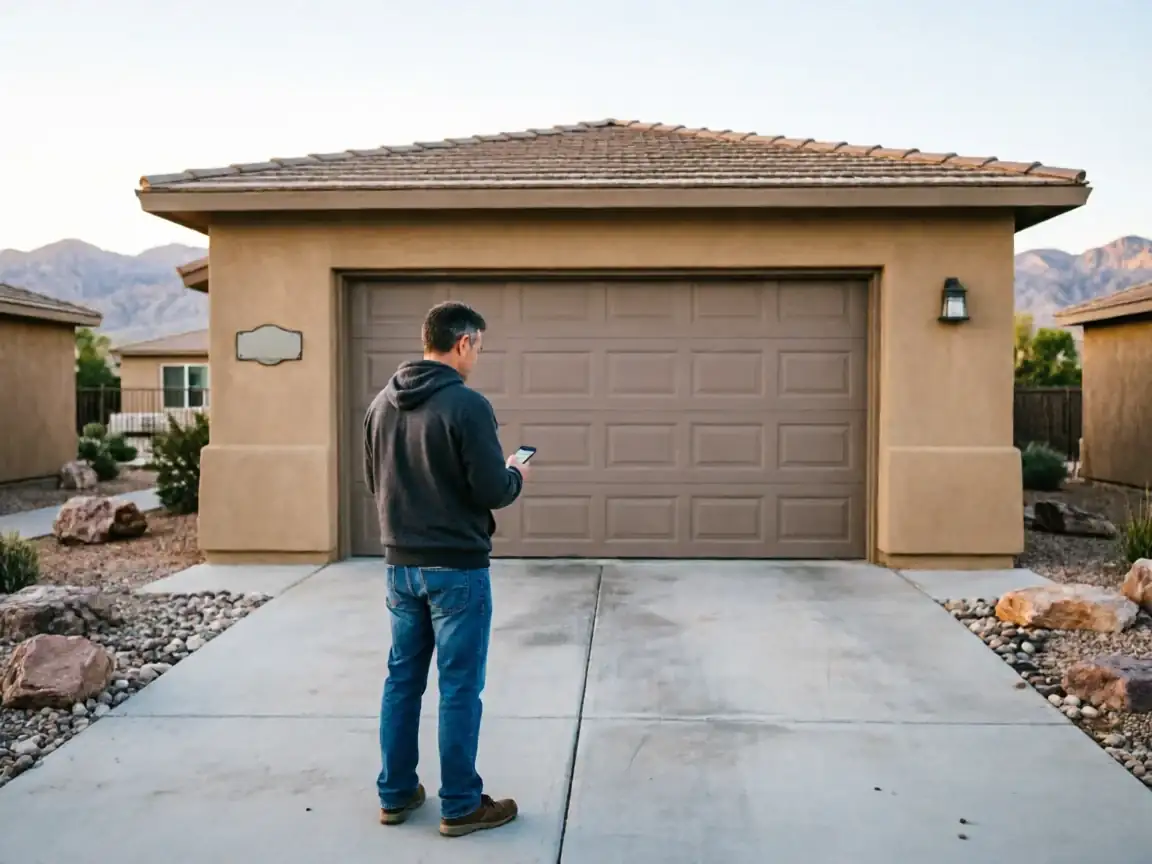
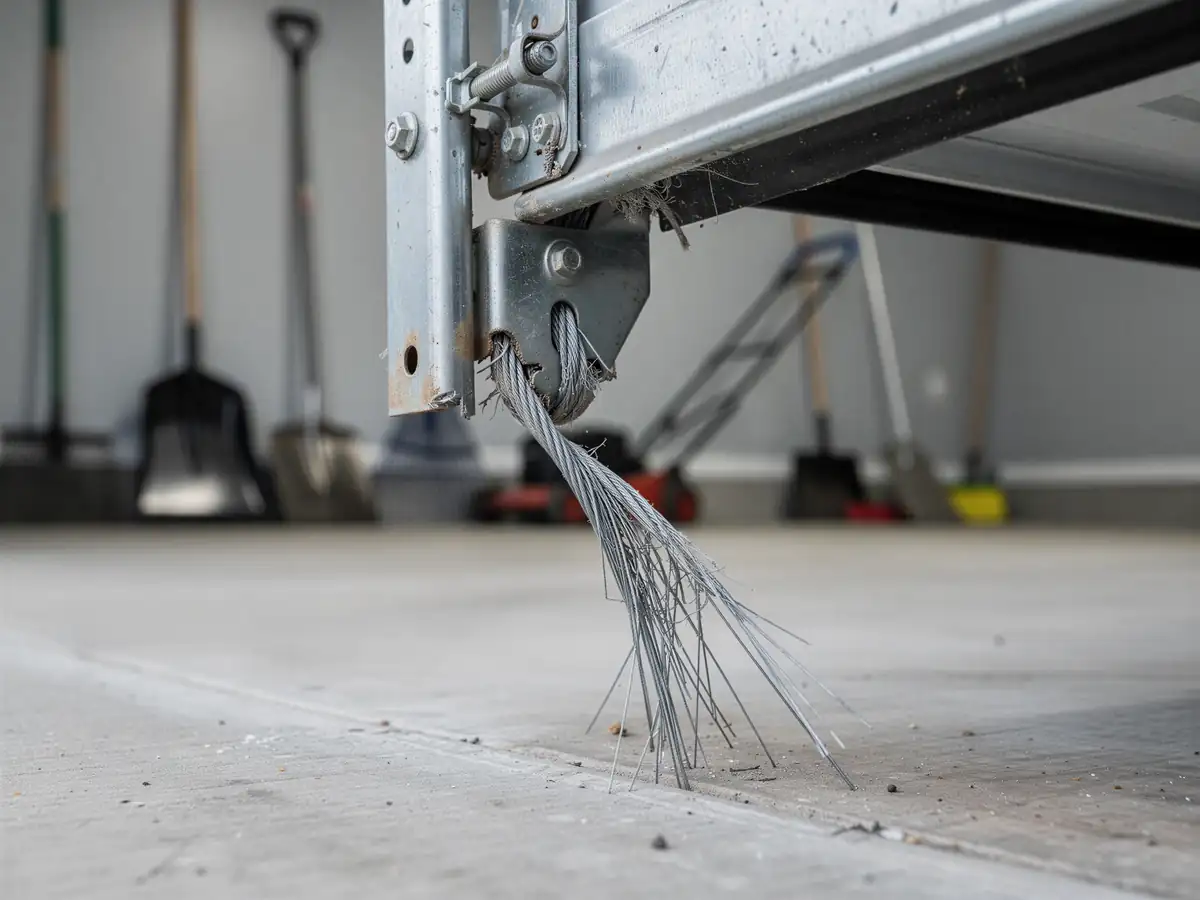
On a Saddlebrooke door, the first sign of trouble is usually the opener, not the spring. Homeowners call about a door that reverses halfway up, a remote that's gone unreliable, or a keypad that stopped responding; those point to circuit boards or sensor alignment more than to cable or spring wear. On the older housing stock elsewhere in the Oro Valley service area, the first call is more often a loud bang and a door that won't lift at all, which is a snapped spring. Saddlebrooke's newer builds also tend to have nylon rollers rather than steel, so you're more likely to hear a rough rattle build up over months before anything actually fails. If your door is slamming down fast at the end of its travel, that's worth a call regardless of the house's age - it usually means a spring has lost tension, not the opener.