What the Repair Takes
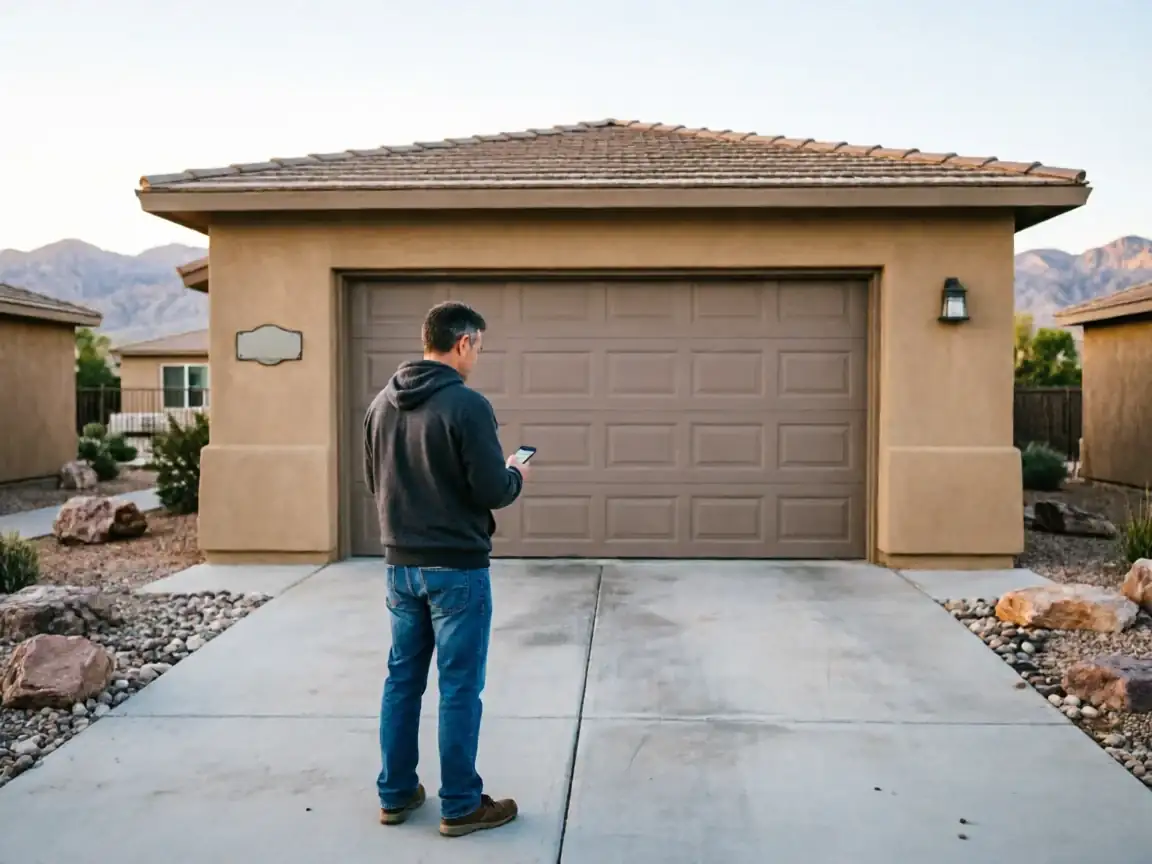
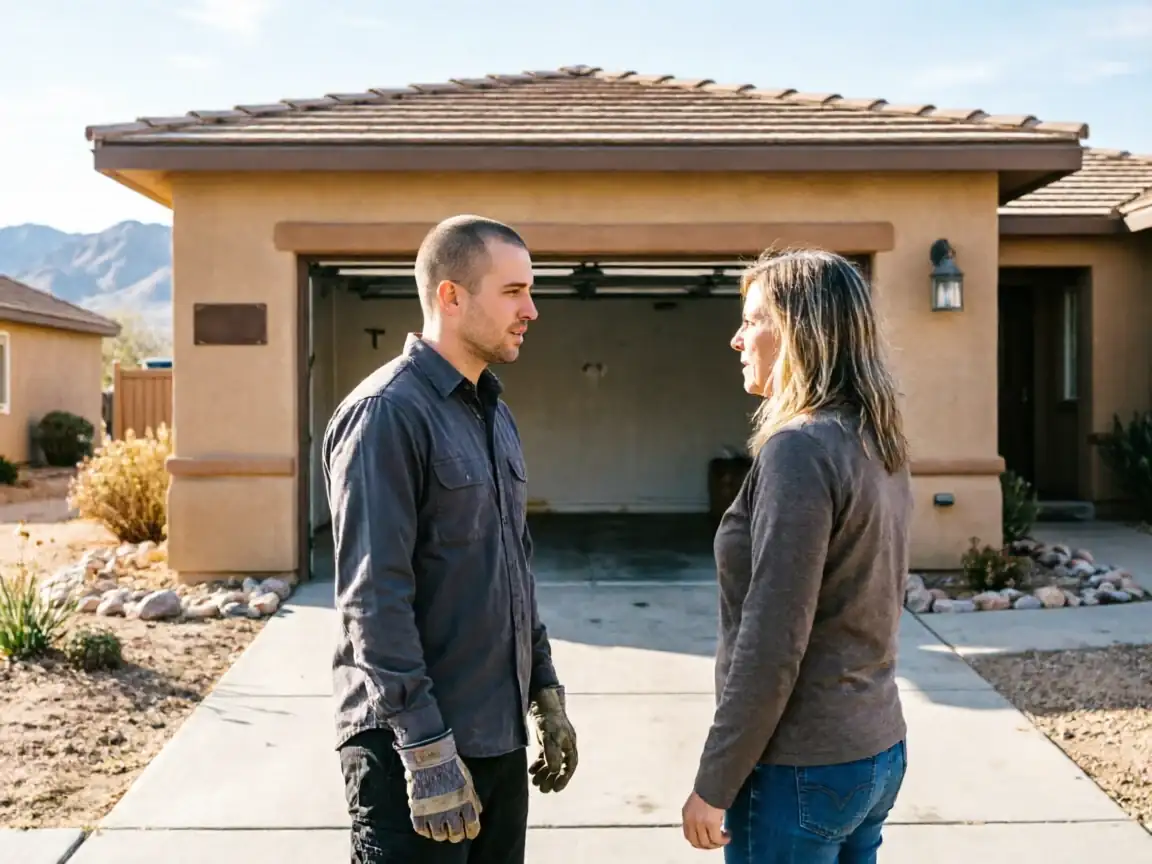
Saddlebrooke sits eleven miles out from our shop in Oro Valley, which changes how a call here gets handled before anyone touches a wrench. We don't carry a second set of trucks stationed closer, so a tech loads the van with opener boards, logic circuits, and drive gear sized for what this neighborhood actually runs, then makes the drive in one trip rather than two. That matters because this area's housing stock runs newer than most of the service area we cover - homes here cluster around a 2005 build year, well past the 1980-2005 range (median 1989) you see across the broader eight-area footprint. Newer construction means newer openers: more circuit-board logic, more Hall-effect sensors, fewer of the simple relay-driven units that still show up in the older pockets we also serve. A board fault here usually means a specific part number, not a universal swap, so the tech needs to know what's on the truck before leaving Oro Valley, not after arriving and finding the wrong board. The honest limit: if the opener is old enough or the logic board is discontinued, we tell you straight that a new unit costs less than chasing a part nobody stocks anymore, rather than running up a bill hunting for it.
How Long It Takes
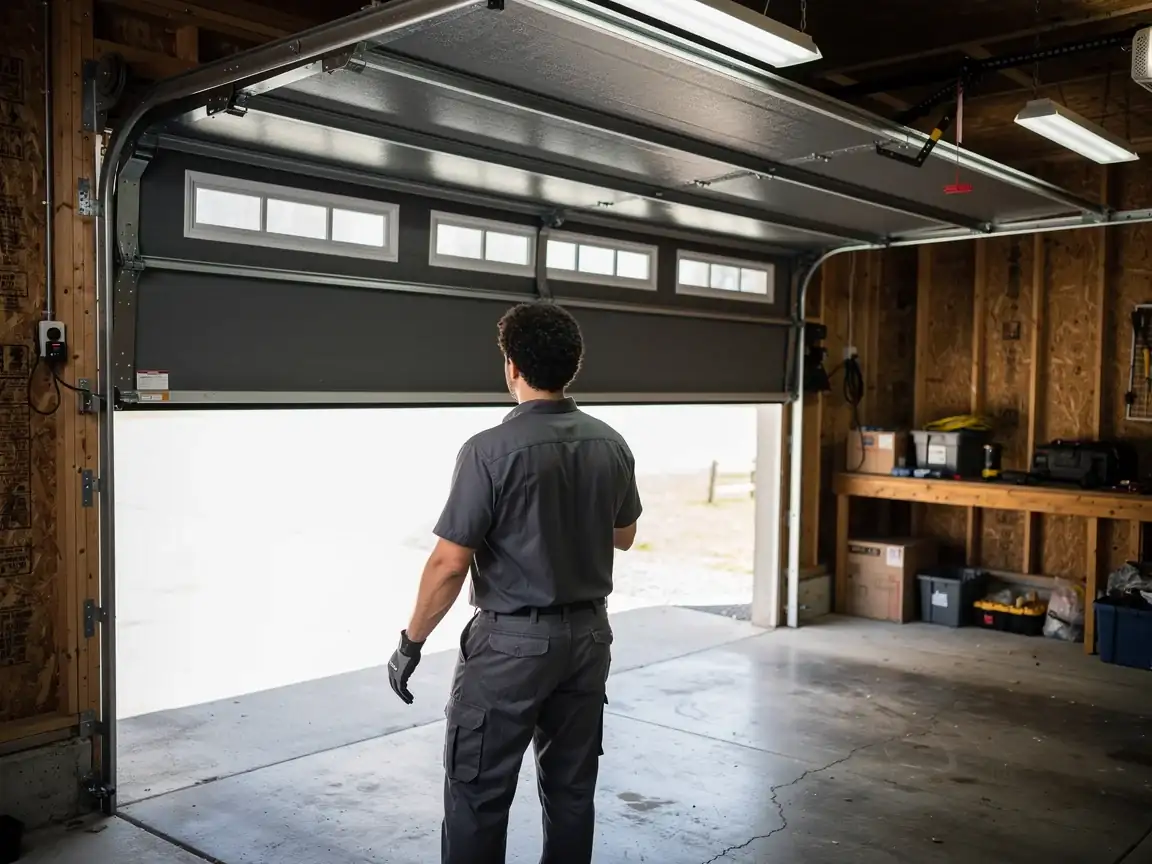
Because the trip is built into the job, a single visit is structured to diagnose and fix in the same stop whenever the part matches what's loaded. Circuit-board swaps, sensor realignment, and drive-gear replacement on the newer openers common here are same-visit work when the tech has the right board on the truck - which, given how consistently this area's stock skews to 2005-era construction, is something we plan for before the drive out, not during it. What stretches the job past one visit isn't the distance, it's a part that isn't standard: an opener model old enough to need a special-order board, or a smart-opener unit with proprietary logic that has to come from the manufacturer. We'll tell you on-site if that's the case rather than let the first visit become a guessing game.
How It Shows Up
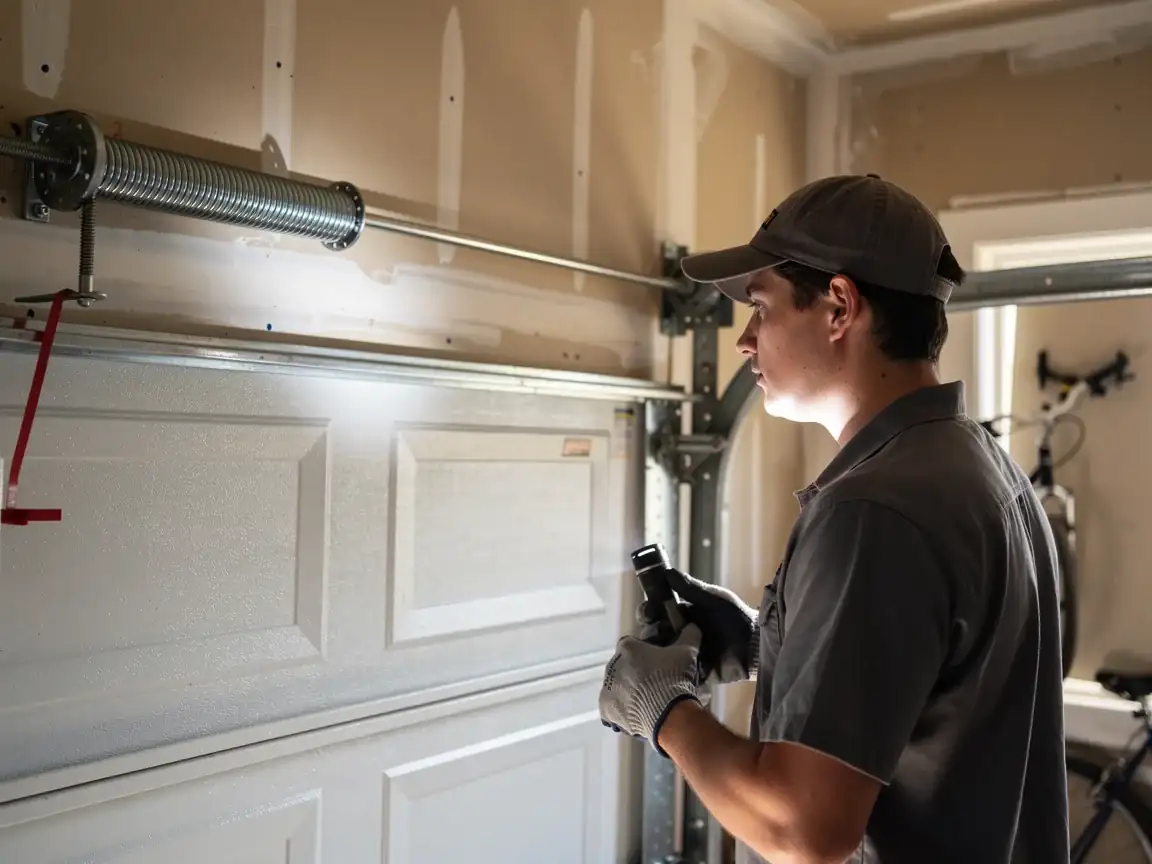
Oro Valley and this stretch of Arizona both sit in a severe-heat climate band, and that doesn't care what year the house was built. Openers here fail the way they do anywhere in this heat: capacitors degrade faster in hot garages, sensor eyes drift out of alignment as housings expand and contract through the heat cycles, and drive belts on newer belt-drive units stretch sooner than their rated life suggests. What's different in Saddlebrooke is which openers are absorbing that heat. The newer circuit-board units common in this area's 2005-median housing stock carry more electronics exposed to garage heat than the older relay-based openers elsewhere in the territory, so board failure tends to show up here as the first symptom rather than a worn gear or a stripped sprocket. If your opener is cycling, humming, or the lights are blinking in a pattern instead of running clean, that's usually the board talking before it quits outright.