What the Repair Takes
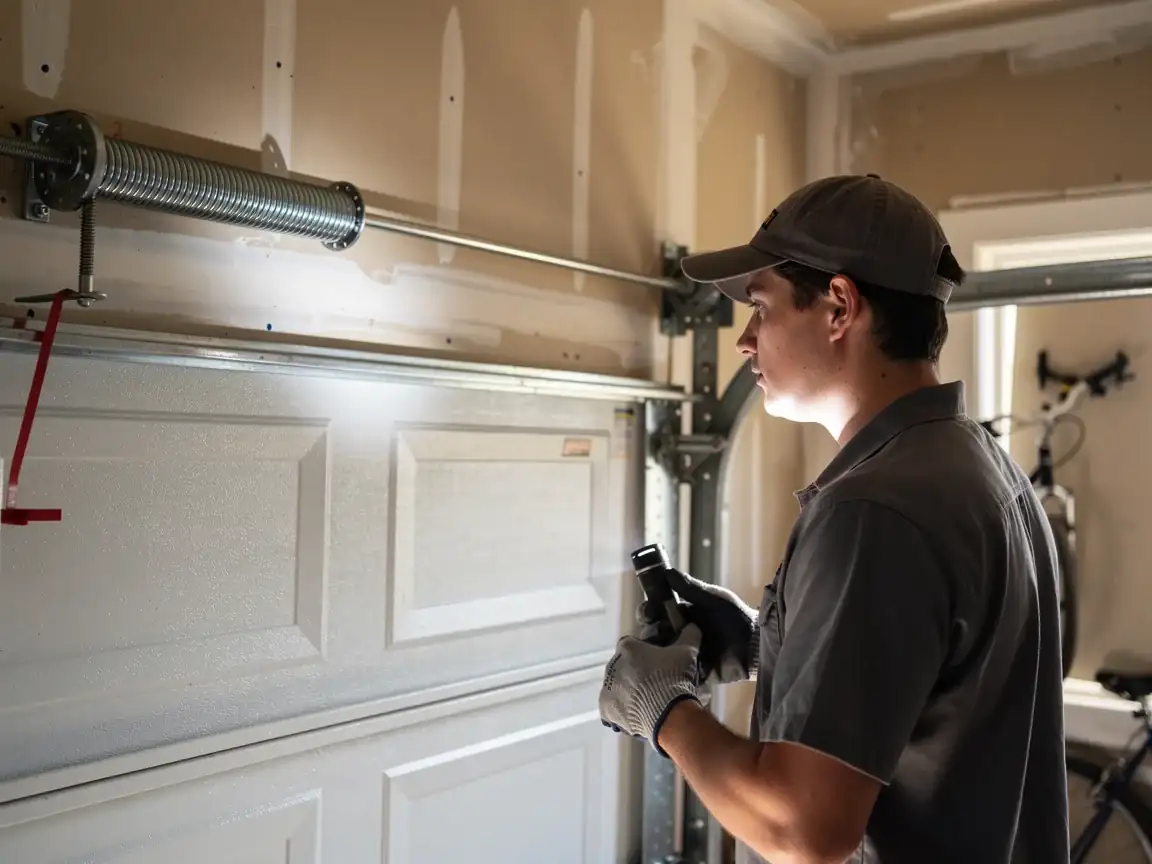
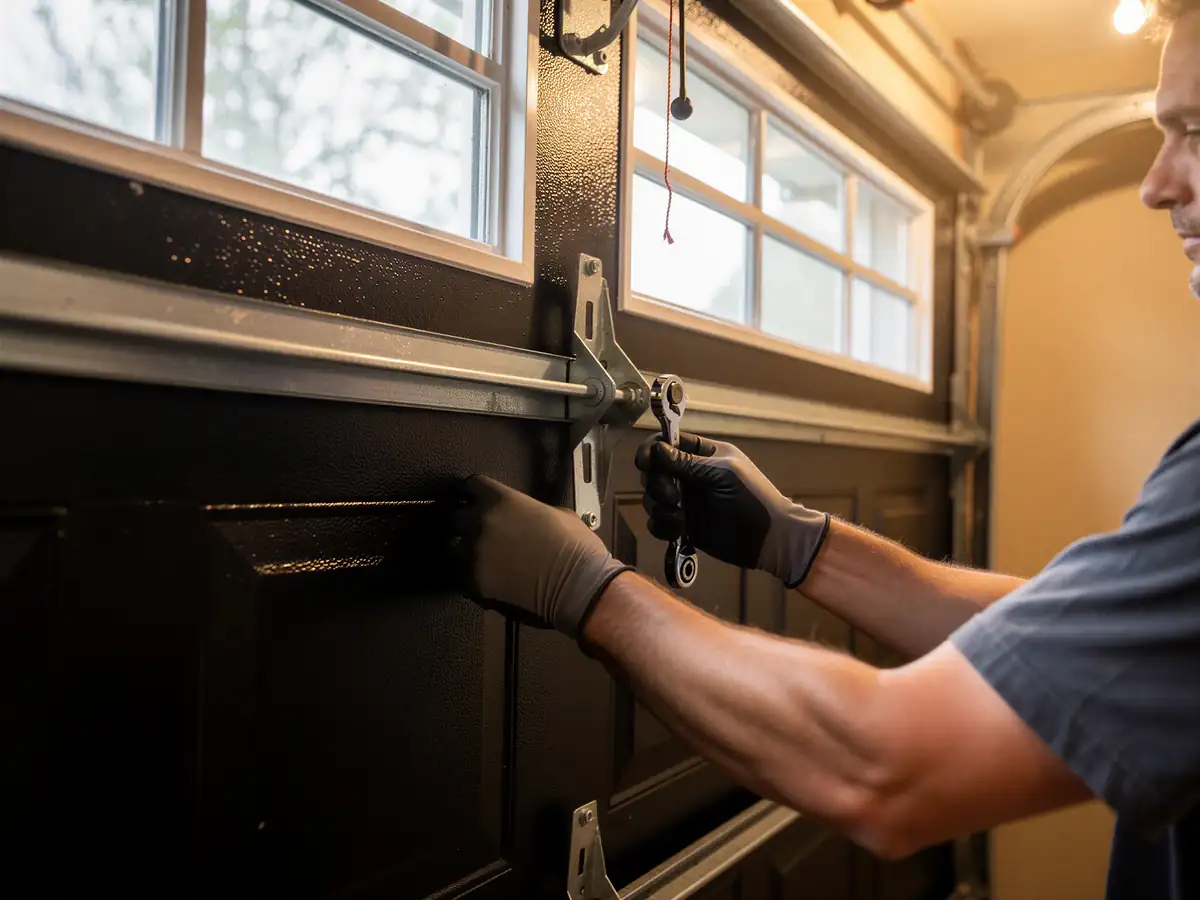
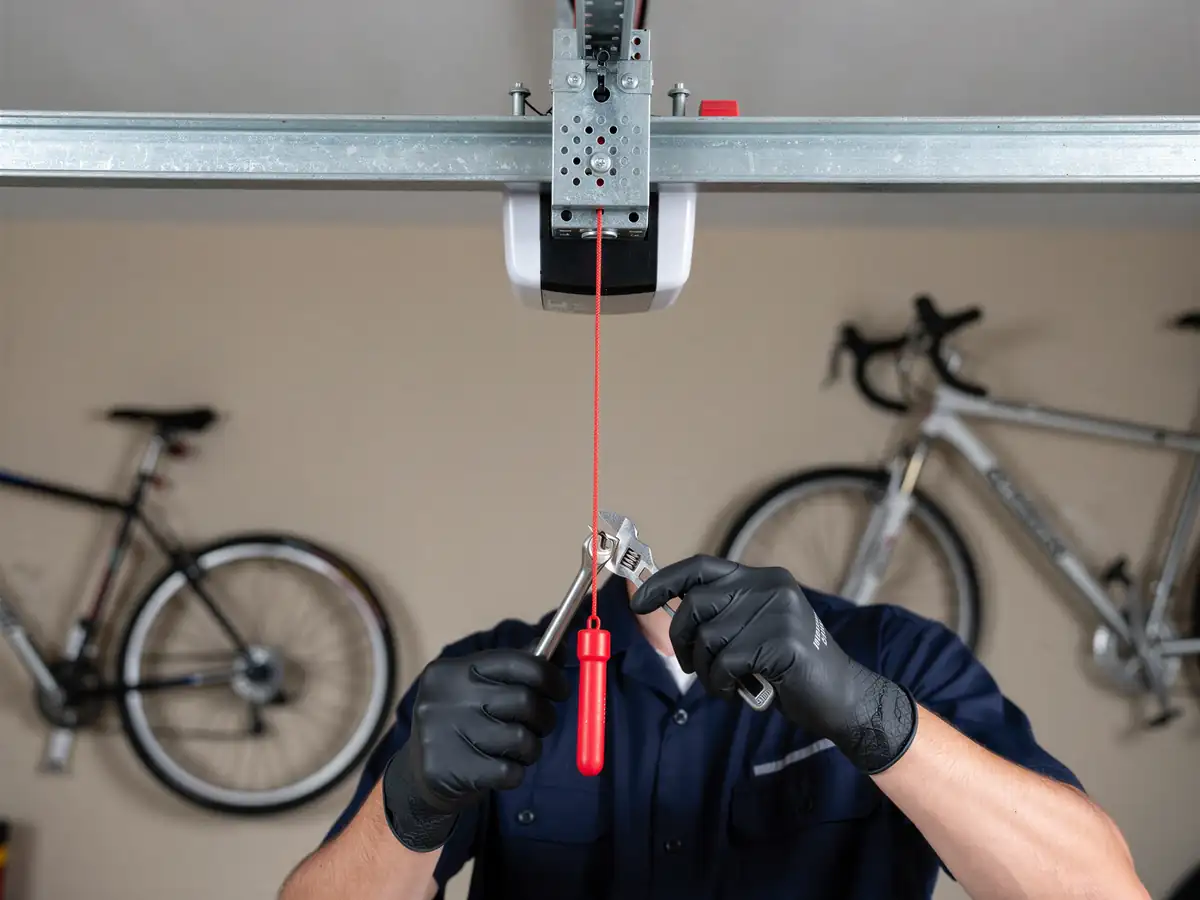
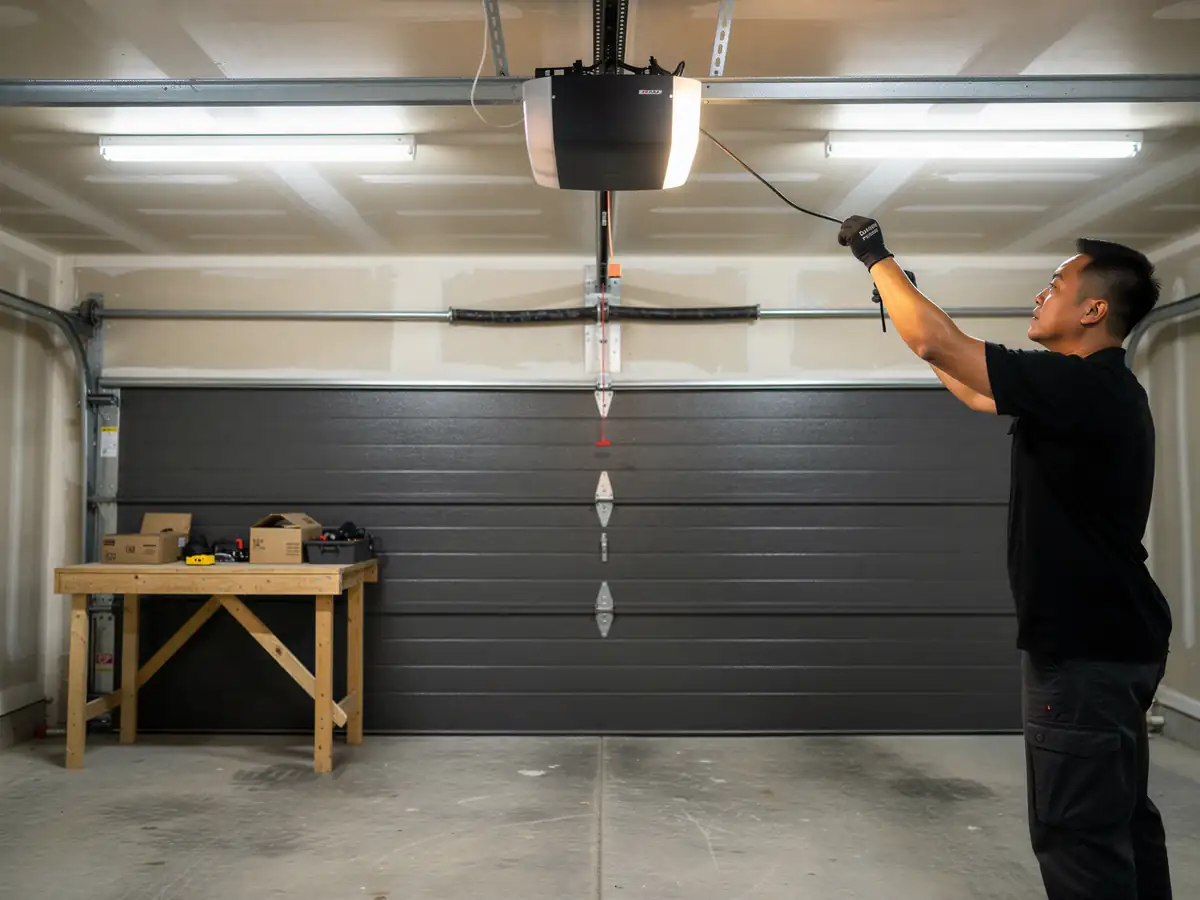
Most houses in Saddlebrooke went up around 2005, which puts the typical opener in this neighborhood right at the edge of its working life. Units from that era usually came with a 1/2 horsepower chain-drive motor and the circuit board, capacitor, and sensor eyes that shipped standard at the time. After roughly two decades of Arizona heat cycling through that board, the failure is rarely dramatic - it's a motor that hums but won't lift, or a logic board that trips the safety reversal for no visible reason. Swapping to a new opener on the same bracket and rail is usually straightforward, since the header height and door weight on these builds are predictable once we're in the garage. Where it gets more involved is if the original rail or the door springs have never been touched - in that case the opener job turns into a two-part visit, because a new opener on tired springs just shortens the opener's life again. We'll tell you straight if that's what we're looking at rather than bolt a new motor onto a door that's fighting it.
How Long It Takes
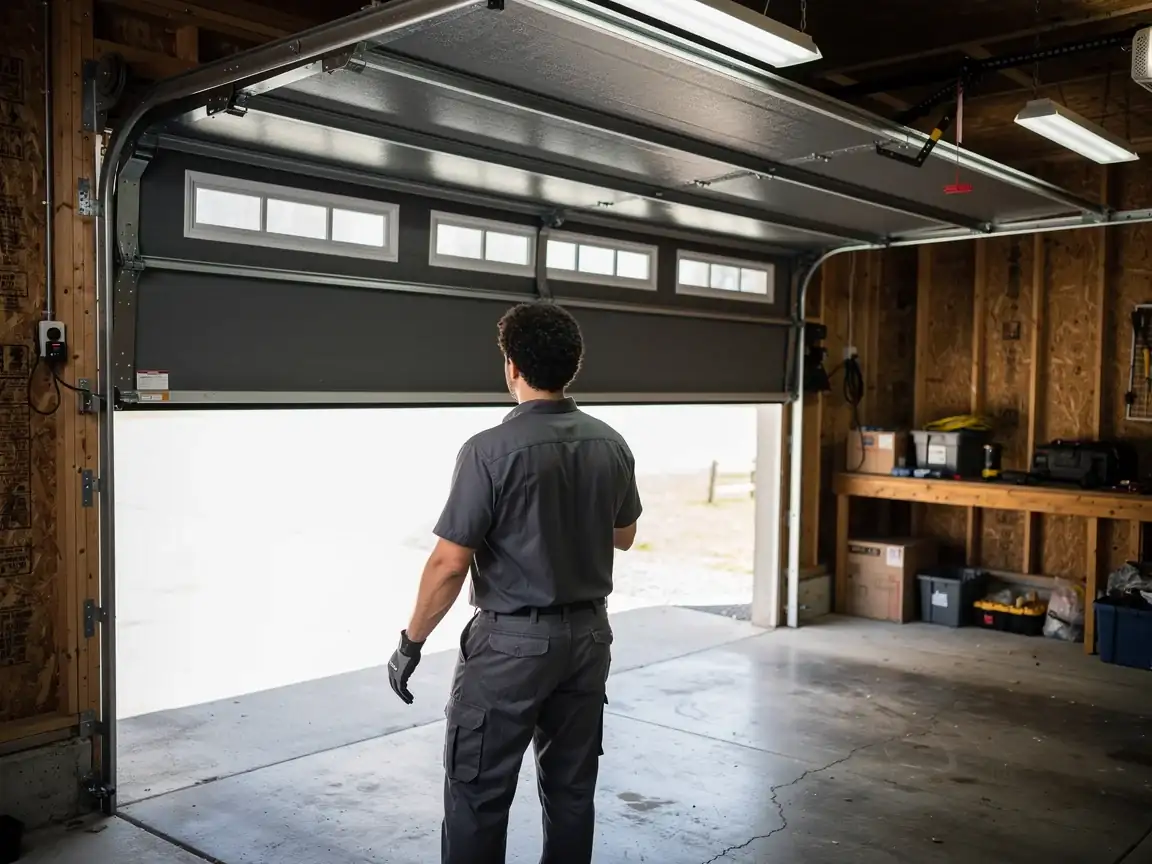
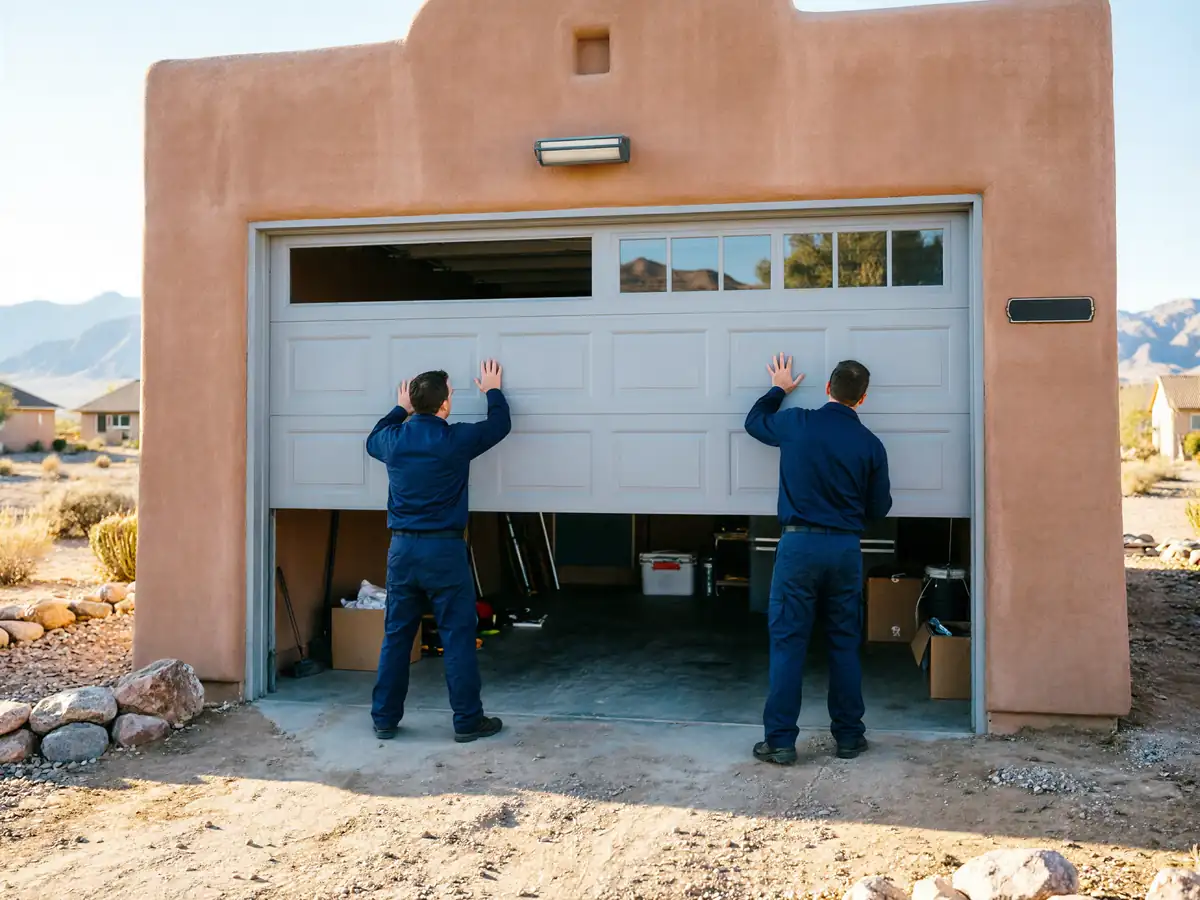
A straight swap - same mount points, same rail length, belt or chain drive going in where chain or belt came out - is a same-visit job once we're on site. What adds time in Saddlebrooke specifically is the drive out: we're coming from Oro Valley, roughly 11 miles each way, so we schedule the visit as a block rather than a drop-in. If your garage has the original 2005-era wiring for the wall console and safety sensors, reusing it speeds things up; if the sensor wiring has been chewed, patched, or rerouted over the years, we budget extra time to run new wire rather than guess at a splice. We don't stock every opener model on the truck, so if you want a specific brand or a battery-backup unit, there's sometimes a short lead time to get the right one in before we come back out.
How It Shows Up
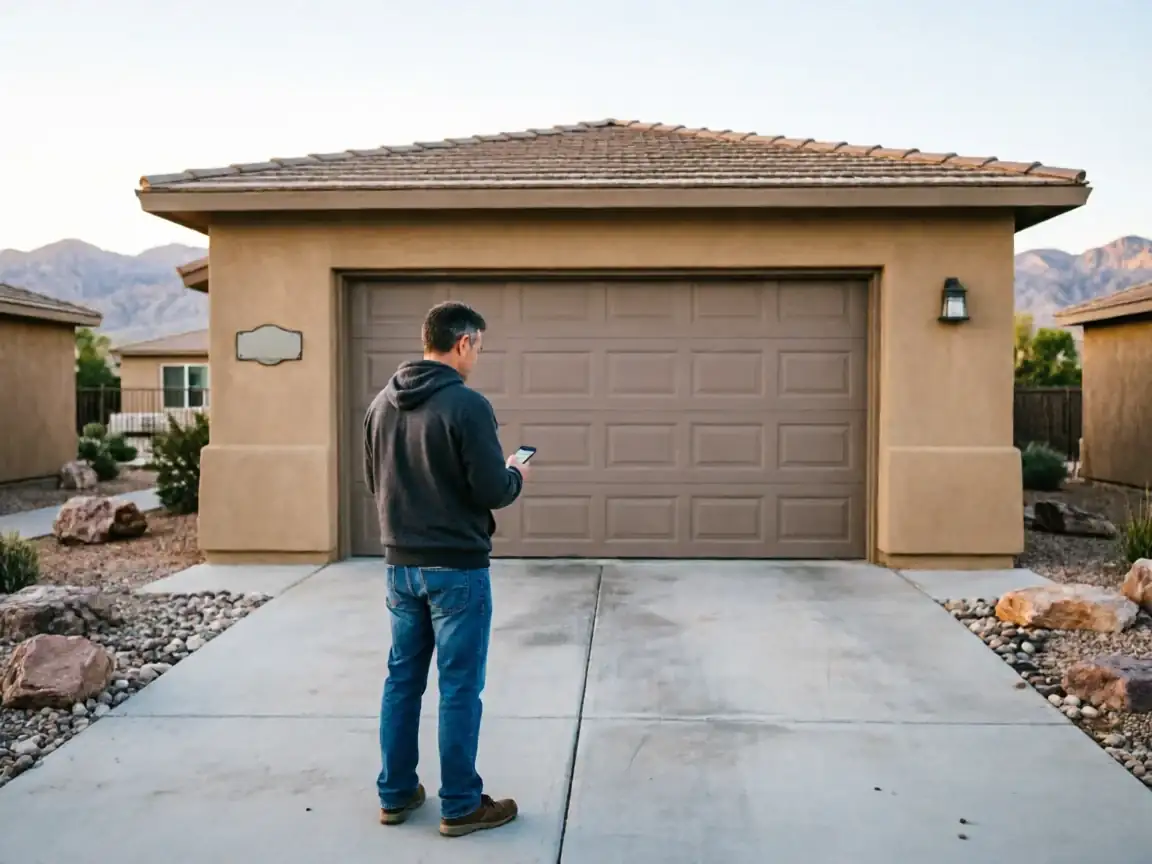
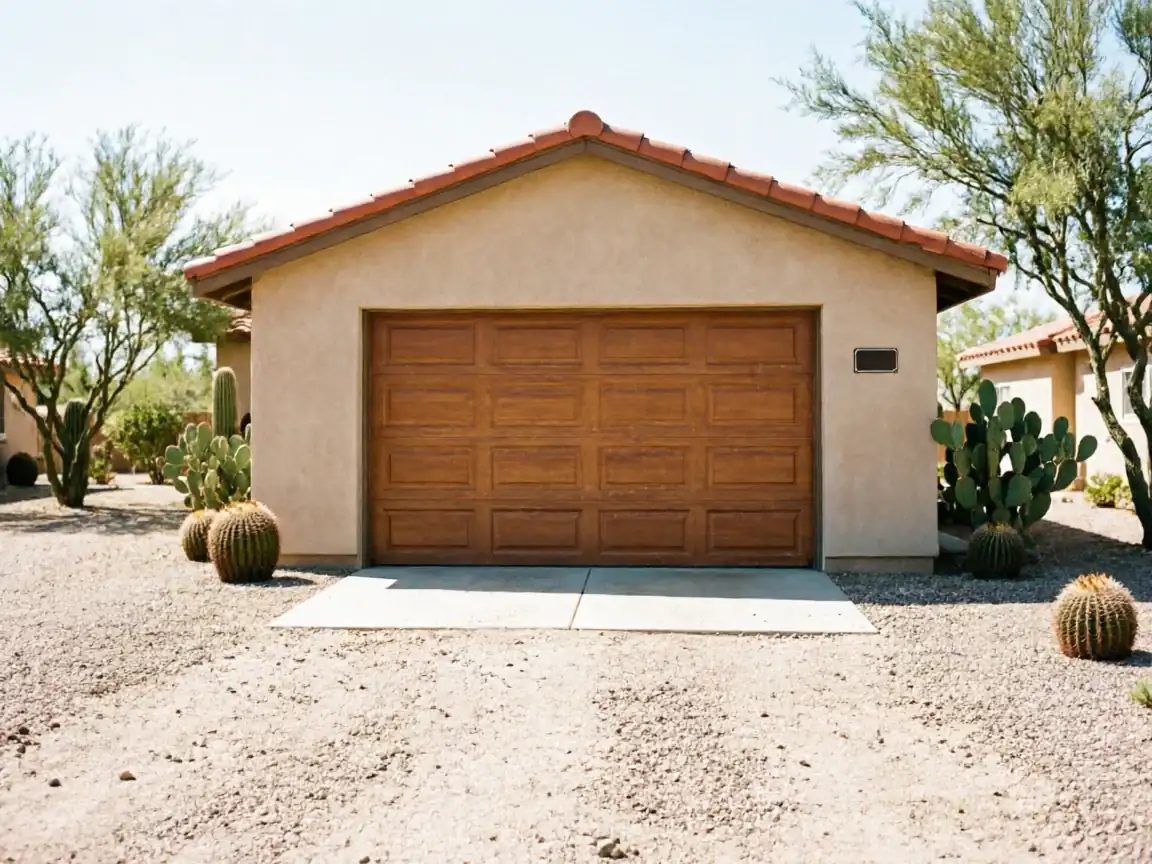
Arizona's heat band here runs severe, and that's hard on an opener's electronics specifically - not just the door. The capacitor in an older motor and the solder joints on the logic board both degrade faster under repeated 100-plus-degree garage temperatures than they would in a milder climate, which is part of why 2005-built openers in this area are failing now rather than running another decade. The usual signs: the opener runs louder than it used to, the light flickers before the motor engages, or the door reverses partway up with no obstruction in the sensor path. None of that means the door itself is bad - it's almost always the opener unit giving out on schedule for its age and the heat it's sat through. If you're seeing the door itself sag or the panels binding on the track, that's a different problem than the opener, and worth mentioning when you call so we bring the right parts.