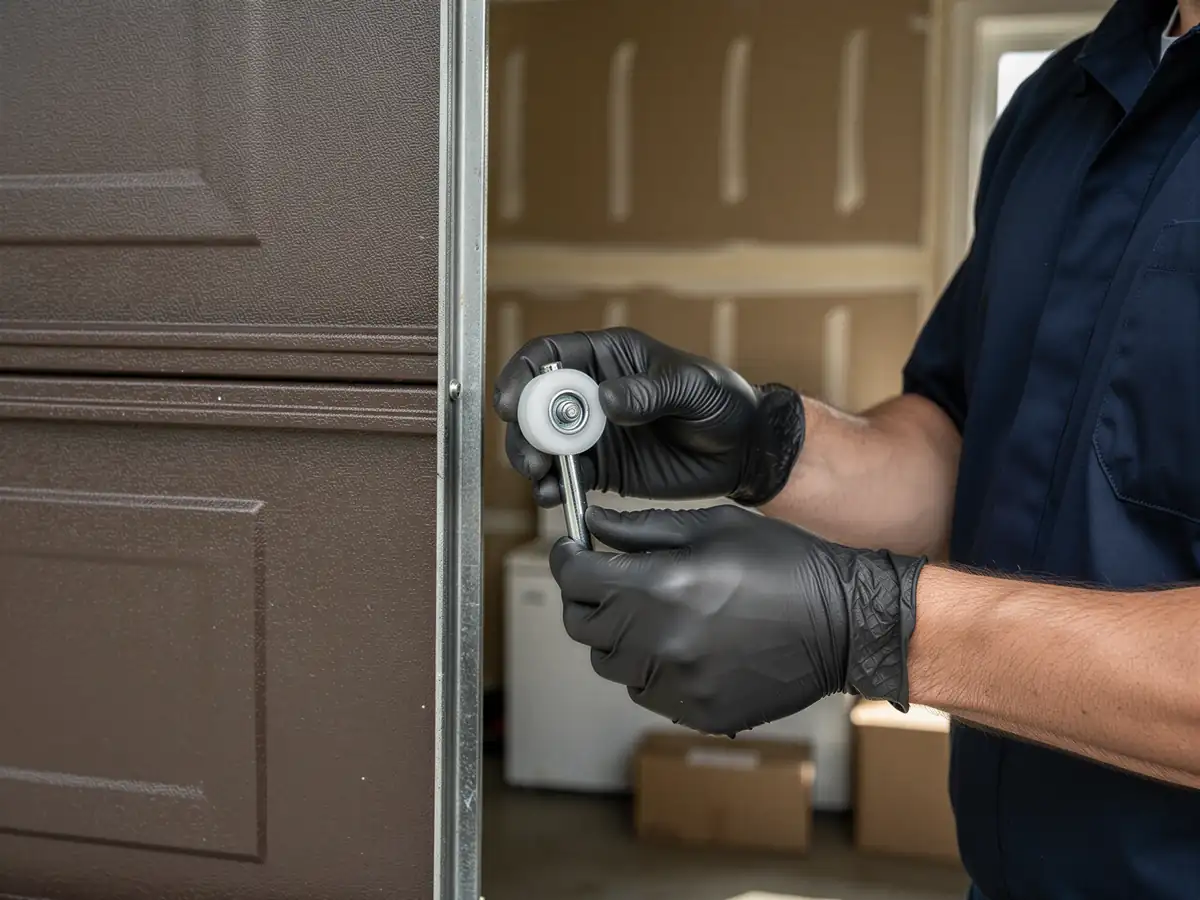
What the Repair Takes
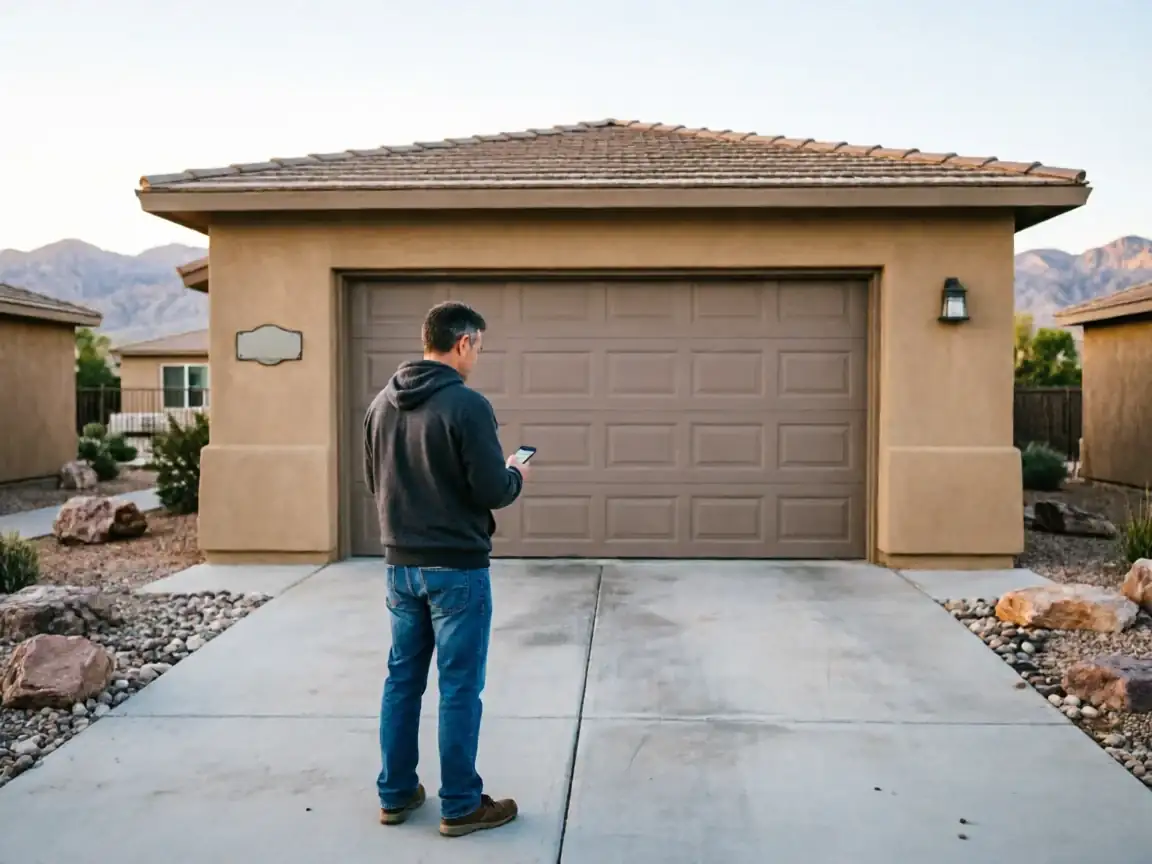
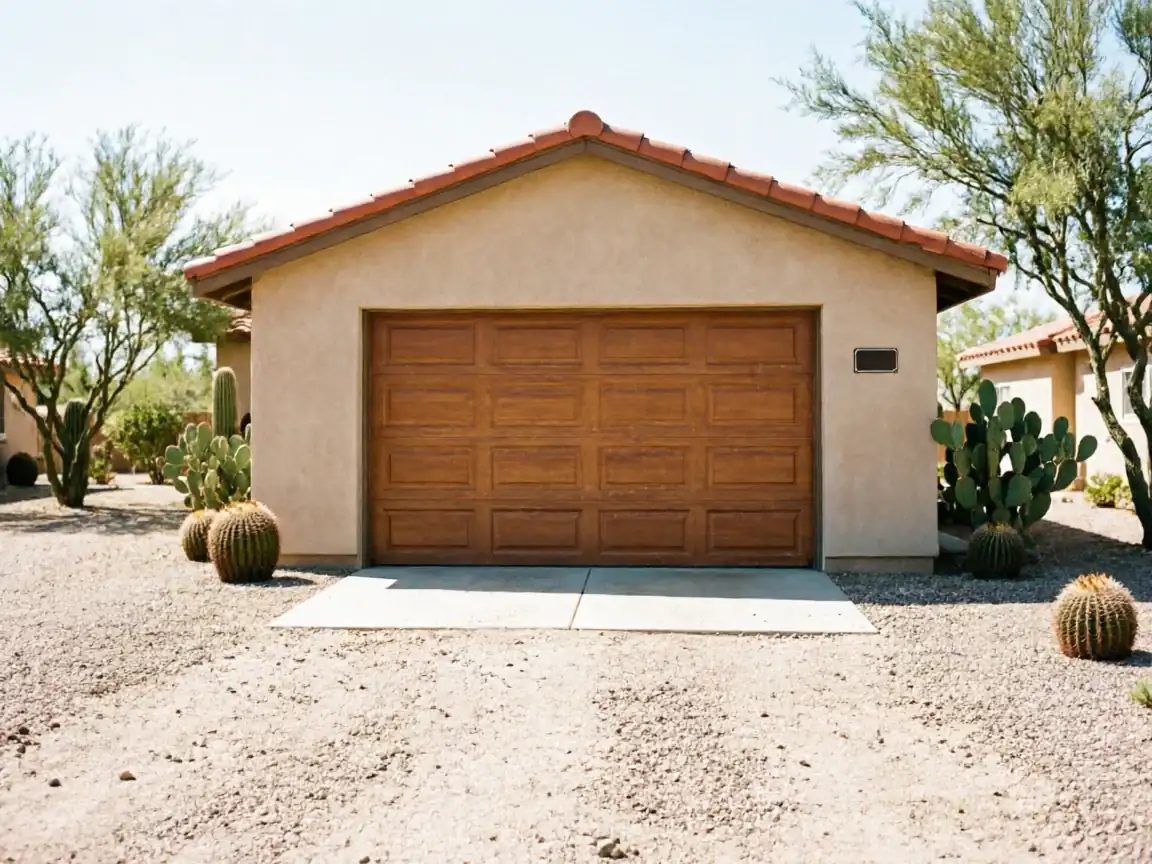
Saddlebrooke sits at a median household income of $90,888, well above the $70,982 median across the rest of the Oro Valley Garage Door Pros service area. That gap matters here because it changes where the repair-or-replace line falls. On a lower-income street with an older door, a bad roller often gets bundled into a full door swap because the track, hinges, and cables are all tired at once. In Saddlebrooke, where the median house went up around 2005, that's rarely the case. The door is newer, the track is straight, and the opener is still within its useful life. A roller job here is usually just that: rollers, not a teardown.
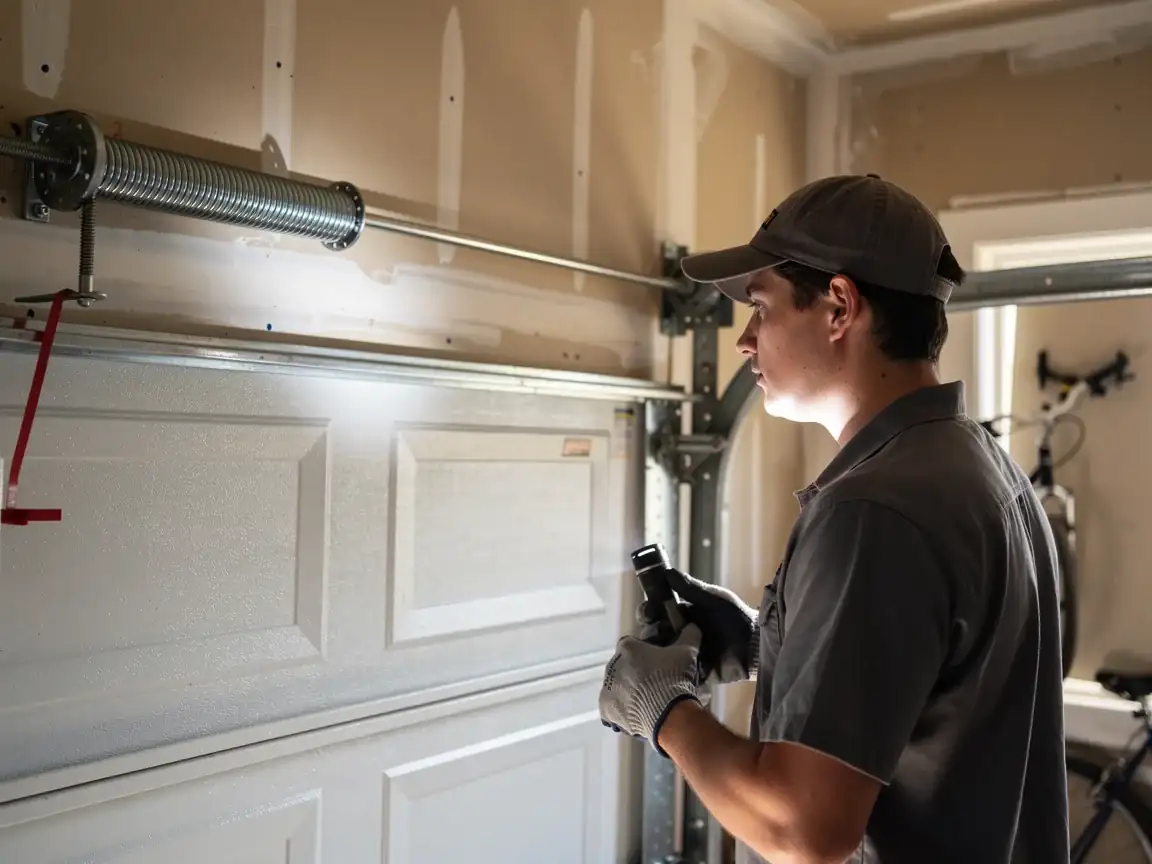
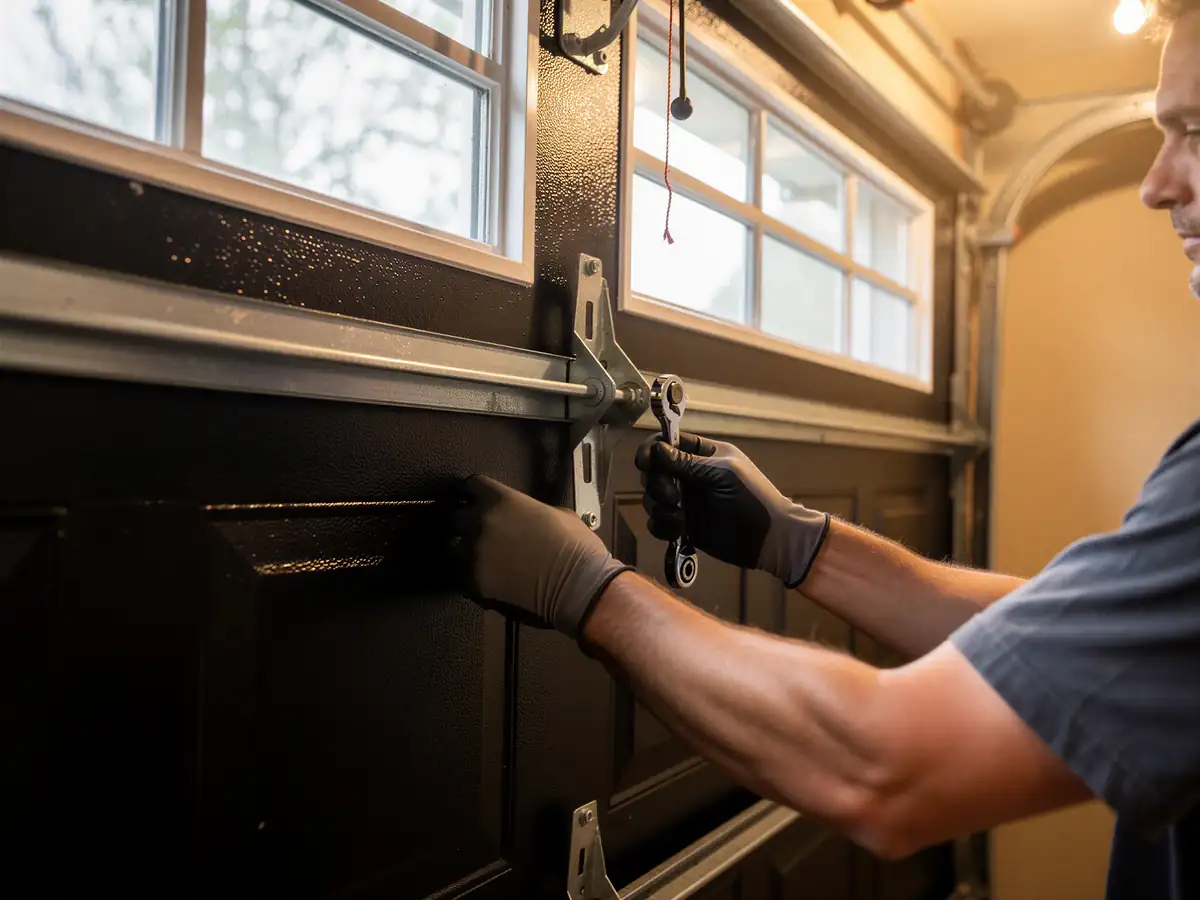
What we're replacing is the small nylon or steel wheel that rides the track on each hinge. On a house this age, you're looking at factory nylon rollers that have gone brittle and started chipping, or steel rollers that have worn their bearings dry. Neither failure means the door is bad. It means eleven to twenty years of opening and closing wore out a part designed to wear out first, protecting the more expensive parts around it.
How Long It Takes
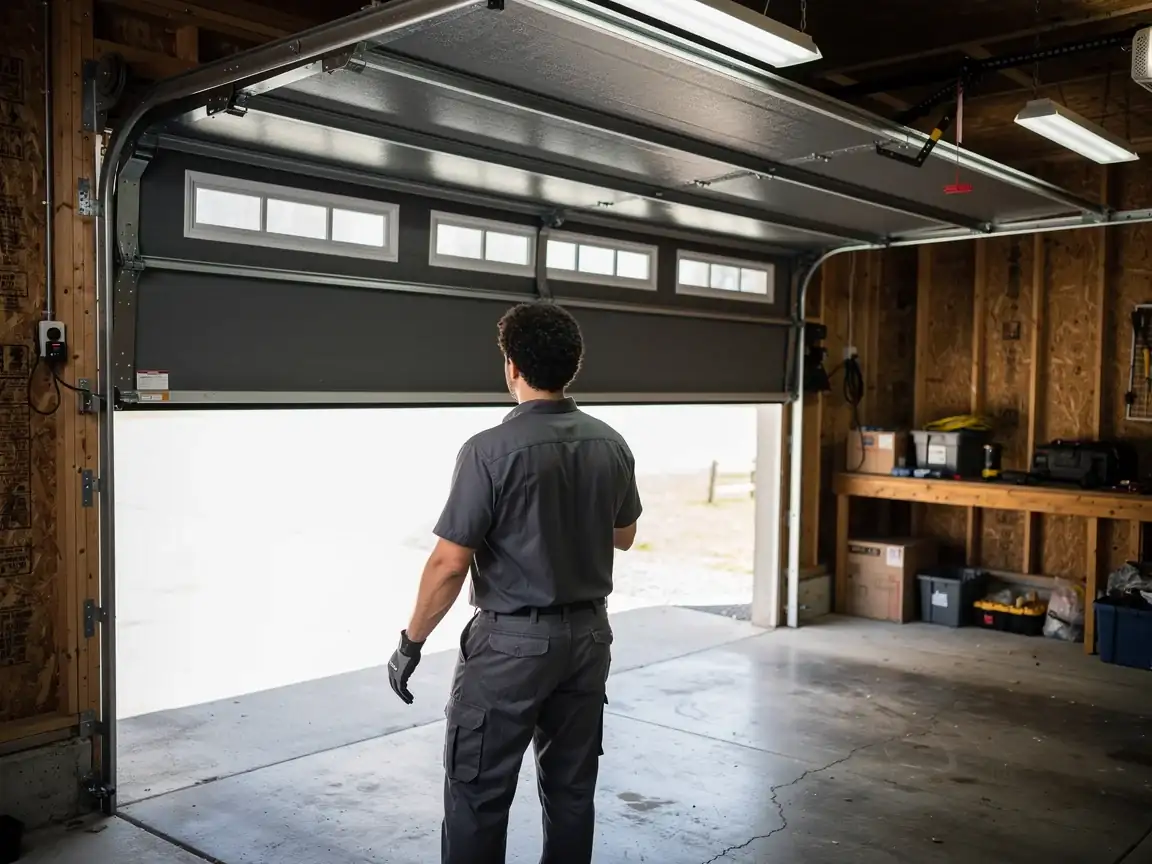
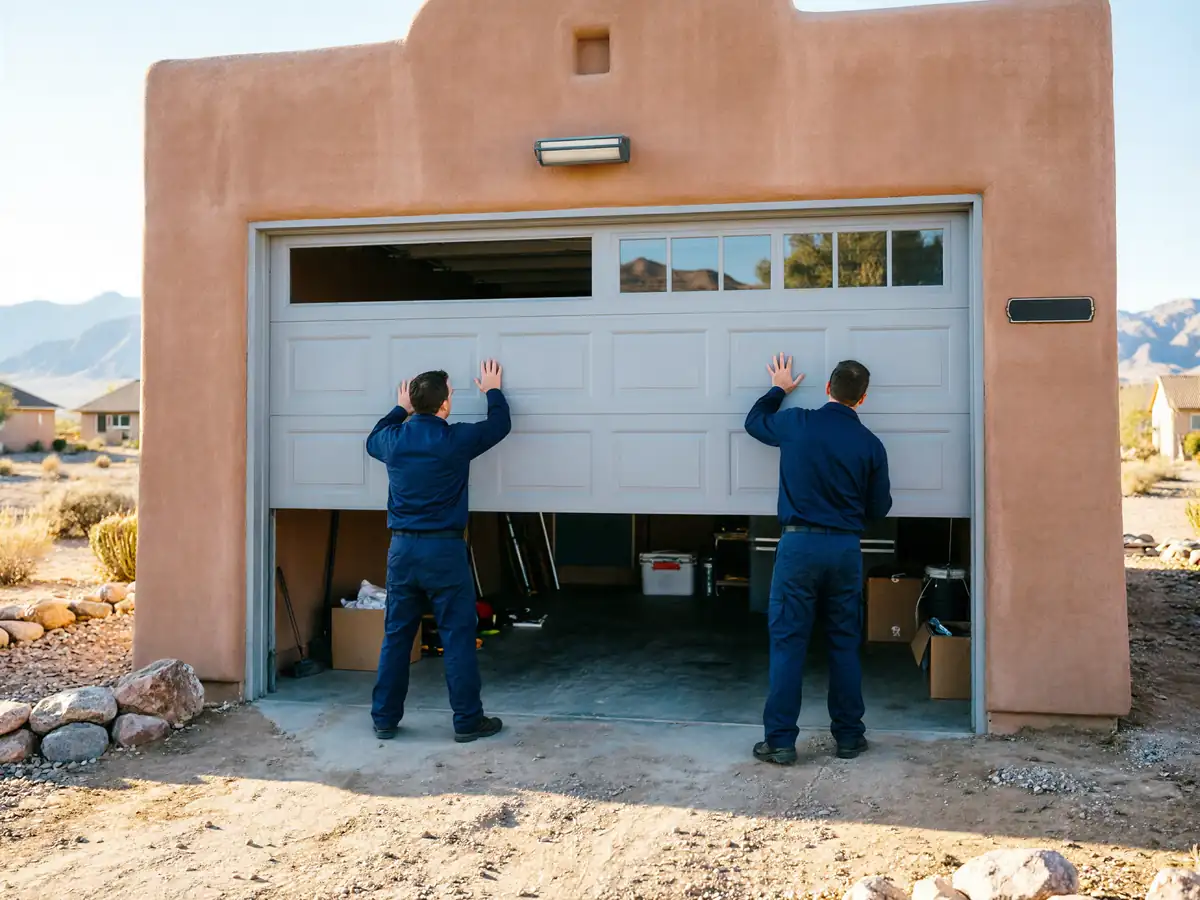
A straightforward roller swap on a newer double door, the kind common across Saddlebrooke's 2005-median housing stock, is a short job once the truck is on site. The time that adds up is the drive: it's 11 miles from Oro Valley to Saddlebrooke, so the job isn't scheduled like a same-block call. We build the route around that distance rather than pretending it isn't there.
On site, the work itself is fast because the hardware is standard. Newer tracks use consistent roller sizing, so there's rarely a mismatch issue the way there can be on an older door that's been patched with whatever roller fit at the time. If every roller on the door is original and worn evenly, we replace the full set in one visit rather than one at a time, since the labor to open the door back up again later costs more than doing all ten rollers now.
What You Pay
We don't have a fixed roller price to quote here
And that's not a dodge - it depends on whether you're getting nylon or steel rollers, how many are failing, and whether the hinges or track show wear from the same cycle count. What we can say is that for a house in Saddlebrooke's housing-age range, this is almost never a replace-the-door conversation. The door itself, the opener, and the track are all still within the window where swapping worn rollers restores quiet, even travel without touching anything else.
That's the honest limitation worth stating up front
If your door is older than the Saddlebrooke median, or it's been patched more than once, a roller-only fix sometimes isn't worth doing in isolation. We'll tell you that on the visit rather than selling rollers on a door that needs more.
How It Shows Up
The first sign is usually noise: a grinding or clunking at one spot on the track every time the door passes it, which is the chipped roller catching instead of rolling. On nylon rollers, you'll sometimes find small white or gray chips in the track or on the garage floor. On steel rollers, the sound is more of a grinding squeal as the dry bearing wears.
Heat plays a role here too. This area sits in a severe-heat climate band, and repeated expansion and contraction in a hot garage accelerates wear on nylon roller bushings faster than it would in a mild climate. On a 2005-era door, that heat cycling is often the actual cause of early roller failure, not age or mileage on the door itself. If you're hearing a single bad spot rather than a door that struggles the whole way up, it's almost always rollers and not springs.