What the Repair Takes
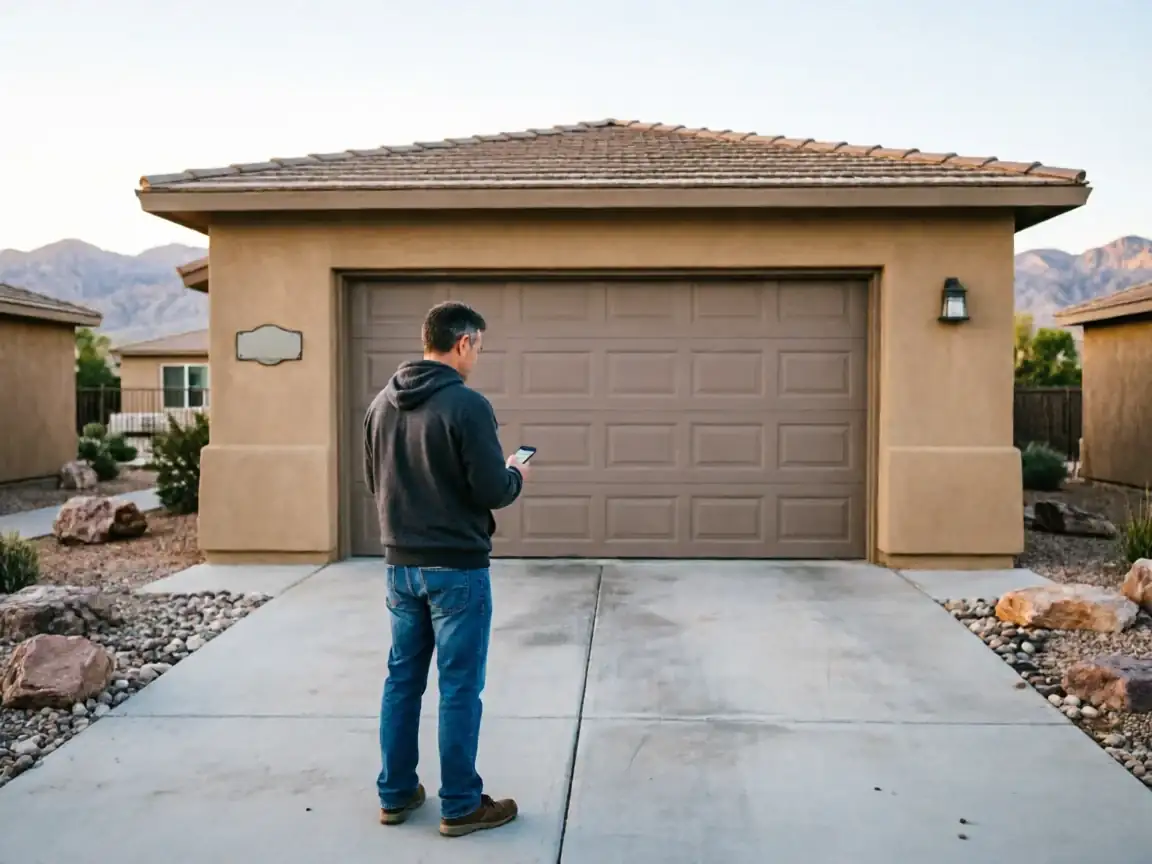
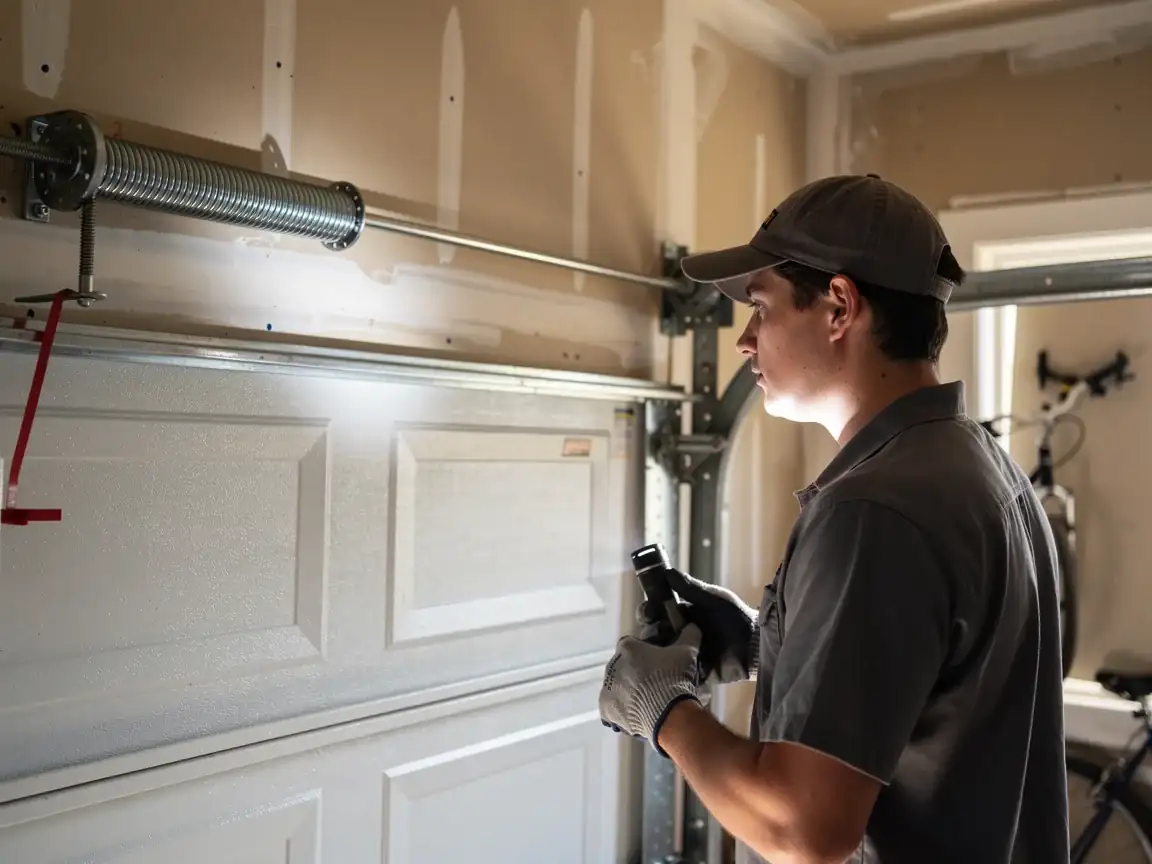
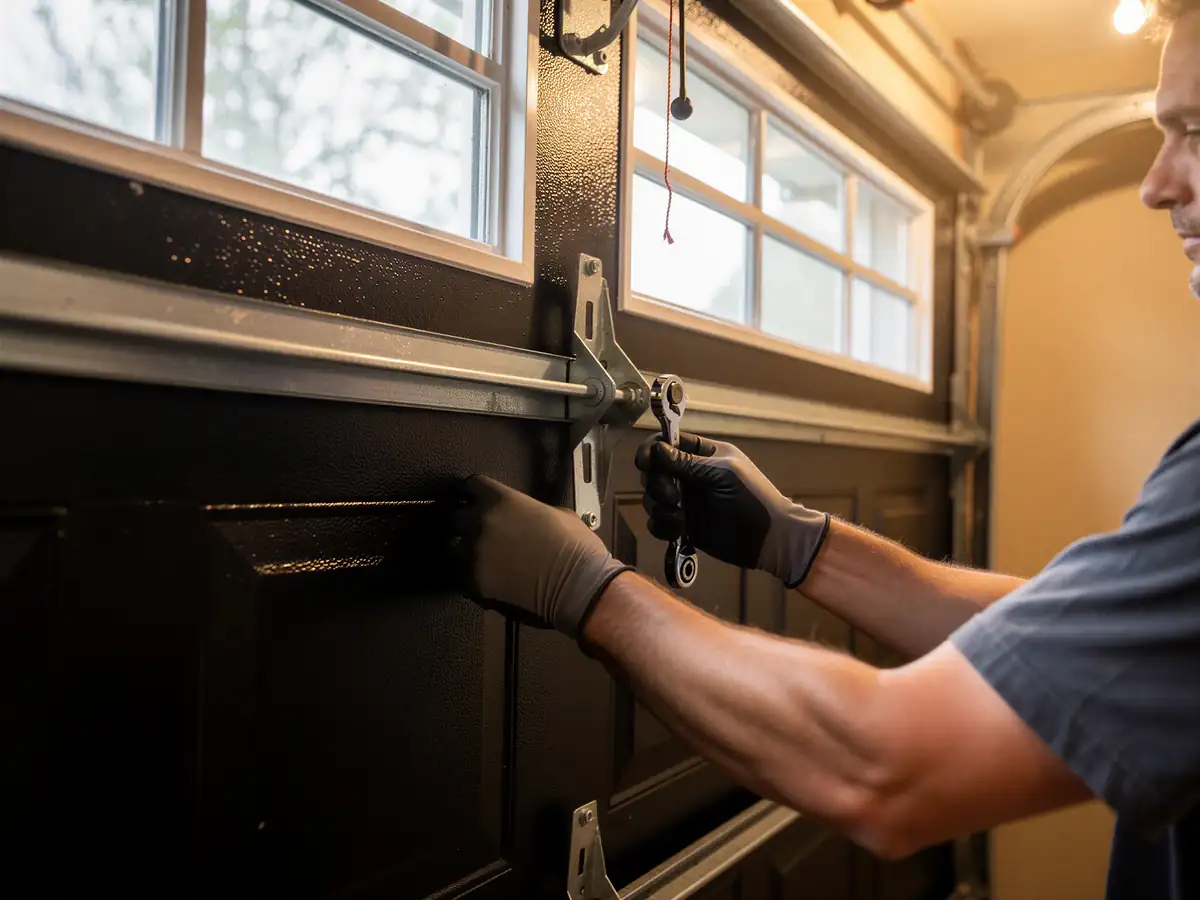
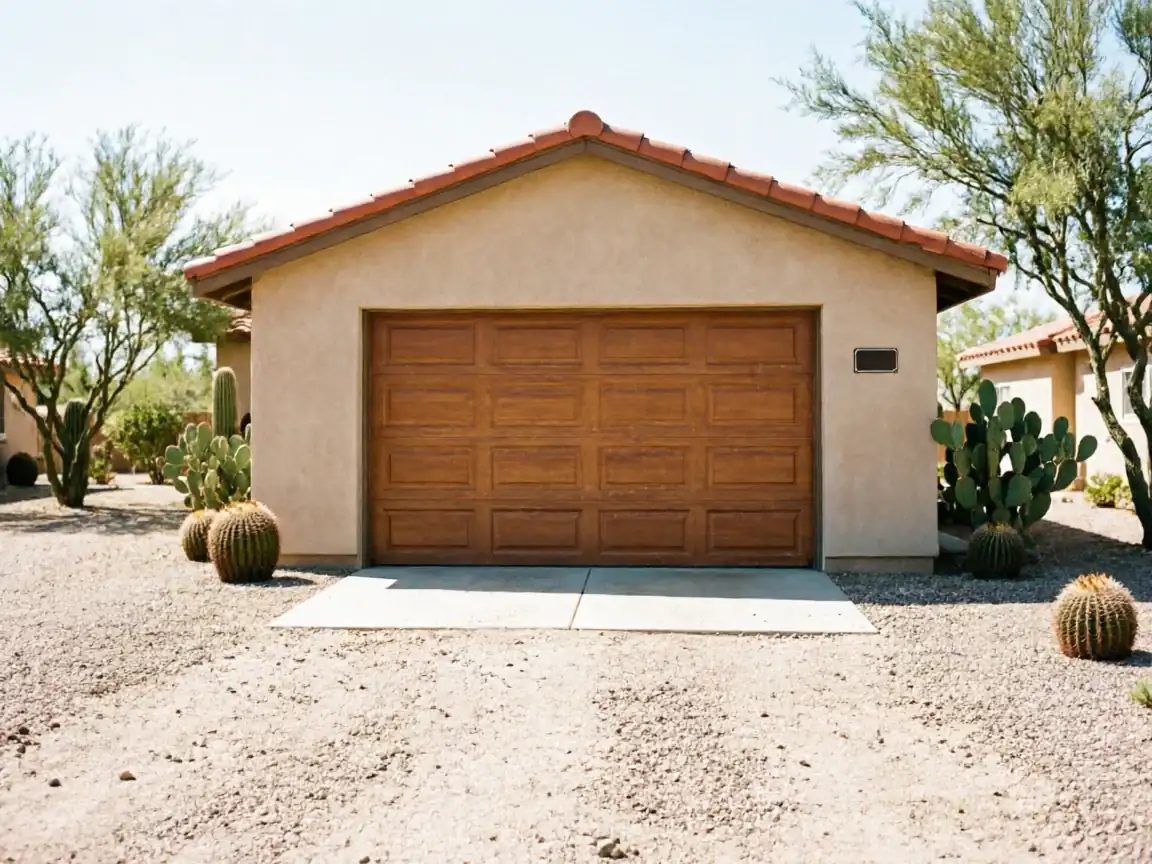
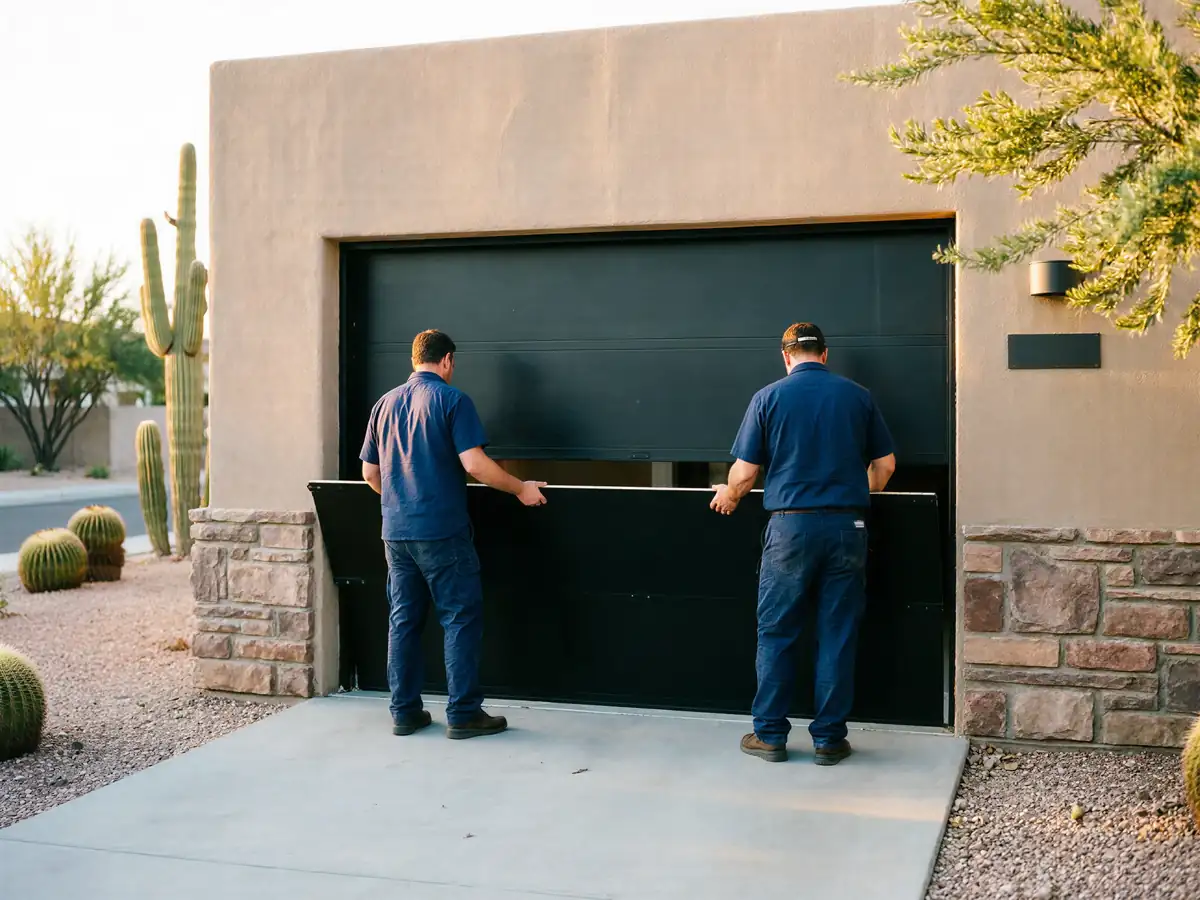
Saddlebrooke is a smaller community - about 6,635 households - so panel jobs here don't come in waves the way they do in older, denser parts of the service area. Most of what we see is one or two dented or sun-cracked panels on a door that's otherwise fine, not a whole-door failure. The houses here were built mostly around 2005, which puts them well past the service area's overall median build year of 1989. That matters for the repair itself: these are steel sectional doors with factory-insulated panels, not the older single-layer slabs common on 1980s stock elsewhere in the area. Pulling a damaged panel means matching foam-core thickness and the steel gauge, not just the color. On a door this age, the track alignment and hinge spacing are usually standard, so the swap itself is straightforward - the work is in sourcing a panel that matches the embossment pattern and finish the manufacturer used when the house was built. We check the section before quoting anything, because a cracked panel on a 20-year-old insulated door sometimes means the whole run has gone brittle from UV exposure, and replacing one section just moves the problem to the next.
How Long It Takes
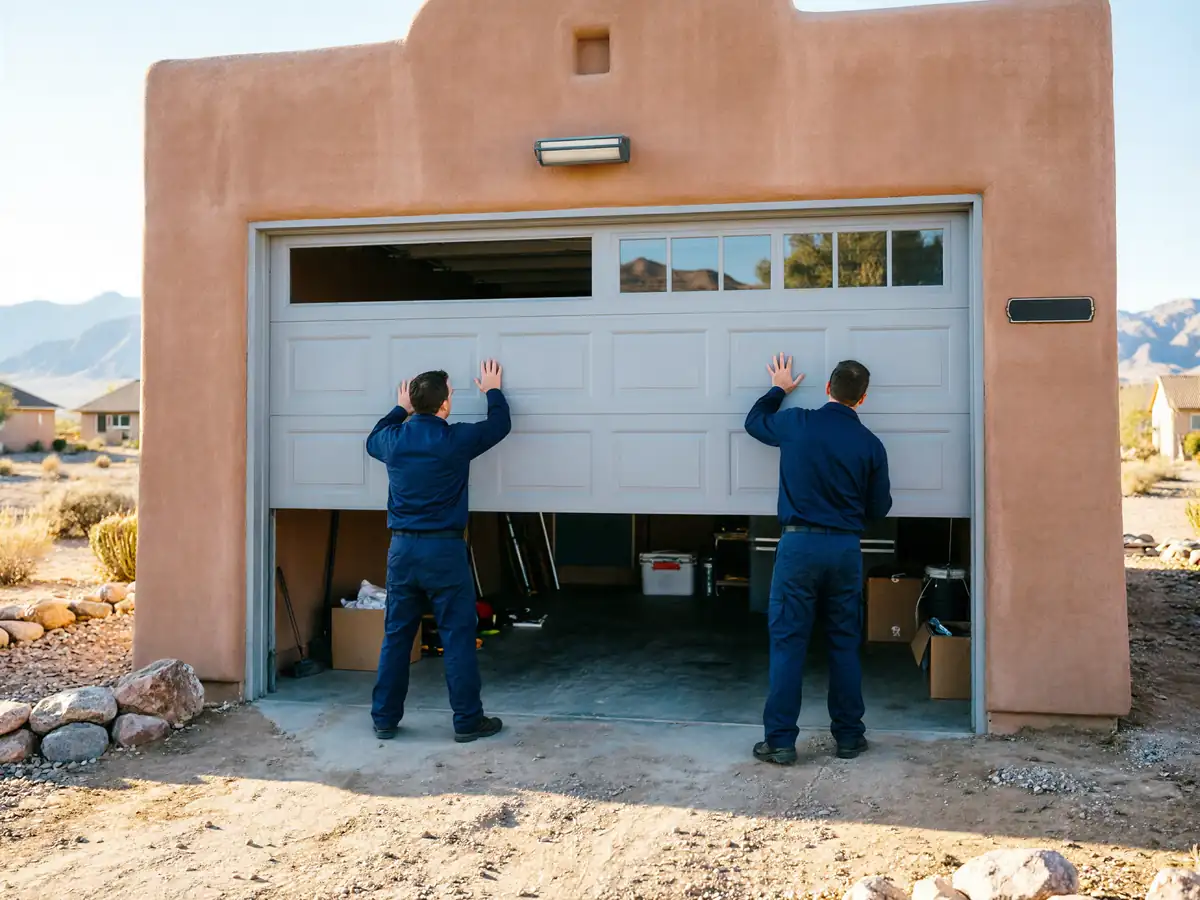
We work out of Oro Valley, 11 miles away, so every Saddlebrooke job has that drive built into the schedule - there's no branch out here and we don't pretend otherwise. Once we're on site, swapping a single panel on a standard double door usually runs under two hours if the replacement panel is in stock and matches. The slower part is sourcing: because this area's housing stock is newer and more uniform (most homes going up in the same stretch of years), we can often get a matching panel faster than in neighborhoods with a wider mix of door ages and brands. Where it slows down is custom color or a discontinued embossment pattern - that can mean a special order, and we'll tell you up front if that's the case rather than guess.
How It Shows Up
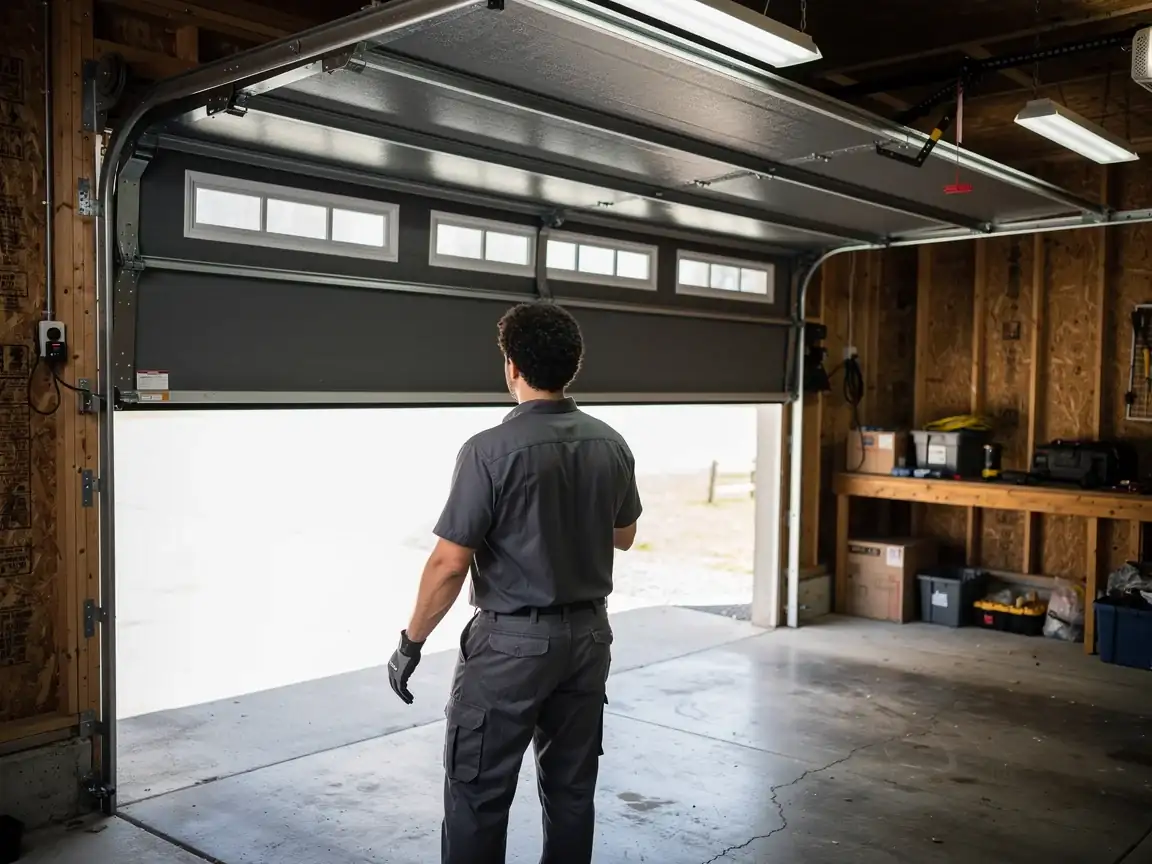
The climate here is the same severe-heat band as the rest of the service area, and on a door built around 2005 that heat has had two decades to work on the panel skins and the foam core behind them. The failure pattern we see most in Saddlebrooke is sun-fade and skin separation - the steel face pulling slightly away from the insulation, usually on the panels that face west. It shows up as a faint bubble or a soft spot you can press in with a thumb, well before any dent or crack. Because these doors are newer than the service area average, we're not yet seeing the full-door fatigue that shows up on 1980s stock elsewhere - it's usually isolated to one or two panels. One limit worth saying plainly: if the fade or warping has spread across most of the door, replacing a single panel won't fix the look, since new steel won't match sun-bleached paint on the rest of the door. At that point a full door makes more sense than chasing panels one at a time.