How It Shows Up
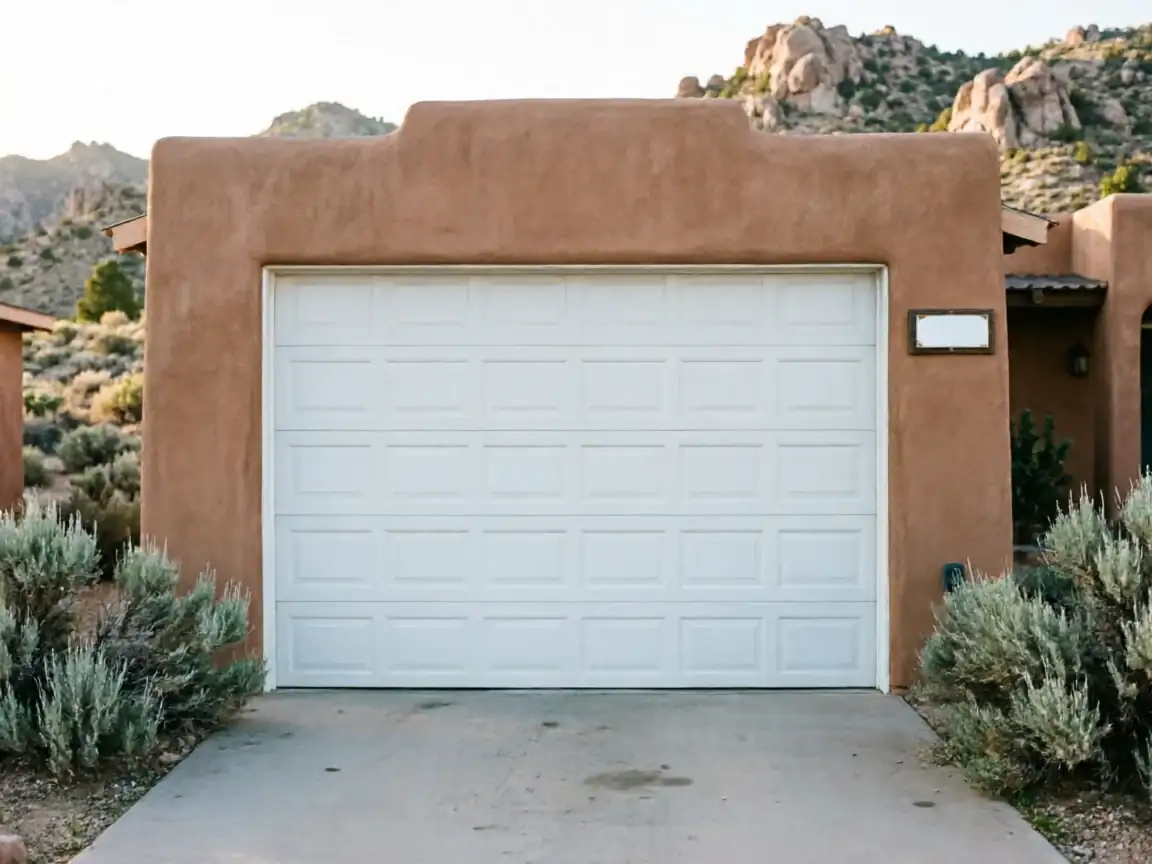
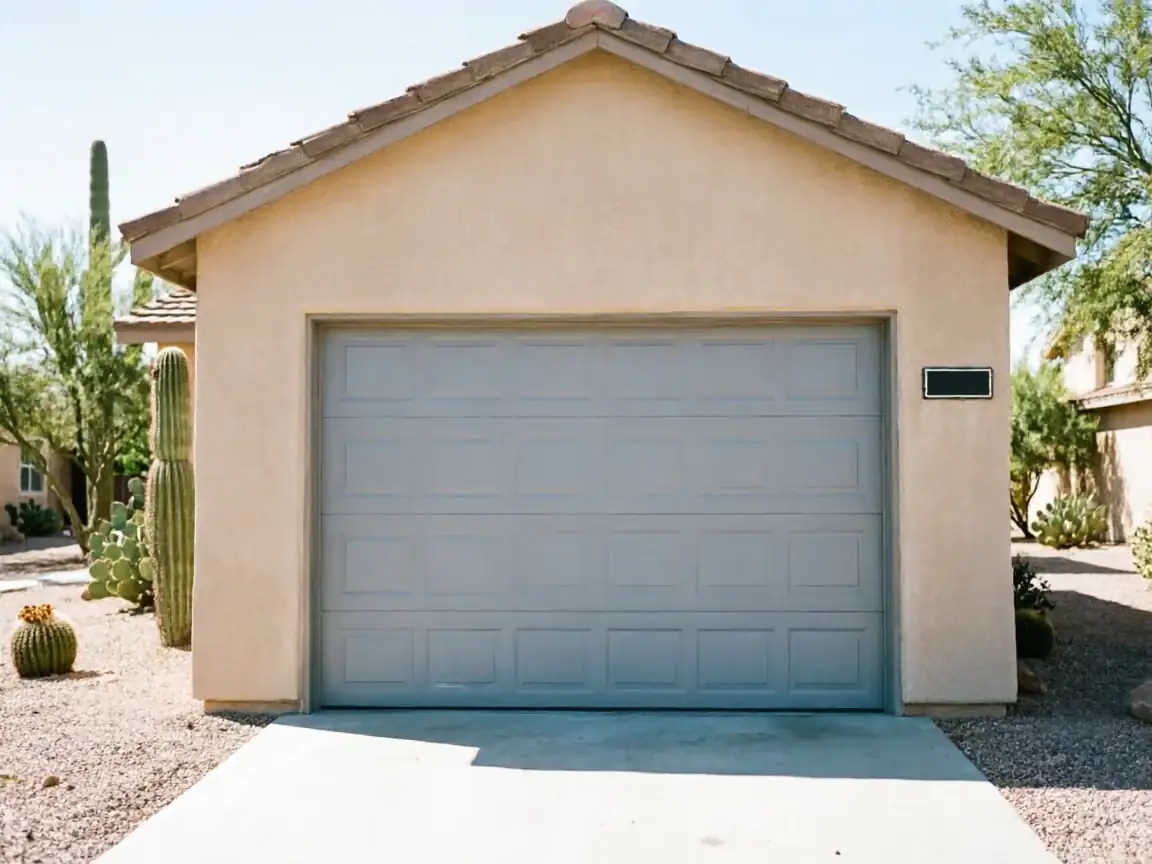
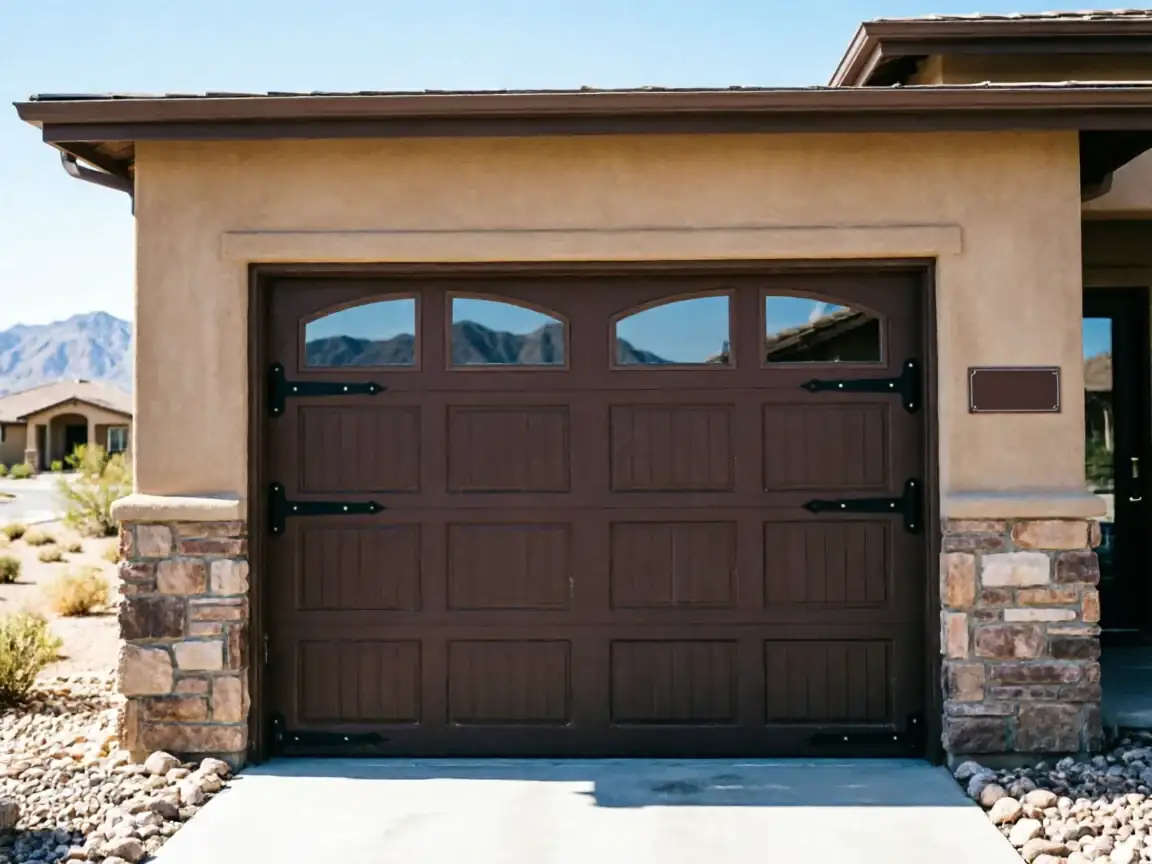
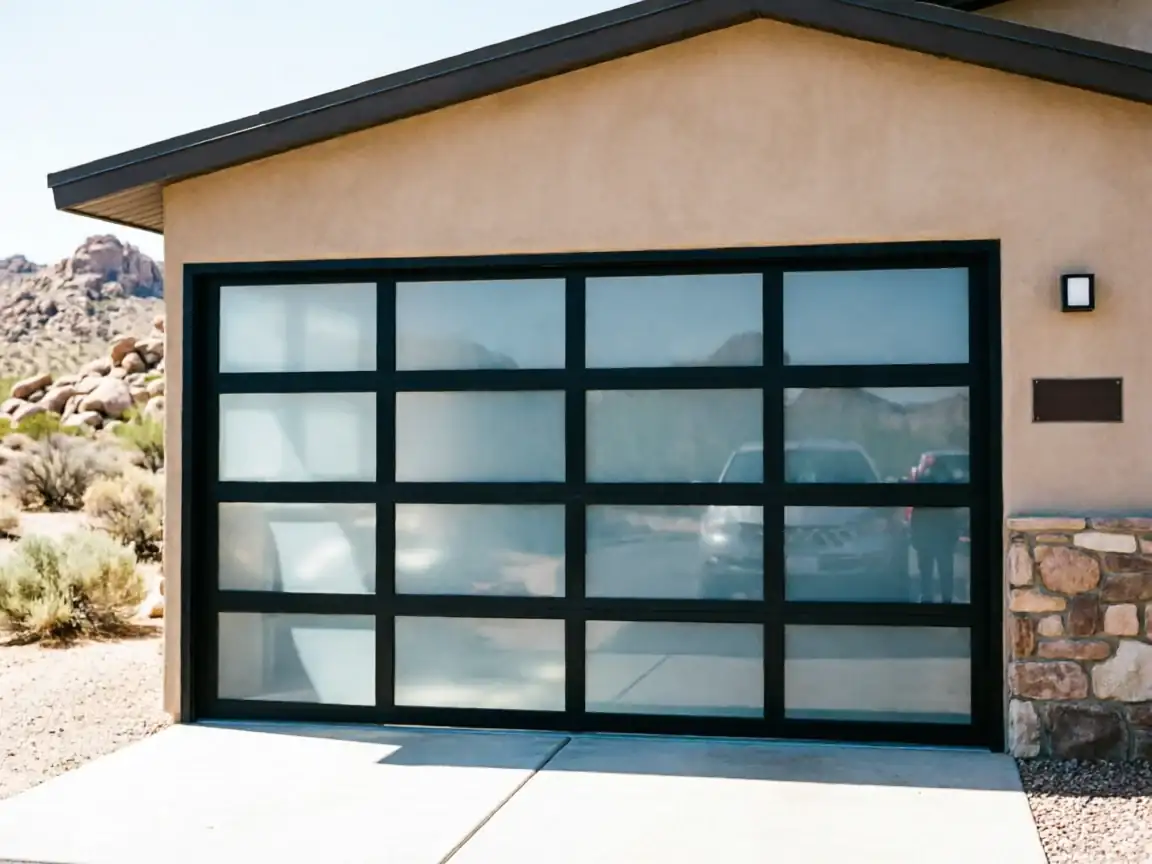
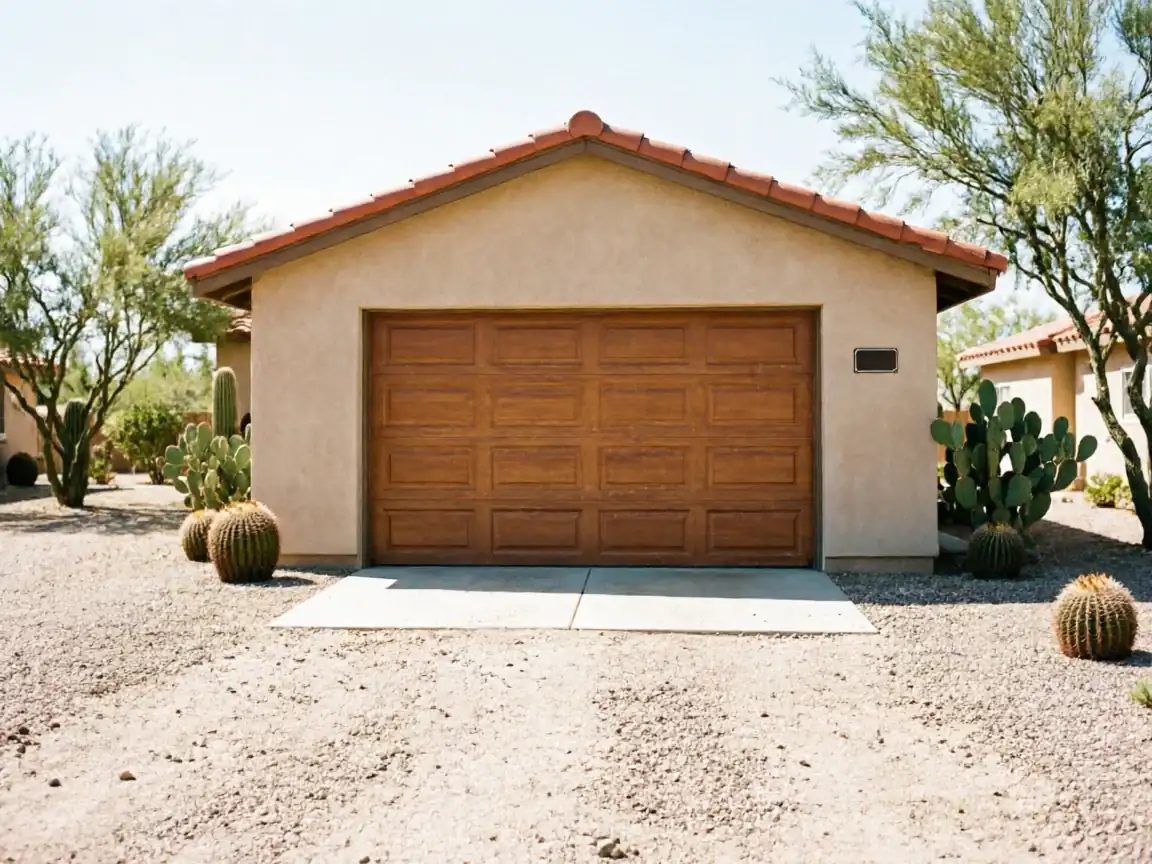
Most houses in Tucson Estates went up around 1992, which put a lot of two-car garages behind steel sectional doors on standard torsion or extension hardware - wider panels than the old single-car builds from decades earlier, and heavier for the cable system to carry. That extra width matters: a 16-foot double door pulls more weight on each cable than a single 9-footer, so when one strand starts to fray, it tends to go all at once rather than slip gradually.
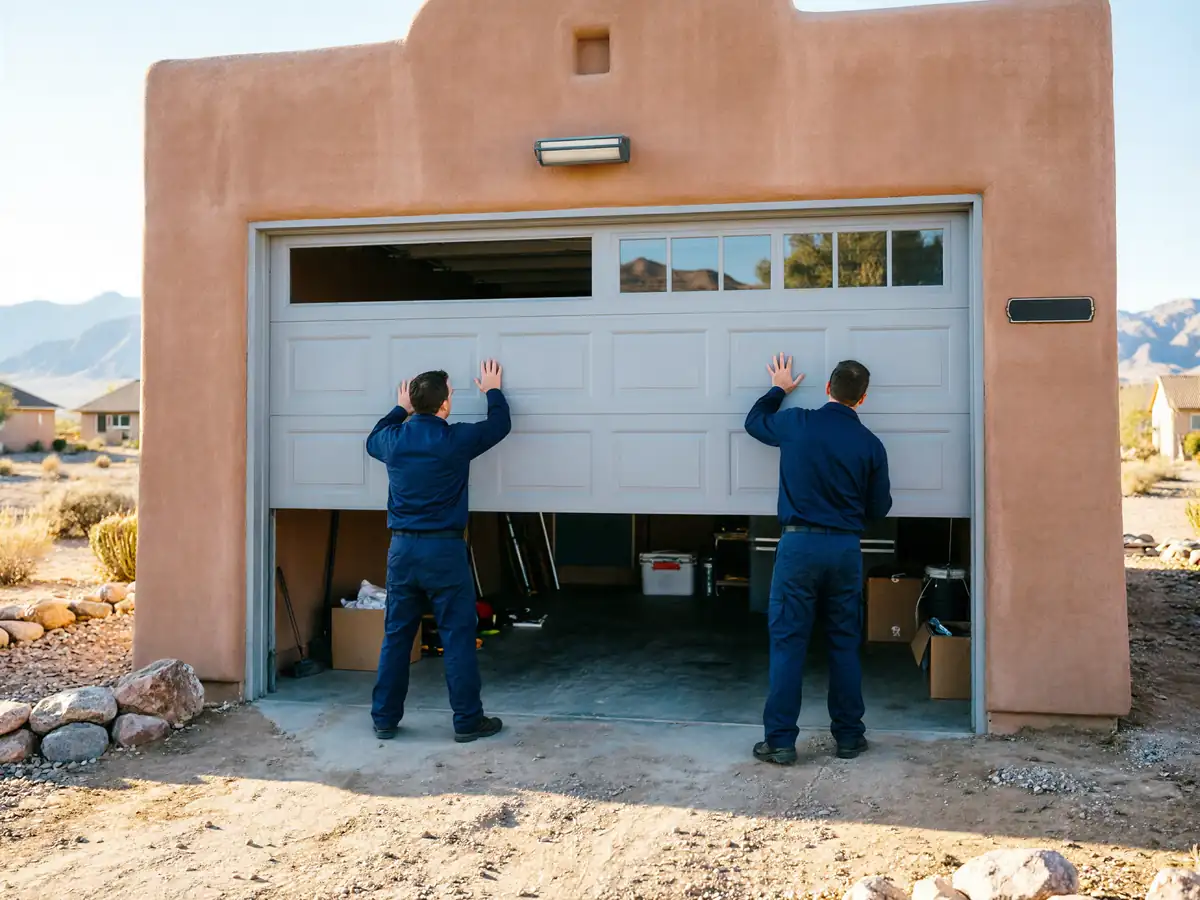
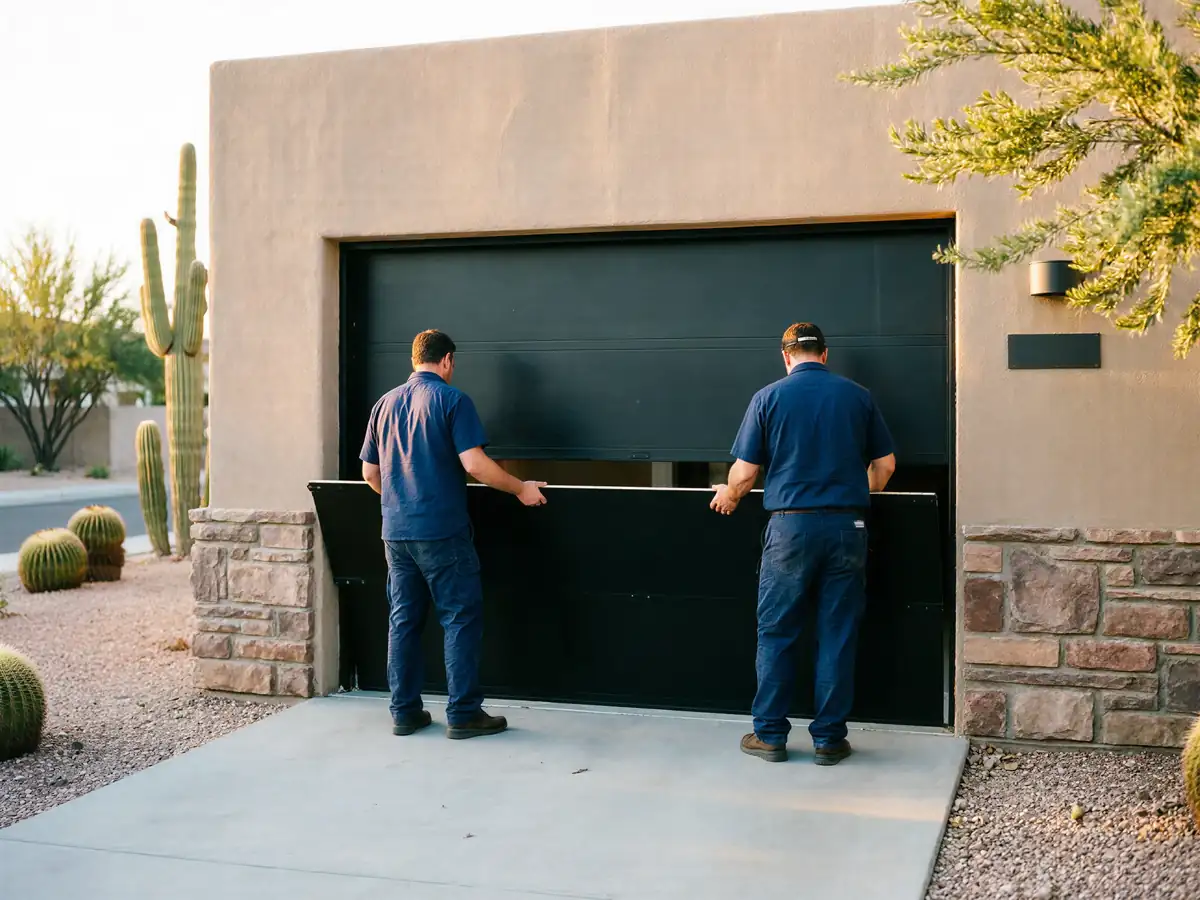
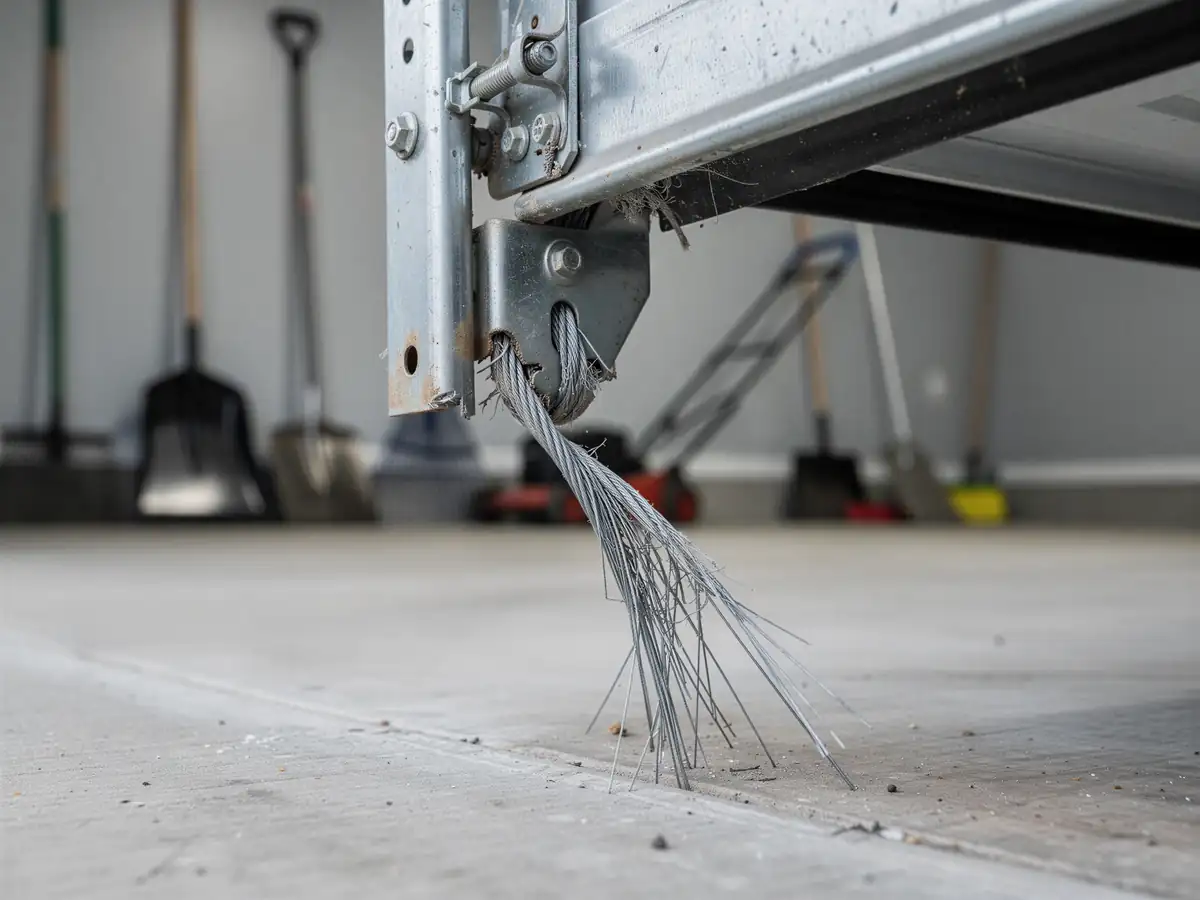
The tell-tale signs are a door that hangs crooked on one side, a loud bang followed by the door dropping a few inches, or a cable visibly unspooled from the drum at the bottom corner. On these 1990s builds the galvanized cable is usually original or a prior replacement with no record of gauge, so a frayed strand you can see with the garage light on is worth calling about before it lets go under load.
Tucson's severe summer heat is hard on cable and spring both - the metal expands and contracts through triple-digit days, and the drum winds tighter when the garage itself bakes. Add 30 years of that cycle and corrosion at the cable's crimp point becomes the most common failure point we see on doors this age, more than the cable body itself.
Getting It Booked In
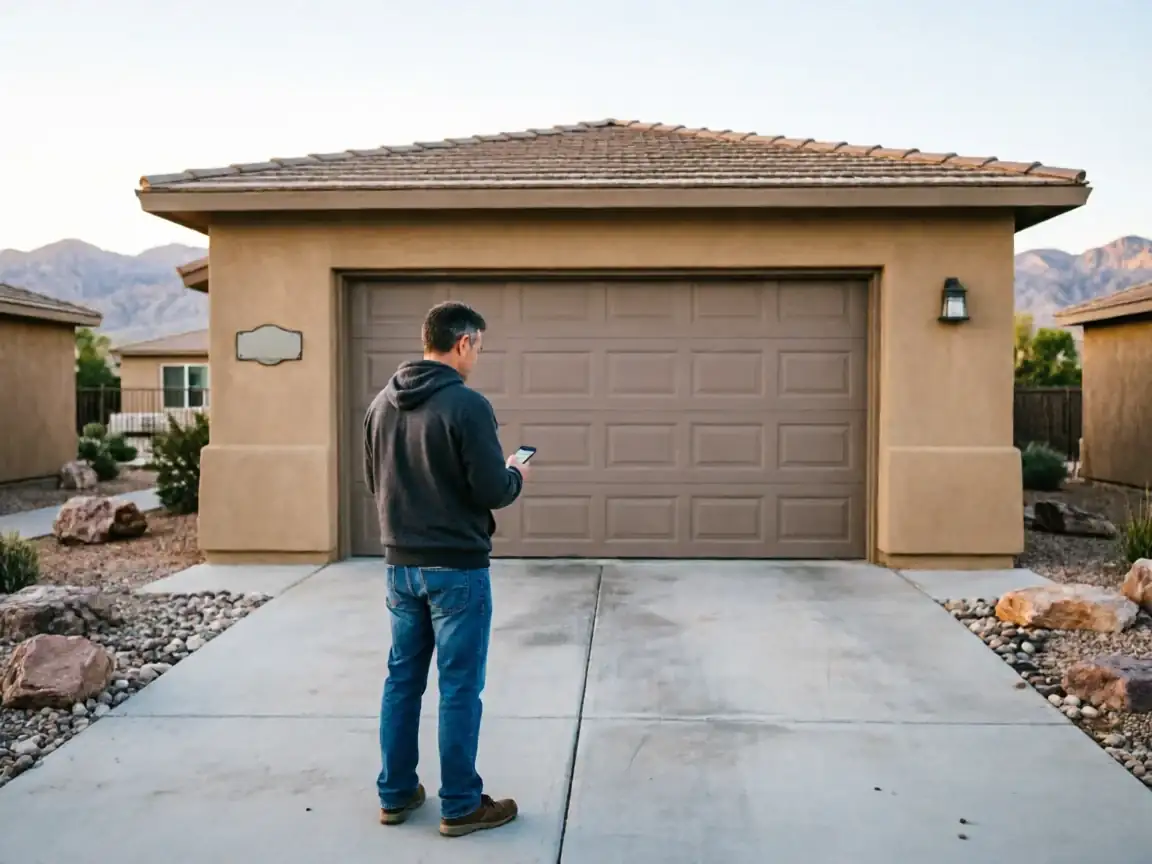
We cover Tucson Estates from our Oro Valley base, about 19 miles out. That distance means we schedule the trip rather than treat it as a same-area drop-by, so when you call, tell us what you're seeing - a dropped corner, a popped cable, a door that won't budge - and we'll build the truck load around a two-car steel door on torsion hardware, which is what most of this area has.
If the door is only partway down and leaning, don't force the opener again. A cable that's already slipped off the drum can jump the track further and turn a cable job into a track and panel job. Leave it where it stopped and give us the make of the opener if you have it; that's one less thing to guess at before the truck leaves Oro Valley.
How Long It Takes
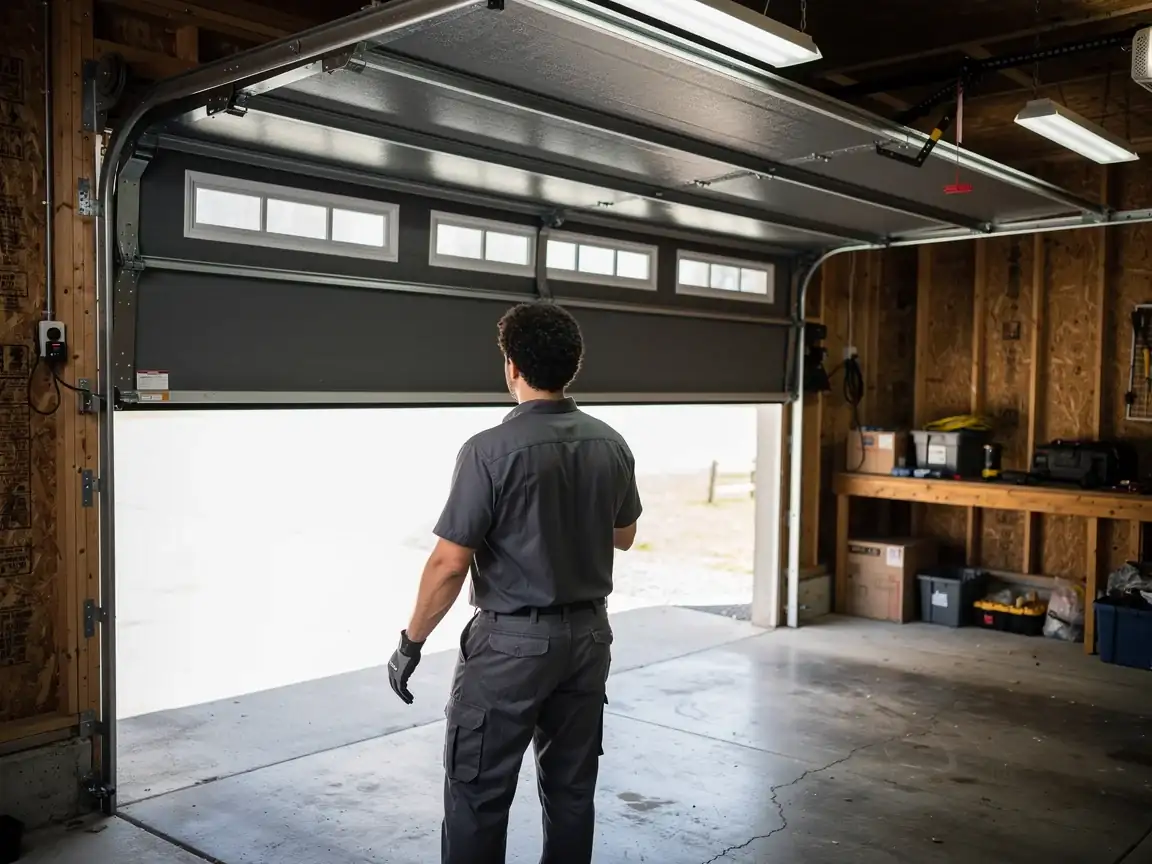
A straight cable swap on a standard double door is a controlled job once we're on site
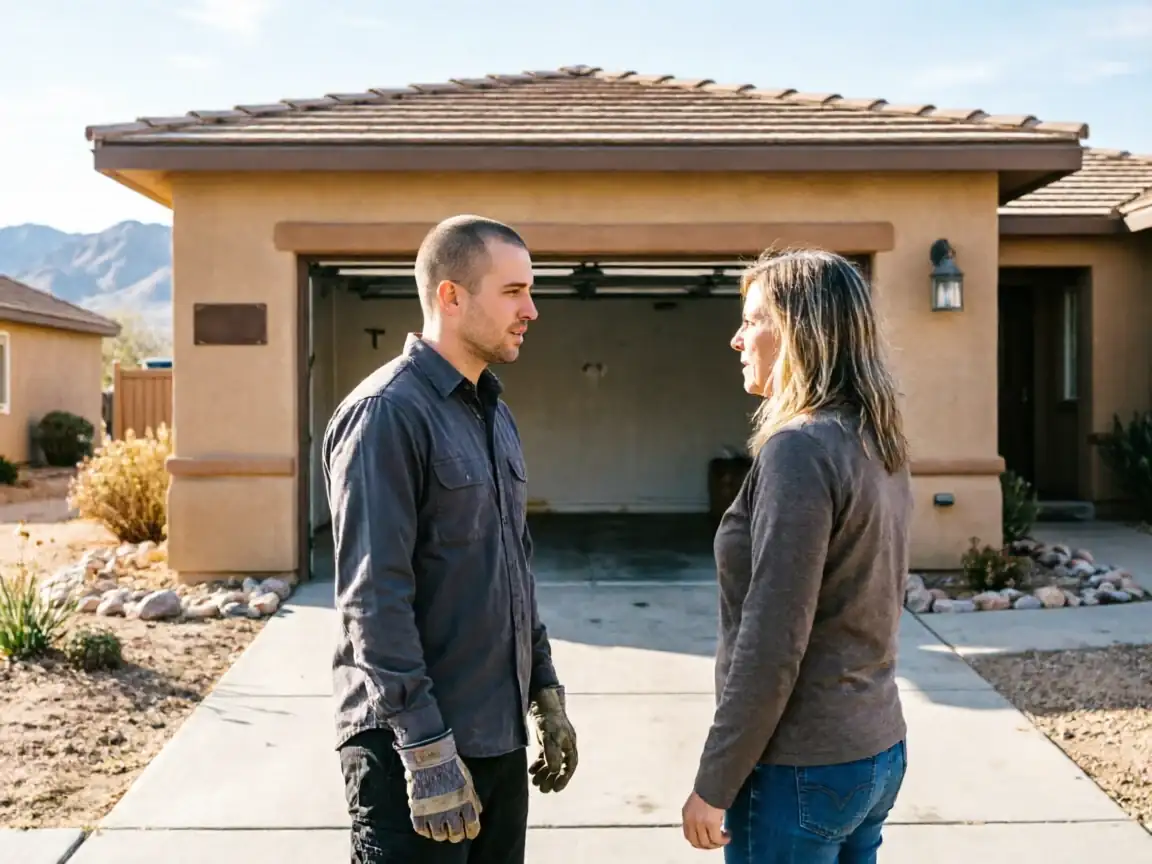
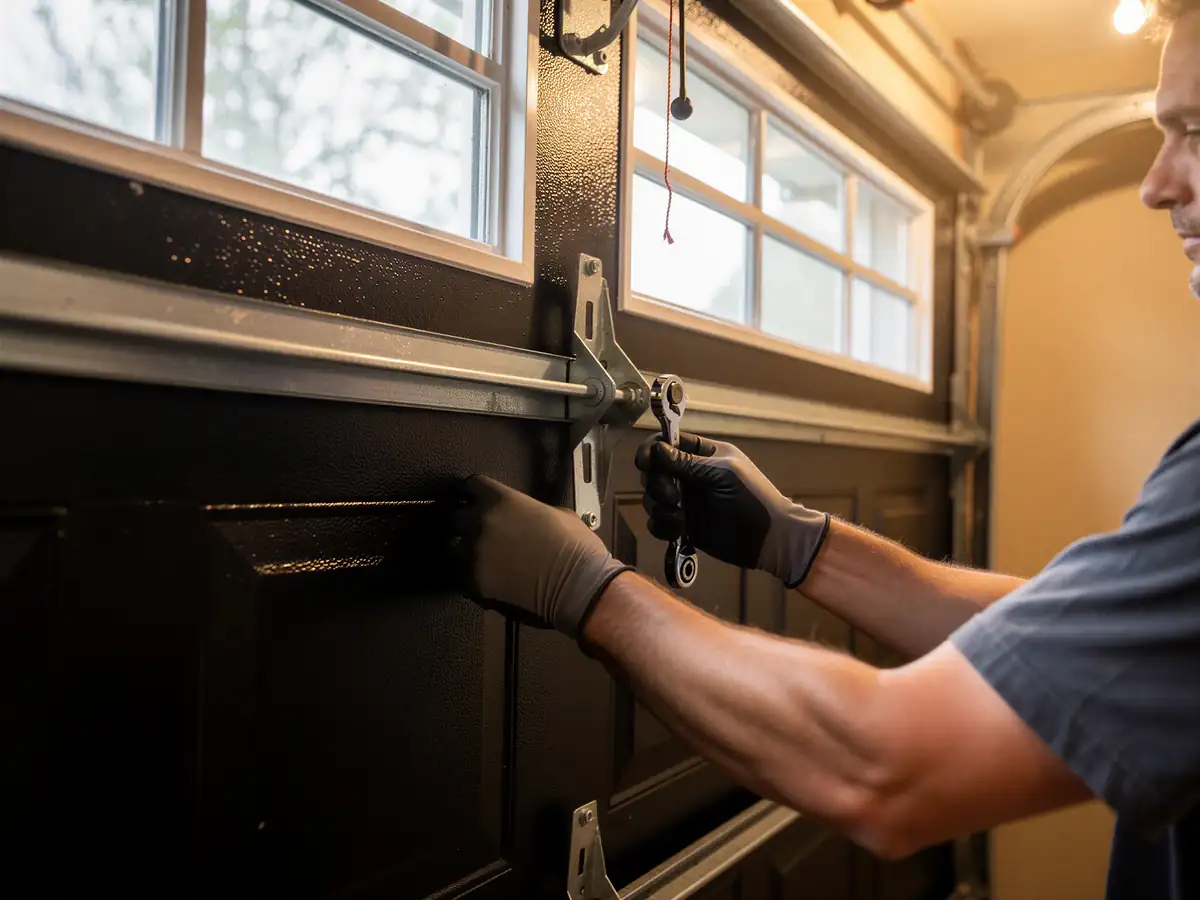
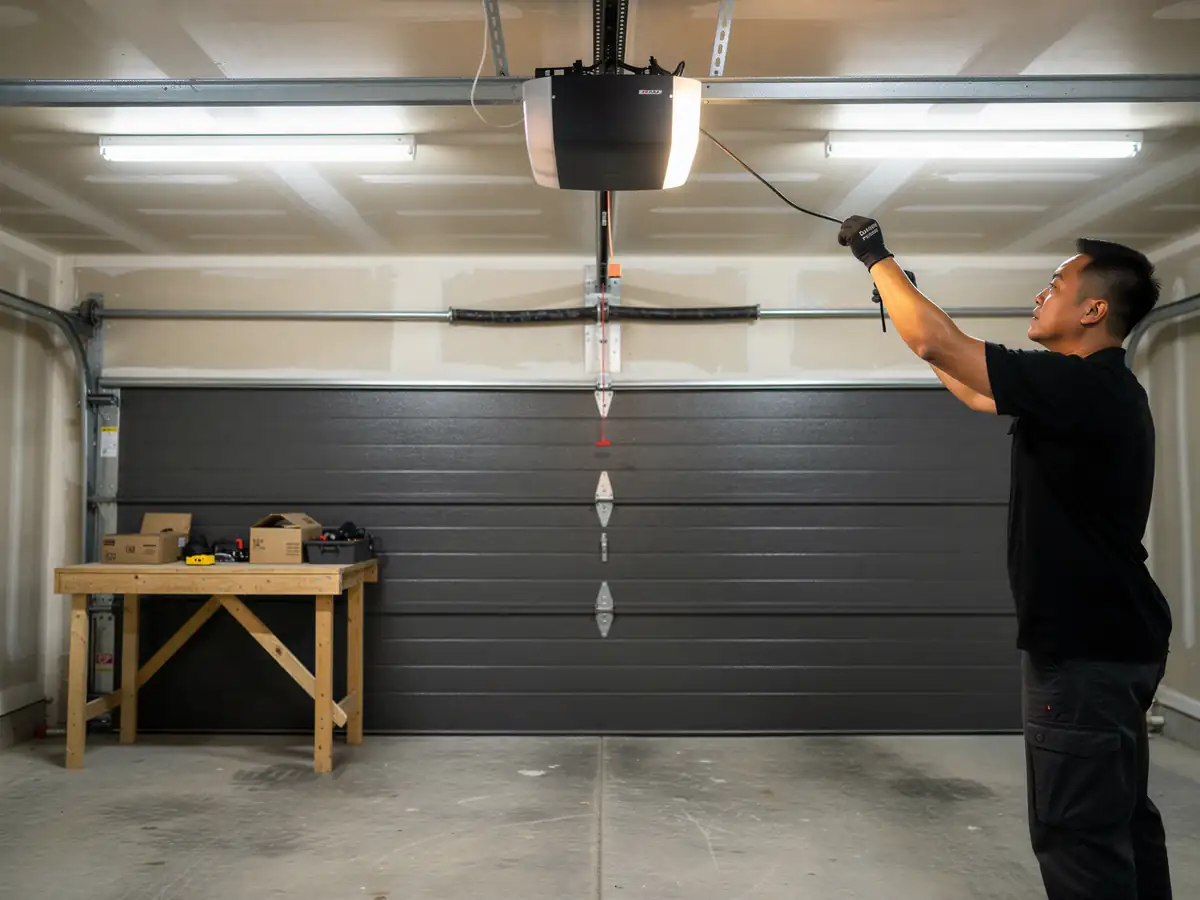
Unwind the spring tension, pull the old cable, seat the new one at the correct length for the drum, and rebalance the door so it holds position at any height. The work itself isn't the long part of the day; the 19-mile drive from Oro Valley is. We don't carry a crew stationed in Tucson Estates, so plan around the drive time when you book rather than expecting a walk-up fix.
What we won't do is rush the rebalance
A cable replaced on a door that isn't re-tensioned right will wear the new cable unevenly inside a year, which just means another call later.
What Is on the Truck
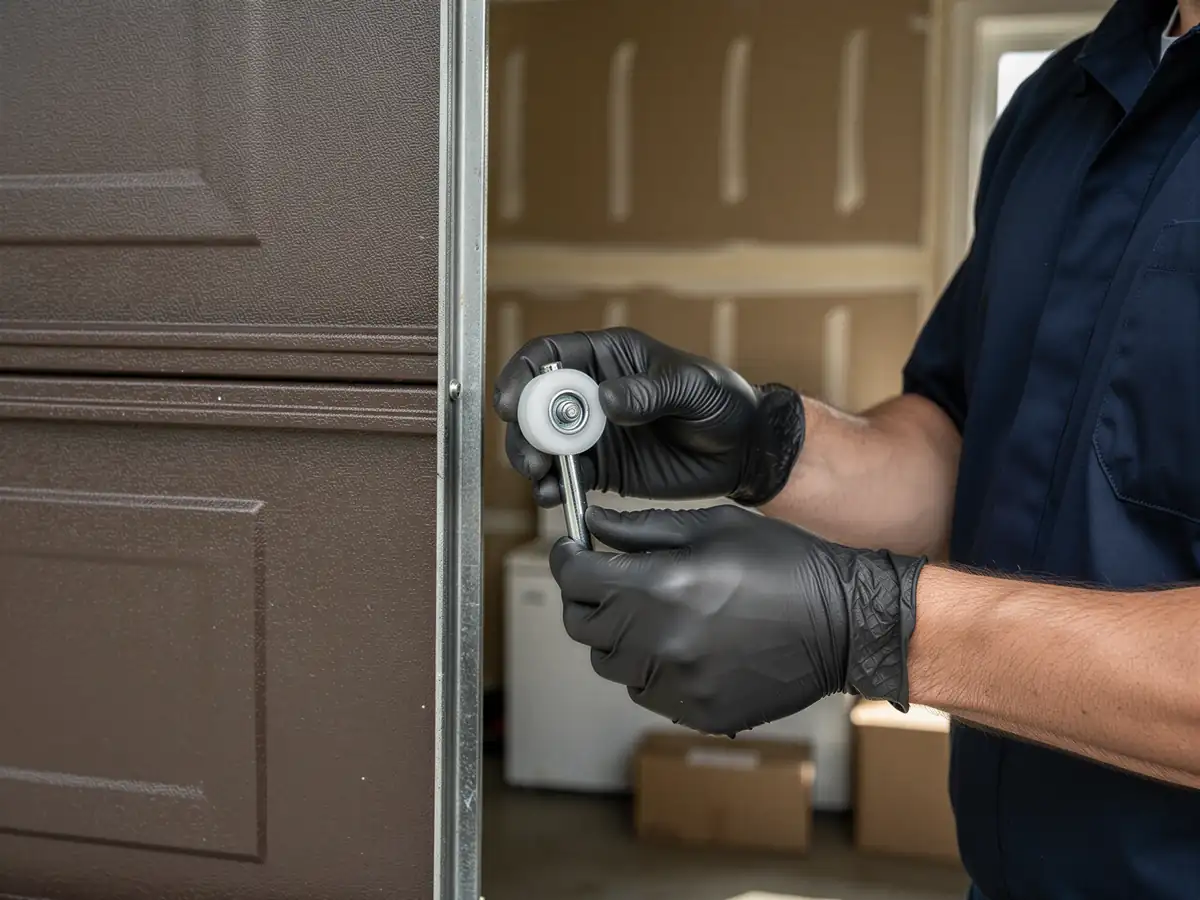
For a neighborhood built mostly through the 1980s and 90s, the truck carries galvanized aircraft cable in the gauges that match standard torsion-spring double doors - the setup you'll find on most Tucson Estates garages - along with the drums, fittings, and spring-winding bars needed to do the swap safely. We also carry extension-cable hardware for the smaller share of older single doors still running that system.
What we don't stock on the truck is anything custom - oversized commercial doors or oddball imported hardware. If a door turns out to need a part outside what's loaded, that's a second trip, and we'll say so rather than guess.
Doing It Yourself
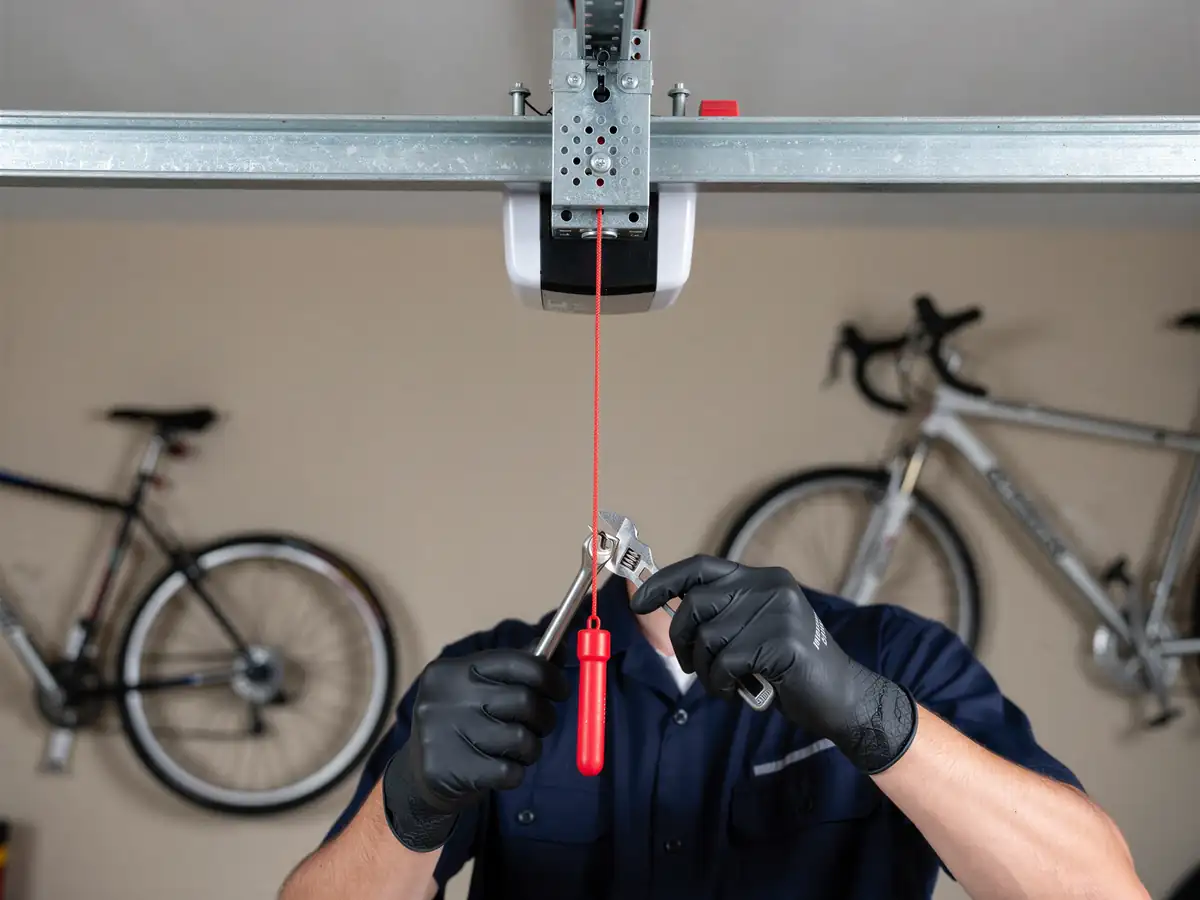
A garage door cable is under real spring tension even when the door looks still, and the torsion spring above a 1990s double door holds enough force to break a finger or worse if the winding bar slips. We're not going to walk you through doing this one yourself - it's the job on this list we'd tell a homeowner to leave alone, full stop.
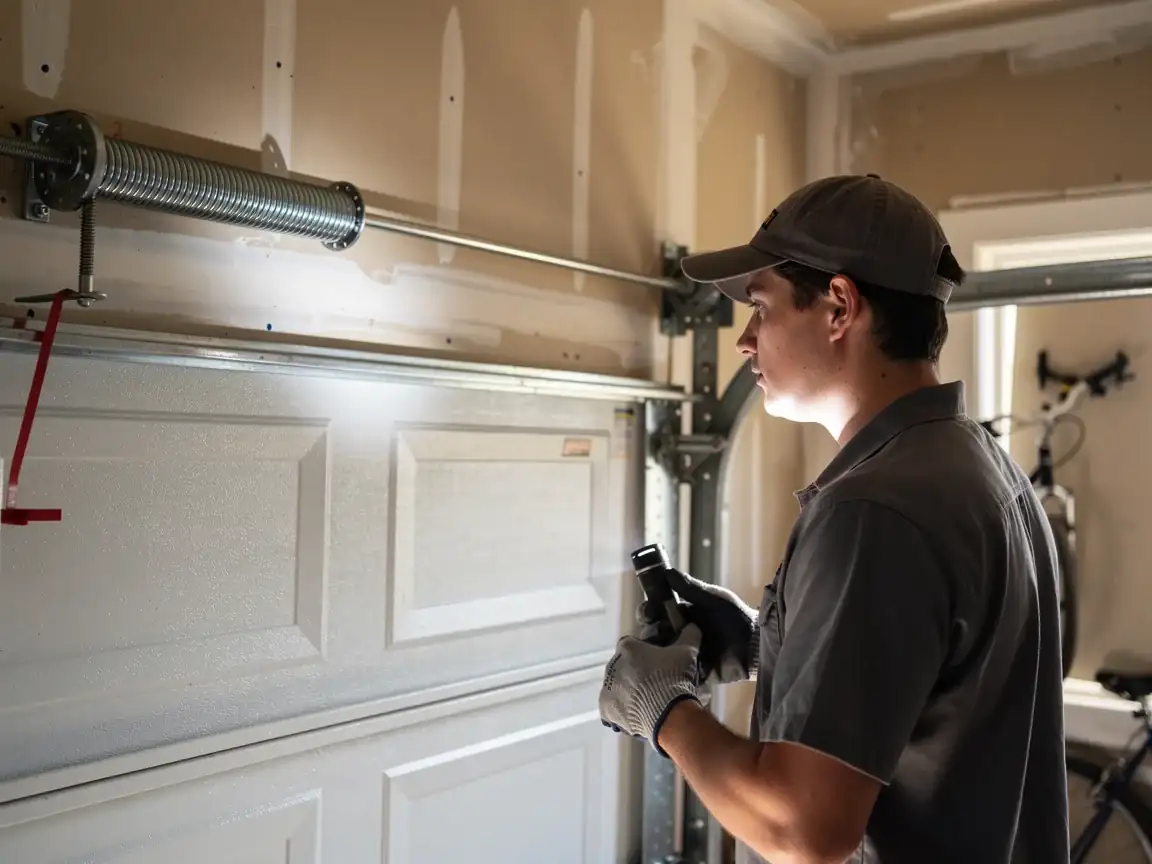
What you can safely do is look: check whether both cables are seated evenly on their drums, whether one side looks frayed or kinked near the bottom bracket, and whether the door sits level when closed. That tells you whether it's a cable problem or something else, and it's useful information to give us on the call before we make the drive out from Oro Valley.