How It Shows Up
Start with the money, because it decides the job before anyone touches the track. Median household income in Tucson Estates runs $66,813, lower than the $70,982 median across the wider service area. At that income, a $200-$400 roller job beats a full track-and-spring overhaul almost every time, and most of what we see out here doesn't need the overhaul anyway.
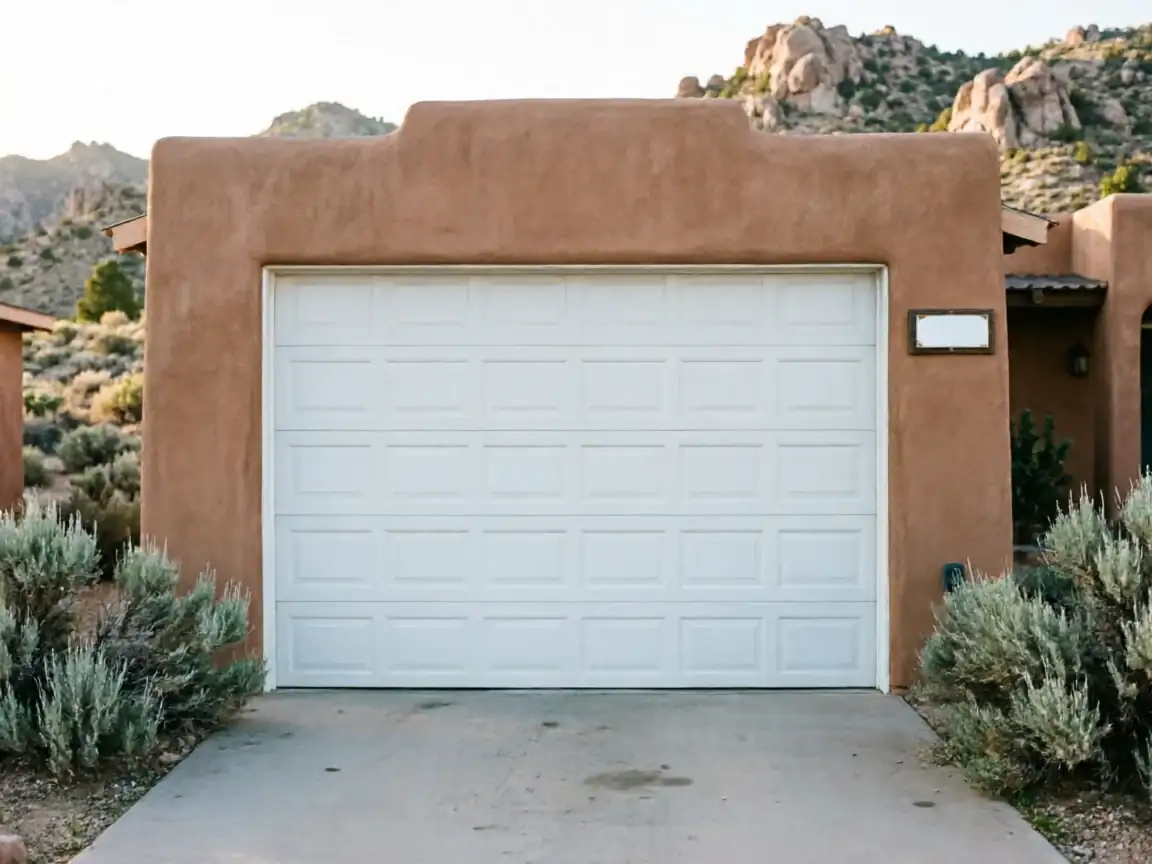
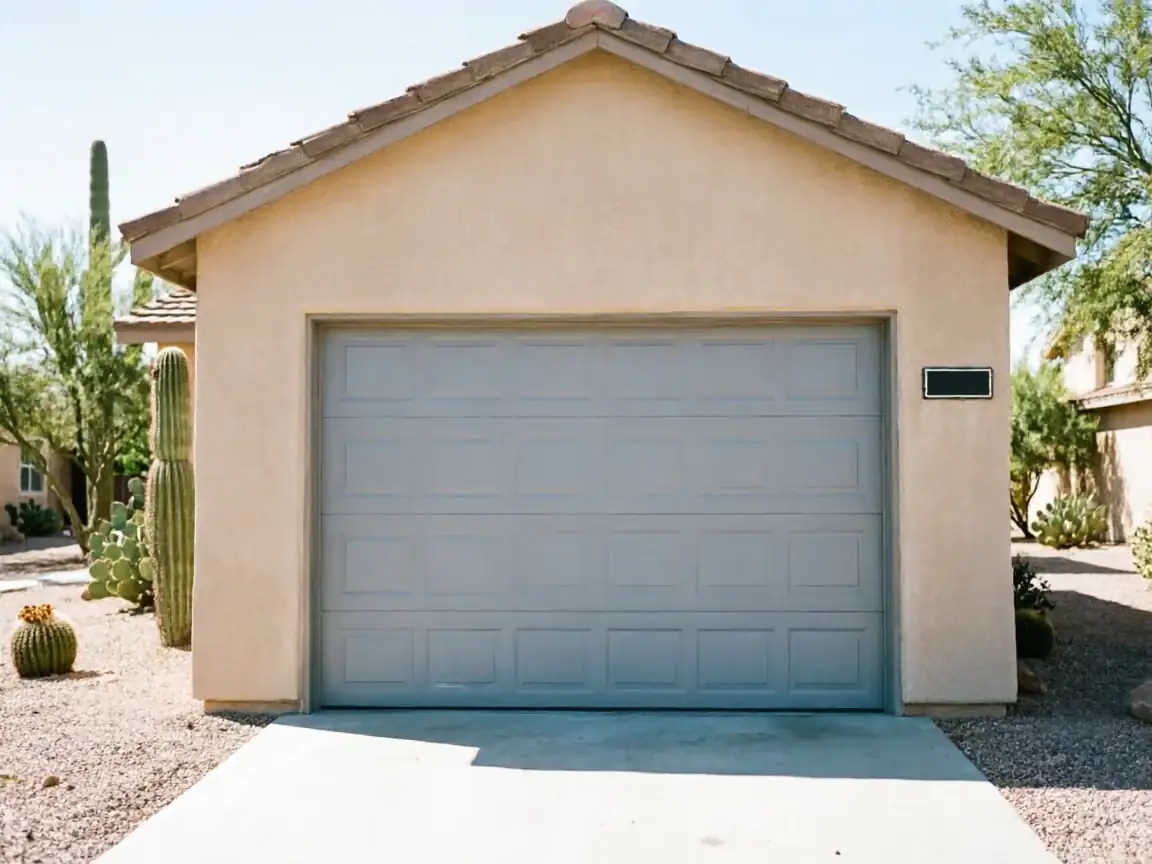
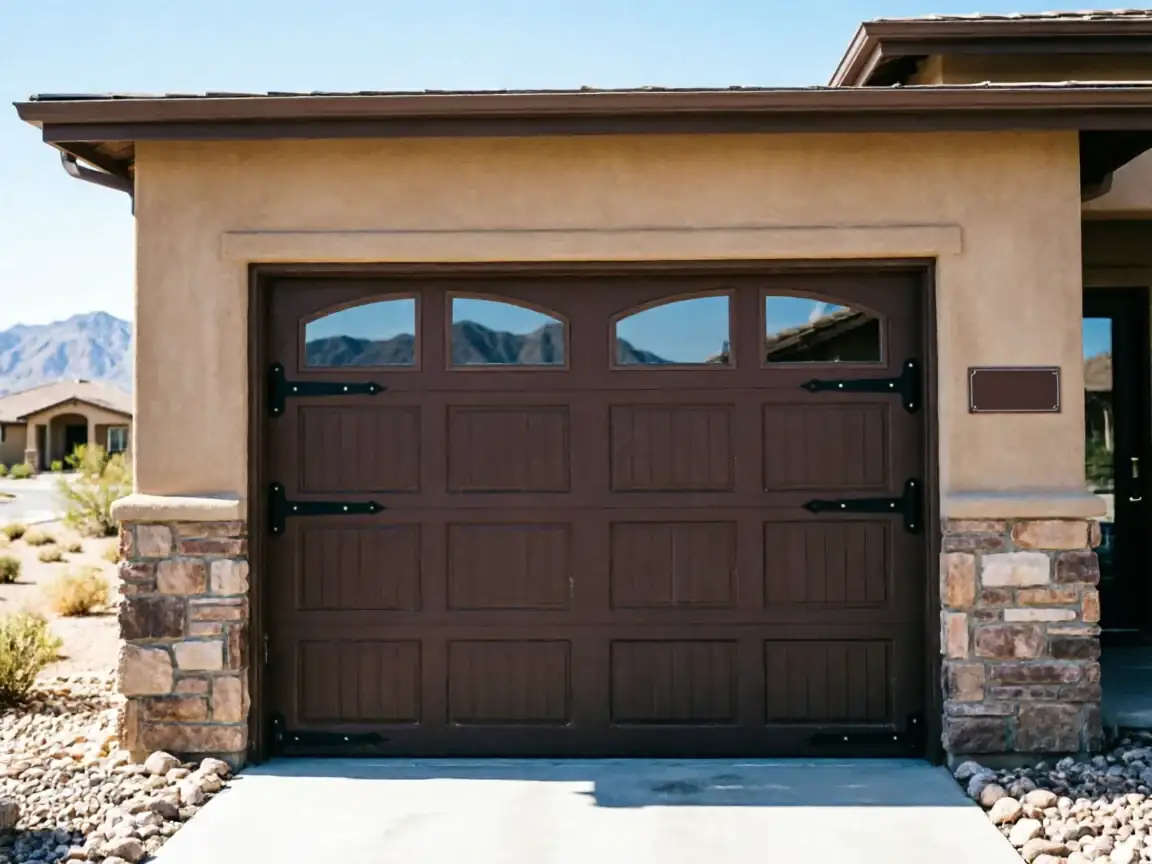
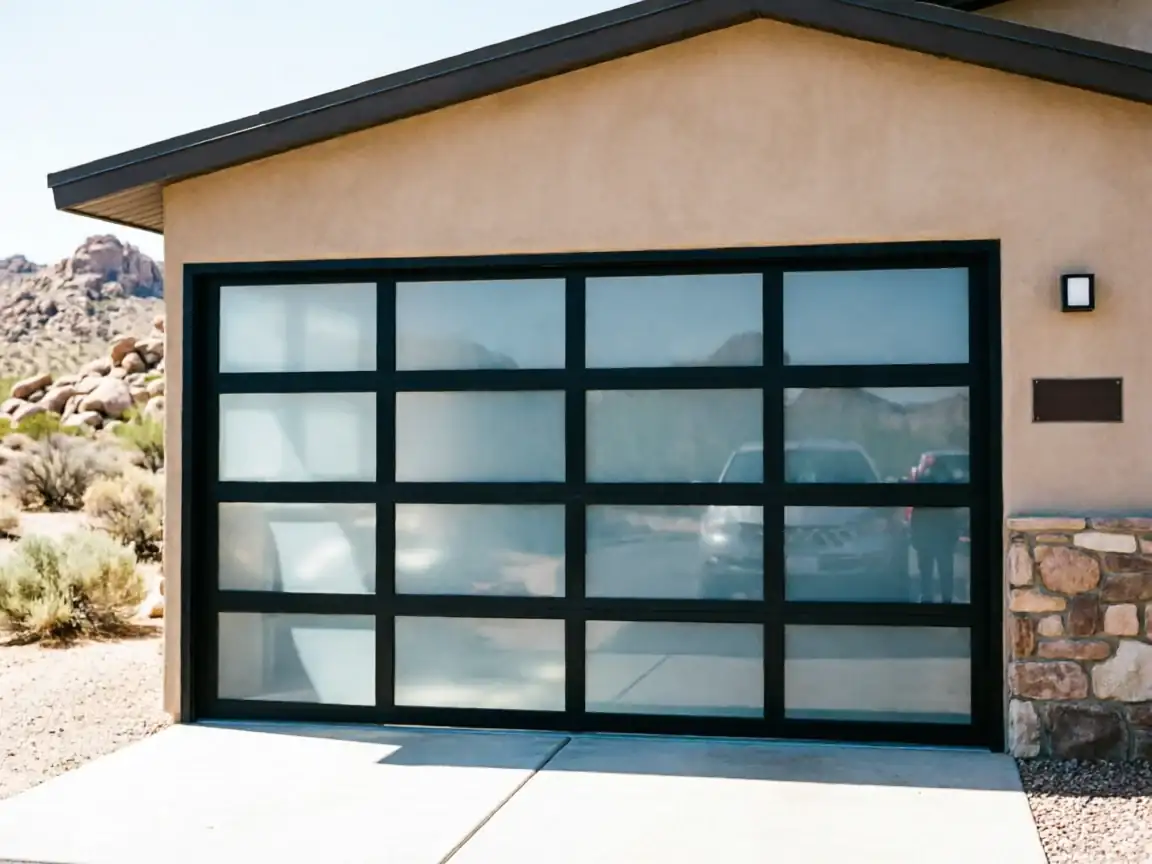
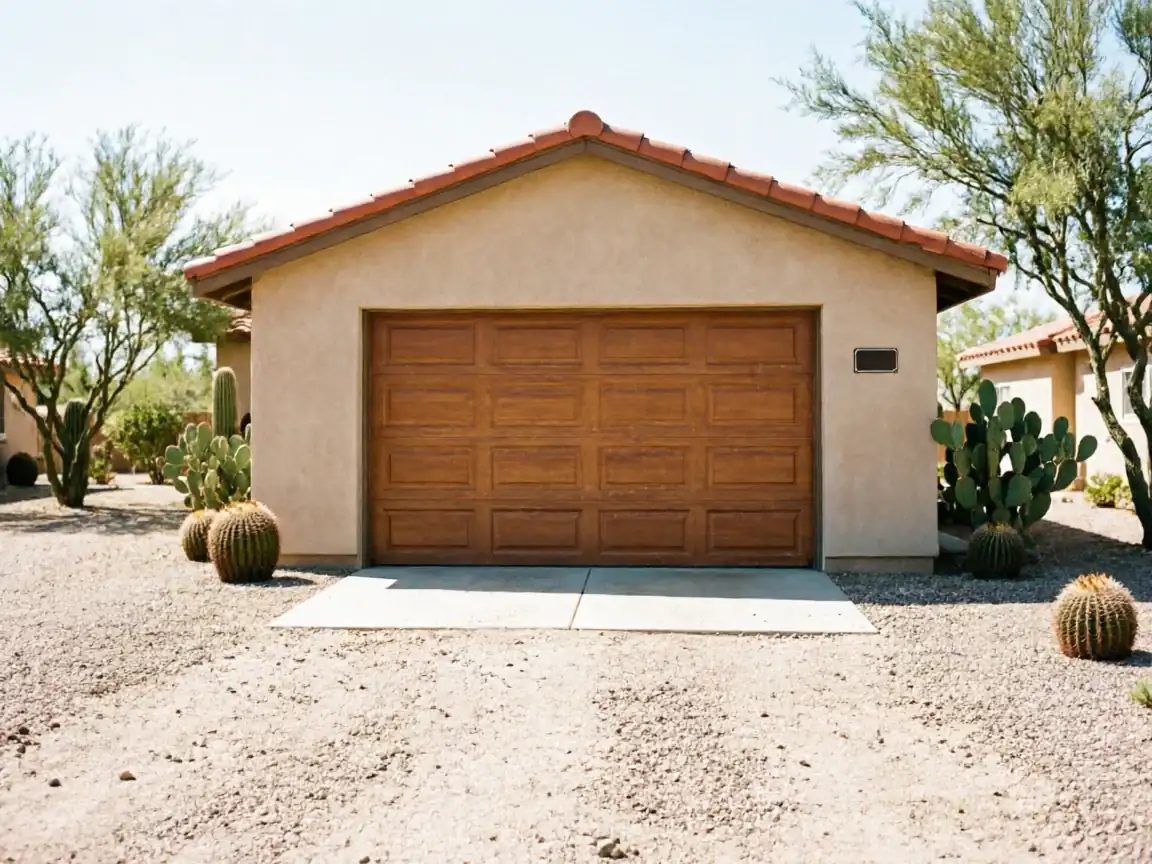
Most houses in this pocket went up around 1992, sitting inside the broader 1980-2005 stretch that covers most of the area's stock. That means steel rollers on standard stamped track, not the newer sealed-bearing nylon you'd find on a door from the last ten years. Thirty-plus years of opening and closing wears the roller stem down to a point where it binds in the track, and you hear it before you see it - a grinding or a rhythmic thunk on every cycle.
The other factor is heat. This region sits in a severe heat band, and that kind of sustained temperature swing dries out stock nylon rollers faster than it would somewhere milder. Cracked rollers, flat spots, stems that have worn oval instead of round - all symptoms of the same two things: age of the door and the climate it's lived in.
Getting It Booked In
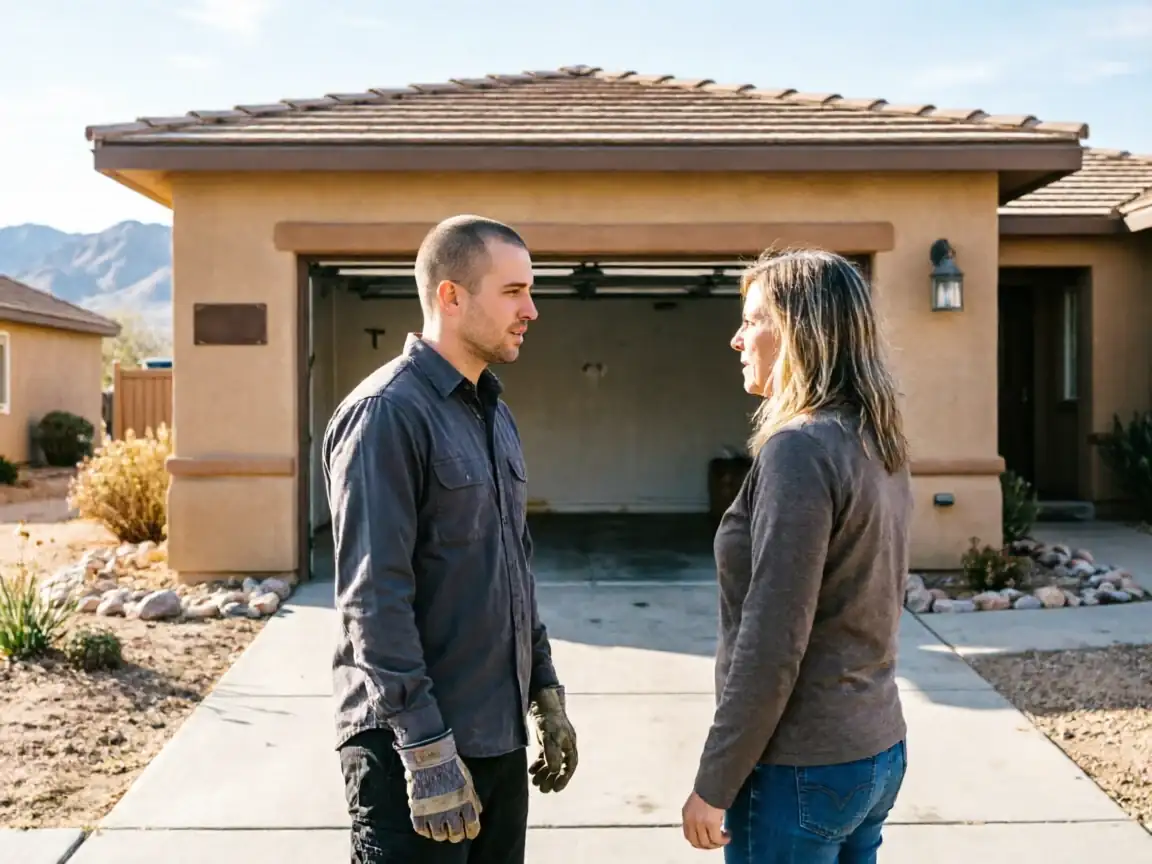
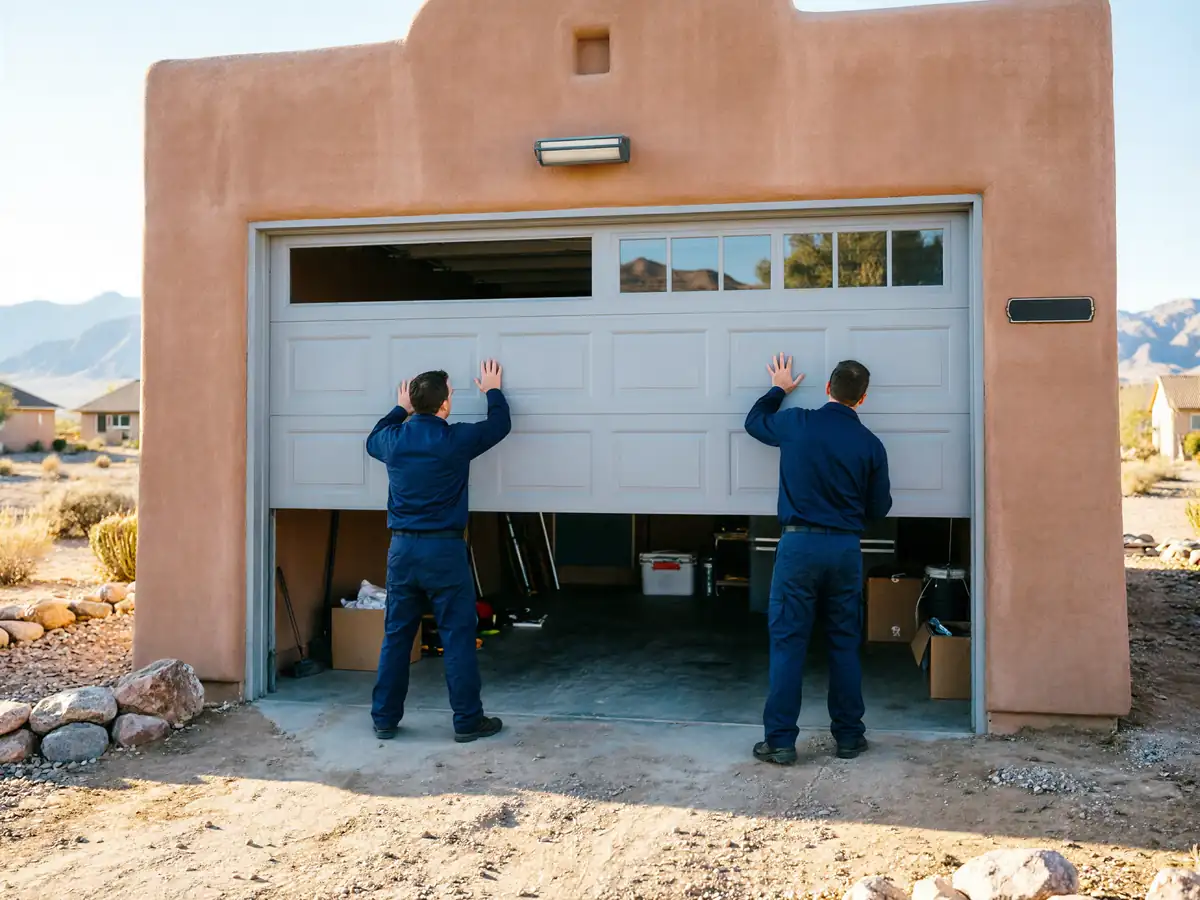
There's no branch or depot in Tucson Estates - the truck runs out from Oro Valley, about 19 miles each way. That distance is one of the longer legs on the route, so we're straightforward about it: this isn't a same-hour drop-in kind of trip, it's a scheduled one. We don't carry a listed response time for this town and we're not going to make one up.
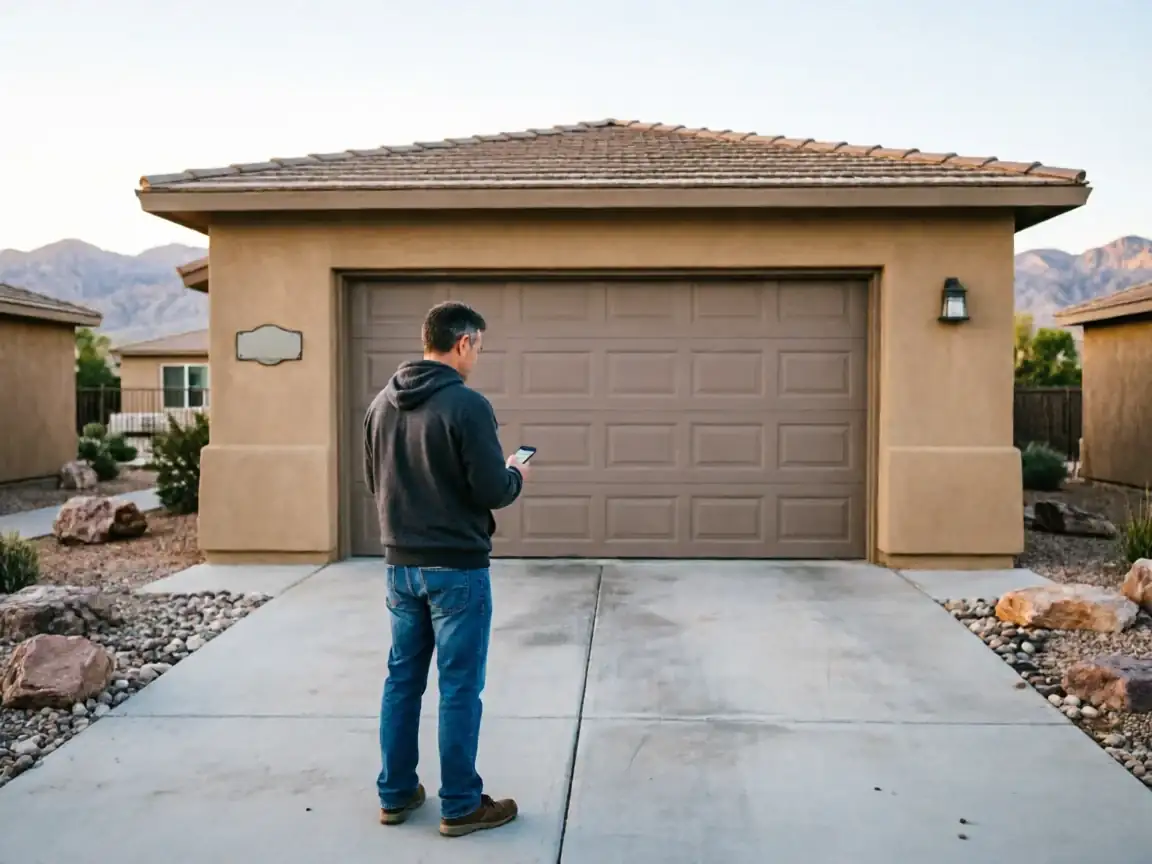
What helps when you call: tell us if the door is a single or a double, roughly how old the house is (if it's near that 1992 build window, say so), and whether it's grinding on every cycle or just sometimes. That tells us whether we're bringing a roller kit or planning for something bigger, like bent track from a roller that's already seized.
We book the job once we know what's actually wrong, not before. A phone description gets us close; a look at the track gets us exact.
How Long It Takes
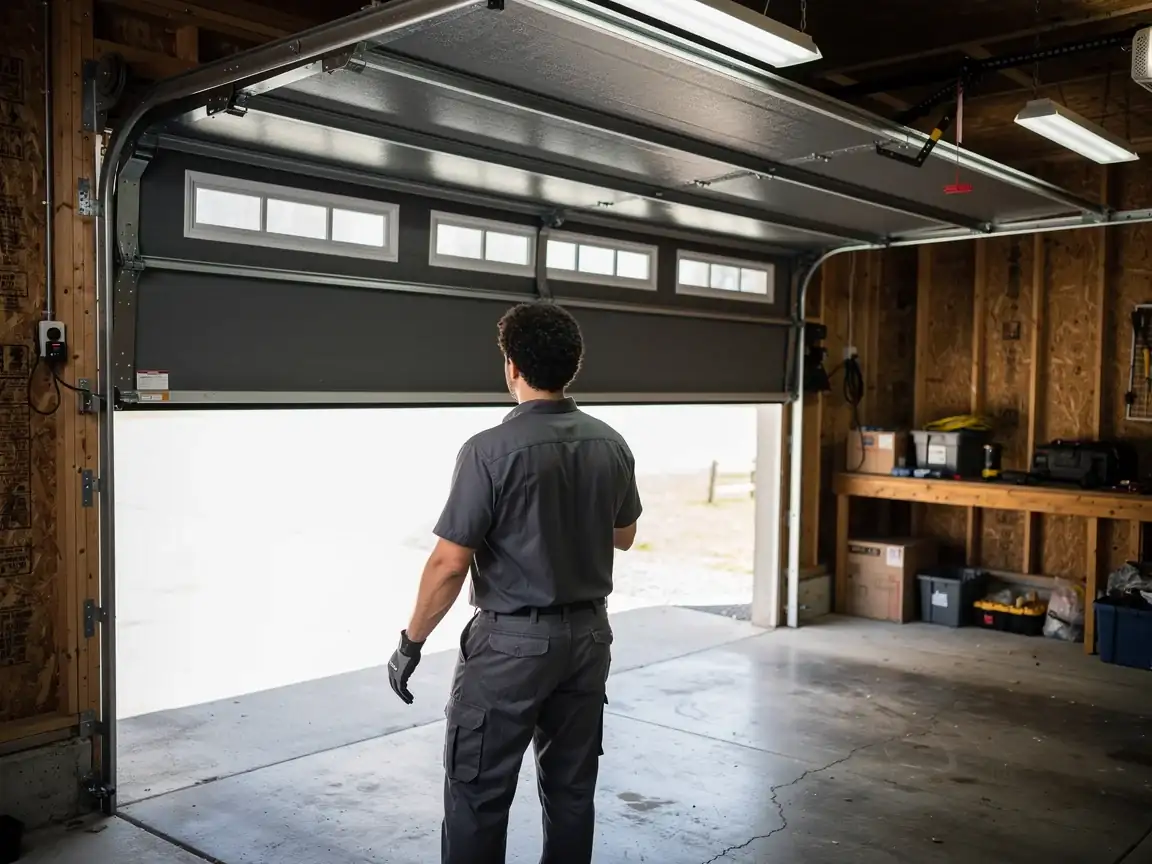
A straight roller swap on a single door, once the truck is on site, is a short job
Both springs stay put, the opener doesn't come off, and most of the time goes into working each roller out of the track one at a time without bending the stile. Doubles take longer simply because there are more rollers and often more wear, since a wider door puts more side load on the same hardware.
Where it stretches out
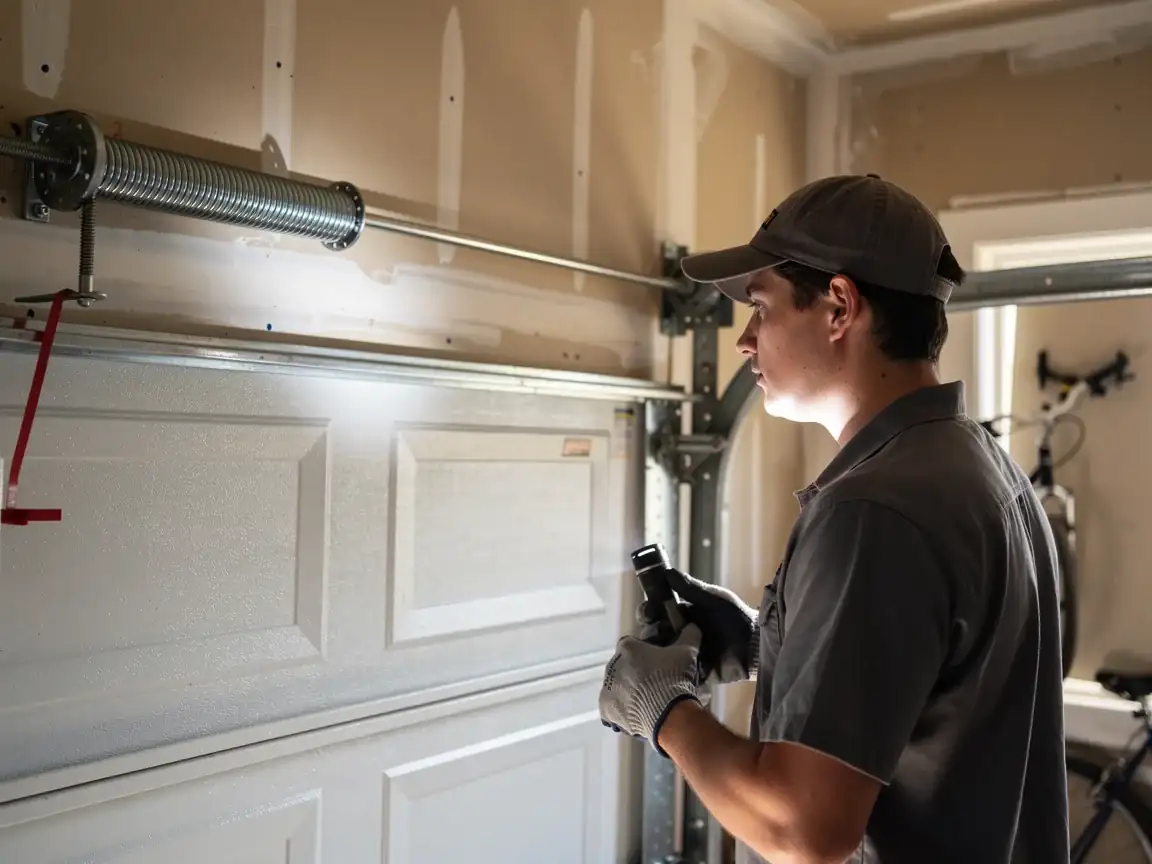
If the rollers have been grinding long enough to groove the track, we're straightening or replacing track sections too, and that adds real time. We won't know that until we're looking at it - a phone call can tell us it's a roller problem, but it can't tell us if the track survived the neglect.
We don't quote a fixed number of hours sight unseen
Because the 1992-era doors out here vary more than people expect - some have been maintained, some haven't been touched since they were installed.
What Is on the Truck
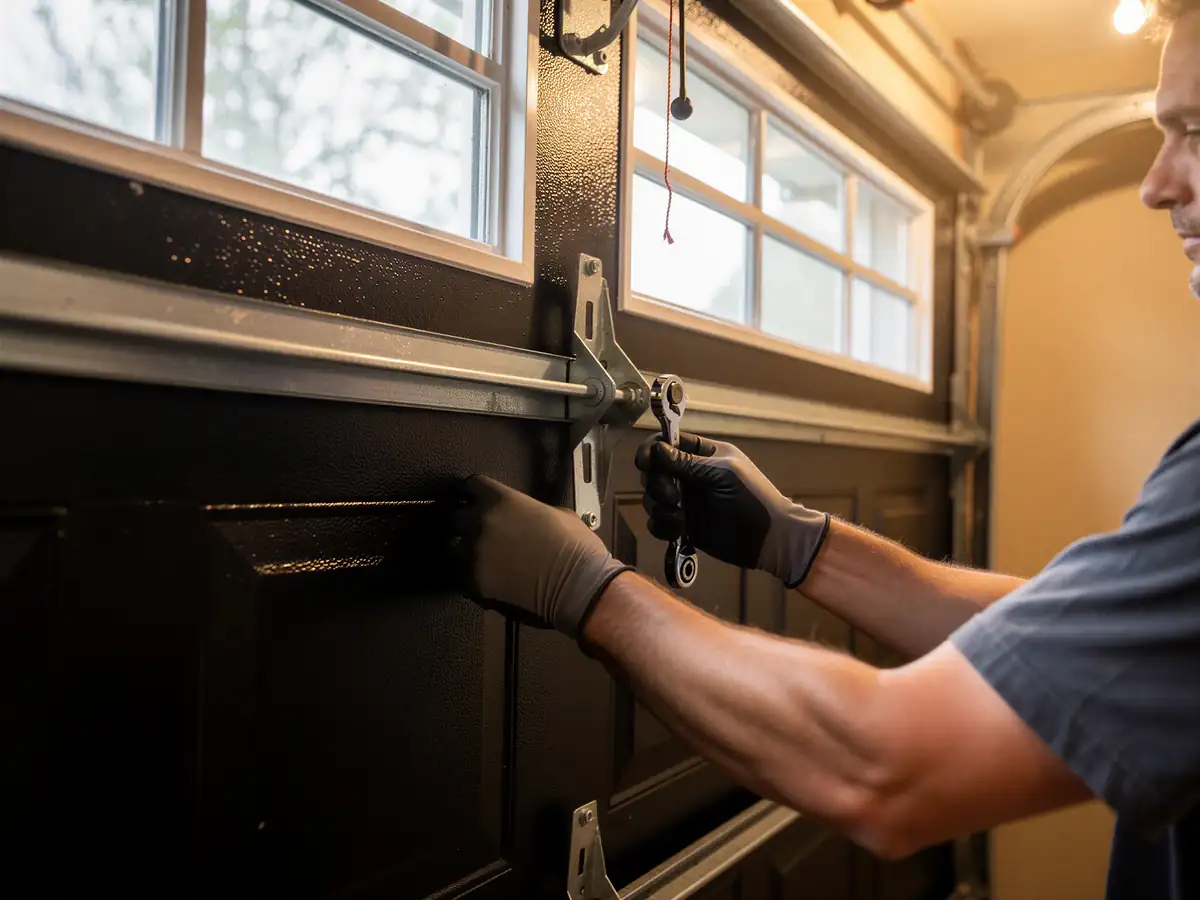
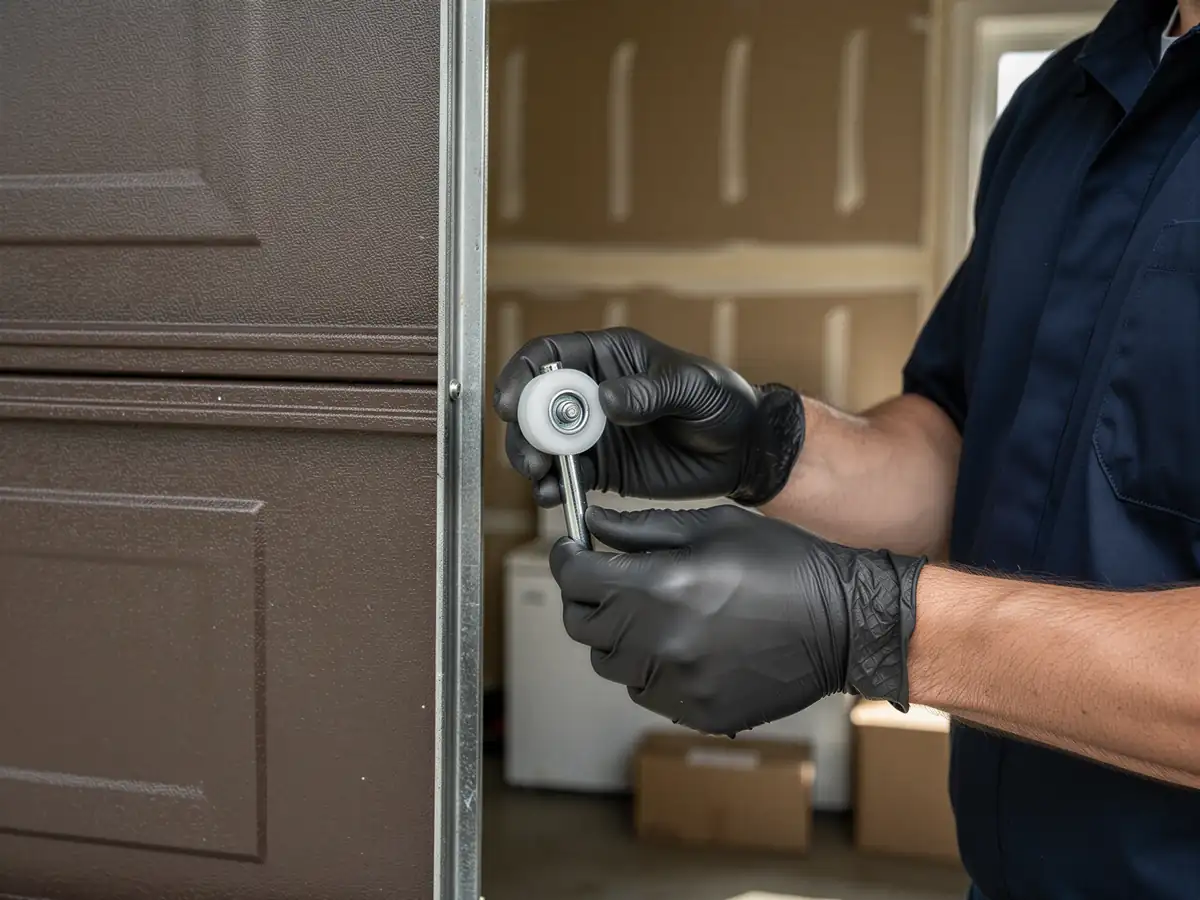
For roller jobs we carry both nylon and steel rollers with sealed ball bearings, sized for standard residential track - the kind of track that was standard when most of Tucson Estates was built. Sealed bearings matter here specifically because of the heat: a sealed unit keeps grit and dried-out grease residue from working into the bearing the way an open stem roller does after enough summers.
We also carry the stem hardware that goes with them, since a worn roller often means a worn hinge or bracket hole too, and swapping the roller without checking the bracket just moves the noise somewhere else. If a section of track is bent or grooved from a dragging roller, we carry standard track sections as well, though a full track replacement on a double door is a bigger job we'd scope separately rather than guess at on the truck.
We stock nylon over steel for most replacements now - it runs quieter and takes the heat better over the long run, even though steel is what came on the door originally.
Doing It Yourself
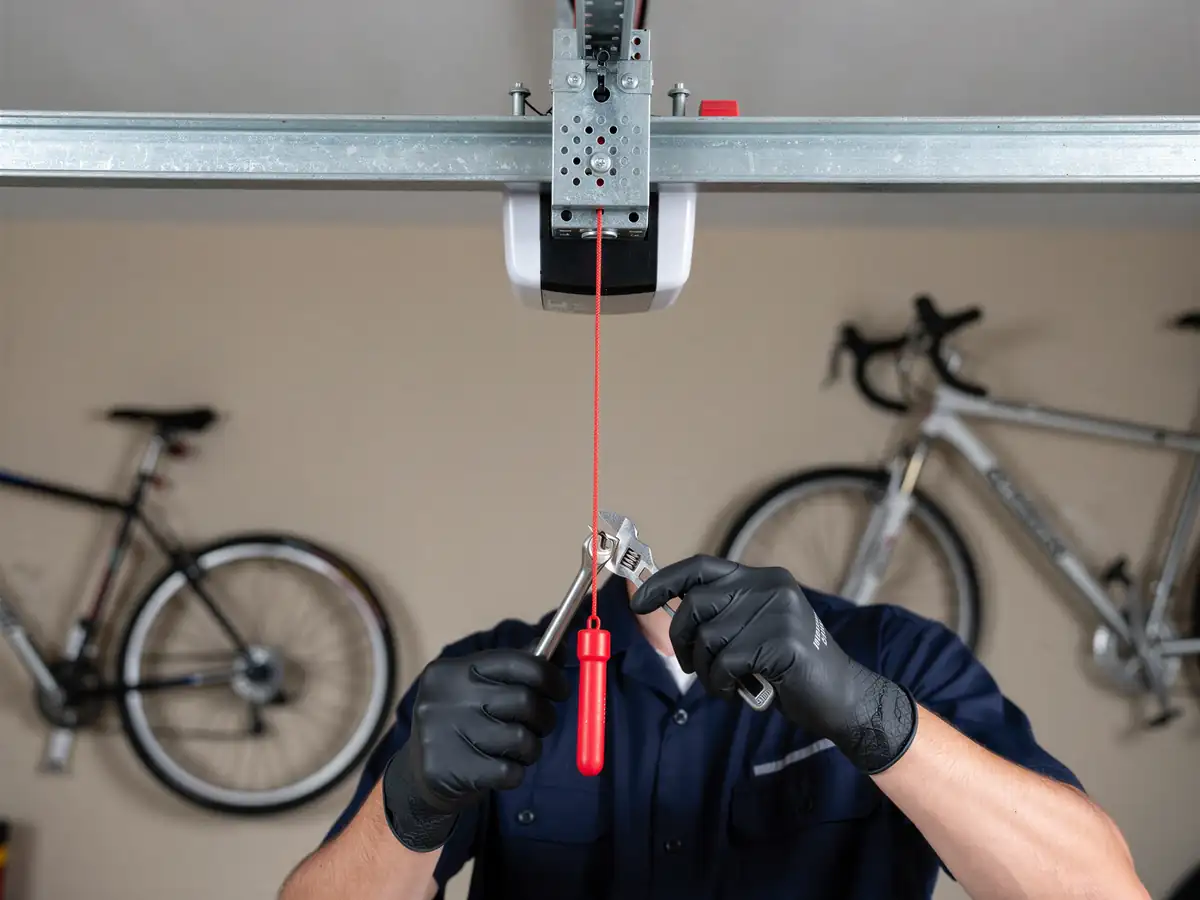
Rollers are one of the more DIY-friendly garage door parts, and we'll say so plainly: if you're comfortable with a ladder and the door is a light single with no broken spring, swapping a few rollers yourself isn't unreasonable. The risk is working near a loaded torsion spring without knowing it's loaded - that's not a roller job anymore, that's a different kind of job entirely, and it's the one place we tell people to stop and call instead of push through.
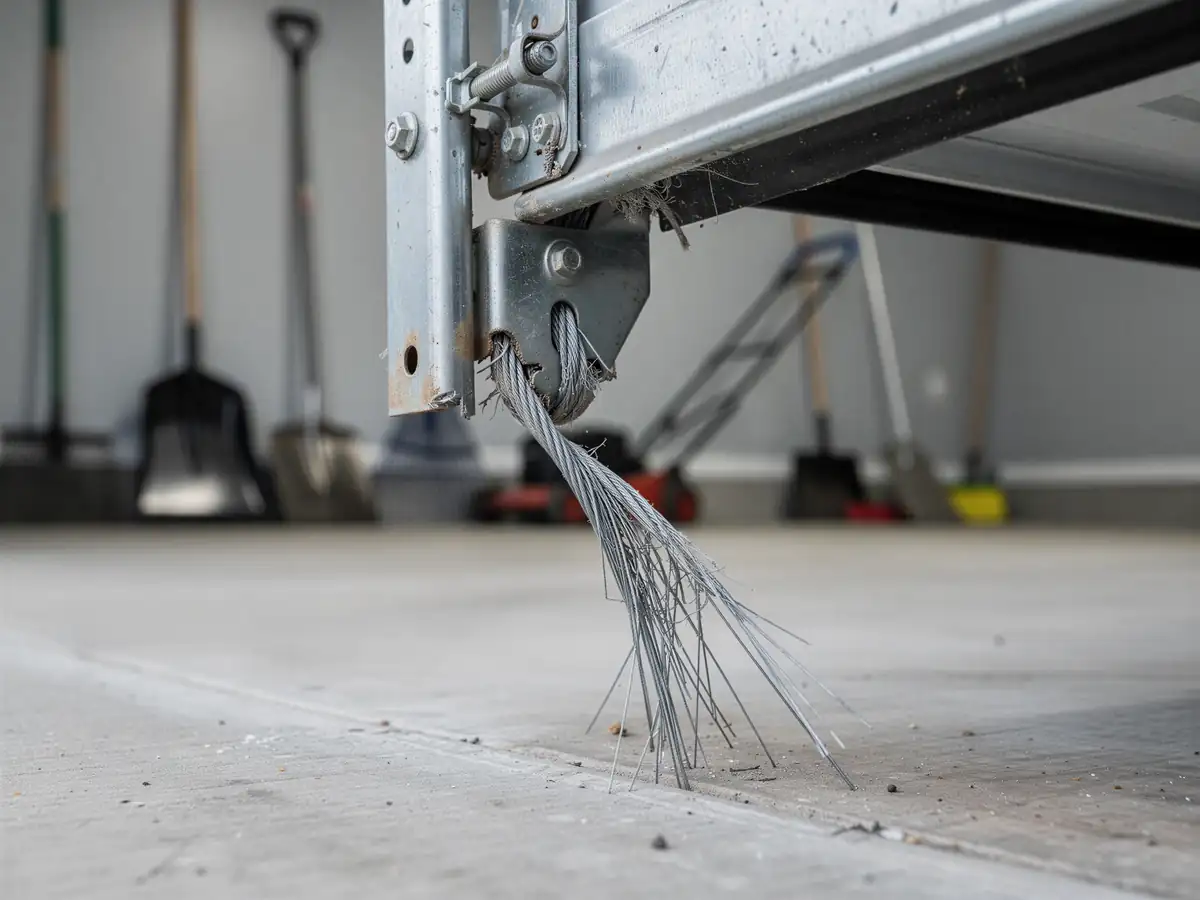
The honest limitation on our end: we don't do small parts-only drop-offs or sell rollers over the counter for a DIY job. We come out, we look at the whole door - track alignment, bracket condition, cable condition - because a roller that failed early usually failed for a reason, and replacing just the roller without finding that reason means you're doing this again in a year or two.
If your door is older than the 1992-ish build most of this area carries, or it's been grinding for months, that's past the point where a roller alone fixes it.