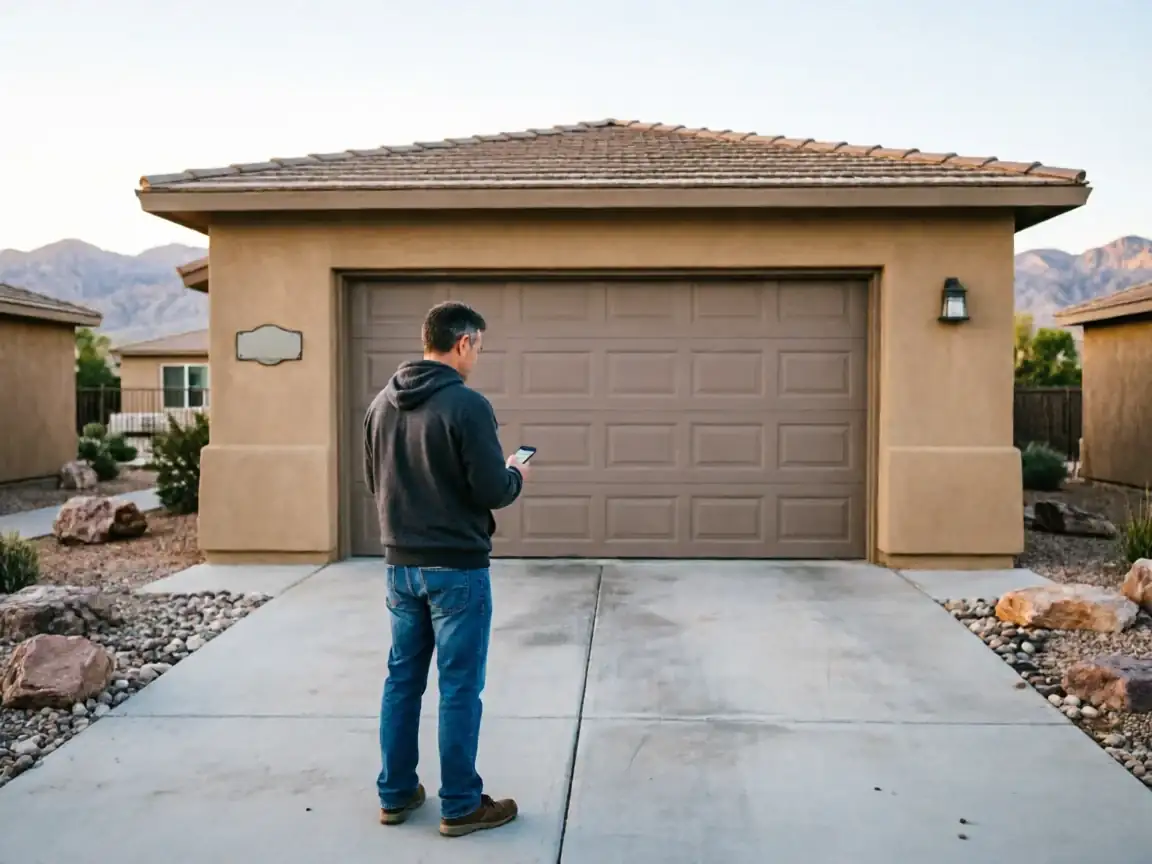
How It Shows Up
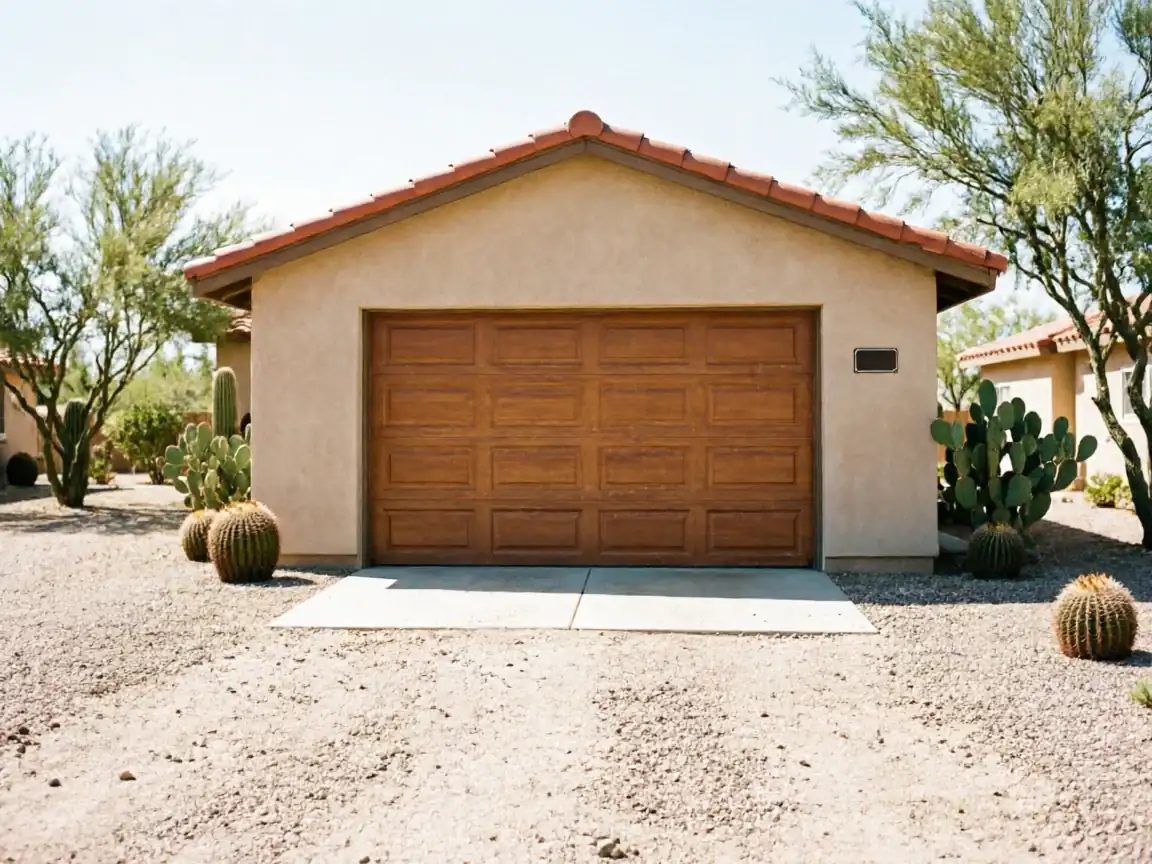
Most houses in Tucson Estates went up around 1992, which puts them toward the newer end of the 1980-2005 window that covers a lot of this service area. That matters for openers because a house built in '92 almost always shipped with a 1/3 horsepower chain-drive unit on a steel rail, wired straight to a wall switch with no keypad, no camera, and no battery backup. Thirty-plus years later, those motors are at or past the end of their duty cycle. The symptom is rarely total failure on day one - it's a unit that strains to lift, grinds on the chain, or trips the breaker on hot afternoons.
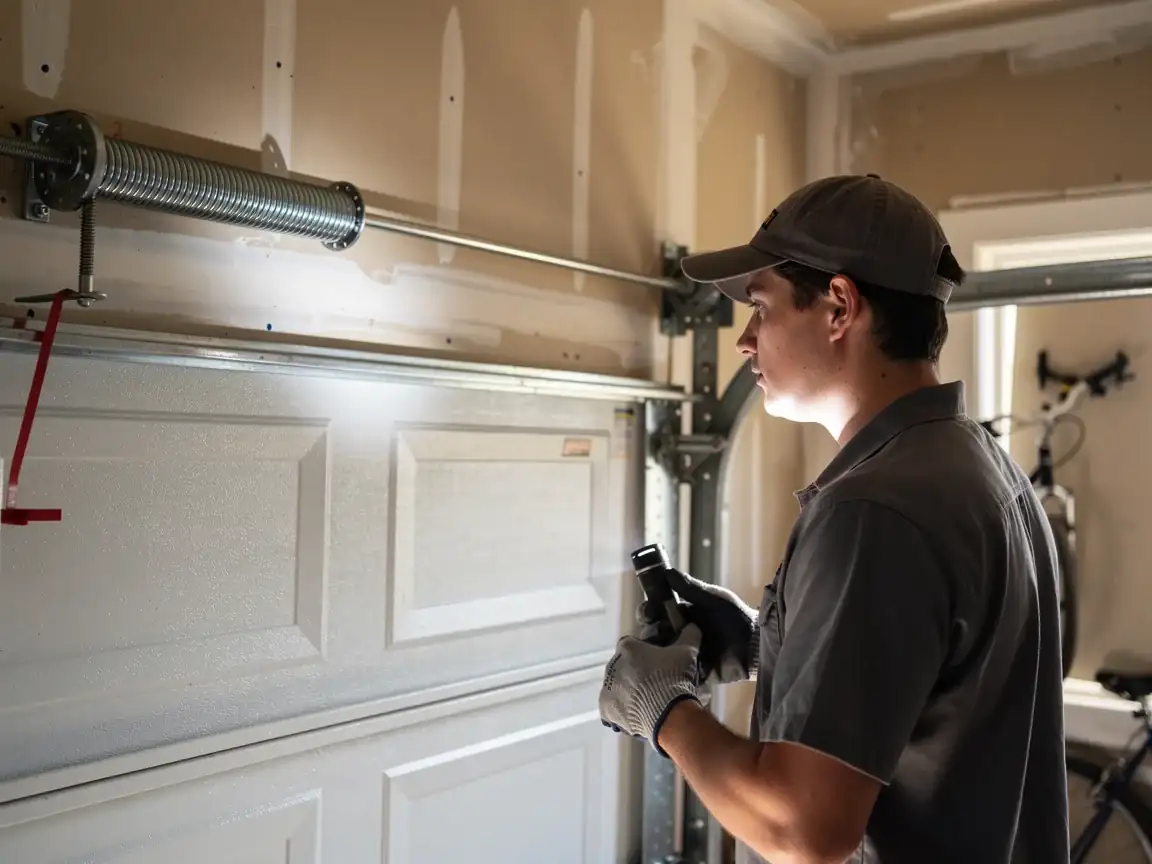
That last part is the piece worth naming. This is a severe-heat climate band, and heat is hard on old capacitors, gear sets, and the plastic drive gear inside a chain unit housed in an attic-adjacent garage. A motor that's been limping along in cooler months can quit outright once summer temps push the garage interior well past 100°F. If your opener has started cycling twice before the door moves, or the light blinks in a pattern you don't remember from the manual, that's usually the motor telling you it's done, not a track or spring problem.
Getting It Booked In
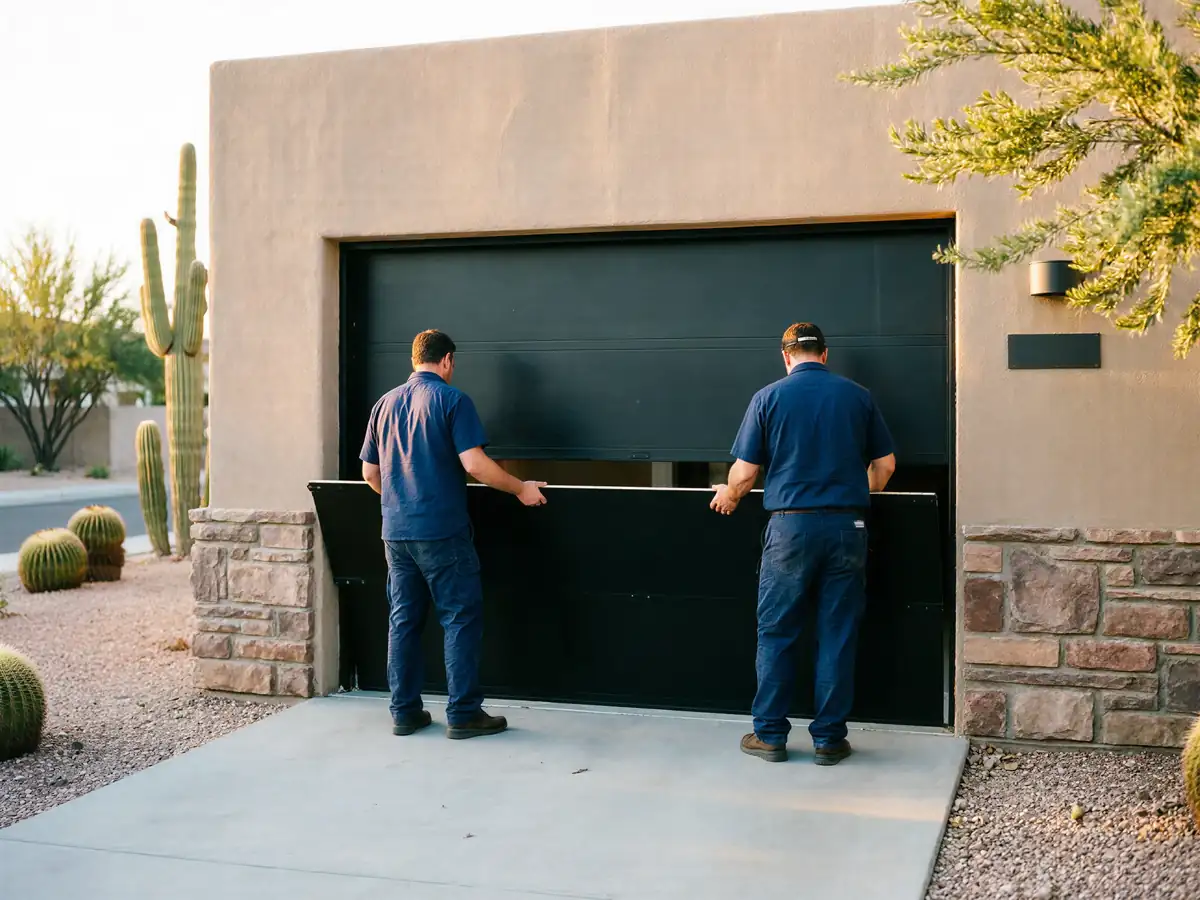
The crew runs out of Oro Valley, about 19 miles from Tucson Estates. That distance doesn't change what gets installed or how it's installed, but it does mean the job gets scheduled rather than shown up to on a whim - there's no local branch to swing by casually. Book a time, and the truck comes loaded for that one job; it's not a drive-by add-on to another call in the neighborhood.
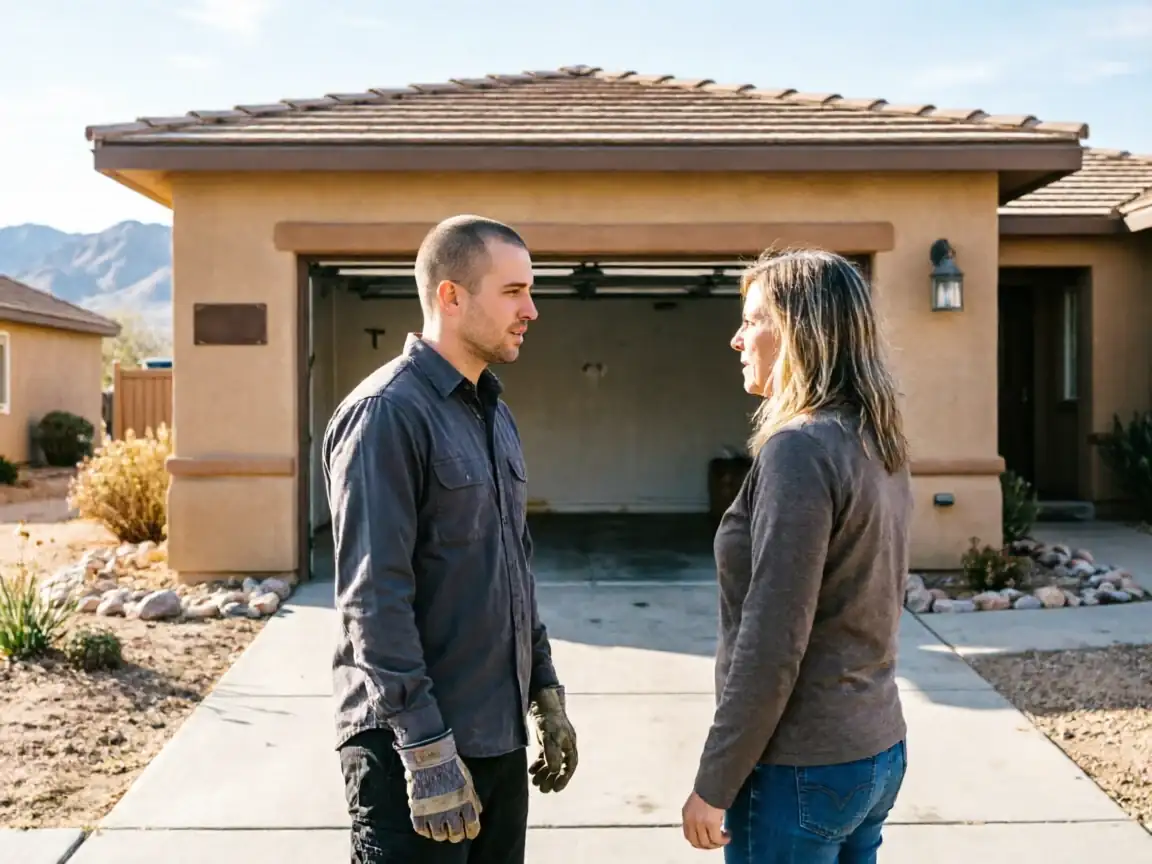
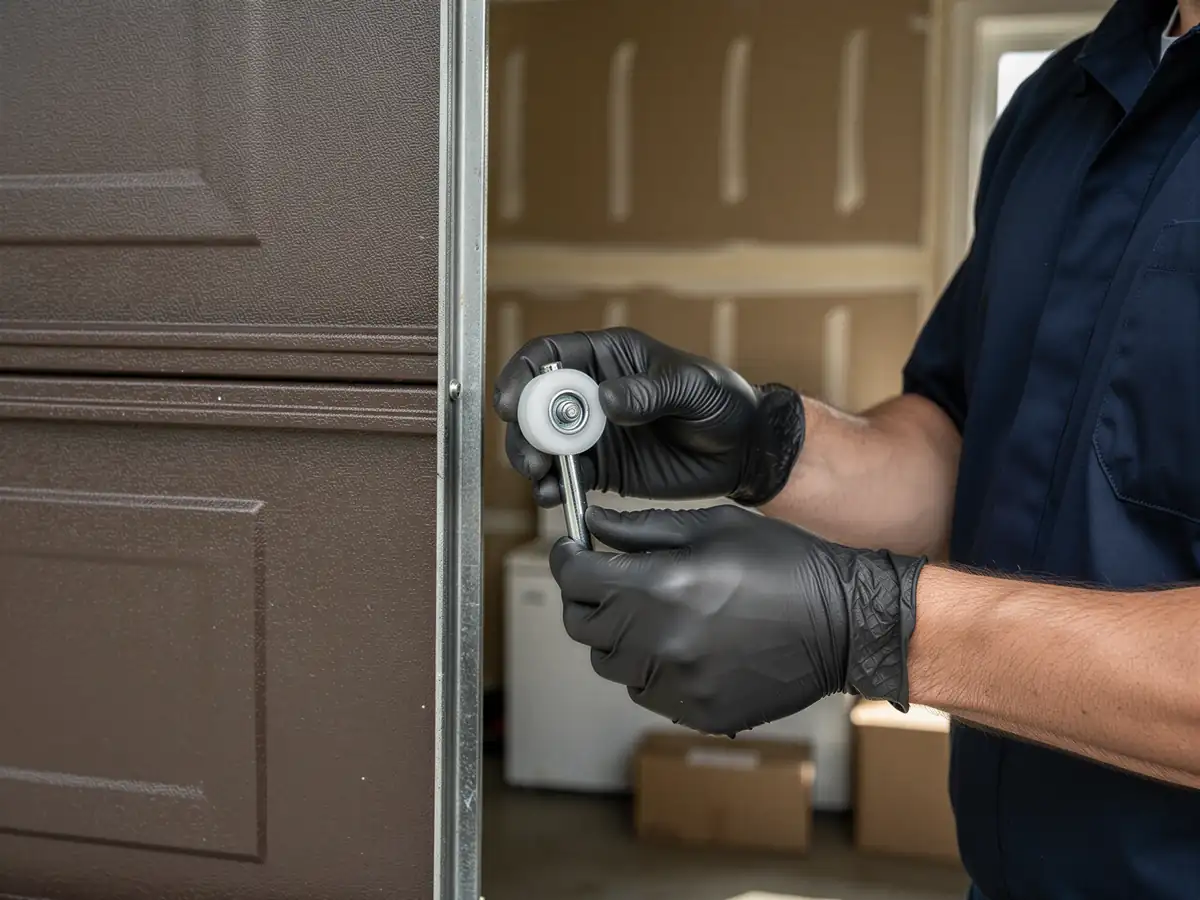
We'll ask the make and age of your current opener and whether the door itself is original or already replaced, since an opener install on a 1992-era door sometimes surfaces a track or hinge issue that needs addressing first. Better to know that before the truck rolls than after the new motor is bolted up to worn hardware.
How Long It Takes
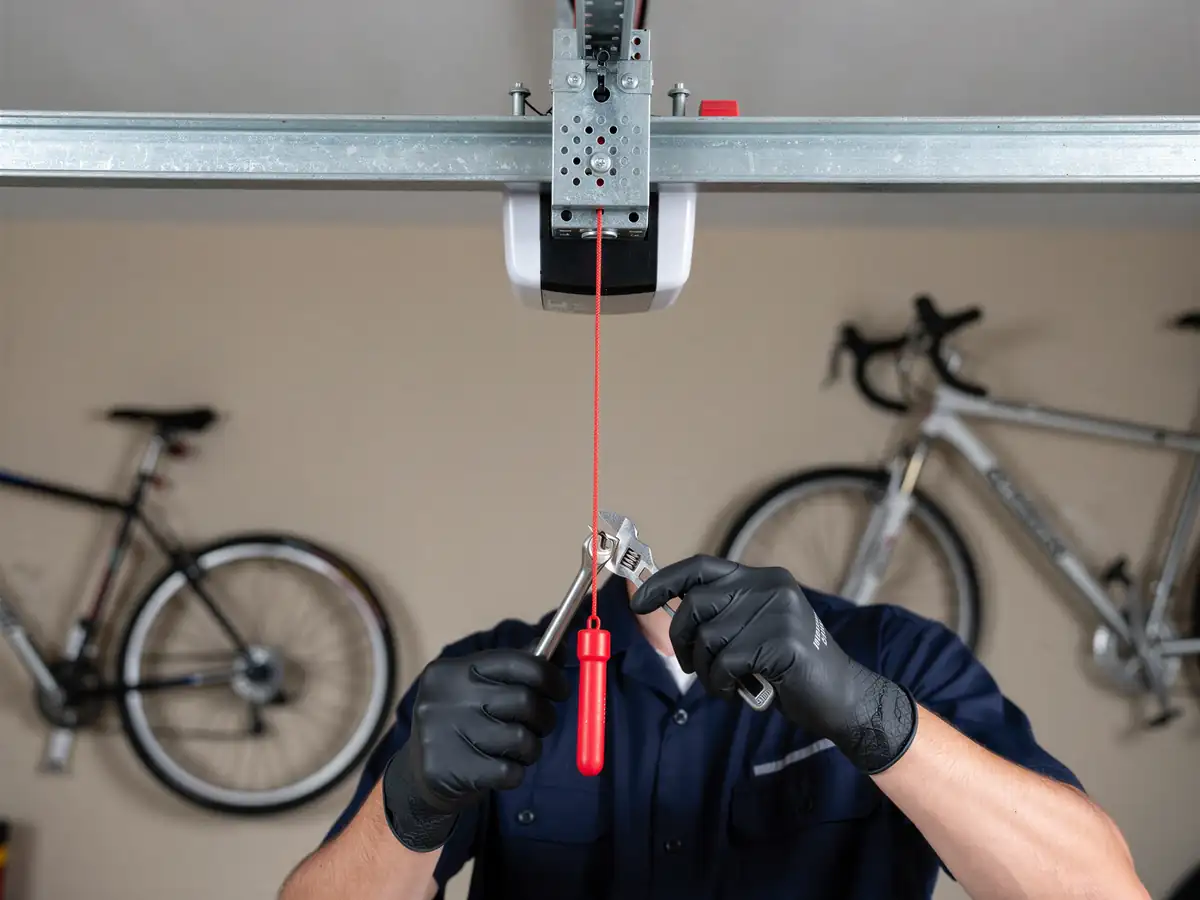
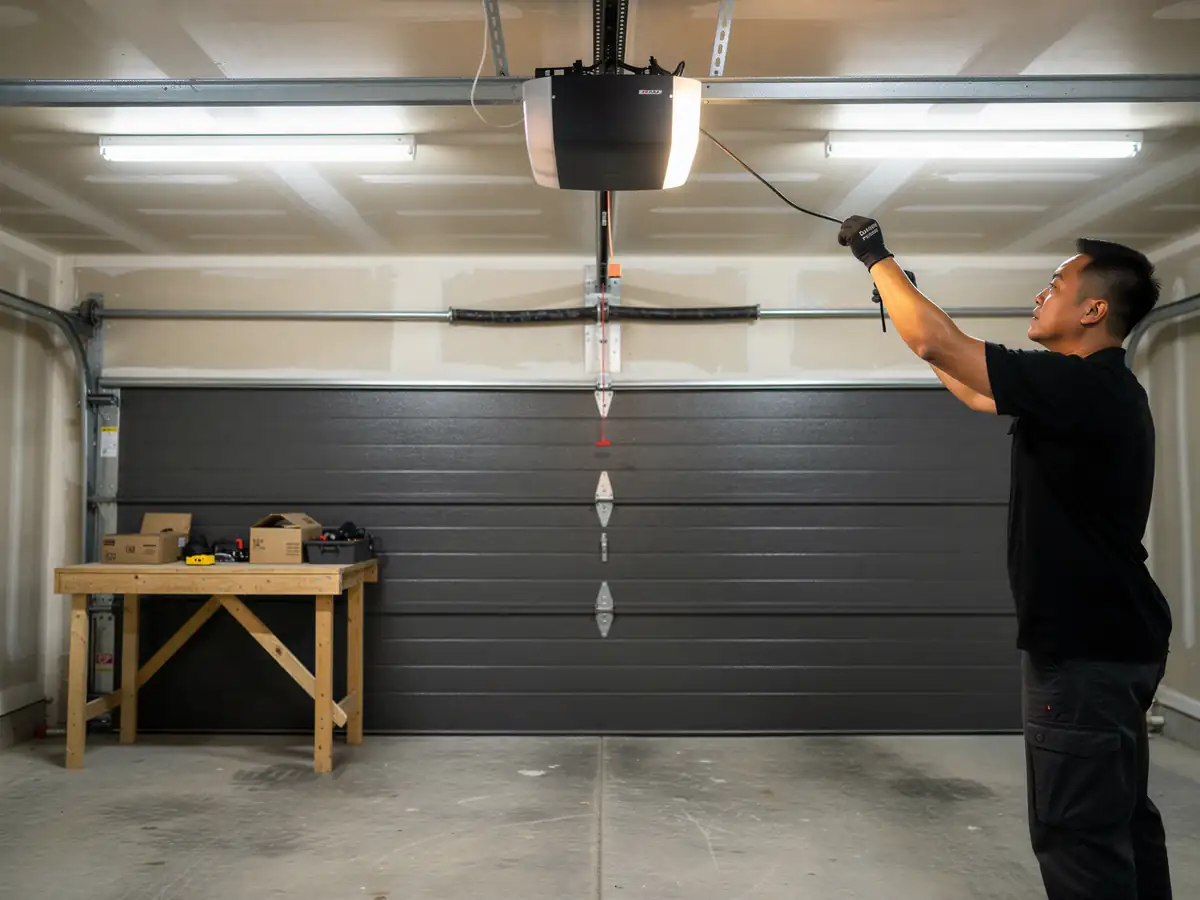
A straight swap - pull the old chain-drive unit
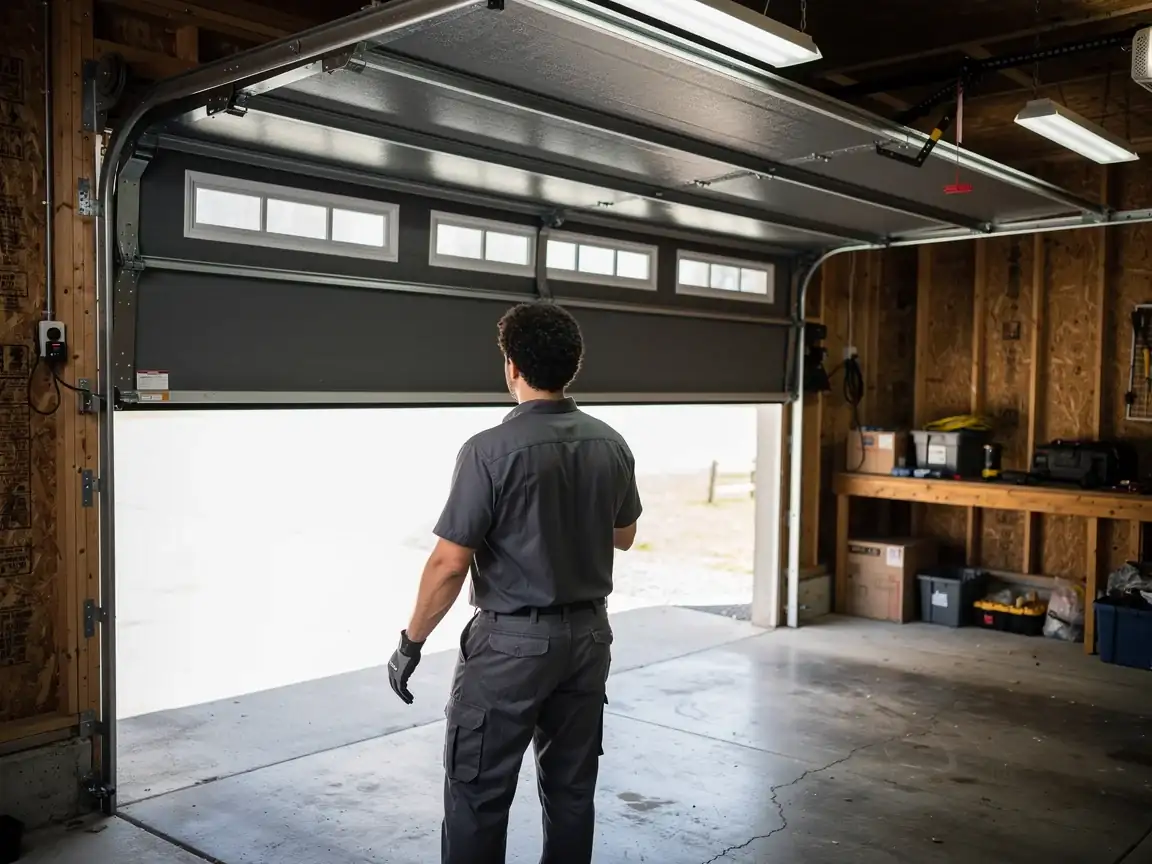
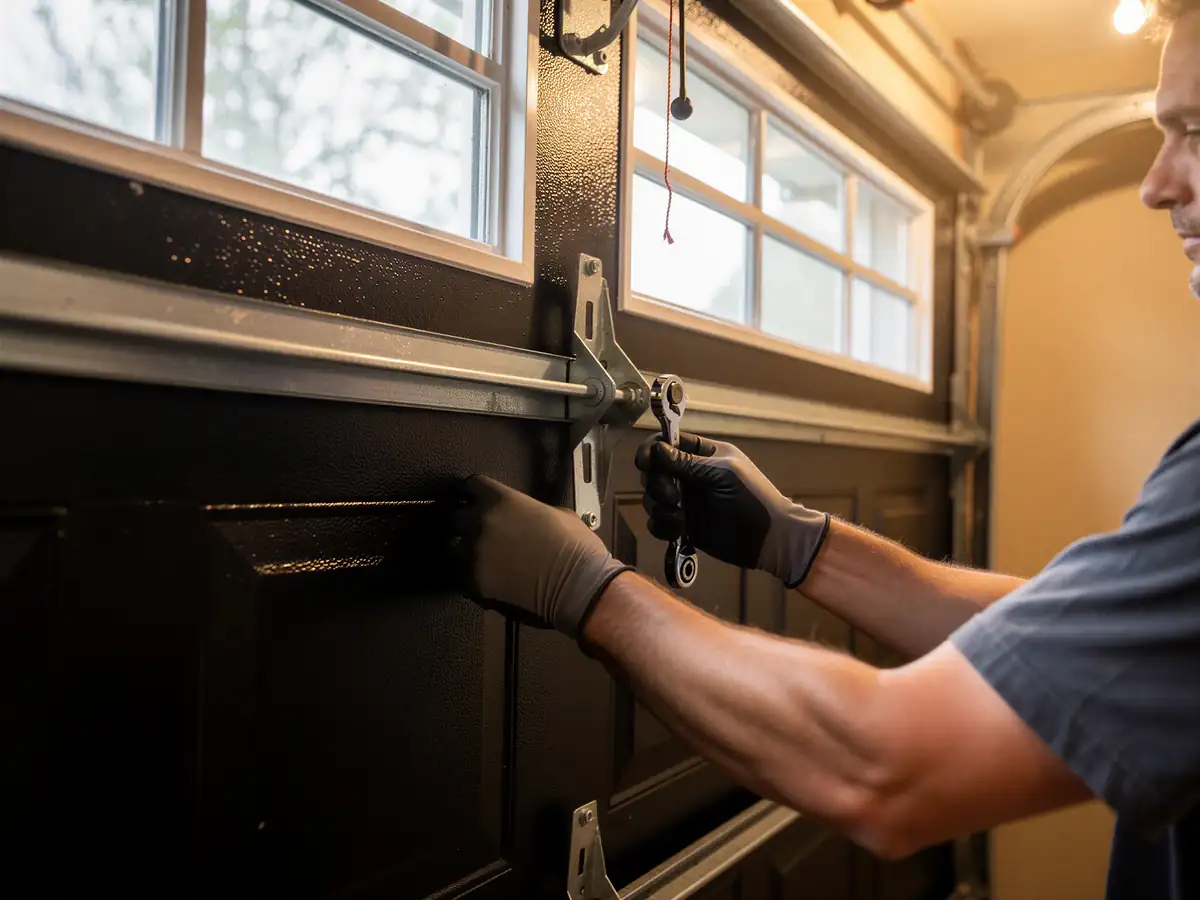
Hang a new one on the existing rail mounts, rewire the wall control and safety sensors - is a single-visit job. If the rail itself needs replacing, or the old unit was mounted on wood blocking that's since dried out and split (common in houses from this era), that adds time on site but it's still one trip.
What we can't promise from here is a same-day slot
Because every job out to Tucson Estates comes from Oro Valley, we schedule by the day's route rather than drop everything for a same-hour call. If your opener has failed completely and the door's stuck down, say so when you call - that gets prioritized ahead of a routine upgrade.
What Is on the Truck
For a 1992-era garage, the truck carries belt-drive and chain-drive openers in the horsepower ranges that fit a standard single or double door, plus the steel rail, mounting hardware, and safety-sensor pairs needed for a full swap - not just the motor head. Given the severe-heat rating for this area, we lean toward units with heat-tolerant circuit boards and keep battery-backup models on hand, since a dead opener during a power dip in July is a worse problem here than in a mild climate.
What's not standard inventory: smart-home hub integrations beyond what the opener manufacturer builds in, and custom low-headroom rail kits for unusual framing. If your garage has an odd header clearance, that's a call-ahead item so the right rail is on the truck, not a surprise discovered on site.
Doing It Yourself
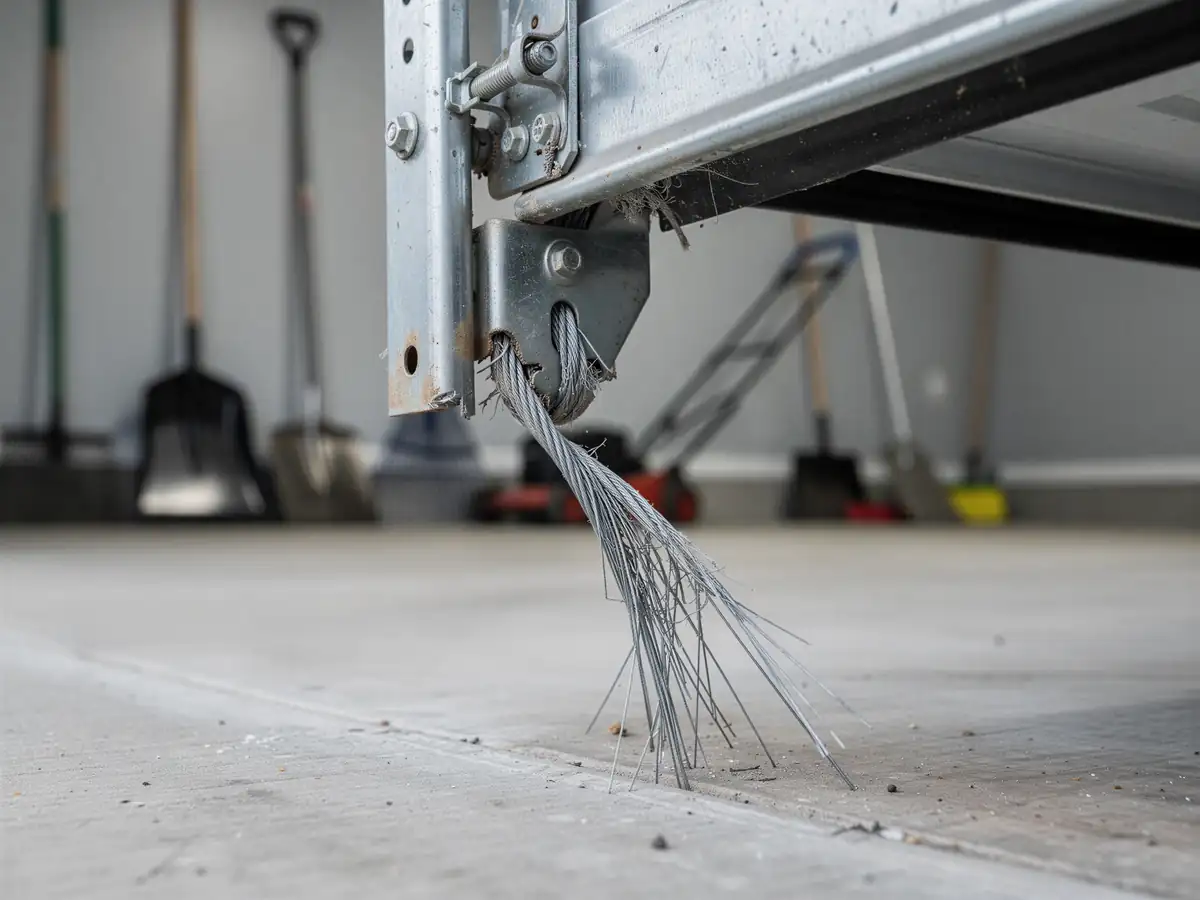
Swapping a wall switch or a remote is a fair DIY job. Replacing the motor head itself is not, mainly because of the travel limits, force settings, and safety-sensor alignment that have to be right before the door is trusted to close on its own - get those wrong and the door either doesn't reverse on an obstruction or won't close at all. If your current unit is original to a 1992 build, the wiring gauge and mounting bracket pattern are also old enough that a new opener's hardware kit may not bolt straight to what's there, which is a bad discovery to make mid-install on a ladder.
We'll say plainly: if your opener is still running, even loudly, replacing it before it fails isn't always worth the cost. A failing chain drive with a clean motor often just needs lubrication and a tension adjustment, which is a shorter, cheaper visit than a full install.