How It Shows Up
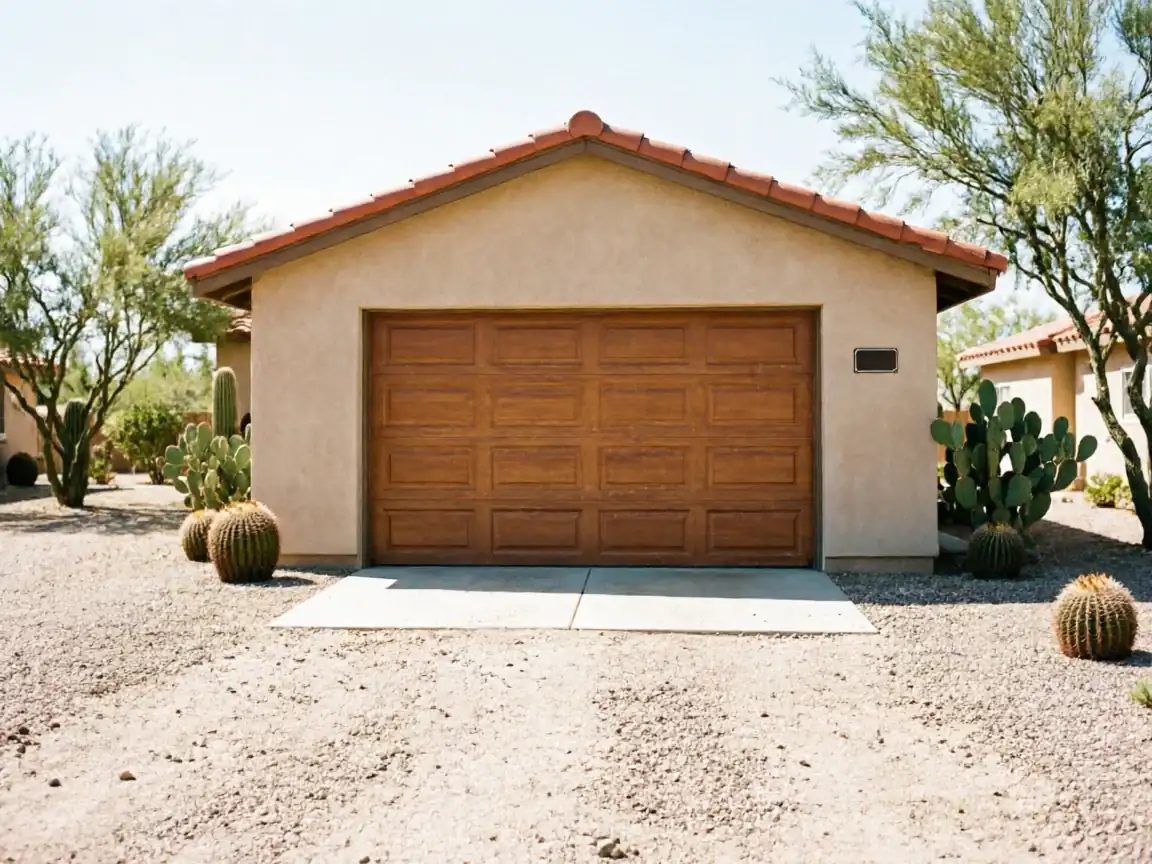
Oro Valley's housing stock runs 1980 to 2005 with a median year of 1989, but Tucson Estates sits a few years newer, with most houses going up around 1992. That gap sounds small until you're standing in front of the door. A 1989 door is more likely to still have the builder-grade extension springs that were common before torsion setups took over the tract-home market; a 1992 door is right at the edge of that switch, so you'll find either hardware style depending on which phase of the development you're in. That means the fault we see first visit isn't always the same fault twice.
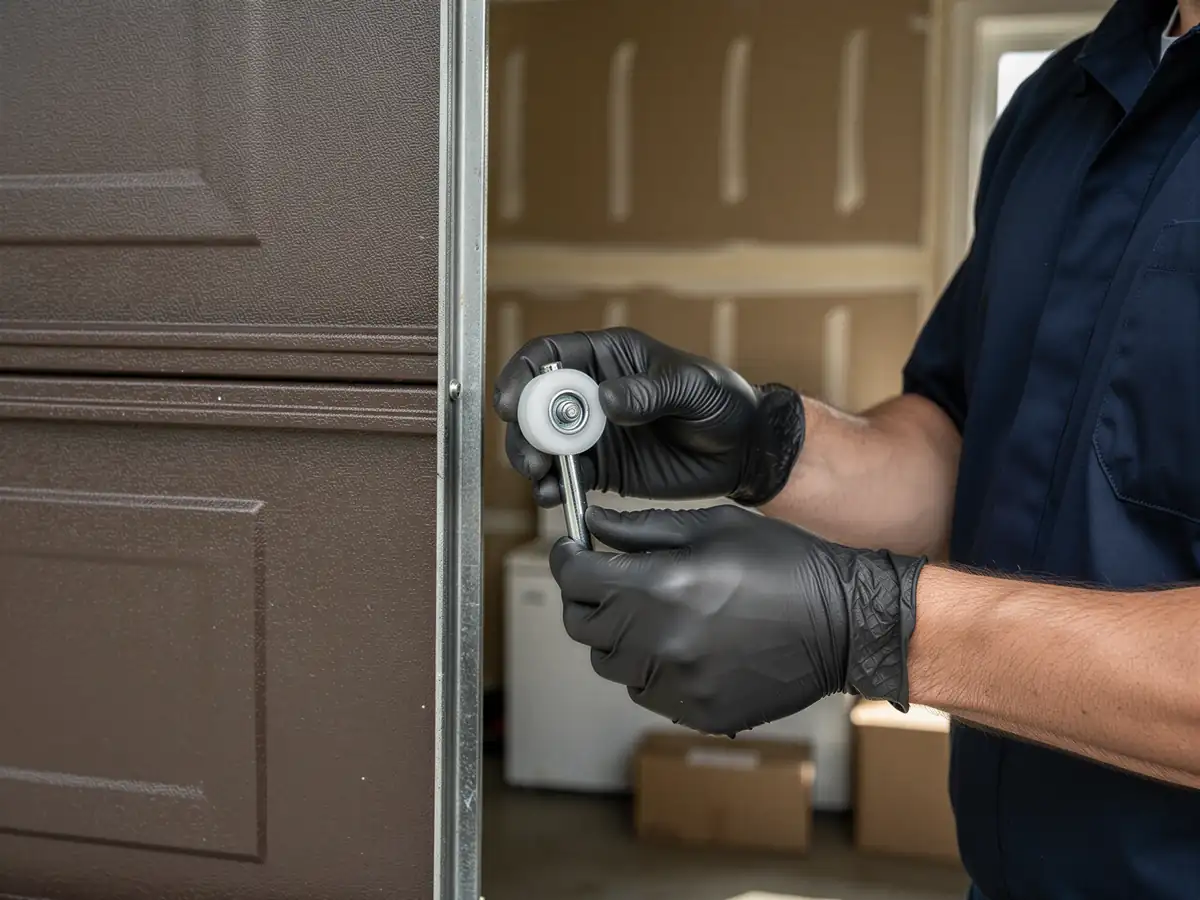
What doesn't change block to block is the heat. This area sits in a severe heat band, and that's the thing that actually ages the parts faster than the calendar does. Steel torsion springs lose temper cycling through summer highs year after year, nylon rollers crack and seize, and openers with aging capacitors start straining on the hottest afternoons instead of failing clean. If your door groans loudest around 4 or 5pm and seems fine by evening, that's heat-stressed hardware, not your imagination.
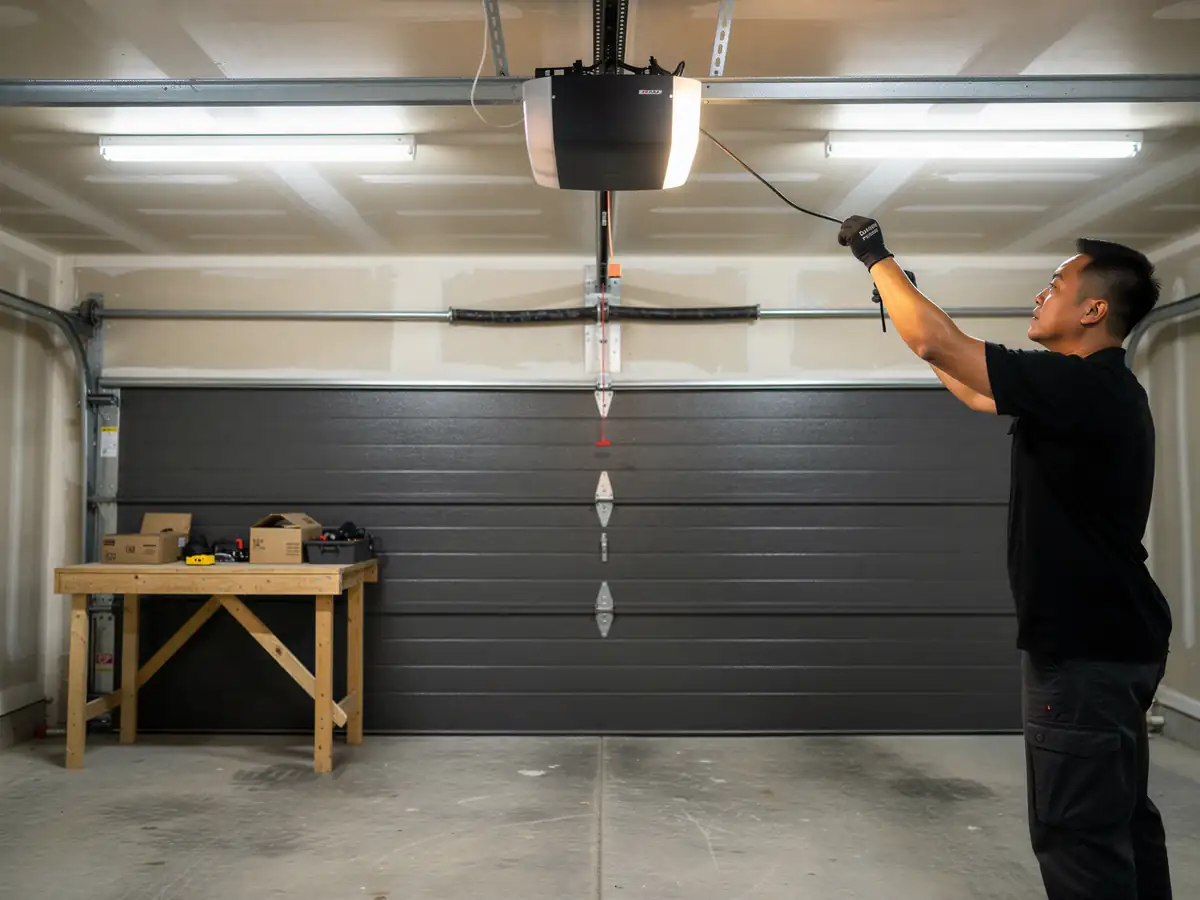
We also see a fair number of openers original to the house, since 1992 construction often means first-generation chain-drive units that are now three decades into a climate that's hard on motors.
Getting It Booked In
Tucson Estates is about 19 miles from our Oro Valley base, so when you call, we're scheduling a trip out, not sending someone who's already five minutes away. That's worth knowing upfront: we don't carry a branch or depot in Tucson Estates, and we won't pretend otherwise. What we do is load the truck with the parts that fit 1980s-and-90s-era doors, since that's what most of this area is running, and come out on a scheduled visit.
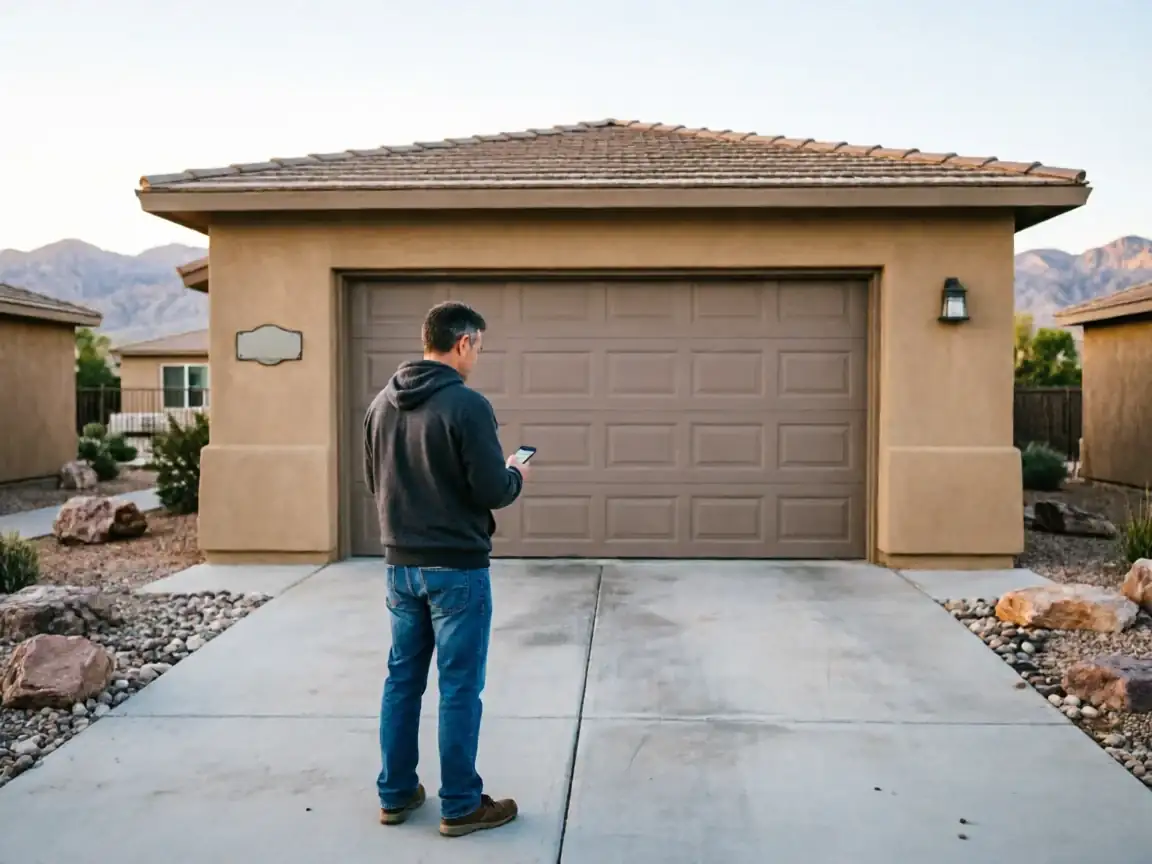
Tell us the year the house was built if you know it, whether the opener is chain or belt, and what the door is doing - won't open, drags on one side, opener runs but door doesn't move. That lets us bring the right spring size and the right roller stock instead of guessing on-site.
You can see the full list of areas we cover, including Tucson Estates, on our service area page.
How Long It Takes
Most single-visit jobs
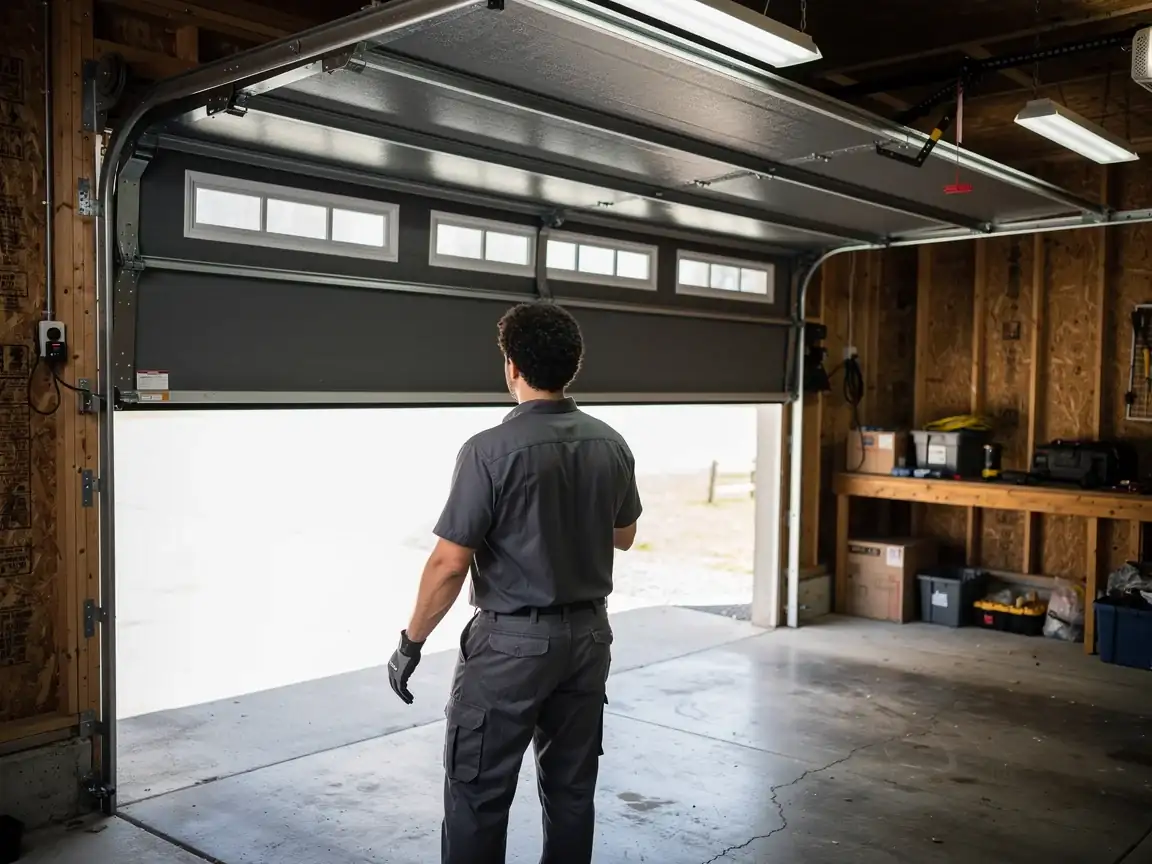
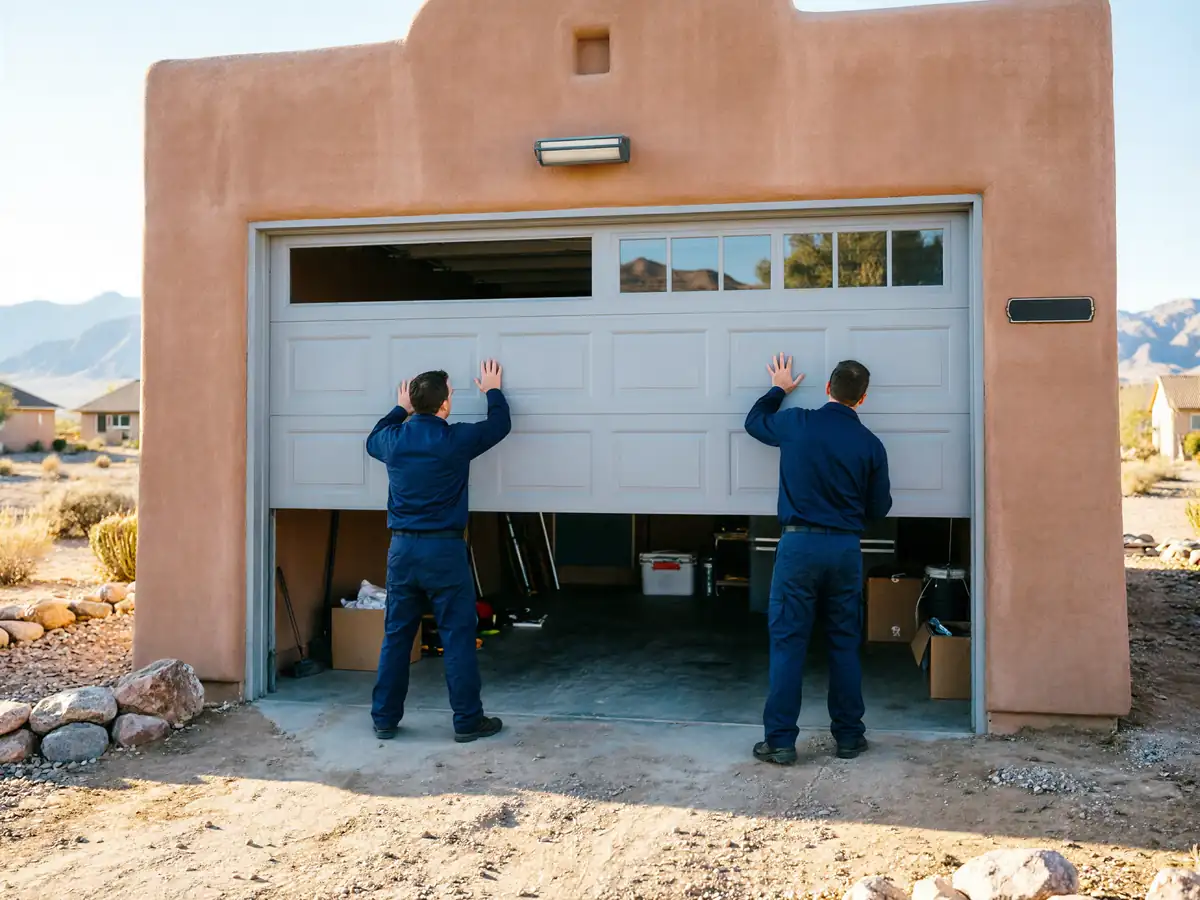
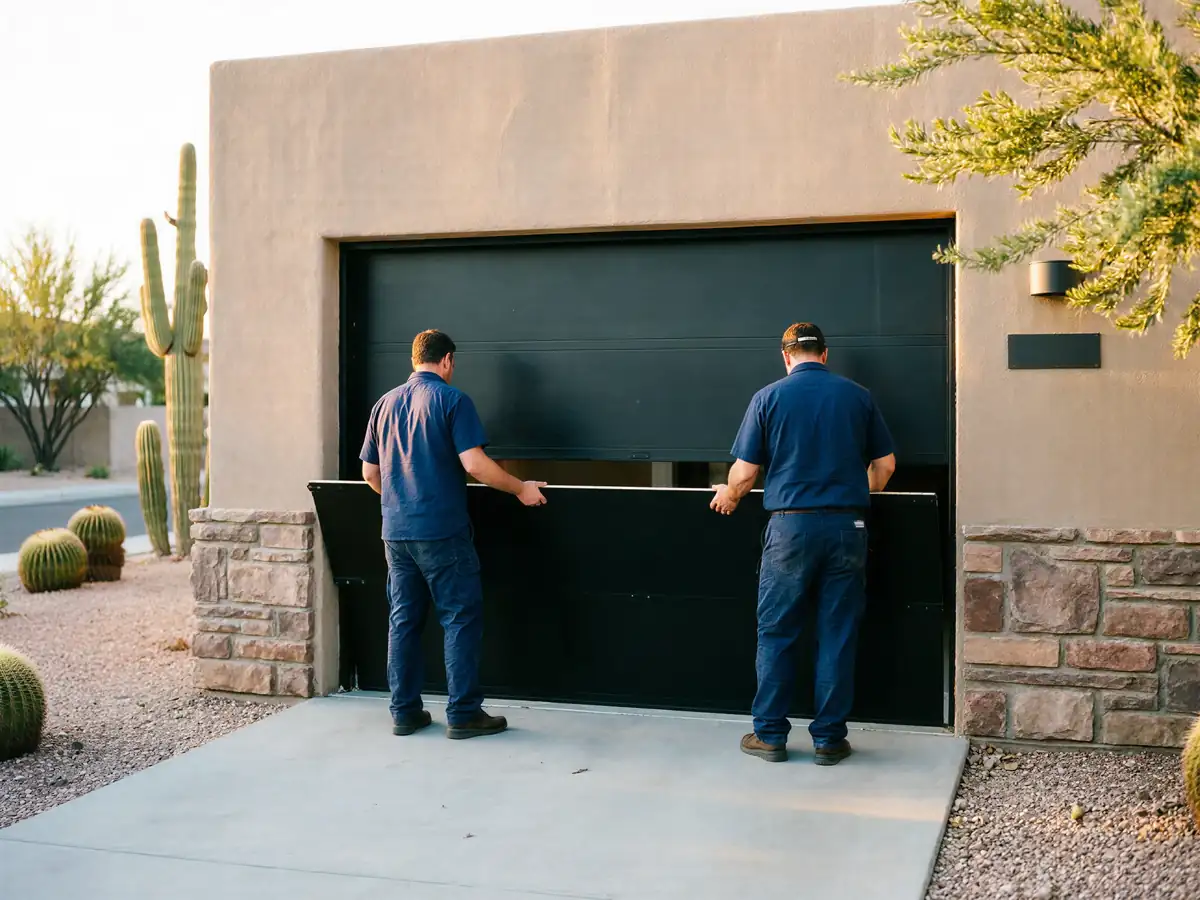
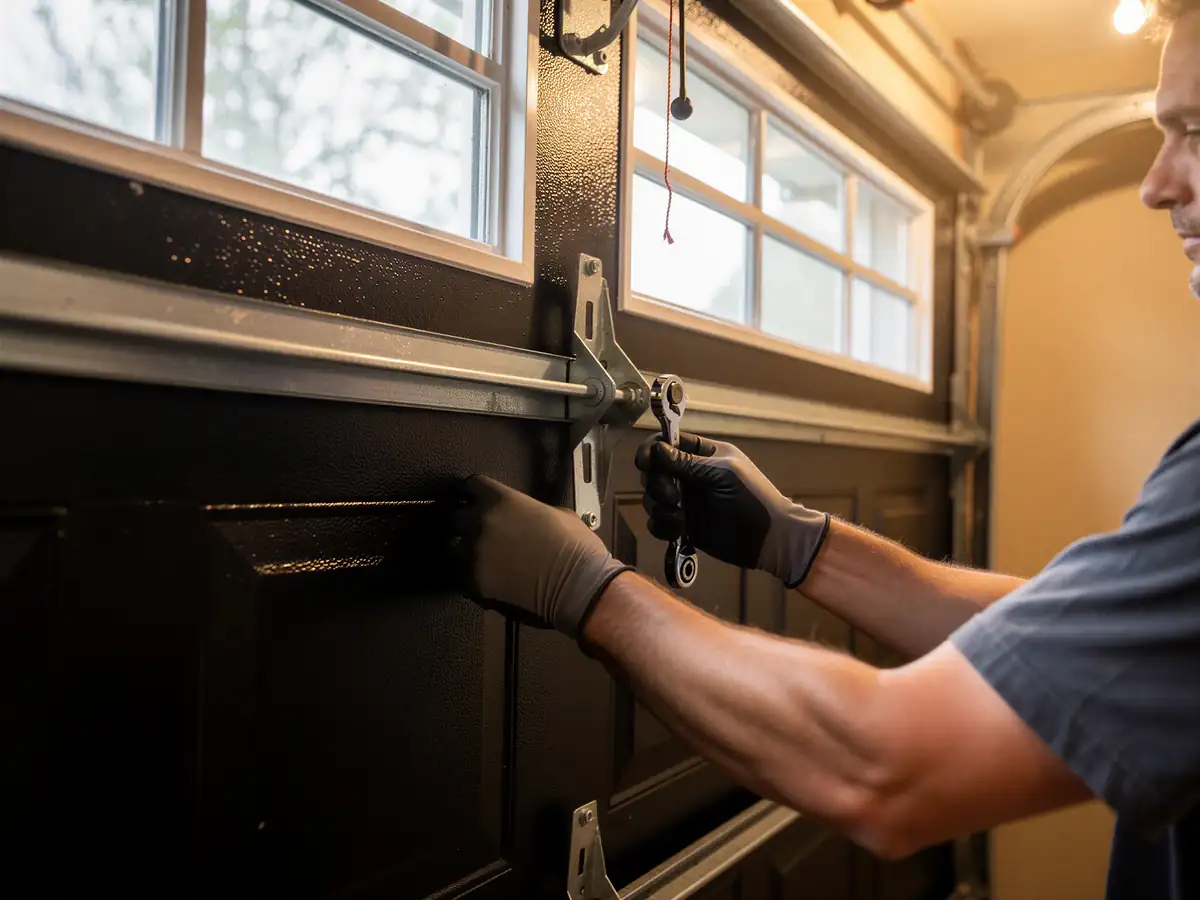
A broken torsion spring, a bent track section, a dead opener logic board - get diagnosed and fixed in one trip once we're on-site, assuming the part is a common size. Doors from the early-90s wave are common enough stock that we're rarely waiting on a special order.
What takes longer is anything tied to a full panel replacement
Since matching an original 1992 panel finish or window configuration sometimes means a short wait on the part itself rather than the labor. We won't promise a timeline we can't back with a part in hand, and we'd rather tell you that upfront than have you wait on a truck that isn't coming that day.
What Is on the Truck
Because Tucson Estates sits inside the 1980-2005 construction window that covers most of this service area, the truck is stocked for that era first: torsion springs in the common residential sizes, extension spring kits for the older end of that range, galvanized rollers rated for high-heat cycling rather than standard nylon, and chain-drive opener parts alongside the newer belt-drive units that have replaced a lot of original equipment by now.
We carry heat-rated lubricant and weatherstripping too, since standard rubber seals don't hold up well under a severe heat rating year after year - they dry out and crack faster than the rest of the door. What we don't carry is custom millwork or specialty panel finishes; if your door needs a match to a less common original style, that's a part we'd order rather than something sitting on the shelf in the truck.
Doing It Yourself
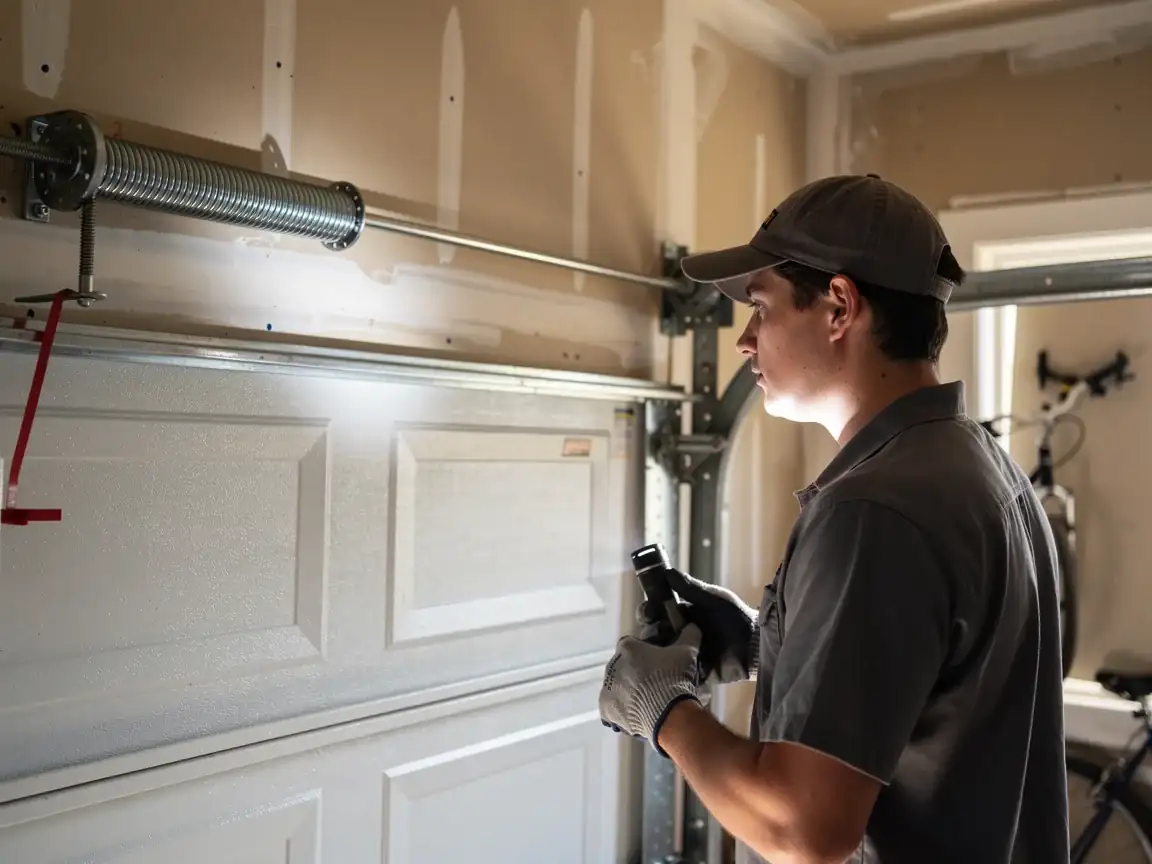
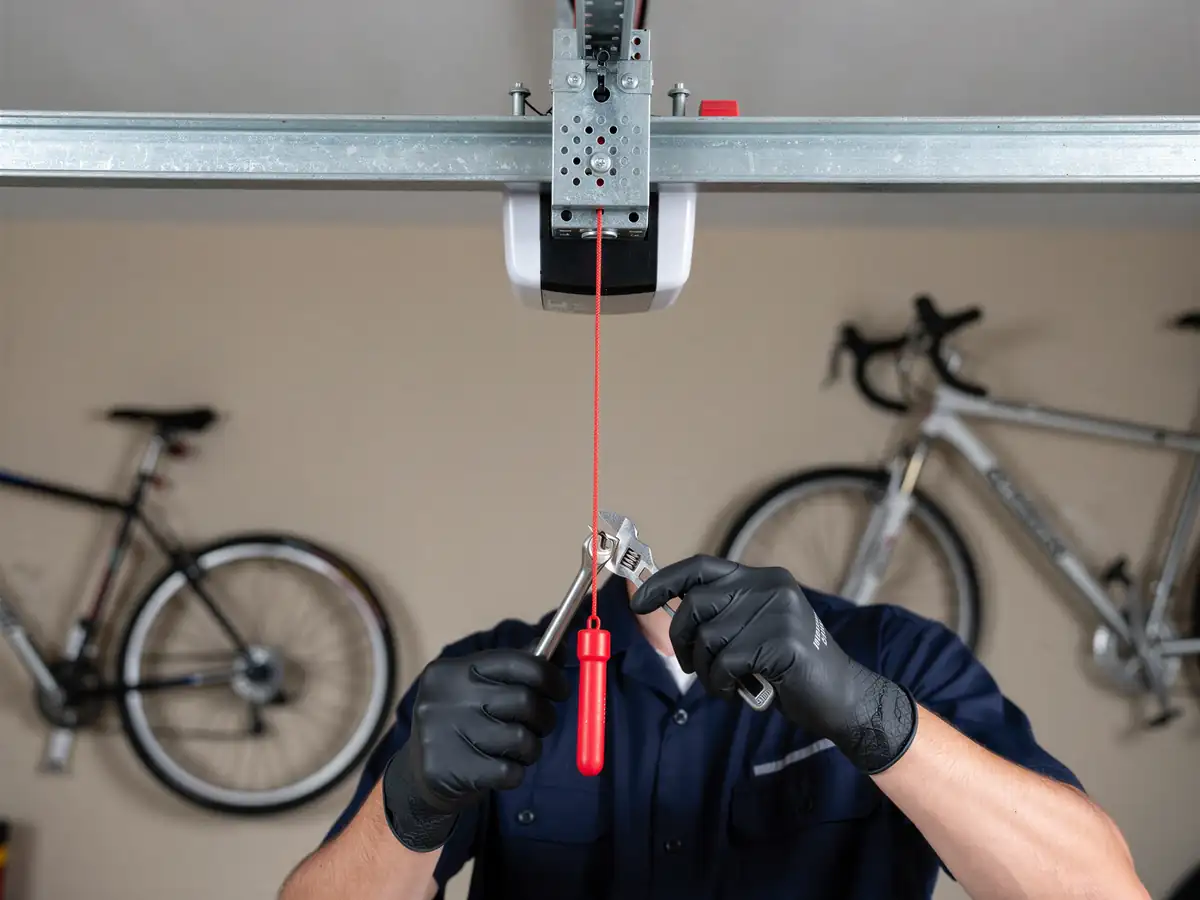
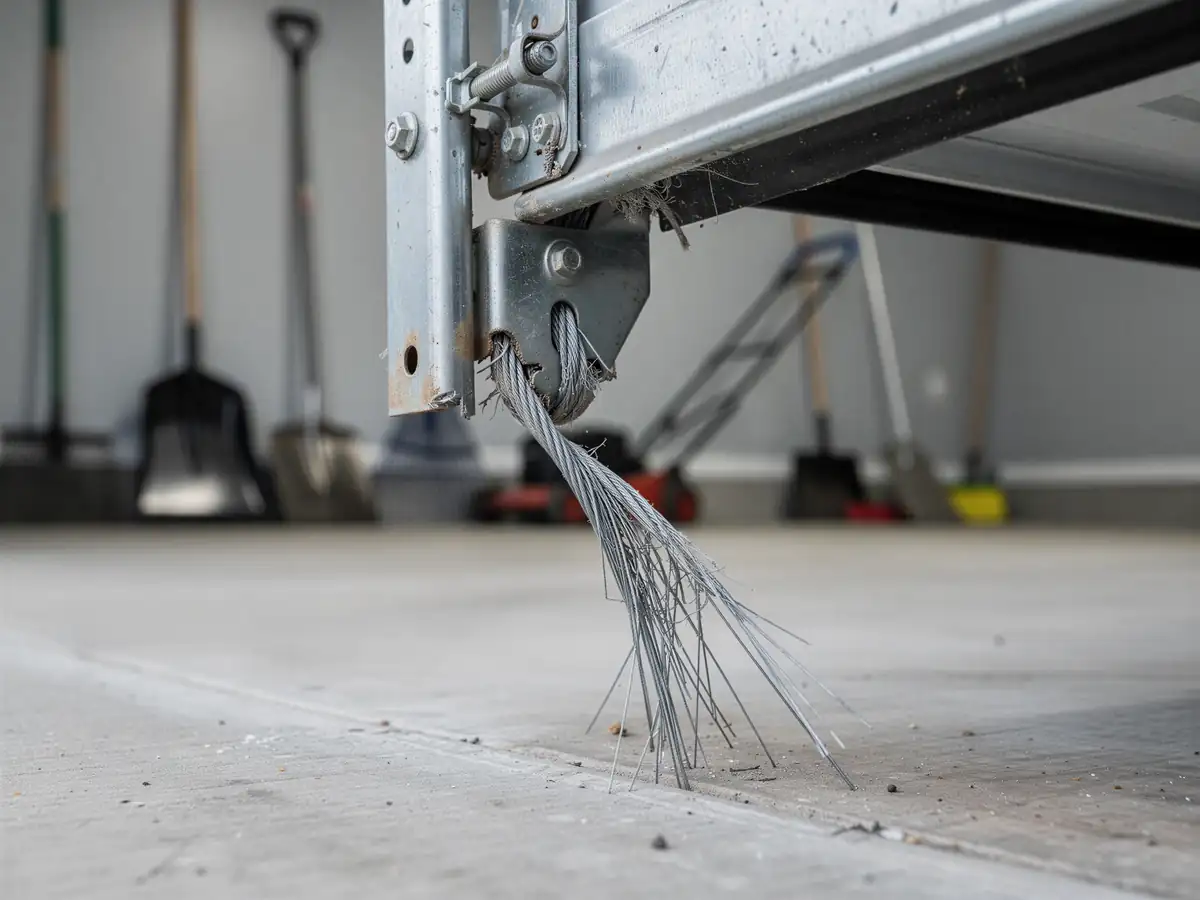
A door that's heavy to lift by hand, drags to one side, or bangs down the last foot of track is almost always a spring problem, and torsion springs under tension are not a safe DIY repair - that's not a sales line, it's physics, and it's the one job we'll tell anyone not to attempt alone regardless of how many online videos make it look simple.
What you can check yourself: the photo-eye sensors near the bottom of the track (dust or misalignment from heat expansion causes a lot of false stops), the weatherstrip at the bottom panel for cracking, and whether the opener light blinks a specific pattern - most manufacturers use blink codes to point at the exact fault. If the door moves but struggles, or the opener motor hums without lifting, that's usually a spring or cable issue worth a call rather than a wrench.