How It Shows Up
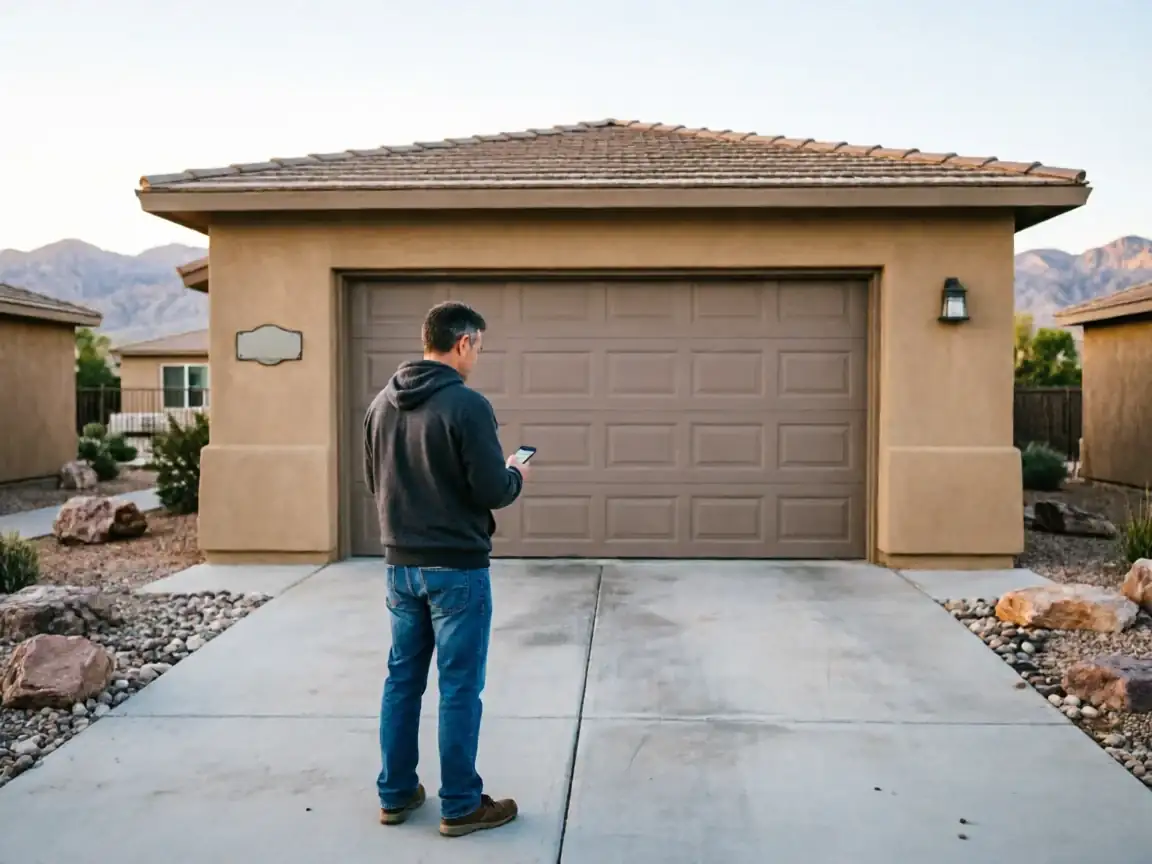
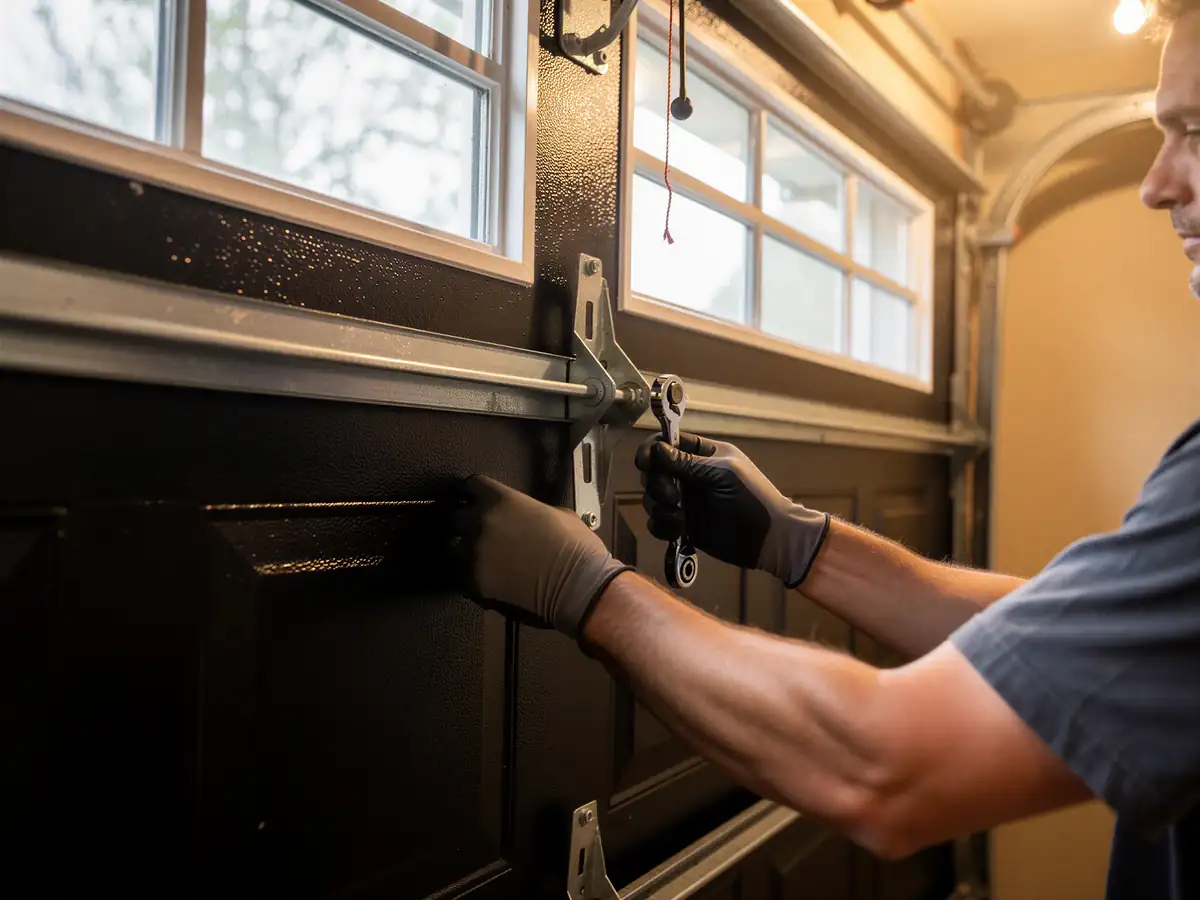
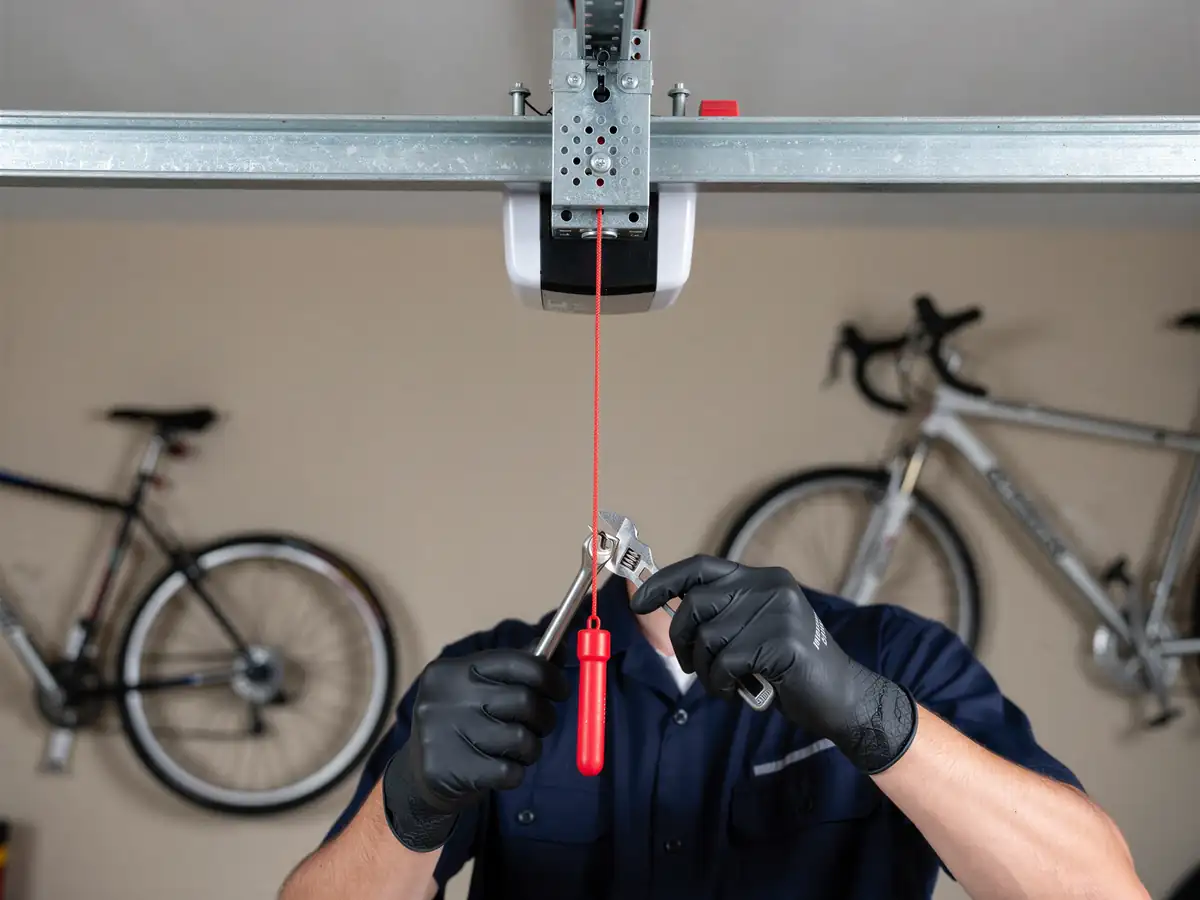
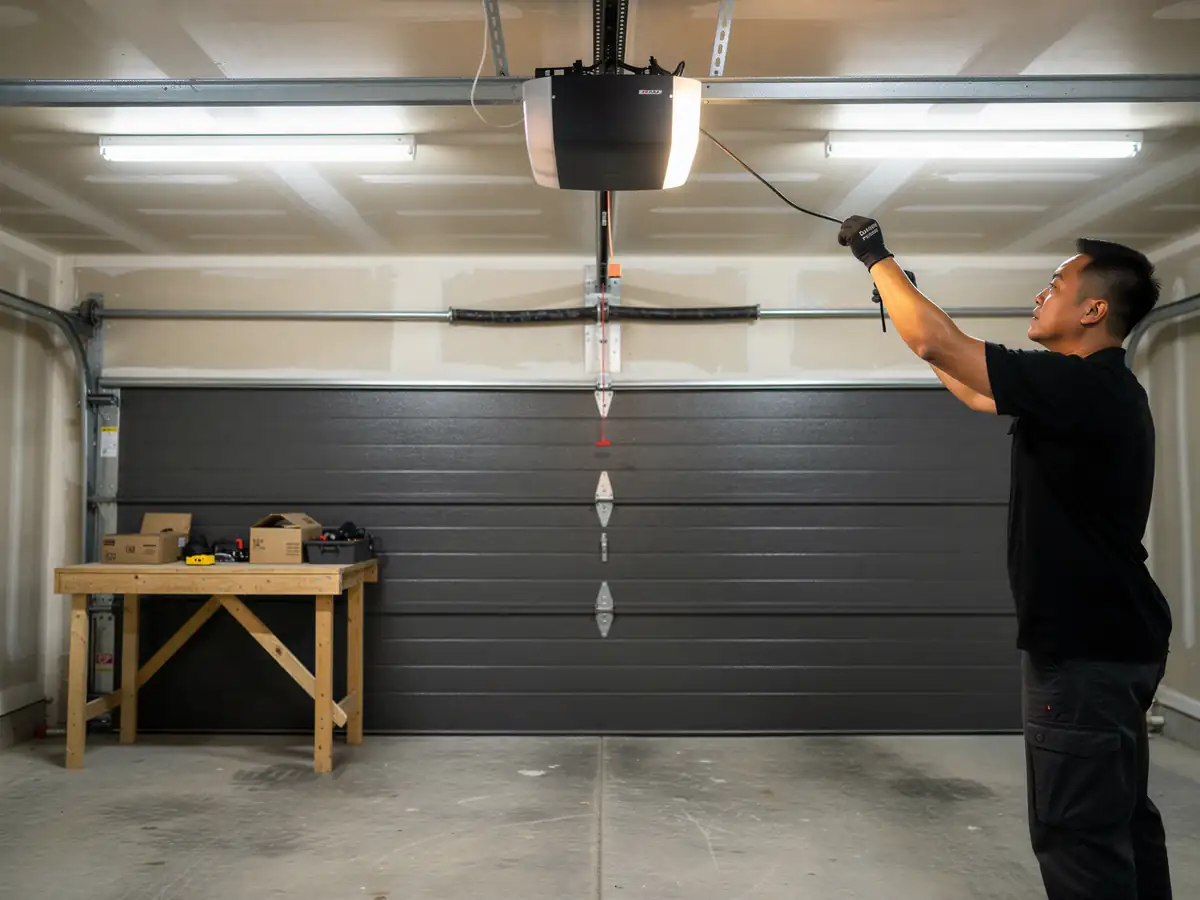
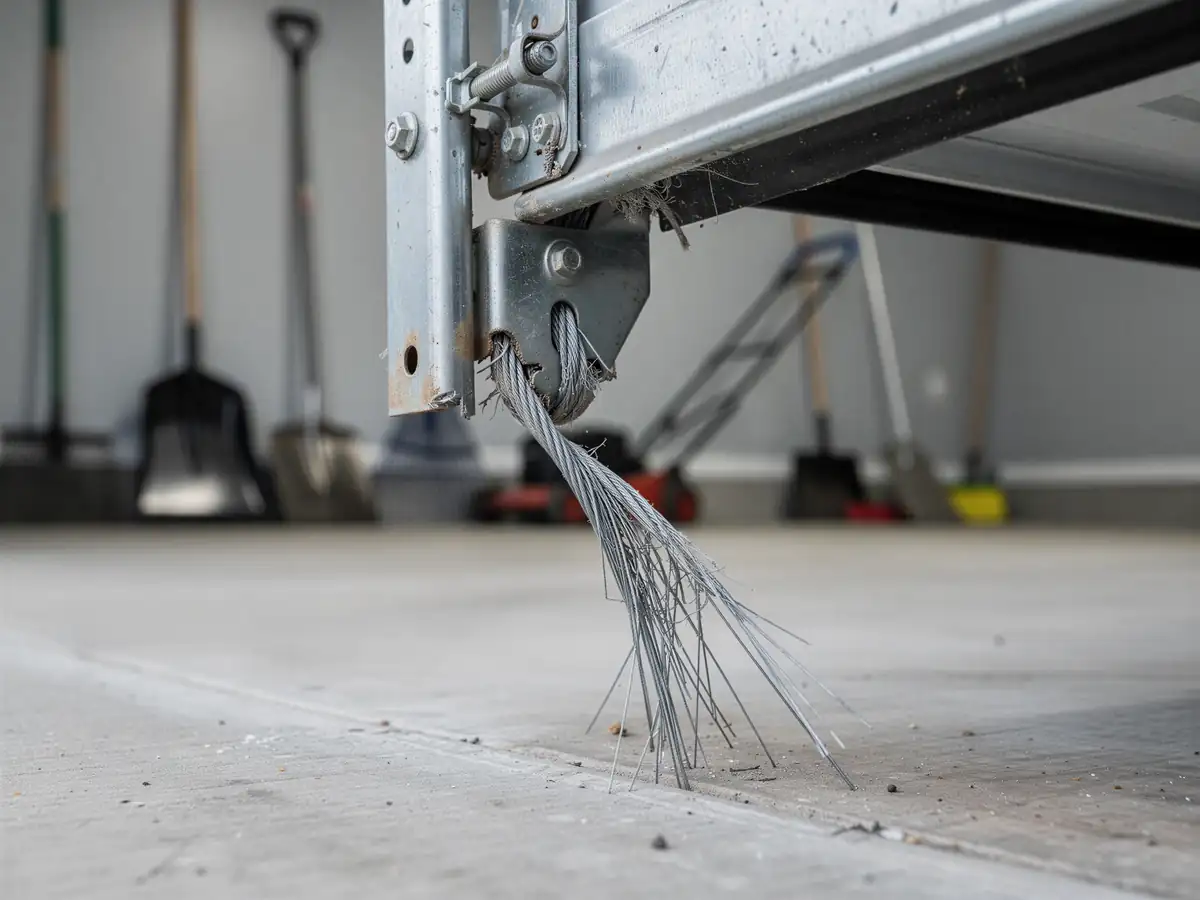
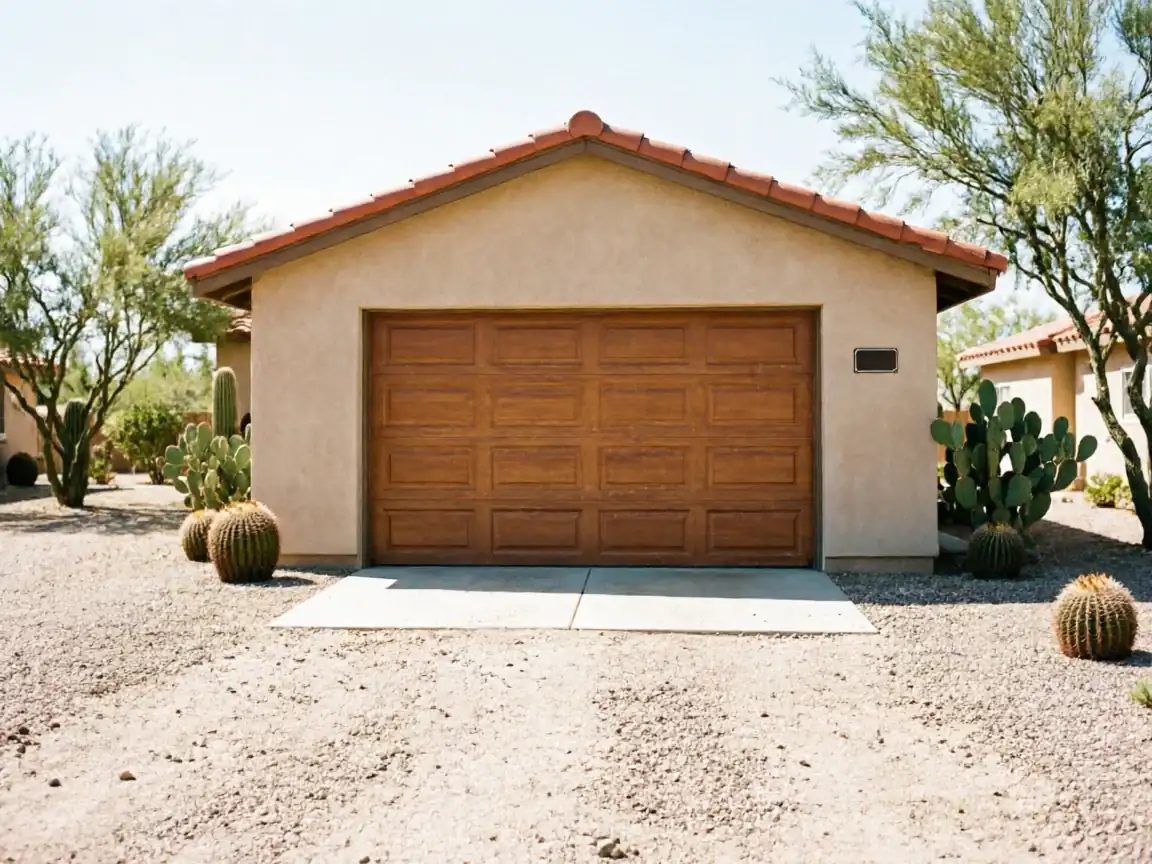
The call we get most from Tucson Estates isn't a dead spring, it's an opener that worked fine last week and now grinds, stutters, or just hums without moving the door. Houses here went up mostly around 1992, which means a lot of chain-drive openers from that era are still in service, decades past the point where their circuit boards and drive gears were built to last. Heat is the real culprit. This part of the service area sits in a severe heat band, and summer attic and garage temperatures cook the lubricant out of nylon gears and dry out the rubber belts on anything that isn't chain drive. That shows up as a door that reverses halfway up, or a motor that runs hot and trips its own safety cutoff. Steel doors from the early 90s also weren't insulated the way newer ones are, so panels expand and contract more across a summer day, which loosens hinge screws and throws tracks slightly out of alignment. None of this is dramatic until the day it is - a spring that's been baking for thirty summers doesn't fray, it just lets go. We see a fair number of those calls out of this neighborhood specifically, more than we'd expect from the age of the house alone, because the heat exposure here is doing extra work on original hardware.
Getting It Booked In
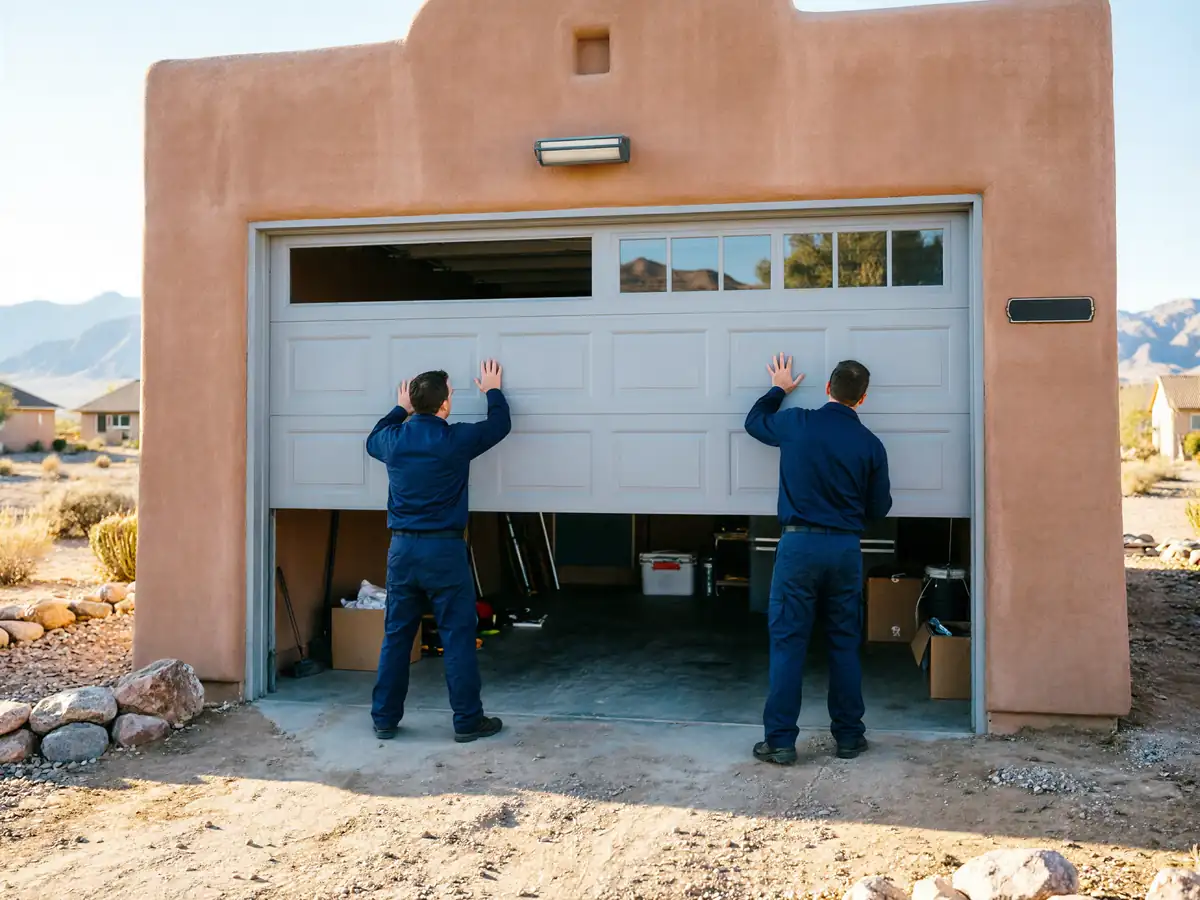
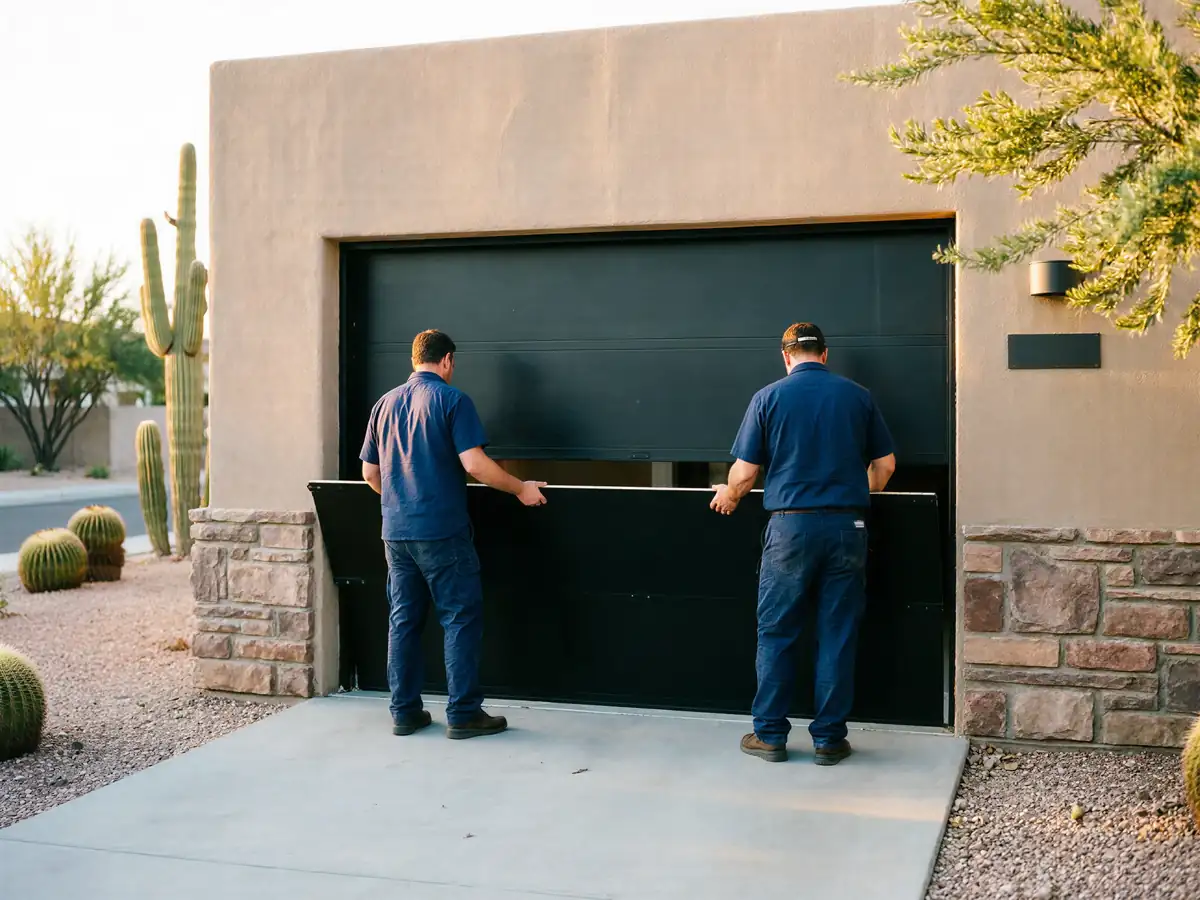
We cover Tucson Estates from our Oro Valley base, about 19 miles out, so a same-day slot depends on where our truck already is that morning rather than a fixed response window - we won't promise a number we can't back up. When you call, tell us the door's age if you know it and whether the opener is chain, belt, or screw drive; for a neighborhood built mostly around 1992, chain drive is the common answer and it changes what we load before we leave the shop. Median household income here runs around $66,813, and we price repairs the same way across the whole service area regardless of which suburb the call comes from. If the job turns out to be bigger than the phone call suggested - a bent track, a second spring that's about to go - we'll say so on site rather than padding the first estimate to cover it.
What Is on the Truck
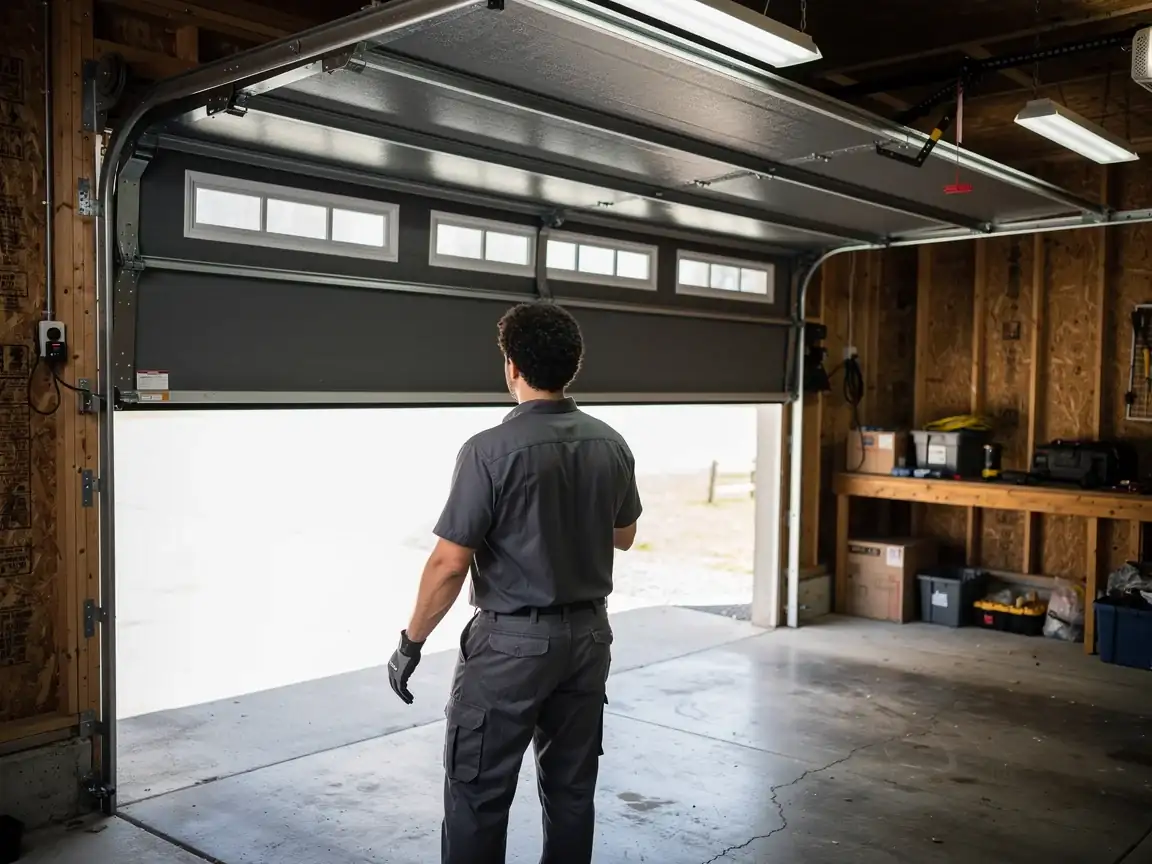
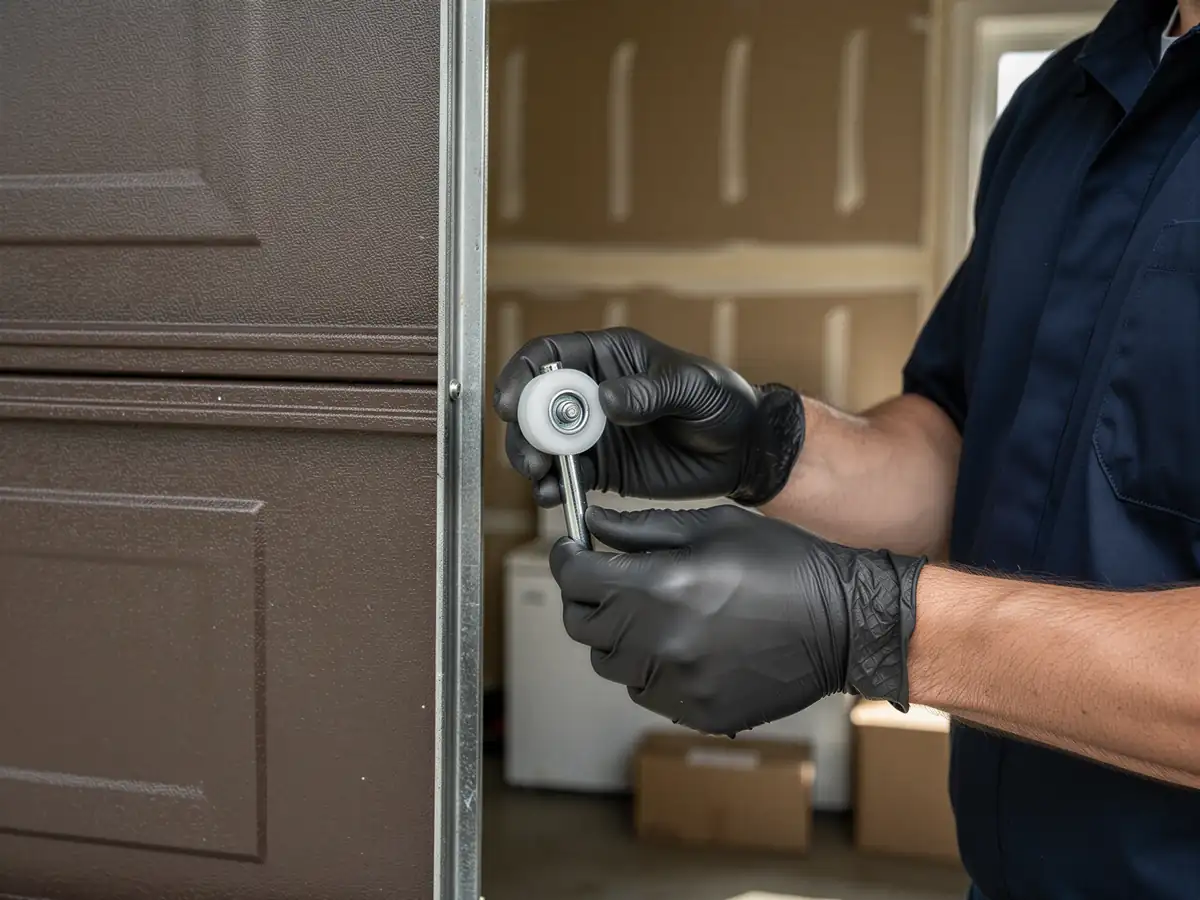
Given how many Tucson Estates calls trace back to chain-drive openers and original torsion springs from a 1992-era build, we stock the drive gears, chain tensioners, and standard torsion spring sizes that cover most of that housing stock before we ever leave Oro Valley. We also carry extra roller and hinge hardware, since heat-cycled steel doors in this heat band tend to need more of it per job than newer insulated doors do elsewhere. What we don't carry is a wide stock of discontinued panel profiles - if your door is an exact match to a 90s builder-grade model that's no longer made, we may need to order the panel rather than swap it off the truck, and we'll tell you that up front instead of guessing at a fit.
Doing It Yourself
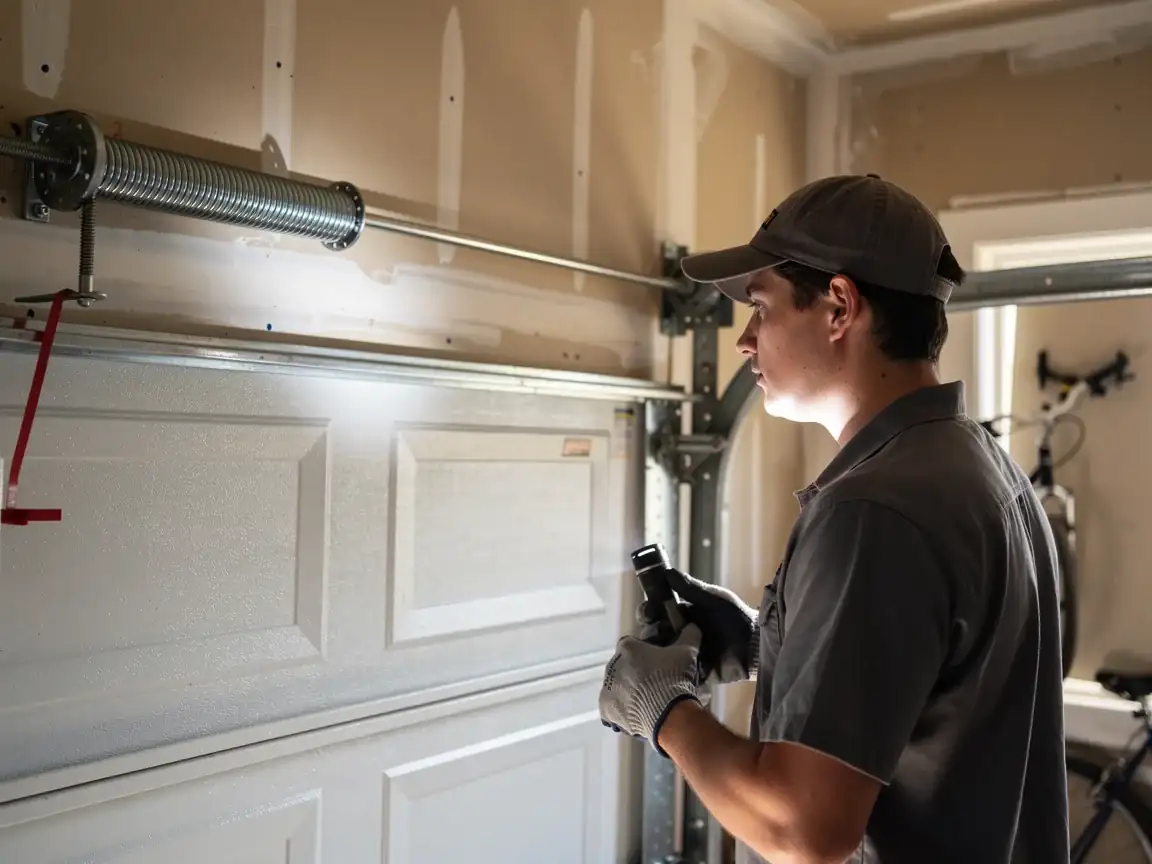
Lubricating hinges and rollers twice a year is worth doing yourself, especially in a heat band this severe where factory grease breaks down faster than the manual assumes. Tightening visible hinge screws on an older steel door is reasonable too, as long as the door is down and the opener is unplugged. What's not worth doing yourself is anything involving the torsion spring itself - on a house this age the spring has likely never been replaced, and a spring that's been under tension since 1992 can release with enough force to break bone. If the opener is cycling erratically in the heat of the day but fine in the morning, that's a board or sensor issue, not a lubrication fix, and it's the kind of intermittent fault that's genuinely hard to diagnose without someone there to watch it fail.